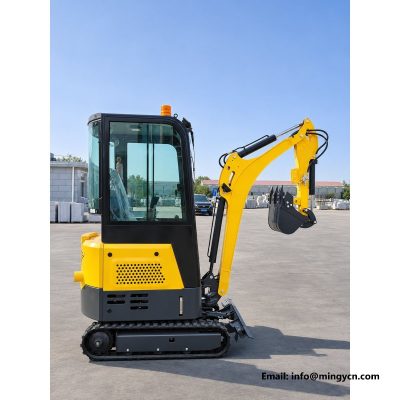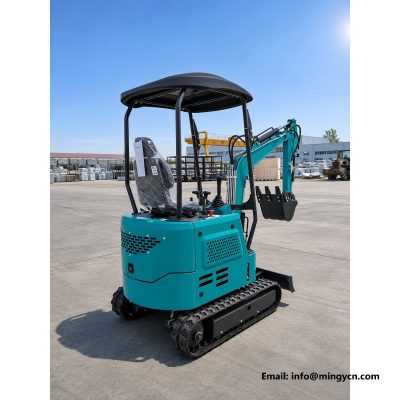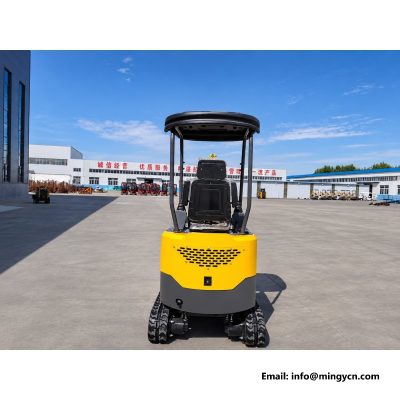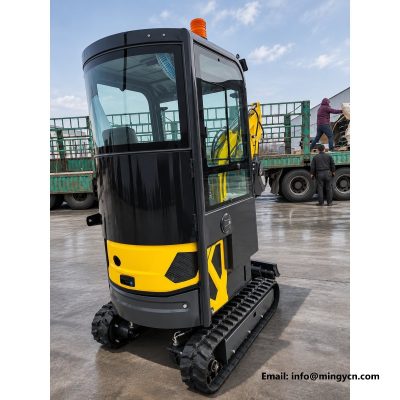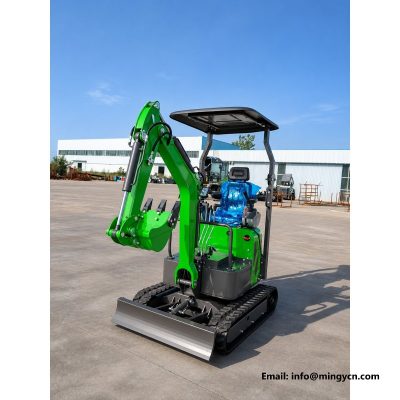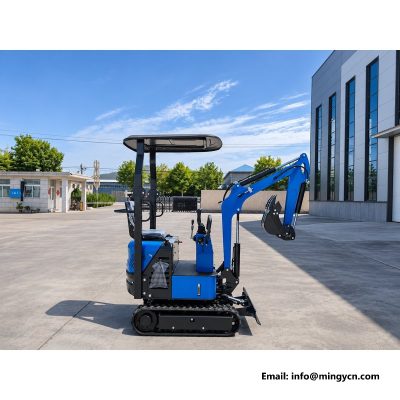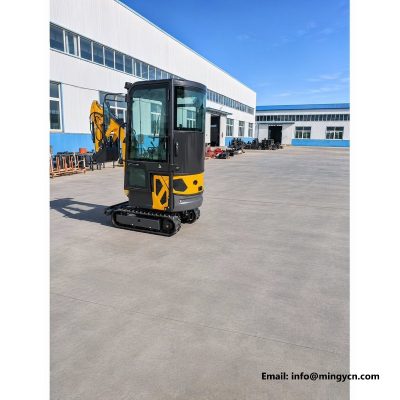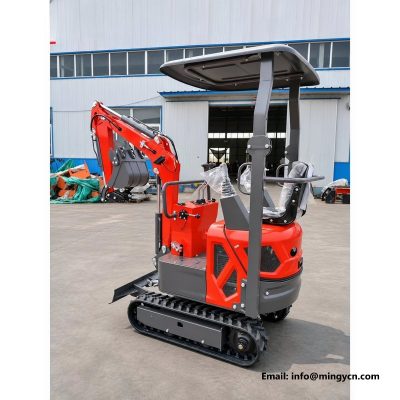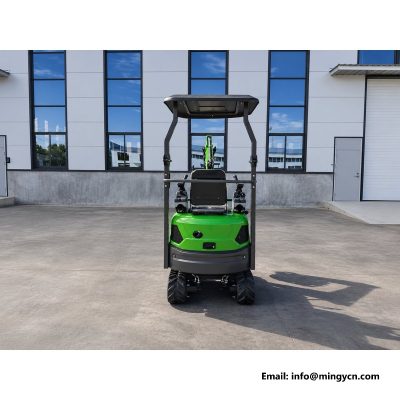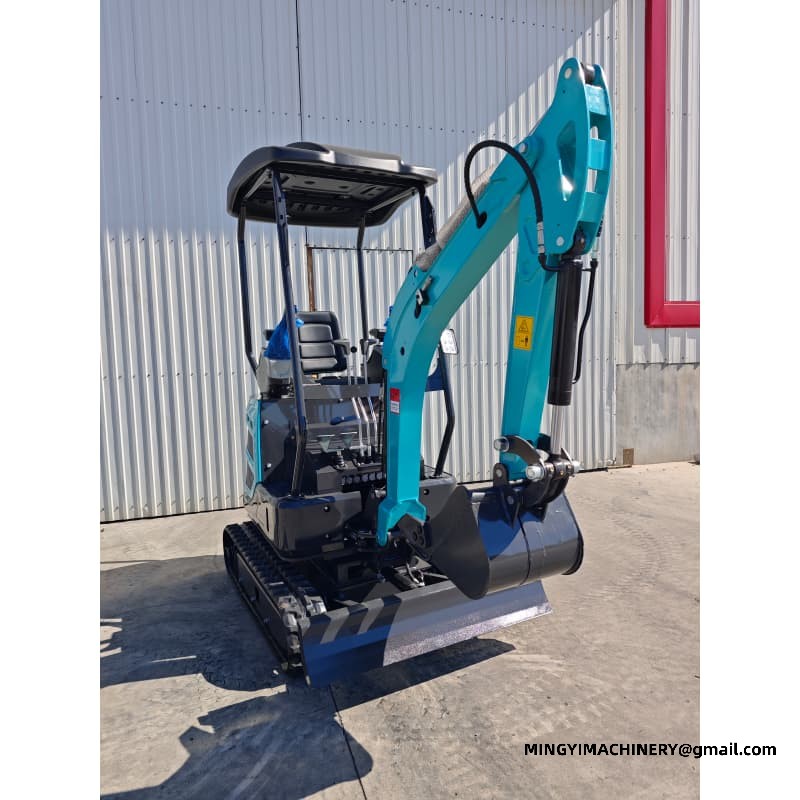
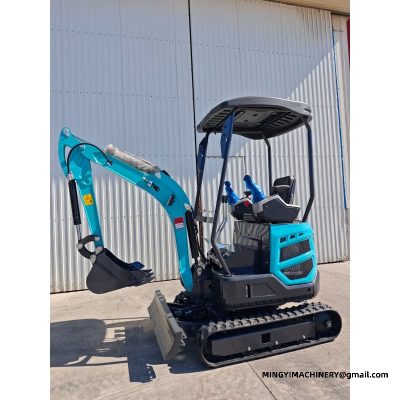
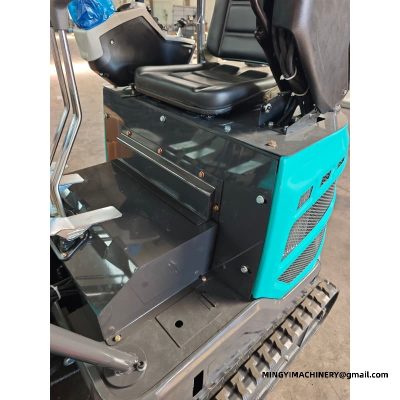
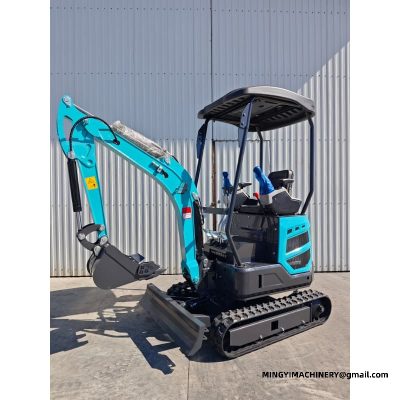
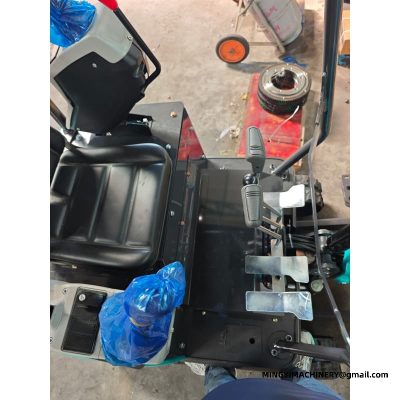
Soft landscape work is the part of a scheme that grows: beds, lawns, planting areas and the subsoil and drainage underneath them. It has to be prepared to a depth and a level, and the ground must not be compacted in the process.
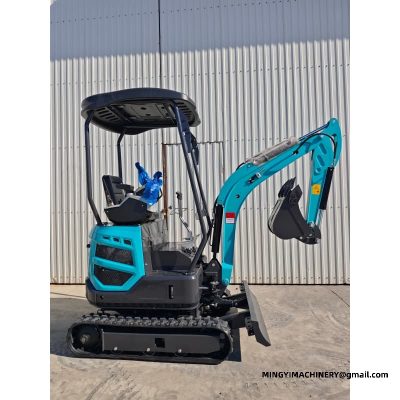
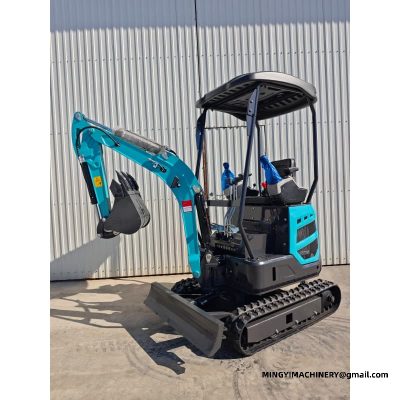
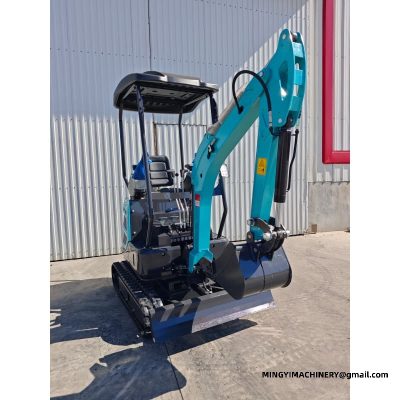
A compact excavator with the right ground-engaging attachments covers that work efficiently. MINGYI builds mini crawler excavators in the 0.8 to 6 tonnes class to order, so the tools and the undercarriage can be chosen for soft ground rather than hard excavation.
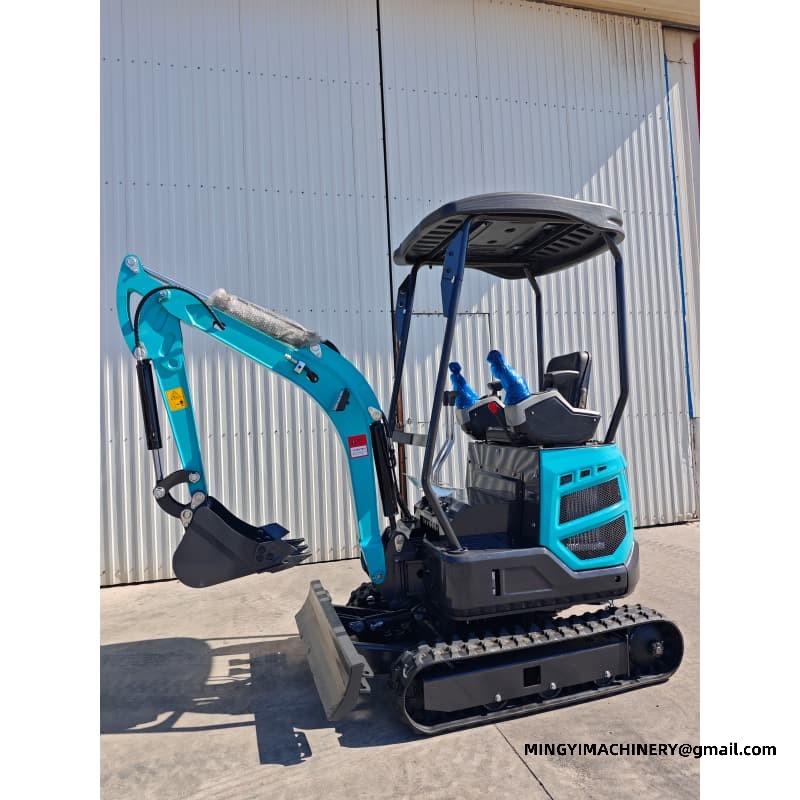
Preparation begins below the planting layer. A soil loosener or rotary tiller opens the subsoil so water moves through, and a grading bucket then brings the surface to the pegged levels without leaving it sealed.
Depth and fall matter together. Water has to leave the bed at a steady gradient, and a machine that can tilt its bucket will hold that gradient across a wide area instead of working it in narrow strips and joining them afterwards.
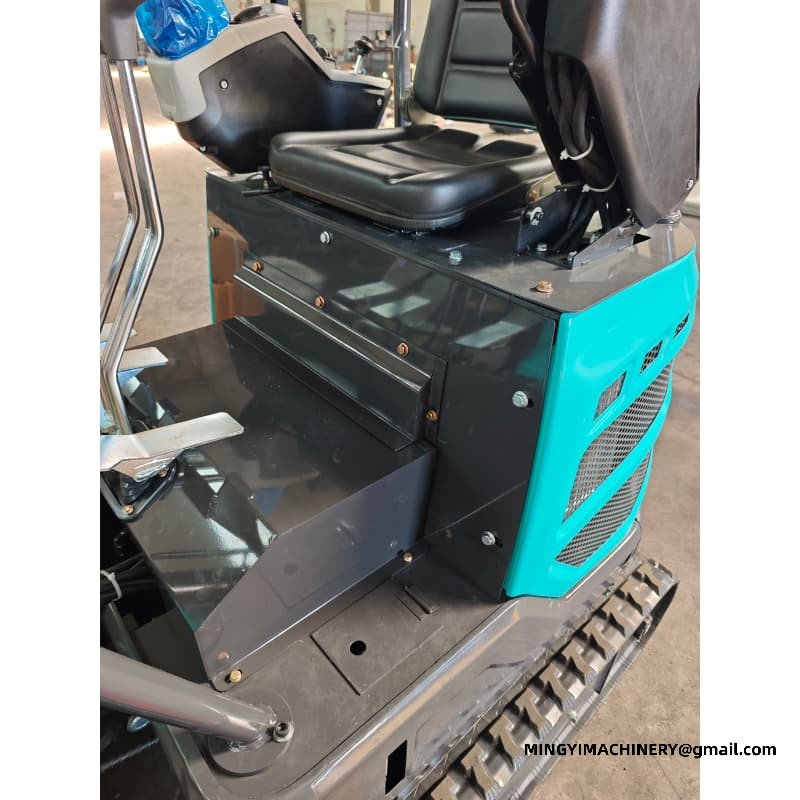
The tools that matter on soft landscape are a tilting or grading bucket, a rake, a rotary tiller and a grabber or plant grabber. Between them they cover tillage, fine shaping, clearing growth and lifting root-balled plants into position.
Because the machine is working over ground that is being prepared rather than excavated, the undercarriage is usually rubber. Work is planned so that travel happens on the fewest passes possible, and the attachment set is agreed when the machine is ordered.
Soft landscape work is judged by what the ground is like when the machine leaves it. A compact excavator fitted for tillage and grading prepares a bed that plants establish in, rather than one that has to be rebuilt.
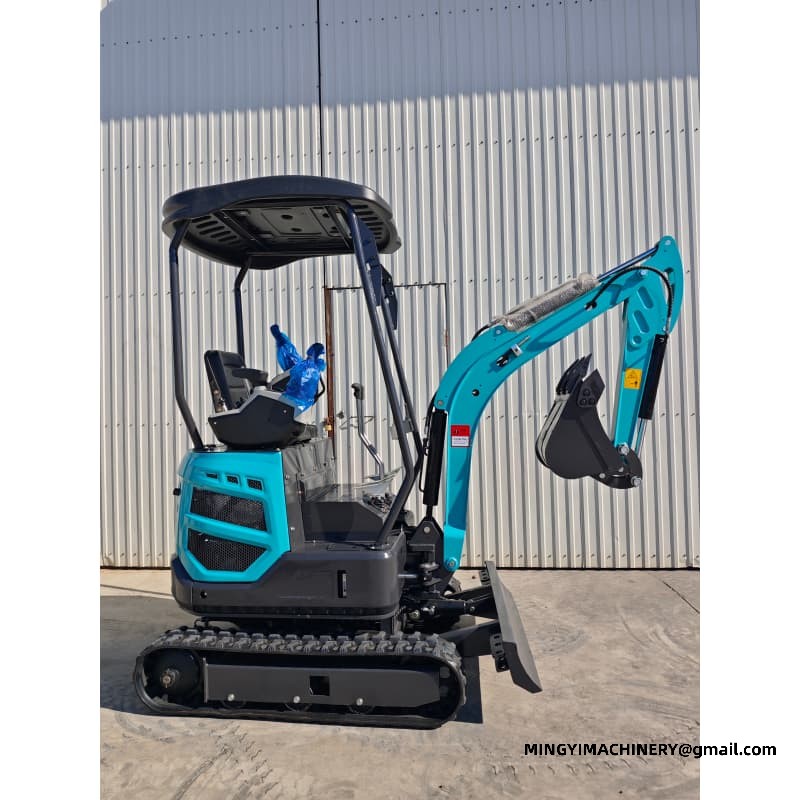
Stability changes with reach. A load the excavator handles close in becomes a different proposition at full extension, so the working radius belongs in the plan before the lift rather than during it. Ground condition under the machine is part of every lift. Soft or uneven support is the common factor in handling incidents, and checking it takes less time than recovering this class of machine that has settled.
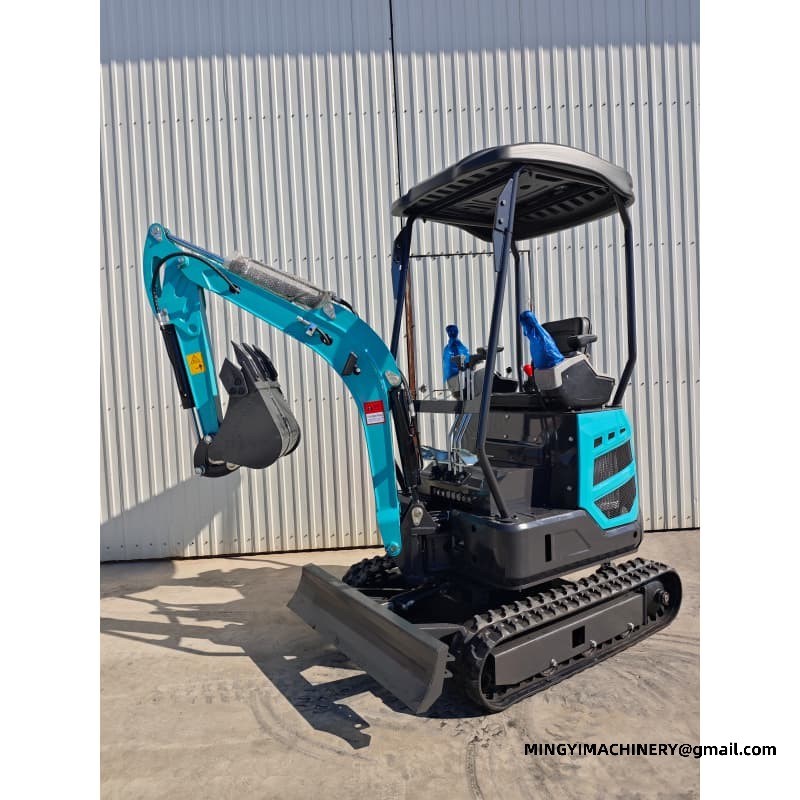
Weather decides which days are productive. Rain turns some ground unusable and cold changes how the unit in daily use starts and warms up, so planning the wet months around maintenance is more useful than planning around output. Heat and dust are as limiting as rain. Air intake condition and cooling cleanliness decide how a machine of this size behaves in a dry season, and both are checked in a minute rather than repaired later.
Support after delivery is a parts question. Wearing items for the equipment on site - filters, belts, track components, bucket teeth and pins - are the items a buyer should plan to hold before the first service interval. Remote support is handled by video. The machine itself fault can often be diagnosed on a walk-around call with the panel open, which is faster than waiting for a visit and avoids shipping a part that is not needed.
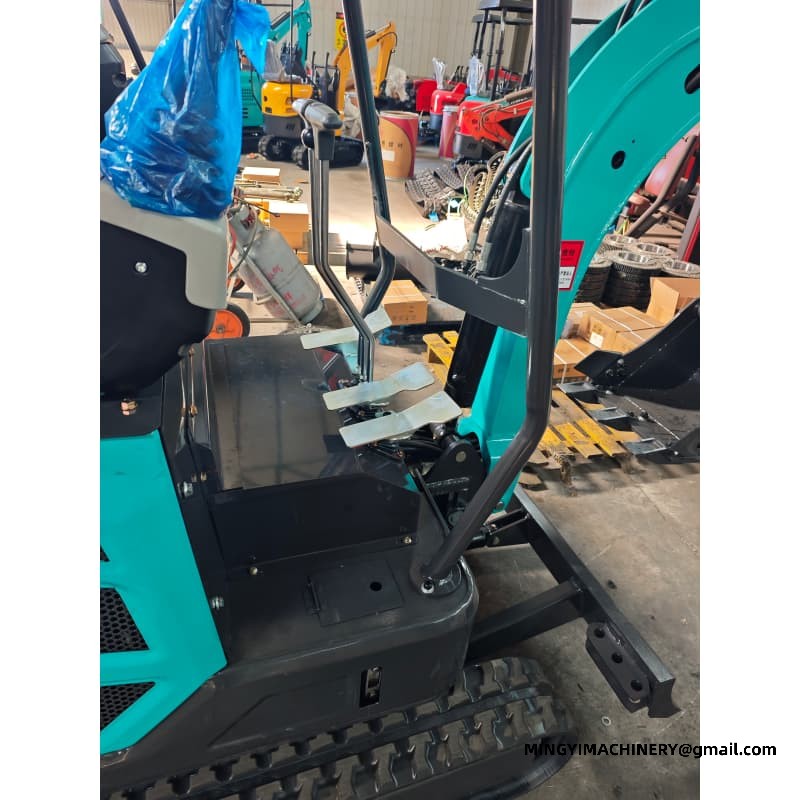
A quick coupler is the single option that changes how a machine is used day to day. Fitted to the model in question, it turns an attachment change from a two-person workshop job into a task the operator does alone in minutes. For a fleet that shares attachments between machines, a common coupler standard matters more than the coupler brand. The machine in that duty that picks up the same tools as the larger machines keeps the rack usable across the yard.
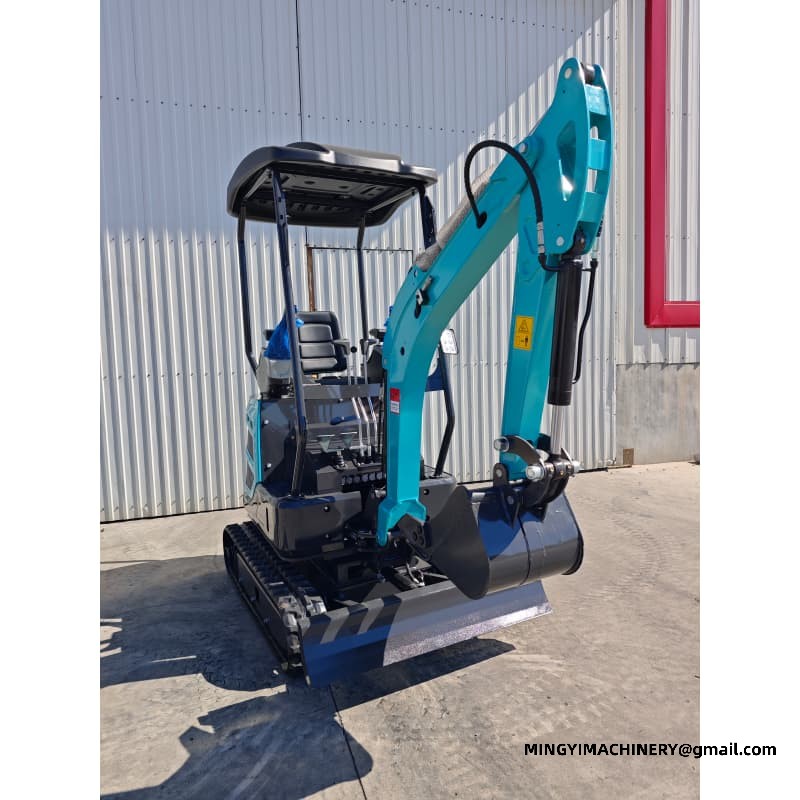
Output on a compact machine comes from placement rather than power. An experienced operator keeps the unit on the job working inside the swing arc, positions once and digs a full run instead of repositioning for every bucket. Stability is the third. A machine built for the work working across the tracks rather than over the corners keeps the machine steady and the undercarriage loaded evenly, which shows up as track life at the end of the season.
Service trenches are the most common reason the equipment in service is hired. Water, sewage, cable and gas runs are narrow, shallow and often close to existing services, which is exactly the work a full-size machine cannot do safely. Trench quality depends on the bucket width and the operator, not on machine size. The excavator with a narrow bucket and a swing boom cuts a clean run along a boundary without disturbing the ground either side of it.
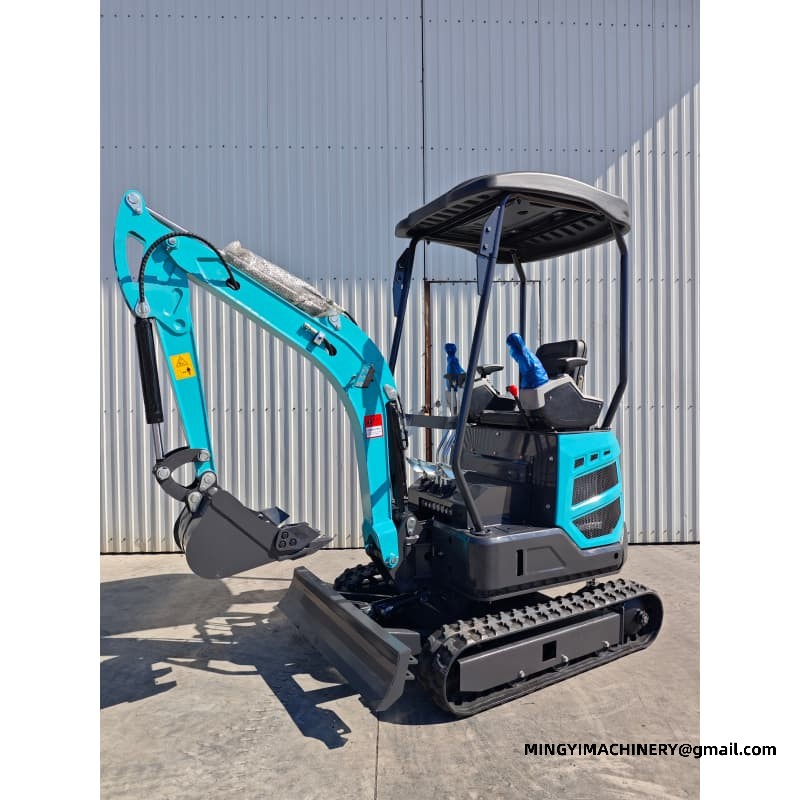
Interior demolition is an access and a weight question. The unit in daily use that fits through a doorway and works on a suspended floor does jobs that would otherwise be done by hand or by a larger machine that cannot enter. Breaking out a floor slab, a wall footing or a concrete step is routine work for a machine of this size with a breaker. The machine is small enough to work inside and heavy enough to run the tool at a practical rate.
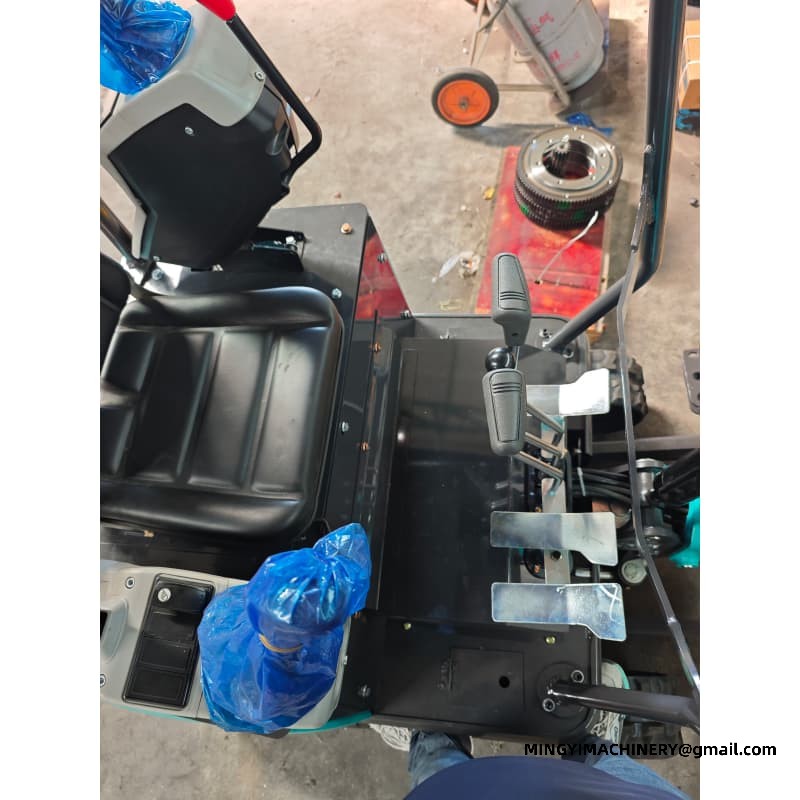
Track tension is the item most often neglected. The machine itself run with slack tracks wears the undercarriage and can throw a track on a turn; run too tight, the same components wear from the other direction. Greasing is the second item. The slew ring, the boom and arm pins and the bucket linkage on the model in question take grease daily in dusty work, and the intervals shorten further when the machine is used in water or mud.
Loading practice matters as much as the numbers. The unit on the job is driven up ramps under its own power with the boom lowered and the tracks aligned, and secured at the points the manufacturer specifies. Detachable components reduce transport length. A machine built for the work built with a removable arm section or a folding step fits a shorter trailer and may avoid an oversize movement permit.
The base machine is a carrier; the tool on the end of the arm decides the task. The excavator fitted with a toothed bucket digs, and the same machine with a breaker, an auger or a grab does work that would otherwise need a second unit on site. Most of the daily variety on this class of machine comes from the attachment rack rather than from the machine itself. Bucket, breaker, auger, ripper, rake and grab cover the large majority of the work a contractor will see.
The practical way to specify is to write the job list first: the narrowest access, the deepest trench, the heaviest tool and the surfaces the machine must cross. A machine of this size is then matched to those four numbers. Buyers who skip this step either over-buy or under-buy. The equipment on site specified only from machine size tends to arrive without the coupler, the circuits or the track type the work actually needs.
The figures below are the factory figures for the models most often matched to the model in question. They are the numbers to check against the site: the depth the work needs, the reach from one position, and the width of the narrowest point on the route in.
| Reference specification — mini excavator range | 13W | 15W | 12L | 20-2L |
|---|---|---|---|---|
| Operating weight | 1300 kg (2866.01 lb) | 1400 kg (3086.47 lb) | 1200 kg (2645.55 lb) | 1900 kg (4188.78 lb) |
| Transport size (L×W×H) | 2200 × 930 × 2250 mm | 2200 × 930 × 2250 mm | 2200 × 930 × 2250 mm | 2600 × 1300 × 2344 mm |
| Max digging depth | 1630 mm (64.17 in) | 1630 mm (64.17 in) | 1700 mm (66.93 in) | 2100 mm (82.68 in) |
| Max digging height | 2750 mm (108.27 in) | 2750 mm (108.27 in) | 2600 mm (102.36 in) | 2880 mm (113.39 in) |
| Max dumping height | 1960 mm (77.17 in) | 1960 mm (77.17 in) | 1800 mm (70.87 in) | 2100 mm (82.68 in) |
| Max digging radius | 2900 mm (114.17 in) | 2900 mm (114.17 in) | 2900 mm (114.17 in) | 3215 mm (126.57 in) |
| Max digging distance | 2100 mm (82.68 in) | 2100 mm (82.68 in) | 2300 mm (90.55 in) | 2460 mm (96.85 in) |
| Minimum turning radius | 1300 mm (51.18 in) | 1300 mm (51.18 in) | 1450 mm (57.09 in) | 1587 mm (62.48 in) |
| Travel speed | 3 km/h (1.86 mph) | 3 km/h (1.86 mph) | 3 km/h (1.86 mph) | 5 km/h (3.11 mph) |
| Gradeability | 30° | 30° | 30° | 30° |
| Fuel consumption | 1-1.3 L/h (0.264—0.343 gal) | 1-1.3 L/h (0.264—0.343 gal) | 1-1.3 L/h (0.264—0.343 gal) | 2-3 L/h (0.528—0.793 gal) |
| Fuel tank capacity | 10 L (2.64 gal) | 10 L (2.64 gal) | 10 L (2.64 gal) | 16 L (4.23 gal) |
| Hydraulic oil tank | 16 L (4.23 gal) | 16 L (4.23 gal) | 16 L (4.23 gal) | 18 L (4.76 gal) |
| Dozer blade lift height | 180 mm (7.09 in) | 180 mm (7.09 in) | 180 mm (7.09 in) | 180 mm (7.09 in) |
| Dozer blade drop depth | 210 mm (8.27 in) | 210 mm (8.27 in) | 210 mm (8.27 in) | 210 mm (8.27 in) |
These are the reference figures for the machine in that duty. MINGYI confirms the final build sheet, including engine and attachment choices, against the destination and the job list before production.
Grass cutting heads, rakes and tillers extend the unit on the job into ground care. The same carrier that digs a border in spring can cut and clear the same area later in the season. On soft landscape work the surface is the constraint. A machine built for the work on rubber tracks crosses turf without stripping it, which is why the same jobs are not given to a wheeled machine.
Frequently Asked QuestionsQ. What is the equipment in service?
A. The landscape digger balances output with care: track choice, bucket control and a light footprint matter as much as digging speed. A fine-control valve lets the operator grade to the line the plan asks for, on the first pass. The excavator is one of the pages buyers land on when comparing machines for soft landscape work, and the factory treats it as a specification conversation rather than a catalogue line.
Q. What does a landscape crew actually dig in a week?
A. Bed preparation, path base, drainage, planting holes and the odd tree - varied, light, and judged by the finish. That mix is exactly what the compact class is built around.
Q. What support follows the sale?
A. Spare-part kits, wear items and service documentation ship with the programme, and the parts team works from the serial plate to match components exactly. Warranty and support terms for the soft landscape work order are confirmed in writing before the machine leaves.
Dust is the enemy of every rotating joint. Keeping the radiator and the air intake of the unit in daily use clean, and cleaning them before they are blocked rather than after, is what separates a machine that lasts from one that overheats.
Shared machines need shared habits. Two operators on the equipment on site should do the same daily checks in the same order, because the check that one person skips is the check that eventually matters.
E-mail : sales@mingycn.com
LINE ( ID ): mingyicn