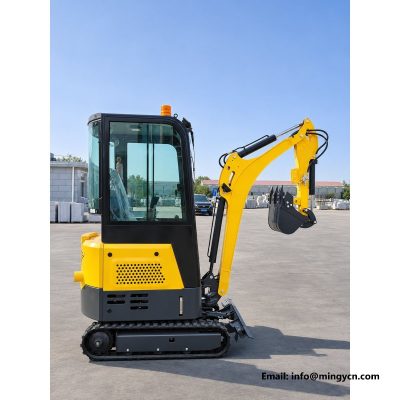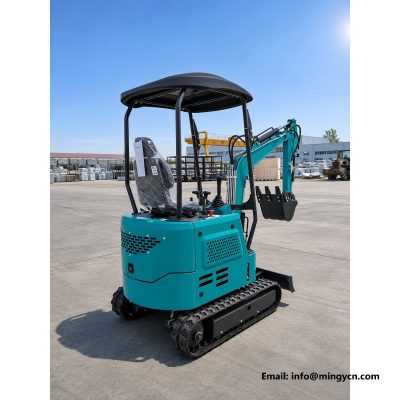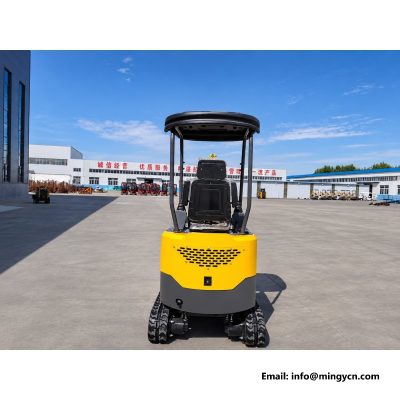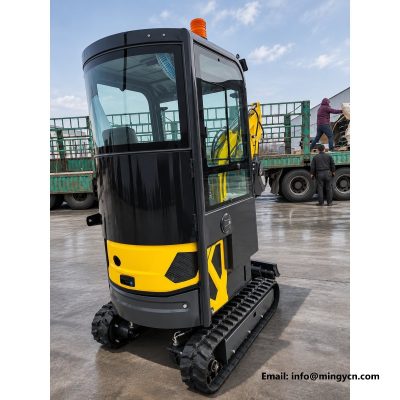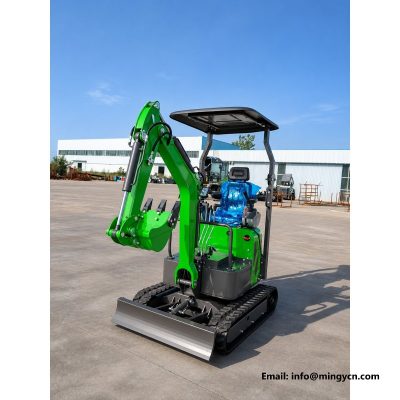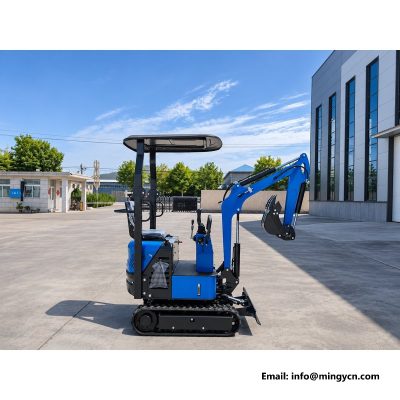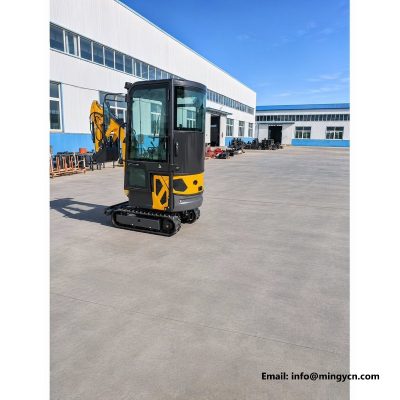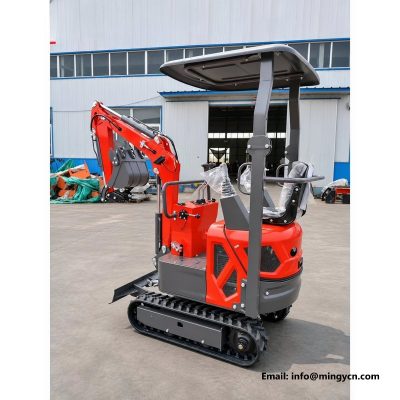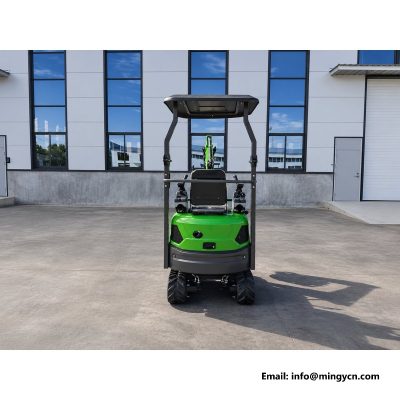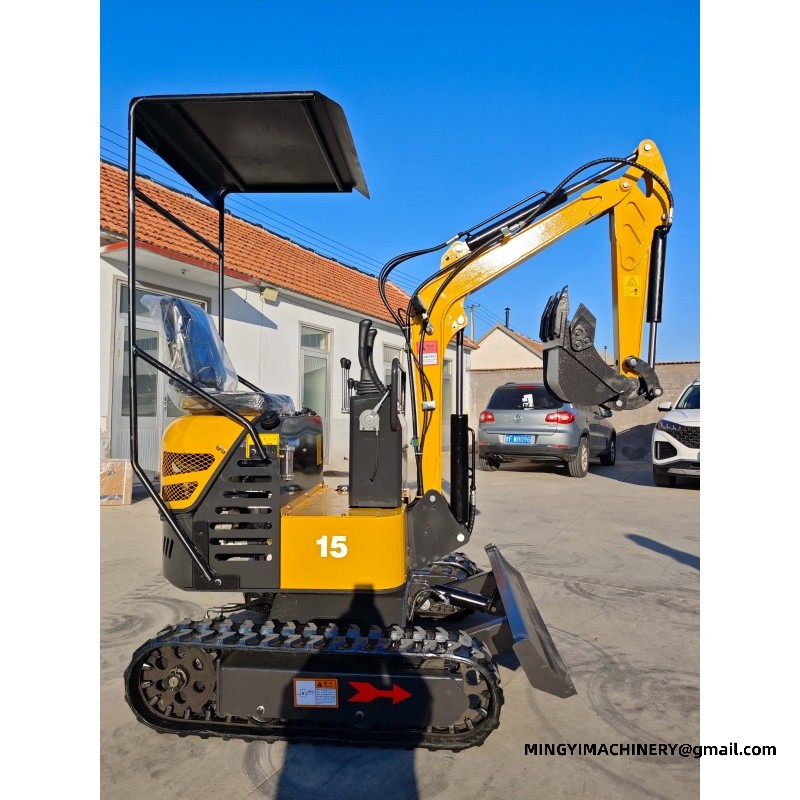
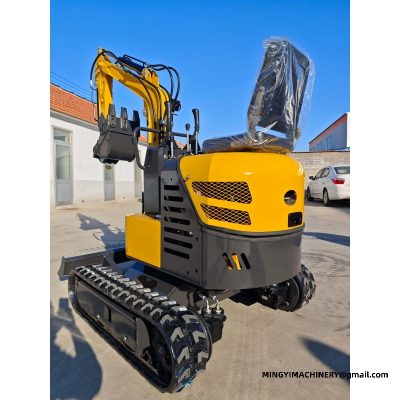
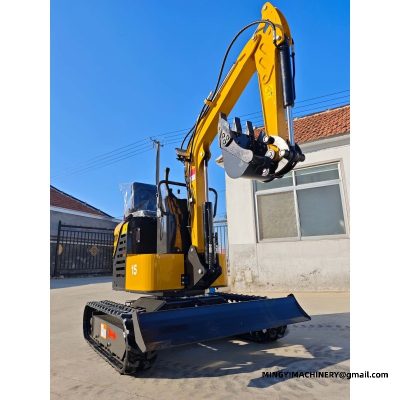
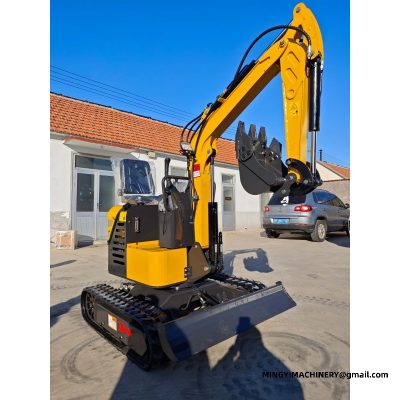
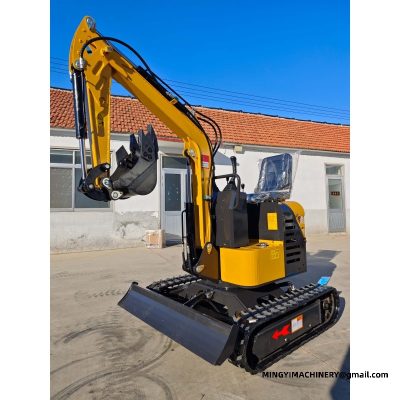
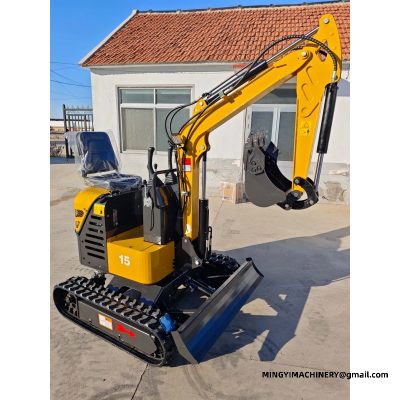
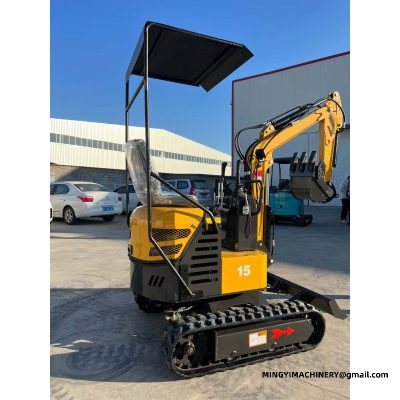
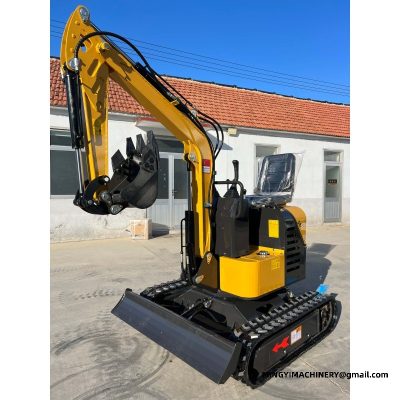
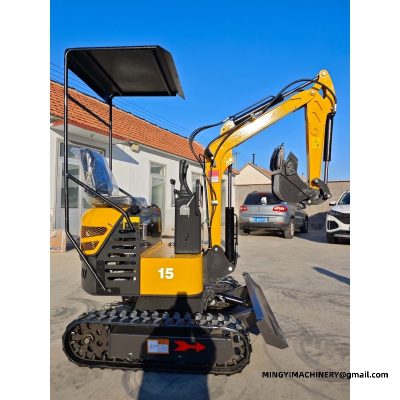
An attachment set is what turns a compact excavator into a machine for several trades. Bought together with the excavator, the set can be matched to the coupler and hydraulic circuit from the start, rather than added piece by piece once the machine is already on site.
MINGYI supplies attachment sets with its compact excavators. The contents are agreed at the ordering stage, so buckets, coupler and powered tools arrive fitted and tested with the machine they were chosen for.
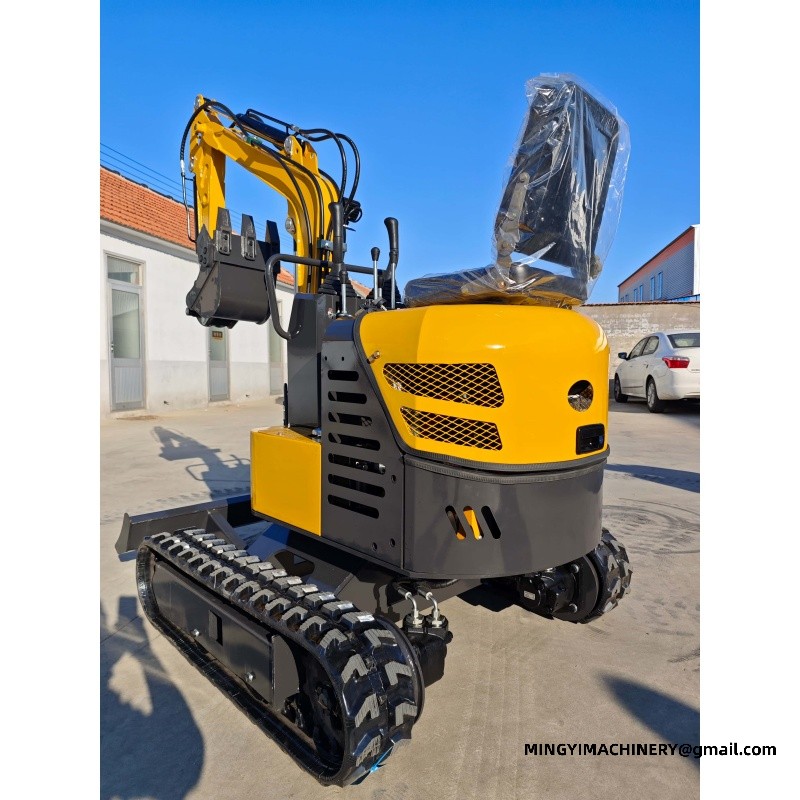
The core of any set is the bucket range. A narrow digging bucket opens trenches, a wider one moves bulk material, and a grading bucket finishes the surface. Those three cover most of what a compact machine is asked to do.
Powered attachments come next. A breaker is the most common addition, followed by an auger for posts and planting holes. Each one needs hydraulic flow, so the set has to be planned around the machine's circuit.
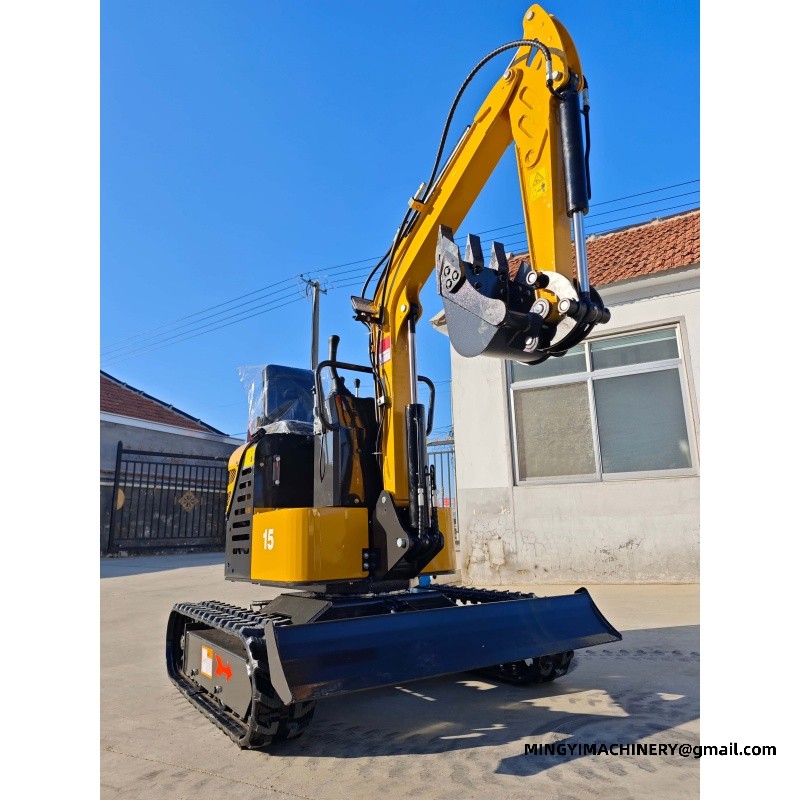
A quick coupler ties the set together and decides how quickly tools can be changed. Mechanical couplers suit occasional changes, while hydraulic couplers repay their effort on jobs where the operator switches several times a day.
Weight also matters. Attachments are carried on the machine, and a set that is too heavy for the model limits stability. Buyers should confirm the full list against the excavator before the order is placed.
An attachment set is worth planning as a whole rather than buying in pieces. MINGYI supplies matched sets built to order with each compact excavator.
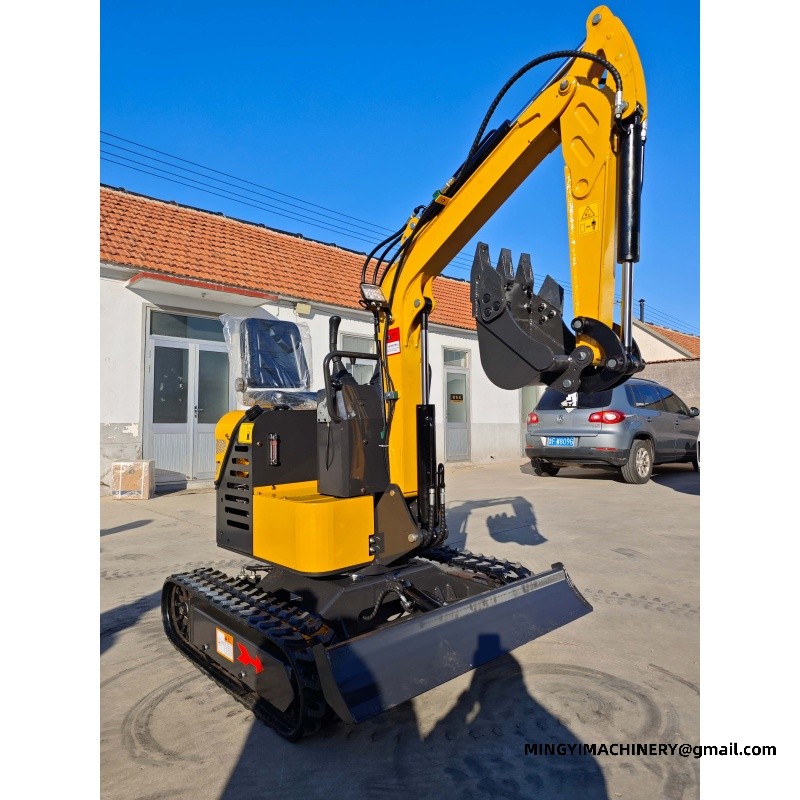
Purchase decision is the visible part of the effort. Fuel, filters, tracks or tyres, the operator and the transport between sites are the items that decide what the excavator actually demands over a few seasons, and they are worth listing before the order. Downtime is the hidden line item. This class of machine waiting on a part earns nothing while it stands, so parts availability and service access belong in the plan as much as fuel does.
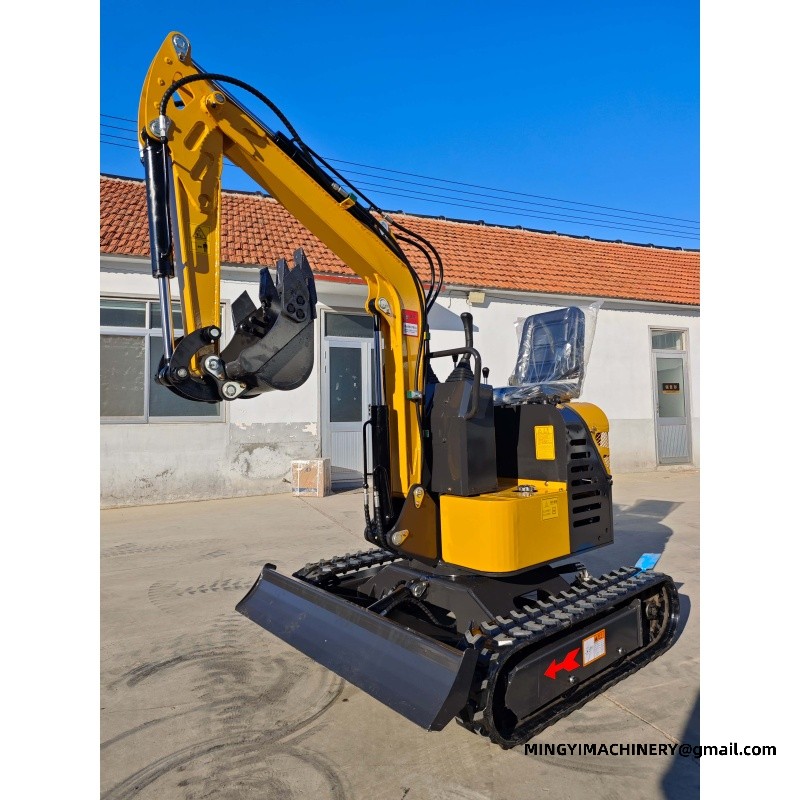
Soft ground is a flotation problem, not a power problem. The unit in daily use on wide rubber tracks crosses lawn, sand and cultivated soil that would stop a narrower machine or a wheeled unit of the same capacity. Hard and abrasive ground reverses the specification. On rock, demolition rubble or sharp gravel, steel tracks with rubber blocks on a machine of this size survive conditions that cut a rubber belt quickly.
Transport weight and width decide whether a machine needs a specialist haulier. The equipment on site sized to travel on a standard plant trailer behind a suitable vehicle moves with the crew rather than on a scheduled low loader. Loading practice matters as much as the numbers. The machine itself is driven up ramps under its own power with the boom lowered and the tracks aligned, and secured at the points the manufacturer specifies.
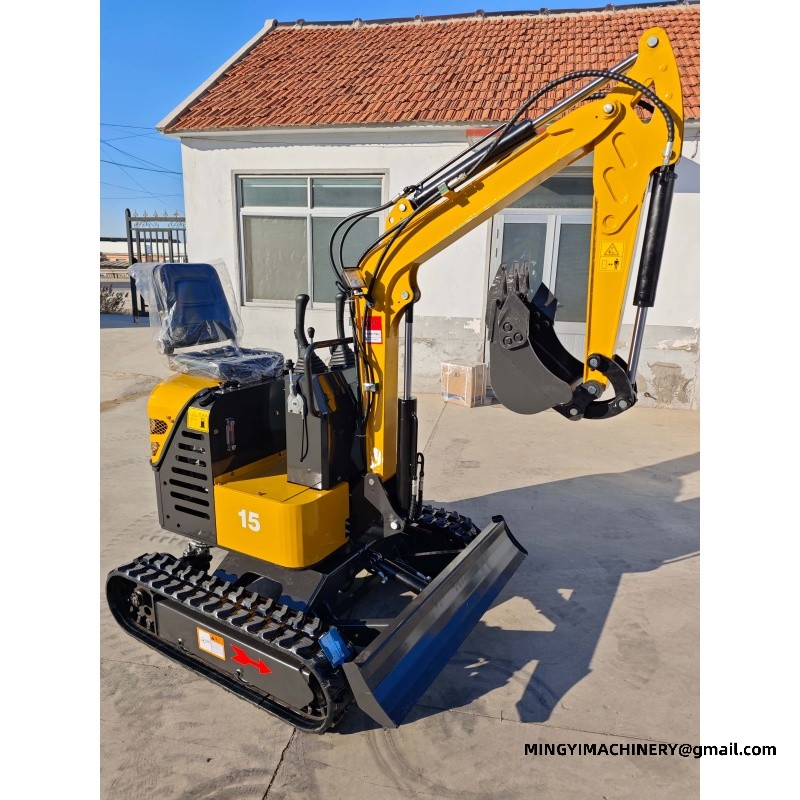
Attachment lists are best written before delivery. Specifying the model in question with the tools the job list needs avoids the work and delay of adding hydraulics later, and a quick coupler makes the swap a few minutes instead of a workshop job. Most of the daily variety on the machine in that duty comes from the attachment rack rather than from the machine itself. Bucket, breaker, auger, ripper, rake and grab cover the large majority of the work a contractor will see.
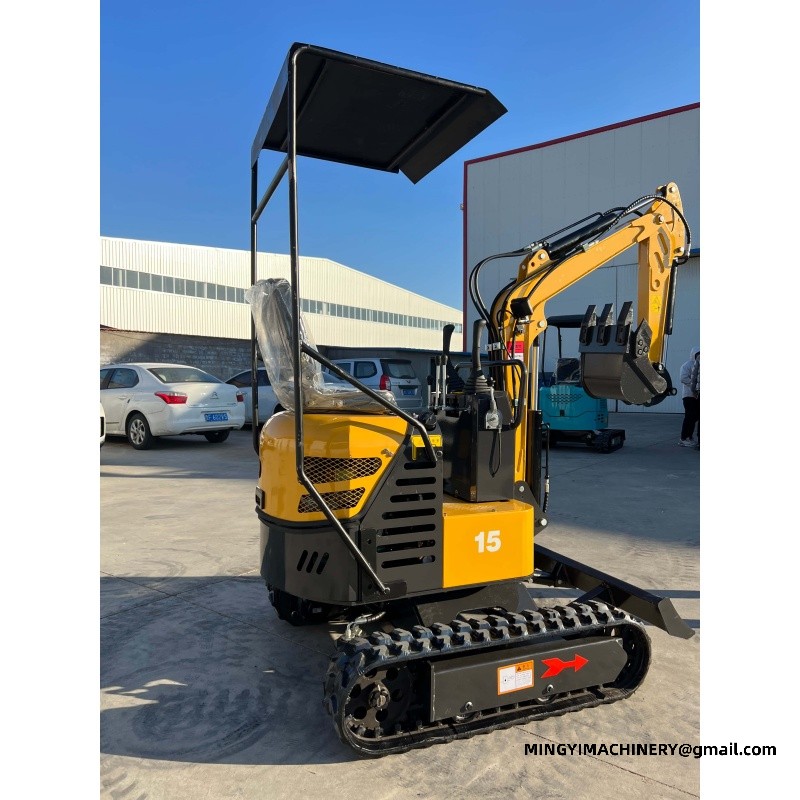
Customisation also covers the specification sheet. A fleet buyer may want every machine built for the work delivered with the same coupler, the same engine and the same tool kit so training and parts stock stay simple. Documentation can be prepared to suit the importer. Manuals, parts books and decal sets for the unit on the job can be supplied with the buyer's own branding where the order size justifies it.
Ditching, fertilising and drainage on farmland suit the equipment in service because the work is spread over a large area in short bursts. The machine travels behind a pickup and works where it stops. Farms also use the excavator for general maintenance - clearing a watercourse, repairing a track, loading a spreader. One carrier with a few attachments covers most of the jobs that would otherwise wait for a contractor.
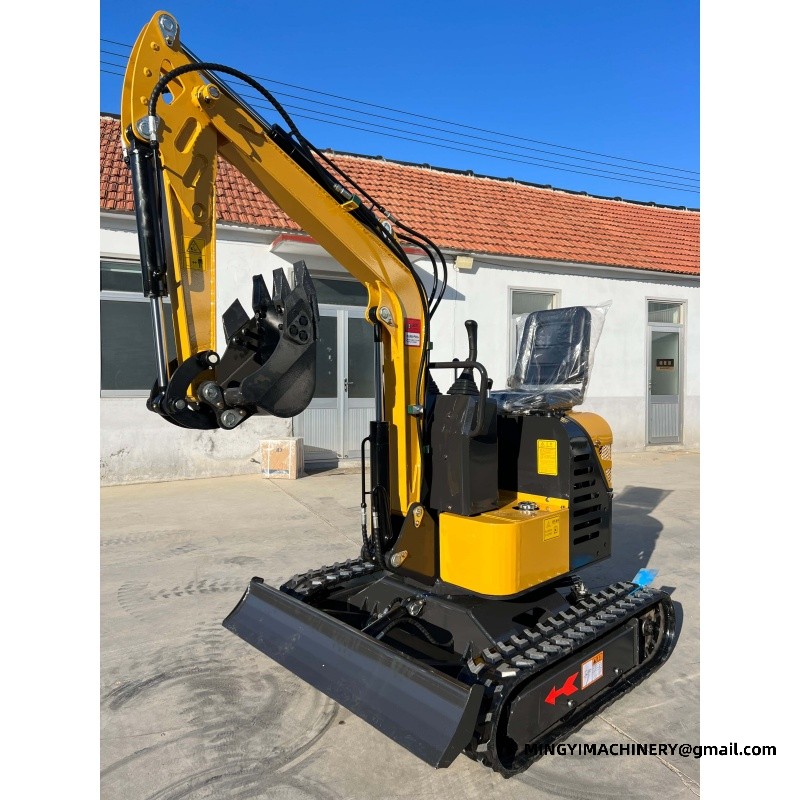
Access decides the machine before output does. With the unit in daily use the limiting dimension is usually the widest point on the way in, so measuring the gate, the corridor and the turning space first saves a wasted delivery and a second visit. Contractors who buy a machine of this size normally have one job in mind that nothing else reaches. The purchase order follows the access measurement, not the other way round, and the build sheet is then settled around it.
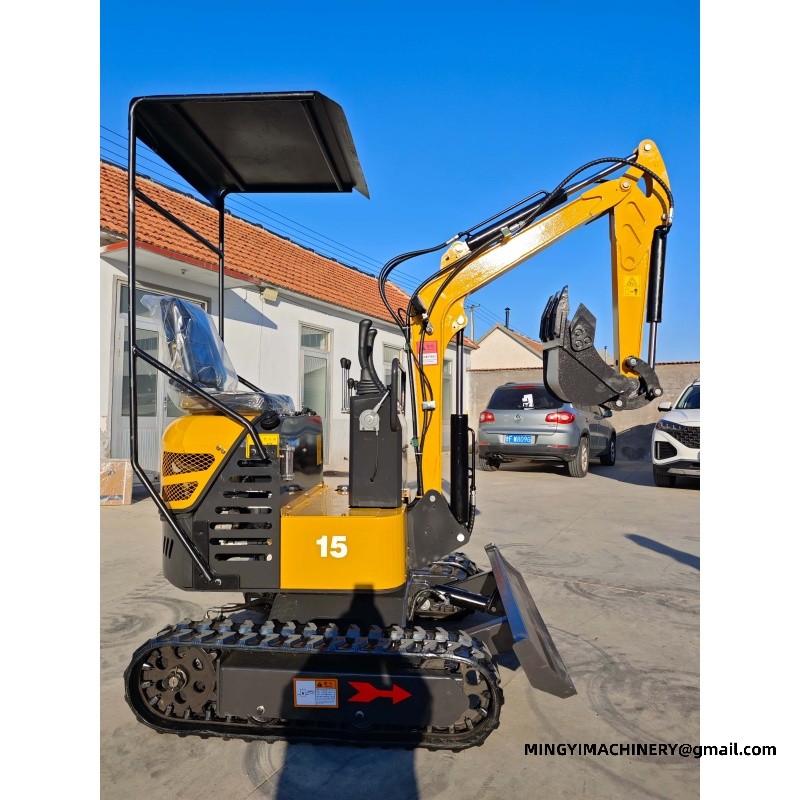
Clearance above matters as much as around. Door heights, pipework and overhead services set the limit for the machine itself indoors, and measuring them first avoids a machine that arrives and cannot be used. Ventilation is the other indoor constraint. Running the model in question inside a closed structure needs air movement, and that is a planning item rather than something to discover after the first hour.
The choice follows the hours. Work that fills a few weeks a year is usually better hired, while the unit on the job that would be on site most weeks starts to justify ownership once the transport and booking time is counted. Availability is part of the decision. Owning a machine built for the work means it is there on the day the ground is ready; hiring means competing for the same machine at the same time as everyone else in the season.
Engine parts availability usually drives the engine choice. The excavator built with an engine the local network already carries is serviced from stock rather than from an international order. Remote support is handled by video. This class of machine fault can often be diagnosed on a walk-around call with the panel open, which is faster than waiting for a visit and avoids shipping a part that is not needed.
Flow and pressure are matched to the tool, not to the machine size. Asking for the attachment list first means a machine of this size leaves the factory with circuits that suit the heaviest tool the buyer intends to run. Hydraulic specification is easier to settle at build time than to correct later. The equipment on site delivered without auxiliary lines can still dig, but every additional tool becomes a retrofit project.
Power unit selection is settled against the service network the buyer already uses. MINGYI offers Kubota D722, Kubota D902, YANMAR, Changchai, Laidong, Runtong, YARMAX, Youpu 2V80 and Youpu 195, so a fleet running one brand of engine can keep the same filters, the same parts supplier and the same mechanic. Two buyers can order the same the model in question and receive different engines. The decision is rarely about peak power; it is about which parts counter is closest to the site and which engine the local mechanic already knows.
The practical way to specify is to write the job list first: the narrowest access, the deepest trench, the heaviest tool and the surfaces the machine must cross. The unit on the job is then matched to those four numbers.
Where the equipment in service is being specified for a job list, the table below gives the factory figures that matter most: what the machine weighs, how deep and how far it works, and what it measures on a trailer.
| Reference specification — mini excavator range | 15W | 20-1W | 30-2W | 12L |
|---|---|---|---|---|
| Operating weight | 1400 kg (3086.47 lb) | 1800 kg (3968.32 lb) | 2700 kg (5952.48 lb) | 1200 kg (2645.55 lb) |
| Transport size (L×W×H) | 2200 × 930 × 2250 mm | 2550 × 1100 × 2200 mm | 3000 × 1100 × 2700 mm | 2200 × 930 × 2250 mm |
| Max digging depth | 1630 mm (64.17 in) | 1800 mm (70.87 in) | 2200 mm (86.61 in) | 1700 mm (66.93 in) |
| Max digging height | 2750 mm (108.27 in) | 2820 mm (111.02 in) | 3000 mm (118.11 in) | 2600 mm (102.36 in) |
| Max dumping height | 1960 mm (77.17 in) | 2050 mm (80.71 in) | 2000 mm (78.74 in) | 1800 mm (70.87 in) |
| Max digging radius | 2900 mm (114.17 in) | 3050 mm (120.08 in) | 3800 mm (149.61 in) | 2900 mm (114.17 in) |
| Max digging distance | 2100 mm (82.68 in) | 2300 mm (90.55 in) | 3050 mm (120.08 in) | 2300 mm (90.55 in) |
| Minimum turning radius | 1300 mm (51.18 in) | 1450 mm (57.09 in) | 1750 mm (68.9 in) | 1450 mm (57.09 in) |
| Travel speed | 3 km/h (1.86 mph) | 5 km/h (3.11 mph) | 7 km/h (4.35 mph) | 3 km/h (1.86 mph) |
| Gradeability | 30° | 30° | 30° | 30° |
| Fuel consumption | 1-1.3 L/h (0.264—0.343 gal) | 2-3 L/h (0.528—0.793 gal) | 2-3 L/h (0.528—0.793 gal) | 1-1.3 L/h (0.264—0.343 gal) |
| Fuel tank capacity | 10 L (2.64 gal) | 16 L (4.23 gal) | 16 L (4.23 gal) | 10 L (2.64 gal) |
| Hydraulic oil tank | 16 L (4.23 gal) | 18 L (4.76 gal) | 20 L (5.28 gal) | 16 L (4.23 gal) |
| Dozer blade lift height | 180 mm (7.09 in) | 180 mm (7.09 in) | 230 mm (9.06 in) | 180 mm (7.09 in) |
| Dozer blade drop depth | 210 mm (8.27 in) | 210 mm (8.27 in) | 280 mm (11.02 in) | 210 mm (8.27 in) |
Figures are factory figures and are confirmed on the build sheet for the excavator. Where a job sits between two models, the larger machine usually takes less time than the smaller one spends on rework.
Buyers who skip this step either over-buy or under-buy. This class of machine specified only from machine size tends to arrive without the coupler, the circuits or the track type the work actually needs. Useful information to send with an enquiry includes working width, required digging depth, ground conditions and the attachment set. Those four items let the factory specify the unit in daily use that fits rather than a generic build.
Frequently Asked QuestionsQ. What is a machine of this size?
A. The attachment story on a compact digger is about earning across trades: one carrier, one trailer, and a quick coupler that swaps tools in about a minute. Every attachment on this page runs on the same carrier the machine ships with, matched to its hydraulic flow and coupler. For attachment set applications the practical route is to send the job list to the factory and let the build sheet answer it - which is exactly what this page invites.
Q. What does the attachment add to daily work?
A. Reach into jobs the bucket alone cannot specification: grading with a tilting bucket, clearing with a rake, drilling with an auger, lifting with a thumb. One carrier, several trades - the machine stays on site earning instead of waiting for a specialist.
Q. Can I see the machine before it ships?
A. Inspection is arranged at the factory, in person or by a scheduled video walk-around - the same session covers paint, decals and attachment fitment for the attachment set specification, so the machine inspected is the machine that ships.
Later changes are easier when they were anticipated. Asking for the extra hydraulic circuit or the heavier mounting plate on the machine itself at build time adds little and leaves the option open.
Securing the load is not optional. Lashing the machine in that duty at the points intended for it, checking the tension before the vehicle moves and rechecking after the first kilometres is standard practice rather than extra care.
E-mail : sales@mingycn.com
LINE ( ID ): mingyicn