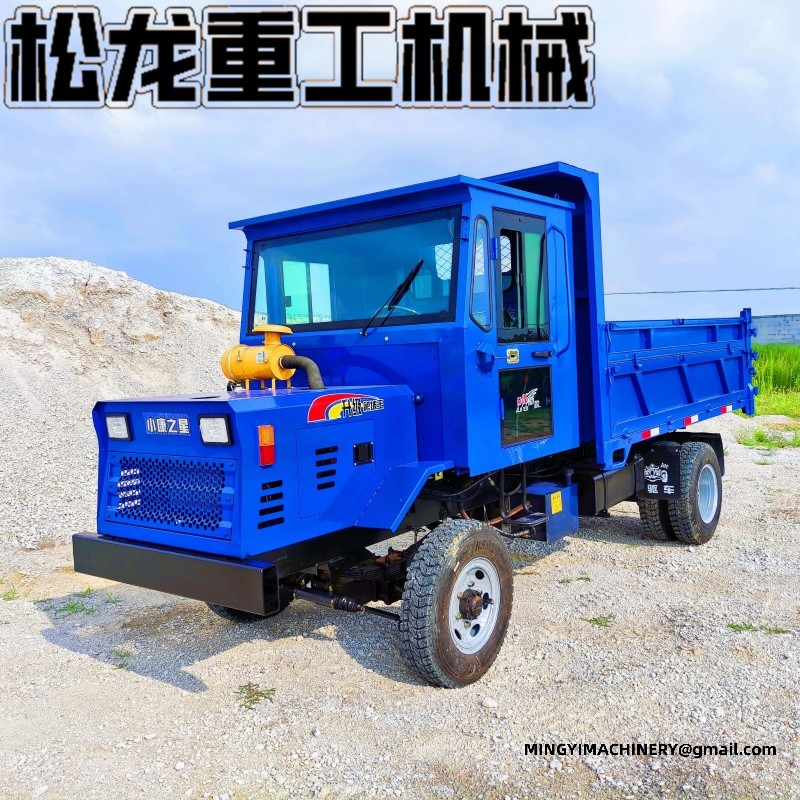
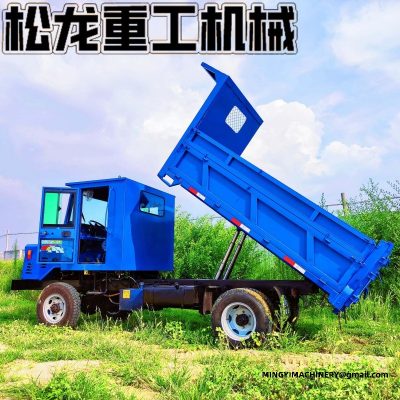
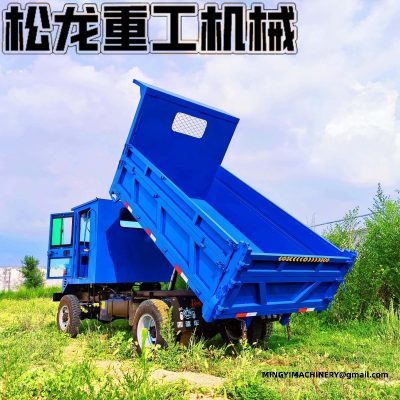
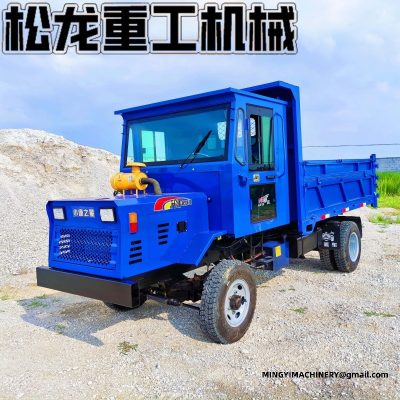
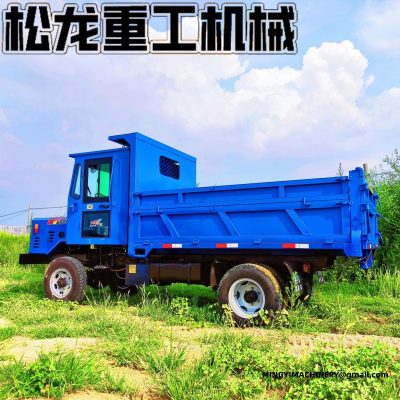
Where the dumper is used matters as much as what it is. Ground, climate, access and the skill of the operator all change the right answer, which is why the sections below start from the working conditions and work towards the specification.
Standing still is hard on machinery. This class of machine left for weeks benefits from a clean, dry, covered space, a charged battery and a fuel system prepared for the layoff, and all three effort very little. Before-storage preparation prevents most return-to-work faults. Draining or treating fuel, protecting exposed rods and relieving pressure where the maker specifies it are the items worth an hour when the unit in daily use is parked.
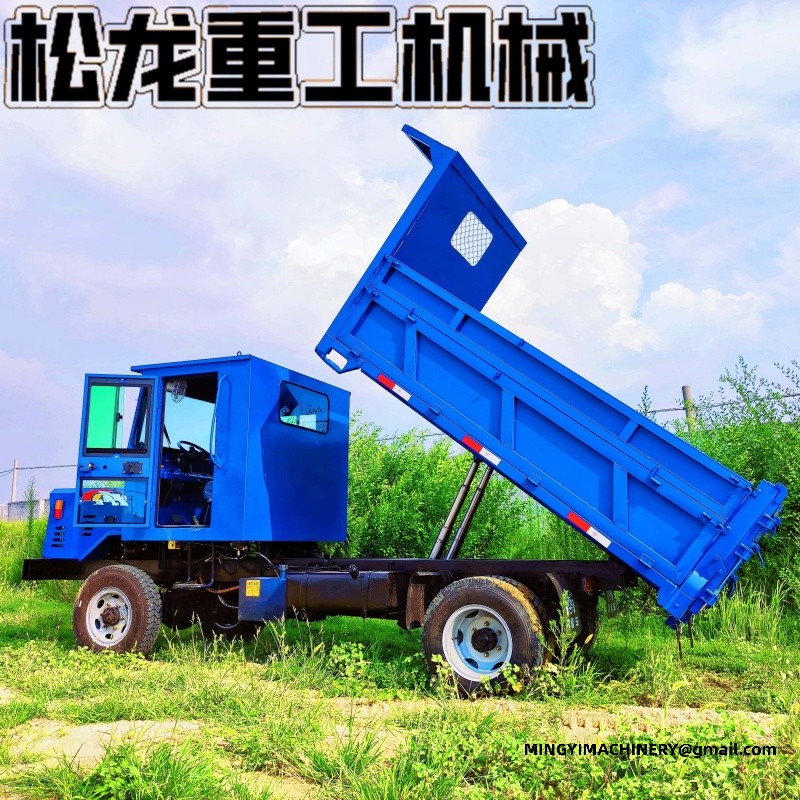
Timber work changes what the vehicle carries. A machine of this size fitted with a log grab loads and unloads without a second machine, which is usually the reason a forestry contractor specifies one over a conventional truck.
Handover should include the documents as well as the keys. Parts list, service schedule and the operator notes for the equipment on site are what the workshop needs in month six, and they are much harder to obtain later.
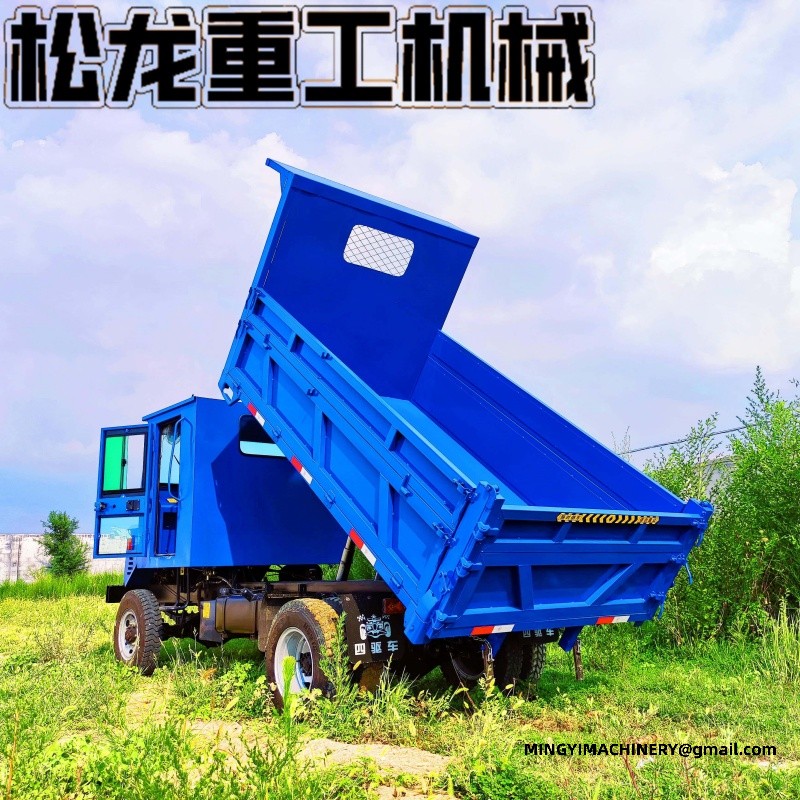
A water tank turns the vehicle into a different machine. The machine itself carrying water for dust control or irrigation is specified around tank size, baffles and the route, because a part-filled tank behaves very differently on a slope. Dust control work is repetitive and time-critical. The model in question with the right tank and spray arrangement covers more ground per shift, which is usually the point of the exercise.
Commissioning is the point where most avoidable issues are found. Checking levels, fasteners and function on the machine in that duty before it goes to work takes an hour and prevents a claim conversation later. Warranty terms are clearer when they are read before purchase. Knowing what is covered, what counts as a wearing item and what documentation is required makes a claim on the unit on the job straightforward rather than contested. Early faults are usually simple. A machine built for the work that behaves differently in its first few hours is more often mis-set than defective, and a call to the supplier at that point usually resolves it the same day.
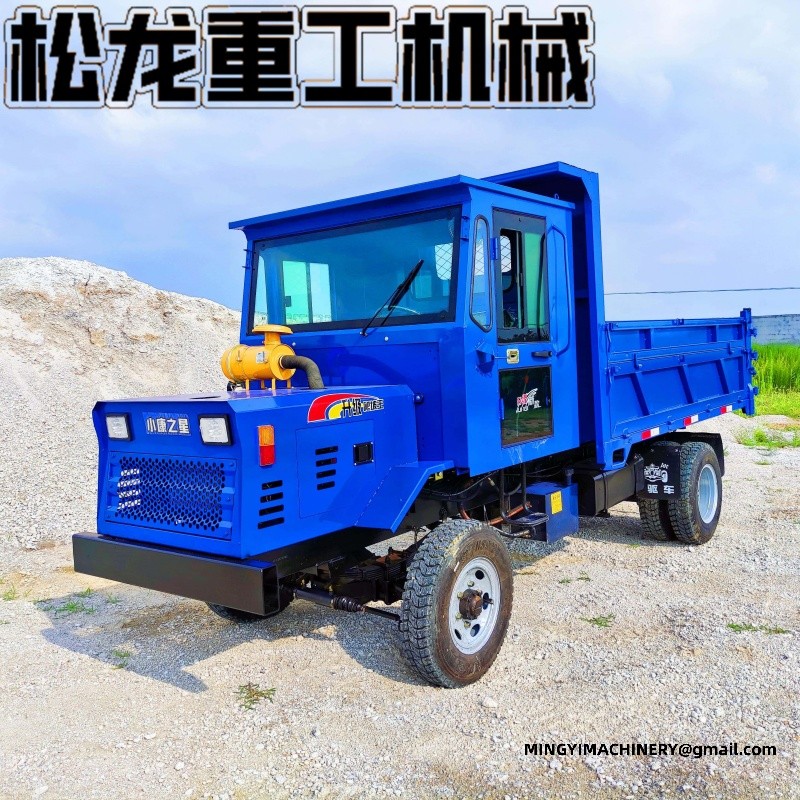
Ground decides more of the outcome than power does. Soft, wet or loose surfaces call for a wider footprint and lower ground pressure, while hard standing allows a narrower machine that turns in less space and travels faster between tasks. Traction and flotation are two separate questions. The equipment in service may have the power for a slope and still not have the grip, so the surface, not the engine rating, is usually what limits the working day.
Parts availability usually decides the engine and the brand. A machine built around components the local network already carries is serviced from stock, which is the difference between a day lost and a week lost.
Ground on farms is often soft and often shared with livestock. The dumper working there needs to cross pasture without rutting it badly, and tyre and weight choices follow from that. Farm users also value simplicity. This class of machine that can be serviced in the yard with common tools and common parts suits a farm better than one that needs a dealer visit for routine work.
Certain parts are designed to be consumed. Knowing which items on a machine of this size are wearing parts, and roughly how long they last in the duty the machine sees, turns replacement into a plan rather than a breakdown. Wear rate follows conditions far more than hours. The equipment on site working on abrasive ground or in mud will consume undercarriage or tyre life much faster than the same machine on clean ground.
Duty cycle is the honest measure of a machine. The model in question working a few hours a week has different needs from one working two shifts, and the cooling, filtration and service intervals should follow the hours rather than the calendar. Seasonal work changes the maintenance calendar. Machines that work hard for two months and stand for ten need preparation before storage and a check before returning to work, and both are simpler than the repairs they prevent.
A crane or grab turns a haul vehicle into a loading machine. The unit on the job fitted with a hydraulic crane loads itself, which removes a second machine from the job and is often the whole reason for specifying one. Adding a crane changes the vehicle specification. Hydraulic capacity, frame strength and braking all need to suit the attachment, and it is simpler to specify them at build than to add them later.
Fleet value comes from interchangeability. Operators who can step between machines without retraining, and a workshop that stocks one set of filters, keep utilisation higher than a fleet of individually optimised units. Utilisation matters more than the purchase decision over a few years. The equipment in service that sits idle ties up the same yard space standing still as one that earns, so the buying decision should follow the hours the machine will realistically work.
Loading method affects the machine as much as the load does. Material dropped from height into this class of machine shocks the frame and the body floor, while material placed evenly spreads the load and extends body life.
Abrasive conditions shorten service intervals. Air filters, seals and any exposed sliding surface on a machine of this size need attention more often in dusty or muddy work, and the extra checks prevent far more wear than the time they take.
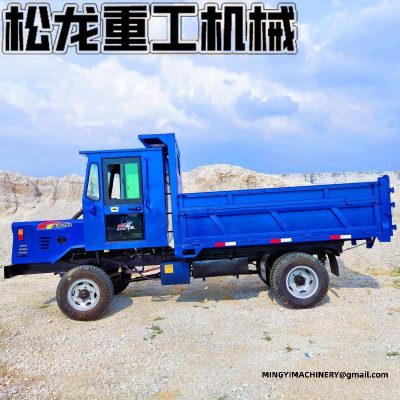
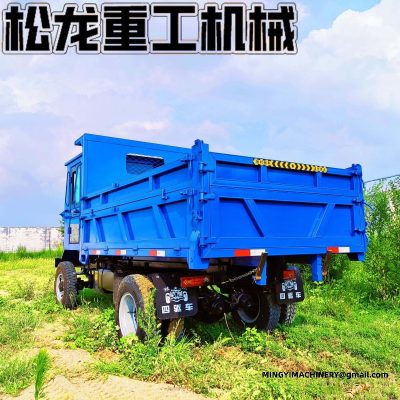
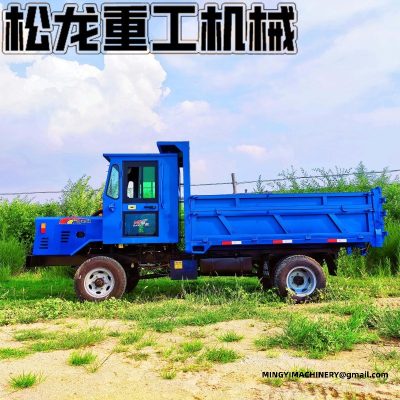
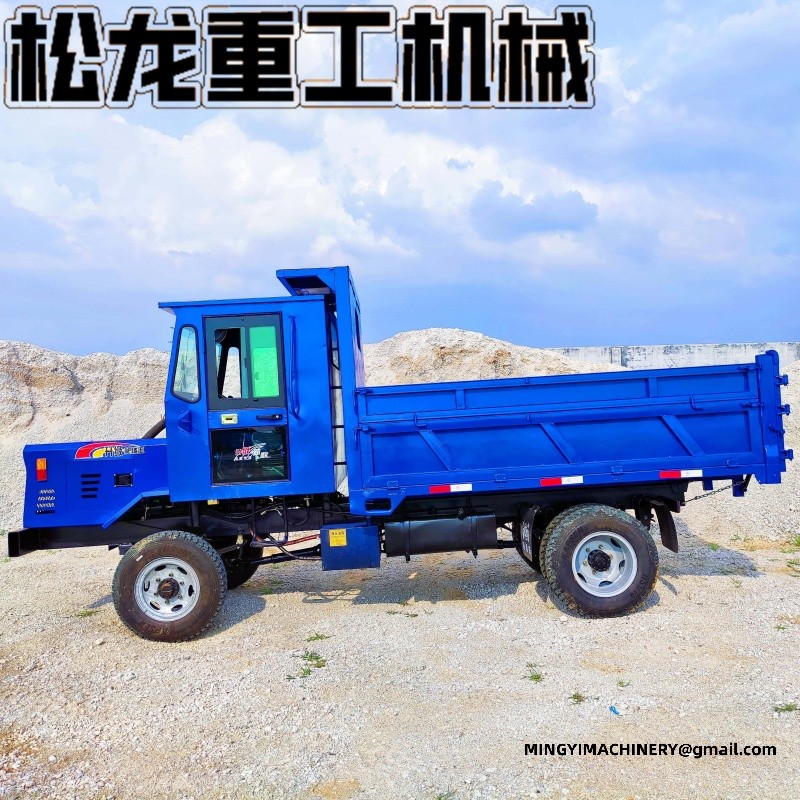
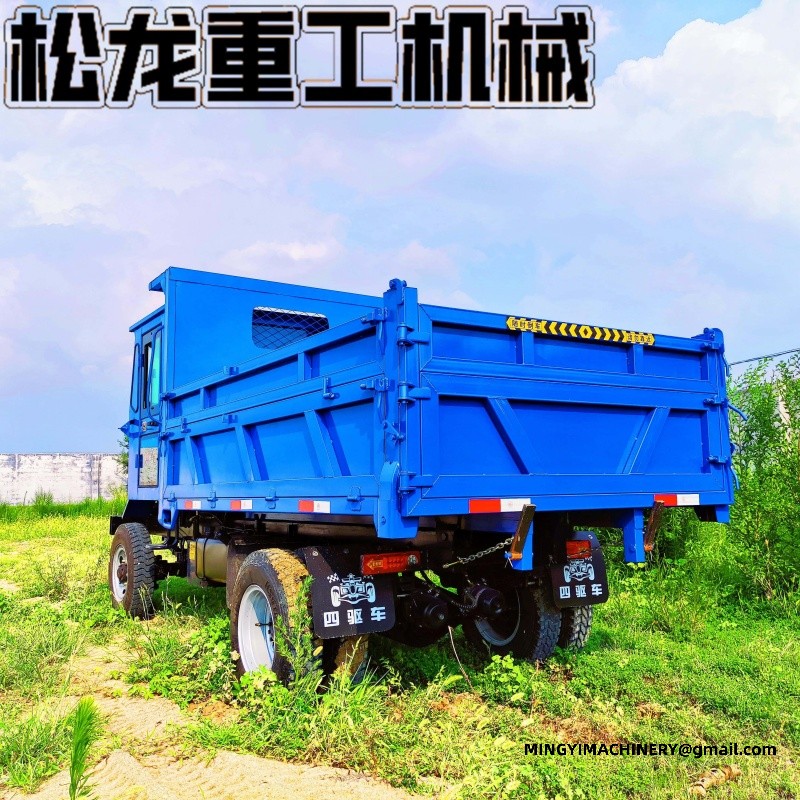
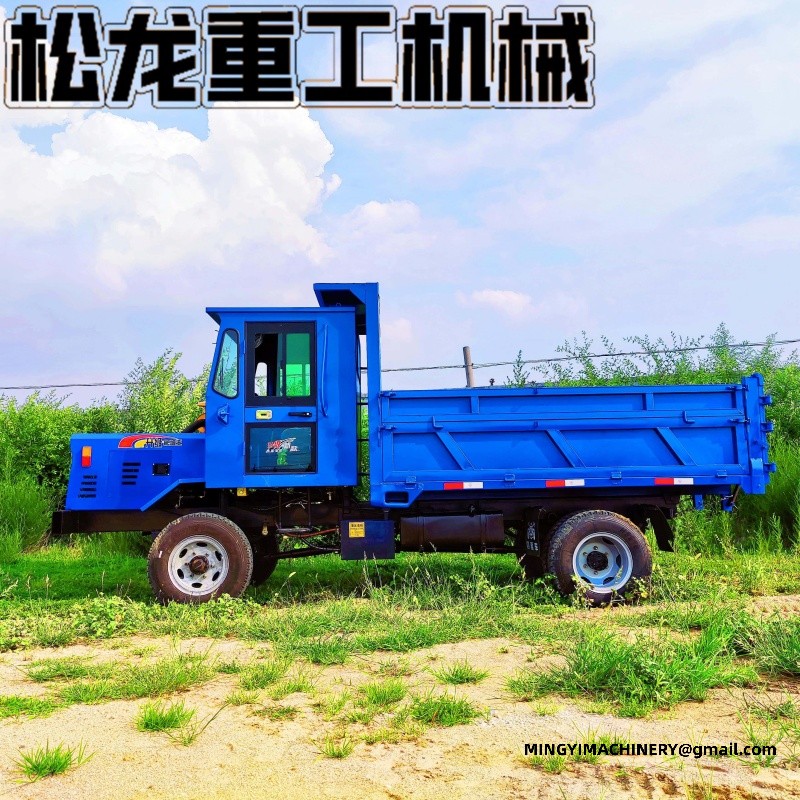
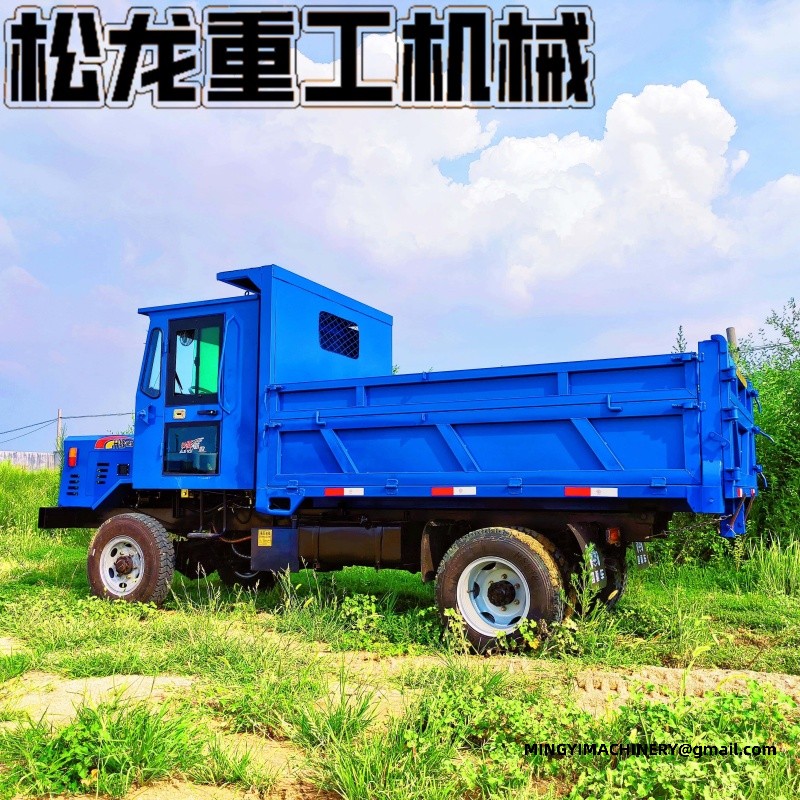
The configurations below are the build sheets most often matched to the machine itself. Engine, gearbox, axles, frame and body dimensions are confirmed together, because the body size and the axle rating have to suit the load before the engine rating matters.
| # | 13.Upgraded | 14.Luxury | 21.Upgraded | 23.Upgraded |
|---|---|---|---|---|
| 1 | Two-cylinder diesel engine, 38 hp | Two-cylinder diesel engine, 38 hp | Four-cylinder 4105 turbocharged diesel engine | Four-cylinder 4108 turbocharged diesel engine |
| 2 | Full-time gearbox with four-wheel drive | Part-time gearbox, selectable 2WD/4WD | Model 140 part-time gearbox with four-wheel drive | Model 140 part-time gearbox, selectable 2WD/4WD |
| 3 | High/low range with crawler gear | High/low range with crawler gear | High/low range with crawler gear | High/low range with crawler gear |
| 4 | Front axle clutch | Enclosed cab | Simple cab | Simple cab |
| 5 | Fully enclosed cab | Six 700-16 mountain tyres | Six 825R16 steel-belted radial tyres | Six 825R16 steel-belted radial tyres |
| 6 | Oil brakes | Model 212 front axle | Reinforced ISUZU-pattern front axle | Reinforced ISUZU-pattern front axle |
| 7 | Four 700-16 mountain tyres | Reinforced 130 rear axle | Reinforced 1080 rear axle with air cut-off brake | Reinforced 1080 rear axle |
| 8 | Front axle 212 | Air cut-off brakes | Air cut-off brakes | Air cut-off brakes |
| 9 | Rear axle 130 | Reinforced 60 x 140 mm square tube frame | Reinforced 80 x 180 mm square tube frame | Reinforced 80 x 180 mm square tube frame |
| 10 | Reinforced 60 x 140 mm square tube frame | Rear body 2.2 m long x 1.5 m wide x 0.45 m high | Rear body 3.0 m long x 2.2 m wide x 0.45 m high | Rear body 3.0 m long x 2.2 m wide x 0.45 m high |
| 11 | Rear body 2.2 m long x 1.5 m wide x 0.45 m high | Tailgate with self-dumping function | Tailgate with self-dumping function | Tailgate with self-dumping function |
| 12 | Tailgate with self-dumping function | Side-opening rear body tailgate | Hydraulic power steering | Hydraulic power steering |
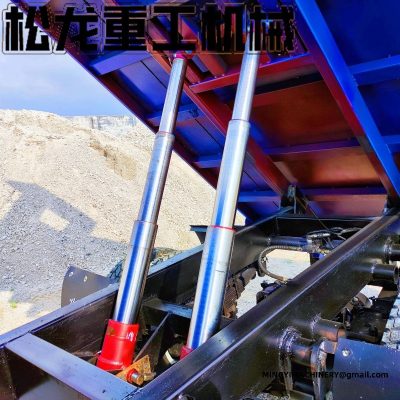
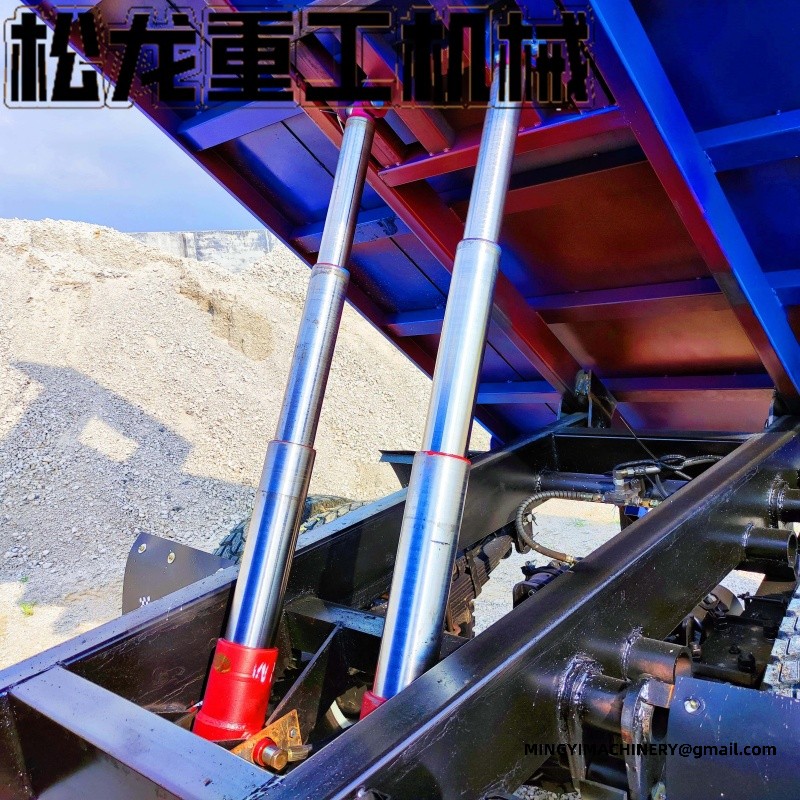
| 13 | Hydraulic power steering | Hydraulic power steering | Twin hydraulic rams | Twin hydraulic rams |
| 14 | Twin hydraulic rams | Twin hydraulic rams | Two-person comfort seat | Two-person comfort seat |
| 15 | Two-person comfort seat | Heavy-duty leaf springs | Heavy-duty leaf springs | Heavy-duty leaf springs |
| 16 | Twin-battery electric start | Two-person comfort seat | Twin-battery electric start | Twin-battery electric start |
| 17 | Round-nose bonnet | Twin-battery electric start | Square-nose bonnet | Square-nose bonnet |
| 18 | — | Round-nose bonnet | — | — |
Shared machines need shared habits. Two operators on the machine in that duty should do the same daily checks in the same order, because the check that one person skips is the check that eventually matters.
The specification for oil is written for a reason. Using the grade and the change interval set for a machine built for the work keeps the engine and the hydraulic system inside the range they were designed for.
The machine is only half of what arrives. The parts book, the service schedule and the declarations that come with the dumper are what let the owner register, insure and maintain it without a second round of emails.
Loading is where most damage happens. Ramps, angle of approach and the condition of the ground under them matter more than the machine when the unit in daily use is being loaded, and a careful driver is worth more than a fast one.
The last hour before packing is the best time to find a fault. Running the equipment on site through its full working cycle, checking for leaks under load and confirming that the controls match the specification avoids a conversation across time zones later.
Operators who come from a different machine need a short conversion. The controls on the model in question follow the usual pattern, but the response, the sightlines and the stopping distance are learned by doing rather than by reading.
A cold start is easier when the machine is prepared the night before. The routine that keeps the unit on the job working through winter is mostly a matter of fuel, battery and patience in the first ten minutes of the day.
Transport shakes things loose. A short check of the equipment in service after the crate is opened, covering the same points the pre-delivery inspection covered, is the most useful insurance available on delivery day.
Every line above is a build item rather than an optional extra, and the final sheet for the dumper is confirmed against the destination, the ground and the load before production.
E-mail:sales@mingycn.com
LINE(ID):mingyicn









