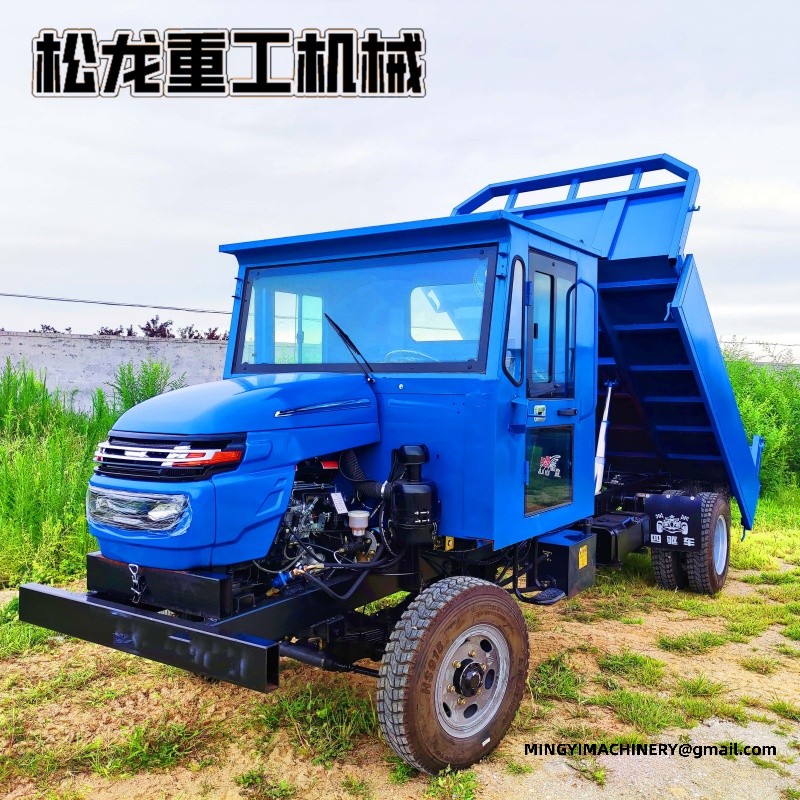
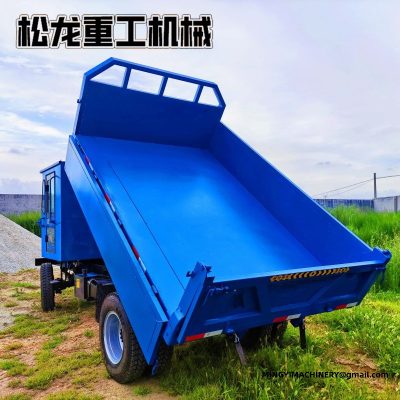
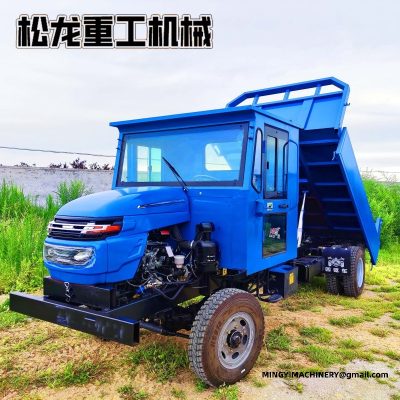
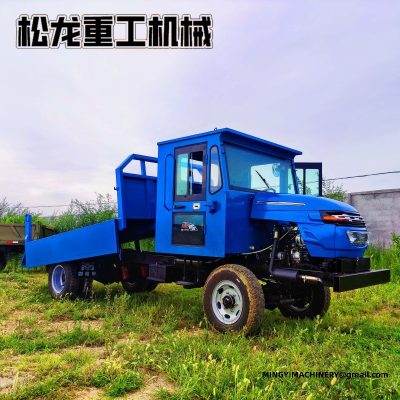
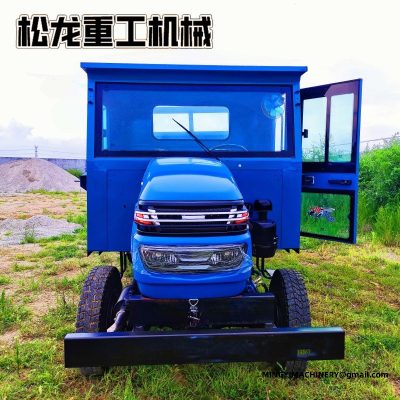
Reading about the dumper is easier when the page follows the life of the machine. What follows moves from selection through delivery, first weeks of work, routine care and the point at which the unit is replaced or sold on.
Hour planning helps at resale as well. This class of machine with a recorded service history and a sensible hour count is easier to sell than one with the same hours and no records, whatever its condition.
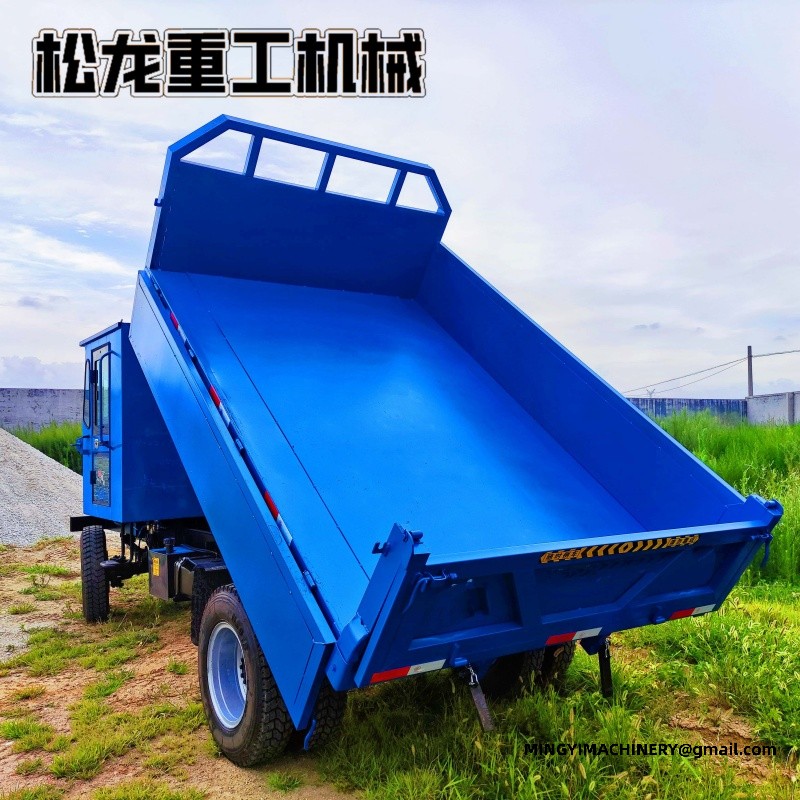
A water tank turns the vehicle into a different machine. The unit in daily use carrying water for dust control or irrigation is specified around tank size, baffles and the route, because a part-filled tank behaves very differently on a slope. Water is heavy and it moves. Baffles and sensible speeds matter on a machine of this size with a tank body, and the specification should reflect the ground the vehicle will cross rather than only the volume needed.
Carrying and travelling with a load needs its own plan. Speed, gradient and surface all matter more once the equipment on site is loaded, and the safe combination is the conservative one.
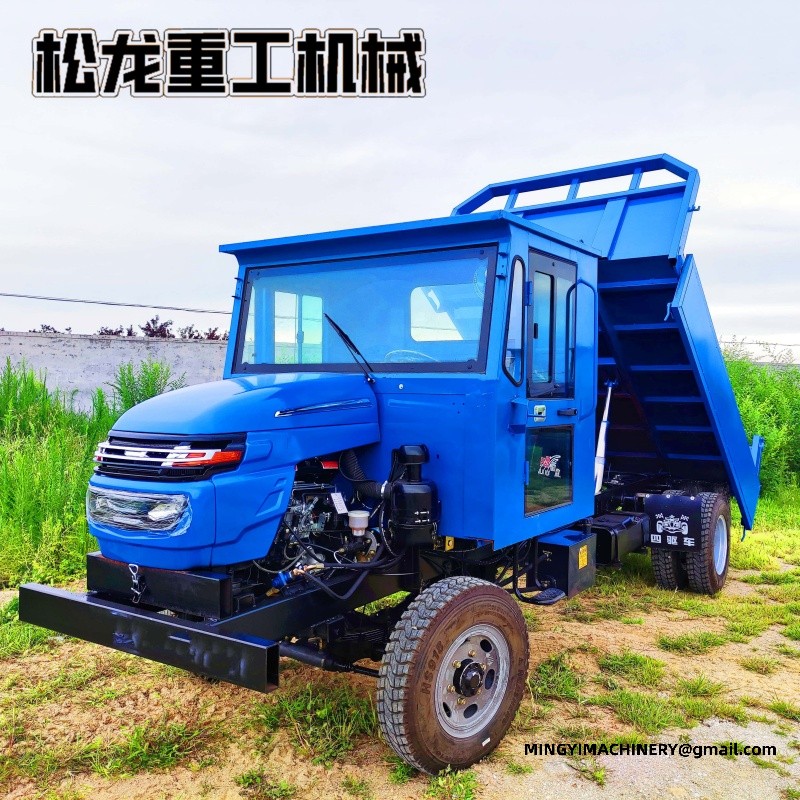
Gradient is where a haul vehicle earns its keep. The machine itself with a crawler gear and a low range climbs loaded where a road vehicle would need a second attempt, and that difference decides whether a track is usable at all.
Cold changes how a machine starts and how it warms up. Allowing the model in question to reach operating temperature before loading it, and using the correct grade of oil and fuel for the season, prevents most cold-start problems. Low temperatures also make materials behave differently. Ground that is frozen hard in the morning can be soft by midday, and planning the sequence around that is easier than fighting it with the machine in that duty.
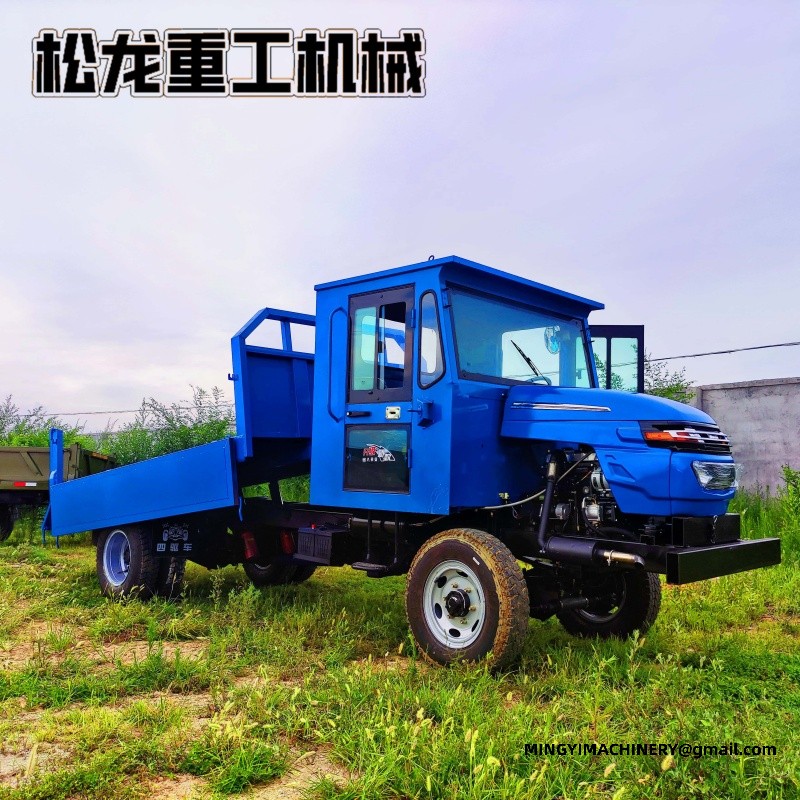
Payload is limited by the axles and the frame before it is limited by the body volume. Specifying the unit on the job against the material density gives a realistic figure, because a body that looks half full can already be at its limit with rock. Loading method affects the machine as much as the load does. Material dropped from height into a machine built for the work shocks the frame and the body floor, while material placed evenly spreads the load and extends body life. The honest payload figure comes from the duty. The equipment in service working a smooth haul road carries differently from one crossing ruts and gradients, and the conservative number is the one that keeps the machine working.
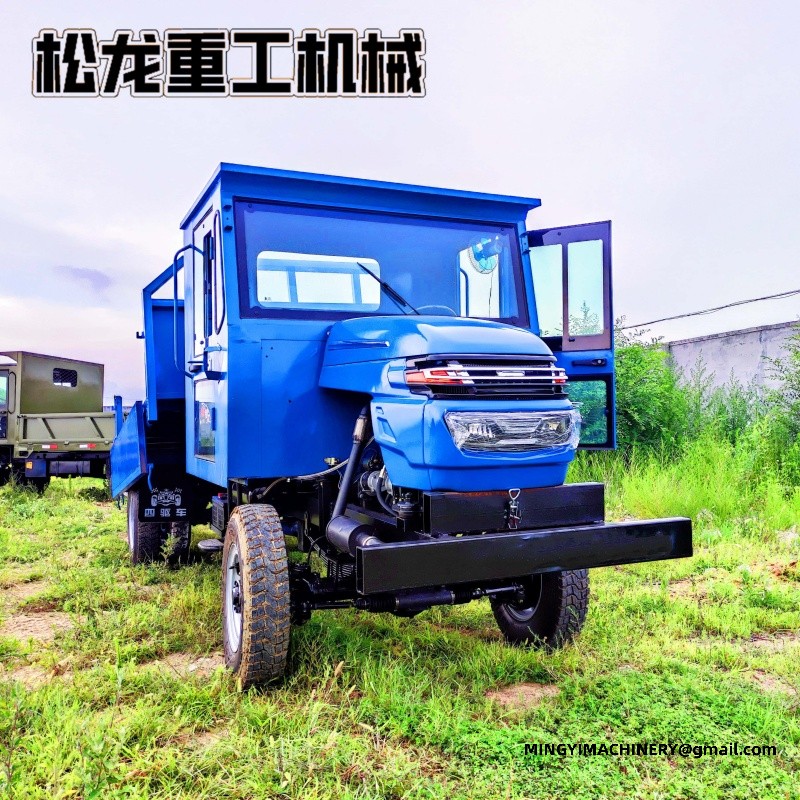
Consumption is best measured over a full week rather than judged per hour. Idle time, repositioning and waiting for other trades are often the largest share of the fuel the dumper burns on a site.
Service intervals exist because wear is predictable. Following the maker schedule on this class of machine takes far less time than repairing the damage that follows a missed oil change or a filter left in place past its life.
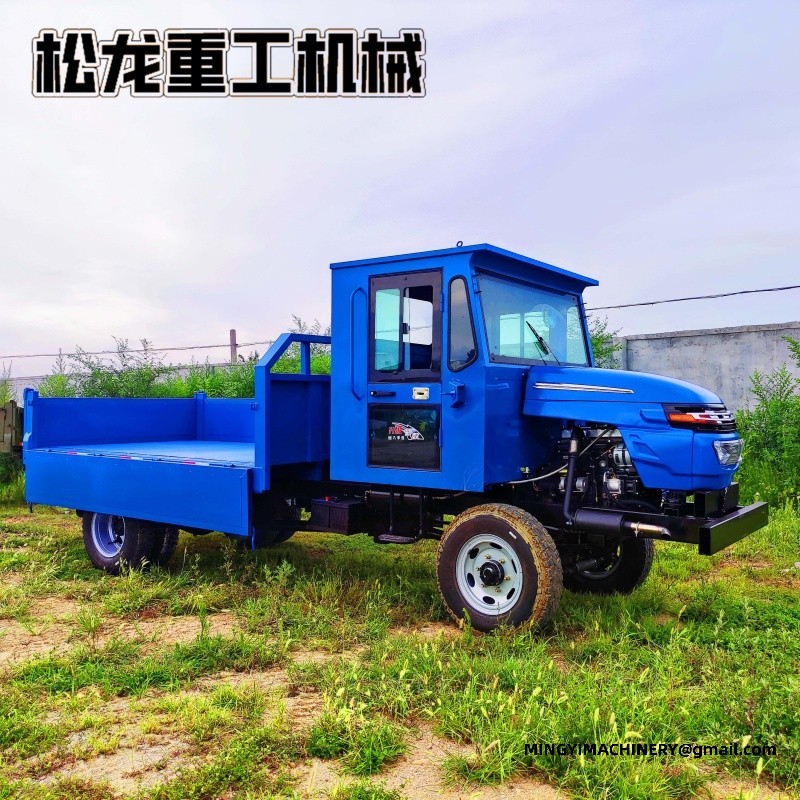
Machine productivity depends on what happens around it. Deliveries, other trades and the sequence of work decide how much of the shift a machine of this size spends actually working rather than waiting. Sequencing avoids rework. Doing the work in the order that suits the ground and the following trades keeps the equipment on site productive and prevents finishing a task that then has to be opened up again.
Support after delivery is a parts question. Filters, belts, hoses and the wearing items specific to the model in question are what a buyer should plan to hold before the first service interval rather than order after a failure. Remote diagnosis shortens most faults. A walk-around on video with the panels open often identifies the cause on the machine in that duty without waiting for a visit, and avoids shipping a part that turns out not to be needed.
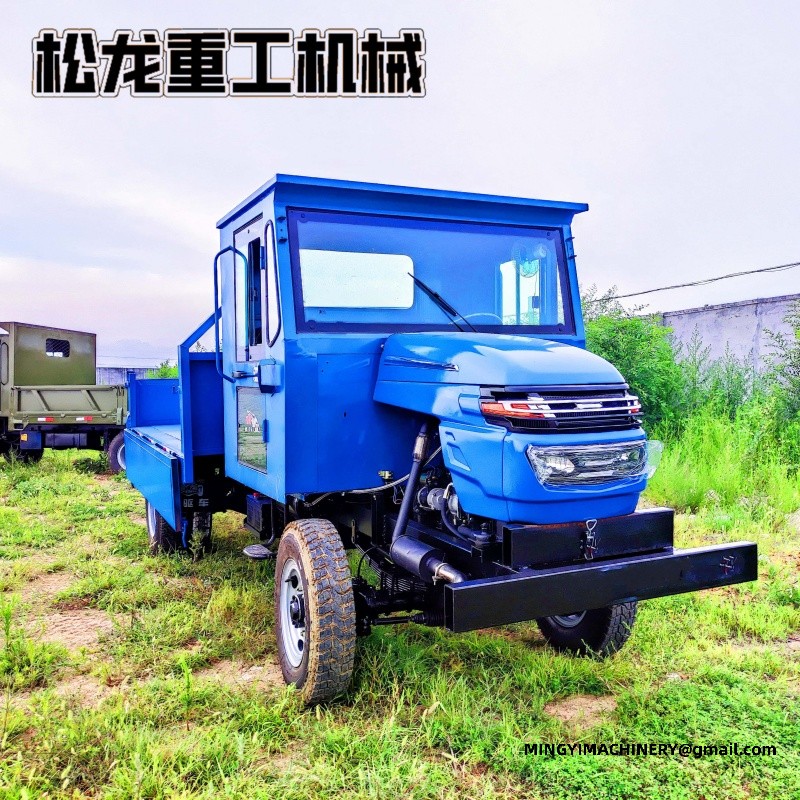
Utilisation matters more than the purchase decision over a few years. A machine built for the work that sits idle ties up the same yard space standing still as one that earns, so the buying decision should follow the hours the machine will realistically work.
Build options are where a standard machine becomes the right machine. Colour, guarding, lighting, seating and hydraulic provisions can usually be set at build time on the dumper, and are far simpler then than as a retrofit. Fleet buyers often want consistency rather than variety. Specifying this class of machine so that several units share controls, filters and service points reduces training time and keeps the parts shelf small.
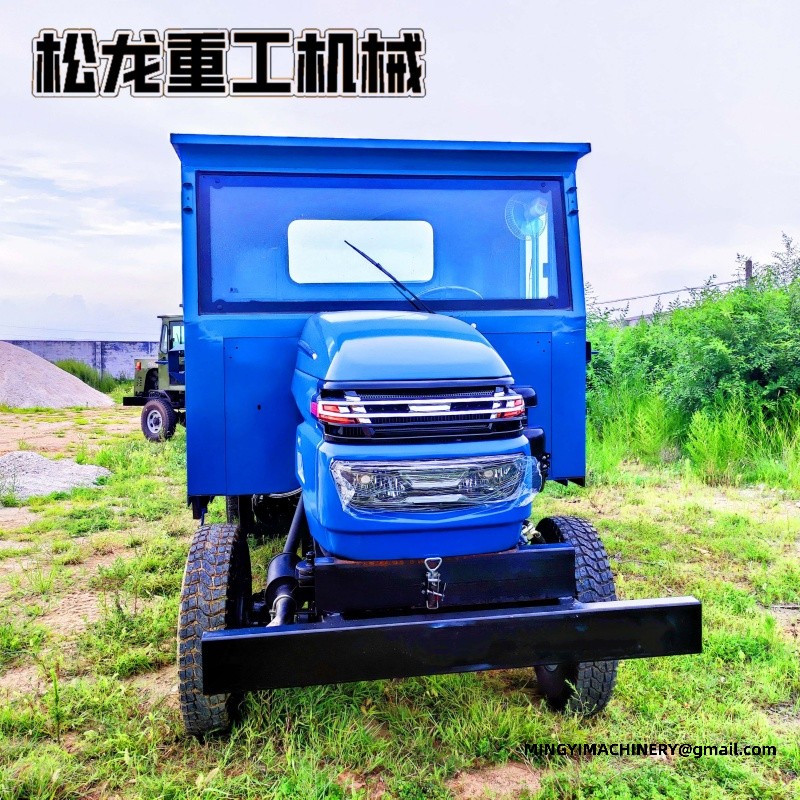
The working surface should be surveyed before the equipment on site is specified. A machine that is stable on compacted gravel can be unusable on the same site after rain, and the difference shows up as lost days rather than as a fault. Traction and flotation are two separate questions. A machine of this size may have the power for a slope and still not have the grip, so the surface, not the engine rating, is usually what limits the working day.
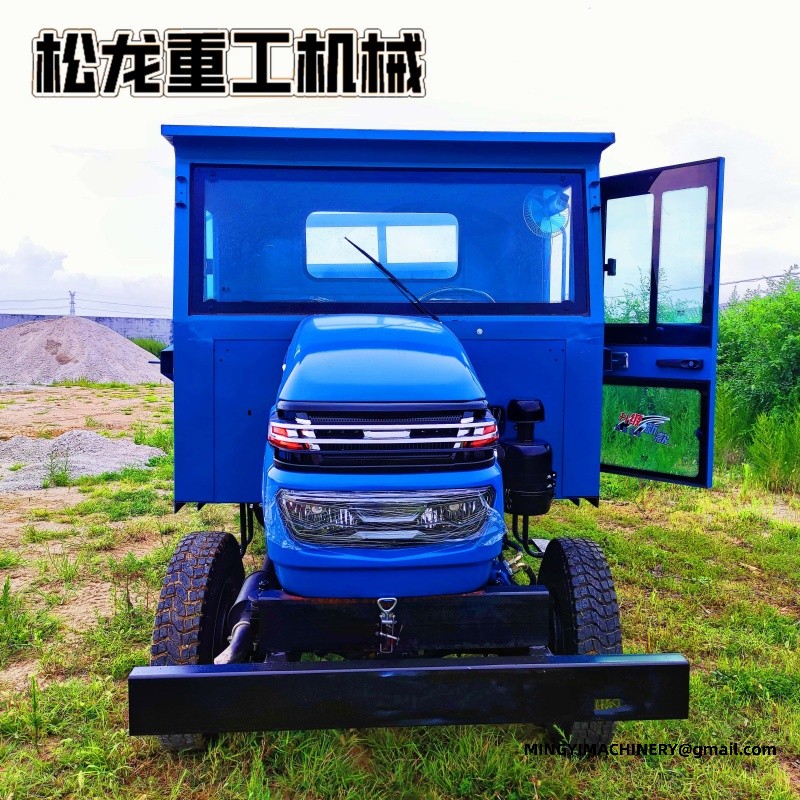
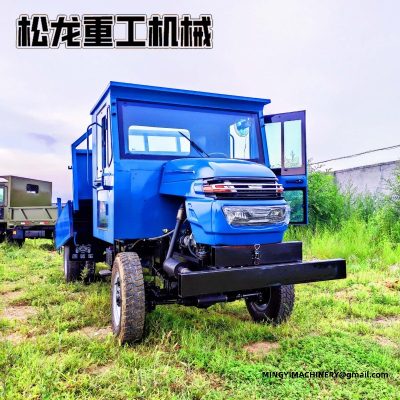
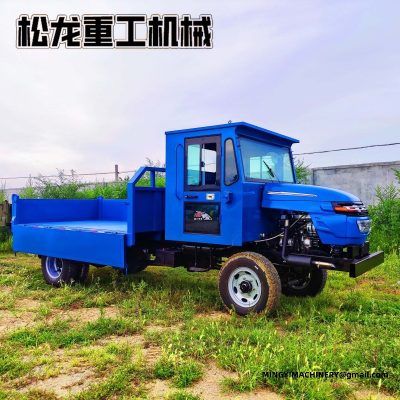
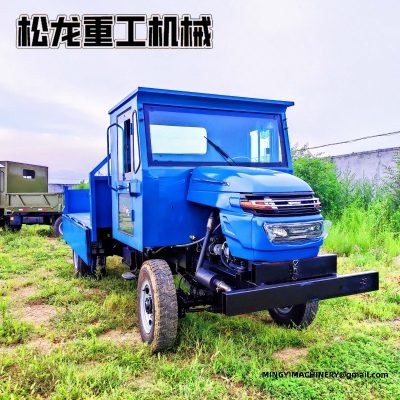
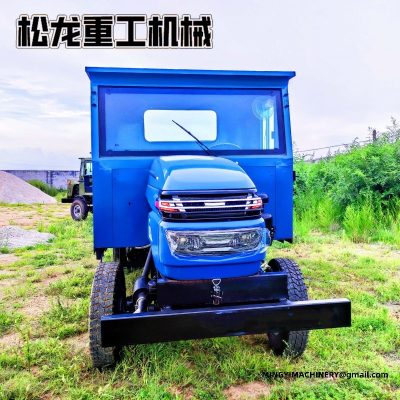
The configurations below are the build sheets most often matched to the model in question. Engine, gearbox, axles, frame and body dimensions are confirmed together, because the body size and the axle rating have to suit the load before the engine rating matters.
| # | 11.Luxury | 12.Standard | 20.Luxury | 4.Upgraded |
|---|---|---|---|---|
| 1 | Single-cylinder diesel engine, 32 hp | Two-cylinder diesel engine, 38 hp | Four-cylinder 4102 turbocharged diesel engine | Single-cylinder diesel engine, 25 hp |
| 2 | Part-time gearbox, selectable 2WD/4WD | Full-time gearbox with four-wheel drive | Model 140 part-time gearbox with four-wheel drive | Full-time gearbox with four-wheel drive |
| 3 | High/low range with crawler gear | High/low range with crawler gear | High/low range with crawler gear | High/low range with crawler gear |
| 4 | Enclosed cab | Simple cab | Fully enclosed cab | Front axle clutch |
| 5 | Six 700-16 mountain tyres | Oil brakes | Six 825R16 steel-belted radial tyres | Fully enclosed cab |
| 6 | Model 212 front axle | Four 700-16 mountain tyres | Reinforced ISUZU-pattern front axle | Oil brakes |
| 7 | Model 130 rear axle | Front axle 212 | Reinforced 1080 rear axle | Four 700-16 mountain tyres |
| 8 | Air cut-off brakes | Rear axle 130 | Air cut-off brakes | Front axle 212 |
| 9 | Reinforced 60 x 140 mm square tube frame | Reinforced 60 x 140 mm square tube frame | Reinforced 80 x 180 mm square tube frame | Rear axle 130 |
| 10 | Rear body 2.2 m long x 1.5 m wide x 0.45 m high | Rear body 2.2 m long x 1.5 m wide x 0.45 m high | Rear body 3.0 m long x 2.2 m wide x 0.45 m high | Reinforced 60 x 140 mm square tube frame |
| 11 | Tailgate with self-dumping function | Tailgate with self-dumping function | Tailgate with self-dumping function | Rear body 2.2 m long x 1.5 m wide x 0.45 m high |
| 12 | Side-opening rear body tailgate | Hydraulic power steering | Side-opening rear body tailgate with cab ladder | Tailgate with self-dumping function |
| 13 | Hydraulic power steering | Twin hydraulic rams | Hydraulic power steering | Hydraulic power steering |
| 14 | Twin hydraulic rams | Two-person comfort seat | Twin hydraulic rams | Twin hydraulic rams |
| 15 | Two-person comfort seat | Twin-battery electric start | Two-person comfort seat | Two-person comfort seat |
| 16 | Heavy-duty leaf springs | Round-nose bonnet | Heavy-duty thickened leaf springs | Twin-battery electric start |
| 17 | Twin-battery electric start | — | Twin-battery electric start | Square-nose bonnet |
| 18 | Square-nose bonnet | — | Square-nose bonnet | — |
| 19 | — | — | Four-cylinder 4105 turbocharged | — |
| 20 | — | — | Four-cylinder 4108 turbocharged | — |
| 21 | — | — | Single-cylinder engine, 25 hp | — |
| 22 | — | — | Single-cylinder engine, 28 hp | — |
| 23 | — | — | Single-cylinder engine, 32 hp | — |
| 24 | — | — | Two-cylinder engine, 38 hp | — |
| 25 | — | — | Four-cylinder 490 engine | — |
| 26 | — | — | Four-cylinder 4102 turbocharged engine | — |
The machine is only half of what arrives. The parts book, the service schedule and the declarations that come with the unit on the job are what let the owner register, insure and maintain it without a second round of emails.
Retrofitting is limited by the base machine. Before anything is added to the equipment in service the hydraulic flow, the mounting interface and the stability allowance have to be checked, because those limits are what decide what is sensible.
The paperwork matters as much as the packing. Serial numbers, dimensions and weights recorded for this class of machine at loading are the same figures the destination needs, and a mismatch here loses more days than the voyage itself.
Operators notice things first because they hear the machine every day. Encouraging the person on a machine of this size to report small changes, and acting on them, is the most effective maintenance programme there is.
Inspection is a list, not a glance. Before the machine itself is released the fluid levels, belt tension, electrical connections and safety decals are each ticked off, and anything that fails stays in the shop rather than travelling with the machine.
The machine should be introduced to the site as well as the operator. Walking the route the machine in that duty will take, noting the soft spots and the turns, prevents the kind of first-day incident that has nothing to do with the machine.
Dust is the enemy of every rotating joint. Keeping the radiator and the air intake of a machine built for the work clean, and cleaning them before they are blocked rather than after, is what separates a machine that lasts from one that overheats.
Every line above is a build item rather than an optional extra, and the final sheet for the equipment in service is confirmed against the destination, the ground and the load before production.
E-mail:sales@mingycn.com
LINE(ID):mingyicn









