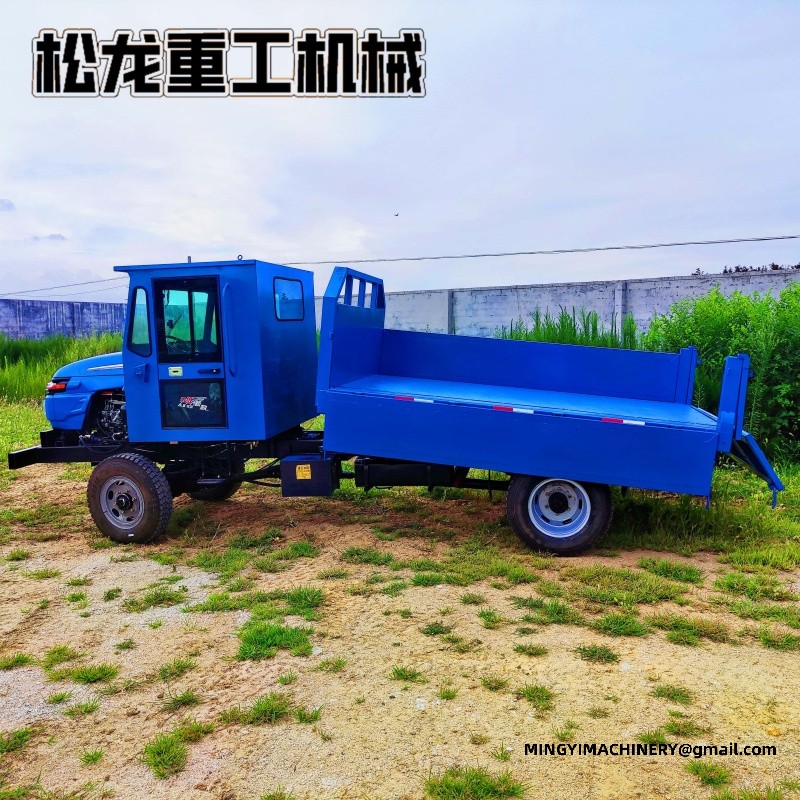
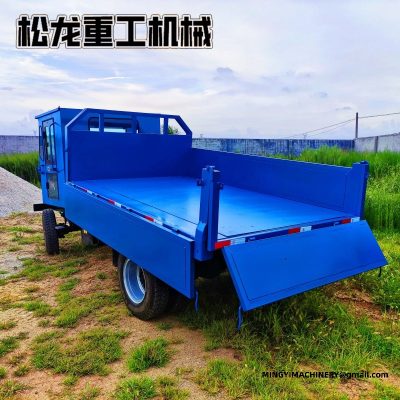
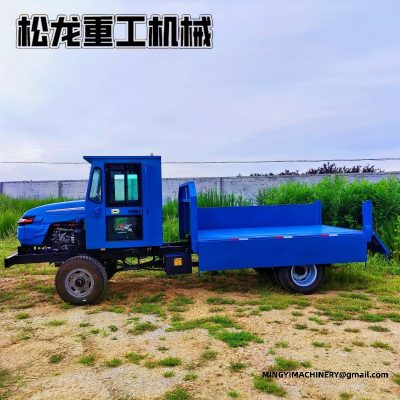
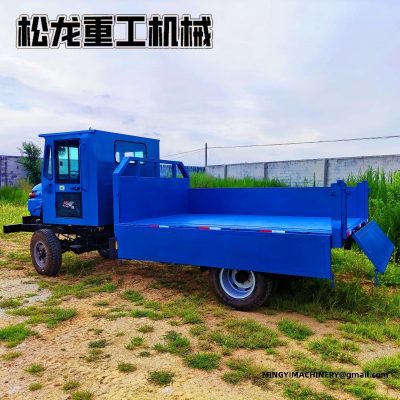
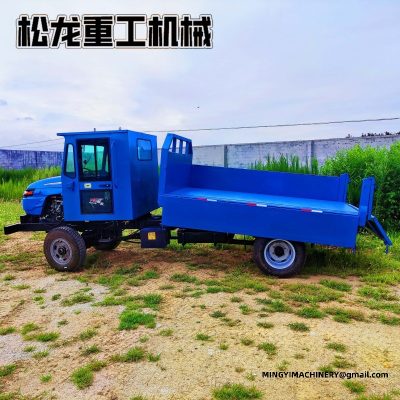
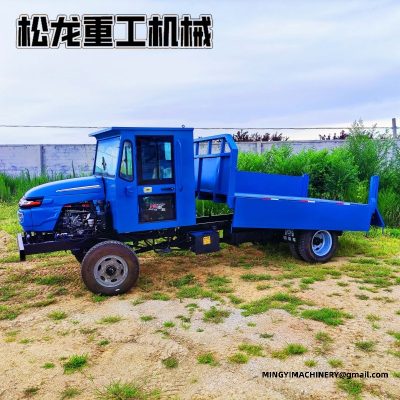
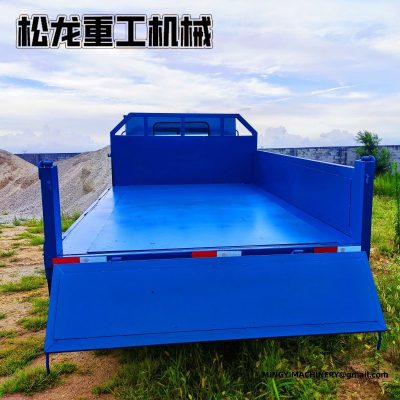
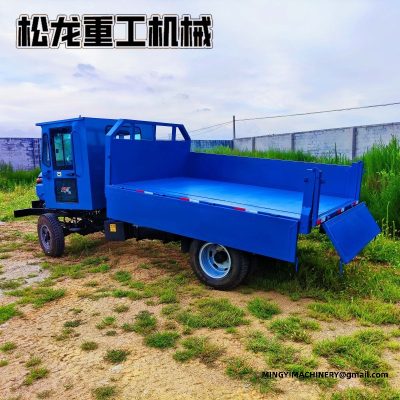
Every the dumper leaves the shop configured for a particular buyer. This page explains the choices that configuration involves, covering frame, power, running gear, cab and attachments, and what each one means once the machine is on site.
Delivery planning includes the receiving end. Knowing whether this class of machine will be craned, driven or forked off, and whether the site can accept it, is settled before dispatch rather than on the day.
Export orders add steps that domestic buyers never see. Packed dimensions, securing points, documentation and any dismantling required are all settled before the unit in daily use leaves the factory, and each one affects the freight booking. Container loading is a planning exercise. Confirming how a machine of this size is packed and how many units fit a container is what turns a per-unit freight estimate into a delivered figure the buyer can actually plan against.
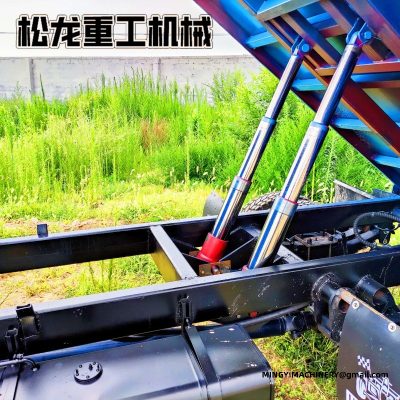
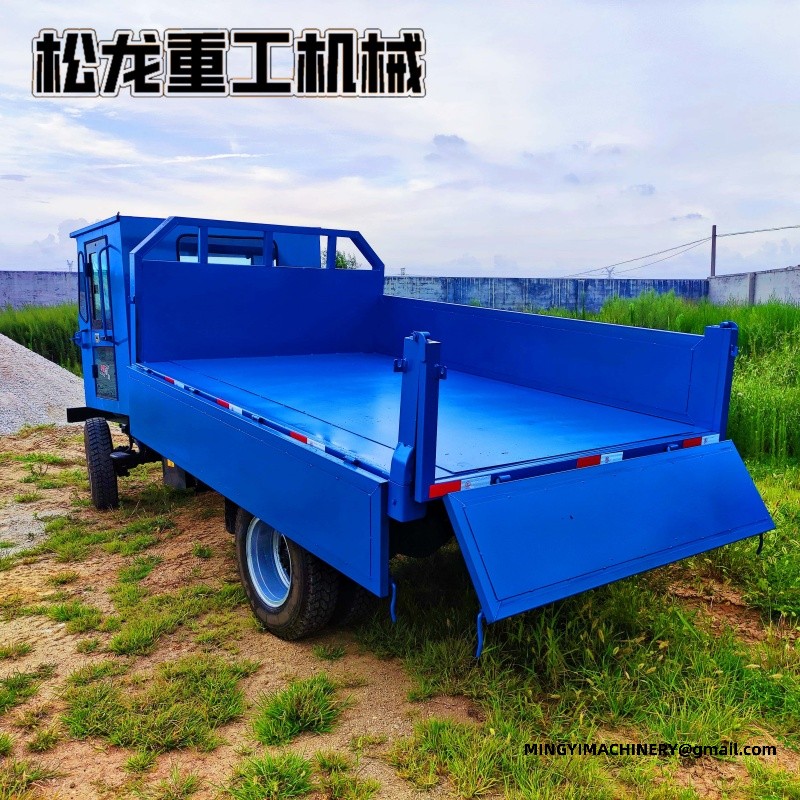
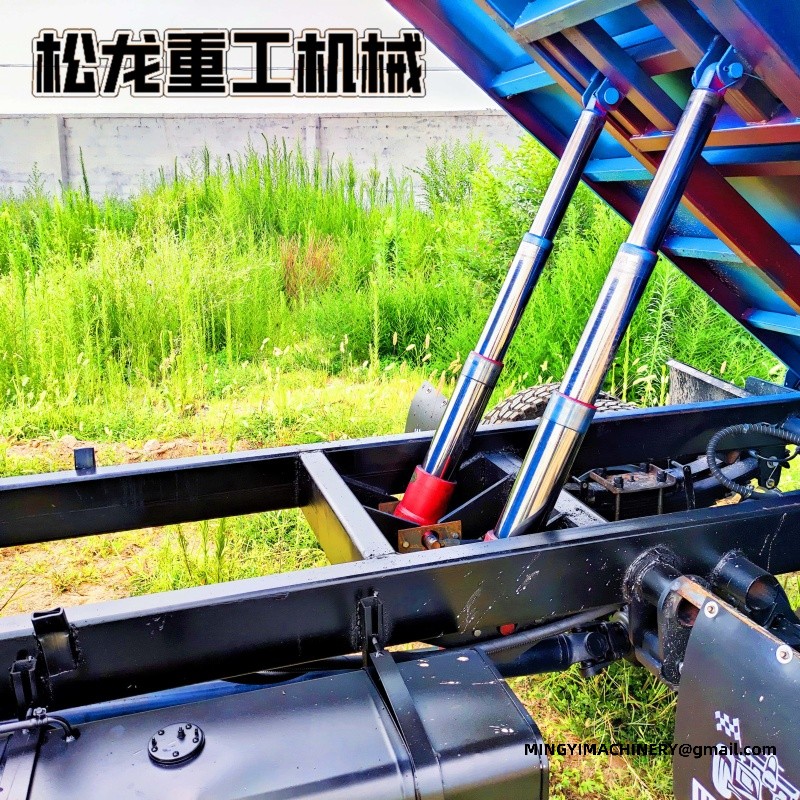
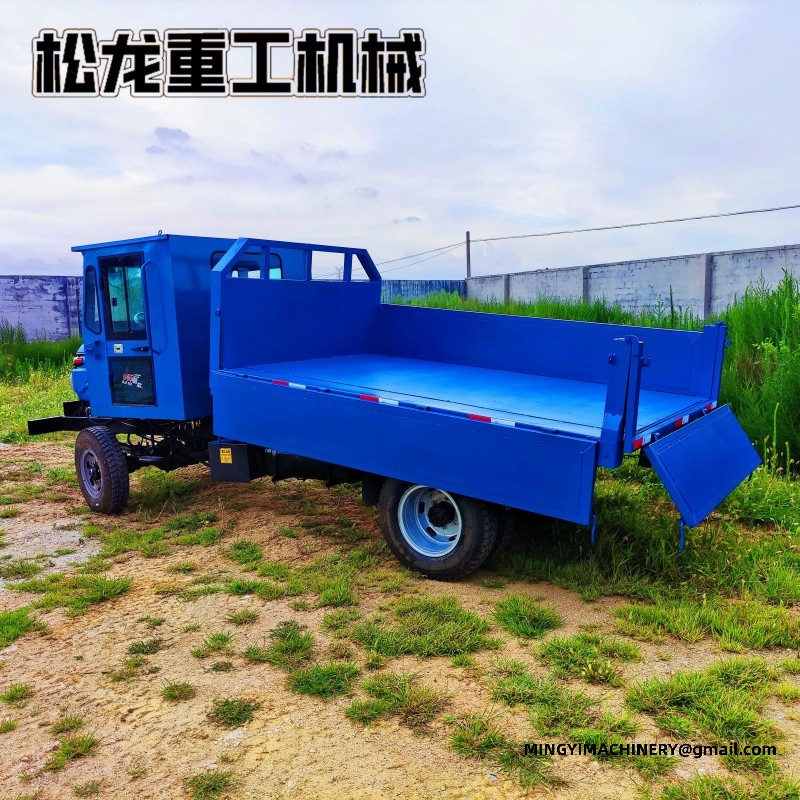
The tipping body is the part that does the work. The equipment on site specified with twin hydraulic rams and a tailgate that opens under load unloads in one pass, which matters more on a short haul than top speed does.
Emissions documentation is part of engine selection for some destinations. Confirming which units can be supplied and documented for the destination country is worth doing at enquiry stage rather than after the build sheet is signed.
Records are part of the asset. Keeping the service history and the hour records with the machine itself makes it easier to sell, easier to insure and easier to justify the replacement machine internally.
Visibility from the seat is different at night. Reflections, shadows and glare all hide detail, so the model in question used after dark benefits from clean lenses, working wipers and a slower working pace.
Low temperatures also make materials behave differently. Ground that is frozen hard in the morning can be soft by midday, and planning the sequence around that is easier than fighting it with the machine in that duty.
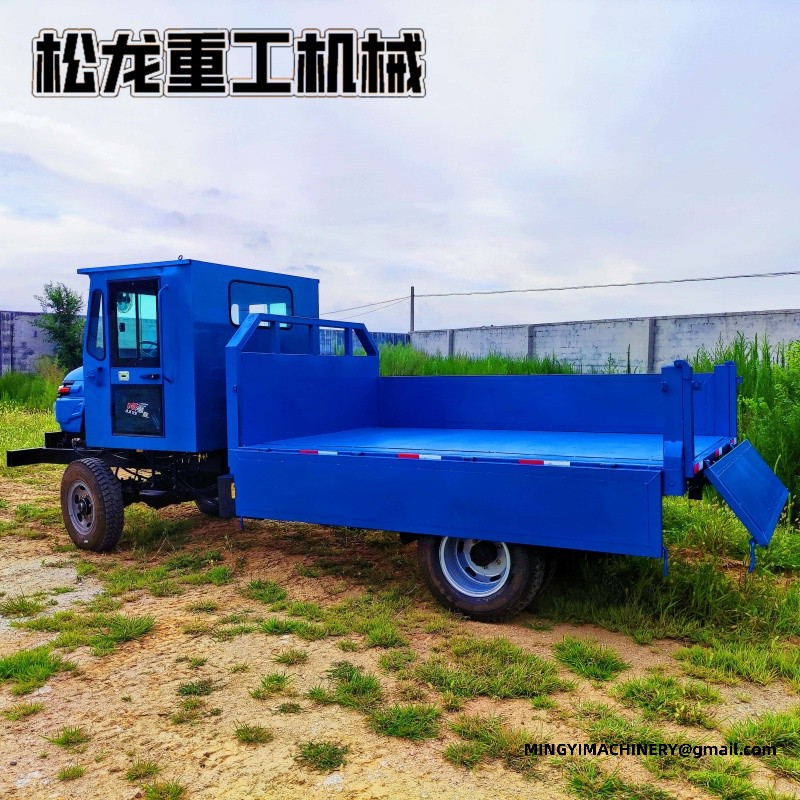
Quarry and tunnel work is hard on vehicles. Abrasive dust, sharp material and continuous loading mean the unit on the job in this duty needs attention to filtration, body wear and brake condition far more often. Haul cycles in a quarry are short and repetitive. A machine built for the work specified for that pattern benefits from a body that dumps cleanly and quickly, because the time saved per cycle is the whole allowance.
Access and storage are worth settling early. Where the dumper will be parked, refuelled and serviced on site affects the working day more than most specification details, and it takes nothing to plan.
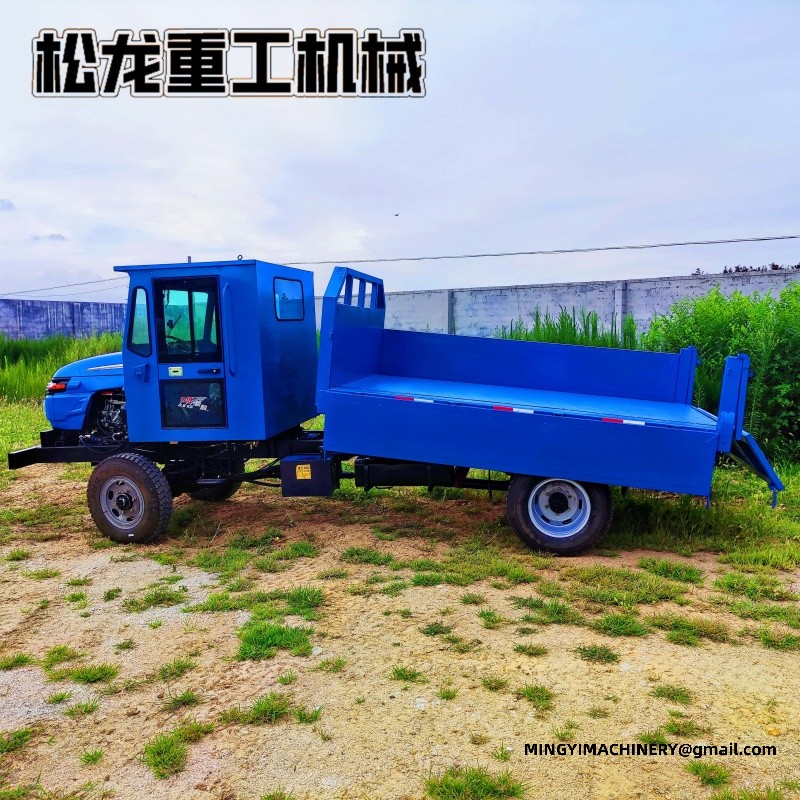
Commissioning is the point where most avoidable issues are found. Checking levels, fasteners and function on this class of machine before it goes to work takes an hour and prevents a claim conversation later. Warranty terms are clearer when they are read before purchase. Knowing what is covered, what counts as a wearing item and what documentation is required makes a claim on the unit in daily use straightforward rather than contested.
Machine output varies more between operators than between brands. Smooth, planned movements put less load on the structure and use less fuel, and that difference is visible on the hour meter and in the service bills for a machine of this size.
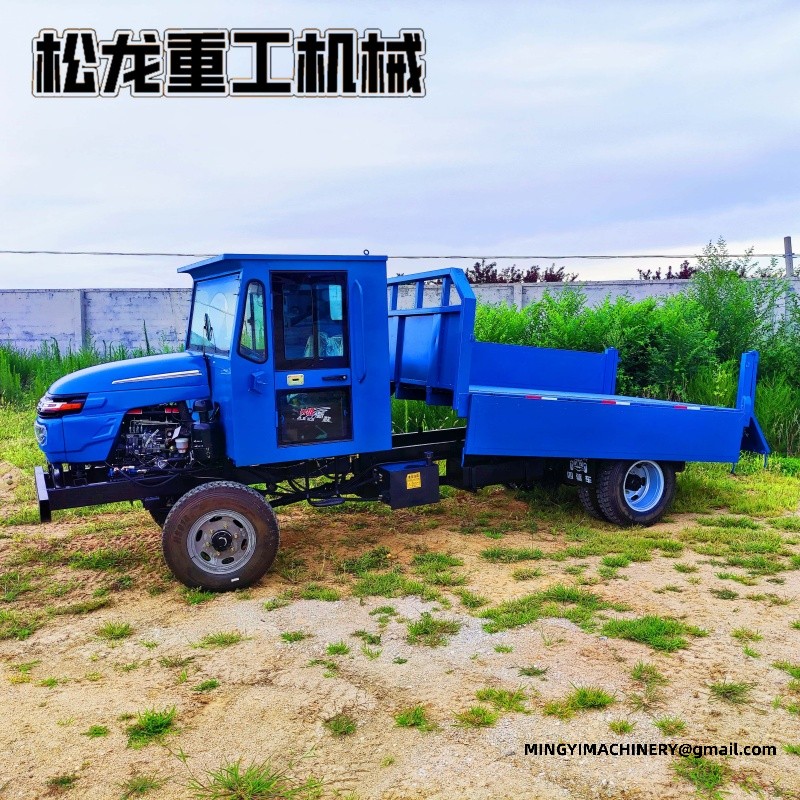
Planning the work to reduce empty movement is free. Fewer repositioning cycles on the machine itself means less fuel, less wear on the undercarriage or tyres and more of the shift spent on productive work.
Fleet value comes from interchangeability. Operators who can step between machines without retraining, and a workshop that stocks one set of filters, keep utilisation higher than a fleet of individually optimised units. Utilisation matters more than the purchase decision over a few years. The machine in that duty that sits idle ties up the same yard space standing still as one that earns, so the buying decision should follow the hours the machine will realistically work.
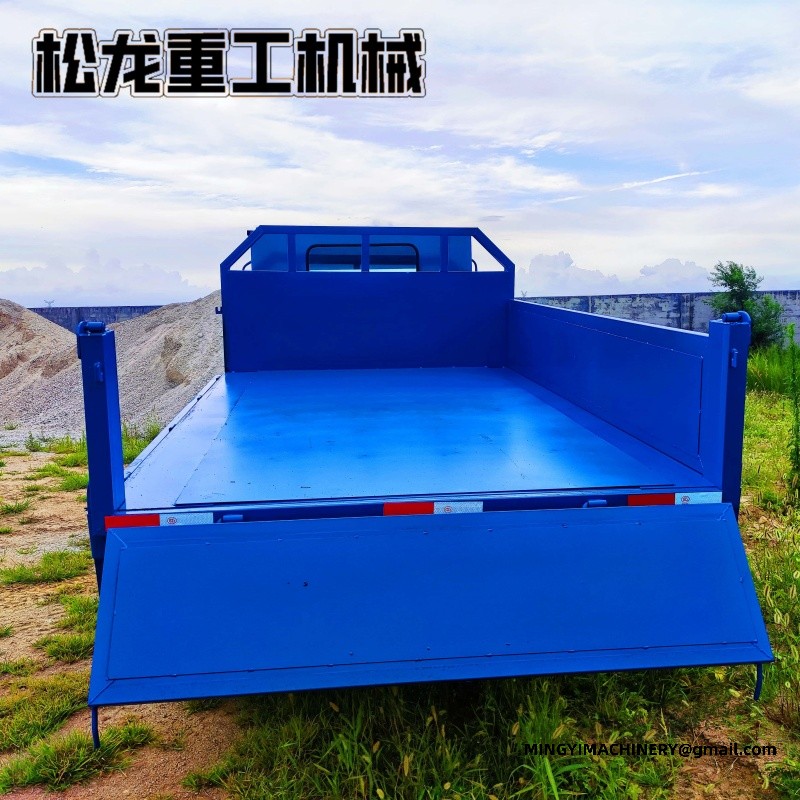
Four-wheel drive is only part of soft ground capability. Tyre choice, ground clearance and weight distribution decide whether a machine built for the work keeps moving in a paddy field or a marsh, and all three are specified rather than assumed. Recovering a stuck vehicle takes longer than preventing it. Planning the route, avoiding the worst ground and knowing where the equipment in service will turn is what keeps a soft-ground job productive.
Personal protective equipment and a stop rule are simple controls. Agreeing before work starts that anyone can stop the job is the single measure that most often prevents a serious incident near this class of machine.
Wear rate follows conditions far more than hours. A machine of this size working on abrasive ground or in mud will consume undercarriage or tyre life much faster than the same machine on clean ground.
Most failures start as something small that a walk-around would have caught. Fluid levels, belt tension, tyre or track condition and any fresh leak are the items worth two minutes at the start of each shift on the machine itself. A simple log helps. Recording hours, fuel and any adjustment made to the model in question gives the workshop a history, and that history is what turns an intermittent fault into a one-visit repair instead of three.
A water tank turns the vehicle into a different machine. The unit on the job carrying water for dust control or irrigation is specified around tank size, baffles and the route, because a part-filled tank behaves very differently on a slope.
Timber work changes what the vehicle carries. The equipment in service fitted with a log grab loads and unloads without a second machine, which is usually the reason a forestry contractor specifies one over a conventional truck. Protection matters in timber work. Guarding, lighting and a cab that keeps branches out are the items that keep the dumper working through a season rather than being repaired through it.
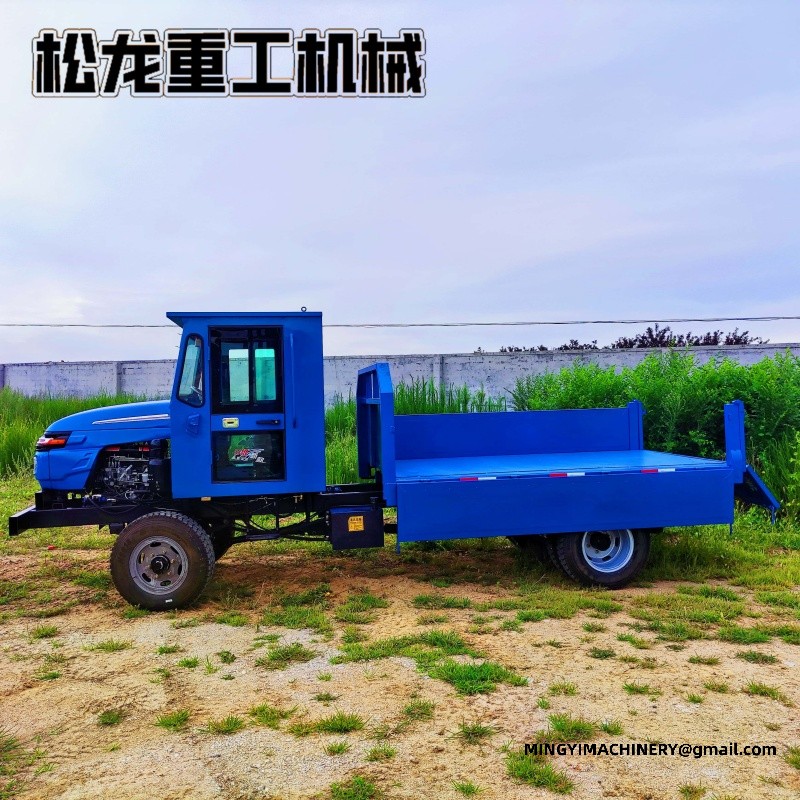
The configurations below are the build sheets most often matched to the unit in daily use. Engine, gearbox, axles, frame and body dimensions are confirmed together, because the body size and the axle rating have to suit the load before the engine rating matters.
| # | 15.Standard | 16.Upgraded | 3.Standard | 9.Standard |
|---|---|---|---|---|
| 1 | Four-cylinder 490 diesel engine | Four-cylinder 490 diesel engine | Single-cylinder diesel engine, 25 hp | Single-cylinder diesel engine, 32 hp |
| 2 | Full-time gearbox with four-wheel drive | Full-time gearbox with four-wheel drive | Full-time gearbox with four-wheel drive | Full-time gearbox with four-wheel drive |
| 3 | High/low range with crawler gear | High/low range with crawler gear | High/low range with crawler gear | High/low range with crawler gear |
| 4 | Simple cab | Fully enclosed cab | Simple cab | Simple cab |
| 5 | Oil brakes | Oil brakes | Oil brakes | Oil brakes |
| 6 | Four 700-16 mountain tyres | Six 700-16 mountain tyres | Four 700-16 mountain tyres | Four 700-16 mountain tyres |
| 7 | Front axle 212 | Front axle 212 | Front axle 212 | Front axle 212 |
| 8 | Rear axle 130 | Rear axle 130 | Rear axle 130 | Rear axle 130 |
| 9 | Reinforced 60 x 140 mm square tube frame | Reinforced 60 x 140 mm square tube frame | Reinforced 60 x 140 mm square tube frame | Reinforced 60 x 140 mm square tube frame |
| 10 | Rear body 2.2 m long x 1.5 m wide x 0.45 m high | Rear body 2.2 m long x 1.5 m wide x 0.45 m high | Rear body 2.2 m long x 1.5 m wide x 0.45 m high | Rear body 2.2 m long x 1.5 m wide x 0.45 m high |
| 11 | Tailgate with self-dumping function | Tailgate with self-dumping function | Tailgate with self-dumping function | Tailgate with self-dumping function |
| 12 | Hydraulic power steering | Hydraulic power steering | Hydraulic power steering | Hydraulic power steering |
| 13 | Twin hydraulic rams | Twin hydraulic rams | Twin hydraulic rams | Twin hydraulic rams |
| 14 | Two-person comfort seat | Two-person comfort seat | Two-person comfort seat | Two-person comfort seat |
| 15 | Twin-battery electric start | Twin-battery electric start | Twin-battery electric start | Twin-battery electric start |
| 16 | Round-nose bonnet | Round-nose bonnet | Square-nose bonnet | Square-nose bonnet |
Travel time is not working time, and it should be planned as its own item. The hours spent moving the equipment on site between jobs are hours not worked, and a trailer that matches the machine reduces them every single trip.
A spares list should follow the duty cycle. The model in question working every day in abrasive dust consumes filters and cutting edges far faster than the same machine used once a week, and the shelf should be stocked for the harder case.
Seasonal work rewards a machine that can change duty. Through the year the unit on the job may move from one task to another, and the attachment list should be chosen for the whole year rather than for the first job.
Most additions are easier to plan than to add. Hydraulic services, mounting brackets and electrical capacity on the equipment in service are build items, and deciding them at the specification stage is far easier than doing it later.
A clear parts book saves more time than any other document. When this class of machine needs a replacement, the illustration and the part number are what turn a phone call into a shipment instead of a description.
A machine that only one person can use is a single point of failure. Training a second operator on a machine of this size takes a day and removes the dependency that otherwise governs holidays, illness and busy weeks.
Temperature and pressure are the two things worth watching. The machine itself that runs hotter than it used to, or whose pressure has drifted, is reporting a problem that is still simple to fix.
Every line above is a build item rather than an optional extra, and the final sheet for the model in question is confirmed against the destination, the ground and the load before production.
E-mail:sales@mingycn.com
LINE(ID):mingyicn









