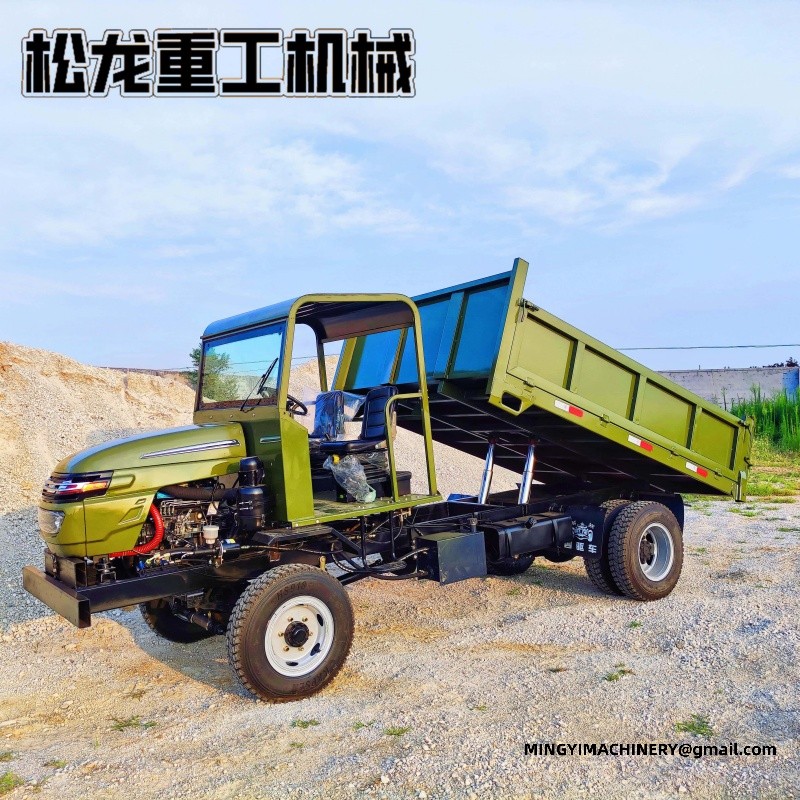
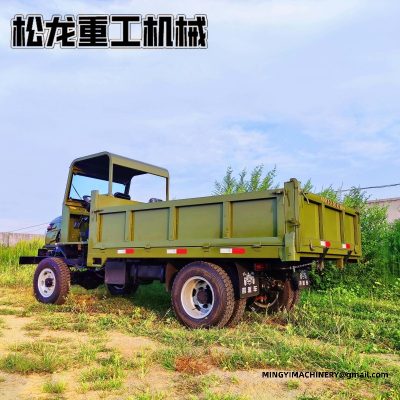
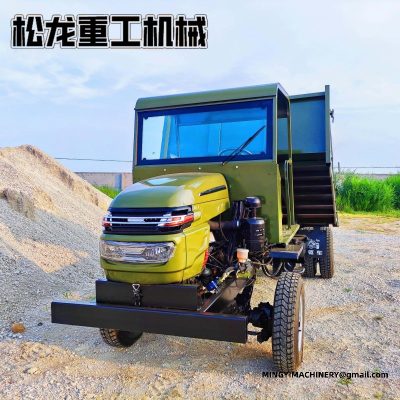
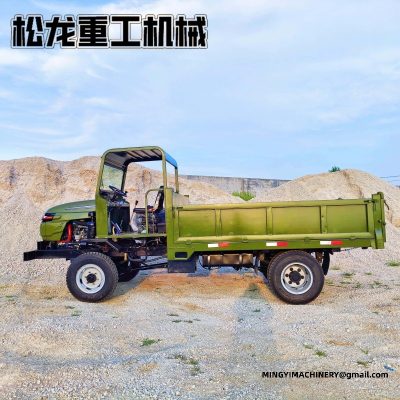
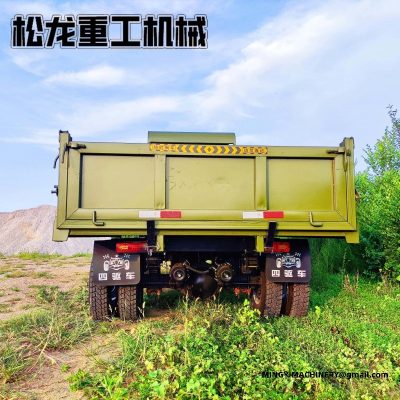
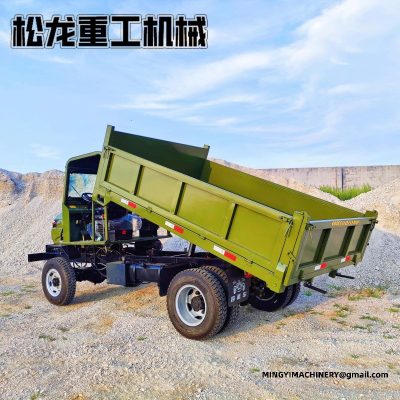
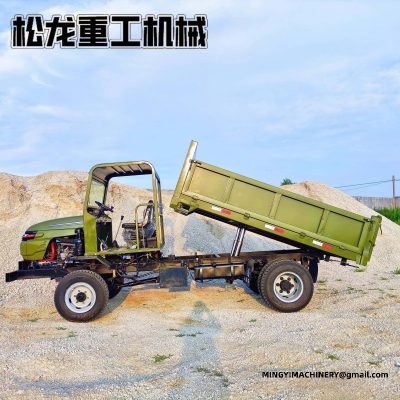
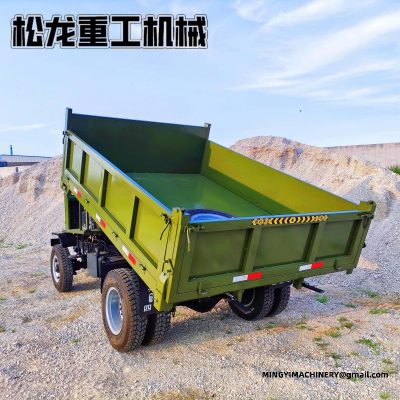
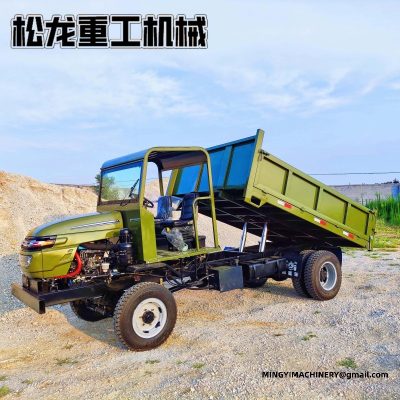
The dumper earns its place by doing one job repeatedly and without fuss. The sections below are written from that angle: what the machine is asked to do each day, what wears, what an operator needs to know and what to confirm before dispatch.
Water is heavy and it moves. Baffles and sensible speeds matter on this class of machine with a tank body, and the specification should reflect the ground the vehicle will cross rather than only the volume needed.
Documentation should be agreed at order stage. The commercial invoice, packing list and any certificate required at destination are part of shipping the unit in daily use, and missing papers delay clearance longer than the voyage takes.
Payload is limited by the axles and the frame before it is limited by the body volume. Specifying a machine of this size against the material density gives a realistic figure, because a body that looks half full can already be at its limit with rock.
Handover should include the documents as well as the keys. Parts list, service schedule and the operator notes for the equipment on site are what the workshop needs in month six, and they are much harder to obtain later. A short familiarisation session prevents the early faults. Most first-month problems on the machine itself come from unfamiliarity with controls, limits or checks rather than from the machine itself.
Most failures start as something small that a walk-around would have caught. Fluid levels, belt tension, tyre or track condition and any fresh leak are the items worth two minutes at the start of each shift on the model in question.
Build options are where a standard machine becomes the right machine. Colour, guarding, lighting, seating and hydraulic provisions can usually be set at build time on the machine in that duty, and are far simpler then than as a retrofit. Fleet buyers often want consistency rather than variety. Specifying the unit on the job so that several units share controls, filters and service points reduces training time and keeps the parts shelf small. Customisation should still be limited to what the work needs. Each addition to a machine built for the work is another item to maintain, so the useful question is not what can be added but what the job list actually requires.
Size matters underground. Overall height and width decide whether the equipment in service can work in a tunnel at all, and those dimensions are the first thing to confirm rather than the last.
Machine productivity depends on what happens around it. Deliveries, other trades and the sequence of work decide how much of the shift the dumper spends actually working rather than waiting. Access and storage are worth settling early. Where this class of machine will be parked, refuelled and serviced on site affects the working day more than most specification details, and it takes nothing to plan. Sequencing avoids rework. Doing the work in the order that suits the ground and the following trades keeps the unit in daily use productive and prevents finishing a task that then has to be opened up again.
Ground decides more of the outcome than power does. Soft, wet or loose surfaces call for a wider footprint and lower ground pressure, while hard standing allows a narrower machine that turns in less space and travels faster between tasks.
A written duty list is the simplest part of the purchase. It takes an hour to note the material, the distance, the gradient and the hours per week, and it is what turns the machine itself enquiry into a machine that fits.
Support after delivery is a parts question. Filters, belts, hoses and the wearing items specific to the machine in that duty are what a buyer should plan to hold before the first service interval rather than order after a failure.
Cold changes how a machine starts and how it warms up. Allowing a machine built for the work to reach operating temperature before loading it, and using the correct grade of oil and fuel for the season, prevents most cold-start problems. Batteries and fluids are the parts that notice the cold first. The equipment in service kept on a maintainer through a freezing spell starts on the first turn, while one left standing is the usual cause of a lost morning.
Stability follows the load and its position. Knowing the rated capacity of this class of machine at the working radius, rather than at its best case, is what keeps handling predictable and the machine upright. Ballast and attachment weight change the machine. Adding a heavy tool to the unit in daily use moves the centre of gravity, and the counterweight or configuration should be matched to the tool rather than assumed.
Duty cycle is the honest measure of a machine. The equipment on site working a few hours a week has different needs from one working two shifts, and the cooling, filtration and service intervals should follow the hours rather than the calendar.
Upgrades should be checked against the base machine. Hydraulic capacity, mounting interface and stability all limit what can reasonably be added to the model in question, and confirming those limits avoids an unsatisfactory result.
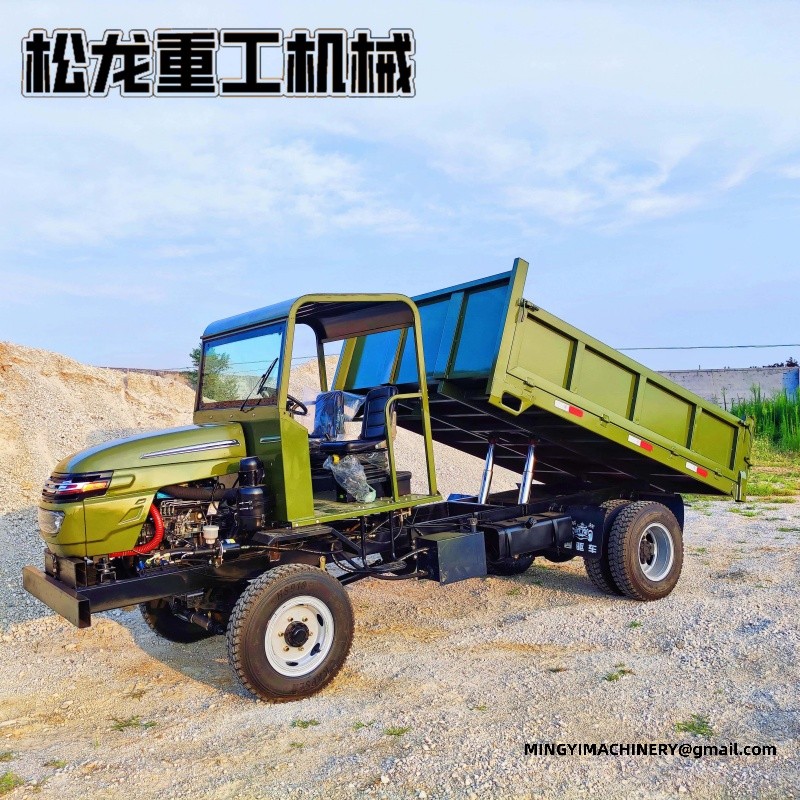
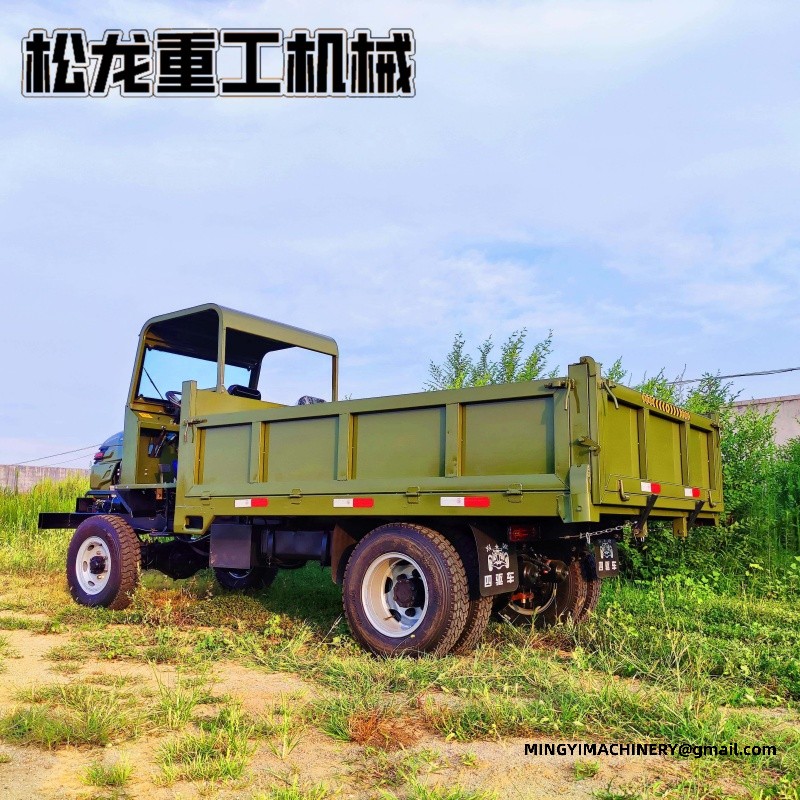
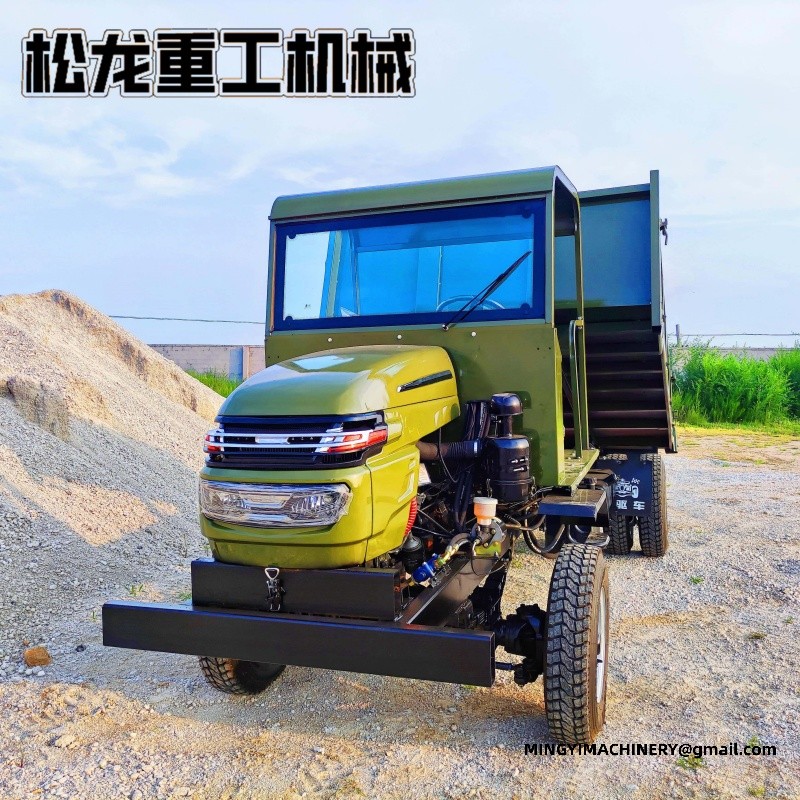
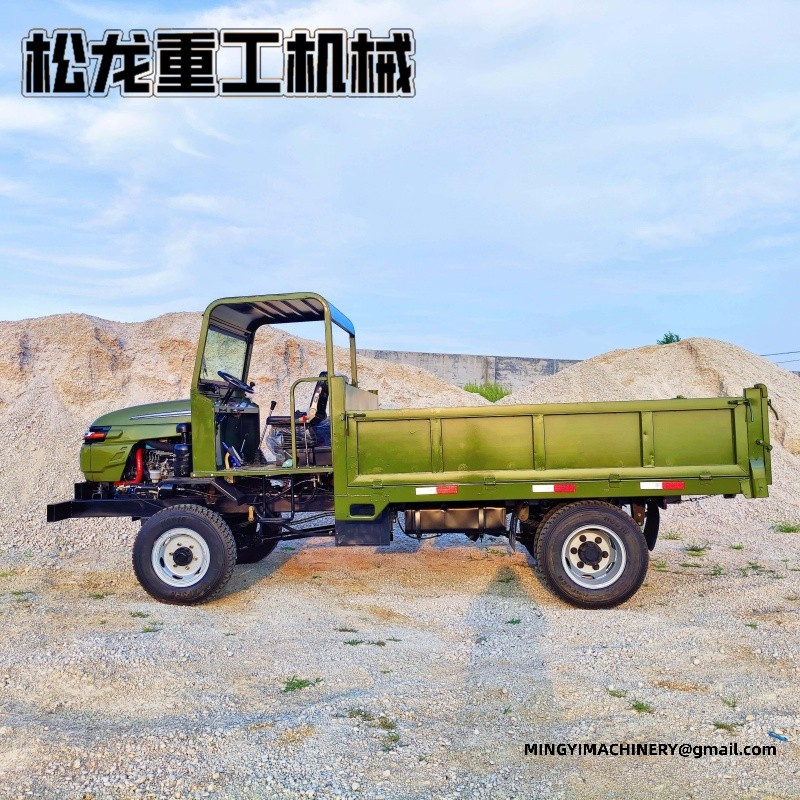
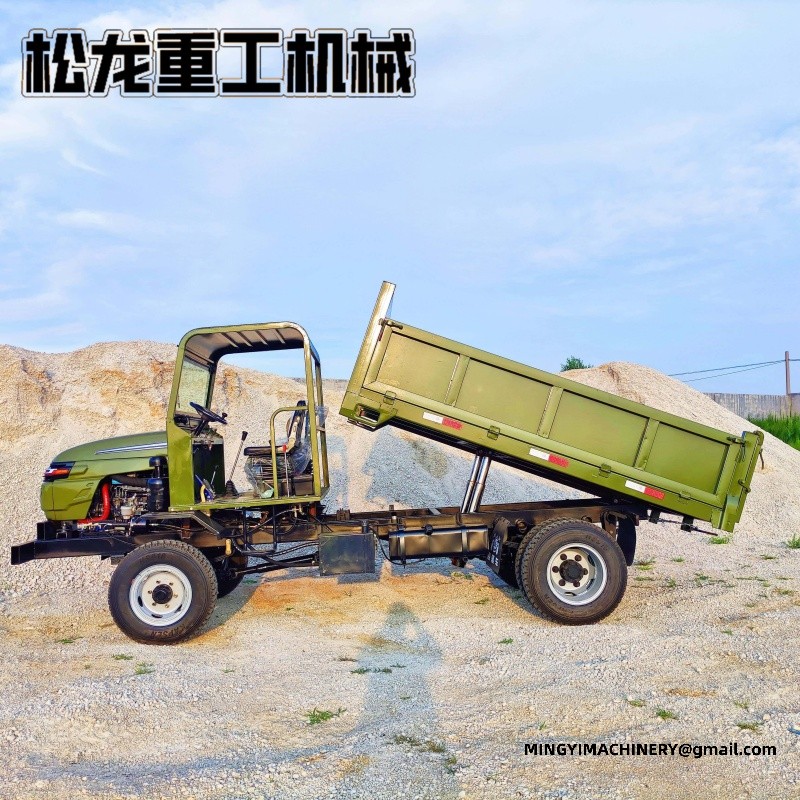
The configurations below are the build sheets most often matched to the unit on the job. Engine, gearbox, axles, frame and body dimensions are confirmed together, because the body size and the axle rating have to suit the load before the engine rating matters.
| # | 12.Standard | 14.Luxury | 17.Luxury | 19.Upgraded |
|---|---|---|---|---|
| 1 | Two-cylinder diesel engine, 38 hp | Two-cylinder diesel engine, 38 hp | Four-cylinder 490 diesel engine | Four-cylinder 4102 turbocharged diesel engine |
| 2 | Full-time gearbox with four-wheel drive | Part-time gearbox, selectable 2WD/4WD | Part-time gearbox, selectable 2WD/4WD | Model 140 part-time gearbox with four-wheel drive |
| 3 | High/low range with crawler gear | High/low range with crawler gear | High/low range with crawler gear | High/low range with crawler gear |
| 4 | Simple cab | Enclosed cab | Fully enclosed cab | Fully enclosed cab |
| 5 | Oil brakes | Six 700-16 mountain tyres | Six 700-16 mountain tyres | Six 750R16 steel-belted radial tyres |
| 6 | Four 700-16 mountain tyres | Model 212 front axle | Reinforced 130 front axle | Reinforced ISUZU-pattern front axle |
| 7 | Front axle 212 | Reinforced 130 rear axle | Reinforced ISUZU-pattern rear axle | Reinforced 1061 rear axle |
| 8 | Rear axle 130 | Air cut-off brakes | Air cut-off brakes | Air cut-off brakes |
| 9 | Reinforced 60 x 140 mm square tube frame | Reinforced 60 x 140 mm square tube frame | Reinforced 60 x 140 mm square tube frame | Reinforced 80 x 180 mm square tube frame |
| 10 | Rear body 2.2 m long x 1.5 m wide x 0.45 m high | Rear body 2.2 m long x 1.5 m wide x 0.45 m high | Rear body 2.2 m long x 1.8 m wide x 0.45 m high | Rear body 3.0 m long x 2.1 m wide x 0.45 m high |
| 11 | Tailgate with self-dumping function | Tailgate with self-dumping function | Tailgate with self-dumping function | Tailgate with self-dumping function |
| 12 | Hydraulic power steering | Side-opening rear body tailgate | Side-opening rear body tailgate | Side-opening rear body tailgate with cab ladder |
| 13 | Twin hydraulic rams | Hydraulic power steering | Hydraulic power steering | Hydraulic power steering |
| 14 | Two-person comfort seat | Twin hydraulic rams | Twin hydraulic rams | Twin hydraulic rams |
| 15 | Twin-battery electric start | Heavy-duty leaf springs | Two-person comfort seat | Two-person comfort seat |
| 16 | Round-nose bonnet | Two-person comfort seat | Heavy-duty leaf springs | Thickened heavy-duty leaf springs |
| 17 | — | Twin-battery electric start | Twin-battery electric start | Twin-battery electric start |
| 18 | — | Round-nose bonnet | Round-nose bonnet | Square-nose bonnet |
A good handover covers the awkward cases, not just the easy ones. Starting the equipment in service on a slope, turning in a confined space and recovering from soft ground are the situations an operator should meet first with someone beside them.
Winter is hard on rubber and on seals as much as on the engine. Parking this class of machine under cover, keeping the tracks or tyres off standing water and checking the hoses for cracking are all part of the season.
Humidity attacks the parts that are not used. Storage in a damp climate means a machine of this size needs the exposed metal protected and the machine run regularly, because standing still does more damage than working.
A machine that works on one site still has to reach the next. The overall dimensions and the operating weight of the machine itself decide what trailer or truck is needed, and that decision belongs before the job is booked.
Commissioning is where the specification meets the ground. The settings chosen for the machine in that duty are confirmed against the actual site, and the working pattern is adjusted before the machine is asked for a full day.
The calendar decides more than the specification does. Planning when a machine built for the work will be working, when it will be serviced and when it can be spared keeps the maintenance out of the weeks that matter.
Rubber, seals and hoses age whether the machine works or not. Keeping the dumper out of direct sun and off damp ground slows that, and running it briefly at intervals keeps everything moving.
Keeping the documents together is part of ownership. The manual, the service record and the build sheet for the unit in daily use belong in one folder, and the machine is easier to sell later when that folder is complete.
Every line above is a build item rather than an optional extra, and the final sheet for a machine of this size is confirmed against the destination, the ground and the load before production.
E-mail:sales@mingycn.com
LINE(ID):mingyicn









