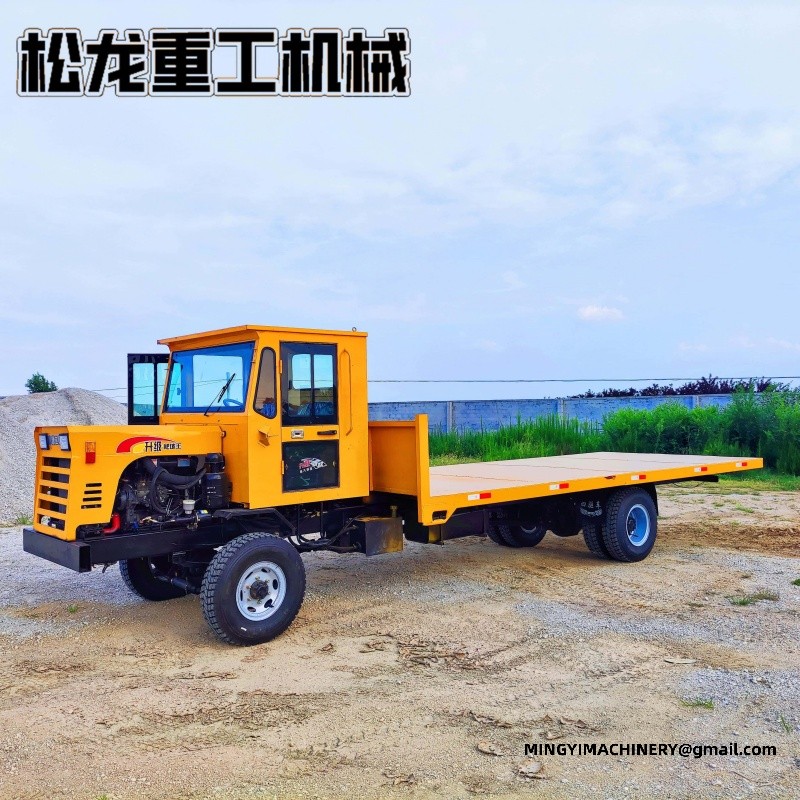
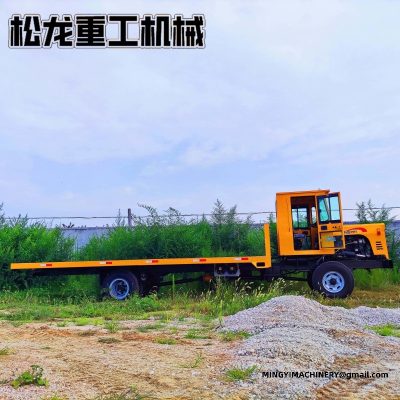
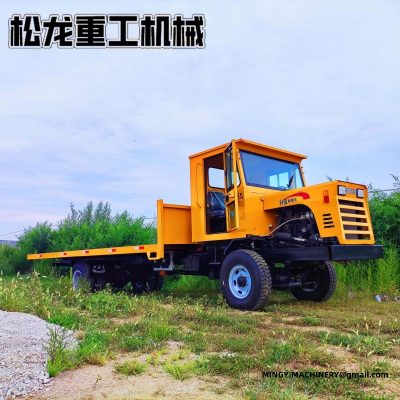
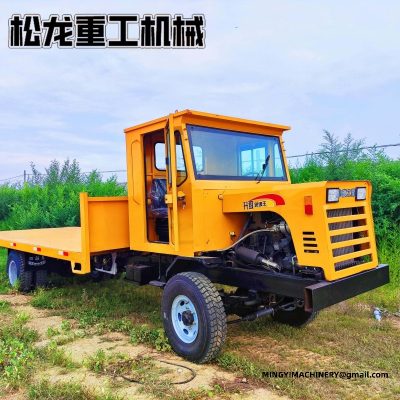
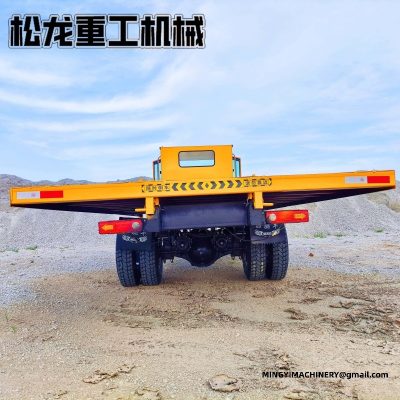
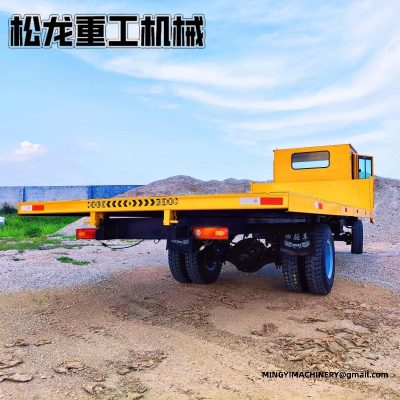
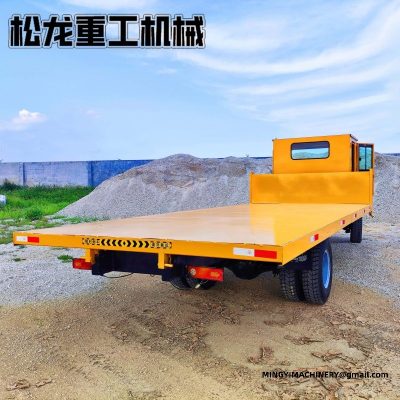
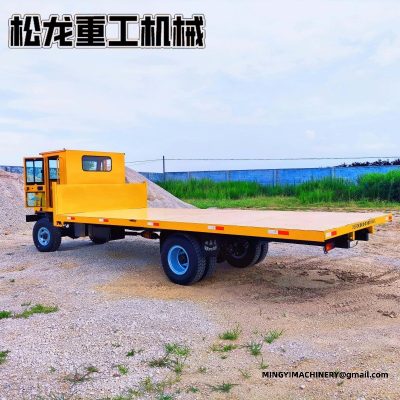
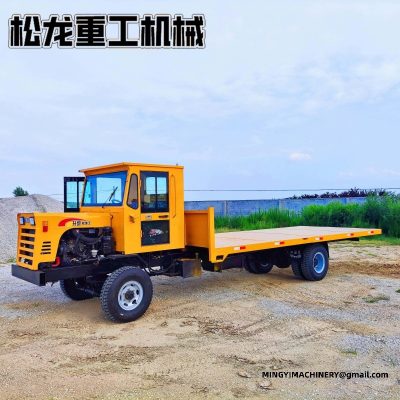
Most enquiries about the dumper start with a job rather than a machine. Someone has a site, a material and a deadline, and the specification follows from those three. This page works back from the job to the build sheet.
A short handover pays for itself. Operators who understand why a custom off road transporter with attachment is set up the way it is will report a change in behaviour early, which is usually the point where a repair is simplest.
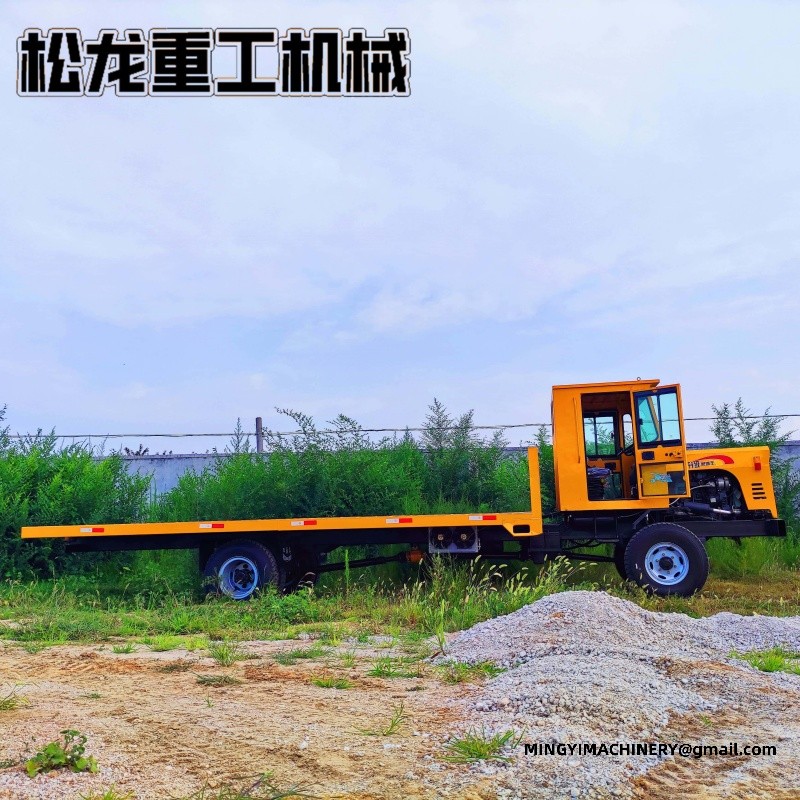
Upgrades should be checked against the base machine. Hydraulic capacity, mounting interface and stability all limit what can reasonably be added to a custom off road transporter with attachment, and confirming those limits avoids an unsatisfactory result.
Duty cycle is the honest measure of a machine. A custom off road transporter with attachment working a few hours a week has different needs from one working two shifts, and the cooling, filtration and service intervals should follow the hours rather than the calendar. Hour planning helps at resale as well. A custom off road transporter with attachment with a recorded service history and a sensible hour count is easier to sell than one with the same hours and no records, whatever its condition.
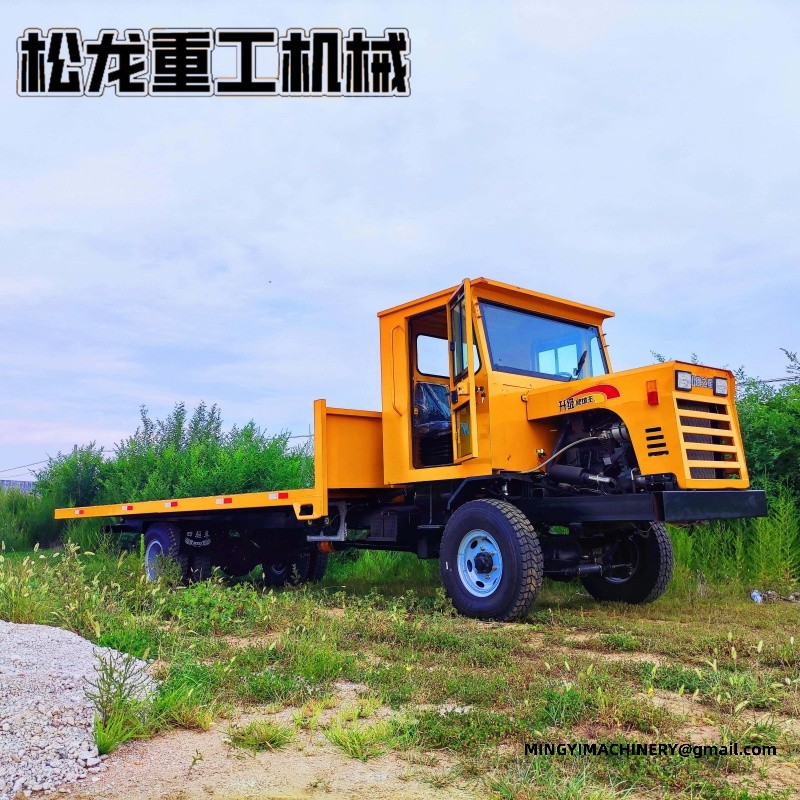
Working after daylight changes the risk. Lighting coverage on the custom off road transporter with attachment and across the working area, plus high-visibility clothing for anyone on foot, are the items that make low-light work practical. Planning helps more than extra lamps. Positioning the custom off road transporter with attachment so that the work is lit from the machine side, and keeping the route clear, does more for safety than adding light to a badly planned task.
Size matters underground. Overall height and width decide whether a custom off road transporter with attachment can work in a tunnel at all, and those dimensions are the first thing to confirm rather than the last.
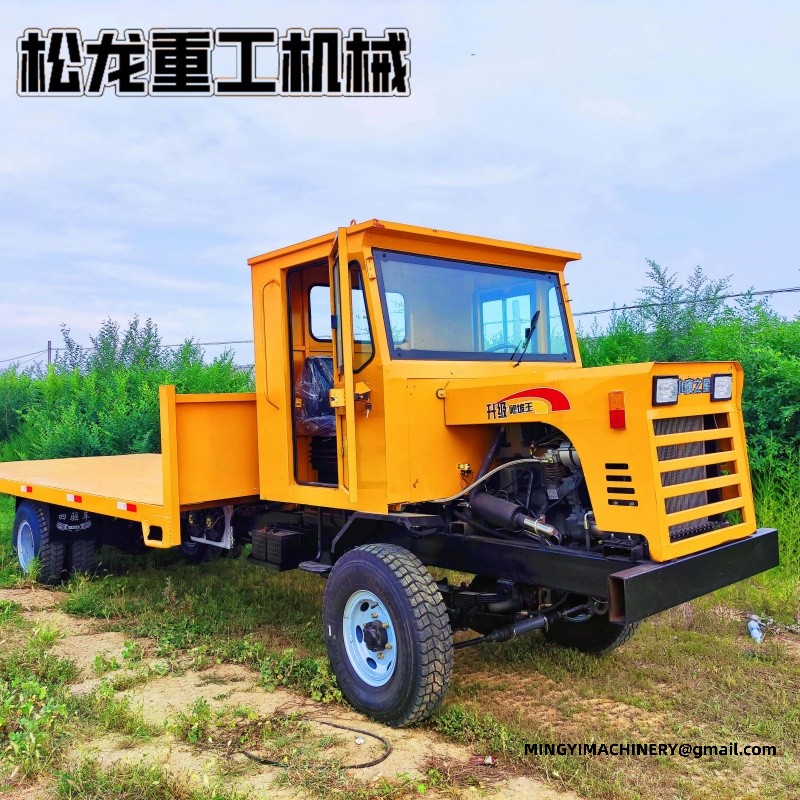
Timber work changes what the vehicle carries. A custom off road transporter with attachment fitted with a log grab loads and unloads without a second machine, which is usually the reason a forestry contractor specifies one over a conventional truck. Access tracks in forestry are narrow, soft and often steep. A custom off road transporter with attachment chosen for that work is chosen for the track, and the body, cab and tyre specification follow from the route rather than from the load alone. Protection matters in timber work. Guarding, lighting and a cab that keeps branches out are the items that keep a custom off road transporter with attachment working through a season rather than being repaired through it.
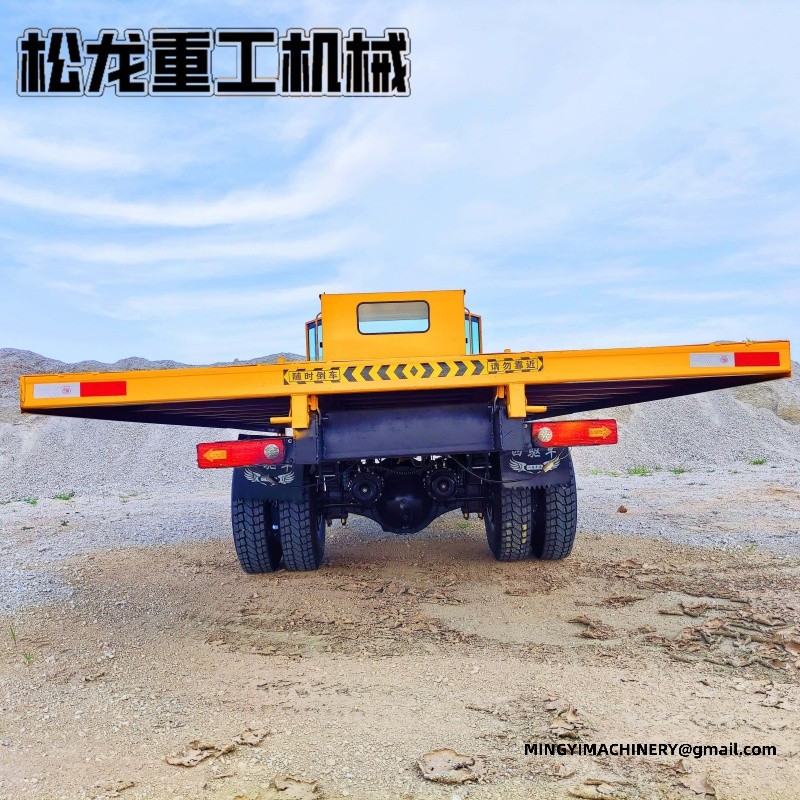
The working surface should be surveyed before custom off road transporter with attachment is specified. A machine that is stable on compacted gravel can be unusable on the same site after rain, and the difference shows up as lost days rather than as a fault.
Moving the machine is part of owning it. Overall length, width and height decide which trailer or container a custom off road transporter with attachment fits, and a machine that needs a permit or an abnormal load escort is a machine with a delivery delay built in.
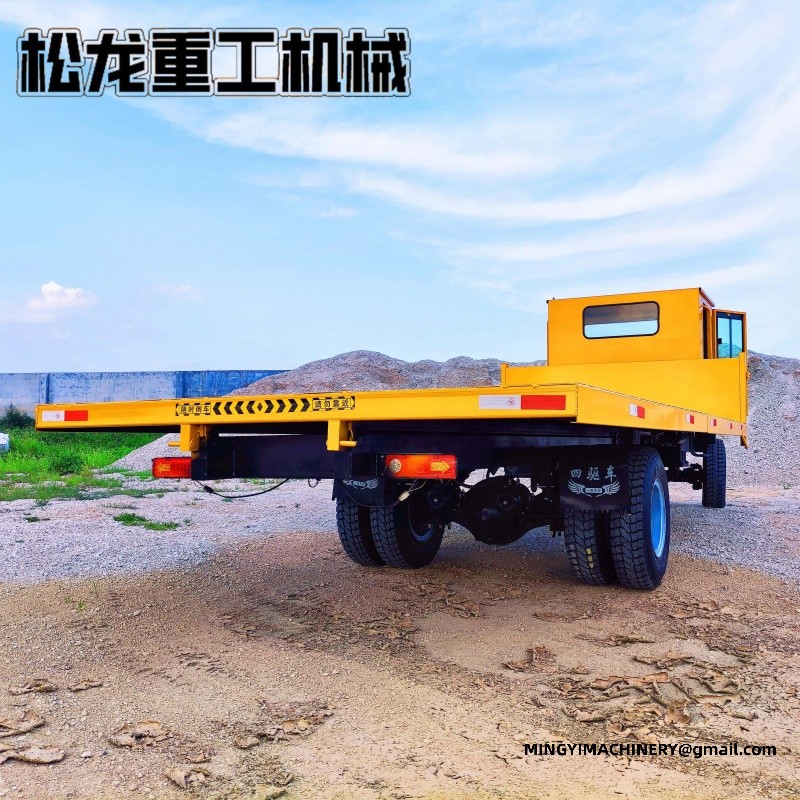
Carrying concrete changes the duty entirely. A custom off road transporter with attachment with a mixer drum is working against the clock, and the specification follows the delivery distance and the site access rather than the load alone.
Unloading method should follow the material. Wet spoil, aggregate and green timber behave differently in the body, and matching the body and tailgate arrangement to the load is what keeps a custom off road transporter with attachment cycling rather than being hand-cleared.
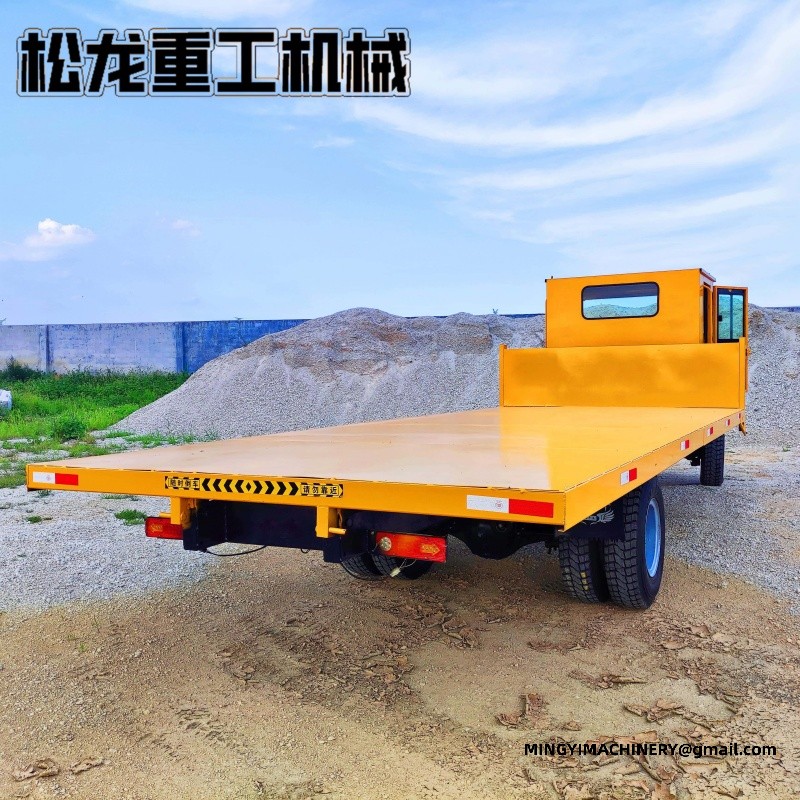
Support after delivery is a parts question. Filters, belts, hoses and the wearing items specific to a custom off road transporter with attachment are what a buyer should plan to hold before the first service interval rather than order after a failure.
Machine productivity depends on what happens around it. Deliveries, other trades and the sequence of work decide how much of the shift a custom off road transporter with attachment spends actually working rather than waiting.
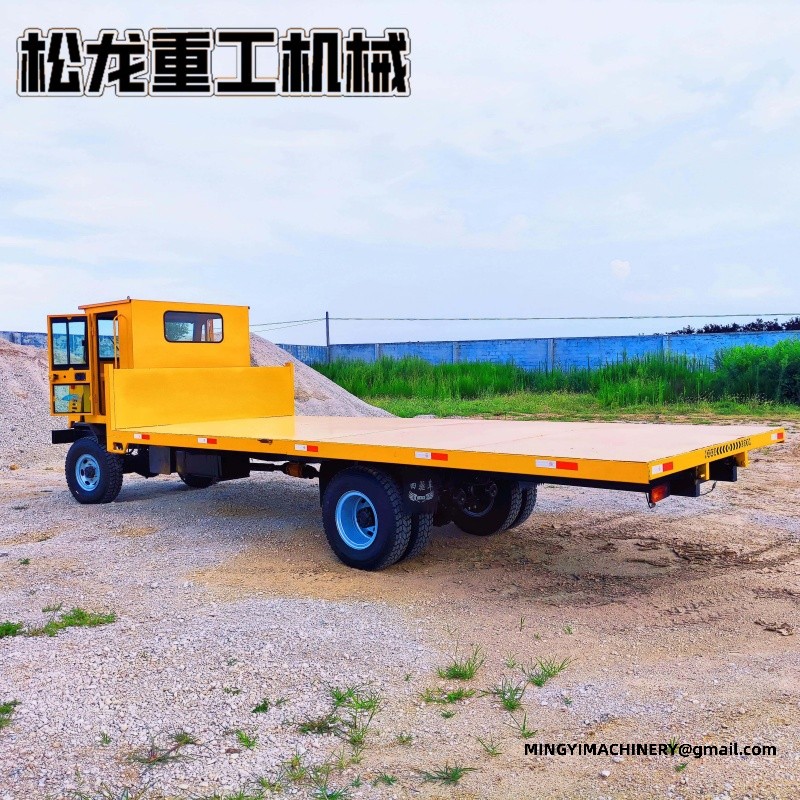
Replacing wear items early is usually simpler. Worn components on a custom off road transporter with attachment load the parts they run against, so a worn part left too long often becomes a major repair.
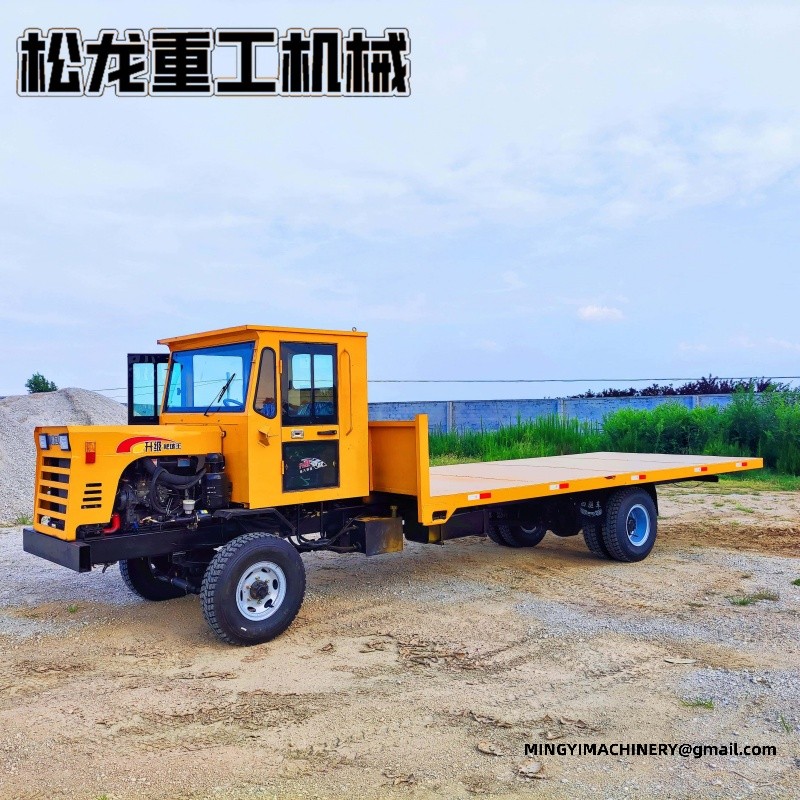
Fleet value comes from interchangeability. Operators who can step between machines without retraining, and a workshop that stocks one set of filters, keep utilisation higher than a fleet of individually optimised units. Standardising where possible simplifies everything downstream. When several units of custom off road transporter with attachment share a service schedule and a parts list, the fleet becomes easier to plan and easier to sell on at replacement time.
Ground on farms is often soft and often shared with livestock. A custom off road transporter with attachment working there needs to cross pasture without rutting it badly, and tyre and weight choices follow from that.
Build options are where a standard machine becomes the right machine. Colour, guarding, lighting, seating and hydraulic provisions can usually be set at build time on a custom off road transporter with attachment, and are far simpler then than as a retrofit. Fleet buyers often want consistency rather than variety. Specifying a custom off road transporter with attachment so that several units share controls, filters and service points reduces training time and keeps the parts shelf small.
Matching the engine to the duty matters more than the peak rating. A custom off road transporter with attachment that spends its day at part load benefits from a different setup than one that works at full output, and the difference shows in fuel use over a season.
The configurations below are the build sheets most often matched to custom off road transporter with attachment. Engine, gearbox, axles, frame and body dimensions are confirmed together, because the body size and the axle rating have to suit the load before the engine rating matters.
| # | 15.Standard | 19.Upgraded | 20.Luxury | 21.Upgraded |
|---|---|---|---|---|
| 1 | Four-cylinder 490 diesel engine | Four-cylinder 4102 turbocharged diesel engine | Four-cylinder 4102 turbocharged diesel engine | Four-cylinder 4105 turbocharged diesel engine |
| 2 | Full-time gearbox with four-wheel drive | Model 140 part-time gearbox with four-wheel drive | Model 140 part-time gearbox with four-wheel drive | Model 140 part-time gearbox with four-wheel drive |
| 3 | High/low range with crawler gear | High/low range with crawler gear | High/low range with crawler gear | High/low range with crawler gear |
| 4 | Simple cab | Fully enclosed cab | Fully enclosed cab | Simple cab |
| 5 | Oil brakes | Six 750R16 steel-belted radial tyres | Six 825R16 steel-belted radial tyres | Six 825R16 steel-belted radial tyres |
| 6 | Four 700-16 mountain tyres | Reinforced ISUZU-pattern front axle | Reinforced ISUZU-pattern front axle | Reinforced ISUZU-pattern front axle |
| 7 | Front axle 212 | Reinforced 1061 rear axle | Reinforced 1080 rear axle | Reinforced 1080 rear axle with air cut-off brake |
| 8 | Rear axle 130 | Air cut-off brakes | Air cut-off brakes | Air cut-off brakes |
| 9 | Reinforced 60 x 140 mm square tube frame | Reinforced 80 x 180 mm square tube frame | Reinforced 80 x 180 mm square tube frame | Reinforced 80 x 180 mm square tube frame |
| 10 | Rear body 2.2 m long x 1.5 m wide x 0.45 m high | Rear body 3.0 m long x 2.1 m wide x 0.45 m high | Rear body 3.0 m long x 2.2 m wide x 0.45 m high | Rear body 3.0 m long x 2.2 m wide x 0.45 m high |
| 11 | Tailgate with self-dumping function | Tailgate with self-dumping function | Tailgate with self-dumping function | Tailgate with self-dumping function |
| 12 | Hydraulic power steering | Side-opening rear body tailgate with cab ladder | Side-opening rear body tailgate with cab ladder | Hydraulic power steering |
| 13 | Twin hydraulic rams | Hydraulic power steering | Hydraulic power steering | Twin hydraulic rams |
| 14 | Two-person comfort seat | Twin hydraulic rams | Twin hydraulic rams | Two-person comfort seat |
| 15 | Twin-battery electric start | Two-person comfort seat | Two-person comfort seat | Heavy-duty leaf springs |
| 16 | Round-nose bonnet | Thickened heavy-duty leaf springs | Heavy-duty thickened leaf springs | Twin-battery electric start |
| 17 | — | Twin-battery electric start | Twin-battery electric start | Square-nose bonnet |
| 18 | — | Square-nose bonnet | Square-nose bonnet | — |
| 19 | — | — | Four-cylinder 4105 turbocharged | — |
| 20 | — | — | Four-cylinder 4108 turbocharged | — |
| 21 | — | — | Single-cylinder engine, 25 hp | — |
| 22 | — | — | Single-cylinder engine, 28 hp | — |
| 23 | — | — | Single-cylinder engine, 32 hp | — |
| 24 | — | — | Two-cylinder engine, 38 hp | — |
| 25 | — | — | Four-cylinder 490 engine | — |
| 26 | — | — | Four-cylinder 4102 turbocharged engine | — |
How a machine travels decides how it starts on arrival. Securing the unit in daily use against movement, protecting the exposed cylinders and keeping the battery and fluids in the right state for the voyage all belong to the packing list.
A good handover covers the awkward cases, not just the easy ones. Starting the equipment on site on a slope, turning in a confined space and recovering from soft ground are the situations an operator should meet first with someone beside them.
A spares list should follow the duty cycle. The model in question working every day in abrasive dust consumes filters and cutting edges far faster than the same machine used once a week, and the shelf should be stocked for the harder case.
A clear parts book saves more time than any other document. When the unit on the job needs a replacement, the illustration and the part number are what turn a phone call into a shipment instead of a description.
Temperature and pressure are the two things worth watching. The equipment in service that runs hotter than it used to, or whose pressure has drifted, is reporting a problem that is still simple to fix.
A machine that works on one site still has to reach the next. The overall dimensions and the operating weight of this class of machine decide what trailer or truck is needed, and that decision belongs before the job is booked.
Most additions are easier to plan than to add. Hydraulic services, mounting brackets and electrical capacity on a machine of this size are build items, and deciding them at the specification stage is far easier than doing it later.
Standing still is harder on a machine than working. Preparing the machine itself for a long idle period means clean fluids, a charged battery and protection for the exposed surfaces, because neglect is not the same as rest.
Every line above is a build item rather than an optional extra, and the final sheet for custom off road transporter with attachment is confirmed against the destination, the ground and the load before production.
E-mail:sales@mingycn.com
LINE(ID):mingyicn









