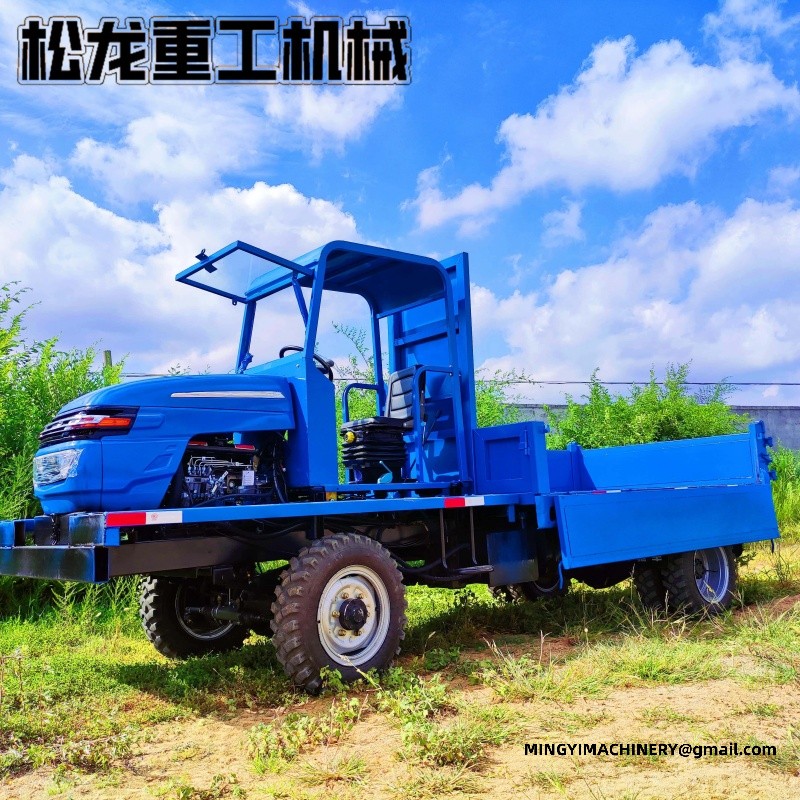
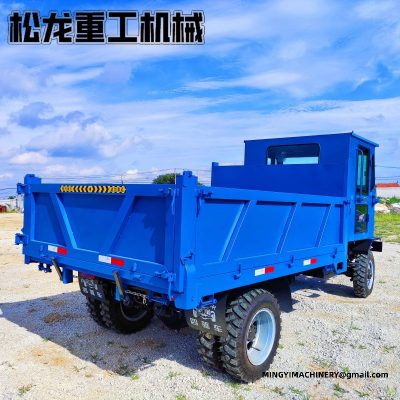
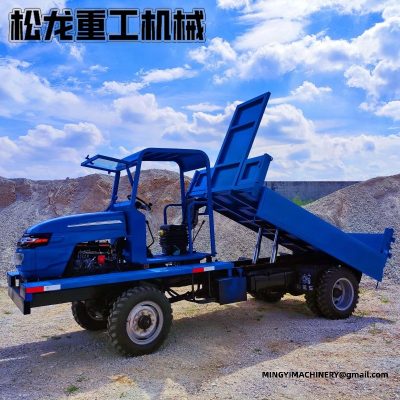
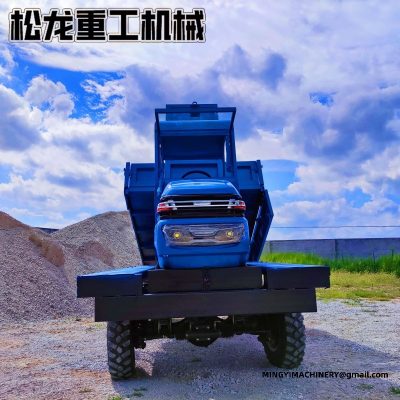
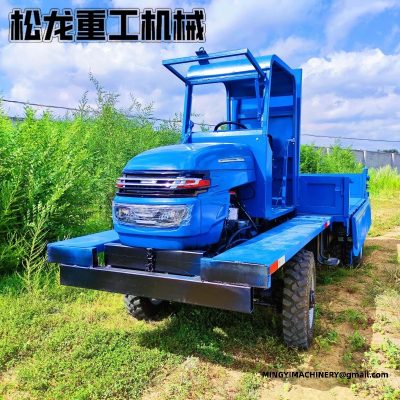
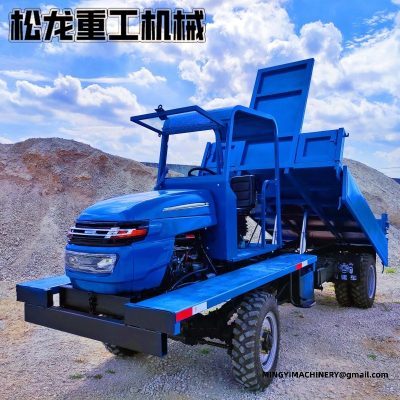
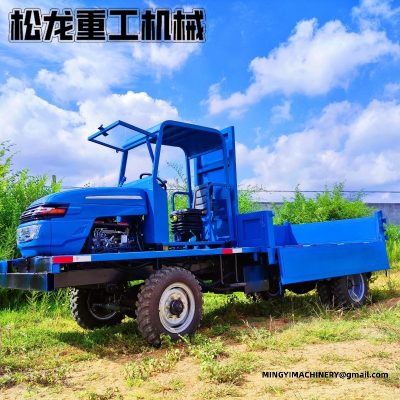
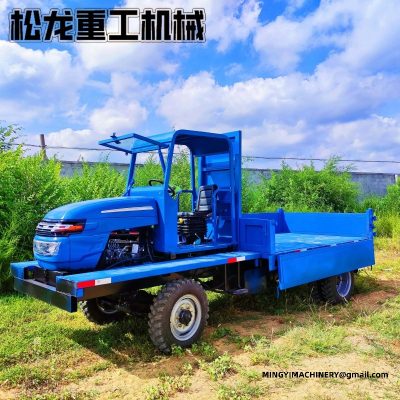
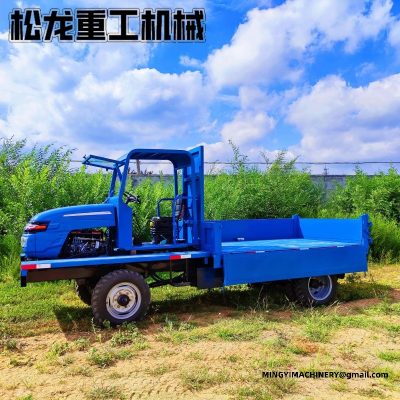
The dumper is built for the work that fills the calendar rather than the work that looks impressive. This page sets out what the machine does, where it fits and what to settle before ordering, so the specification can be matched to the job instead of guessed at.
Stability follows the load and its position. Knowing the rated capacity of this class of machine at the working radius, rather than at its best case, is what keeps handling predictable and the machine upright. Carrying and travelling with a load needs its own plan. Speed, gradient and surface all matter more once the unit in daily use is loaded, and the safe combination is the conservative one.
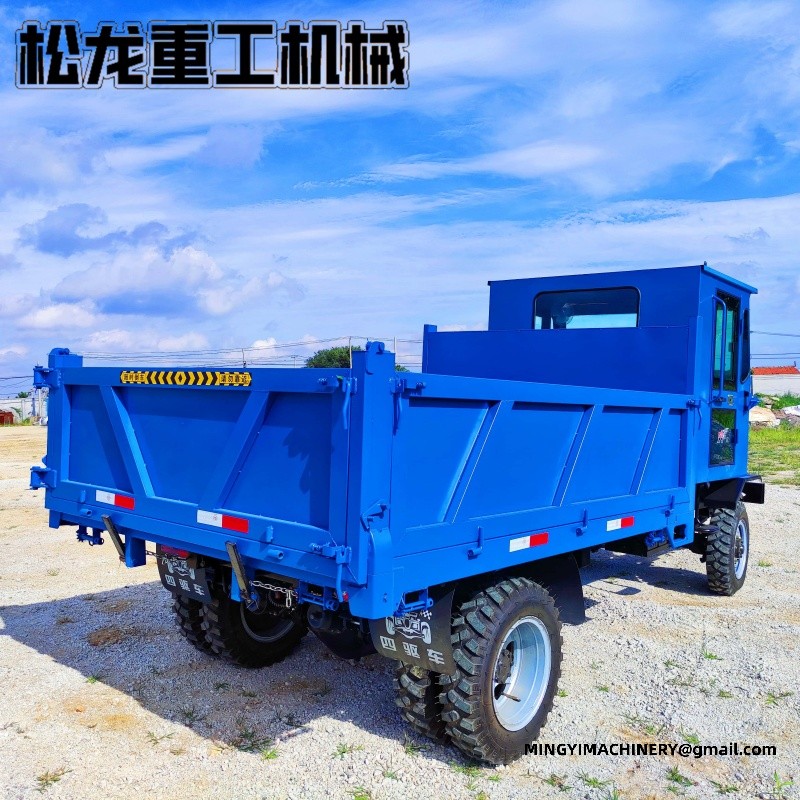
Machine productivity depends on what happens around it. Deliveries, other trades and the sequence of work decide how much of the shift a machine of this size spends actually working rather than waiting. Access and storage are worth settling early. Where the equipment on site will be parked, refuelled and serviced on site affects the working day more than most specification details, and it takes nothing to plan.
Most failures start as something small that a walk-around would have caught. Fluid levels, belt tension, tyre or track condition and any fresh leak are the items worth two minutes at the start of each shift on the machine itself. Service intervals exist because wear is predictable. Following the maker schedule on the model in question takes far less time than repairing the damage that follows a missed oil change or a filter left in place past its life. A simple log helps. Recording hours, fuel and any adjustment made to the machine in that duty gives the workshop a history, and that history is what turns an intermittent fault into a one-visit repair instead of three.
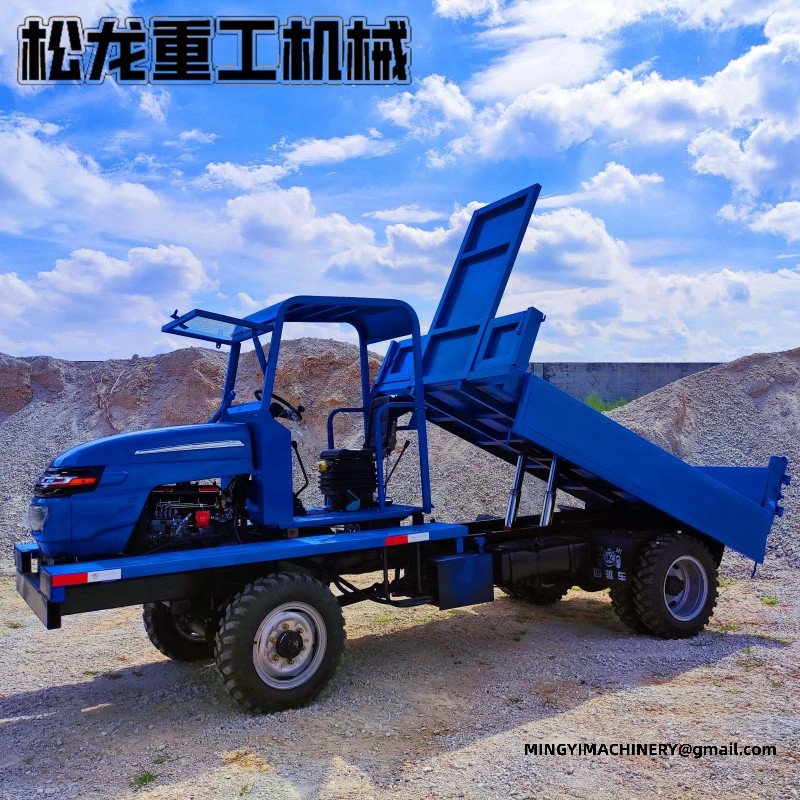
Parts availability usually decides the engine and the brand. A machine built around components the local network already carries is serviced from stock, which is the difference between a day lost and a week lost. Remote diagnosis shortens most faults. A walk-around on video with the panels open often identifies the cause on the unit on the job without waiting for a visit, and avoids shipping a part that turns out not to be needed.
Farm work is seasonal and varied. A machine built for the work that hauls feed in one month and muck or aggregate in the next earns its place by being usable across the year rather than by being optimised for one task. Farm users also value simplicity. The equipment in service that can be serviced in the yard with common tools and common parts suits a farm better than one that needs a dealer visit for routine work.
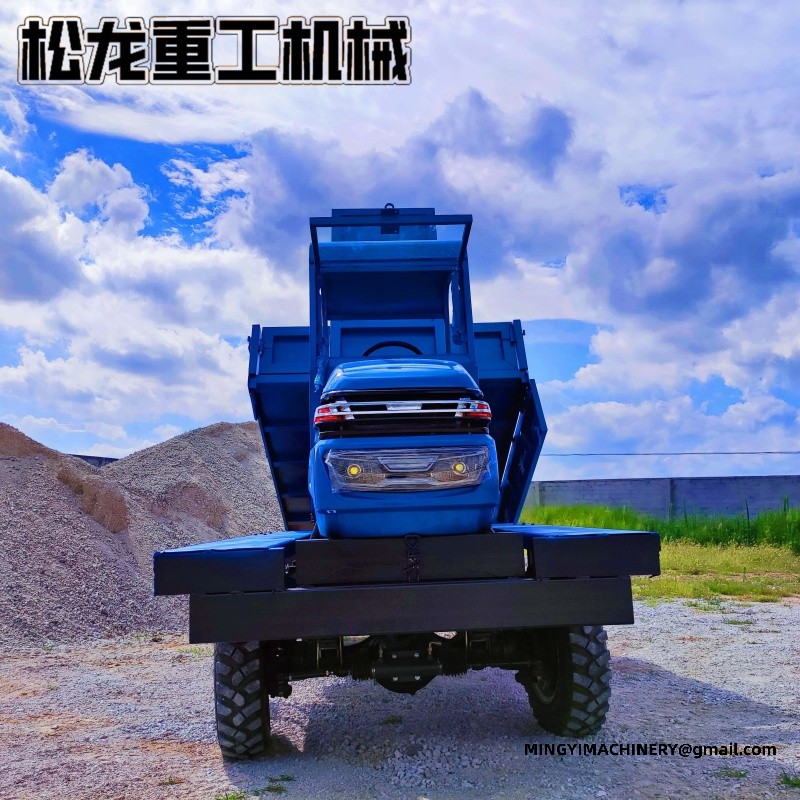
A water tank turns the vehicle into a different machine. The dumper carrying water for dust control or irrigation is specified around tank size, baffles and the route, because a part-filled tank behaves very differently on a slope. Water is heavy and it moves. Baffles and sensible speeds matter on this class of machine with a tank body, and the specification should reflect the ground the vehicle will cross rather than only the volume needed. Dust control work is repetitive and time-critical. The unit in daily use with the right tank and spray arrangement covers more ground per shift, which is usually the point of the exercise.
Warranty terms are clearer when they are read before purchase. Knowing what is covered, what counts as a wearing item and what documentation is required makes a claim on a machine of this size straightforward rather than contested. Early faults are usually simple. The equipment on site that behaves differently in its first few hours is more often mis-set than defective, and a call to the supplier at that point usually resolves it the same day.
Most incidents around machinery come from the space rather than the machine. Exclusion zones, a clear signal person and a check on what is behind the model in question before it moves cover the large majority of the risk on a working site. Slopes and edges deserve a separate check. The machine itself that is stable on level ground behaves differently across a gradient, and the safe working angle is a number worth knowing rather than estimating.
A short familiarisation session prevents the early faults. Most first-month problems on the unit on the job come from unfamiliarity with controls, limits or checks rather than from the machine itself.
Reconfiguration can extend the useful life of a machine. The equipment in service that no longer suits the current work may suit it again with a different attachment, guarding or control arrangement. Upgrades should be checked against the base machine. Hydraulic capacity, mounting interface and stability all limit what can reasonably be added to the dumper, and confirming those limits avoids an unsatisfactory result.
Cold changes how a machine starts and how it warms up. Allowing the unit in daily use to reach operating temperature before loading it, and using the correct grade of oil and fuel for the season, prevents most cold-start problems.
Fuel is usually the largest controllable running demand. Operating style, correct tyre or track condition and a clean air supply all move consumption on the equipment on site by more than most buyers expect. Consumption is best measured over a full week rather than judged per hour. Idle time, repositioning and waiting for other trades are often the largest share of the fuel the machine itself burns on a site.
Cleaning is maintenance, not appearance. Washing the cooling surfaces and clearing packed material from the machine in that duty keeps temperatures where they should be and makes the next inspection quicker and more useful.
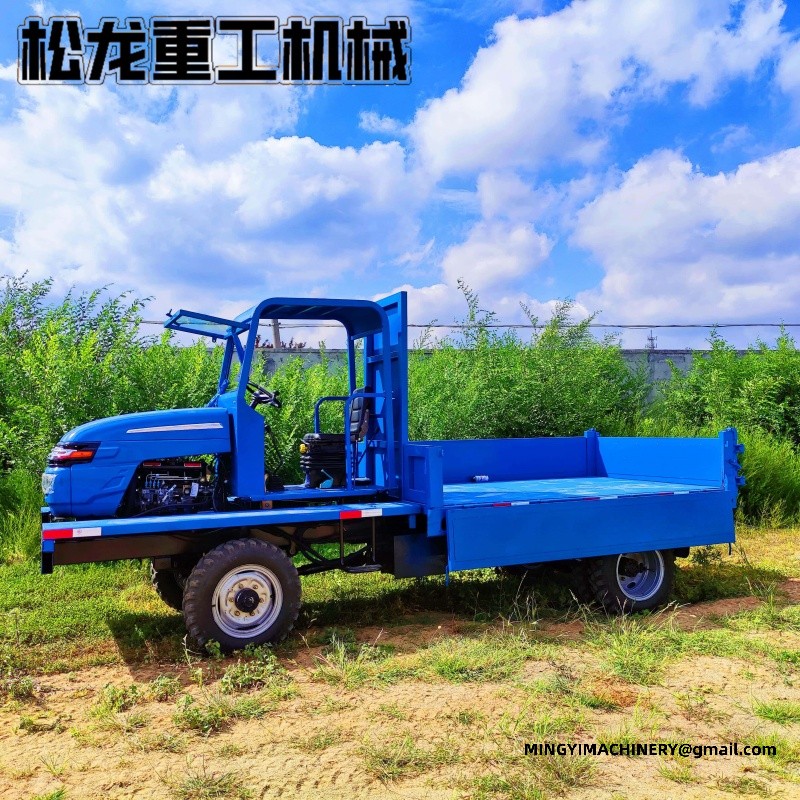
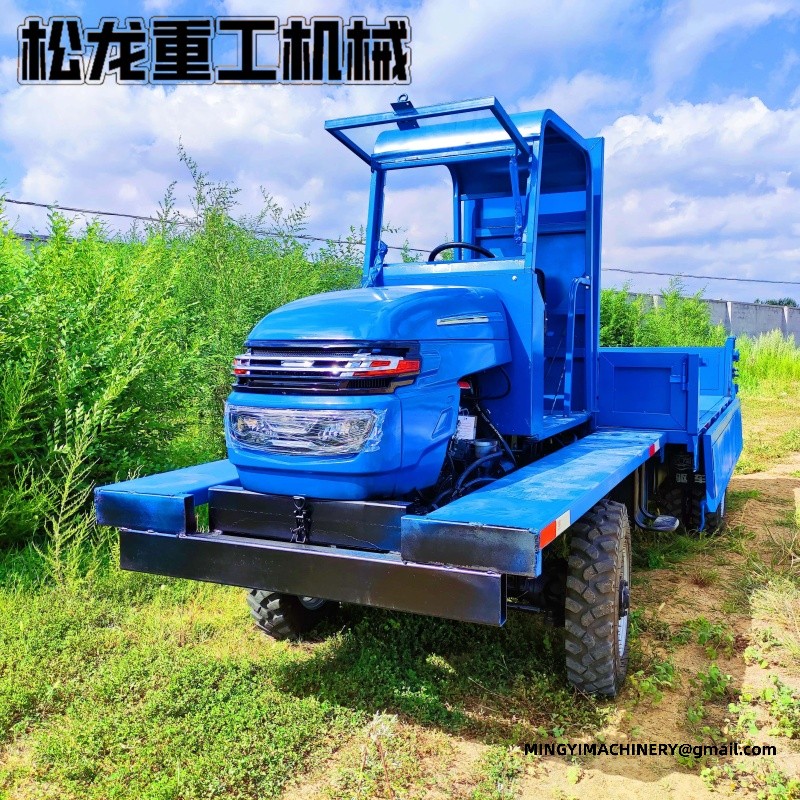
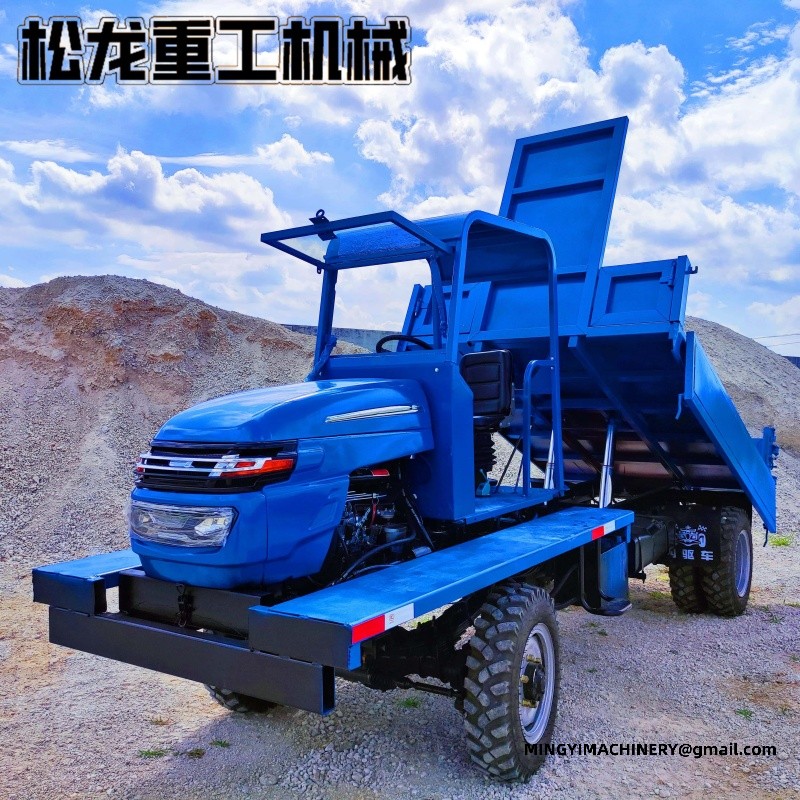
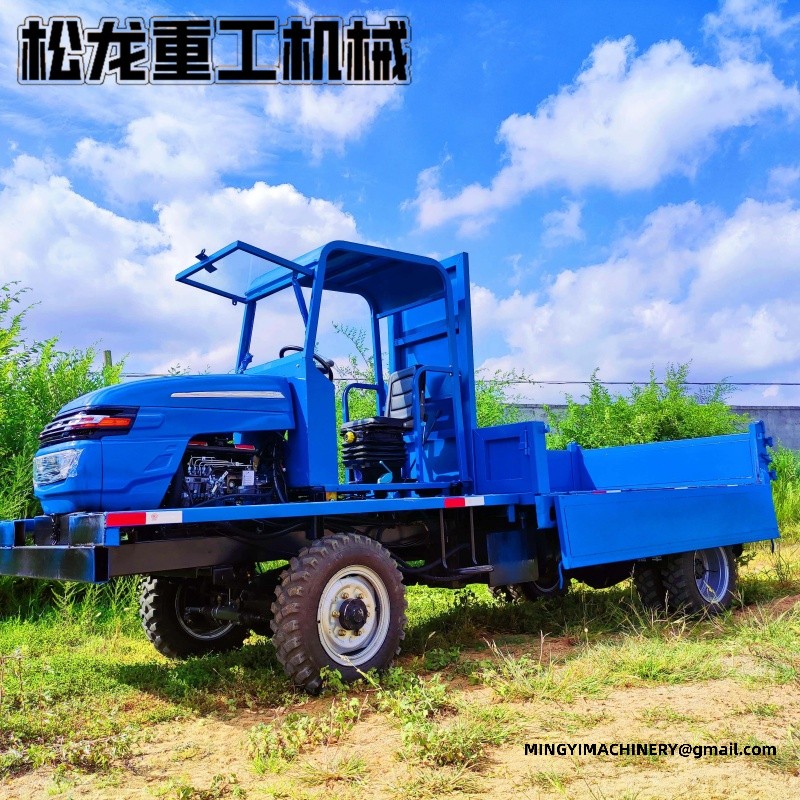
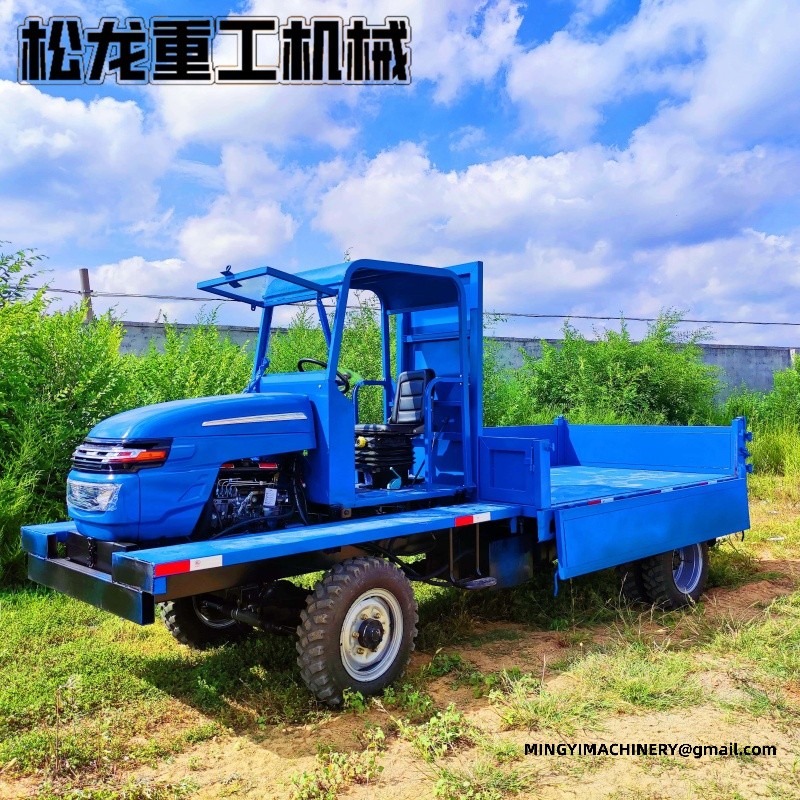
The configurations below are the build sheets most often matched to a machine built for the work. Engine, gearbox, axles, frame and body dimensions are confirmed together, because the body size and the axle rating have to suit the load before the engine rating matters.
| # | 18.Standard | 19.Upgraded | 24.Luxury | 5.Luxury |
|---|---|---|---|---|
| 1 | Four-cylinder 4102 turbocharged diesel engine | Four-cylinder 4102 turbocharged diesel engine | Four-cylinder 4108 turbocharged diesel engine | Single-cylinder diesel engine, 25 hp |
| 2 | Model 140 part-time gearbox with four-wheel drive | Model 140 part-time gearbox with four-wheel drive | Model 145 part-time gearbox, selectable 2WD/4WD | Part-time gearbox with four-wheel drive |
| 3 | High/low range with crawler gear | High/low range with crawler gear | High/low range with crawler gear | High/low range with crawler gear |
| 4 | Simple cab | Fully enclosed cab | Fully enclosed cab | Enclosed cab |
| 5 | Oil brakes | Six 750R16 steel-belted radial tyres | Six 825R16 steel-belted radial tyres | Six 700-16 mountain tyres |
| 6 | Six 700-16 mountain tyres | Reinforced ISUZU-pattern front axle | Reinforced ISUZU-pattern front axle | Model 212 front axle |
| 7 | Reinforced ISUZU-pattern front axle | Reinforced 1061 rear axle | Reinforced 1080 rear axle | Model 130 rear axle |
| 8 | Reinforced 1061 rear axle | Air cut-off brakes | Air cut-off brakes | Air cut-off brakes |
| 9 | Reinforced 80 x 180 mm square tube frame | Reinforced 80 x 180 mm square tube frame | Reinforced 80 x 180 mm square tube frame | Reinforced 60 x 140 mm square tube frame |
| 10 | Rear body 2.2 m long x 2.1 m wide x 0.45 m high | Rear body 3.0 m long x 2.1 m wide x 0.45 m high | Rear body 3.0 m long x 2.2 m wide x 0.45 m high | Rear body 2.2 m long x 1.5 m wide x 0.45 m high |
| 11 | Tailgate with self-dumping function | Tailgate with self-dumping function | Tailgate with self-dumping function | Tailgate with self-dumping function |
| 12 | Hydraulic power steering | Side-opening rear body tailgate with cab ladder | Side-opening rear body tailgate with cab ladder | Side-opening rear body tailgate |
| 13 | Twin hydraulic rams | Hydraulic power steering | Hydraulic power steering | Hydraulic power steering |
| 14 | Two-person comfort seat | Twin hydraulic rams | Twin hydraulic rams | Twin hydraulic rams |
| 15 | Twin-battery electric start | Two-person comfort seat | Two-person comfort seat | Two-person comfort seat |
| 16 | Square-nose bonnet | Thickened heavy-duty leaf springs | Heavy-duty leaf springs | Heavy-duty leaf springs |
| 17 | — | Twin-battery electric start | Twin-battery electric start | Twin-battery electric start |
| 18 | — | Square-nose bonnet | Square-nose bonnet | Square-nose bonnet |
Contamination is easier to prevent than to cure. Keeping the filler caps sealed, the funnels clean and the containers closed around the dumper is unglamorous work that shows up as reliability later.
Retrofitting is limited by the base machine. Before anything is added to the unit in daily use the hydraulic flow, the mounting interface and the stability allowance have to be checked, because those limits are what decide what is sensible.
The machine should be introduced to the site as well as the operator. Walking the route the equipment on site will take, noting the soft spots and the turns, prevents the kind of first-day incident that has nothing to do with the machine.
Training is simpler than repair. An hour spent with a new operator on the model in question, covering the limits and the awkward cases, is the least lengthy hour in the whole ownership.
Temperature and pressure are the two things worth watching. The unit on the job that runs hotter than it used to, or whose pressure has drifted, is reporting a problem that is still simple to fix.
Seasonal work rewards a machine that can change duty. Through the year the equipment in service may move from one task to another, and the attachment list should be chosen for the whole year rather than for the first job.
Rubber, seals and hoses age whether the machine works or not. Keeping this class of machine out of direct sun and off damp ground slows that, and running it briefly at intervals keeps everything moving.
Every line above is a build item rather than an optional extra, and the final sheet for the unit in daily use is confirmed against the destination, the ground and the load before production.
E-mail:sales@mingycn.com
LINE(ID):mingyicn









