Reading about the dumper is easier when the page follows the life of the machine. What follows moves from selection through delivery, first weeks of work, routine care and the point at which the unit is replaced or sold on.
The base machine is only as useful as the tool on the end of it. Matching the attachment to the task - rather than to what arrived with the machine - is what lets one the unit in daily use cover several jobs across a week. Most owners find that the second attachment changes how often the machine is used. This class of machine that was bought for one task often becomes the general machine on site once a second tool is available.
A crane or grab turns a haul vehicle into a loading machine. A machine of this size fitted with a hydraulic crane loads itself, which removes a second machine from the job and is often the whole reason for specifying one. Stability governs what the crane can do. Outriggers, ground condition and load radius decide the safe figure on the equipment on site, and those are checked before the lift rather than discovered during it. Adding a crane changes the vehicle specification. Hydraulic capacity, frame strength and braking all need to suit the attachment, and it is simpler to specify them at build than to add them later.
Emissions documentation is part of engine selection for some destinations. Confirming which units can be supplied and documented for the destination country is worth doing at enquiry stage rather than after the build sheet is signed.
Stability follows the load and its position. Knowing the rated capacity of the machine itself at the working radius, rather than at its best case, is what keeps handling predictable and the machine upright. Ballast and attachment weight change the machine. Adding a heavy tool to the model in question moves the centre of gravity, and the counterweight or configuration should be matched to the tool rather than assumed. Carrying and travelling with a load needs its own plan. Speed, gradient and surface all matter more once the machine in that duty is loaded, and the safe combination is the conservative one.
Quarry and tunnel work is hard on vehicles. Abrasive dust, sharp material and continuous loading mean the unit on the job in this duty needs attention to filtration, body wear and brake condition far more often. Haul cycles in a quarry are short and repetitive. A machine built for the work specified for that pattern benefits from a body that dumps cleanly and quickly, because the time saved per cycle is the whole allowance.
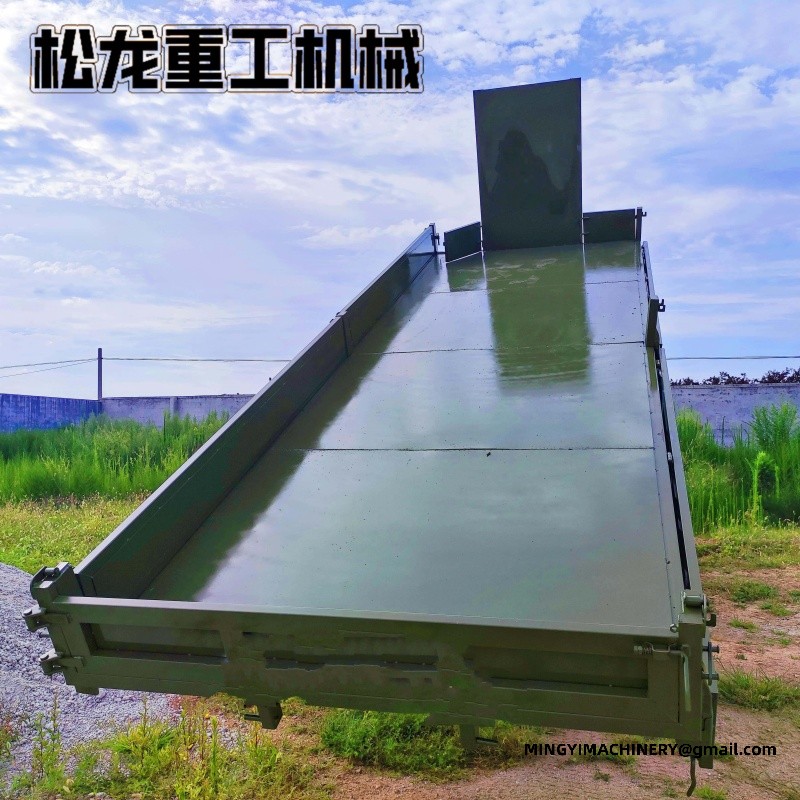
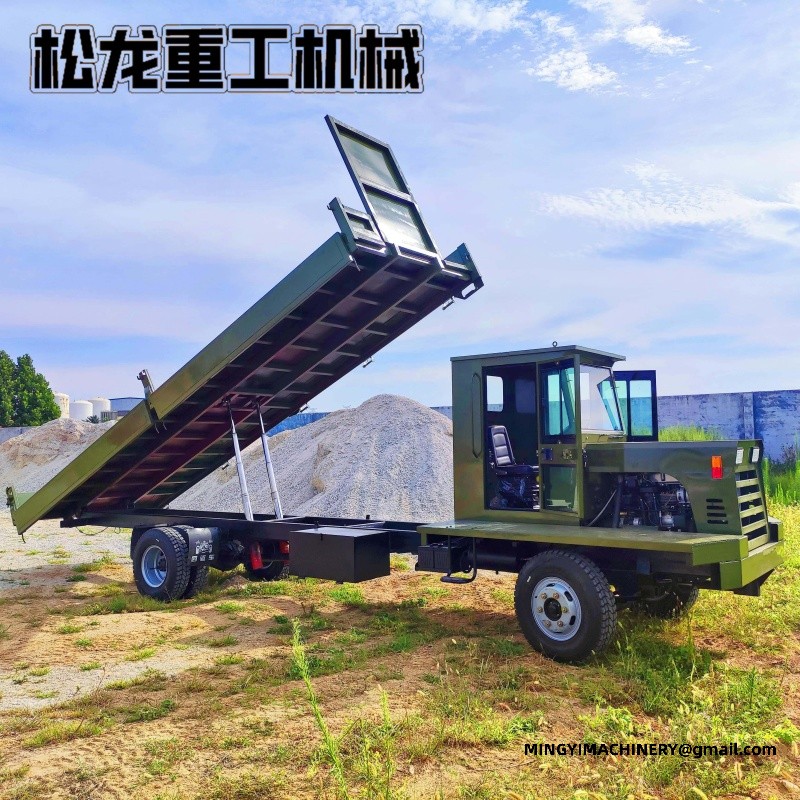
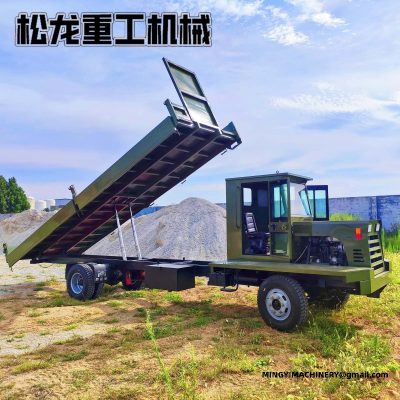
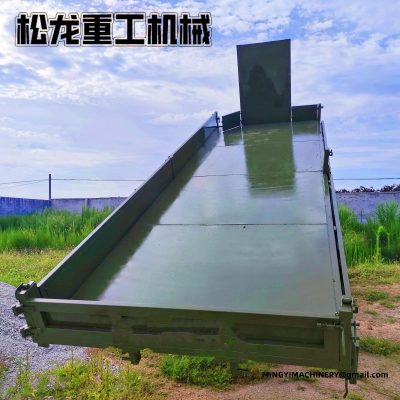
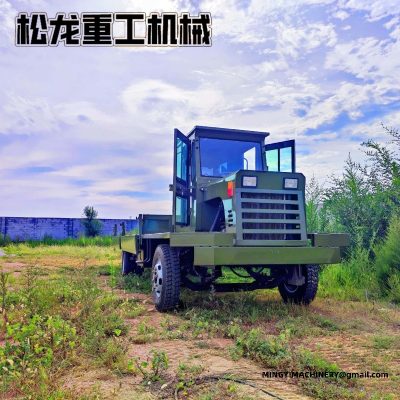
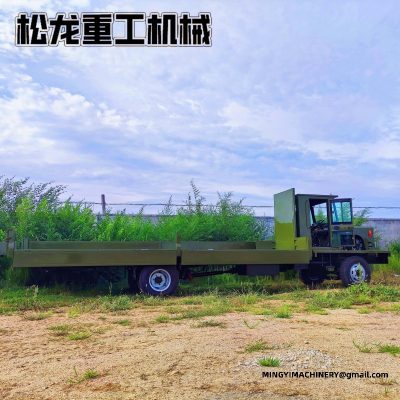
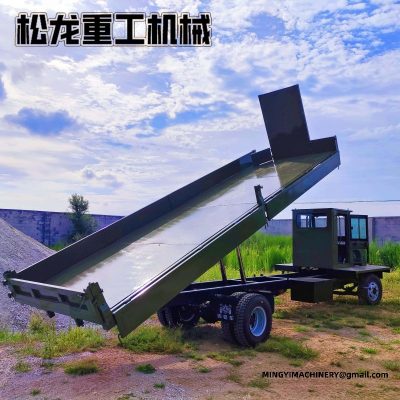
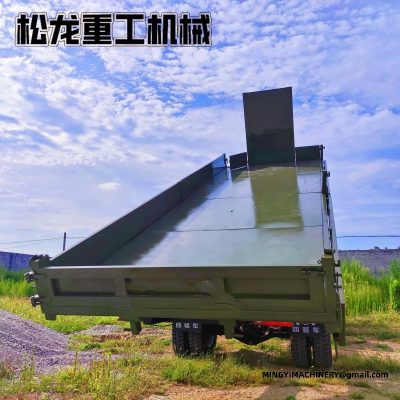
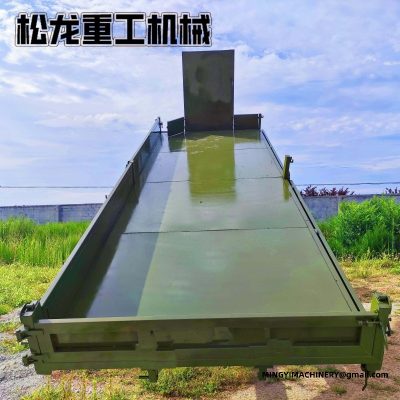
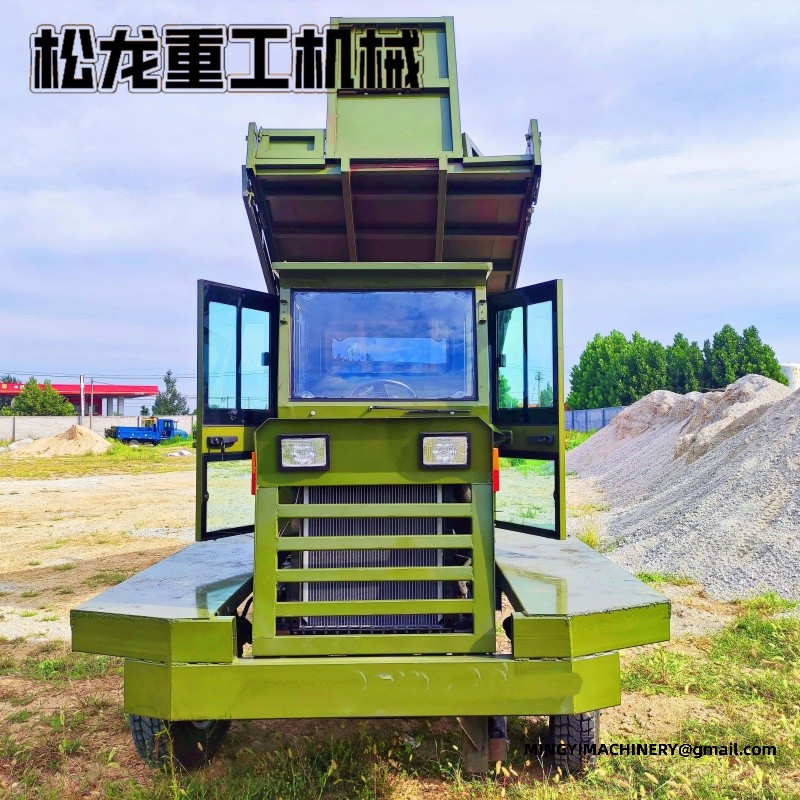
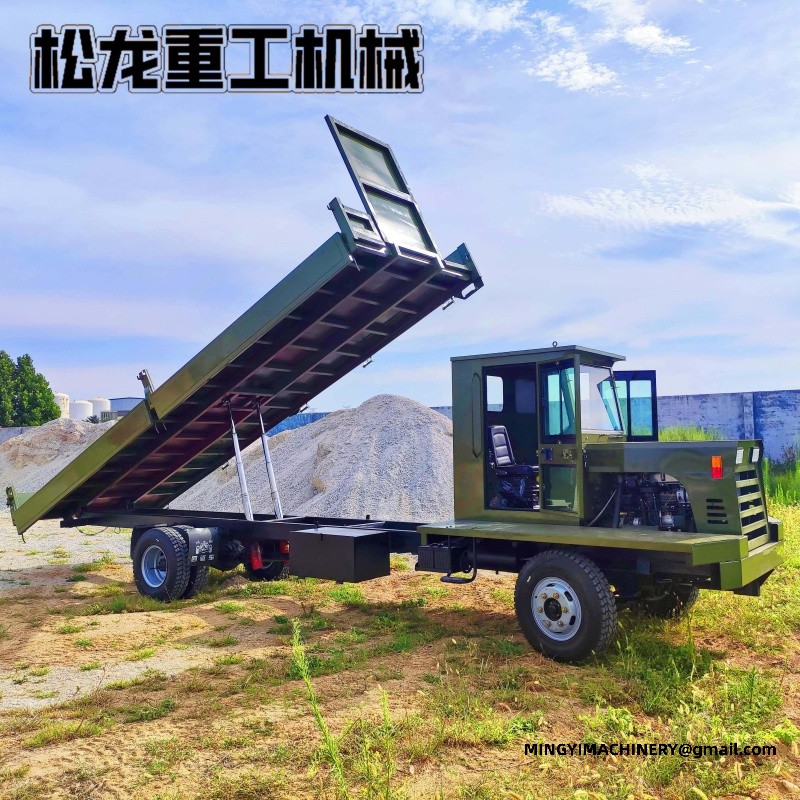
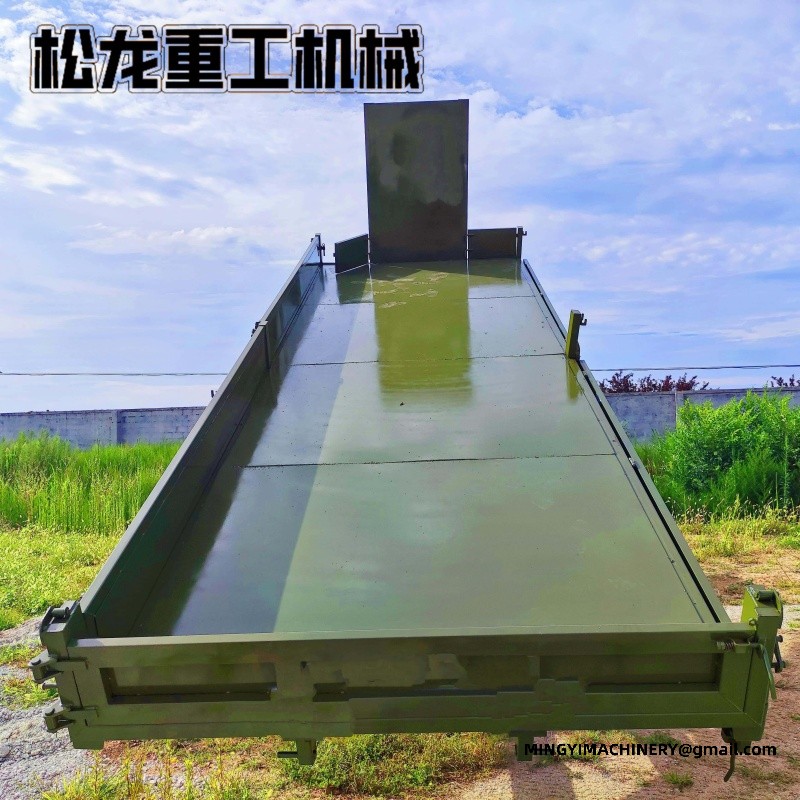
The tipping body is the part that does the work. The equipment in service specified with twin hydraulic rams and a tailgate that opens under load unloads in one pass, which matters more on a short haul than top speed does.
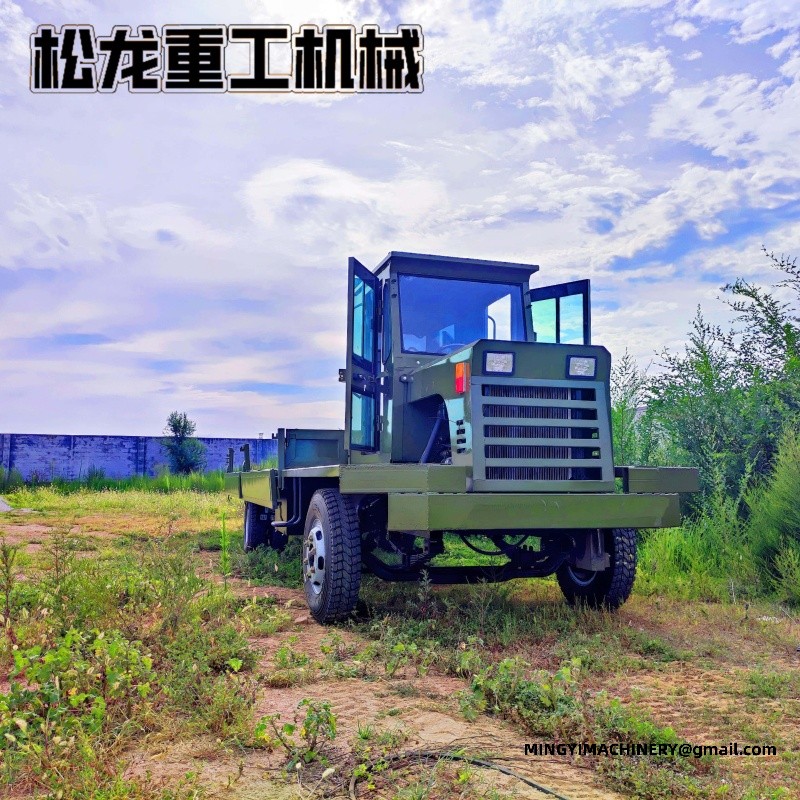
Payload is limited by the axles and the frame before it is limited by the body volume. Specifying the dumper against the material density gives a realistic figure, because a body that looks half full can already be at its limit with rock. The honest payload figure comes from the duty. This class of machine working a smooth haul road carries differently from one crossing ruts and gradients, and the conservative number is the one that keeps the machine working.
Visibility from the seat is different at night. Reflections, shadows and glare all hide detail, so the unit in daily use used after dark benefits from clean lenses, working wipers and a slower working pace.
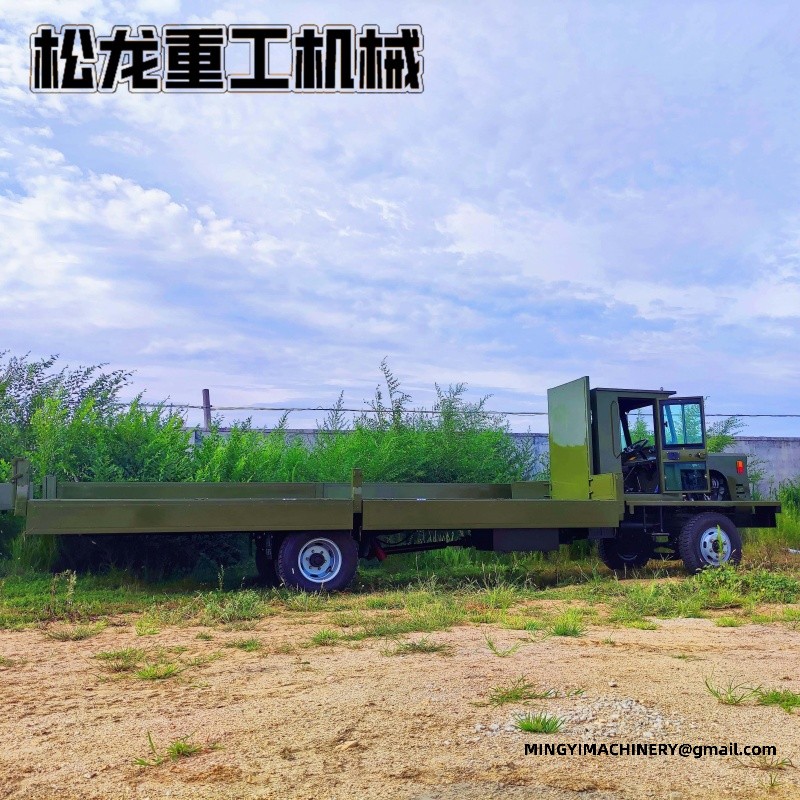
Support after delivery is a parts question. Filters, belts, hoses and the wearing items specific to the equipment on site are what a buyer should plan to hold before the first service interval rather than order after a failure. Parts availability usually decides the engine and the brand. A machine built around components the local network already carries is serviced from stock, which is the difference between a day lost and a week lost.
Most failures start as something small that a walk-around would have caught. Fluid levels, belt tension, tyre or track condition and any fresh leak are the items worth two minutes at the start of each shift on the model in question. A simple log helps. Recording hours, fuel and any adjustment made to the machine in that duty gives the workshop a history, and that history is what turns an intermittent fault into a one-visit repair instead of three.
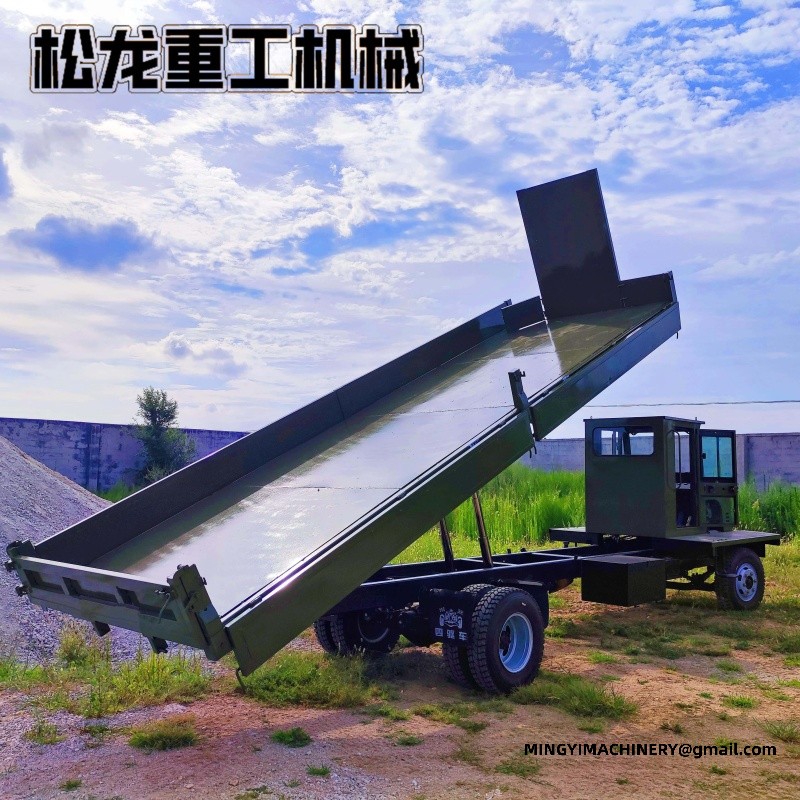
Commissioning is the point where most avoidable issues are found. Checking levels, fasteners and function on the unit on the job before it goes to work takes an hour and prevents a claim conversation later. Warranty terms are clearer when they are read before purchase. Knowing what is covered, what counts as a wearing item and what documentation is required makes a claim on a machine built for the work straightforward rather than contested.
Fleet buyers often want consistency rather than variety. Specifying the dumper so that several units share controls, filters and service points reduces training time and keeps the parts shelf small.
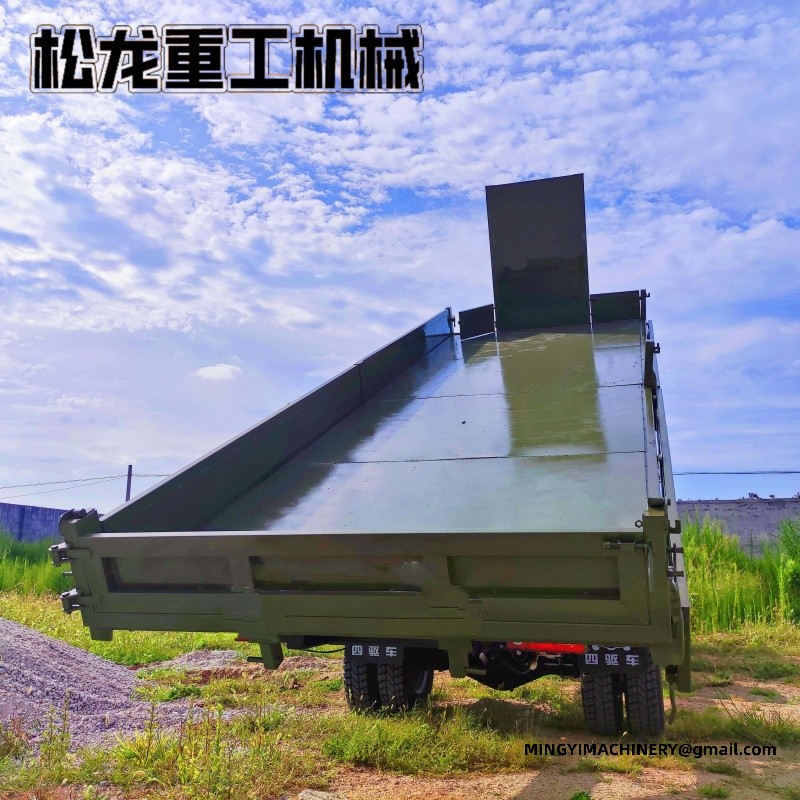
Before-storage preparation prevents most return-to-work faults. Draining or treating fuel, protecting exposed rods and relieving pressure where the maker specifies it are the items worth an hour when the unit in daily use is parked.
Timber work changes what the vehicle carries. The equipment on site fitted with a log grab loads and unloads without a second machine, which is usually the reason a forestry contractor specifies one over a conventional truck. Protection matters in timber work. Guarding, lighting and a cab that keeps branches out are the items that keep the machine itself working through a season rather than being repaired through it.
Cleaning and discharge are part of the job. The machine in that duty used for concrete is judged on how quickly it can discharge and wash out, because that turnaround is what the site is paying for.
Moving the machine is part of owning it. Overall length, width and height decide which trailer or container a machine built for the work fits, and a machine that needs a permit or an abnormal load escort is a machine with a delivery delay built in. Shipping dimensions matter as much on export orders as they do locally. Confirming the packed size of the equipment in service before booking avoids re-booking freight after the machine is built.
Reconfiguration can extend the useful life of a machine. This class of machine that no longer suits the current work may suit it again with a different attachment, guarding or control arrangement. The decision is economic as well as technical. Comparing the work of reconfiguring the unit in daily use against a different machine is a short calculation that usually gives a clear answer.
The configurations below are the build sheets most often matched to the equipment on site. Engine, gearbox, axles, frame and body dimensions are confirmed together, because the body size and the axle rating have to suit the load before the engine rating matters.
| # | 10.Upgraded | 18.Standard | 21.Upgraded | 23.Upgraded |
|---|---|---|---|---|
| 1 | Single-cylinder diesel engine, 32 hp | Four-cylinder 4102 turbocharged diesel engine | Four-cylinder 4105 turbocharged diesel engine | Four-cylinder 4108 turbocharged diesel engine |
| 2 | Full-time gearbox with four-wheel drive | Model 140 part-time gearbox with four-wheel drive | Model 140 part-time gearbox with four-wheel drive | Model 140 part-time gearbox, selectable 2WD/4WD |
| 3 | High/low range with crawler gear | High/low range with crawler gear | High/low range with crawler gear | High/low range with crawler gear |
| 4 | Front axle clutch | Simple cab | Simple cab | Simple cab |
| 5 | Fully enclosed cab | Oil brakes | Six 825R16 steel-belted radial tyres | Six 825R16 steel-belted radial tyres |
| 6 | Oil brakes | Six 700-16 mountain tyres | Reinforced ISUZU-pattern front axle | Reinforced ISUZU-pattern front axle |
| 7 | Four 700-16 mountain tyres | Reinforced ISUZU-pattern front axle | Reinforced 1080 rear axle with air cut-off brake | Reinforced 1080 rear axle |
| 8 | Front axle 212 | Reinforced 1061 rear axle | Air cut-off brakes | Air cut-off brakes |
| 9 | Rear axle 130 | Reinforced 80 x 180 mm square tube frame | Reinforced 80 x 180 mm square tube frame | Reinforced 80 x 180 mm square tube frame |
| 10 | Reinforced 60 x 140 mm square tube frame | Rear body 2.2 m long x 2.1 m wide x 0.45 m high | Rear body 3.0 m long x 2.2 m wide x 0.45 m high | Rear body 3.0 m long x 2.2 m wide x 0.45 m high |
| 11 | Rear body 2.2 m long x 1.5 m wide x 0.45 m high | Tailgate with self-dumping function | Tailgate with self-dumping function | Tailgate with self-dumping function |
| 12 | Tailgate with self-dumping function | Hydraulic power steering | Hydraulic power steering | Hydraulic power steering |
| 13 | Hydraulic power steering | Twin hydraulic rams | Twin hydraulic rams | Twin hydraulic rams |
| 14 | Twin hydraulic rams | Two-person comfort seat | Two-person comfort seat | Two-person comfort seat |
| 15 | Two-person comfort seat | Twin-battery electric start | Heavy-duty leaf springs | Heavy-duty leaf springs |
| 16 | Twin-battery electric start | Square-nose bonnet | Twin-battery electric start | Twin-battery electric start |
| 17 | Square-nose bonnet | — | Square-nose bonnet | Square-nose bonnet |
Operators notice things first because they hear the machine every day. Encouraging the person on the model in question to report small changes, and acting on them, is the most effective maintenance programme there is.
The calendar decides more than the specification does. Planning when the unit on the job will be working, when it will be serviced and when it can be spared keeps the maintenance out of the weeks that matter.
Winter is hard on rubber and on seals as much as on the engine. Parking the equipment in service under cover, keeping the tracks or tyres off standing water and checking the hoses for cracking are all part of the season.
Fluid quality is a storage problem before it is a machine problem. Water and sediment in a drum will find the injection system of this class of machine eventually, and a settling period is nothing compared with a pump.
Container loading is a planning exercise. The overall dimensions and the operating weight of a machine of this size decide whether it ships whole, partly disassembled or with the attachment removed, and that decision is made before the booking.
Familiarisation is not the same as reading the manual. Sitting on the machine itself, working through the controls at low speed and learning where the machine balances takes an hour, and that hour is what keeps the first week uneventful.
Service history also protects the warranty position. Evidence that the machine in that duty was maintained at the specified intervals and with the specified fluids settles questions that would otherwise be argued.
Humidity attacks the parts that are not used. Storage in a damp climate means a machine built for the work needs the exposed metal protected and the machine run regularly, because standing still does more damage than working.
A machine that only one person can use is a single point of failure. Training a second operator on the dumper takes a day and removes the dependency that otherwise governs holidays, illness and busy weeks.
The machine should be introduced to the site as well as the operator. Walking the route the unit in daily use will take, noting the soft spots and the turns, prevents the kind of first-day incident that has nothing to do with the machine.
Every line above is a build item rather than an optional extra, and the final sheet for a machine of this size is confirmed against the destination, the ground and the load before production.
E-mail:sales@mingycn.com
LINE(ID):mingyicn









