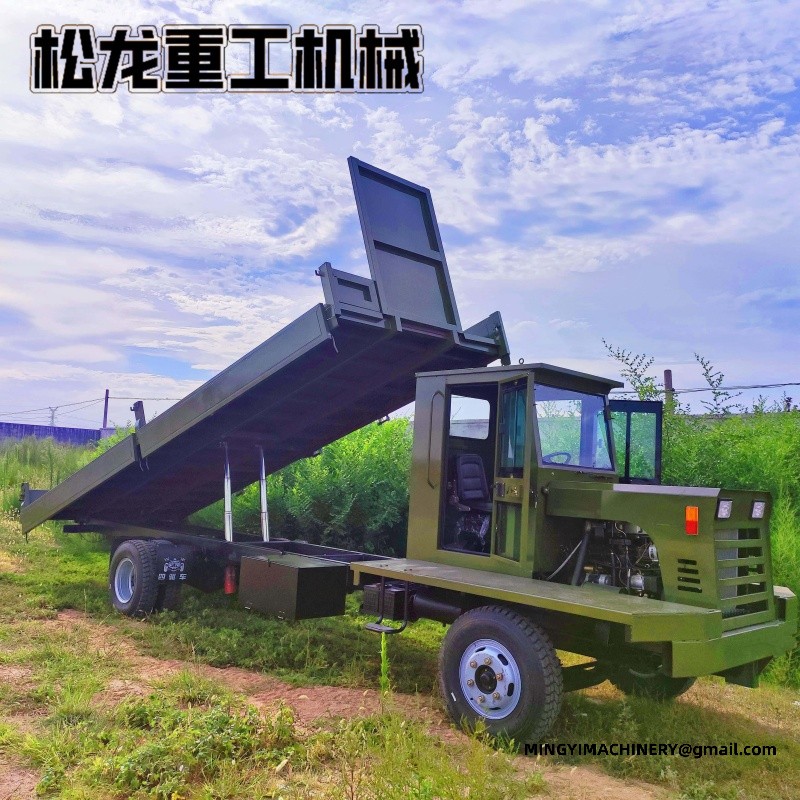
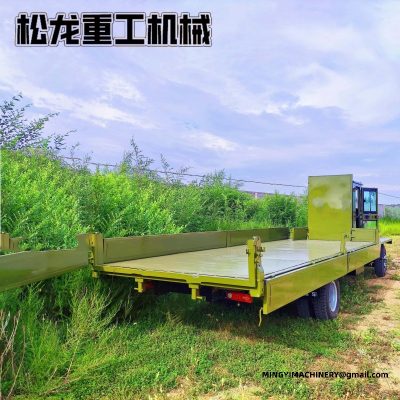
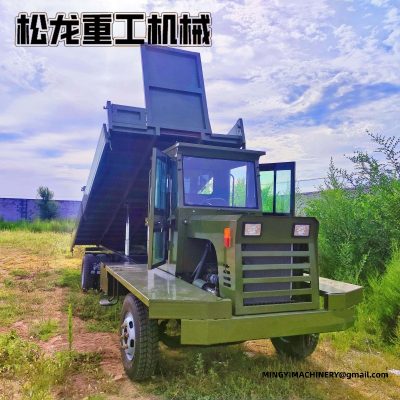
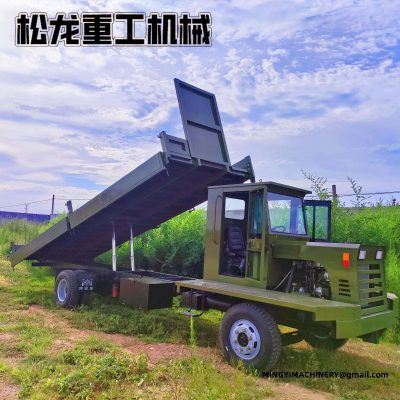
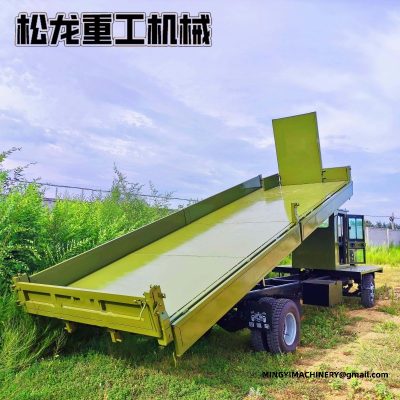
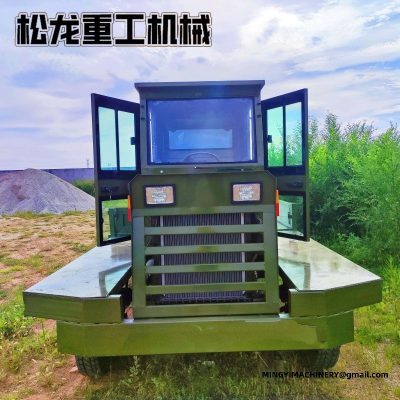
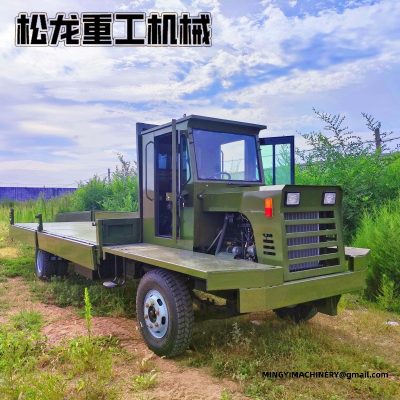
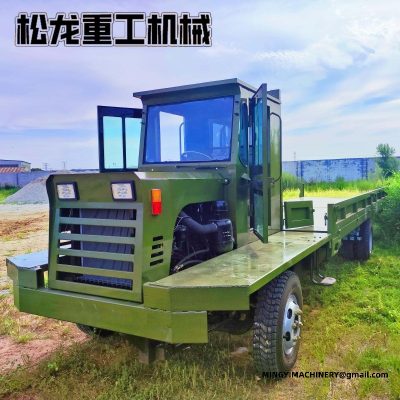
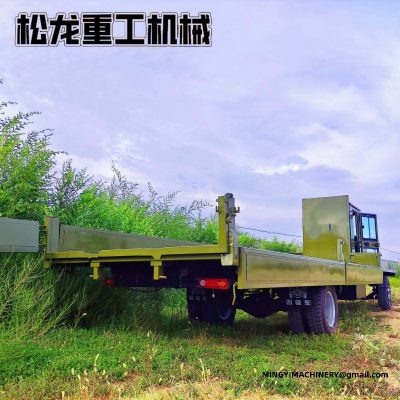
The dumper is built for the work that fills the calendar rather than the work that looks impressive. This page sets out what the machine does, where it fits and what to settle before ordering, so the specification can be matched to the job instead of guessed at.
Four-wheel drive is only part of soft ground capability. Tyre choice, ground clearance and weight distribution decide whether this class of machine keeps moving in a paddy field or a marsh, and all three are specified rather than assumed. Soft ground punishes the wrong tyre. Mountain pattern tyres on the unit in daily use clear mud that a road pattern would pack with, and the difference is measured in whether the machine finishes the day.
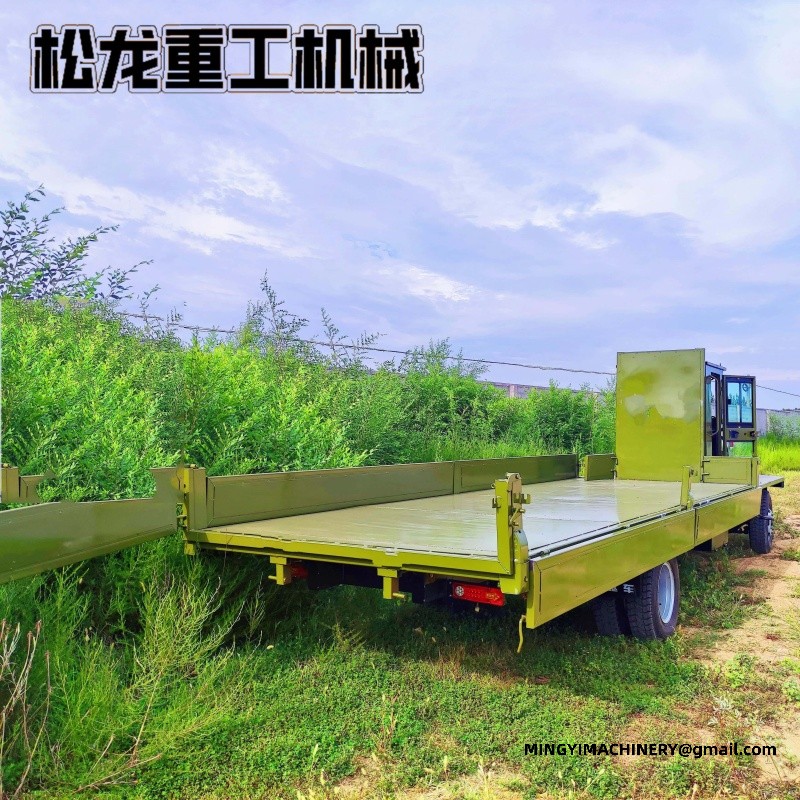
Buyers who specify a machine of this size on paper before enquiring get specifications that can be compared. Without that list, two suppliers will propose two different machines and the simpler one is usually the smaller one, not the better value.
Most incidents around machinery come from the space rather than the machine. Exclusion zones, a clear signal person and a check on what is behind the equipment on site before it moves cover the large majority of the risk on a working site.
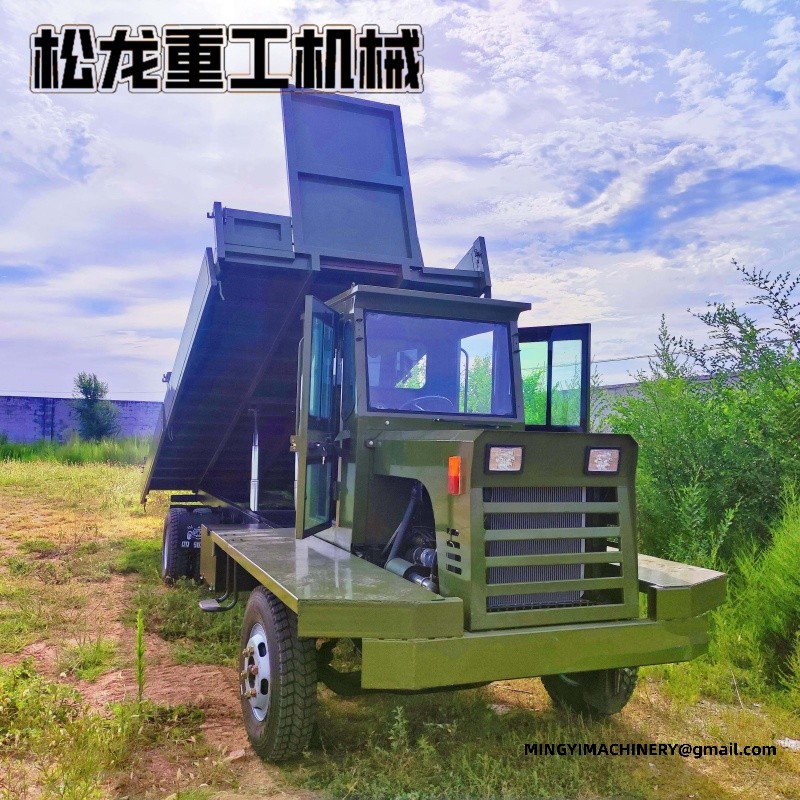
Lead time is part of the specification. Confirming build time, shipping method and what is included before ordering the machine itself prevents the common gap between when the machine is needed and when it can arrive. Delivery planning includes the receiving end. Knowing whether the model in question will be craned, driven or forked off, and whether the site can accept it, is settled before dispatch rather than on the day.
Seasonal work changes the maintenance calendar. Machines that work hard for two months and stand for ten need preparation before storage and a check before returning to work, and both are simpler than the repairs they prevent.
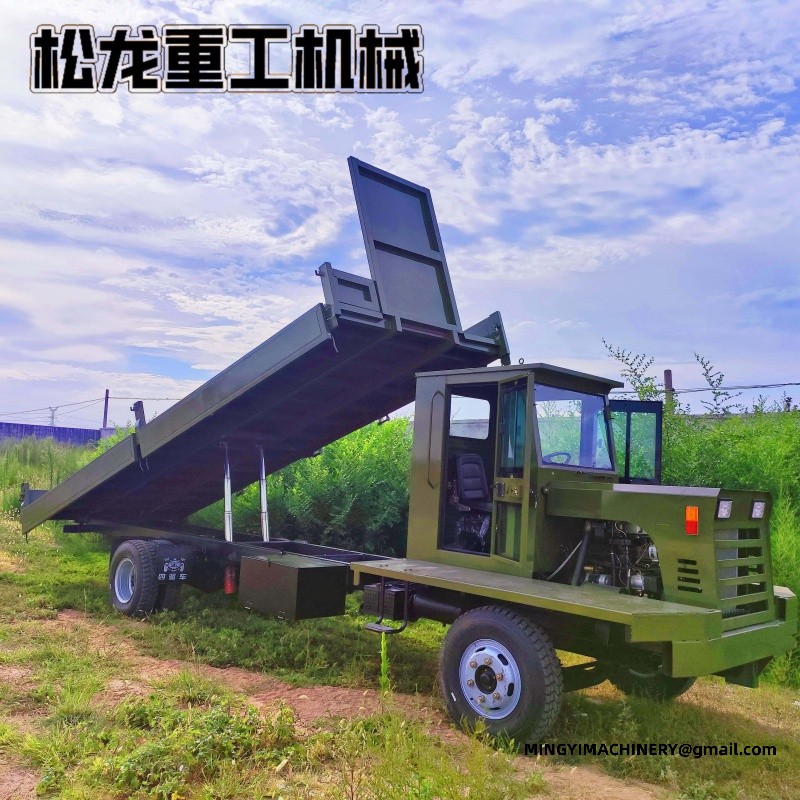
Commissioning is the point where most avoidable issues are found. Checking levels, fasteners and function on the machine in that duty before it goes to work takes an hour and prevents a claim conversation later. Warranty terms are clearer when they are read before purchase. Knowing what is covered, what counts as a wearing item and what documentation is required makes a claim on the unit on the job straightforward rather than contested. Early faults are usually simple. A machine built for the work that behaves differently in its first few hours is more often mis-set than defective, and a call to the supplier at that point usually resolves it the same day.
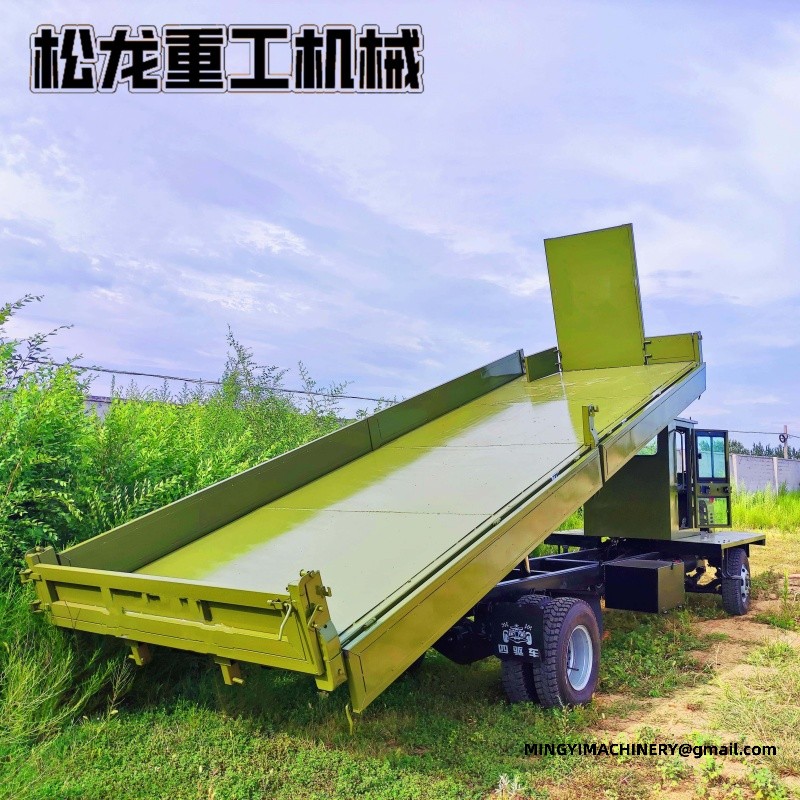
Resale starts at purchase. Specification choices, service records and the condition of wearing parts are what a buyer looks at, and the equipment in service that has been maintained on schedule is worth more than one that merely looks clean. Replacement timing is a planning decision. Knowing the intended working life of the dumper lets an owner sell while the machine still has value rather than after a major repair becomes due. Records are part of the asset. Keeping the service history and the hour records with this class of machine makes it easier to sell, easier to insure and easier to justify the replacement machine internally.
Loading method affects the machine as much as the load does. Material dropped from height into the unit in daily use shocks the frame and the body floor, while material placed evenly spreads the load and extends body life.
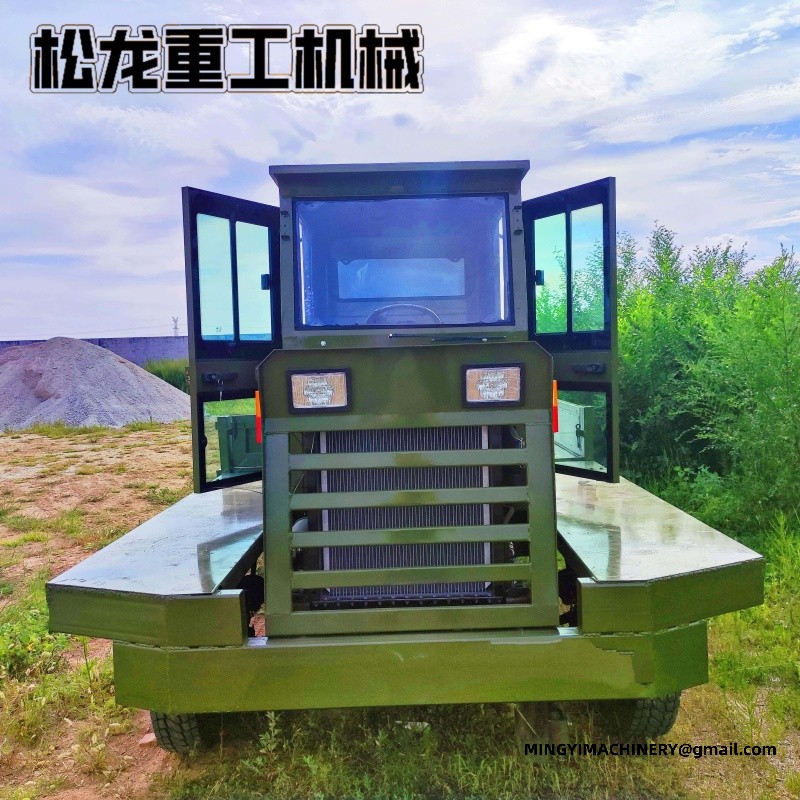
Quarry and tunnel work is hard on vehicles. Abrasive dust, sharp material and continuous loading mean the equipment on site in this duty needs attention to filtration, body wear and brake condition far more often. Size matters underground. Overall height and width decide whether the machine itself can work in a tunnel at all, and those dimensions are the first thing to confirm rather than the last.
Timber work changes what the vehicle carries. The machine in that duty fitted with a log grab loads and unloads without a second machine, which is usually the reason a forestry contractor specifies one over a conventional truck.
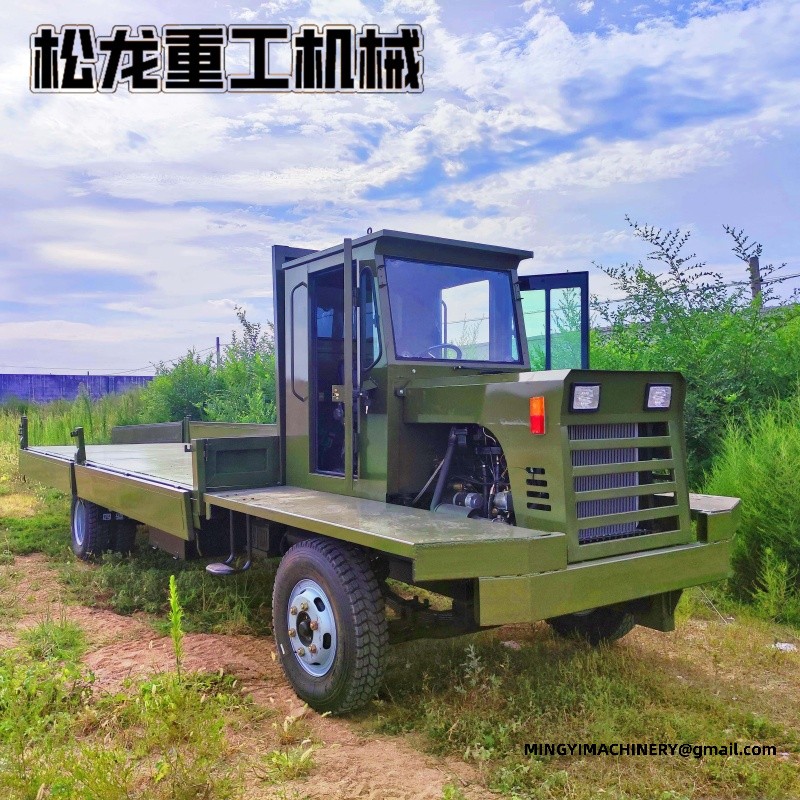
Batteries and fluids are the parts that notice the cold first. A machine built for the work kept on a maintainer through a freezing spell starts on the first turn, while one left standing is the usual cause of a lost morning.
Export orders add steps that domestic buyers never see. Packed dimensions, securing points, documentation and any dismantling required are all settled before the dumper leaves the factory, and each one affects the freight booking.
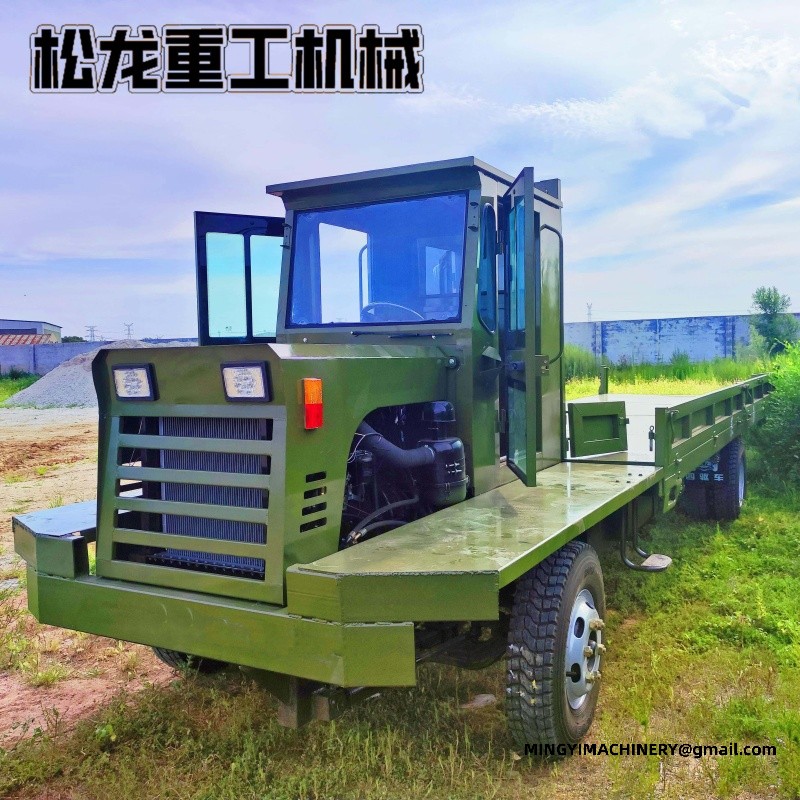
Abrasive conditions shorten service intervals. Air filters, seals and any exposed sliding surface on the unit in daily use need attention more often in dusty or muddy work, and the extra checks prevent far more wear than the time they take.
Most failures start as something small that a walk-around would have caught. Fluid levels, belt tension, tyre or track condition and any fresh leak are the items worth two minutes at the start of each shift on the equipment on site. Service intervals exist because wear is predictable. Following the maker schedule on the machine itself takes far less time than repairing the damage that follows a missed oil change or a filter left in place past its life.
A crane or grab turns a haul vehicle into a loading machine. The machine in that duty fitted with a hydraulic crane loads itself, which removes a second machine from the job and is often the whole reason for specifying one. Adding a crane changes the vehicle specification. Hydraulic capacity, frame strength and braking all need to suit the attachment, and it is simpler to specify them at build than to add them later.
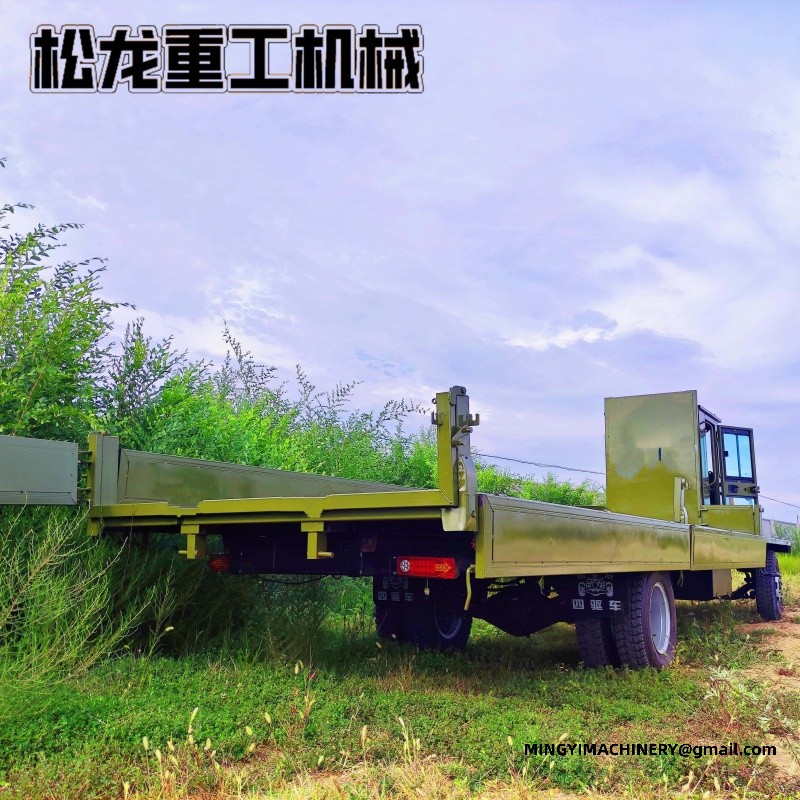
The configurations below are the build sheets most often matched to a machine built for the work. Engine, gearbox, axles, frame and body dimensions are confirmed together, because the body size and the axle rating have to suit the load before the engine rating matters.
| # | 16.Upgraded | 17.Luxury | 20.Luxury | 4.Upgraded |
|---|---|---|---|---|
| 1 | Four-cylinder 490 diesel engine | Four-cylinder 490 diesel engine | Four-cylinder 4102 turbocharged diesel engine | Single-cylinder diesel engine, 25 hp |
| 2 | Full-time gearbox with four-wheel drive | Part-time gearbox, selectable 2WD/4WD | Model 140 part-time gearbox with four-wheel drive | Full-time gearbox with four-wheel drive |
| 3 | High/low range with crawler gear | High/low range with crawler gear | High/low range with crawler gear | High/low range with crawler gear |
| 4 | Fully enclosed cab | Fully enclosed cab | Fully enclosed cab | Front axle clutch |
| 5 | Oil brakes | Six 700-16 mountain tyres | Six 825R16 steel-belted radial tyres | Fully enclosed cab |
| 6 | Six 700-16 mountain tyres | Reinforced 130 front axle | Reinforced ISUZU-pattern front axle | Oil brakes |
| 7 | Front axle 212 | Reinforced ISUZU-pattern rear axle | Reinforced 1080 rear axle | Four 700-16 mountain tyres |
| 8 | Rear axle 130 | Air cut-off brakes | Air cut-off brakes | Front axle 212 |
| 9 | Reinforced 60 x 140 mm square tube frame | Reinforced 60 x 140 mm square tube frame | Reinforced 80 x 180 mm square tube frame | Rear axle 130 |
| 10 | Rear body 2.2 m long x 1.5 m wide x 0.45 m high | Rear body 2.2 m long x 1.8 m wide x 0.45 m high | Rear body 3.0 m long x 2.2 m wide x 0.45 m high | Reinforced 60 x 140 mm square tube frame |
| 11 | Tailgate with self-dumping function | Tailgate with self-dumping function | Tailgate with self-dumping function | Rear body 2.2 m long x 1.5 m wide x 0.45 m high |
| 12 | Hydraulic power steering | Side-opening rear body tailgate | Side-opening rear body tailgate with cab ladder | Tailgate with self-dumping function |
| 13 | Twin hydraulic rams | Hydraulic power steering | Hydraulic power steering | Hydraulic power steering |
| 14 | Two-person comfort seat | Twin hydraulic rams | Twin hydraulic rams | Twin hydraulic rams |
| 15 | Twin-battery electric start | Two-person comfort seat | Two-person comfort seat | Two-person comfort seat |
| 16 | Round-nose bonnet | Heavy-duty leaf springs | Heavy-duty thickened leaf springs | Twin-battery electric start |
| 17 | — | Twin-battery electric start | Twin-battery electric start | Square-nose bonnet |
| 18 | — | Round-nose bonnet | Square-nose bonnet | — |
| 19 | — | — | Four-cylinder 4105 turbocharged | — |
| 20 | — | — | Four-cylinder 4108 turbocharged | — |
| 21 | — | — | Single-cylinder engine, 25 hp | — |
| 22 | — | — | Single-cylinder engine, 28 hp | — |
| 23 | — | — | Single-cylinder engine, 32 hp | — |
| 24 | — | — | Two-cylinder engine, 38 hp | — |
| 25 | — | — | Four-cylinder 490 engine | — |
| 26 | — | — | Four-cylinder 4102 turbocharged engine | — |
A spares list should follow the duty cycle. The dumper working every day in abrasive dust consumes filters and cutting edges far faster than the same machine used once a week, and the shelf should be stocked for the harder case.
The paperwork matters as much as the packing. Serial numbers, dimensions and weights recorded for the unit in daily use at loading are the same figures the destination needs, and a mismatch here loses more days than the voyage itself.
Most engine trouble starts with what went into the tank. Clean fuel, stored properly and filtered before it reaches the equipment on site, prevents more downtime than any other single habit an owner can adopt.
Later changes are easier when they were anticipated. Asking for the extra hydraulic circuit or the heavier mounting plate on the model in question at build time adds little and leaves the option open.
The first hour on site should be slow. Before the unit on the job is put to work the fluid levels are rechecked after transport, the fasteners are gone over and the machine is run light so that anything loosened in transit shows up early.
A good handover covers the awkward cases, not just the easy ones. Starting the equipment in service on a slope, turning in a confined space and recovering from soft ground are the situations an operator should meet first with someone beside them.
Operators notice things first because they hear the machine every day. Encouraging the person on this class of machine to report small changes, and acting on them, is the most effective maintenance programme there is.
Every line above is a build item rather than an optional extra, and the final sheet for the unit in daily use is confirmed against the destination, the ground and the load before production.
E-mail:sales@mingycn.com
LINE(ID):mingyicn









