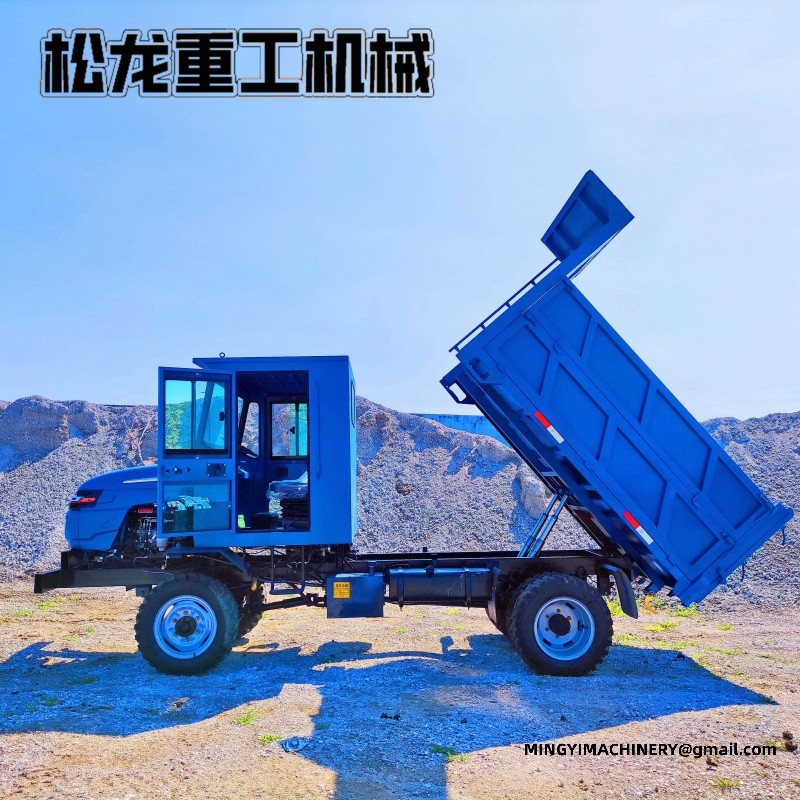
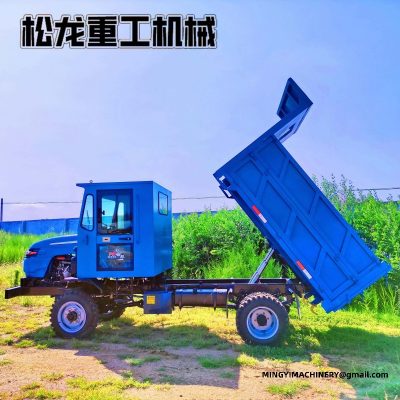
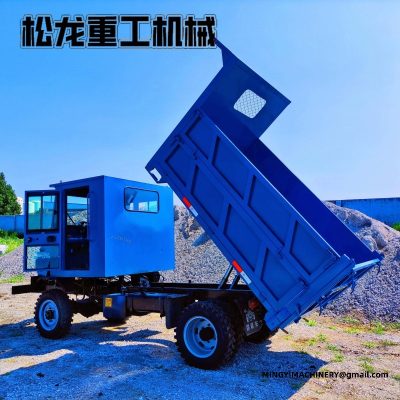
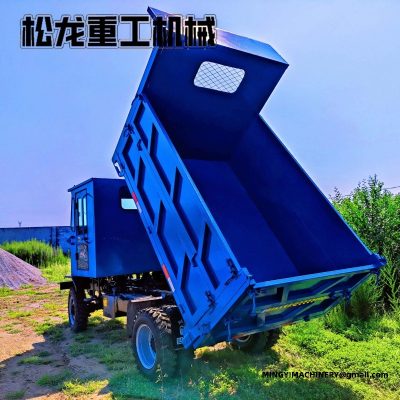
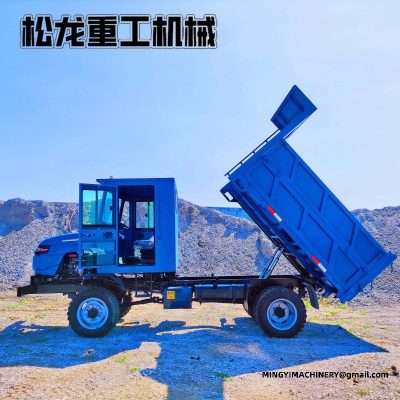
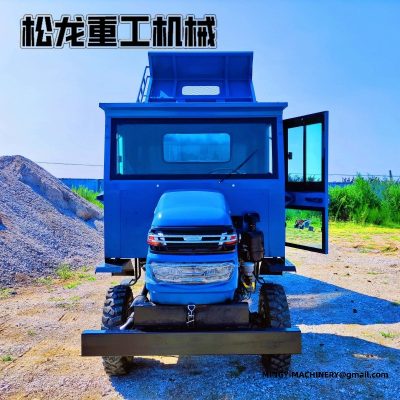
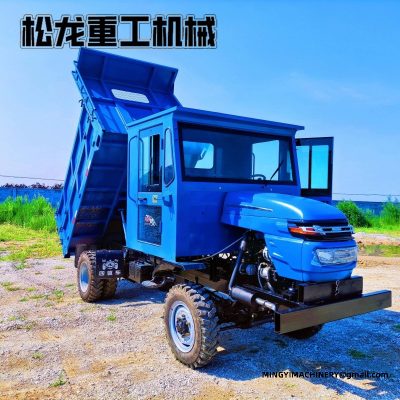
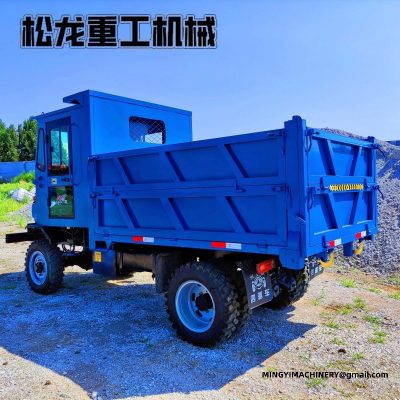
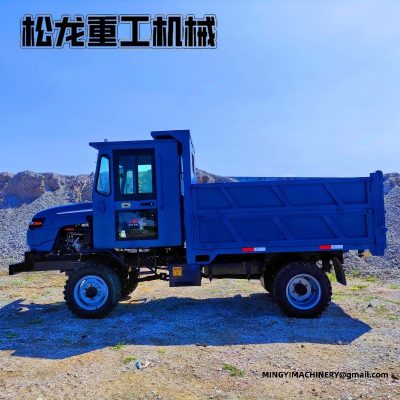
The dumper is built for the work that fills the calendar rather than the work that looks impressive. This page sets out what the machine does, where it fits and what to settle before ordering, so the specification can be matched to the job instead of guessed at.
Machine productivity depends on what happens around it. Deliveries, other trades and the sequence of work decide how much of the shift this class of machine spends actually working rather than waiting.
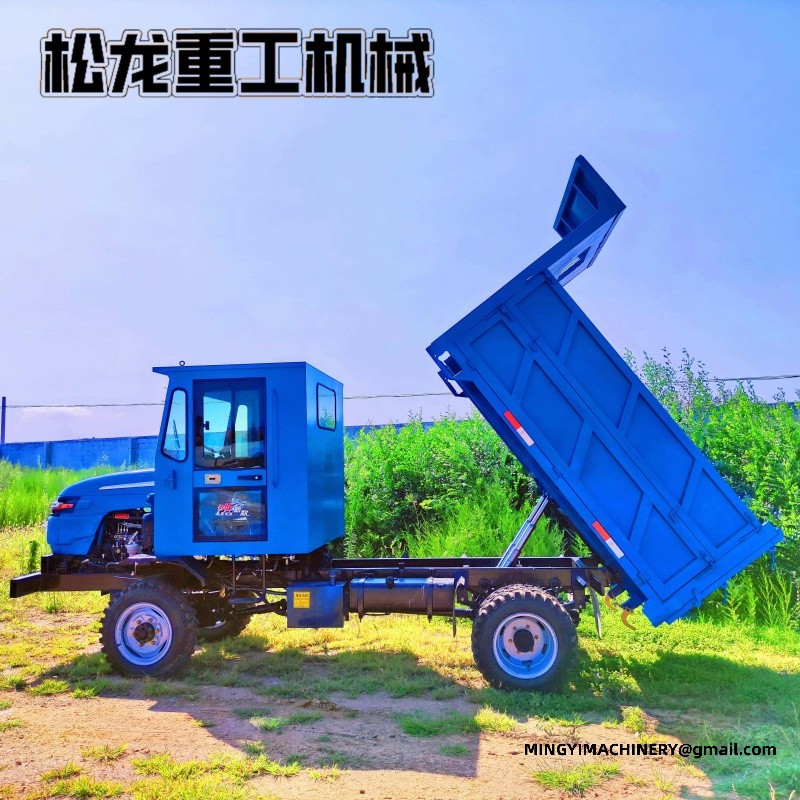
Batteries and fluids are the parts that notice the cold first. The unit in daily use kept on a maintainer through a freezing spell starts on the first turn, while one left standing is the usual cause of a lost morning. Low temperatures also make materials behave differently. Ground that is frozen hard in the morning can be soft by midday, and planning the sequence around that is easier than fighting it with a machine of this size.
Slopes and edges deserve a separate check. The equipment on site that is stable on level ground behaves differently across a gradient, and the safe working angle is a number worth knowing rather than estimating.
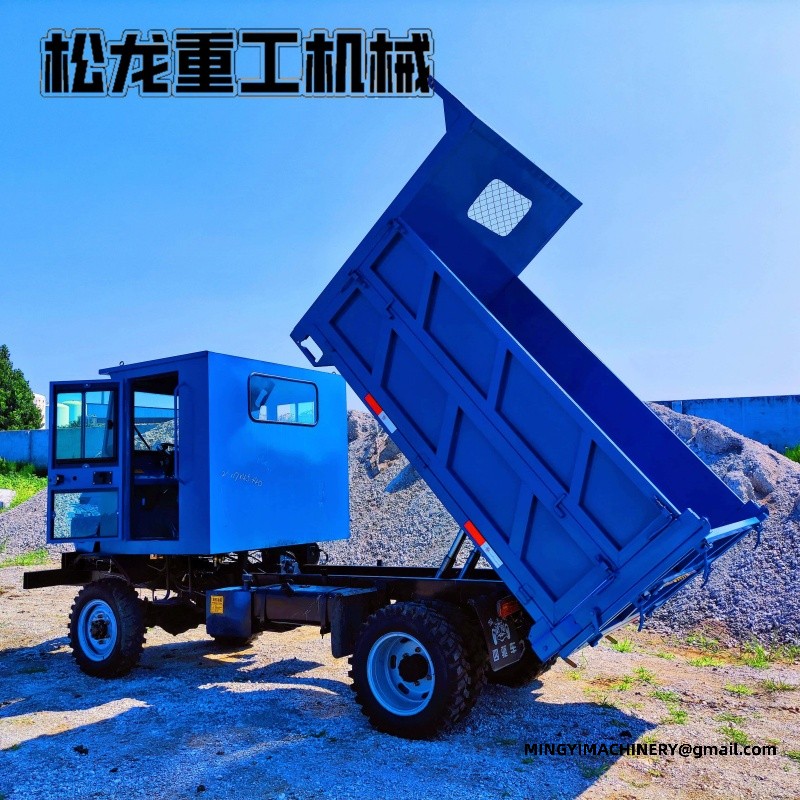
Timber work changes what the vehicle carries. The machine itself fitted with a log grab loads and unloads without a second machine, which is usually the reason a forestry contractor specifies one over a conventional truck. Access tracks in forestry are narrow, soft and often steep. The model in question chosen for that work is chosen for the track, and the body, cab and tyre specification follow from the route rather than from the load alone. Protection matters in timber work. Guarding, lighting and a cab that keeps branches out are the items that keep the machine in that duty working through a season rather than being repaired through it.
Soft ground punishes the wrong tyre. Mountain pattern tyres on the unit on the job clear mud that a road pattern would pack with, and the difference is measured in whether the machine finishes the day.
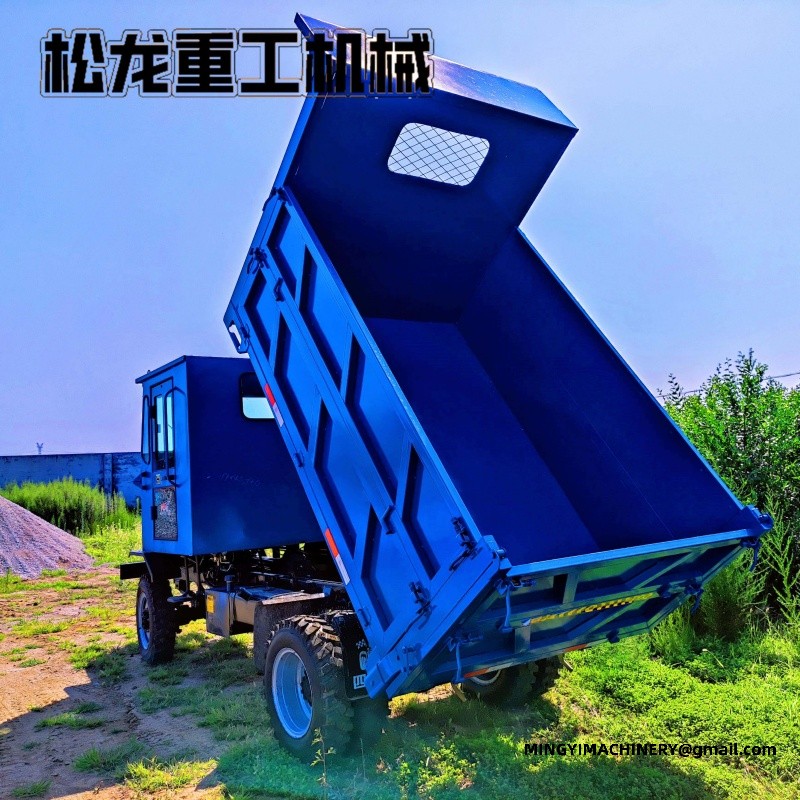
The order should state the configuration in writing. Engine, attachments, colour, documents and any market requirement are clearer on the build sheet for a machine built for the work than in a conversation after delivery. Delivery planning includes the receiving end. Knowing whether the equipment in service will be craned, driven or forked off, and whether the site can accept it, is settled before dispatch rather than on the day.
The working surface should be surveyed before the dumper is specified. A machine that is stable on compacted gravel can be unusable on the same site after rain, and the difference shows up as lost days rather than as a fault.
Service intervals exist because wear is predictable. Following the maker schedule on this class of machine takes far less time than repairing the damage that follows a missed oil change or a filter left in place past its life.
Commissioning is the point where most avoidable issues are found. Checking levels, fasteners and function on the unit in daily use before it goes to work takes an hour and prevents a claim conversation later. Early faults are usually simple. A machine of this size that behaves differently in its first few hours is more often mis-set than defective, and a call to the supplier at that point usually resolves it the same day.
A short familiarisation session prevents the early faults. Most first-month problems on the machine itself come from unfamiliarity with controls, limits or checks rather than from the machine itself. Keeping the manuals where they can be reached matters. The model in question whose documents stay with the machine gets serviced on schedule; one whose paperwork was filed elsewhere tends to run on memory instead.
Gradient is where a haul vehicle earns its keep. The unit on the job with a crawler gear and a low range climbs loaded where a road vehicle would need a second attempt, and that difference decides whether a track is usable at all. Descending matters as much as climbing. A loaded A machine built for the work on a steep gradient needs engine braking and brakes in good order, and the safe practice is to plan the descent before the load rather than during it.
Before-storage preparation prevents most return-to-work faults. Draining or treating fuel, protecting exposed rods and relieving pressure where the maker specifies it are the items worth an hour when the dumper is parked. A periodic start is better than none. Running this class of machine to operating temperature during a long layoff keeps seals and the charging system in better condition than leaving it untouched until the next job.
Container loading is a planning exercise. Confirming how a machine of this size is packed and how many units fit a container is what turns a per-unit freight estimate into a delivered figure the buyer can actually plan against. Documentation should be agreed at order stage. The commercial invoice, packing list and any certificate required at destination are part of shipping the equipment on site, and missing papers delay clearance longer than the voyage takes.
Abrasive conditions shorten service intervals. Air filters, seals and any exposed sliding surface on the model in question need attention more often in dusty or muddy work, and the extra checks prevent far more wear than the time they take. Cleaning is maintenance, not appearance. Washing the cooling surfaces and clearing packed material from the machine in that duty keeps temperatures where they should be and makes the next inspection quicker and more useful.
Carrying concrete changes the duty entirely. A machine built for the work with a mixer drum is working against the clock, and the specification follows the delivery distance and the site access rather than the load alone.
Dust control work is repetitive and time-critical. The dumper with the right tank and spray arrangement covers more ground per shift, which is usually the point of the exercise.
The base machine is only as useful as the tool on the end of it. Matching the attachment to the task - rather than to what arrived with the machine - is what lets one a machine of this size cover several jobs across a week. Attachment decisions are best made before delivery. Specifying hydraulics and couplers at build time is simpler than adding them later, and it avoids the downtime of a workshop visit in the first month. Most owners find that the second attachment changes how often the machine is used. The unit in daily use that was bought for one task often becomes the general machine on site once a second tool is available.
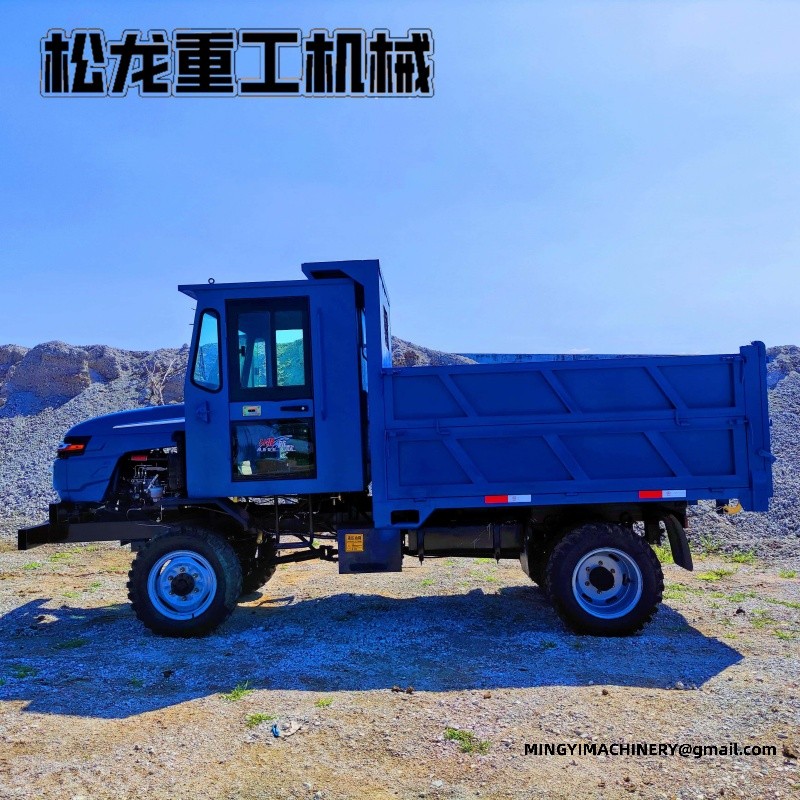
The configurations below are the build sheets most often matched to the machine itself. Engine, gearbox, axles, frame and body dimensions are confirmed together, because the body size and the axle rating have to suit the load before the engine rating matters.
| # | 18.Standard | 3.Standard | 5.Luxury | 8.Luxury |
|---|---|---|---|---|
| 1 | Four-cylinder 4102 turbocharged diesel engine | Single-cylinder diesel engine, 25 hp | Single-cylinder diesel engine, 25 hp | Single-cylinder diesel engine, 28 hp |
| 2 | Model 140 part-time gearbox with four-wheel drive | Full-time gearbox with four-wheel drive | Part-time gearbox with four-wheel drive | Part-time gearbox, selectable 2WD/4WD |
| 3 | High/low range with crawler gear | High/low range with crawler gear | High/low range with crawler gear | High/low range with crawler gear |
| 4 | Simple cab | Simple cab | Enclosed cab | Enclosed cab |
| 5 | Oil brakes | Oil brakes | Six 700-16 mountain tyres | Six 700-16 mountain tyres |
| 6 | Six 700-16 mountain tyres | Four 700-16 mountain tyres | Model 212 front axle | Model 212 front axle |
| 7 | Reinforced ISUZU-pattern front axle | Front axle 212 | Model 130 rear axle | Model 130 rear axle |
| 8 | Reinforced 1061 rear axle | Rear axle 130 | Air cut-off brakes | Air cut-off brakes |
| 9 | Reinforced 80 x 180 mm square tube frame | Reinforced 60 x 140 mm square tube frame | Reinforced 60 x 140 mm square tube frame | Reinforced 60 x 140 mm square tube frame |
| 10 | Rear body 2.2 m long x 2.1 m wide x 0.45 m high | Rear body 2.2 m long x 1.5 m wide x 0.45 m high | Rear body 2.2 m long x 1.5 m wide x 0.45 m high | Rear body 2.2 m long x 1.5 m wide x 0.45 m high |
| 11 | Tailgate with self-dumping function | Tailgate with self-dumping function | Tailgate with self-dumping function | Tailgate with self-dumping function |
| 12 | Hydraulic power steering | Hydraulic power steering | Side-opening rear body tailgate | Side-opening rear body tailgate |
| 13 | Twin hydraulic rams | Twin hydraulic rams | Hydraulic power steering | Hydraulic power steering |
| 14 | Two-person comfort seat | Two-person comfort seat | Twin hydraulic rams | Twin hydraulic rams |
| 15 | Twin-battery electric start | Twin-battery electric start | Two-person comfort seat | Two-person comfort seat |
| 16 | Square-nose bonnet | Square-nose bonnet | Heavy-duty leaf springs | Heavy-duty leaf springs |
| 17 | — | — | Twin-battery electric start | Twin-battery electric start |
| 18 | — | — | Square-nose bonnet | Square-nose bonnet |
How a machine travels decides how it starts on arrival. Securing the machine in that duty against movement, protecting the exposed cylinders and keeping the battery and fluids in the right state for the voyage all belong to the packing list.
Documentation should match the machine that was actually built. The sheet supplied with a machine built for the work records the configuration as delivered, because the generic catalogue description is not what the customer needs when ordering a part.
Operators notice things first because they hear the machine every day. Encouraging the person on the dumper to report small changes, and acting on them, is the most effective maintenance programme there is.
Later changes are easier when they were anticipated. Asking for the extra hydraulic circuit or the heavier mounting plate on the unit in daily use at build time adds little and leaves the option open.
Inspection is a list, not a glance. Before the equipment on site is released the fluid levels, belt tension, electrical connections and safety decals are each ticked off, and anything that fails stays in the shop rather than travelling with the machine.
The parts that stop a machine are rarely the parts that are hardest to find. Filters, belts, seals and the ground engaging tools on the model in question are easy to hold and slow to replace, which is why they belong on the shelf rather than on an order.
A good handover covers the awkward cases, not just the easy ones. Starting the unit on the job on a slope, turning in a confined space and recovering from soft ground are the situations an operator should meet first with someone beside them.
Different operators suit different work. The person who is quickest with the equipment in service on open ground is not always the one who is safest in a confined space, and having both available is a genuine advantage.
Starting is only the first problem. Until this class of machine reaches working temperature the hydraulic response is slower and the seals are stiffer, and warming the machine before asking for full output avoids unnecessary strain.
Every line above is a build item rather than an optional extra, and the final sheet for the unit in daily use is confirmed against the destination, the ground and the load before production.
E-mail:sales@mingycn.com
LINE(ID):mingyicn









