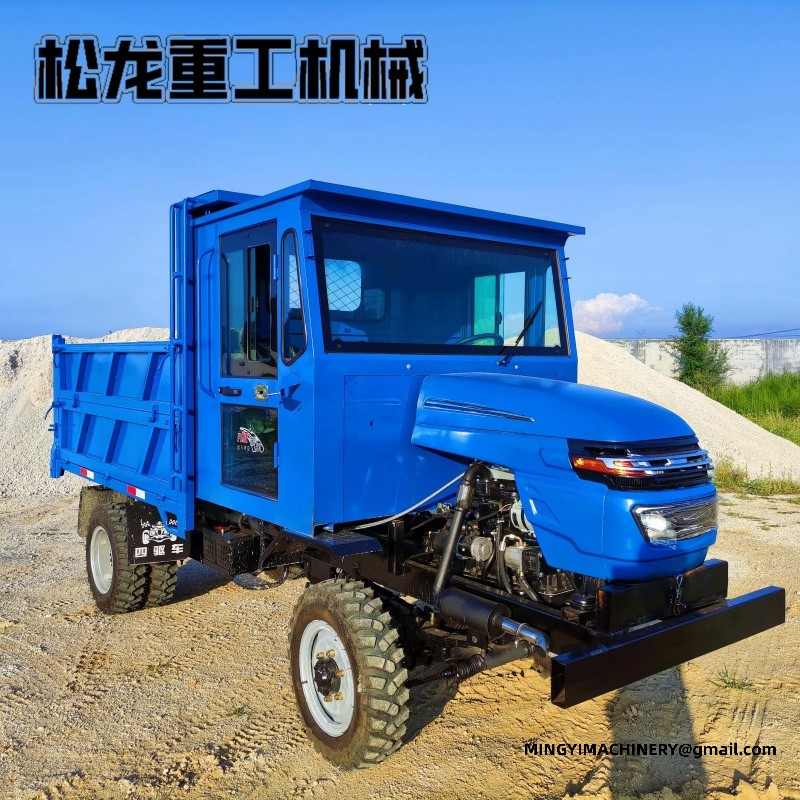
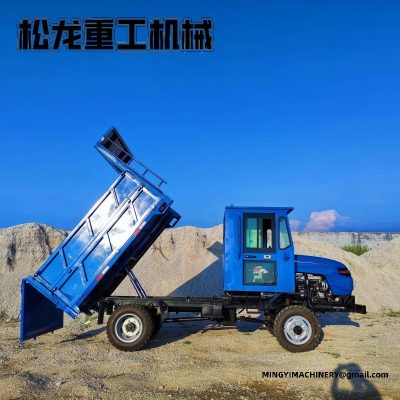
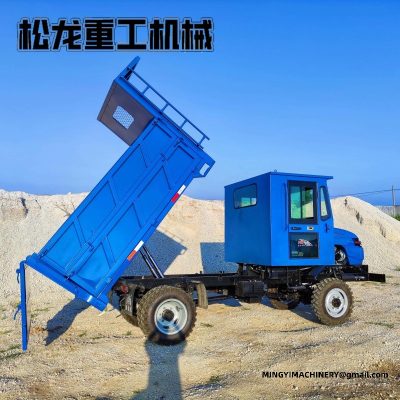
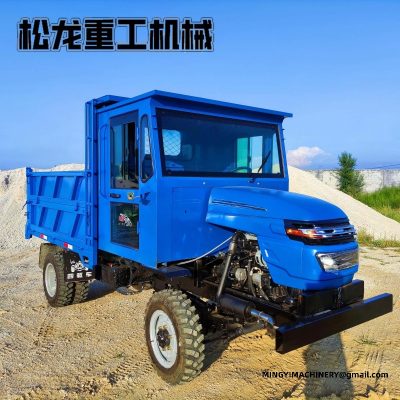
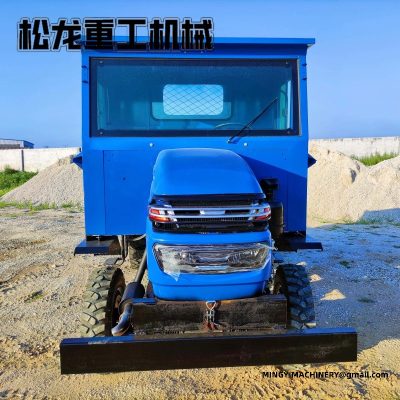
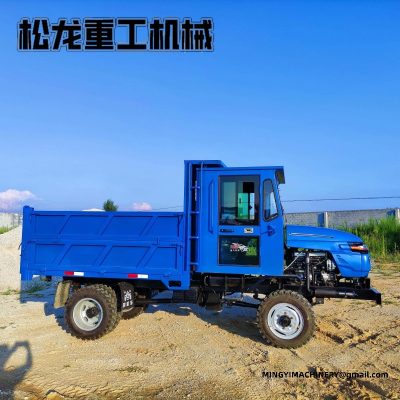
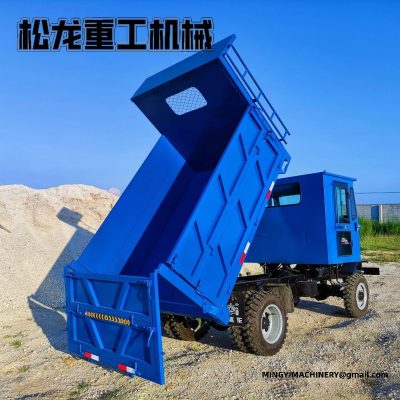
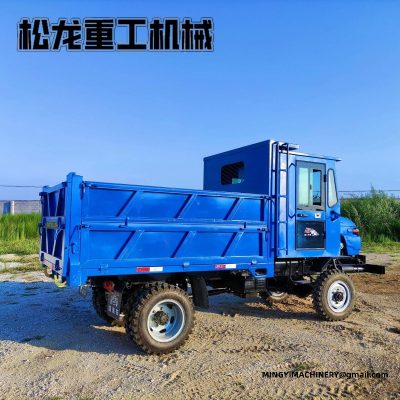
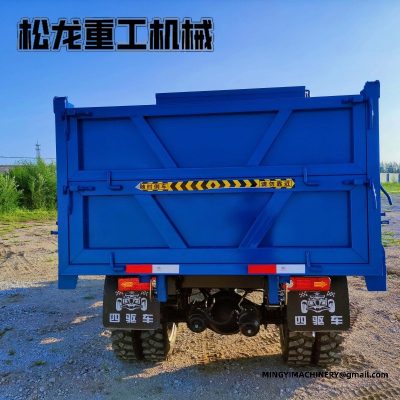
A custom 4x4 dumper is not picked from a row of finished machines; it is written down before it is built, and that written list is the build sheet. The sheet is where the ground, the load, the route and the hours become an engine, a gearbox, a frame, a body and a tailgate that fit one particular job. A buyer who arrives with answers gets a machine that matches the work on the first try. This page sets out what goes on that sheet, and the four questions that have to be answered before it is worth writing anything down.
The build sheet is the single document the factory and the buyer agree on before production, and every part of the machine traces back to a line on it. The engine choice, the Model 140 or Model 145 gearbox, the 60 x 140 mm or 80 x 180 mm frame, the 2.2 m or 3.0 m body, and the tailgate all come from what is written there. A sheet that is vague produces a machine that is vague about its job; a sheet that is specific produces a machine that fits. The questions below are the ones that turn a vague sheet into a specific one.
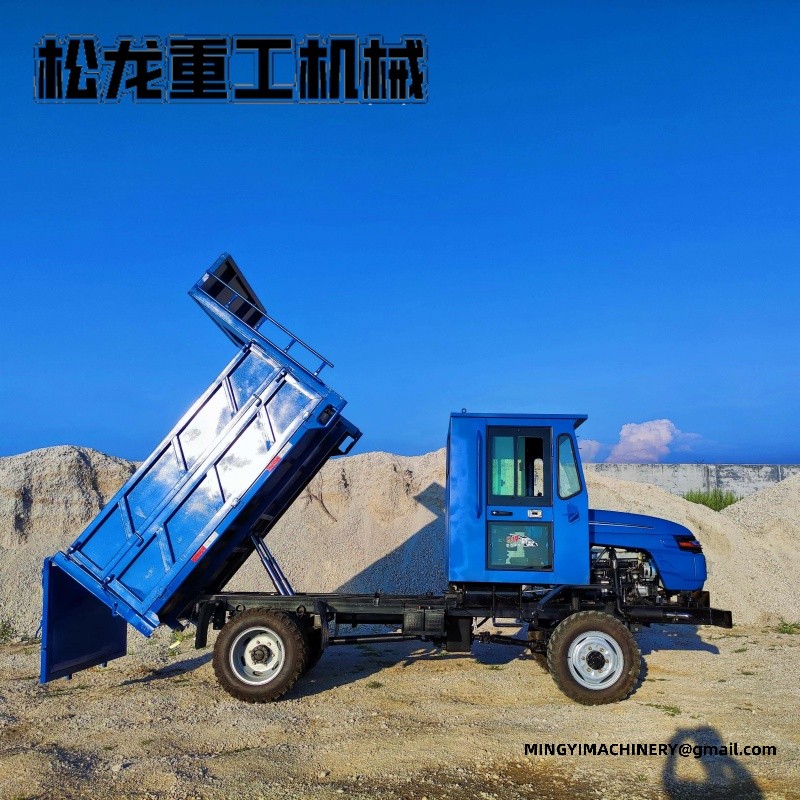
The first answer on the sheet is what the machine will drive over for most of the year. Soft, wet ground points to the configurations with more tyre footprint and full-time drive; firm, graded ground opens the door to the selectable two- and four-wheel drive of the Model 140 and Model 145 gearboxes. The 700-16 mountain tyres and the 825R16 steel-belted radial tyres are different answers to the same ground question, and a buyer who can say what the surface is has already chosen between them without touching a catalogue, because the surface is the one fact that the tyres and the gearbox both answer.
The load decides the body, and the body decides much of the rest. A light, bulky material suits the 2.2 m long by 1.5 m wide body, while a heavy, dense material points to the 3.0 m long by 2.2 m wide body carried on the reinforced 80 x 180 mm frame. The question is not just what the material is but how it behaves: whether it flows, whether it sticks, and whether it dumps cleanly or needs the side-opening tailgate to be placed by hand. That answer is what makes the body the right size and the right shape rather than the right guess.
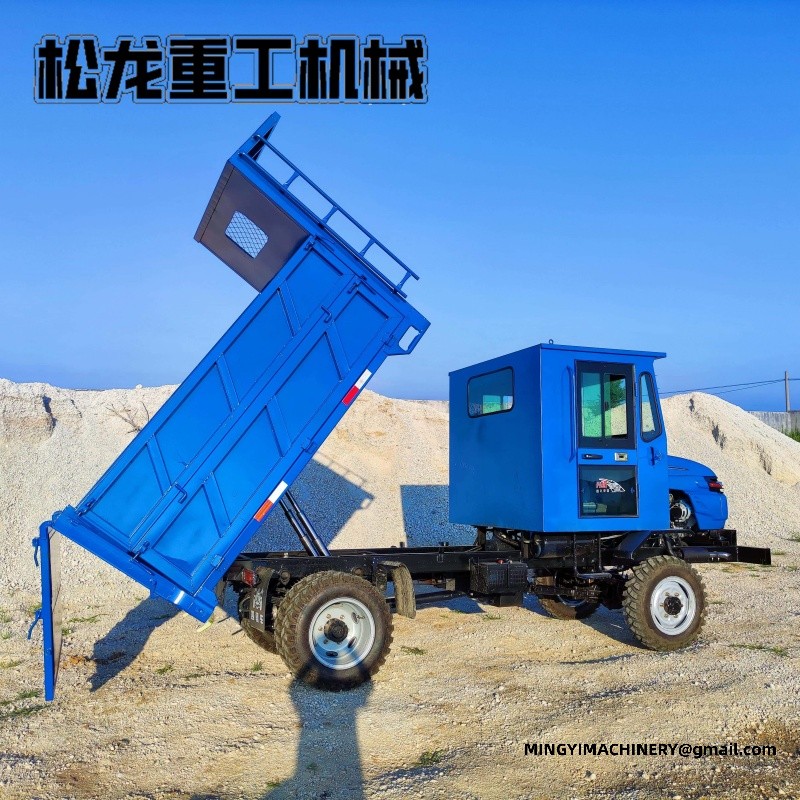
The route answers the engine and the gearing. A short, flat shuttle is well served by the single-cylinder 28 hp or the two-cylinder 38 hp engine, while a long or climbing haul points to the four-cylinder 4108 turbocharged diesel in the heavier configurations. The same route decides whether the driver needs the selectable gearbox for a firm road or full-time drive for a soft one. Distance and gradient are the two facts that sort the power and the transmission, and a buyer who states both gets an answer that can be checked against the road.
Hours decide the cab and the comfort, and they decide how much of the range the buyer actually needs. A machine that runs a full day, every day, wants the fully enclosed cab, the two-person comfort seat and hydraulic power steering as a matter of course, because the driver lives in it. A machine that works a few hours at a stretch can accept the simple or enclosed cab. The hour count also settles how the machine is used up over time, and it is the fact that separates a working tool from an occasional one.
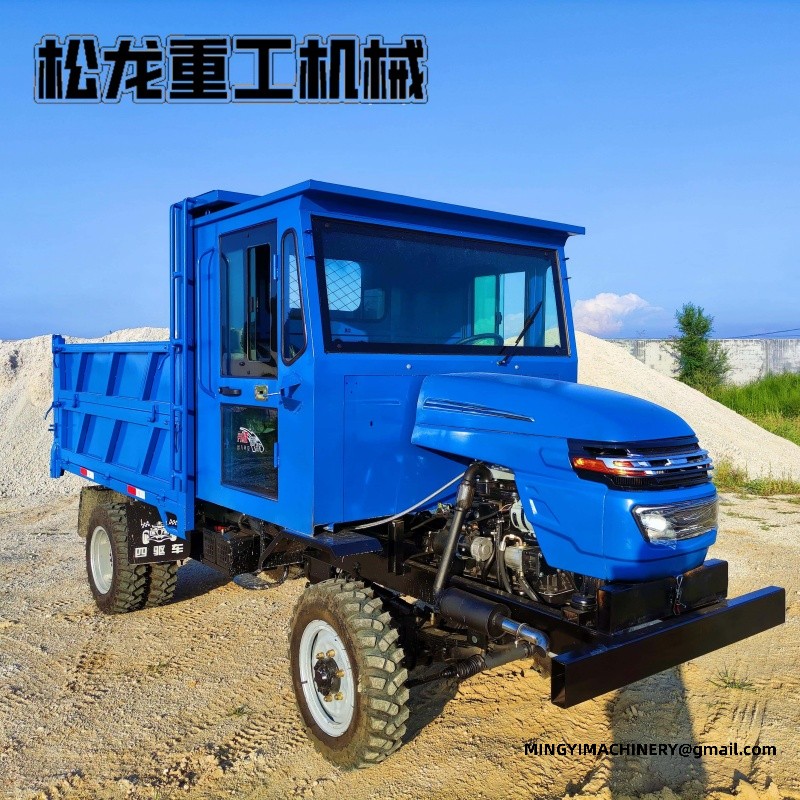
Three gearbox arrangements sit on the sheet, and the difference is how much the driver decides. The full-time gearbox with four-wheel drive keeps both axles driving and suits soft ground from end to end. The Model 140 and Model 145 part-time gearboxes are selectable between two- and four-wheel drive and suit a route with firm stretches between the soft ones. All three carry high and low range with a crawler gear, so the choice is about where the drive is needed, not about whether the machine can crawl, and that distinction is what keeps the line honest when it is written down.
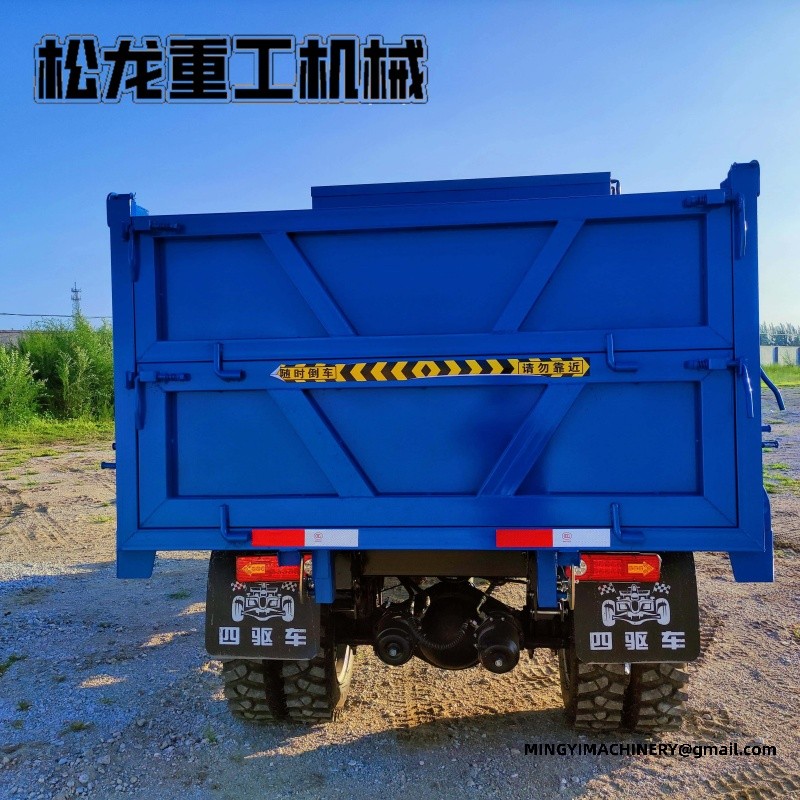
The frame and body are written down as a pair, because one is sized to the other. The reinforced 60 x 140 mm square tube frame carries the 2.2 m long by 1.5 m wide body, and the reinforced 80 x 180 mm frame carries the 3.0 m long by 2.2 m wide body on the heavier configurations. Putting a large body on a light frame, or a small body on a heavy frame, is a mismatch the build sheet exists to prevent. The two lines are settled together, from the load and the route, and written down once.
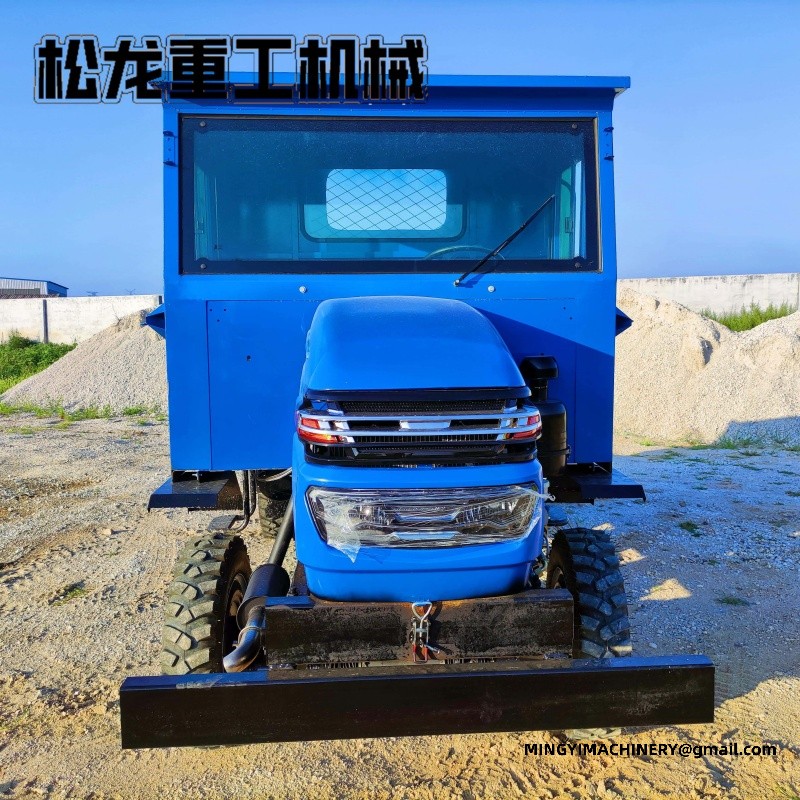
The axle and brake lines follow the frame. The Model 212 front axle and Model 130 rear axle carry the lighter configurations with oil brakes or air cut-off brakes as matched, while the reinforced ISUZU-pattern front axle and reinforced 1080 rear axle carry the heavier ones with air cut-off brakes. On a custom build these are not add-ons; they are the consequence of the load and the ground already written above. The sheet keeps them consistent, so a heavy body never ships on light axles and a light body never carries brakes it does not need.
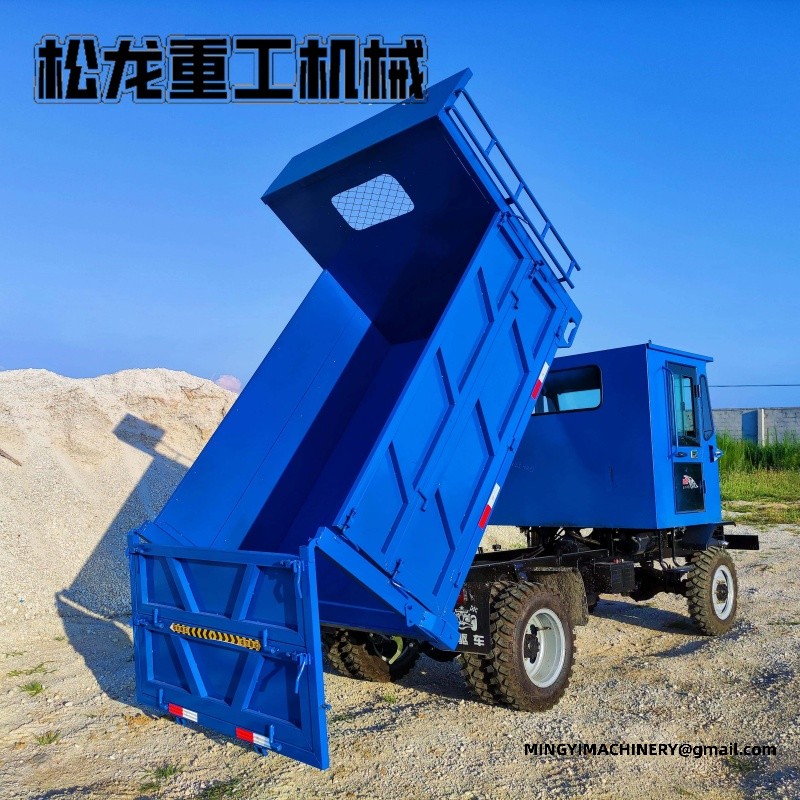
Every configuration carries a tailgate with a self-dumping function, and the build sheet then adds the choice that matters: the side-opening rear body tailgate, with a cab ladder on the larger configuration, for material that is placed rather than dumped. The self-dumping tailgate starts the load leaving before full height, which is safer and cleaner on a slope; the side-opening tailgate lets the driver lay material in a line or feed a spreader. Which one goes on the sheet is answered by the material, not by preference, and the material answer is already on the sheet from the second question.
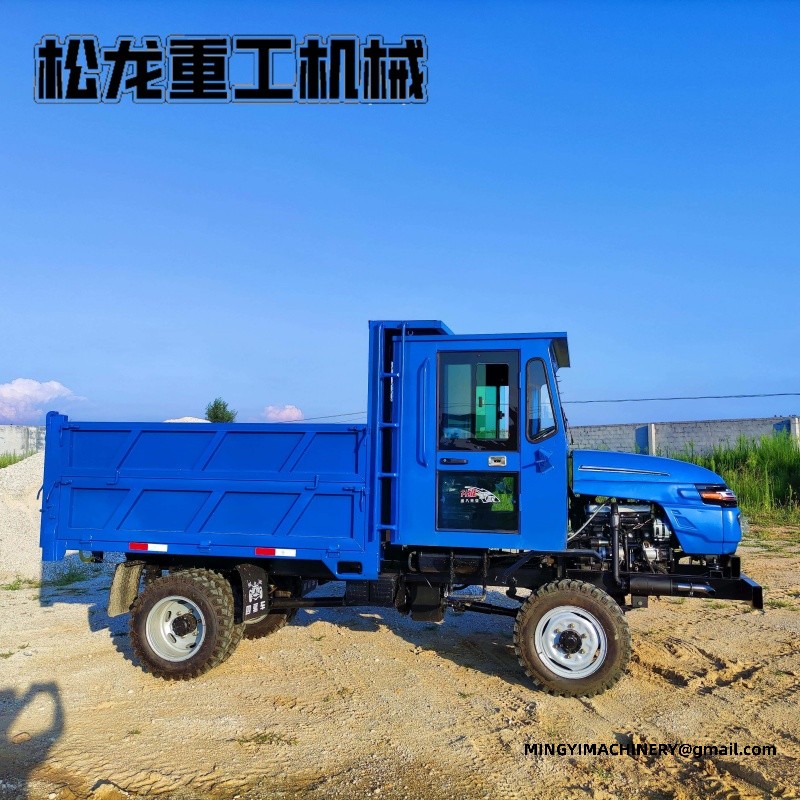
The cab line is written from the hours. The fully enclosed cab protects a full-time driver, the enclosed cab suits milder work, and the simple cab suits occasional, open-air duty. The two-person comfort seat and hydraulic power steering are fitted throughout, and on a custom build they are there for the second worker who loads and unloads as much as for the driver. The cab is not a trim level on this sheet; it is the answer to how many hours a person will spend inside it, and it should be written that way, without any marketing getting between the hours and the answer.
The tyre line offers two patterns for two kinds of ground. The 700-16 mountain tyres suit soft, loose or muddy surfaces where the tread has to clear itself and dig down to something firm. The 825R16 steel-belted radial tyres suit graded and drained roads where the machine covers distance and needs the radial's stability and load carrying. The two are not interchangeable, and the ground answer from the first question is what chooses between them. Writing the tyre against the ground, not against habit, is the point of the sheet, and the point at which a build becomes a custom one.
The round-nose bonnet and the square-nose bonnet appear across the range, and the choice is one of clearance and appearance. On a custom sheet these small lines are worth settling before production because they are exactly the details that are awkward to change once the machine exists. The twin-battery electric start, the leaf springs and the twin hydraulic rams are also written down so that nothing about the machine is left to be assumed. A build sheet that is complete to the last line is the buyer's protection against a machine that arrives half-guessed, which is what a custom machine is supposed to rule out entirely.
The parts of a build sheet that get left blank are the parts that get decided by default, and a default is only ever someone else's guess. The body width, the tyre count, the tailgate arrangement and the nose shape are all lines that a buyer either answers or accepts as given. The rule of a good sheet is that every line is answered from the job, not left open. Where a line cannot be answered yet, it is better to pause the order than to ship a machine that has to be lived with as it is.
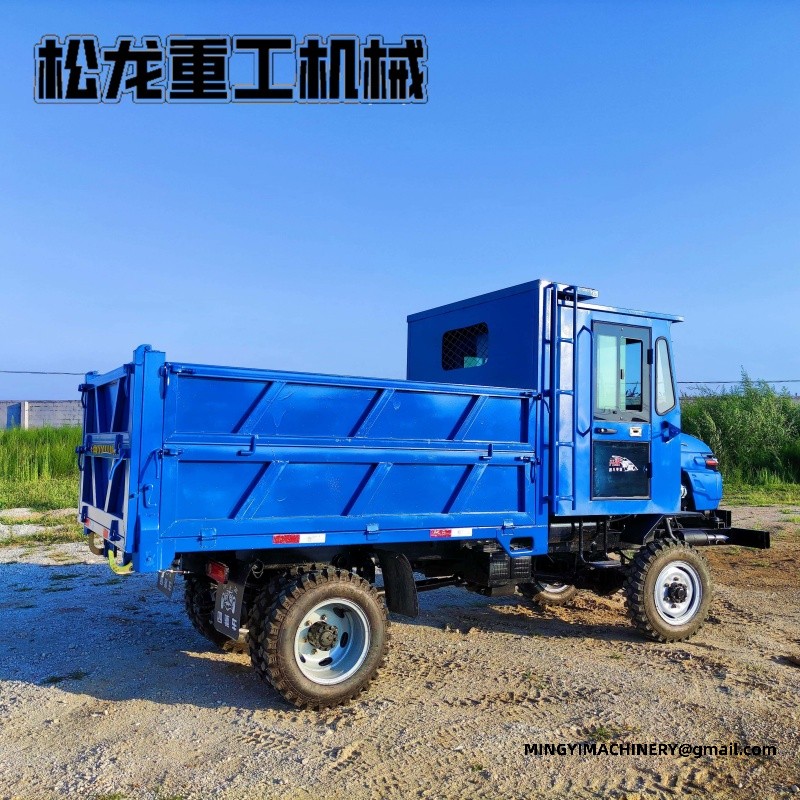
The whole sheet can be started from four answers: the ground, the load, the route and the hours. A buyer who sends those with the first message gets back a proposed specification that can be read line by line and corrected before anything is built. That is the advantage of a custom machine, and the obligation that goes with it is to be specific, because a factory can build what is described but cannot guess what was meant. Four clear answers turn a custom dumper from a risk into a machine that fits the job exactly.
Before the machine is built, the sheet should be read once from top to bottom against the job it is meant to do, because that is the moment when a mistake is a line to be corrected rather than a machine to be shipped back. The engine, the gearbox, the frame, the body, the tailgate and the tyres should each answer a question that was actually asked. A sheet that survives that reading ships with confidence, and the machine that arrives matches the description that was agreed, which is what a build sheet is for.
| # | 12.Standard | 23.Upgraded | 24.Luxury | 8.Luxury |
|---|---|---|---|---|
| 1 | Two-cylinder diesel engine, 38 hp | Four-cylinder 4108 turbocharged diesel engine | Four-cylinder 4108 turbocharged diesel engine | Single-cylinder diesel engine, 28 hp |
| 2 | Full-time gearbox with four-wheel drive | Model 140 part-time gearbox, selectable 2WD/4WD | Model 145 part-time gearbox, selectable 2WD/4WD | Part-time gearbox, selectable 2WD/4WD |
| 3 | High/low range with crawler gear | High/low range with crawler gear | High/low range with crawler gear | High/low range with crawler gear |
| 4 | Simple cab | Simple cab | Fully enclosed cab | Enclosed cab |
| 5 | Oil brakes | Six 825R16 steel-belted radial tyres | Six 825R16 steel-belted radial tyres | Six 700-16 mountain tyres |
| 6 | Four 700-16 mountain tyres | Reinforced ISUZU-pattern front axle | Reinforced ISUZU-pattern front axle | Model 212 front axle |
| 7 | Front axle 212 | Reinforced 1080 rear axle | Reinforced 1080 rear axle | Model 130 rear axle |
| 8 | Rear axle 130 | Air cut-off brakes | Air cut-off brakes | Air cut-off brakes |
| 9 | Reinforced 60 x 140 mm square tube frame | Reinforced 80 x 180 mm square tube frame | Reinforced 80 x 180 mm square tube frame | Reinforced 60 x 140 mm square tube frame |
| 10 | Rear body 2.2 m long x 1.5 m wide x 0.45 m high | Rear body 3.0 m long x 2.2 m wide x 0.45 m high | Rear body 3.0 m long x 2.2 m wide x 0.45 m high | Rear body 2.2 m long x 1.5 m wide x 0.45 m high |
| 11 | Tailgate with self-dumping function | Tailgate with self-dumping function | Tailgate with self-dumping function | Tailgate with self-dumping function |
| 12 | Hydraulic power steering | Hydraulic power steering | Side-opening rear body tailgate with cab ladder | Side-opening rear body tailgate |
| 13 | Twin hydraulic rams | Twin hydraulic rams | Hydraulic power steering | Hydraulic power steering |
| 14 | Two-person comfort seat | Two-person comfort seat | Twin hydraulic rams | Twin hydraulic rams |
| 15 | Twin-battery electric start | Heavy-duty leaf springs | Two-person comfort seat | Two-person comfort seat |
| 16 | Round-nose bonnet | Twin-battery electric start | Heavy-duty leaf springs | Heavy-duty leaf springs |
| 17 | — | Square-nose bonnet | Twin-battery electric start | Twin-battery electric start |
| 18 | — | — | Square-nose bonnet | Square-nose bonnet |
For a specification discussion or a build sheet for this custom 4x4 dumper, contact mingyimachinery@gmail.com or reach us on LINE (ID: mingyicn).









