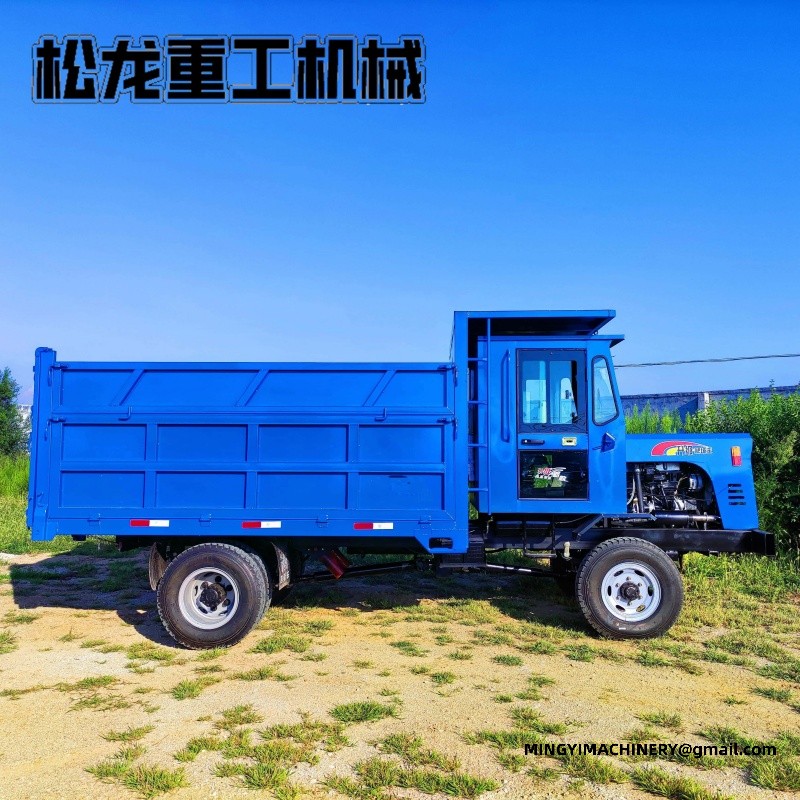
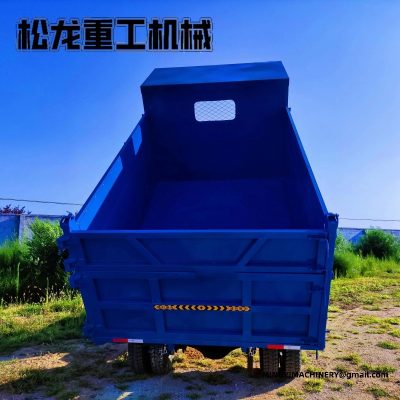
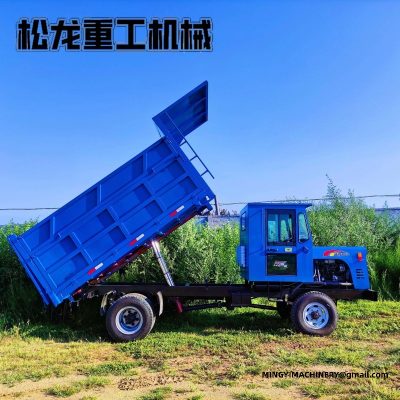
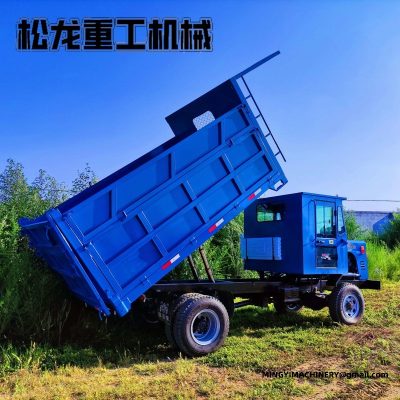
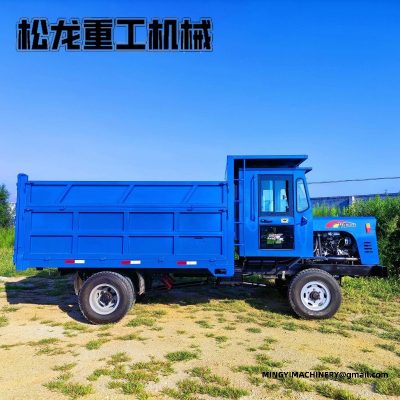
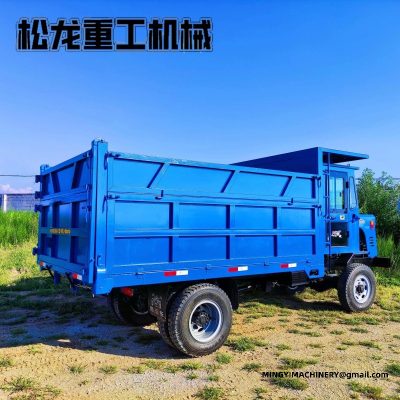
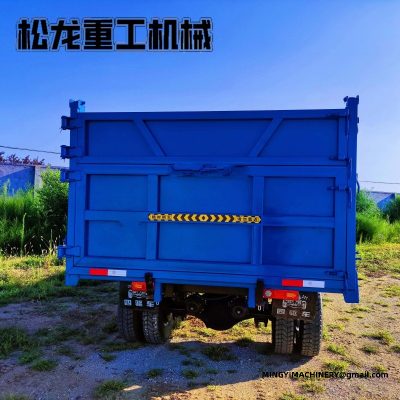
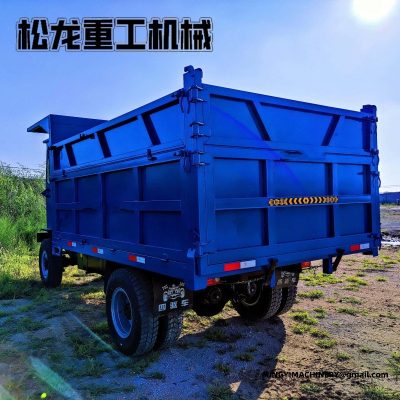
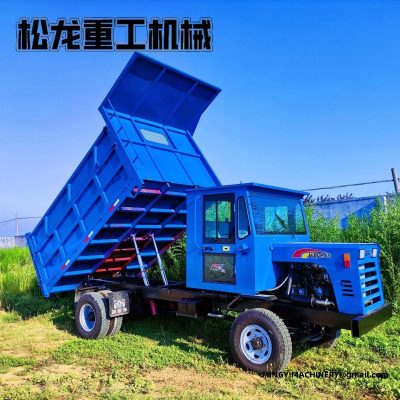
This page is a buyer's checklist, written for the person who is about to order a 4x4 machine that is advertised for transport work and delivered as a tipping platform. The title on a listing can say one thing while the build sheet says another, and a buyer who skips the questions ends up with a machine that does not match the route it was bought for. Everything below is drawn from the configuration table on this page, which lists four self-dumping tipper builds and nothing else. Read it, answer the questions, and the machine that arrives will be the one that was described.
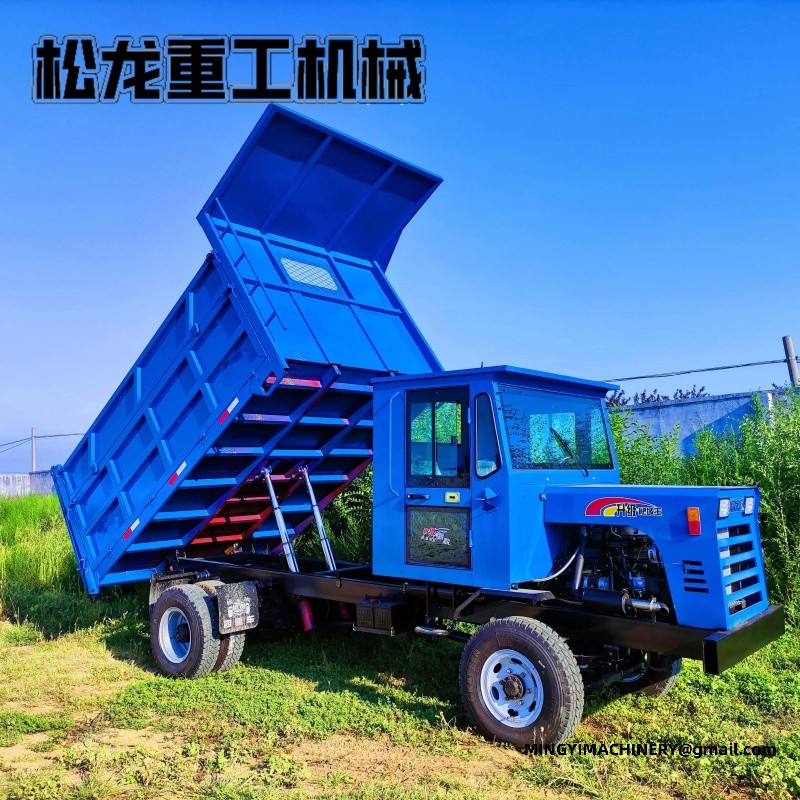
The first question to settle is what the machine actually is, because the name and the build can pull in different directions. The four configurations in the table are all tipping platforms: a chassis, a four-wheel-drive driveline and a rear body that lifts on twin hydraulic rams and discharges through a self-dumping tailgate. None of them carries a compaction body or a bin-lifting mechanism, and a buyer whose job needs those should say so up front rather than discover the gap after the machine has shipped. What this table does offer is a sturdy 2.2 m by 1.5 m tipper body on a reinforced frame, and that is the platform the questions below are written around.
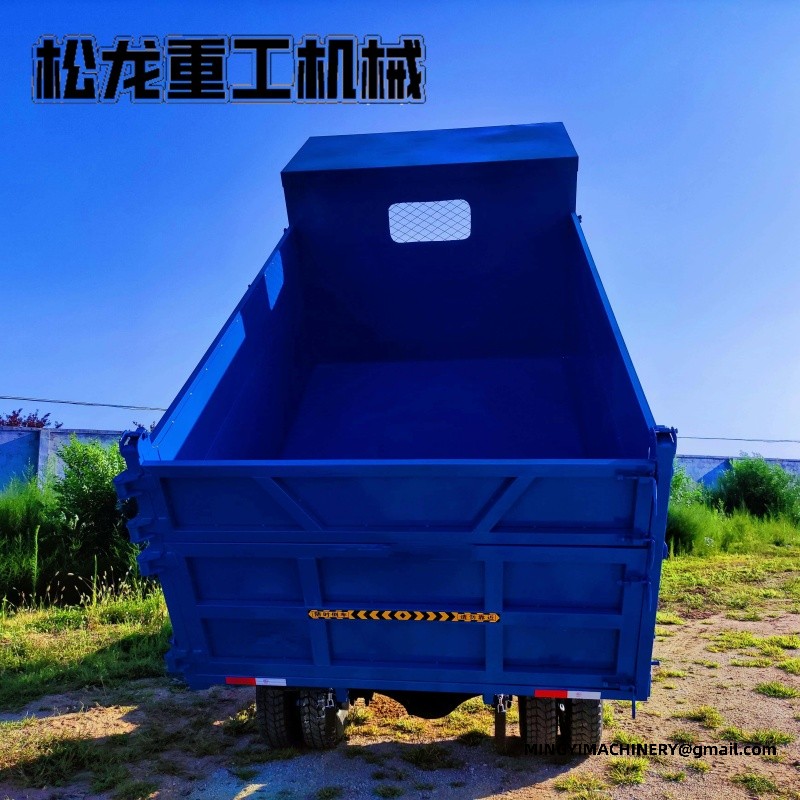
Question one: what is the body, really?
Every build on this page carries the same rear body, 2.2 m long by 1.5 m wide by 0.45 m high, and that single fact answers more than any other line in the table. The same body appears across all four configurations, so the choice between them is not about how much material fits but about how the machine is driven, stopped and sat in. A buyer should confirm the body suits the material and the loader before anything else: does it hold roughly what the loading machine delivers in a useful number of passes, and does the material slide out cleanly when the body is raised. If it does, the rest of the checklist is about the driveline.
The table offers two engine families for this platform. The 15.Standard runs a four-cylinder 490 diesel, the strongest of the four, while the 5.Luxury, 6.Standard and 8.Luxury carry single-cylinder engines of 25 hp or 28 hp. The right answer depends on the hours, not on habit: a machine that runs a long shift on grades wants the four-cylinder, and a machine that makes short trips on level ground is better served by a single-cylinder unit that is simpler to feed and to fix. Ask the engine question against a real day of work, with the haul length and the gradient written down, and the choice makes itself.
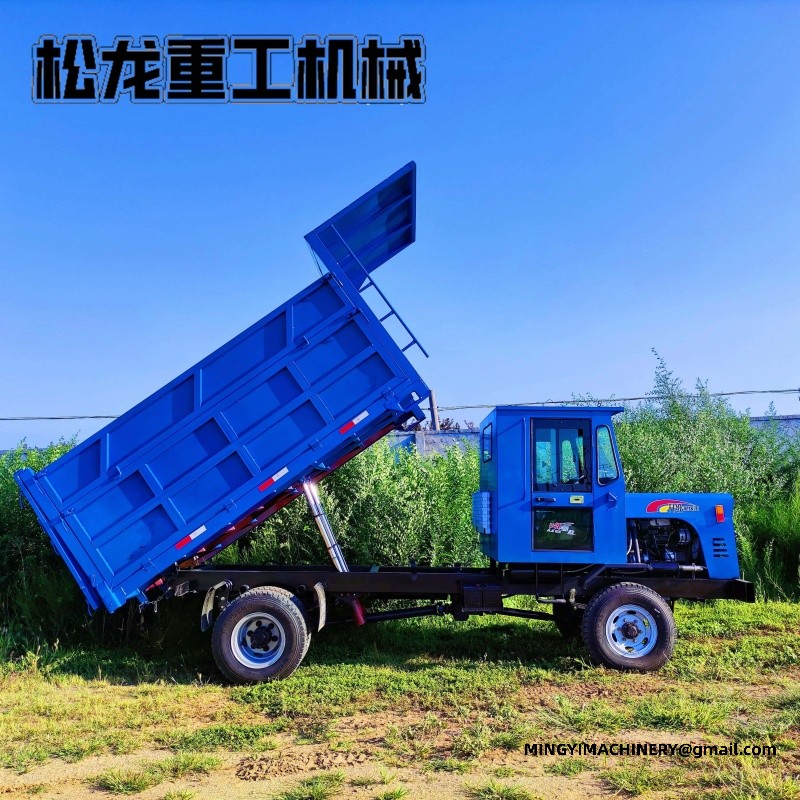
Four-wheel drive is the point of a 4x4, but how it engages changes how the machine behaves and wears. The 15.Standard and the 6.Standard are full-time, with drive at both ends all day; the 8.Luxury is part-time and selectable between two- and four-wheel drive, which lets the driver run on the road in two-wheel drive and switch on the rough; the 5.Luxury is part-time with four-wheel drive. A buyer whose ground is soft all the way wants full-time, while one who travels a firm haul road to reach the work area may prefer the selectable box. Every build carries high and low range with a crawler gear.
Count the tyres in the table and the split is deliberate. The 15.Standard and the 6.Standard roll on four 700-16 mountain tyres, while the 5.Luxury and the 8.Luxury carry six of the same. The extra pair is not decoration; it spreads the loaded weight over a larger contact patch and settles a machine that runs heavy or on soft ground, at the small penalty of two more tyres to mind and two more to replace. A buyer should ask whether the route is kind enough for four or demanding enough to want six, because the answer shows up as either a stable, planted machine or one that digs in under load.
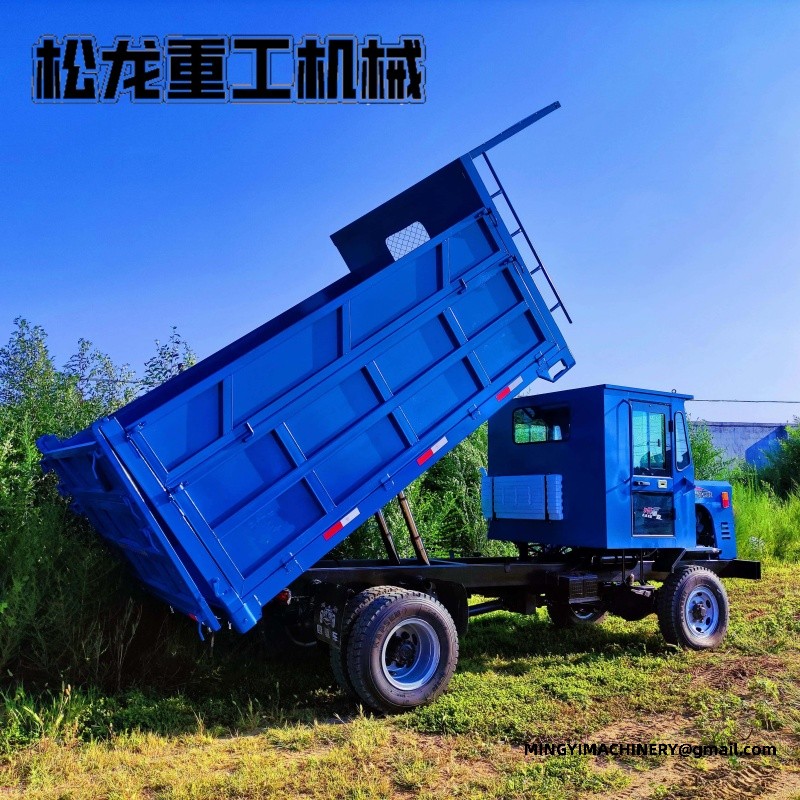
The table splits the braking two ways. The 15.Standard and the 6.Standard use oil brakes, and the 5.Luxury and the 8.Luxury use air cut-off brakes. For a buyer, the choice is less about which is better than about which the local workshop understands, because a brake system that cannot be serviced nearby becomes a machine that stands. Oil brakes are the simpler and more familiar on small machines; air cut-off brakes suit a heavier, faster machine and a driver who wants the reserve a compressor gives. Ask who will maintain the brakes, and let that answer pick between the two.
The cab is where the driver spends the shift, and the table offers it in two forms. The 15.Standard and the 6.Standard have a simple cab, while the 5.Luxury and the 8.Luxury have an enclosed cab. A buyer who works in sun and dust may think only of shade, but the enclosed cab also keeps rain off the controls and the driver, and it is the choice for a machine that runs through a wet season or carries a passenger on the two-person seat. If the machine will sit out overnight, the enclosed cab also protects the dash and the wiring from the morning damp that ages them faster than the work does.
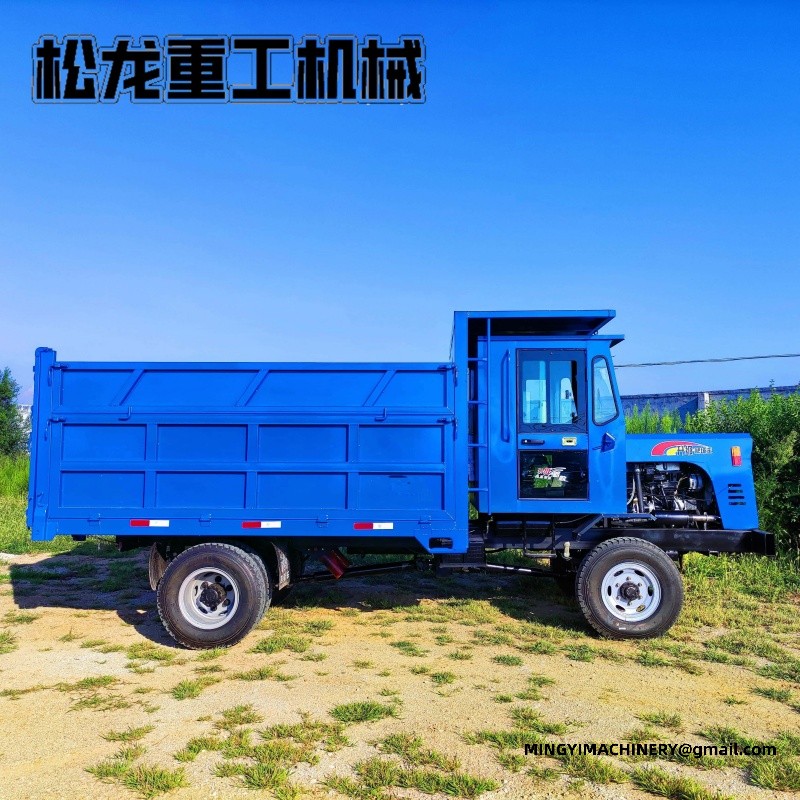
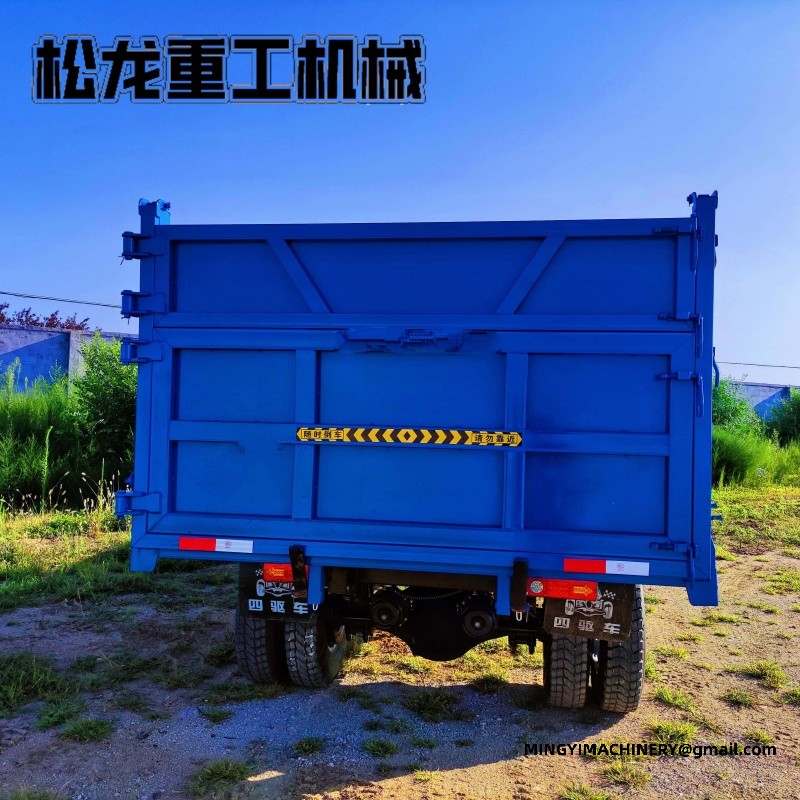
All four builds share the self-dumping tailgate, which opens as the body rises so the load starts to leave before the body reaches full height. The 5.Luxury and the 8.Luxury add a side-opening rear body tailgate, and this is the option a buyer should weigh against how the material is placed. If every load is tipped into a heap, the plain self-dumping tailgate is enough. If the machine works along an edge, a trench or a stockpile face, the side-opening tailgate lets the driver lay material to one side instead of in a pile. It is a small difference in the table and a large one in the yard.
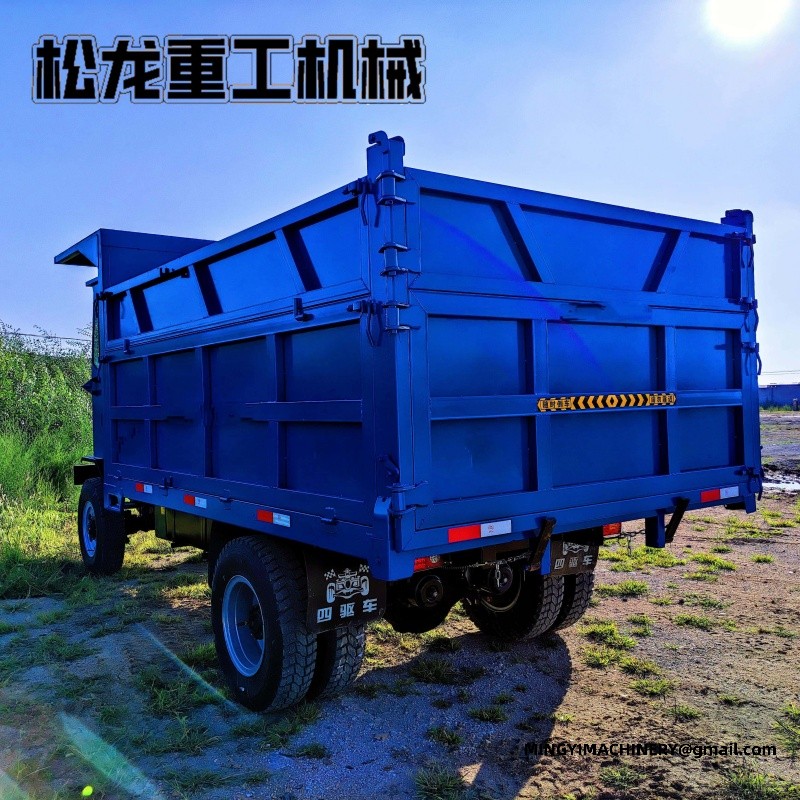
The body is lifted by twin hydraulic rams on every configuration, and the buyer's job is to confirm the cycle, not the parts list. How many lifts does a shift demand, how heavy is a full load, and how long does the material take to slide out. The twin rams are what allow an uneven load to be raised without twisting the body, which matters because material rarely lands evenly in the floor. A buyer should ask how the machine will be loaded and emptied, because the answer tells the supplier whether the standard tipping circuit is enough for the shift or whether the cycle is the thing that limits output.
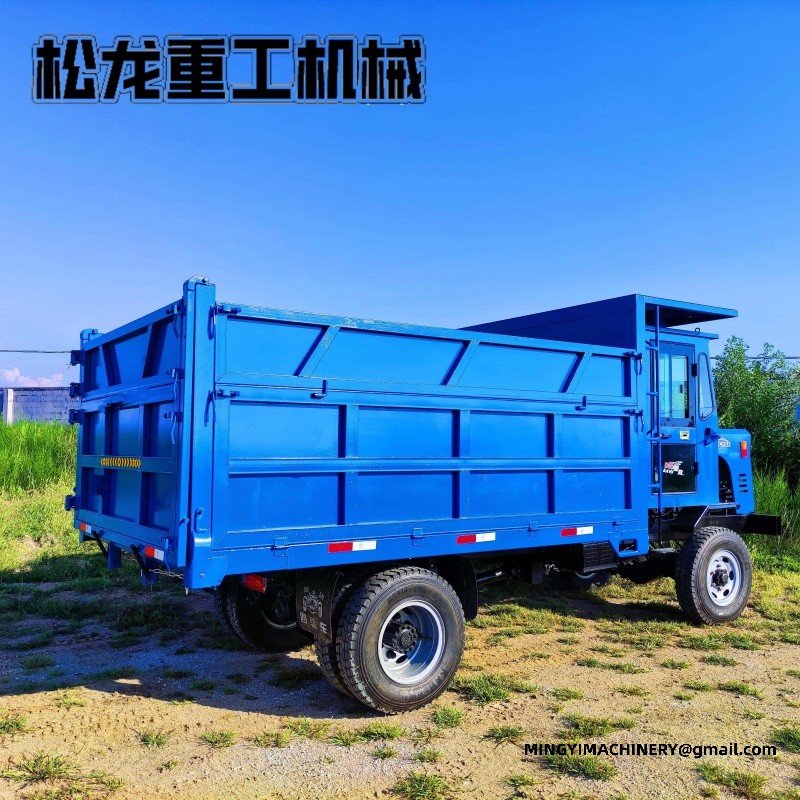
All four builds sit on the reinforced 60 x 140 mm square tube frame, and the body is the same 2.2 m by 1.5 m floor on every one. The buyer's question here is about fit rather than strength: will the machine reach the loading point, turn in the space it is given, and carry a load that suits the frame. The front axles divide between the 212 pattern and the Model 212, with the rear axles in the 130 pattern, and a buyer standardising a fleet should note which pattern the local parts shop stocks, because an axle pattern that is common locally is the difference between a day and a week when a part is needed.
Three items in the table are easy to skim past and hard to do without. Hydraulic power steering is on every build, and it is what keeps the wheel light when the body is full; the two-person comfort seat is on every build too, so a driver and a passenger ride properly; and twin-battery electric start means the machine fires even when one battery is soft. A buyer should confirm all three are wanted rather than assume, and note that the leaf springs on the 5.Luxury and the 8.Luxury are the heavy-duty items that carry a loaded body over rough ground without bottoming out.
A checklist that ends at the build sheet misses the part that decides whether the machine keeps working. Before ordering, settle which wear items travel with the machine and which the buyer should stock locally: filters, hoses, a set of brake linings, and the bushes for the body and ram mountings are the short list on a tipper platform. Ask what the local parts network carries for the engine and the axle pattern, because a part that must cross an ocean is the difference between a morning's repair and a parked machine. The time to answer these is before the order, not during the first breakdown.
A tipper platform is half of a pair, and the checklist should name the other half. The loader that fills the body decides how many passes a load takes, and the place where the material lands decides whether the side-opening tailgate earns its keep. Write down the loader, the bucket size, the haul length and the tipping point, and give those four facts to the supplier with the enquiry. The answer that comes back can then be checked against the table line by line, instead of taken on trust from a listing whose title was written for a search engine rather than for the job.
Collect the answers into a single short note before the first message goes out. State the material and the ground, the haul length and gradient, the shift hours, and the four or five lines from this checklist that the job actually turns on. A supplier who receives that note can answer with a build, while one who receives only a question about a title gets back only a title. The four configurations in the table are close cousins, and the buyer who supplies the facts is the one who ends up with the right one rather than with whichever was sitting nearest to hand.
Before the order is placed, sit down with the table and read each column against the note you wrote. The four columns are 15.Standard, 5.Luxury, 6.Standard and 8.Luxury, and each line is a yes or no against your own requirements. Check the engine, the drive, the tyres, the brakes, the cab, the tailgate and the frame, and confirm that the body is the tipping platform this page describes and nothing more. A machine that passes every line of that check is the one worth ordering, and the checklist exists so that the machine that arrives is the machine that was asked for.
| # | 15.Standard | 5.Luxury | 6.Standard | 8.Luxury |
|---|---|---|---|---|
| 1 | Four-cylinder 490 diesel engine | Single-cylinder diesel engine, 25 hp | Single-cylinder diesel engine, 28 hp | Single-cylinder diesel engine, 28 hp |
| 2 | Full-time gearbox with four-wheel drive | Part-time gearbox with four-wheel drive | Full-time gearbox with four-wheel drive | Part-time gearbox, selectable 2WD/4WD |
| 3 | High/low range with crawler gear | High/low range with crawler gear | High/low range with crawler gear | High/low range with crawler gear |
| 4 | Simple cab | Enclosed cab | Simple cab | Enclosed cab |
| 5 | Oil brakes | Six 700-16 mountain tyres | Oil brakes | Six 700-16 mountain tyres |
| 6 | Four 700-16 mountain tyres | Model 212 front axle | Four 700-16 mountain tyres | Model 212 front axle |
| 7 | Front axle 212 | Model 130 rear axle | Front axle 212 | Model 130 rear axle |
| 8 | Rear axle 130 | Air cut-off brakes | Rear axle 130 | Air cut-off brakes |
| 9 | Reinforced 60 x 140 mm square tube frame | Reinforced 60 x 140 mm square tube frame | Reinforced 60 x 140 mm square tube frame | Reinforced 60 x 140 mm square tube frame |
| 10 | Rear body 2.2 m long x 1.5 m wide x 0.45 m high | Rear body 2.2 m long x 1.5 m wide x 0.45 m high | Rear body 2.2 m long x 1.5 m wide x 0.45 m high | Rear body 2.2 m long x 1.5 m wide x 0.45 m high |
| 11 | Tailgate with self-dumping function | Tailgate with self-dumping function | Tailgate with self-dumping function | Tailgate with self-dumping function |
| 12 | Hydraulic power steering | Side-opening rear body tailgate | Hydraulic power steering | Side-opening rear body tailgate |
| 13 | Twin hydraulic rams | Hydraulic power steering | Twin hydraulic rams | Hydraulic power steering |
| 14 | Two-person comfort seat | Twin hydraulic rams | Two-person comfort seat | Twin hydraulic rams |
| 15 | Twin-battery electric start | Two-person comfort seat | Twin-battery electric start | Two-person comfort seat |
| 16 | Round-nose bonnet | Heavy-duty leaf springs | Square-nose bonnet | Heavy-duty leaf springs |
| 17 | — | Twin-battery electric start | — | Twin-battery electric start |
| 18 | — | Square-nose bonnet | — | Square-nose bonnet |
For a specification discussion or a build sheet for this 4x4 tipping transport vehicle, contact mingyimachinery@gmail.com or reach us on LINE (ID: mingyicn).









