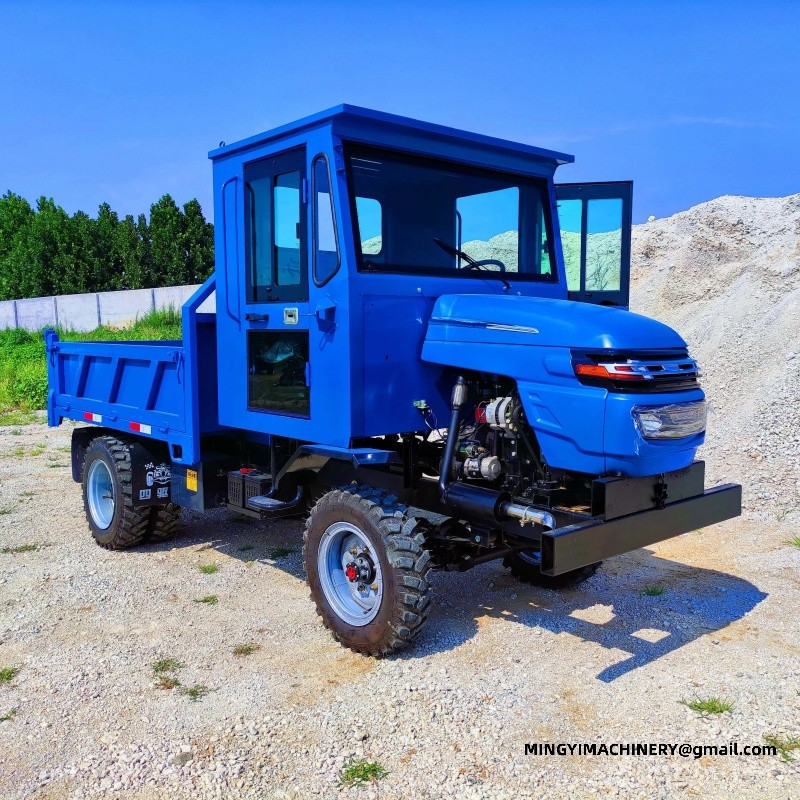
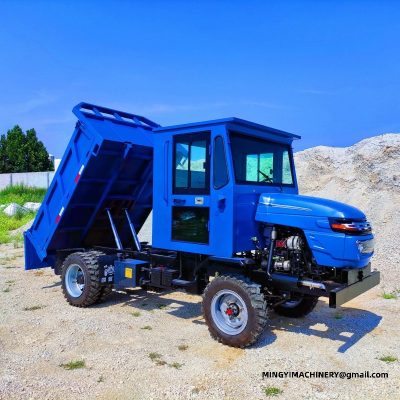
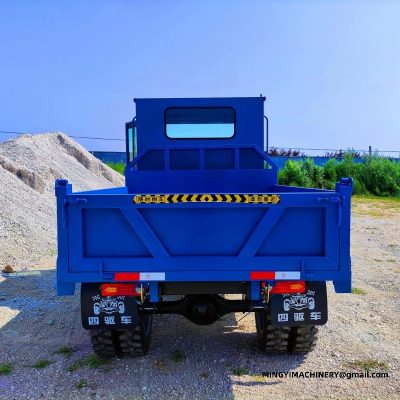
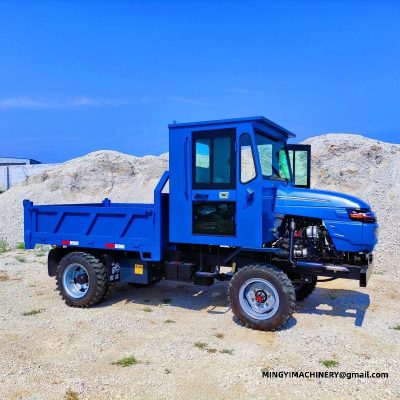
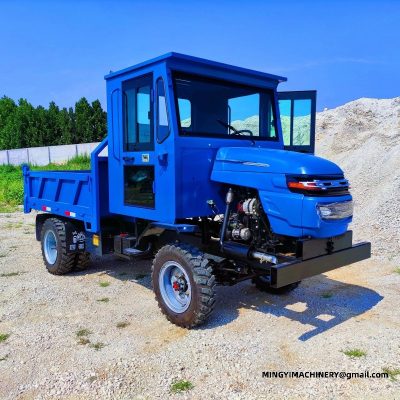
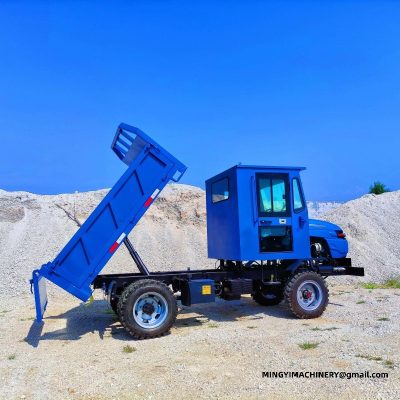
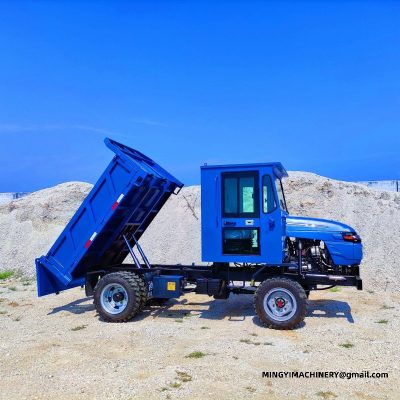
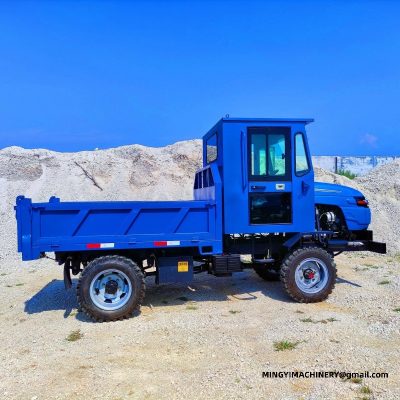
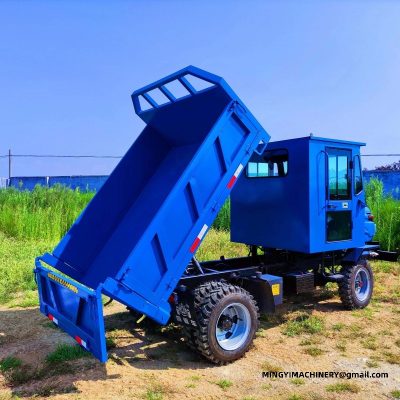
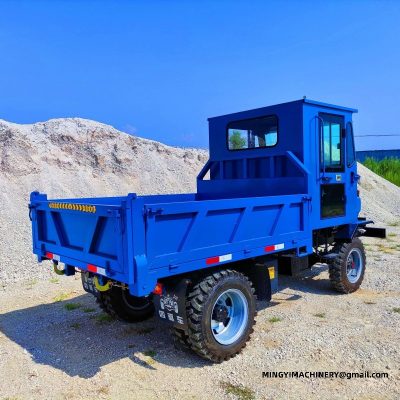
The output of a mine transport fleet is not set by the speed of its machines but by the share of the shift in which they are actually moving material. A machine that sits for a broken hose, a flat tyre or a missing driver loses the mine a full shift, and a fleet planned around that truth behaves very differently from one planned around a top speed. The four Mingyi builds on this page are the hardware half of that planning; the other half is how they are matched to shifts, maintained between them and measured. This section covers the logistics rather than the brochure numbers.
Availability, the fraction of planned hours a machine is actually fit to work, is the one figure a mine manager should know before any other. A machine that is ready ninety percent of the time delivers ninety percent of what was planned, and the difference between ninety and ninety-five percent is often an extra week of output over a year. Availability is not bought on the specification sheet; it is earned by choosing the right build for the shift, stocking the wear parts, and servicing on hours rather than on memory. A cheap-to-run machine that is never ready is more expensive in practice than a stronger one that shows up every shift.
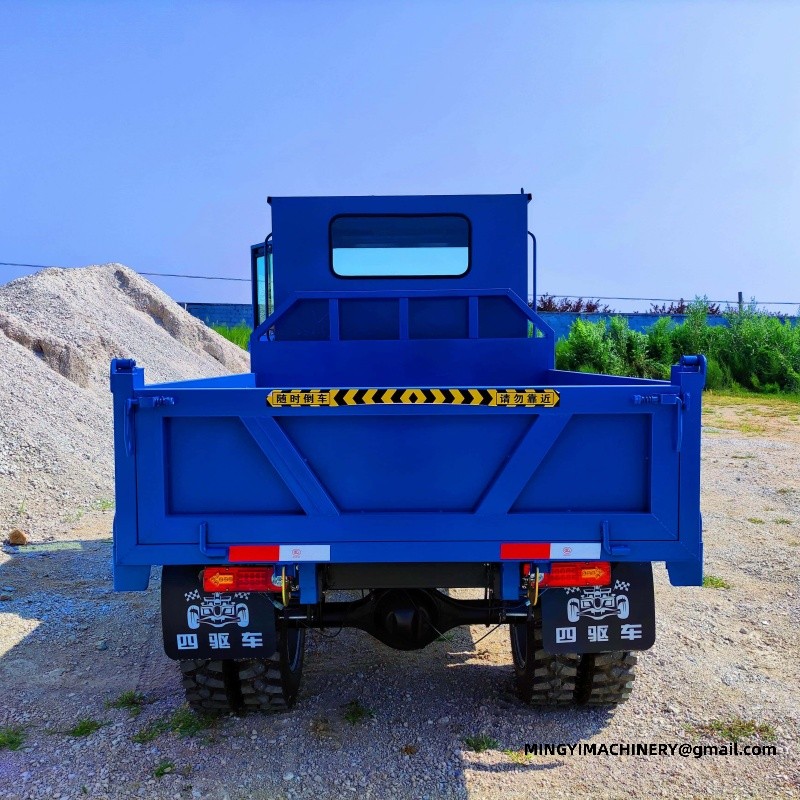
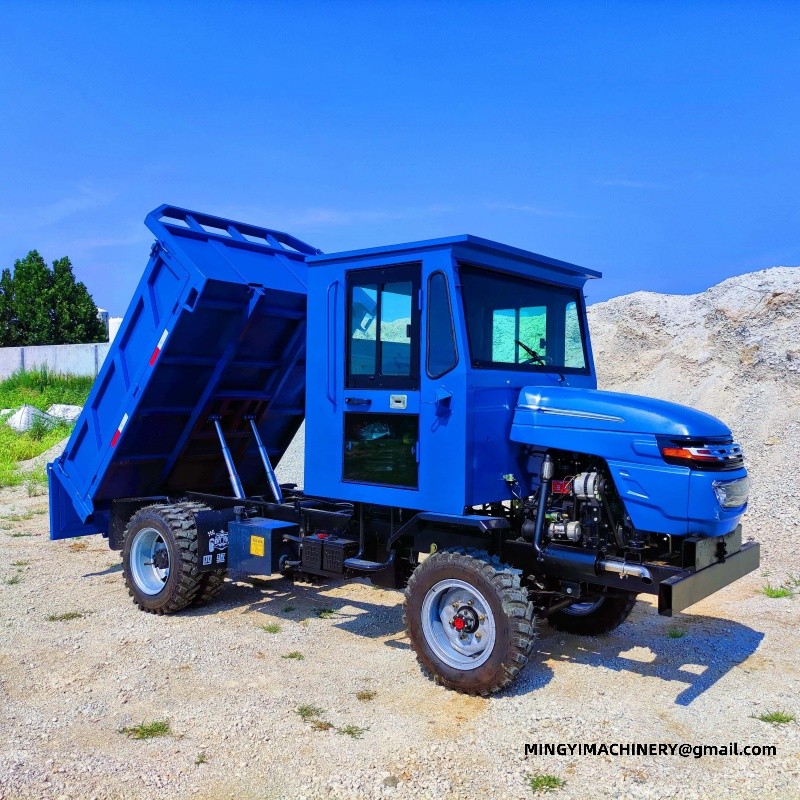
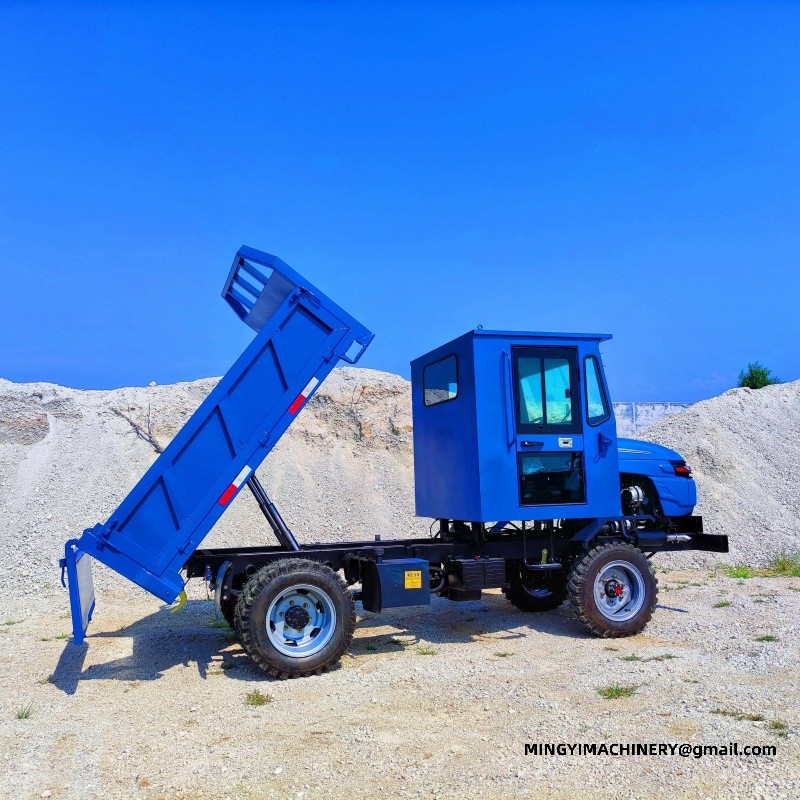
A haul cycle is made of small minutes, and the machine only controls some of them. Loading time belongs to the loader, travel time to the machine, tipping time to the body and the rams, and the turnaround to the road and the driver. The useful place to look for lost output is rarely the top speed; it is the turnaround and the tipping, where a body that sticks or a tailgate that jams can add minutes to every trip. The self-dumping tailgate on every build here shortens the tipping part of the cycle by starting the load moving as the body rises, and the twin rams bring an even, controlled lift. Those small savings compound over a shift.
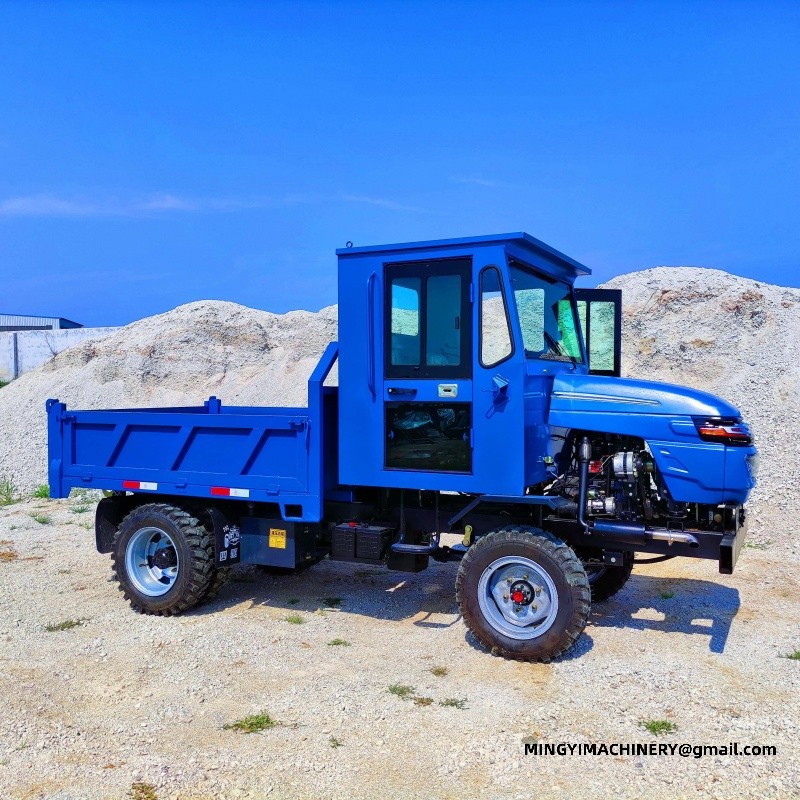
A shift has a shape, and a machine should be matched to that shape rather than bought as a general answer. An eight-hour shift with steady, light hauling asks for something different from a twelve-hour shift climbing out of a deep pit with full loads. The table separates the two cases cleanly: the single-cylinder 32 hp machines on the 10.Upgraded and the 9.Standard suit the shorter, lighter day, while the four-cylinder 4108 turbocharged engines on the 23.Upgraded and the 24.Luxury are built for the long, loaded shift. Choosing the wrong shape means a machine that is either working too hard or sitting half idle.
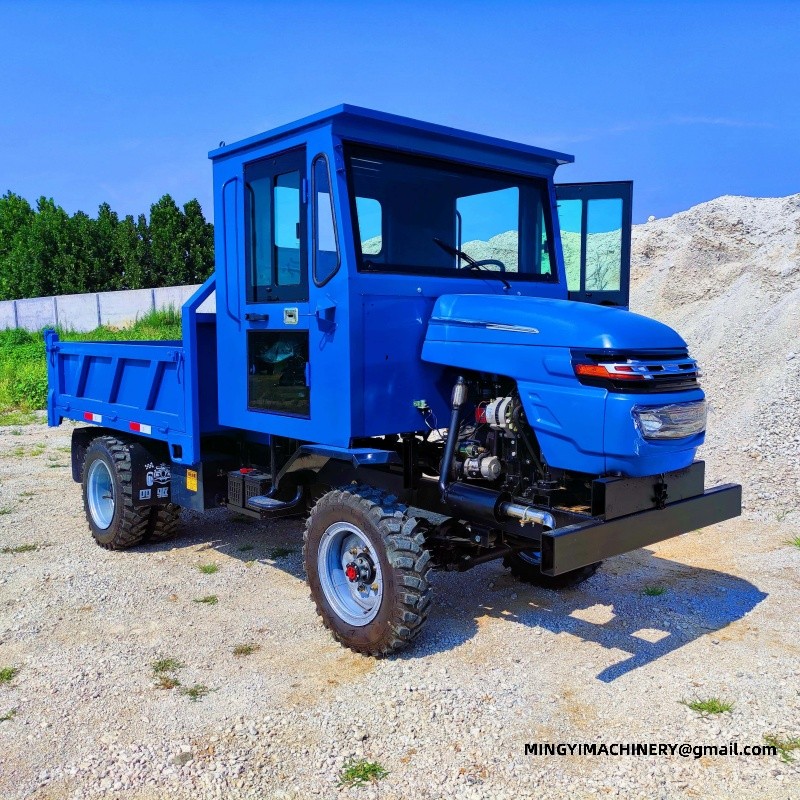
A haul road is a loop, and the loop's corners decide more than its straight sections. A machine that turns tightly without reversing keeps the loop moving; one that shunts and reverses at each end turns every trip into two. The four-wheel machines on the 10.Upgraded and the 9.Standard, on four 700-16 tyres, turn in a tighter space and suit a pit with narrow benches and short dumps. The six-tyre machines on the 23.Upgraded and the 24.Luxury carry more and want a wider, flatter turnaround. Lay the loop out on paper before the order, and the turning radius writes itself into the build.
Engine choice is a shift-length decision more than a power decision. A machine that runs four hours a day is not harmed by a single-cylinder engine, and it gains the simplicity of an engine that is easy to feed and easy to fix; a machine that runs ten hours under load needs the reserve of a four-cylinder. The 4108 turbocharged engines on the 23.Upgraded and the 24.Luxury are the ones for a mine that runs continuous hauling, where an engine working at the top of its range all day shortens its own life. The single-cylinder 32 hp units on the 10.Upgraded and the 9.Standard are the choice for intermittent work and for a mine where the machine is one of several.
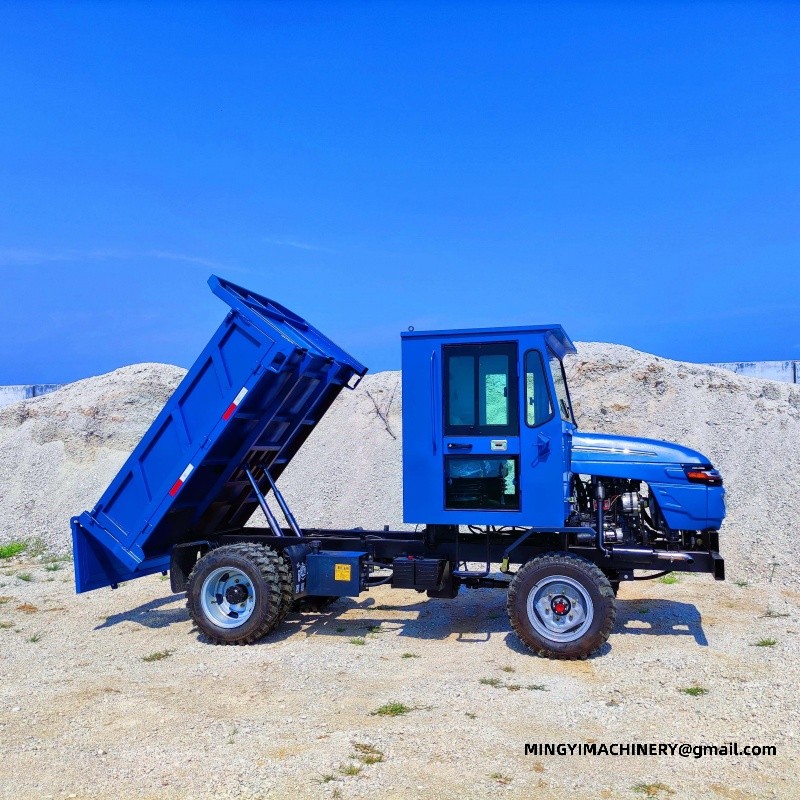
The road a shift travels decides whether four-wheel drive is wanted all day or only in places. The 10.Upgraded and the 9.Standard are full-time four-wheel drive, which keeps pull at both ends and suits a floor that is soft or loose from the first metre of the shift. The 23.Upgraded and the 24.Luxury use part-time selectable boxes, the Model 140 and the Model 145, so the driver runs the firm road in two-wheel drive and engages the front axle at the face. On a mine with a long graded haul and a rough loading area, the selectable box saves the front driveline from running all day for only a few hundred metres of bad ground.
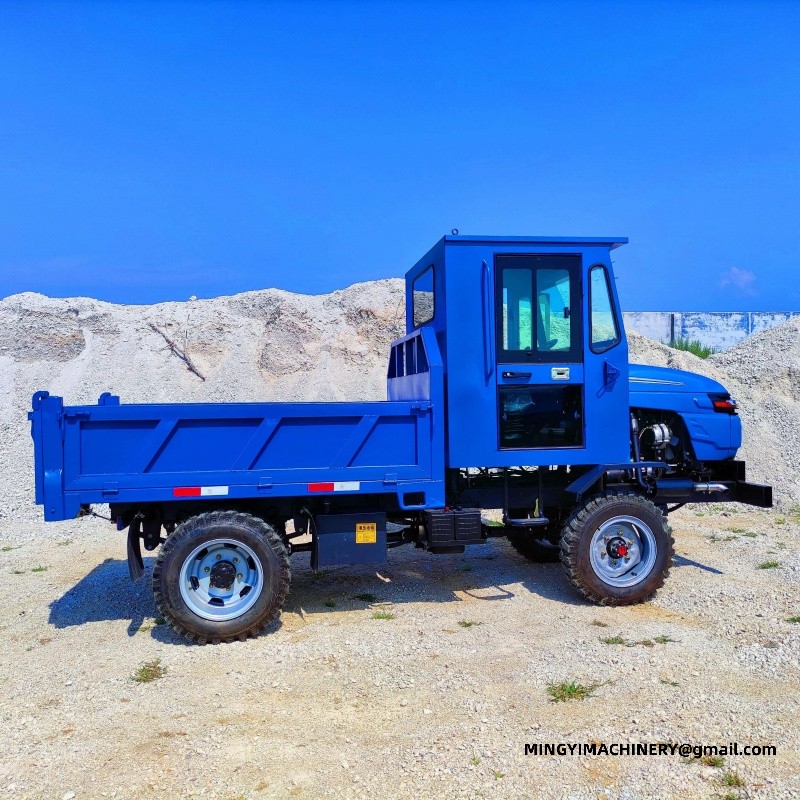
Body size sets the number of trips a shift needs, and the number of trips sets everything else. The 2.2 m by 1.5 m body on the 10.Upgraded and the 9.Standard moves less per trip and turns faster, which suits a short haul where the loader and the dumper can trade loads quickly. The 3.0 m by 2.2 m body on the 23.Upgraded and the 24.Luxury moves more per trip and wins where the haul is long and every trip is earned. A mine that counts its shift in trips rather than in tonnes should start from the body size and work outward, because the body is the part of the spec that sets the rhythm.
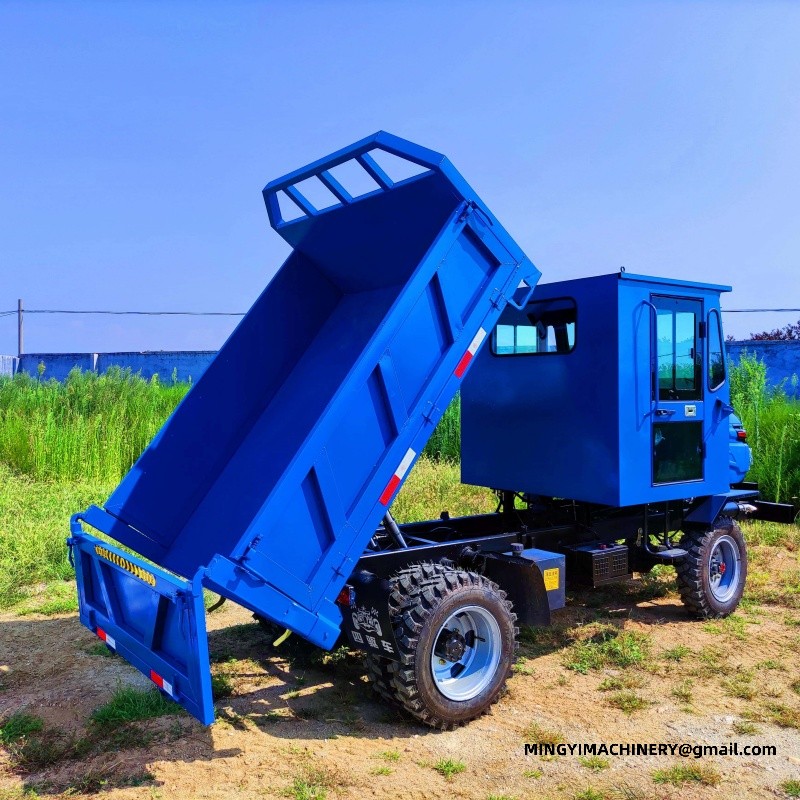
A driver who is comfortable and dry drives the whole shift; one who is baked, soaked or bounced starts losing minutes to every stop. The fully enclosed cab on the 10.Upgraded and the 24.Luxury keeps out dust, rain and noise, and the two-person comfort seat on every build holds the driver in place over rough ground. The simple cab on the 23.Upgraded and the 9.Standard is the honest choice for a short or mild shift, but a mine running long, dusty shifts should treat the cab as part of the output calculation, because a driver's fatigue is measured in the same minutes as the haul cycle.
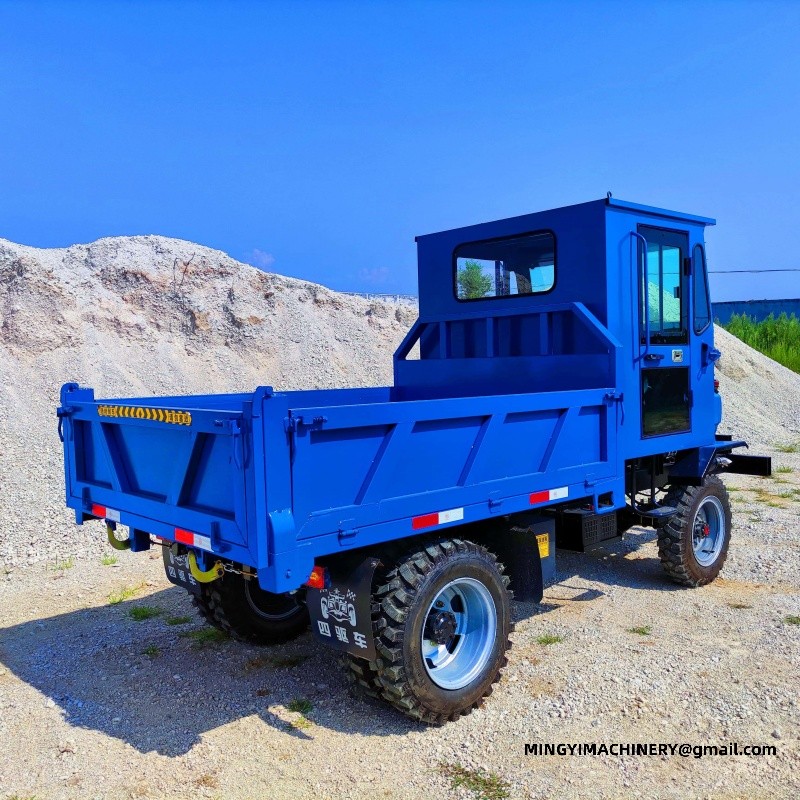
Every minute a machine is down is a minute the shift does not get back, and most downtime comes from a short list of parts rather than from anything exotic. Hoses, filters, a tyre, a brake lining and the bushes on the body and ram mountings are the usual culprits, and all of them are cheap to keep on the shelf and ruinous to order in a hurry. The air cut-off brakes on the 23.Upgraded and the 24.Luxury and the oil brakes on the other two each have their own spares, and a mine should stock the set that matches its fleet. The machines that stay available are the ones whose wear parts were waiting before the breakdown.
A shift that starts without fuel, clean oil or topped-up fluids has already given away its first minutes. The running stock a mine keeps is part of the fleet plan: fuel for the day, engine oil and filters on the shelf, hydraulic oil for the tipping circuit, and coolant for the engine. The four-cylinder 4108 turbocharged machines on the 23.Upgraded and the 24.Luxury drink more across a long shift than the single-cylinder 32 hp units, and a mine should size its daily fuel and oil stock against the fleet it actually runs rather than against a single machine. Running out mid-shift is the most avoidable stop of all.
The best mines service their machines in the gap between shifts, not during one. A daily check at the start of the shift, a weekly greasing on the same day each week, and the hour-based services scheduled for a day when the machine would otherwise rest are what keep a fleet available. The hydraulic rams, the tailgate and the leaf springs all take their greasing and their inspection at a fixed time, and the driver's walk-around is the front line of it. A mine that builds these windows into its roster, rather than hoping the machines will hold, is the mine whose fleet shows up for every shift.
A machine changes drivers at the shift change, and the handover is where small faults either get caught or get lost. A driver who finishes a shift should be able to hand over three things: anything the machine did differently today, anything the walk-around found, and whether the body or the tailgate needs a look. The two-person cab means a trainer or a relief driver can ride along, which is how a mine passes the habits of a good run on to the next pair of hands. A roster that builds in a five-minute handover keeps the machine's condition travelling with it instead of resetting at every shift.
A mine rarely runs one machine for long, and the table is best read as the parts of a fleet rather than a single purchase. The 9.Standard and the 10.Upgraded are the light, nimble machines for the short haul and the tight corner; the 23.Upgraded and the 24.Luxury are the long-haul loaders that keep the pit fed. A mixed fleet lets a mine put the right machine on the right loop instead of forcing one build to do everything. Standardising the driveline across the fleet, one engine family and one axle pattern, keeps the parts shelf small and the mechanics familiar with every machine on the roster.
The only measure that matters is the one the mine writes down, and it should be recorded in trips, not in impressions. Count the loads moved per shift, the hours the machine was available against the hours it was planned, and the time lost to each stop, with the reason written beside it. Over a month those numbers show exactly where the minutes are going, and they turn a vague feeling that a machine is working hard into a decision about which build, which road or which part is the bottleneck. A mine that measures its transport this way spends its next order on the thing that actually improves.
The four columns map onto shift patterns more cleanly than they map onto brands. A short, light shift on tight ground points to the 9.Standard or the 10.Upgraded, with their four 700-16 tyres and single-cylinder engines; a long, heavy shift on a graded haul points to the 23.Upgraded, and the same shift with a driver who needs the enclosed cab and the side-opening tailgate with cab ladder points to the 24.Luxury. Read the shift first, then the road, then the column, and the machine that arrives will fit the roster it was bought to fill rather than sit awkwardly inside it.
| # | 10.Upgraded | 23.Upgraded | 24.Luxury | 9.Standard |
|---|---|---|---|---|
| 1 | Single-cylinder diesel engine, 32 hp | Four-cylinder 4108 turbocharged diesel engine | Four-cylinder 4108 turbocharged diesel engine | Single-cylinder diesel engine, 32 hp |
| 2 | Full-time gearbox with four-wheel drive | Model 140 part-time gearbox, selectable 2WD/4WD | Model 145 part-time gearbox, selectable 2WD/4WD | Full-time gearbox with four-wheel drive |
| 3 | High/low range with crawler gear | High/low range with crawler gear | High/low range with crawler gear | High/low range with crawler gear |
| 4 | Front axle clutch | Simple cab | Fully enclosed cab | Simple cab |
| 5 | Fully enclosed cab | Six 825R16 steel-belted radial tyres | Six 825R16 steel-belted radial tyres | Oil brakes |
| 6 | Oil brakes | Reinforced ISUZU-pattern front axle | Reinforced ISUZU-pattern front axle | Four 700-16 mountain tyres |
| 7 | Four 700-16 mountain tyres | Reinforced 1080 rear axle | Reinforced 1080 rear axle | Front axle 212 |
| 8 | Front axle 212 | Air cut-off brakes | Air cut-off brakes | Rear axle 130 |
| 9 | Rear axle 130 | Reinforced 80 x 180 mm square tube frame | Reinforced 80 x 180 mm square tube frame | Reinforced 60 x 140 mm square tube frame |
| 10 | Reinforced 60 x 140 mm square tube frame | Rear body 3.0 m long x 2.2 m wide x 0.45 m high | Rear body 3.0 m long x 2.2 m wide x 0.45 m high | Rear body 2.2 m long x 1.5 m wide x 0.45 m high |
| 11 | Rear body 2.2 m long x 1.5 m wide x 0.45 m high | Tailgate with self-dumping function | Tailgate with self-dumping function | Tailgate with self-dumping function |
| 12 | Tailgate with self-dumping function | Hydraulic power steering | Side-opening rear body tailgate with cab ladder | Hydraulic power steering |
| 13 | Hydraulic power steering | Twin hydraulic rams | Hydraulic power steering | Twin hydraulic rams |
| 14 | Twin hydraulic rams | Two-person comfort seat | Twin hydraulic rams | Two-person comfort seat |
| 15 | Two-person comfort seat | Heavy-duty leaf springs | Two-person comfort seat | Twin-battery electric start |
| 16 | Twin-battery electric start | Twin-battery electric start | Heavy-duty leaf springs | Square-nose bonnet |
| 17 | Square-nose bonnet | Square-nose bonnet | Twin-battery electric start | — |
| 18 | — | — | Square-nose bonnet | — |
For a specification discussion or a build sheet for this mining transport vehicle, contact mingyimachinery@gmail.com or reach us on LINE (ID: mingyicn).









