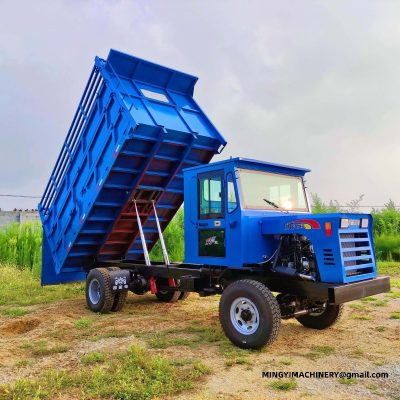
The dumper is a working machine, and the useful questions are the unglamorous ones. How long does it run between services, what does it need from the operator, how is it moved and what happens when a part is needed. Those are answered below in that order.
Hour planning helps at resale as well. This class of machine with a recorded service history and a sensible hour count is easier to sell than one with the same hours and no records, whatever its condition.
The base machine is only as useful as the tool on the end of it. Matching the attachment to the task - rather than to what arrived with the machine - is what lets one the unit in daily use cover several jobs across a week. Attachment decisions are best made before delivery. Specifying hydraulics and couplers at build time is simpler than adding them later, and it avoids the downtime of a workshop visit in the first month.
Descending matters as much as climbing. A loaded a machine of this size on a steep gradient needs engine braking and brakes in good order, and the safe practice is to plan the descent before the load rather than during it.
Stability governs what the crane can do. Outriggers, ground condition and load radius decide the safe figure on the equipment on site, and those are checked before the lift rather than discovered during it. Adding a crane changes the vehicle specification. Hydraulic capacity, frame strength and braking all need to suit the attachment, and it is simpler to specify them at build than to add them later.
Access tracks in forestry are narrow, soft and often steep. The machine itself chosen for that work is chosen for the track, and the body, cab and tyre specification follow from the route rather than from the load alone.
Machine output varies more between operators than between brands. Smooth, planned movements put less load on the structure and use less fuel, and that difference is visible on the hour meter and in the service bills for the model in question. Familiarisation should cover the limits as well as the controls. Knowing where the machine in that duty loses stability, how it behaves at full reach, and what the warning lights mean prevents the incidents that are put down to bad luck. A short handover pays for itself. Operators who understand why the unit on the job is set up the way it is will report a change in behaviour early, which is usually the point where a repair is simplest.
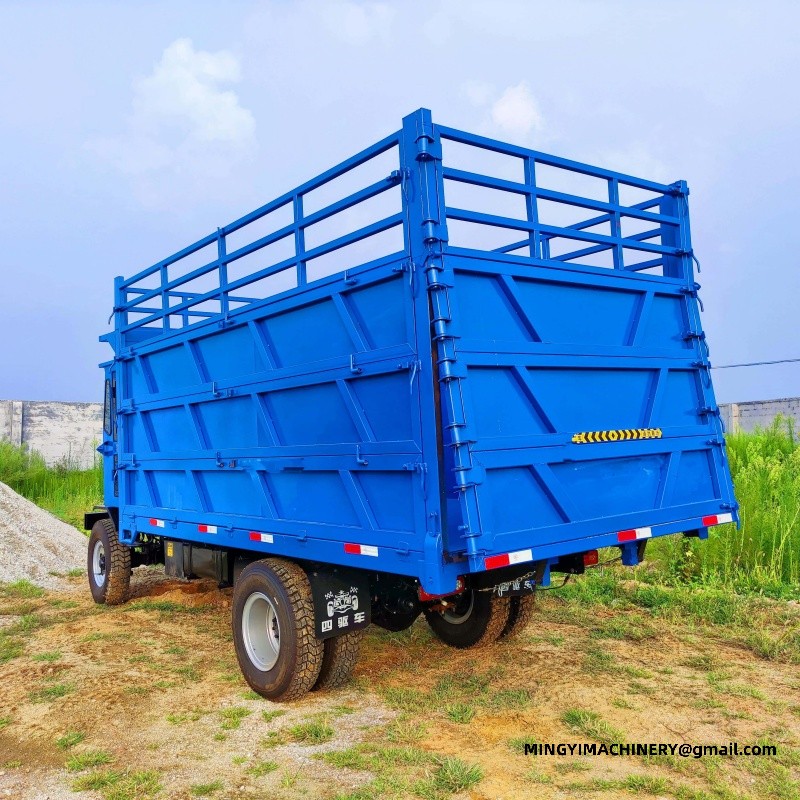
The specification should be written from the job backwards. Listing the loads, the ground and the hours first, then matching the equipment in service to that list, avoids buying capacity the work never uses and avoids discovering a shortfall in the first week. Buyers who specify the dumper on paper before enquiring get specifications that can be compared. Without that list, two suppliers will propose two different machines and the simpler one is usually the smaller one, not the better value. A written duty list is the simplest part of the purchase. It takes an hour to note the material, the distance, the gradient and the hours per week, and it is what turns a machine built for the work enquiry into a machine that fits.
A short familiarisation session prevents the early faults. Most first-month problems on this class of machine come from unfamiliarity with controls, limits or checks rather than from the machine itself.
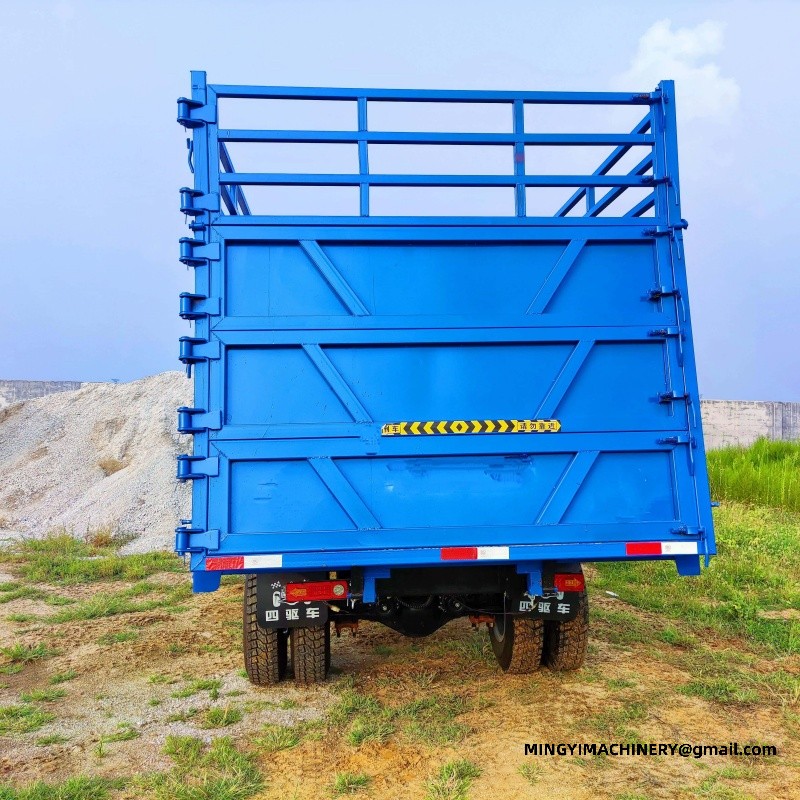
Owners who work across several sites should check the transport dimensions before ordering. A machine of this size that fits a standard trailer can be moved by any operator with a suitable vehicle, while an over-width machine narrows that choice and complicates every move.
Export orders add steps that domestic buyers never see. Packed dimensions, securing points, documentation and any dismantling required are all settled before the machine itself leaves the factory, and each one affects the freight booking. Documentation should be agreed at order stage. The commercial invoice, packing list and any certificate required at destination are part of shipping the model in question, and missing papers delay clearance longer than the voyage takes.
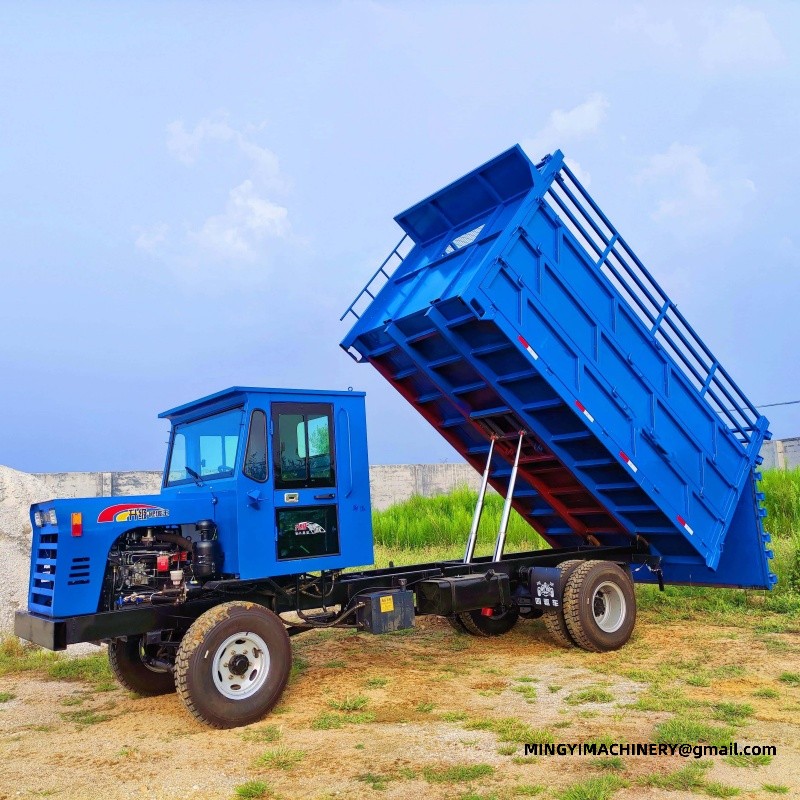
Four-wheel drive is only part of soft ground capability. Tyre choice, ground clearance and weight distribution decide whether the unit on the job keeps moving in a paddy field or a marsh, and all three are specified rather than assumed. Soft ground punishes the wrong tyre. Mountain pattern tyres on a machine built for the work clear mud that a road pattern would pack with, and the difference is measured in whether the machine finishes the day. Recovering a stuck vehicle takes longer than preventing it. Planning the route, avoiding the worst ground and knowing where the equipment in service will turn is what keeps a soft-ground job productive.
Customisation should still be limited to what the work needs. Each addition to this class of machine is another item to maintain, so the useful question is not what can be added but what the job list actually requires.
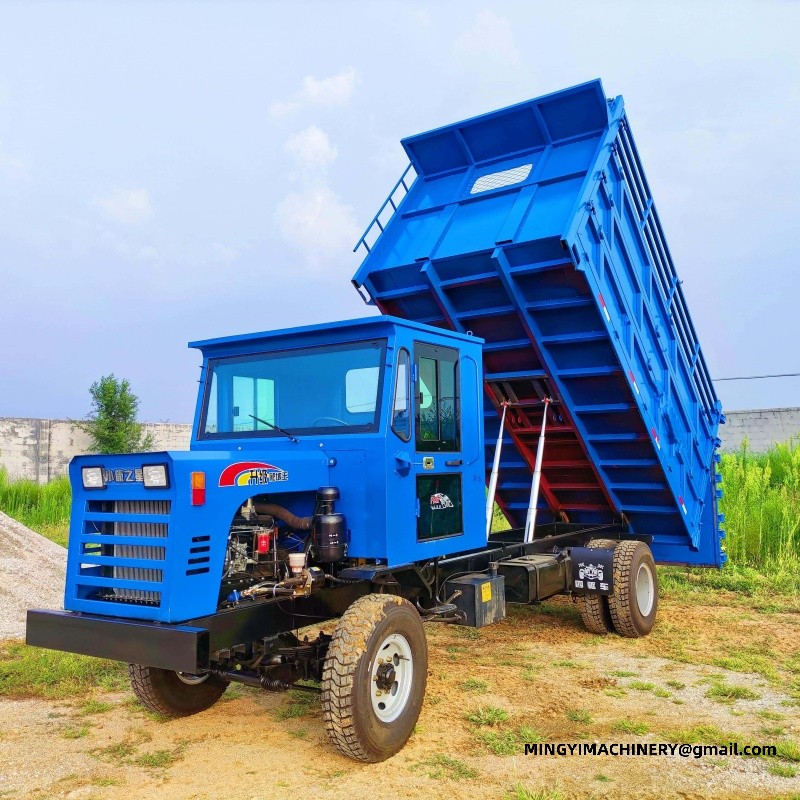
Machine productivity depends on what happens around it. Deliveries, other trades and the sequence of work decide how much of the shift a machine of this size spends actually working rather than waiting. Access and storage are worth settling early. Where the equipment on site will be parked, refuelled and serviced on site affects the working day more than most specification details, and it takes nothing to plan.
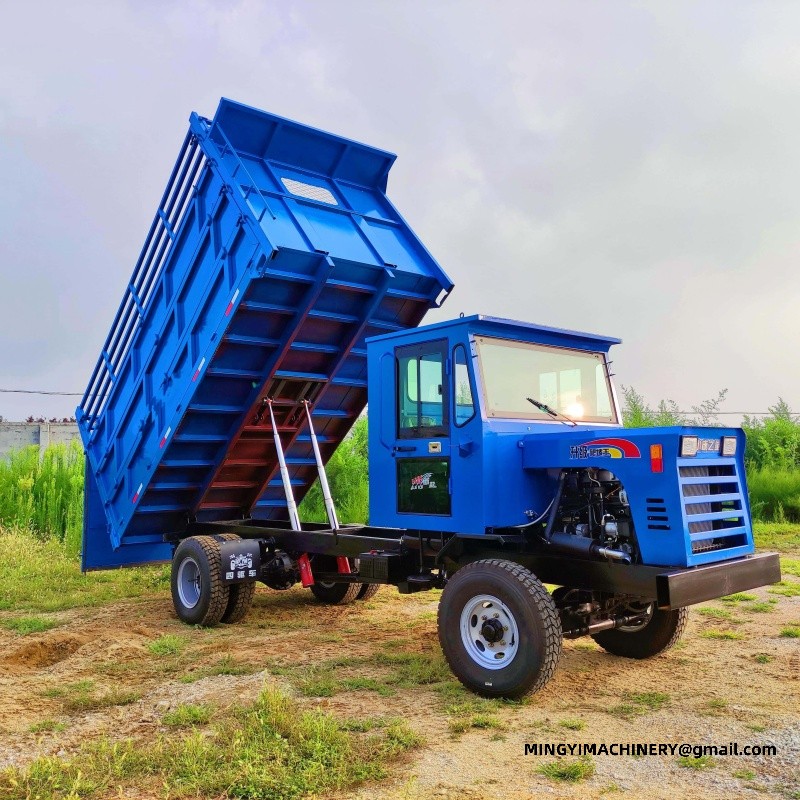
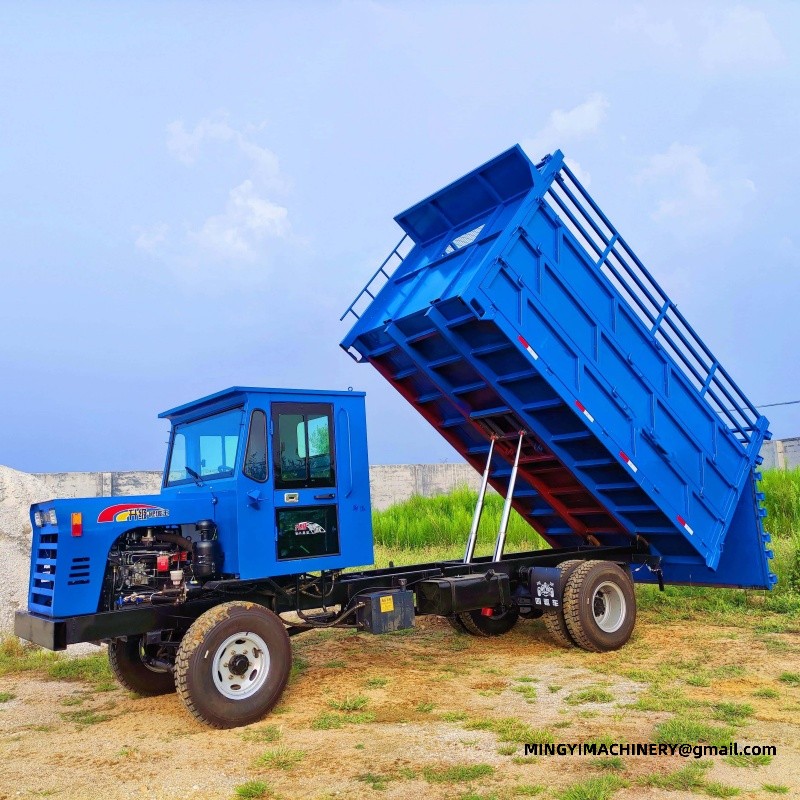
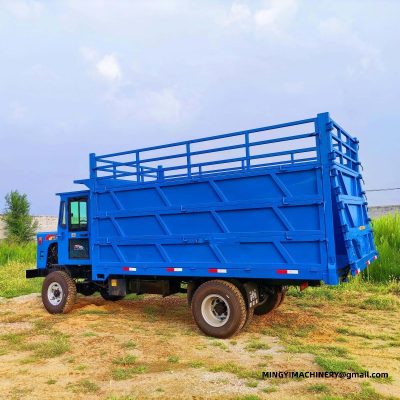
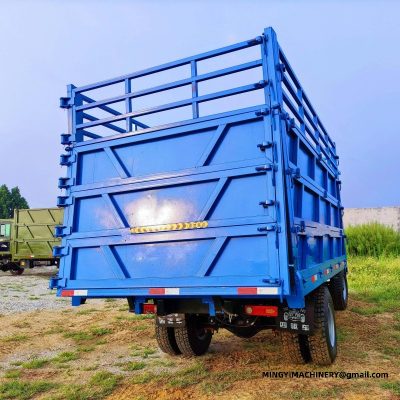
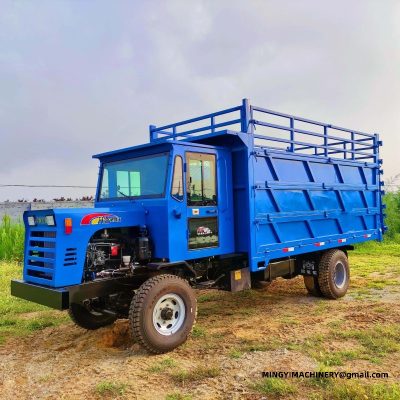
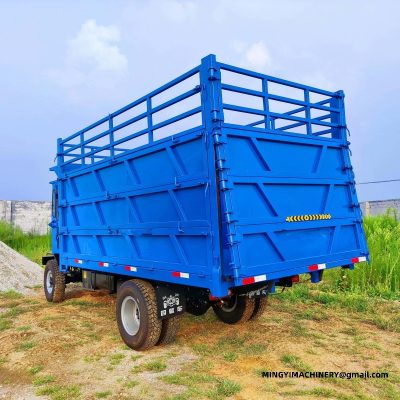
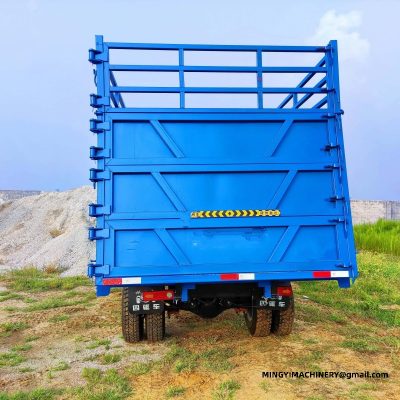
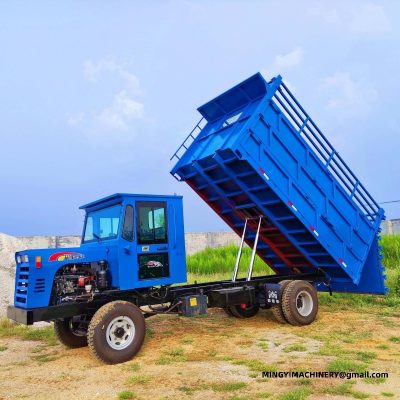
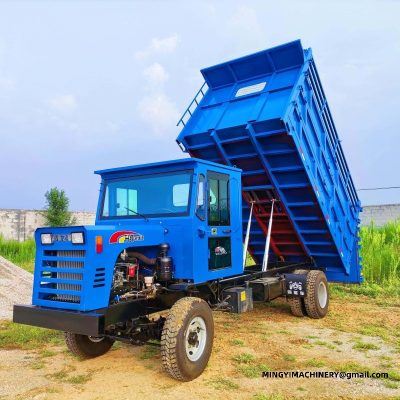
The configurations below are the build sheets most often matched to the model in question. Engine, gearbox, axles, frame and body dimensions are confirmed together, because the body size and the axle rating have to suit the load before the engine rating matters.
| # | 14.Luxury | 21.Upgraded | 22.Luxury | 9.Standard |
|---|---|---|---|---|
| 1 | Two-cylinder diesel engine, 38 hp | Four-cylinder 4105 turbocharged diesel engine | Four-cylinder 4105 turbocharged diesel engine | Single-cylinder diesel engine, 32 hp |
| 2 | Part-time gearbox, selectable 2WD/4WD | Model 140 part-time gearbox with four-wheel drive | Model 145 part-time gearbox with four-wheel drive | Full-time gearbox with four-wheel drive |
| 3 | High/low range with crawler gear | High/low range with crawler gear | High/low range with crawler gear | High/low range with crawler gear |
| 4 | Enclosed cab | Simple cab | Fully enclosed cab | Simple cab |
| 5 | Six 700-16 mountain tyres | Six 825R16 steel-belted radial tyres | Six 825R16 steel-belted radial tyres | Oil brakes |
| 6 | Model 212 front axle | Reinforced ISUZU-pattern front axle | Reinforced ISUZU-pattern front axle | Four 700-16 mountain tyres |
| 7 | Reinforced 130 rear axle | Reinforced 1080 rear axle with air cut-off brake | Reinforced 1080 rear axle | Front axle 212 |
| 8 | Air cut-off brakes | Air cut-off brakes | Air cut-off brakes | Rear axle 130 |
| 9 | Reinforced 60 x 140 mm square tube frame | Reinforced 80 x 180 mm square tube frame | Reinforced 80 x 180 mm square tube frame | Reinforced 60 x 140 mm square tube frame |
| 10 | Rear body 2.2 m long x 1.5 m wide x 0.45 m high | Rear body 3.0 m long x 2.2 m wide x 0.45 m high | Rear body 3.0 m long x 2.2 m wide x 0.45 m high | Rear body 2.2 m long x 1.5 m wide x 0.45 m high |
| 11 | Tailgate with self-dumping function | Tailgate with self-dumping function | Tailgate with self-dumping function | Tailgate with self-dumping function |
| 12 | Side-opening rear body tailgate | Hydraulic power steering | Side-opening rear body tailgate with cab ladder | Hydraulic power steering |
| 13 | Hydraulic power steering | Twin hydraulic rams | Hydraulic power steering | Twin hydraulic rams |
| 14 | Twin hydraulic rams | Two-person comfort seat | Twin hydraulic rams | Two-person comfort seat |
| 15 | Heavy-duty leaf springs | Heavy-duty leaf springs | Two-person comfort seat | Twin-battery electric start |
| 16 | Two-person comfort seat | Twin-battery electric start | Heavy-duty leaf springs | Square-nose bonnet |
| 17 | Twin-battery electric start | Square-nose bonnet | Twin-battery electric start | — |
| 18 | Round-nose bonnet | — | Square-nose bonnet | — |
Container loading is a planning exercise. The overall dimensions and the operating weight of the unit on the job decide whether it ships whole, partly disassembled or with the attachment removed, and that decision is made before the booking.
Humidity attacks the parts that are not used. Storage in a damp climate means the equipment in service needs the exposed metal protected and the machine run regularly, because standing still does more damage than working.
Machines rarely fail without warning. A change in sound, a slower function or a new leak on this class of machine is the machine saying something early, and listening then takes a fraction of the time that waiting does.
A spares list should follow the duty cycle. A machine of this size working every day in abrasive dust consumes filters and cutting edges far faster than the same machine used once a week, and the shelf should be stocked for the harder case.
Fluid quality is a storage problem before it is a machine problem. Water and sediment in a drum will find the injection system of the machine itself eventually, and a settling period is nothing compared with a pump.
Familiarisation is not the same as reading the manual. Sitting on the machine in that duty, working through the controls at low speed and learning where the machine balances takes an hour, and that hour is what keeps the first week uneventful.
An added function should pay for itself quickly. Whether a machine built for the work gains a different bucket, a hydraulic service or a protection package, the test is the number of days a year it is actually used.
Downtime is simplest when it is planned. Booking the service for the dumper in the quiet part of the season takes nothing from the schedule, while the same work in the busy weeks gives up a day of output every time.
Every line above is a build item rather than an optional extra, and the final sheet for this class of machine is confirmed against the destination, the ground and the load before production.
E-mail:sales@mingycn.com
LINE(ID):mingyicn









