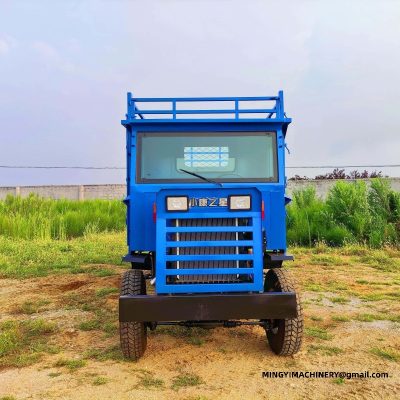
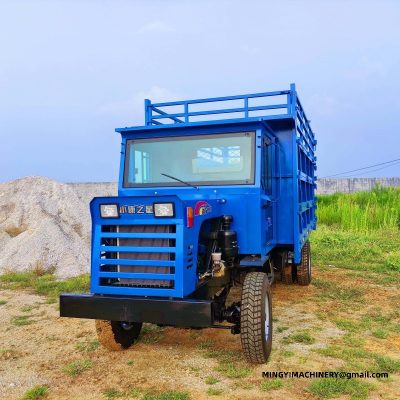
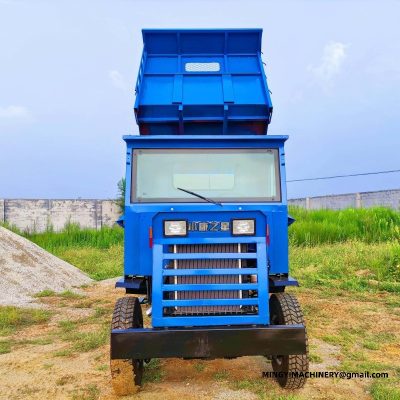
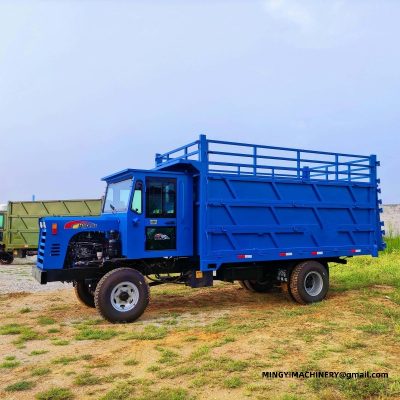
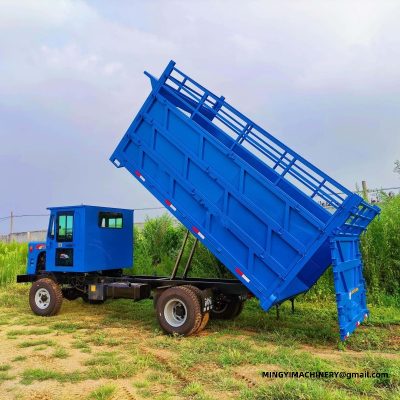
Reading about the dumper is easier when the page follows the life of the machine. What follows moves from selection through delivery, first weeks of work, routine care and the point at which the unit is replaced or sold on.
Planning helps more than extra lamps. Positioning the class of machine so that the work is lit from the machine side, and keeping the route clear, does more for safety than adding light to a badly planned task.
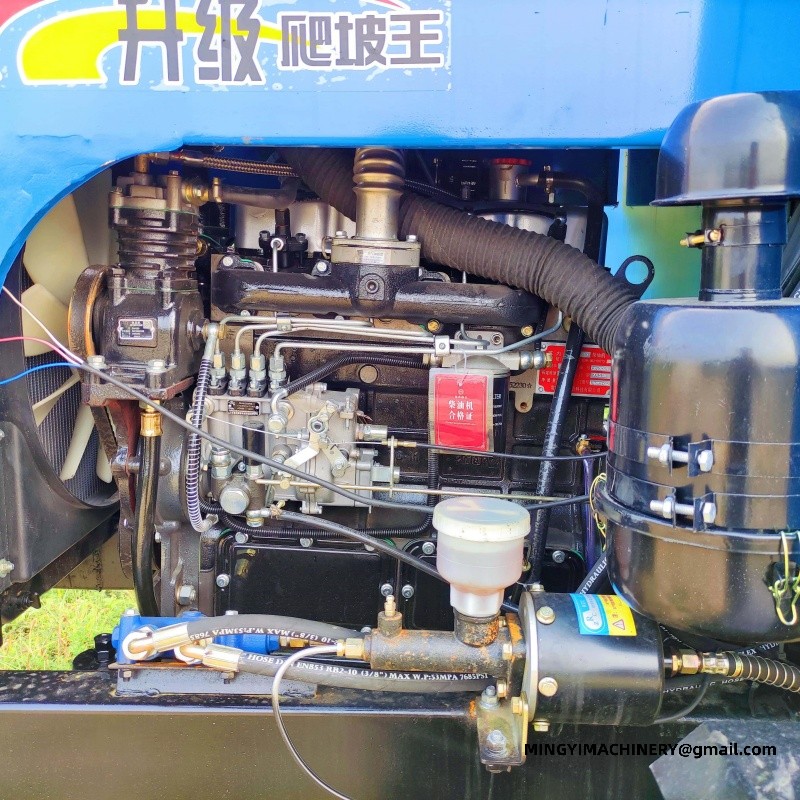
Shipping dimensions matter as much on export orders as they do locally. Confirming the packed size of the unit in daily use before booking avoids re-booking freight after the machine is built.
Descending matters as much as climbing. A loaded the equipment on site on a steep gradient needs engine braking and brakes in good order, and the safe practice is to plan the descent before the load rather than during it. Ground and gradient together set the limit. Loose surface on a slope reduces what a machine of this size can pull regardless of engine power, so the surface survey belongs before the specification.
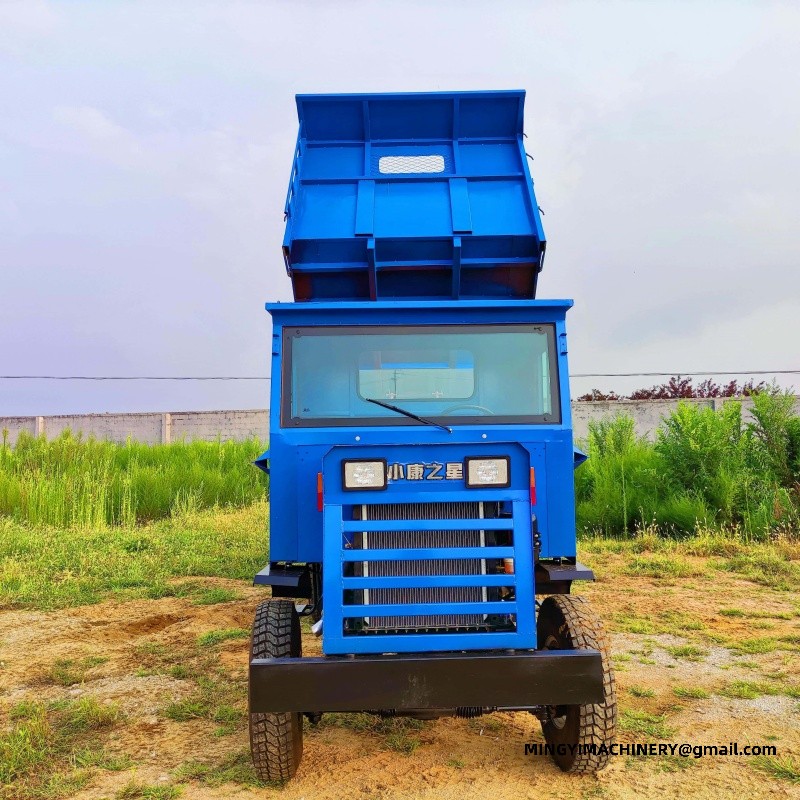
Keeping the manuals where they can be reached matters. The machine itself whose documents stay with the machine gets serviced on schedule; one whose paperwork was filed elsewhere tends to run on memory instead.
Resale starts at purchase. Specification choices, service records and the condition of wearing parts are what a buyer looks at, and the model in question that has been maintained on schedule is worth more than one that merely looks clean. Replacement timing is a planning decision. Knowing the intended working life of the machine in that duty lets an owner sell while the machine still has value rather than after a major repair becomes due. Records are part of the asset. Keeping the service history and the hour records with the unit on the job makes it easier to sell, easier to insure and easier to justify the replacement machine internally.
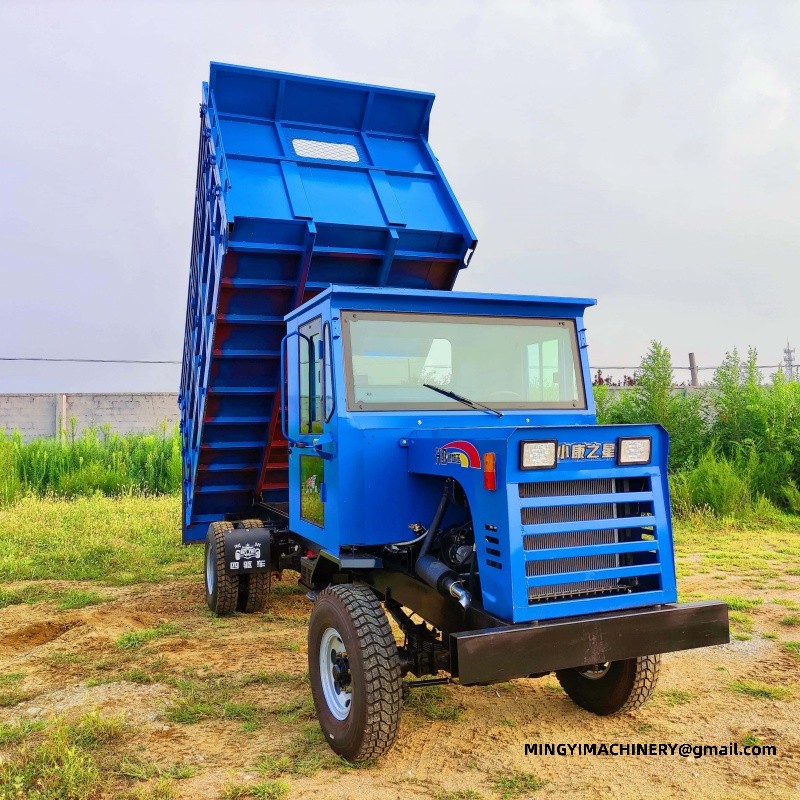
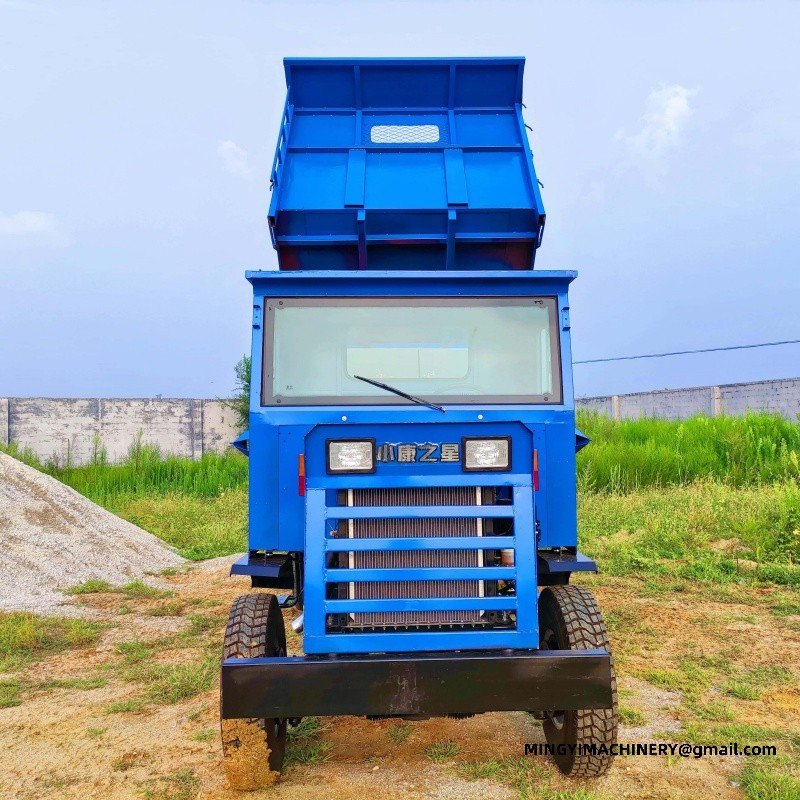
Unloading method should follow the material. Wet spoil, aggregate and green timber behave differently in the body, and matching the body and tailgate arrangement to the load is what keeps a machine built for the work cycling rather than being hand-cleared. Body size is a compromise with access. A larger body on the equipment in service carries more per trip but needs more room to turn and tip, so the useful question is how many trips the route allows rather than how much it holds.
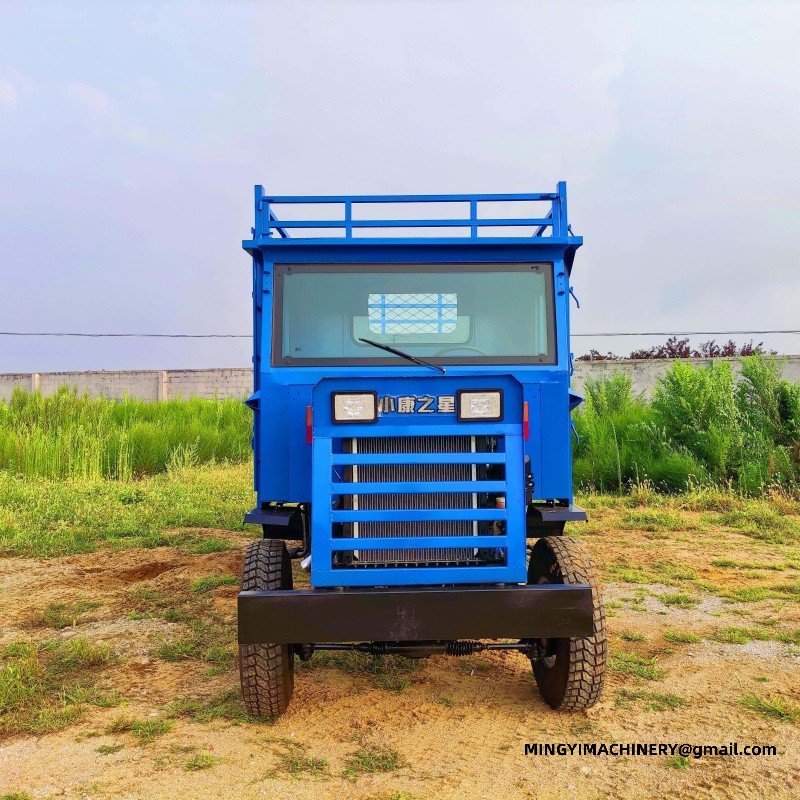
Fleet value comes from interchangeability. Operators who can step between machines without retraining, and a workshop that stocks one set of filters, keep utilisation higher than a fleet of individually optimised units.
Stability follows the load and its position. Knowing the rated capacity of the dumper at the working radius, rather than at its best case, is what keeps handling predictable and the machine upright.
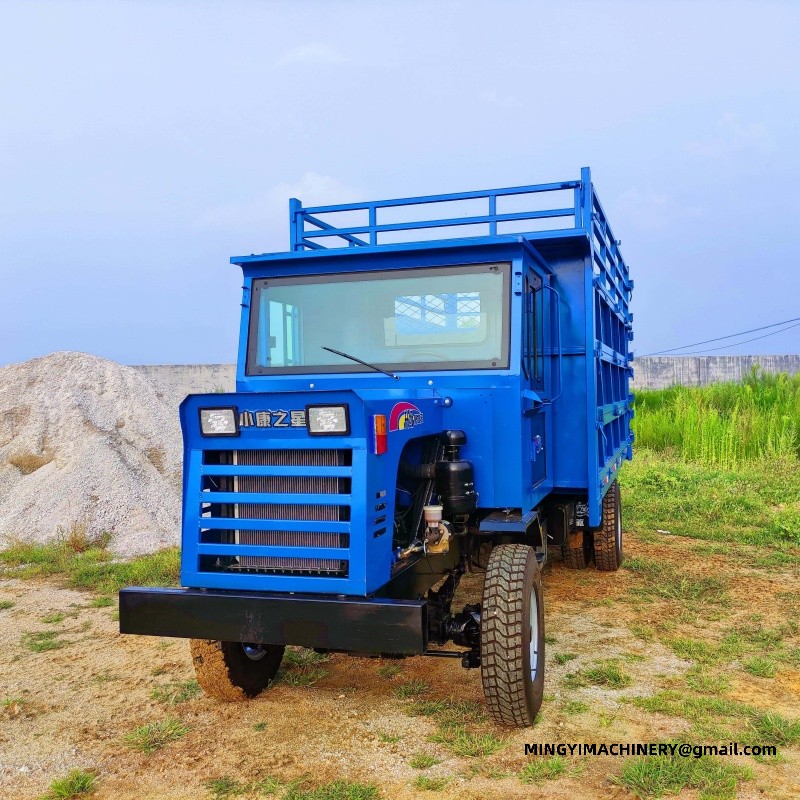
Quarry and tunnel work is hard on vehicles. Abrasive dust, sharp material and continuous loading mean the unit in daily use in this duty needs attention to filtration, body wear and brake condition far more often. Size matters underground. Overall height and width decide whether a machine of this size can work in a tunnel at all, and those dimensions are the first thing to confirm rather than the last.
Loading method affects the machine as much as the load does. Material dropped from height into the machine itself shocks the frame and the body floor, while material placed evenly spreads the load and extends body life.
Machine output varies more between operators than between brands. Smooth, planned movements put less load on the structure and use less fuel, and that difference is visible on the hour meter and in the service bills for the model in question. A short handover pays for itself. Operators who understand why the machine in that duty is set up the way it is will report a change in behaviour early, which is usually the point where a repair is simplest.
Fuel is usually the largest controllable running demand. Operating style, correct tyre or track condition and a clean air supply all move consumption on a machine built for the work by more than most buyers expect. Planning the work to reduce empty movement is free. Fewer repositioning cycles on the equipment in service means less fuel, less wear on the undercarriage or tyres and more of the shift spent on productive work.
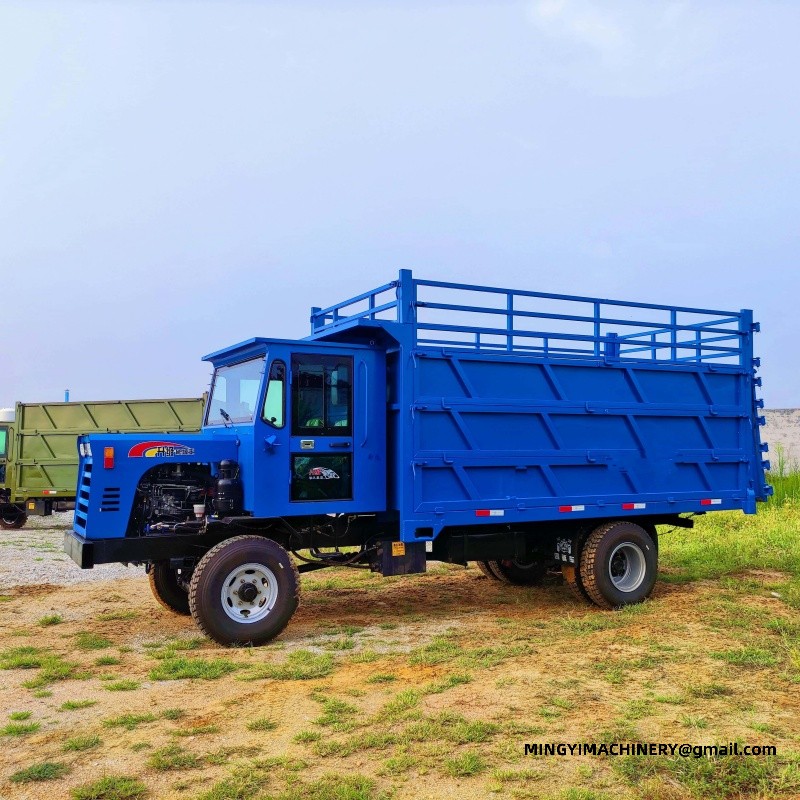
A crane or grab turns a haul vehicle into a loading machine. This class of machine fitted with a hydraulic crane loads itself, which removes a second machine from the job and is often the whole reason for specifying one. Adding a crane changes the vehicle specification. Hydraulic capacity, frame strength and braking all need to suit the attachment, and it is simpler to specify them at build than to add them later.
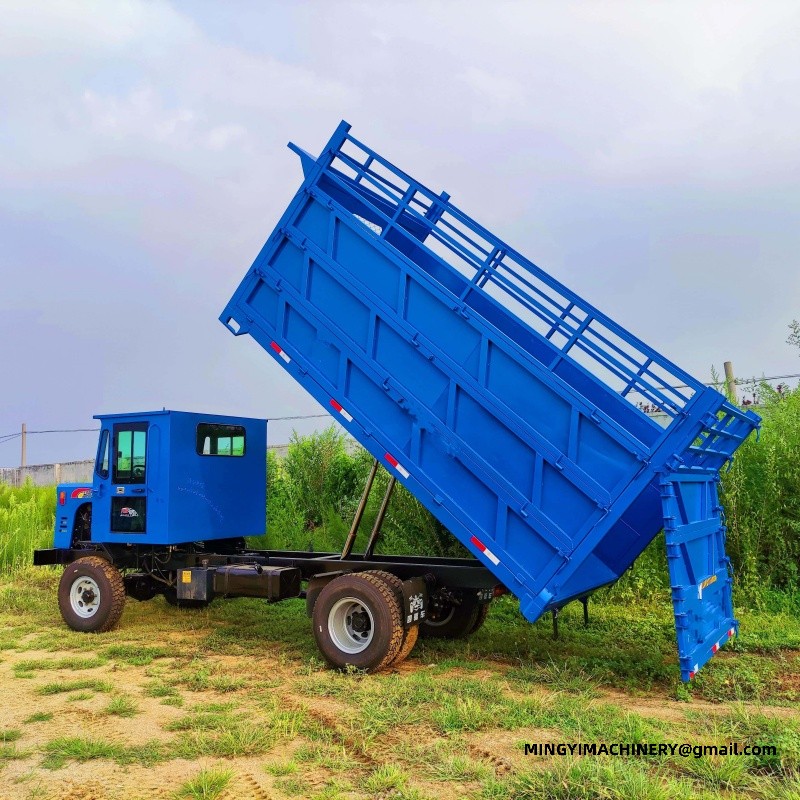
Certain parts are designed to be consumed. Knowing which items on a machine of this size are wearing parts, and roughly how long they last in the duty the machine sees, turns replacement into a plan rather than a breakdown. Wear rate follows conditions far more than hours. The equipment on site working on abrasive ground or in mud will consume undercarriage or tyre life much faster than the same machine on clean ground.
Farm work is seasonal and varied. The model in question that hauls feed in one month and muck or aggregate in the next earns its place by being usable across the year rather than by being optimised for one task. Ground on farms is often soft and often shared with livestock. The machine in that duty working there needs to cross pasture without rutting it badly, and tyre and weight choices follow from that. Farm users also value simplicity. The unit on the job that can be serviced in the yard with common tools and common parts suits a farm better than one that needs a dealer visit for routine work.
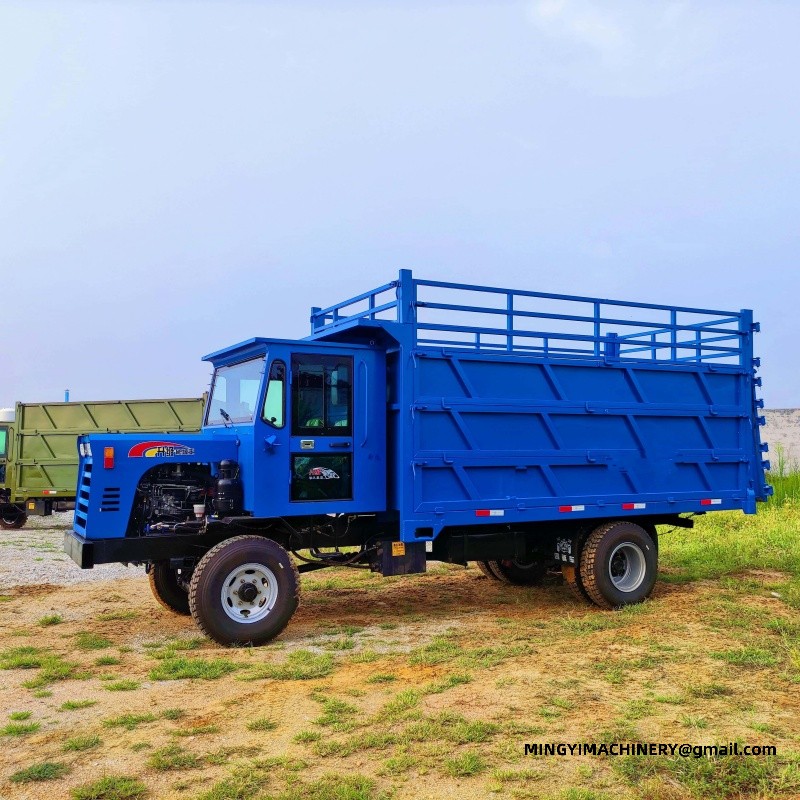
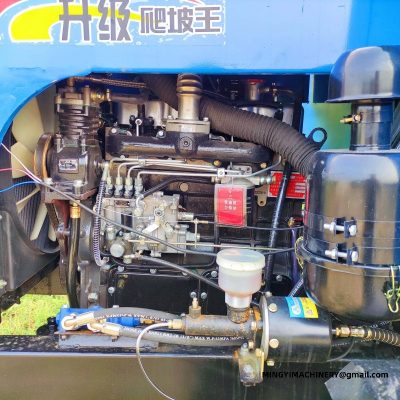
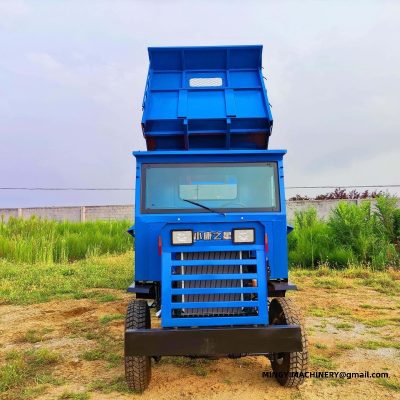
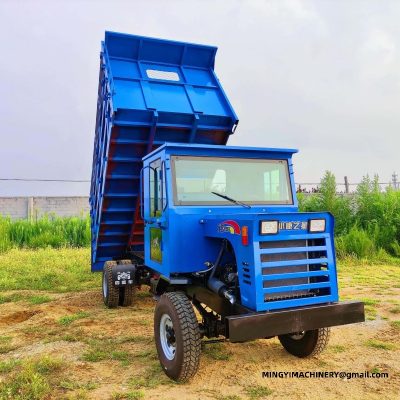
The configurations below are the build sheets most often matched to the equipment in service. Engine, gearbox, axles, frame and body dimensions are confirmed together, because the body size and the axle rating have to suit the load before the engine rating matters.
| # | 17.Luxury | 23.Upgraded | 3.Standard | 9.Standard |
|---|---|---|---|---|
| 1 | Four-cylinder 490 diesel engine | Four-cylinder 4108 turbocharged diesel engine | Single-cylinder diesel engine, 25 hp | Single-cylinder diesel engine, 32 hp |
| 2 | Part-time gearbox, selectable 2WD/4WD | Model 140 part-time gearbox, selectable 2WD/4WD | Full-time gearbox with four-wheel drive | Full-time gearbox with four-wheel drive |
| 3 | High/low range with crawler gear | High/low range with crawler gear | High/low range with crawler gear | High/low range with crawler gear |
| 4 | Fully enclosed cab | Simple cab | Simple cab | Simple cab |
| 5 | Six 700-16 mountain tyres | Six 825R16 steel-belted radial tyres | Oil brakes | Oil brakes |
| 6 | Reinforced 130 front axle | Reinforced ISUZU-pattern front axle | Four 700-16 mountain tyres | Four 700-16 mountain tyres |
| 7 | Reinforced ISUZU-pattern rear axle | Reinforced 1080 rear axle | Front axle 212 | Front axle 212 |
| 8 | Air cut-off brakes | Air cut-off brakes | Rear axle 130 | Rear axle 130 |
| 9 | Reinforced 60 x 140 mm square tube frame | Reinforced 80 x 180 mm square tube frame | Reinforced 60 x 140 mm square tube frame | Reinforced 60 x 140 mm square tube frame |
| 10 | Rear body 2.2 m long x 1.8 m wide x 0.45 m high | Rear body 3.0 m long x 2.2 m wide x 0.45 m high | Rear body 2.2 m long x 1.5 m wide x 0.45 m high | Rear body 2.2 m long x 1.5 m wide x 0.45 m high |
| 11 | Tailgate with self-dumping function | Tailgate with self-dumping function | Tailgate with self-dumping function | Tailgate with self-dumping function |
| 12 | Side-opening rear body tailgate | Hydraulic power steering | Hydraulic power steering | Hydraulic power steering |
| 13 | Hydraulic power steering | Twin hydraulic rams | Twin hydraulic rams | Twin hydraulic rams |
| 14 | Twin hydraulic rams | Two-person comfort seat | Two-person comfort seat | Two-person comfort seat |
| 15 | Two-person comfort seat | Heavy-duty leaf springs | Twin-battery electric start | Twin-battery electric start |
| 16 | Heavy-duty leaf springs | Twin-battery electric start | Square-nose bonnet | Square-nose bonnet |
| 17 | Twin-battery electric start | Square-nose bonnet | — | — |
| 18 | Round-nose bonnet | — | — | — |
Travel time is not working time, and it should be planned as its own item. The hours spent moving this class of machine between jobs are hours not worked, and a trailer that matches the machine reduces them every single trip.
Documentation should match the machine that was actually built. The sheet supplied with a machine of this size records the configuration as delivered, because the generic catalogue description is not what the customer needs when ordering a part.
The symptom is usually not at the fault. A hydraulic function that has become sluggish on the machine itself may point to a filter, a relief setting or a pump, and starting with the simple checks avoids the wrong guess.
Winter is hard on rubber and on seals as much as on the engine. Parking the machine in that duty under cover, keeping the tracks or tyres off standing water and checking the hoses for cracking are all part of the season.
Standing still is harder on a machine than working. Preparing a machine built for the work for a long idle period means clean fluids, a charged battery and protection for the exposed surfaces, because neglect is not the same as rest.
Different operators suit different work. The person who is quickest with the dumper on open ground is not always the one who is safest in a confined space, and having both available is a genuine advantage.
Every line above is a build item rather than an optional extra, and the final sheet for this class of machine is confirmed against the destination, the ground and the load before production.
E-mail:sales@mingycn.com
LINE(ID):mingyicn









