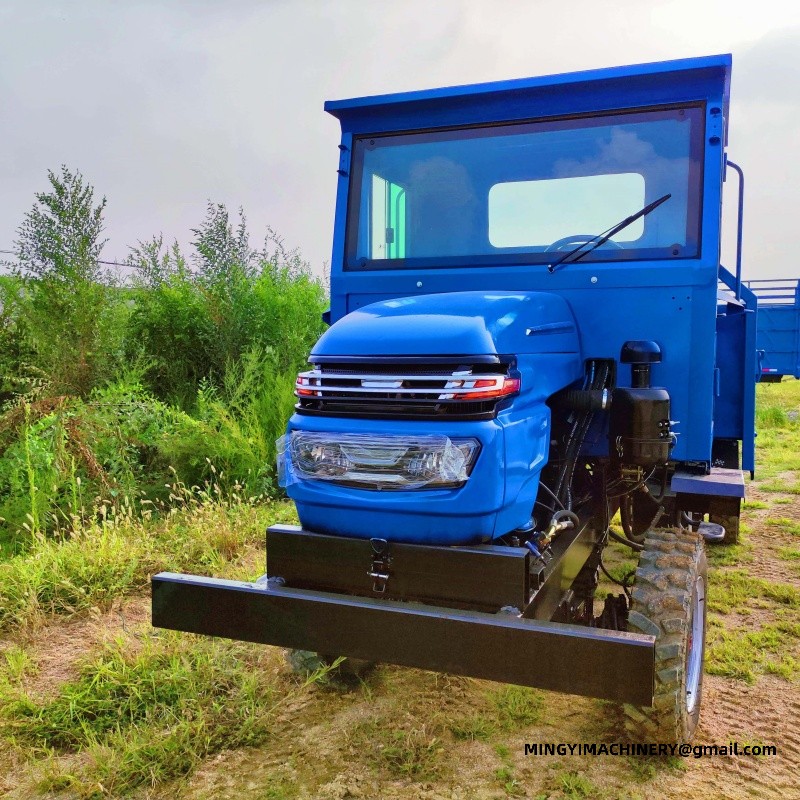
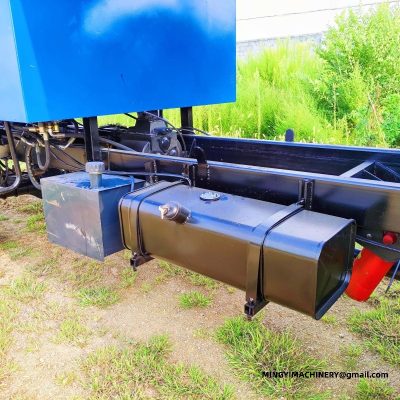
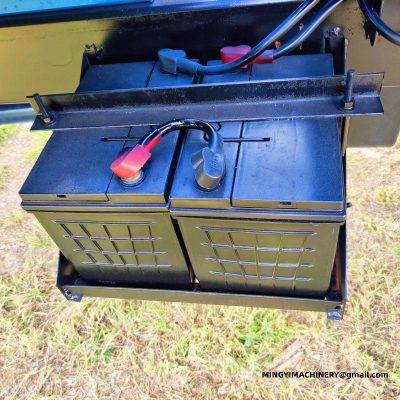
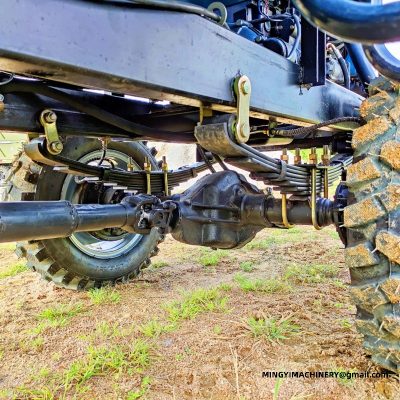
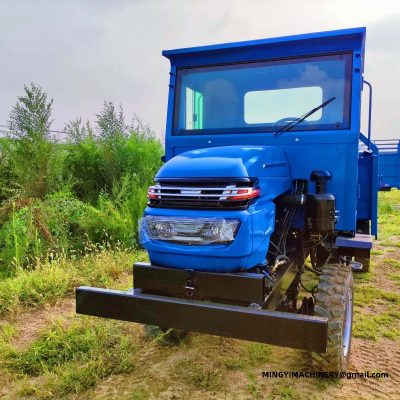
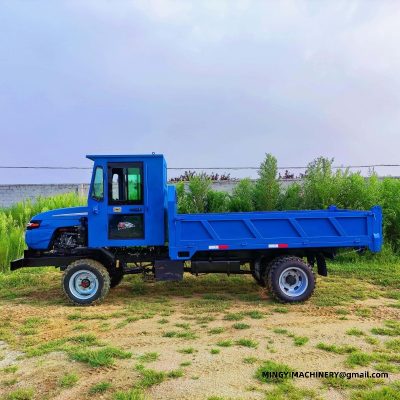
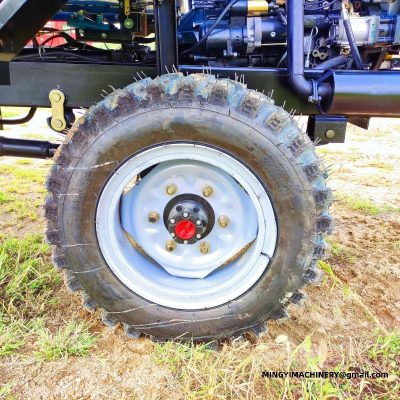
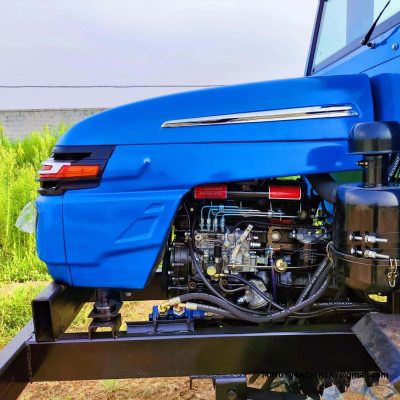
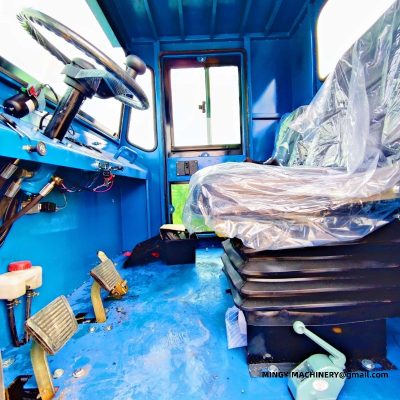
The dumper earns its place by doing one job repeatedly and without fuss. The sections below are written from that angle: what the machine is asked to do each day, what wears, what an operator needs to know and what to confirm before dispatch.
Before-storage preparation prevents most return-to-work faults. Draining or treating fuel, protecting exposed rods and relieving pressure where the maker specifies it are the items worth an hour when this class of machine is parked.
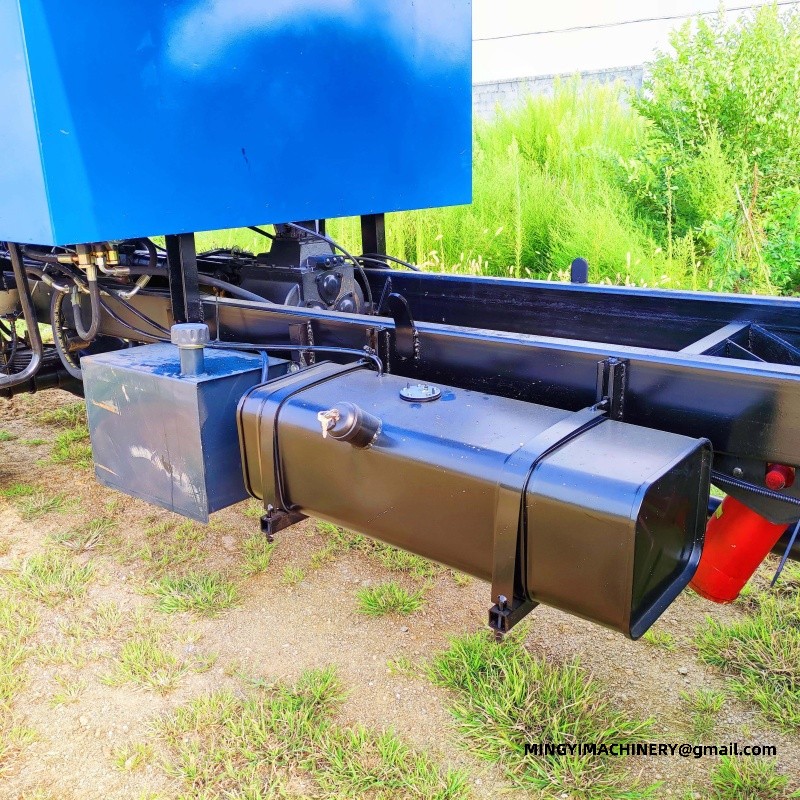
A crane or grab turns a haul vehicle into a loading machine. The unit in daily use fitted with a hydraulic crane loads itself, which removes a second machine from the job and is often the whole reason for specifying one. Adding a crane changes the vehicle specification. Hydraulic capacity, frame strength and braking all need to suit the attachment, and it is simpler to specify them at build than to add them later.
The base machine is only as useful as the tool on the end of it. Matching the attachment to the task - rather than to what arrived with the machine - is what lets one the equipment on site cover several jobs across a week. Most owners find that the second attachment changes how often the machine is used. A machine of this size that was bought for one task often becomes the general machine on site once a second tool is available.
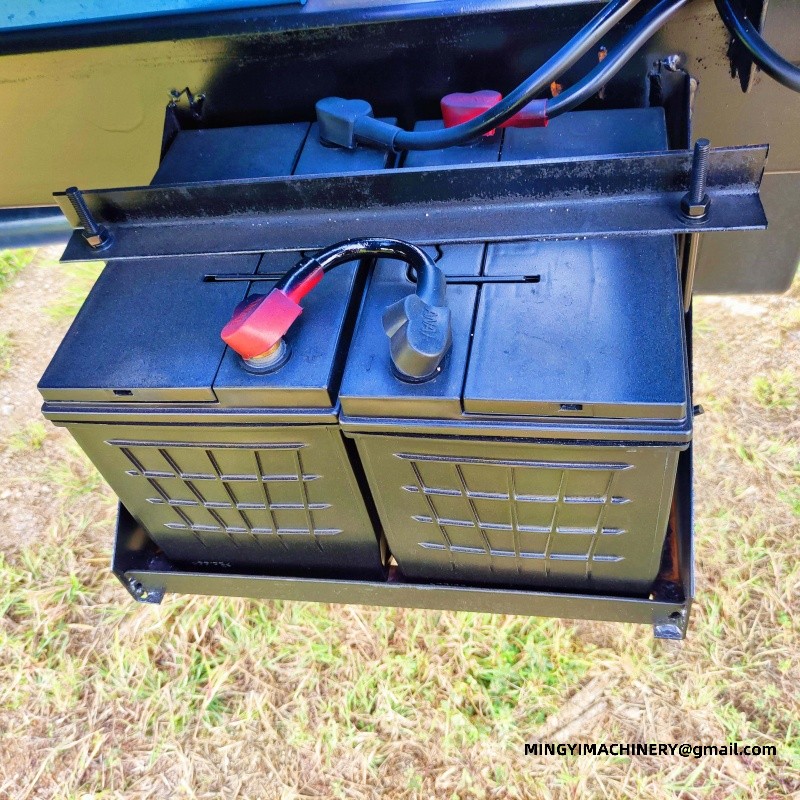
Seasonal work changes the maintenance calendar. Machines that work hard for two months and stand for ten need preparation before storage and a check before returning to work, and both are simpler than the repairs they prevent.
Low temperatures also make materials behave differently. Ground that is frozen hard in the morning can be soft by midday, and planning the sequence around that is easier than fighting it with the machine itself.
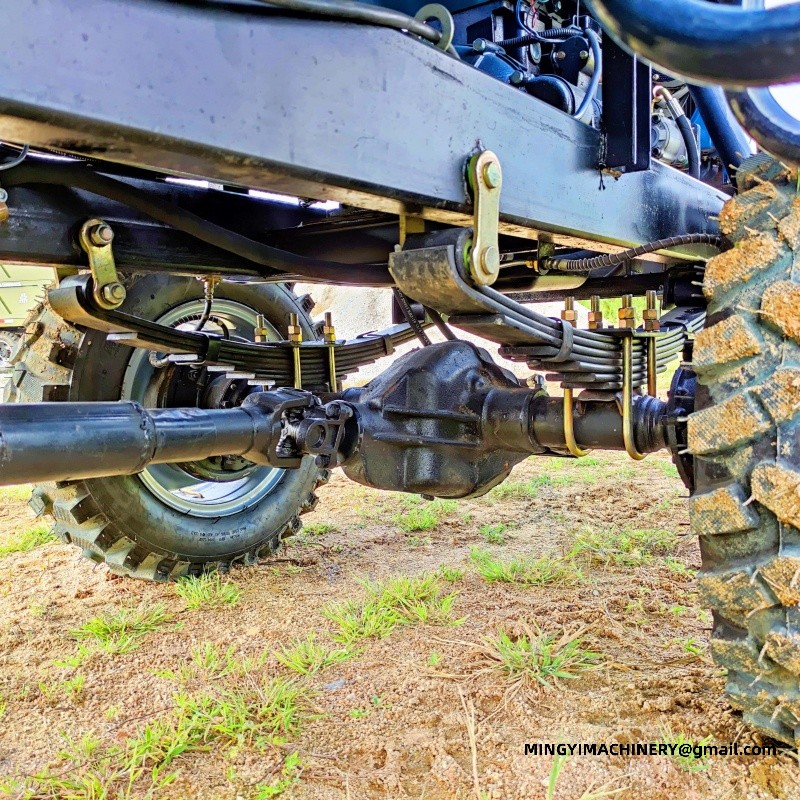
Build options are where a standard machine becomes the right machine. Colour, guarding, lighting, seating and hydraulic provisions can usually be set at build time on the model in question, and are far simpler then than as a retrofit. Customisation should still be limited to what the work needs. Each addition to the machine in that duty is another item to maintain, so the useful question is not what can be added but what the job list actually requires.
Personal protective equipment and a stop rule are simple controls. Agreeing before work starts that anyone can stop the job is the single measure that most often prevents a serious incident near the unit on the job.
Keeping the manuals where they can be reached matters. A machine built for the work whose documents stay with the machine gets serviced on schedule; one whose paperwork was filed elsewhere tends to run on memory instead.
A water tank turns the vehicle into a different machine. The dumper carrying water for dust control or irrigation is specified around tank size, baffles and the route, because a part-filled tank behaves very differently on a slope. Dust control work is repetitive and time-critical. This class of machine with the right tank and spray arrangement covers more ground per shift, which is usually the point of the exercise.
Ground on farms is often soft and often shared with livestock. A machine of this size working there needs to cross pasture without rutting it badly, and tyre and weight choices follow from that. Farm users also value simplicity. The equipment on site that can be serviced in the yard with common tools and common parts suits a farm better than one that needs a dealer visit for routine work.
Resale starts at purchase. Specification choices, service records and the condition of wearing parts are what a buyer looks at, and the machine itself that has been maintained on schedule is worth more than one that merely looks clean. Replacement timing is a planning decision. Knowing the intended working life of the model in question lets an owner sell while the machine still has value rather than after a major repair becomes due. Records are part of the asset. Keeping the service history and the hour records with the machine in that duty makes it easier to sell, easier to insure and easier to justify the replacement machine internally.
Ground decides more of the outcome than power does. Soft, wet or loose surfaces call for a wider footprint and lower ground pressure, while hard standing allows a narrower machine that turns in less space and travels faster between tasks. Traction and flotation are two separate questions. A machine built for the work may have the power for a slope and still not have the grip, so the surface, not the engine rating, is usually what limits the working day.
Quarry and tunnel work is hard on vehicles. Abrasive dust, sharp material and continuous loading mean the dumper in this duty needs attention to filtration, body wear and brake condition far more often. Size matters underground. Overall height and width decide whether this class of machine can work in a tunnel at all, and those dimensions are the first thing to confirm rather than the last.
Emissions documentation is part of engine selection for some destinations. Confirming which units can be supplied and documented for the destination country is worth doing at enquiry stage rather than after the build sheet is signed. Matching the engine to the duty matters more than the peak rating. A machine of this size that spends its day at part load benefits from a different setup than one that works at full output, and the difference shows in fuel use over a season.
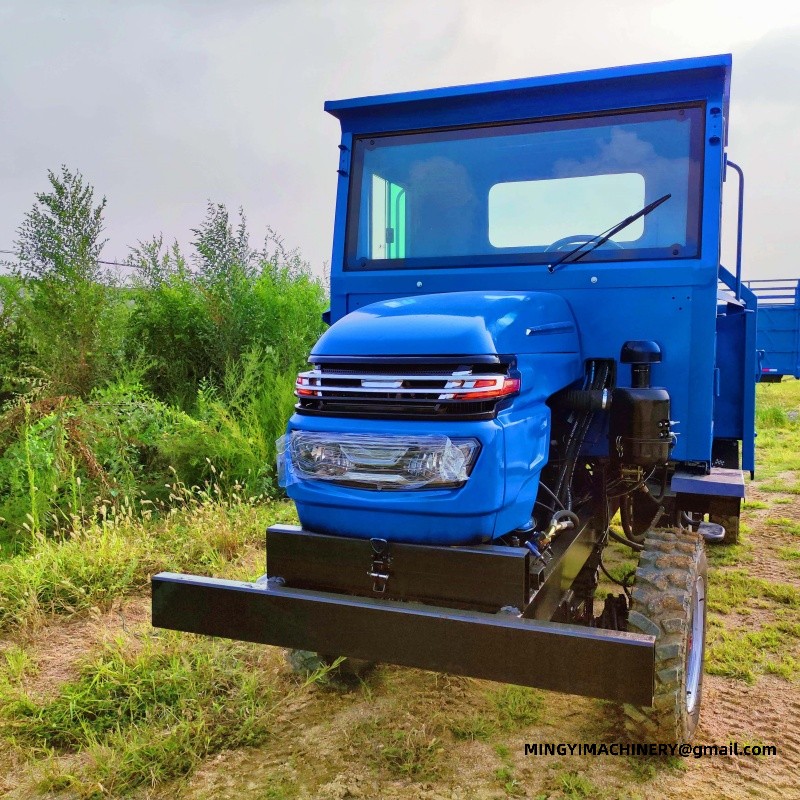
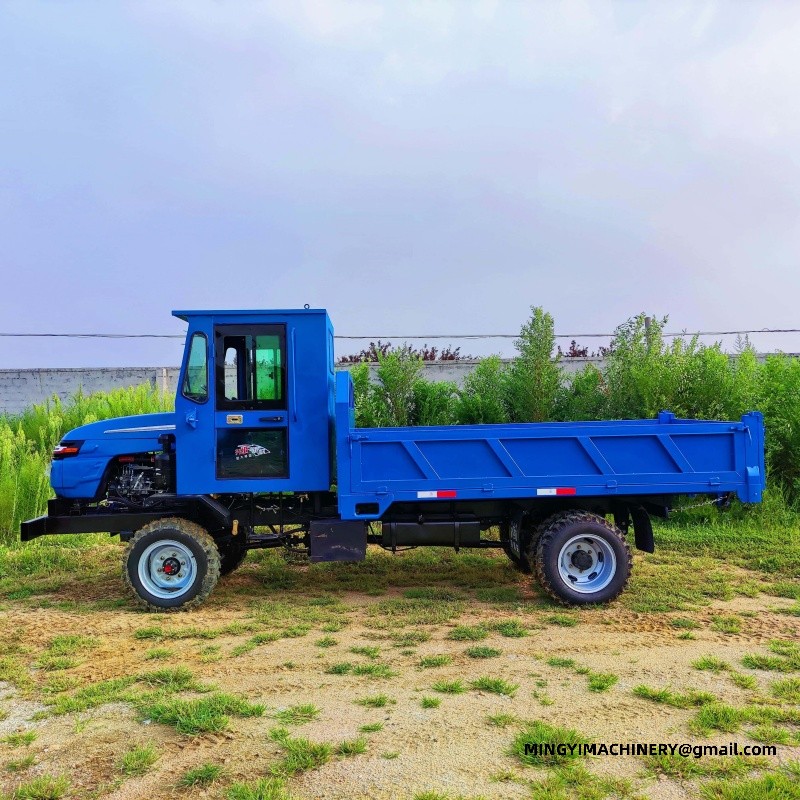
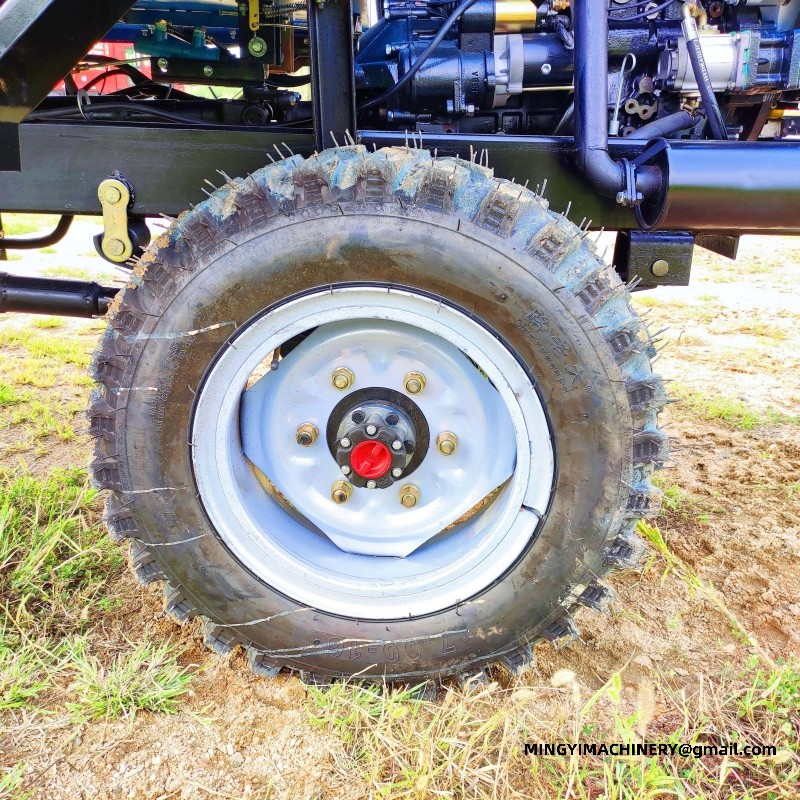
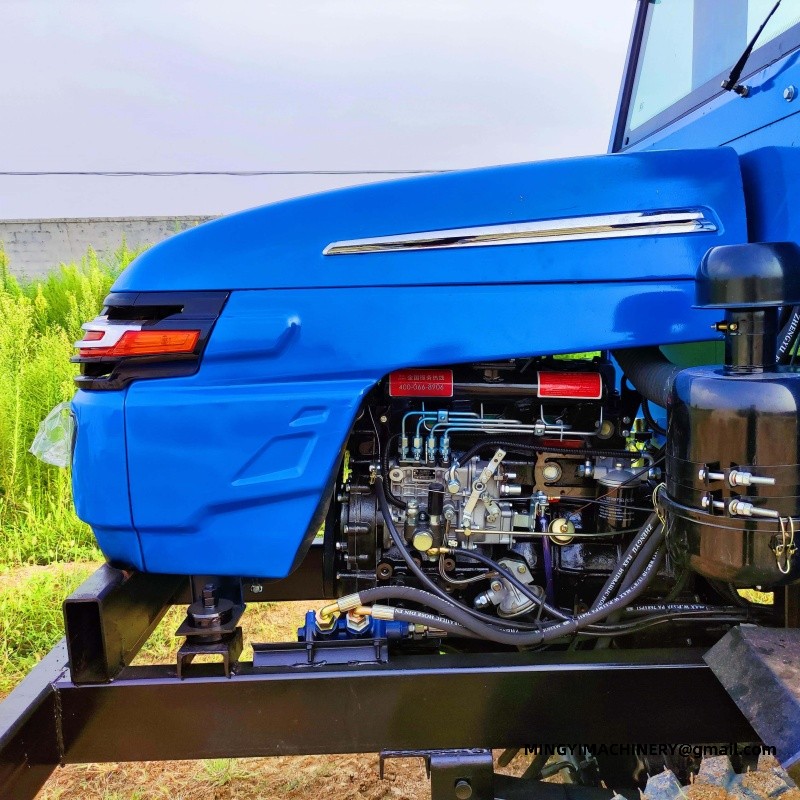
The configurations below are the build sheets most often matched to the machine itself. Engine, gearbox, axles, frame and body dimensions are confirmed together, because the body size and the axle rating have to suit the load before the engine rating matters.
| # | 13.Upgraded | 14.Luxury | 5.Luxury | 9.Standard |
|---|---|---|---|---|
| 1 | Two-cylinder diesel engine, 38 hp | Two-cylinder diesel engine, 38 hp | Single-cylinder diesel engine, 25 hp | Single-cylinder diesel engine, 32 hp |
| 2 | Full-time gearbox with four-wheel drive | Part-time gearbox, selectable 2WD/4WD | Part-time gearbox with four-wheel drive | Full-time gearbox with four-wheel drive |
| 3 | High/low range with crawler gear | High/low range with crawler gear | High/low range with crawler gear | High/low range with crawler gear |
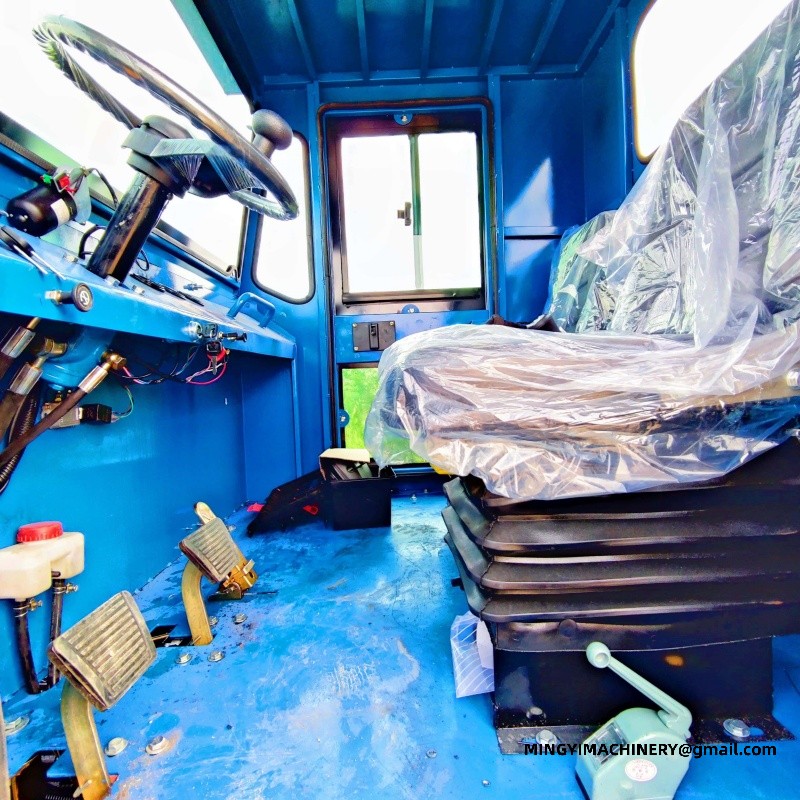
| 4 | Front axle clutch | Enclosed cab | Enclosed cab | Simple cab |
| 5 | Fully enclosed cab | Six 700-16 mountain tyres | Six 700-16 mountain tyres | Oil brakes |
| 6 | Oil brakes | Model 212 front axle | Model 212 front axle | Four 700-16 mountain tyres |
| 7 | Four 700-16 mountain tyres | Reinforced 130 rear axle | Model 130 rear axle | Front axle 212 |
| 8 | Front axle 212 | Air cut-off brakes | Air cut-off brakes | Rear axle 130 |
| 9 | Rear axle 130 | Reinforced 60 x 140 mm square tube frame | Reinforced 60 x 140 mm square tube frame | Reinforced 60 x 140 mm square tube frame |
| 10 | Reinforced 60 x 140 mm square tube frame | Rear body 2.2 m long x 1.5 m wide x 0.45 m high | Rear body 2.2 m long x 1.5 m wide x 0.45 m high | Rear body 2.2 m long x 1.5 m wide x 0.45 m high |
| 11 | Rear body 2.2 m long x 1.5 m wide x 0.45 m high | Tailgate with self-dumping function | Tailgate with self-dumping function | Tailgate with self-dumping function |
| 12 | Tailgate with self-dumping function | Side-opening rear body tailgate | Side-opening rear body tailgate | Hydraulic power steering |
| 13 | Hydraulic power steering | Hydraulic power steering | Hydraulic power steering | Twin hydraulic rams |
| 14 | Twin hydraulic rams | Twin hydraulic rams | Twin hydraulic rams | Two-person comfort seat |
| 15 | Two-person comfort seat | Heavy-duty leaf springs | Two-person comfort seat | Twin-battery electric start |
| 16 | Twin-battery electric start | Two-person comfort seat | Heavy-duty leaf springs | Square-nose bonnet |
| 17 | Round-nose bonnet | Twin-battery electric start | Twin-battery electric start | — |
| 18 | — | Round-nose bonnet | Square-nose bonnet | — |
Most additions are easier to plan than to add. Hydraulic services, mounting brackets and electrical capacity on the machine in that duty are build items, and deciding them at the specification stage is far easier than doing it later.
A machine that only one person can use is a single point of failure. Training a second operator on a machine built for the work takes a day and removes the dependency that otherwise governs holidays, illness and busy weeks.
A written record is worth more than a good memory. Dates, hours and the parts fitted on the dumper turn a guess about the next service into a fact, and they are the first thing a buyer asks to see.
Winter is hard on rubber and on seals as much as on the engine. Parking the unit in daily use under cover, keeping the tracks or tyres off standing water and checking the hoses for cracking are all part of the season.
Heat and dust shorten service intervals rather than machine life. In these conditions the filters on the equipment on site need attention more often, and the cooling surfaces need to be kept clear to hold the working temperature.
A good handover covers the awkward cases, not just the easy ones. Starting the model in question on a slope, turning in a confined space and recovering from soft ground are the situations an operator should meet first with someone beside them.
Travel time is not working time, and it should be planned as its own item. The hours spent moving the unit on the job between jobs are hours not worked, and a trailer that matches the machine reduces them every single trip.
The machine should be introduced to the site as well as the operator. Walking the route the equipment in service will take, noting the soft spots and the turns, prevents the kind of first-day incident that has nothing to do with the machine.
Every line above is a build item rather than an optional extra, and the final sheet for the dumper is confirmed against the destination, the ground and the load before production.
E-mail:sales@mingycn.com
LINE(ID):mingyicn









