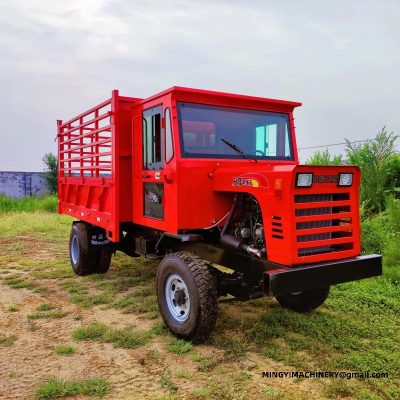
Two buyers can order the dumper for the same nominal job and receive different machines, because the ground and the access decide more than the workload does. The sections below explain which questions separate the two cases.
Recovering a stuck vehicle takes longer than preventing it. Planning the route, avoiding the worst ground and knowing where the class of machine will turn is what keeps a soft-ground job productive.
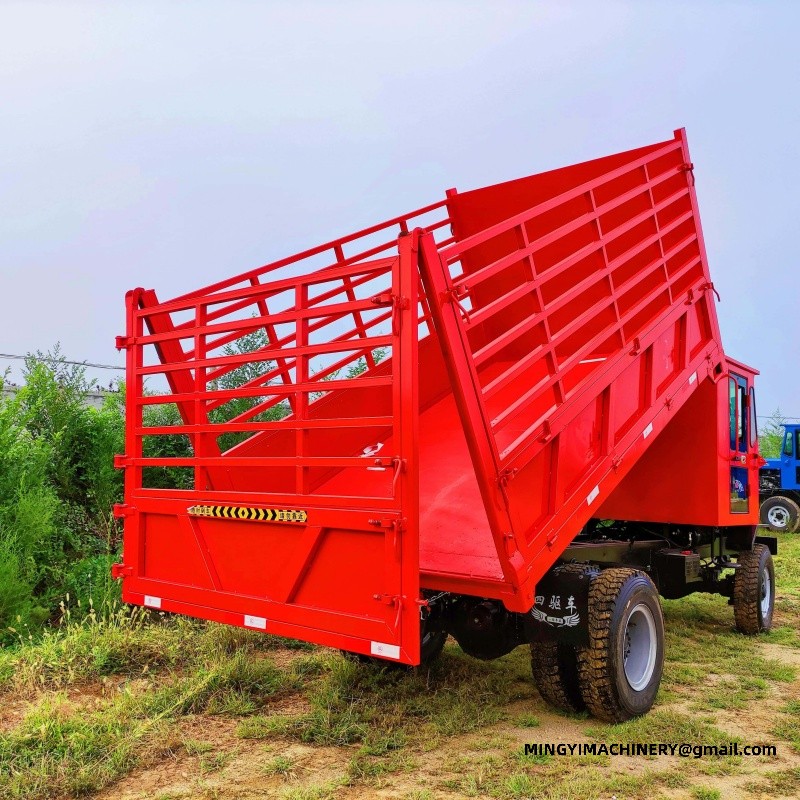
Commissioning is the point where most avoidable issues are found. Checking levels, fasteners and function on the unit in daily use before it goes to work takes an hour and prevents a claim conversation later.
Carrying and travelling with a load needs its own plan. Speed, gradient and surface all matter more once a machine of this size is loaded, and the safe combination is the conservative one.
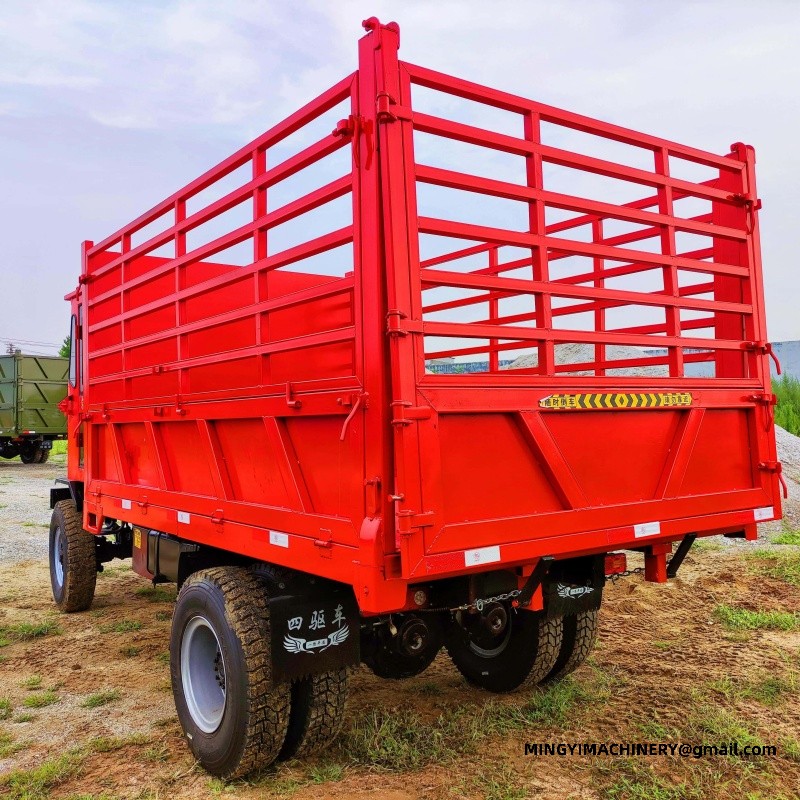
Attachment decisions are best made before delivery. Specifying hydraulics and couplers at build time is simpler than adding them later, and it avoids the downtime of a workshop visit in the first month.
Support after delivery is a parts question. Filters, belts, hoses and the wearing items specific to the equipment on site are what a buyer should plan to hold before the first service interval rather than order after a failure. Remote diagnosis shortens most faults. A walk-around on video with the panels open often identifies the cause on the machine itself without waiting for a visit, and avoids shipping a part that turns out not to be needed.
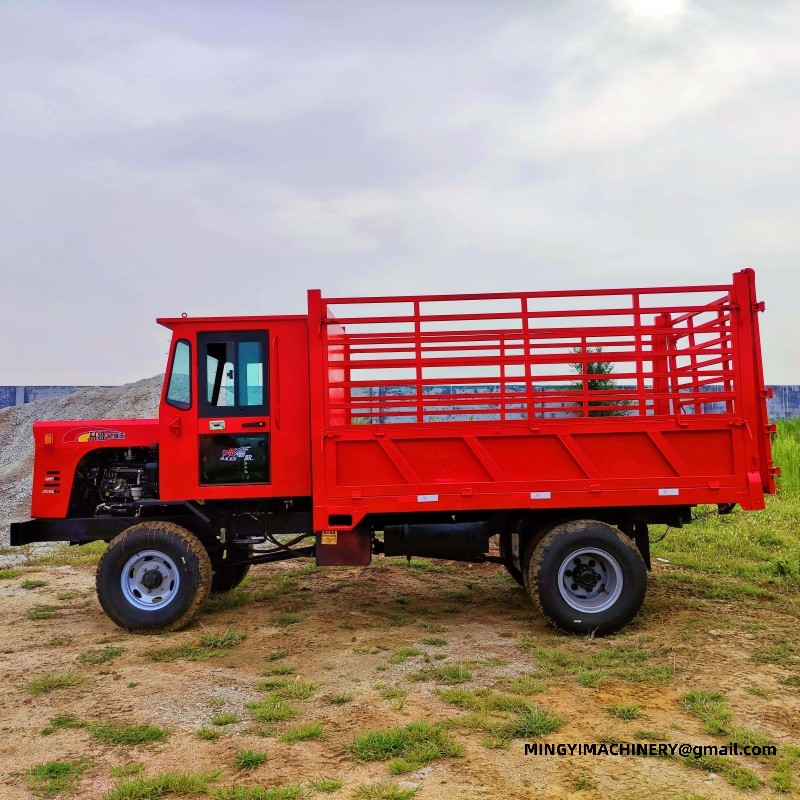
Utilisation matters more than the purchase decision over a few years. The model in question that sits idle ties up the same yard space standing still as one that earns, so the buying decision should follow the hours the machine will realistically work.
Carrying concrete changes the duty entirely. The machine in that duty with a mixer drum is working against the clock, and the specification follows the delivery distance and the site access rather than the load alone. Cleaning and discharge are part of the job. The unit on the job used for concrete is judged on how quickly it can discharge and wash out, because that turnaround is what the site is paying for.
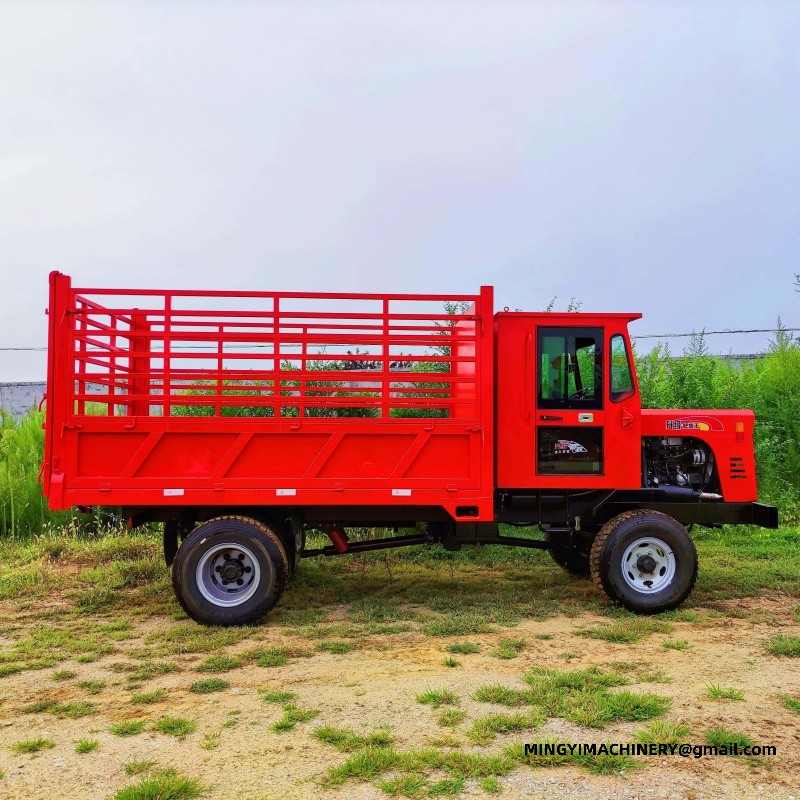
Size matters underground. Overall height and width decide whether a machine built for the work can work in a tunnel at all, and those dimensions are the first thing to confirm rather than the last. Haul cycles in a quarry are short and repetitive. The equipment in service specified for that pattern benefits from a body that dumps cleanly and quickly, because the time saved per cycle is the whole allowance.
Gradient is where a haul vehicle earns its keep. This class of machine with a crawler gear and a low range climbs loaded where a road vehicle would need a second attempt, and that difference decides whether a track is usable at all.
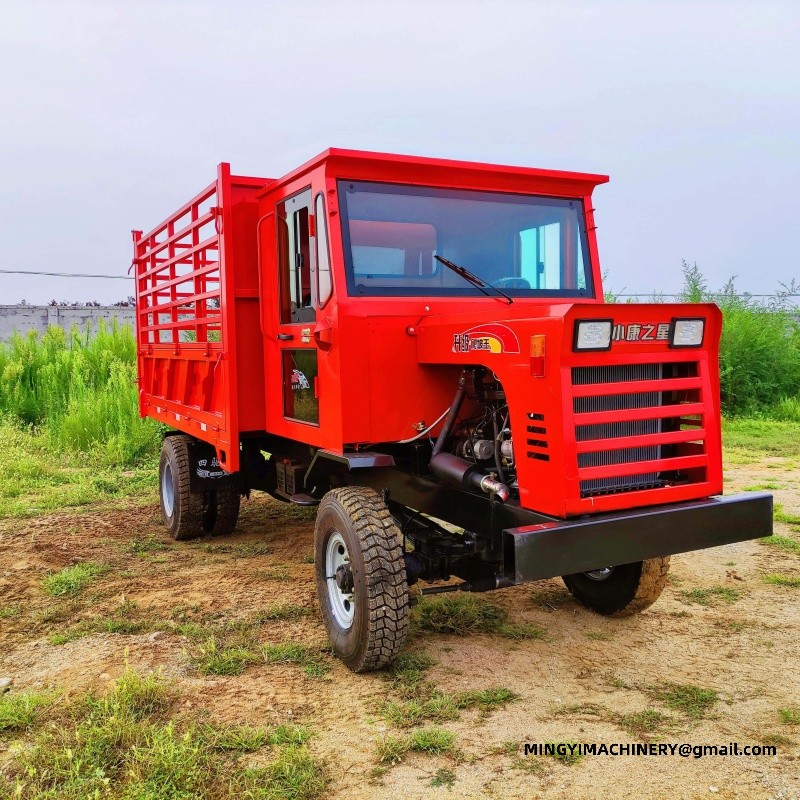
Consumption is best measured over a full week rather than judged per hour. Idle time, repositioning and waiting for other trades are often the largest share of the fuel a machine of this size burns on a site.
Farm work is seasonal and varied. The machine itself that hauls feed in one month and muck or aggregate in the next earns its place by being usable across the year rather than by being optimised for one task. Ground on farms is often soft and often shared with livestock. The model in question working there needs to cross pasture without rutting it badly, and tyre and weight choices follow from that.
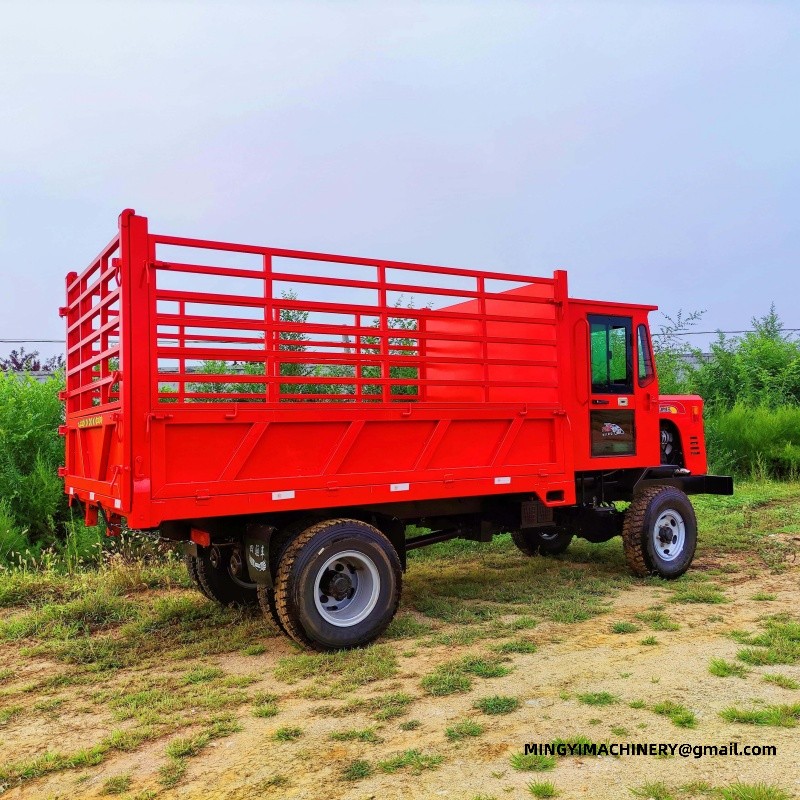
A water tank turns the vehicle into a different machine. The unit on the job carrying water for dust control or irrigation is specified around tank size, baffles and the route, because a part-filled tank behaves very differently on a slope. Water is heavy and it moves. Baffles and sensible speeds matter on a machine built for the work with a tank body, and the specification should reflect the ground the vehicle will cross rather than only the volume needed.
The decision is economic as well as technical. Comparing the work of reconfiguring the dumper against a different machine is a short calculation that usually gives a clear answer.
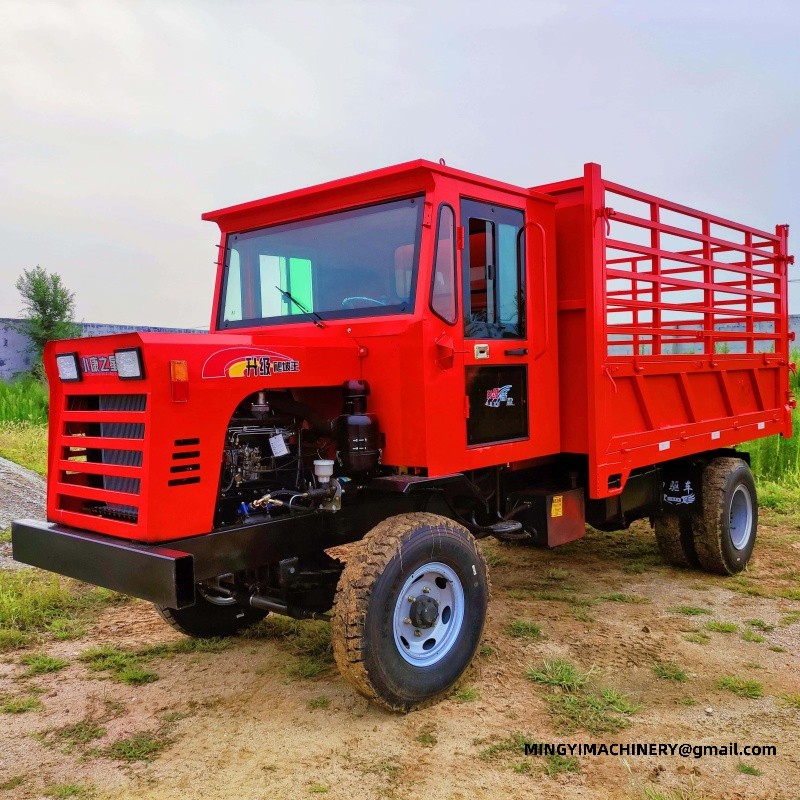
A crane or grab turns a haul vehicle into a loading machine. The unit in daily use fitted with a hydraulic crane loads itself, which removes a second machine from the job and is often the whole reason for specifying one.
A periodic start is better than none. Running the equipment on site to operating temperature during a long layoff keeps seals and the charging system in better condition than leaving it untouched until the next job.
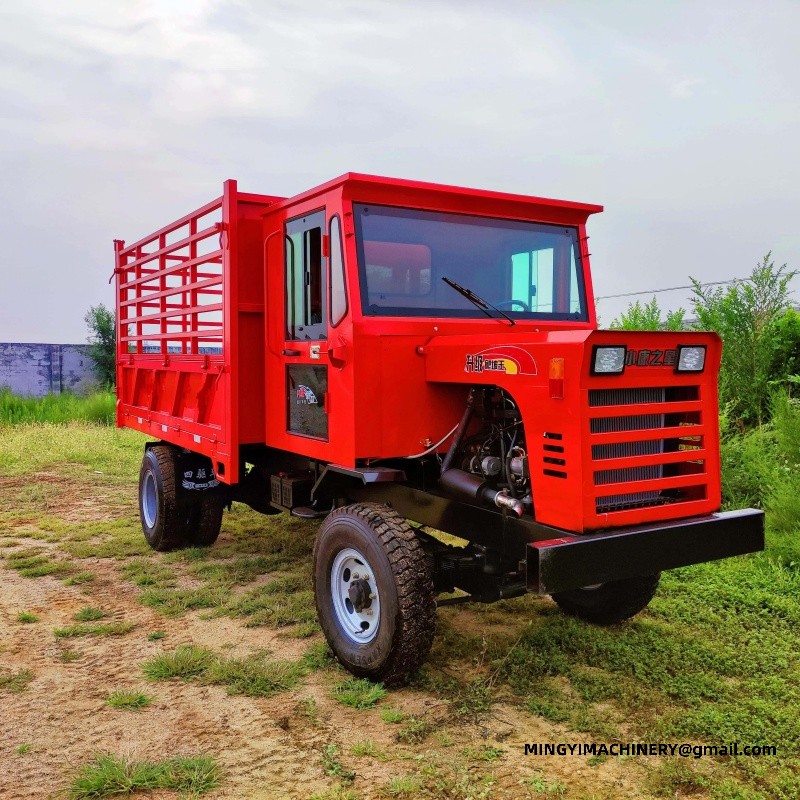
Container loading is a planning exercise. Confirming how the model in question is packed and how many units fit a container is what turns a per-unit freight estimate into a delivered figure the buyer can actually plan against.
Sealed points and guarded areas deserve a look in these conditions. The unit on the job working in abrasive dust benefits from checked boots, intact guards and clean breathers, all of which are quick to verify.
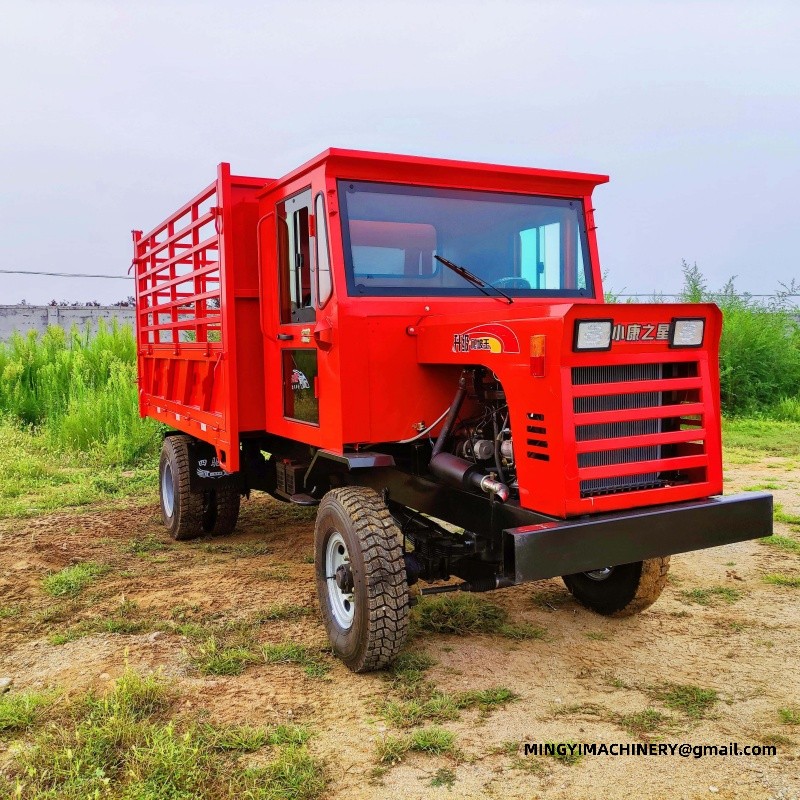
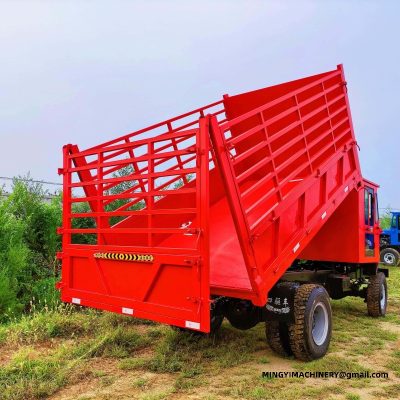
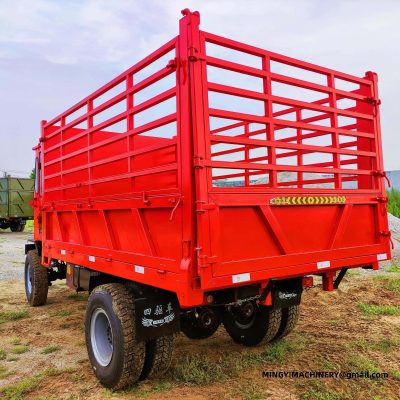
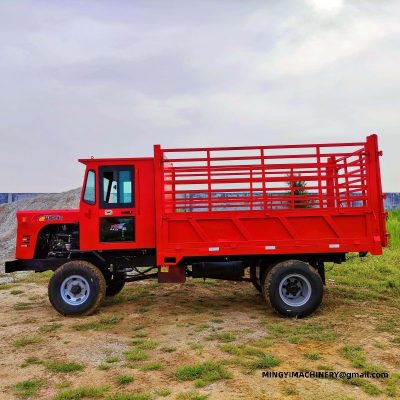
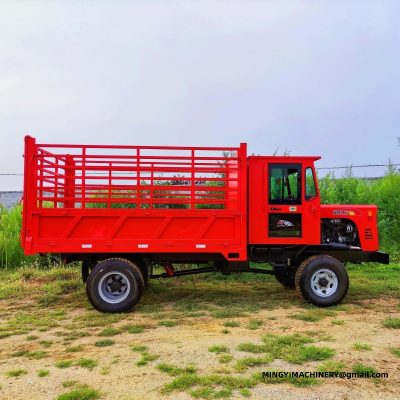
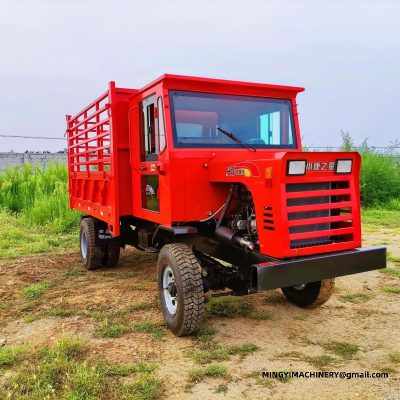
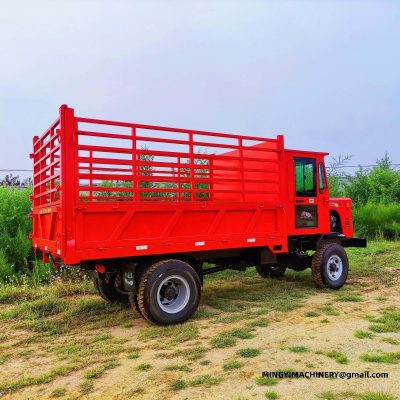
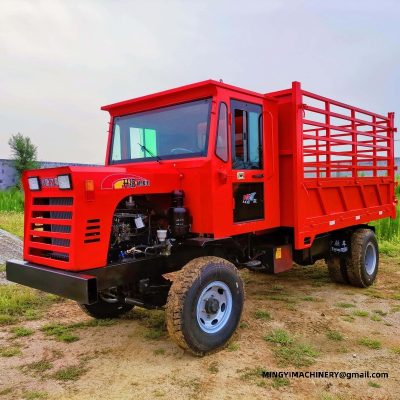
The configurations below are the build sheets most often matched to the equipment in service. Engine, gearbox, axles, frame and body dimensions are confirmed together, because the body size and the axle rating have to suit the load before the engine rating matters.
| # | 14.Luxury | 16.Upgraded | 17.Luxury | 19.Upgraded |
|---|---|---|---|---|
| 1 | Two-cylinder diesel engine, 38 hp | Four-cylinder 490 diesel engine | Four-cylinder 490 diesel engine | Four-cylinder 4102 turbocharged diesel engine |
| 2 | Part-time gearbox, selectable 2WD/4WD | Full-time gearbox with four-wheel drive | Part-time gearbox, selectable 2WD/4WD | Model 140 part-time gearbox with four-wheel drive |
| 3 | High/low range with crawler gear | High/low range with crawler gear | High/low range with crawler gear | High/low range with crawler gear |
| 4 | Enclosed cab | Fully enclosed cab | Fully enclosed cab | Fully enclosed cab |
| 5 | Six 700-16 mountain tyres | Oil brakes | Six 700-16 mountain tyres | Six 750R16 steel-belted radial tyres |
| 6 | Model 212 front axle | Six 700-16 mountain tyres | Reinforced 130 front axle | Reinforced ISUZU-pattern front axle |
| 7 | Reinforced 130 rear axle | Front axle 212 | Reinforced ISUZU-pattern rear axle | Reinforced 1061 rear axle |
| 8 | Air cut-off brakes | Rear axle 130 | Air cut-off brakes | Air cut-off brakes |
| 9 | Reinforced 60 x 140 mm square tube frame | Reinforced 60 x 140 mm square tube frame | Reinforced 60 x 140 mm square tube frame | Reinforced 80 x 180 mm square tube frame |
| 10 | Rear body 2.2 m long x 1.5 m wide x 0.45 m high | Rear body 2.2 m long x 1.5 m wide x 0.45 m high | Rear body 2.2 m long x 1.8 m wide x 0.45 m high | Rear body 3.0 m long x 2.1 m wide x 0.45 m high |
| 11 | Tailgate with self-dumping function | Tailgate with self-dumping function | Tailgate with self-dumping function | Tailgate with self-dumping function |
| 12 | Side-opening rear body tailgate | Hydraulic power steering | Side-opening rear body tailgate | Side-opening rear body tailgate with cab ladder |
| 13 | Hydraulic power steering | Twin hydraulic rams | Hydraulic power steering | Hydraulic power steering |
| 14 | Twin hydraulic rams | Two-person comfort seat | Twin hydraulic rams | Twin hydraulic rams |
| 15 | Heavy-duty leaf springs | Twin-battery electric start | Two-person comfort seat | Two-person comfort seat |
| 16 | Two-person comfort seat | Round-nose bonnet | Heavy-duty leaf springs | Thickened heavy-duty leaf springs |
| 17 | Twin-battery electric start | — | Twin-battery electric start | Twin-battery electric start |
| 18 | Round-nose bonnet | — | Round-nose bonnet | Square-nose bonnet |
Operators who come from a different machine need a short conversion. The controls on this class of machine follow the usual pattern, but the response, the sightlines and the stopping distance are learned by doing rather than by reading.
Cold exposes weak batteries, thick oil and water in the fuel. Preparing a machine of this size for winter means the right grade of oil, a battery in good condition and fuel that will not wax in the tank overnight.
A stored machine should be brought back carefully. Before the machine itself returns to work the fluids, the brakes and the controls are checked, because months of standing change more than a weekend does.
Retrofitting is limited by the base machine. Before anything is added to the machine in that duty the hydraulic flow, the mounting interface and the stability allowance have to be checked, because those limits are what decide what is sensible.
Seasonal work rewards a machine that can change duty. Through the year a machine built for the work may move from one task to another, and the attachment list should be chosen for the whole year rather than for the first job.
The specification for oil is written for a reason. Using the grade and the change interval set for the dumper keeps the engine and the hydraulic system inside the range they were designed for.
Securing the load is not optional. Lashing the unit in daily use at the points intended for it, checking the tension before the vehicle moves and rechecking after the first kilometres is standard practice rather than extra care.
Every line above is a build item rather than an optional extra, and the final sheet for a machine of this size is confirmed against the destination, the ground and the load before production.
E-mail:sales@mingycn.com
LINE(ID):mingyicn









