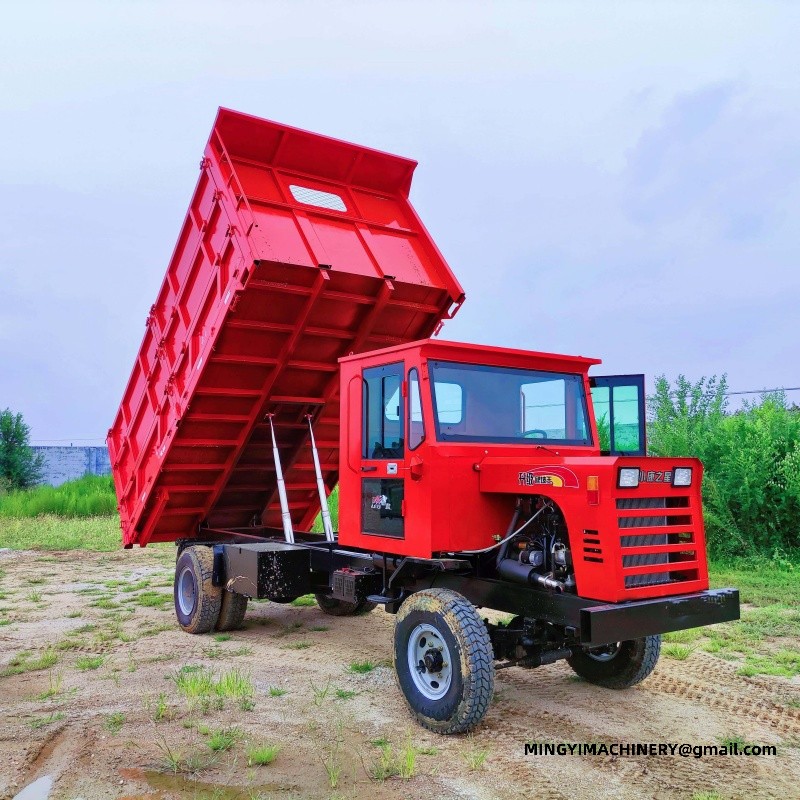
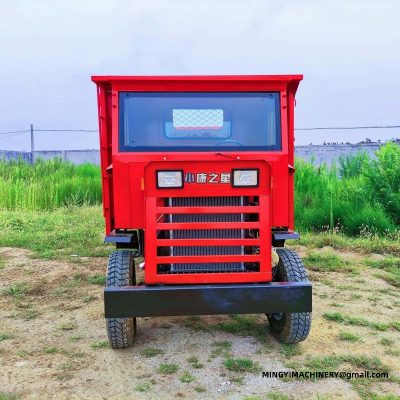
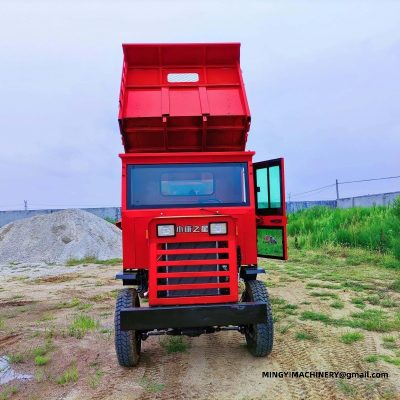
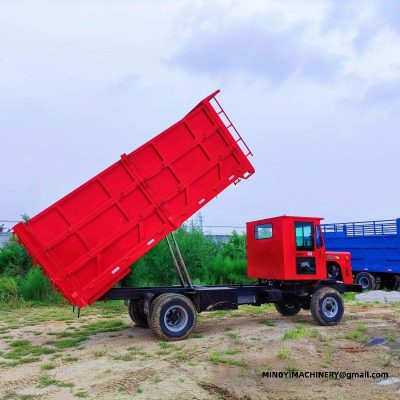
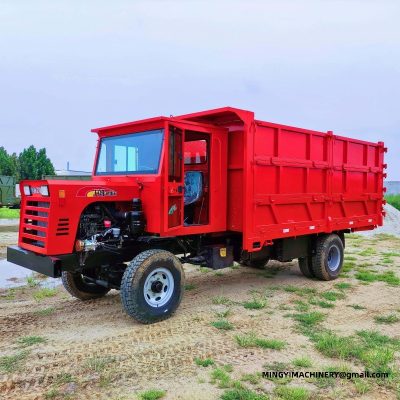
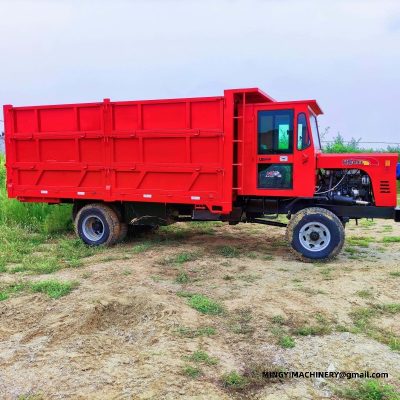
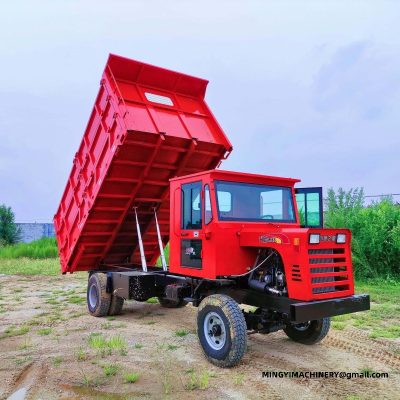
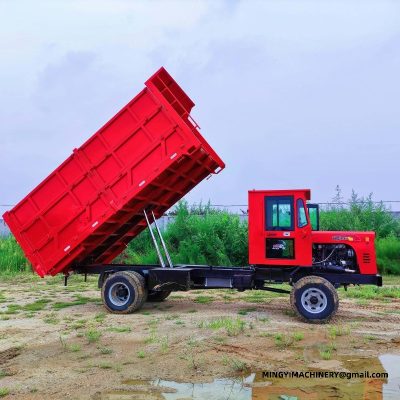
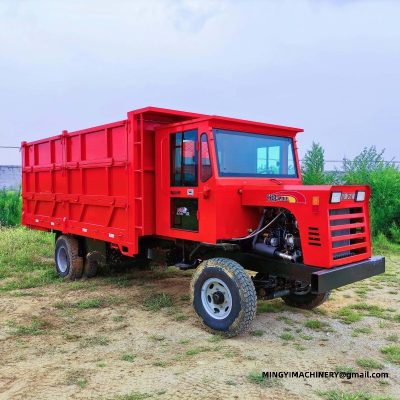
The dumper sits in a class where the difference between models is felt on site rather than read on a plate. What follows covers the practical side, including access, duty cycle, maintenance and delivery, in the order a buyer tends to meet them.
Keeping the manuals where they can be reached matters. This class of machine whose documents stay with the machine gets serviced on schedule; one whose paperwork was filed elsewhere tends to run on memory instead.
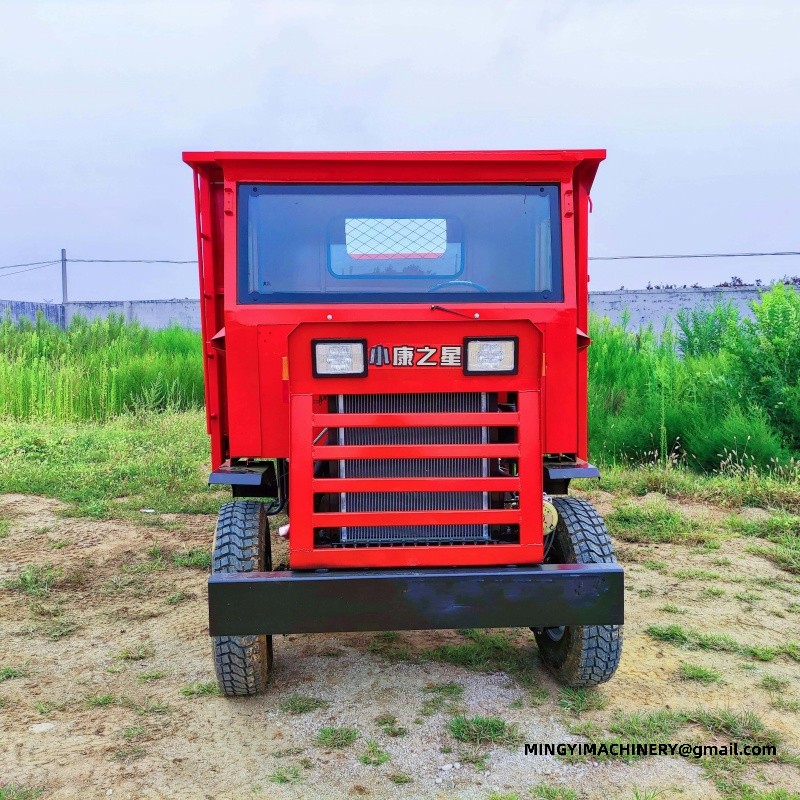
Adding a crane changes the vehicle specification. Hydraulic capacity, frame strength and braking all need to suit the attachment, and it is simpler to specify them at build than to add them later.
Farm work is seasonal and varied. The unit in daily use that hauls feed in one month and muck or aggregate in the next earns its place by being usable across the year rather than by being optimised for one task. Ground on farms is often soft and often shared with livestock. A machine of this size working there needs to cross pasture without rutting it badly, and tyre and weight choices follow from that. Farm users also value simplicity. The equipment on site that can be serviced in the yard with common tools and common parts suits a farm better than one that needs a dealer visit for routine work.
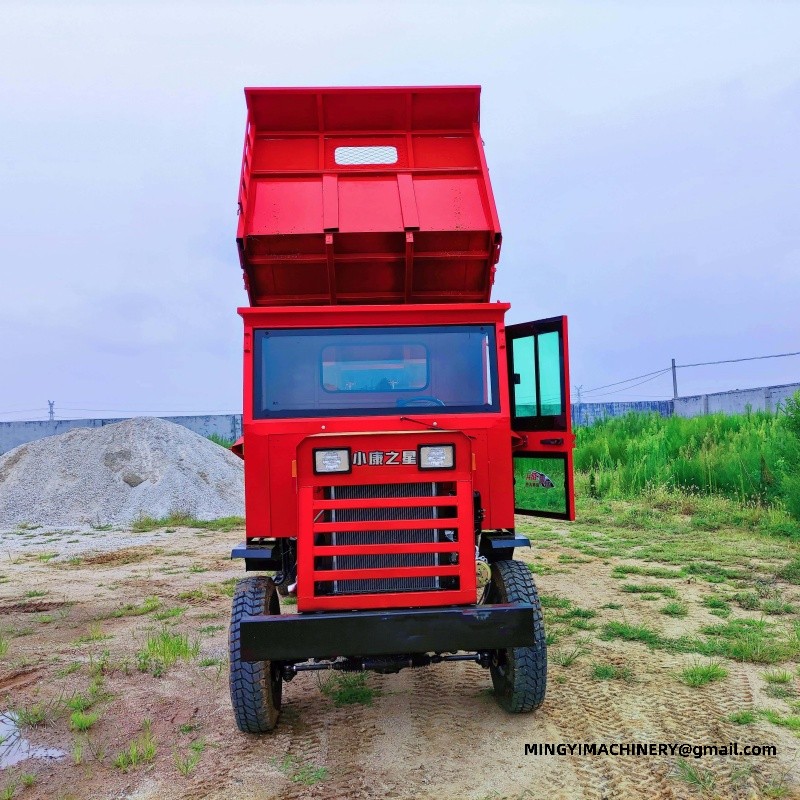
Certain parts are designed to be consumed. Knowing which items on the machine itself are wearing parts, and roughly how long they last in the duty the machine sees, turns replacement into a plan rather than a breakdown. Replacing wear items early is usually simpler. Worn components on the model in question load the parts they run against, so a worn part left too long often becomes a major repair.
Loading method affects the machine as much as the load does. Material dropped from height into the machine in that duty shocks the frame and the body floor, while material placed evenly spreads the load and extends body life. The honest payload figure comes from the duty. The unit on the job working a smooth haul road carries differently from one crossing ruts and gradients, and the conservative number is the one that keeps the machine working.
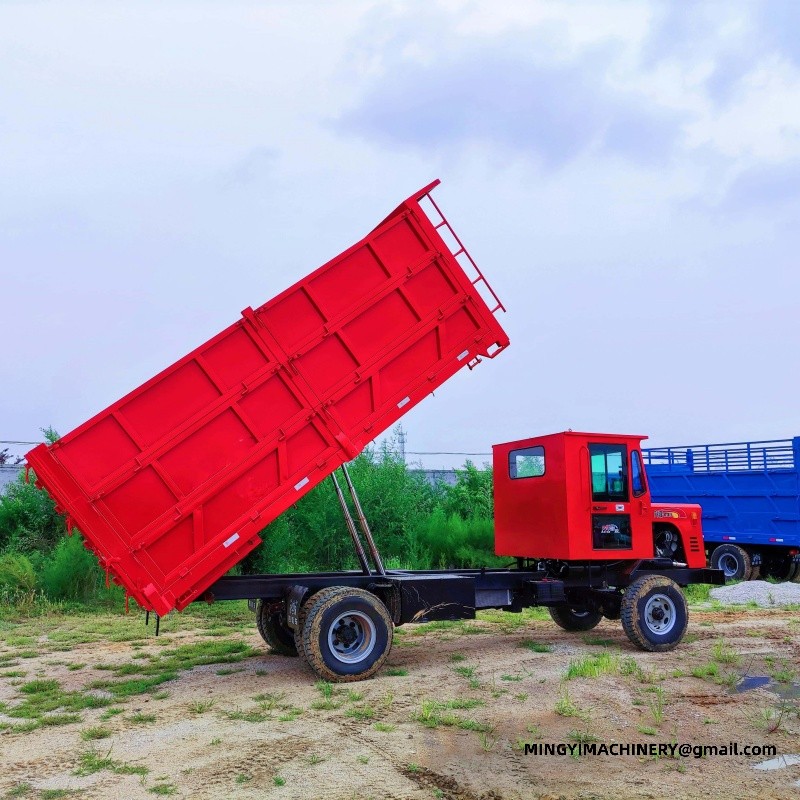
Moving the machine is part of owning it. Overall length, width and height decide which trailer or container a machine built for the work fits, and a machine that needs a permit or an abnormal load escort is a machine with a delivery delay built in.
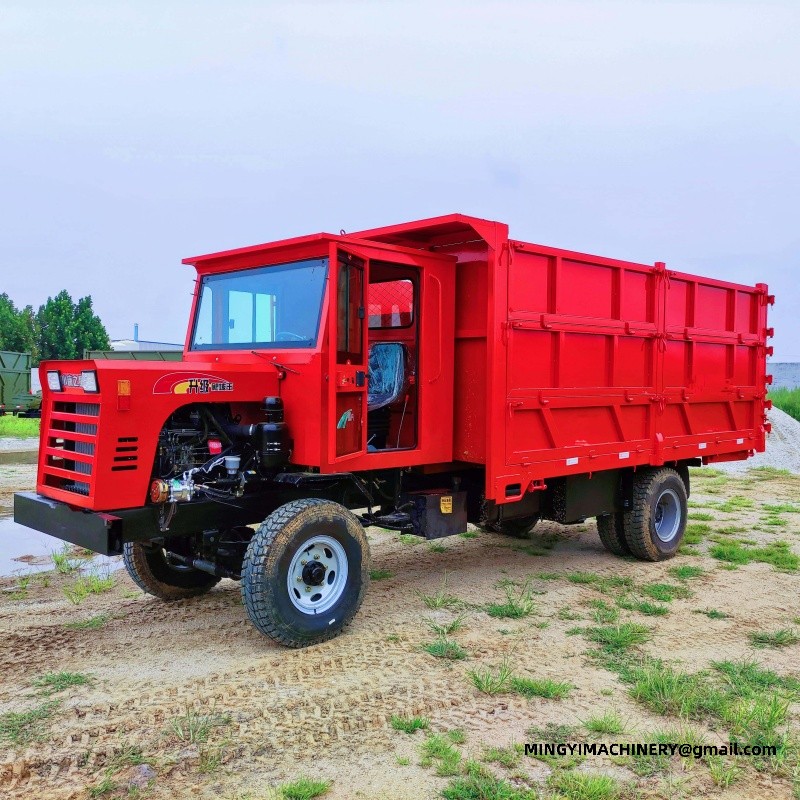
Attachment decisions are best made before delivery. Specifying hydraulics and couplers at build time is simpler than adding them later, and it avoids the downtime of a workshop visit in the first month. Most owners find that the second attachment changes how often the machine is used. The equipment in service that was bought for one task often becomes the general machine on site once a second tool is available.
Standing still is hard on machinery. The dumper left for weeks benefits from a clean, dry, covered space, a charged battery and a fuel system prepared for the layoff, and all three effort very little. Before-storage preparation prevents most return-to-work faults. Draining or treating fuel, protecting exposed rods and relieving pressure where the maker specifies it are the items worth an hour when this class of machine is parked.
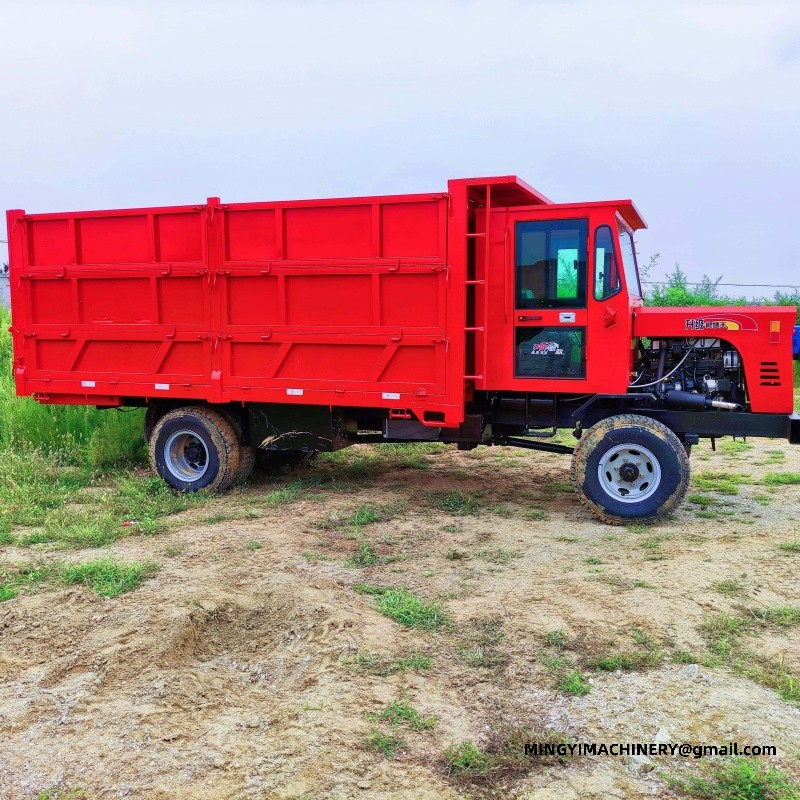
Water is heavy and it moves. Baffles and sensible speeds matter on a machine of this size with a tank body, and the specification should reflect the ground the vehicle will cross rather than only the volume needed.
Traction and flotation are two separate questions. The machine itself may have the power for a slope and still not have the grip, so the surface, not the engine rating, is usually what limits the working day.
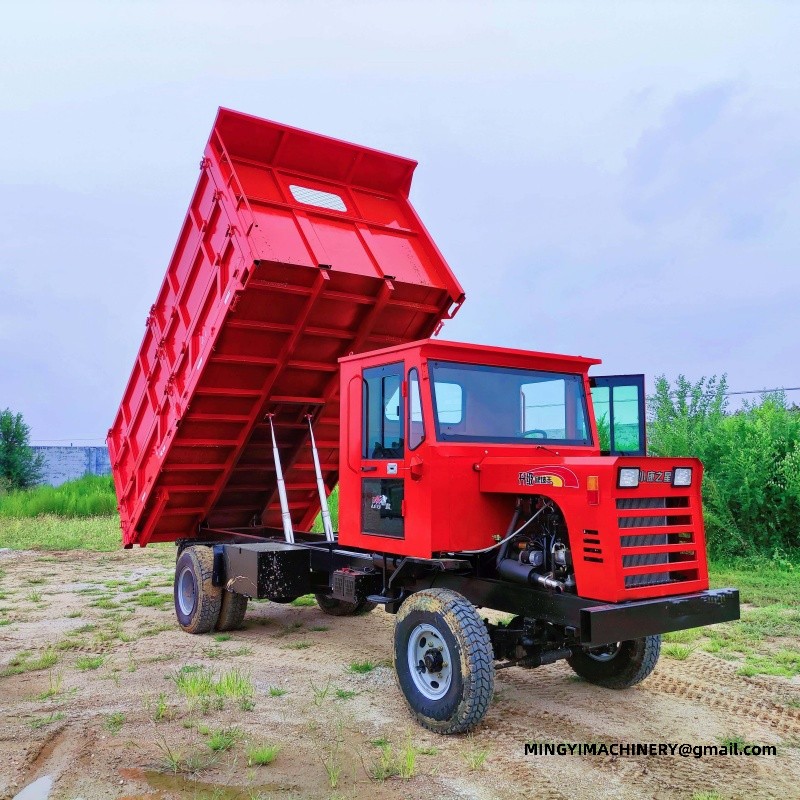
Documentation should be agreed at order stage. The commercial invoice, packing list and any certificate required at destination are part of shipping the machine in that duty, and missing papers delay clearance longer than the voyage takes.
Familiarisation should cover the limits as well as the controls. Knowing where the unit on the job loses stability, how it behaves at full reach, and what the warning lights mean prevents the incidents that are put down to bad luck. A short handover pays for itself. Operators who understand why a machine built for the work is set up the way it is will report a change in behaviour early, which is usually the point where a repair is simplest.
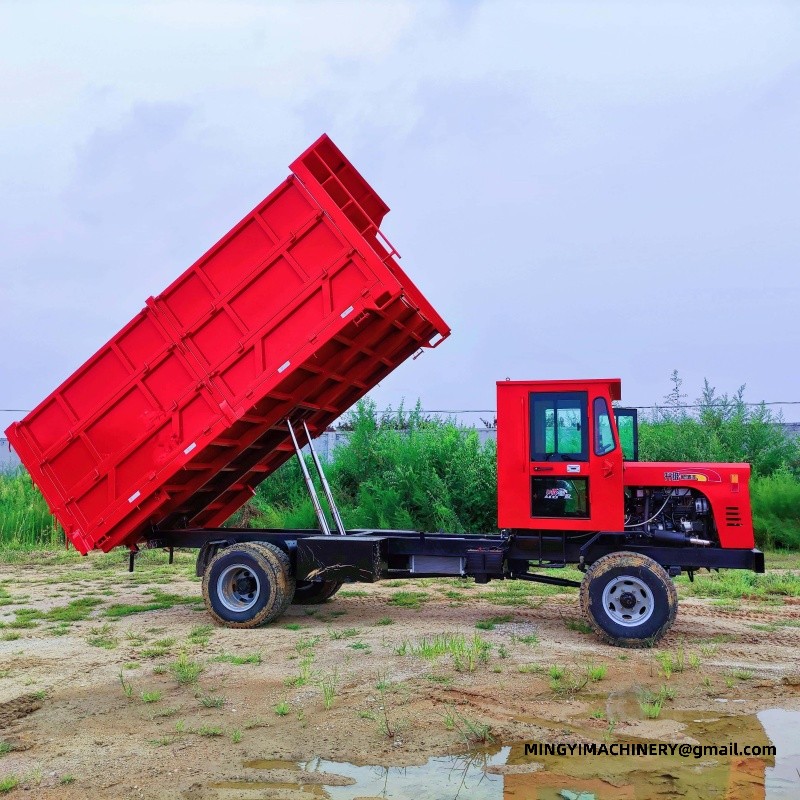
Lead time is part of the specification. Confirming build time, shipping method and what is included before ordering the dumper prevents the common gap between when the machine is needed and when it can arrive. Delivery planning includes the receiving end. Knowing whether this class of machine will be craned, driven or forked off, and whether the site can accept it, is settled before dispatch rather than on the day.
Resale starts at purchase. Specification choices, service records and the condition of wearing parts are what a buyer looks at, and the unit in daily use that has been maintained on schedule is worth more than one that merely looks clean. Records are part of the asset. Keeping the service history and the hour records with a machine of this size makes it easier to sell, easier to insure and easier to justify the replacement machine internally.
Remote diagnosis shortens most faults. A walk-around on video with the panels open often identifies the cause on the machine itself without waiting for a visit, and avoids shipping a part that turns out not to be needed.
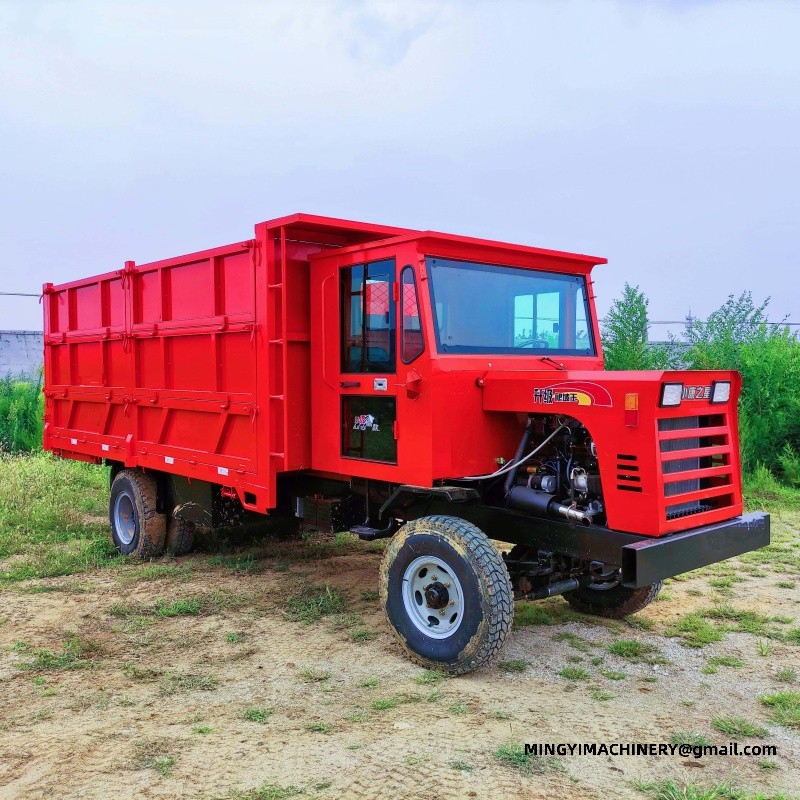
The configurations below are the build sheets most often matched to the machine in that duty. Engine, gearbox, axles, frame and body dimensions are confirmed together, because the body size and the axle rating have to suit the load before the engine rating matters.
| # | 17.Luxury | 21.Upgraded | 3.Standard | 6.Standard |
|---|---|---|---|---|
| 1 | Four-cylinder 490 diesel engine | Four-cylinder 4105 turbocharged diesel engine | Single-cylinder diesel engine, 25 hp | Single-cylinder diesel engine, 28 hp |
| 2 | Part-time gearbox, selectable 2WD/4WD | Model 140 part-time gearbox with four-wheel drive | Full-time gearbox with four-wheel drive | Full-time gearbox with four-wheel drive |
| 3 | High/low range with crawler gear | High/low range with crawler gear | High/low range with crawler gear | High/low range with crawler gear |
| 4 | Fully enclosed cab | Simple cab | Simple cab | Simple cab |
| 5 | Six 700-16 mountain tyres | Six 825R16 steel-belted radial tyres | Oil brakes | Oil brakes |
| 6 | Reinforced 130 front axle | Reinforced ISUZU-pattern front axle | Four 700-16 mountain tyres | Four 700-16 mountain tyres |
| 7 | Reinforced ISUZU-pattern rear axle | Reinforced 1080 rear axle with air cut-off brake | Front axle 212 | Front axle 212 |
| 8 | Air cut-off brakes | Air cut-off brakes | Rear axle 130 | Rear axle 130 |
| 9 | Reinforced 60 x 140 mm square tube frame | Reinforced 80 x 180 mm square tube frame | Reinforced 60 x 140 mm square tube frame | Reinforced 60 x 140 mm square tube frame |
| 10 | Rear body 2.2 m long x 1.8 m wide x 0.45 m high | Rear body 3.0 m long x 2.2 m wide x 0.45 m high | Rear body 2.2 m long x 1.5 m wide x 0.45 m high | Rear body 2.2 m long x 1.5 m wide x 0.45 m high |
| 11 | Tailgate with self-dumping function | Tailgate with self-dumping function | Tailgate with self-dumping function | Tailgate with self-dumping function |
| 12 | Side-opening rear body tailgate | Hydraulic power steering | Hydraulic power steering | Hydraulic power steering |
| 13 | Hydraulic power steering | Twin hydraulic rams | Twin hydraulic rams | Twin hydraulic rams |
| 14 | Twin hydraulic rams | Two-person comfort seat | Two-person comfort seat | Two-person comfort seat |
| 15 | Two-person comfort seat | Heavy-duty leaf springs | Twin-battery electric start | Twin-battery electric start |
| 16 | Heavy-duty leaf springs | Twin-battery electric start | Square-nose bonnet | Square-nose bonnet |
| 17 | Twin-battery electric start | Square-nose bonnet | — | — |
| 18 | Round-nose bonnet | — | — | — |
A good handover covers the awkward cases, not just the easy ones. Starting a machine built for the work on a slope, turning in a confined space and recovering from soft ground are the situations an operator should meet first with someone beside them.
The calendar decides more than the specification does. Planning when the dumper will be working, when it will be serviced and when it can be spared keeps the maintenance out of the weeks that matter.
Different operators suit different work. The person who is quickest with the unit in daily use on open ground is not always the one who is safest in a confined space, and having both available is a genuine advantage.
Service history also protects the warranty position. Evidence that the equipment on site was maintained at the specified intervals and with the specified fluids settles questions that would otherwise be argued.
Dust is the enemy of every rotating joint. Keeping the radiator and the air intake of the model in question clean, and cleaning them before they are blocked rather than after, is what separates a machine that lasts from one that overheats.
The specification for oil is written for a reason. Using the grade and the change interval set for the unit on the job keeps the engine and the hydraulic system inside the range they were designed for.
The last hour before packing is the best time to find a fault. Running the equipment in service through its full working cycle, checking for leaks under load and confirming that the controls match the specification avoids a conversation across time zones later.
Every line above is a build item rather than an optional extra, and the final sheet for the dumper is confirmed against the destination, the ground and the load before production.
E-mail:sales@mingycn.com
LINE(ID):mingyicn









