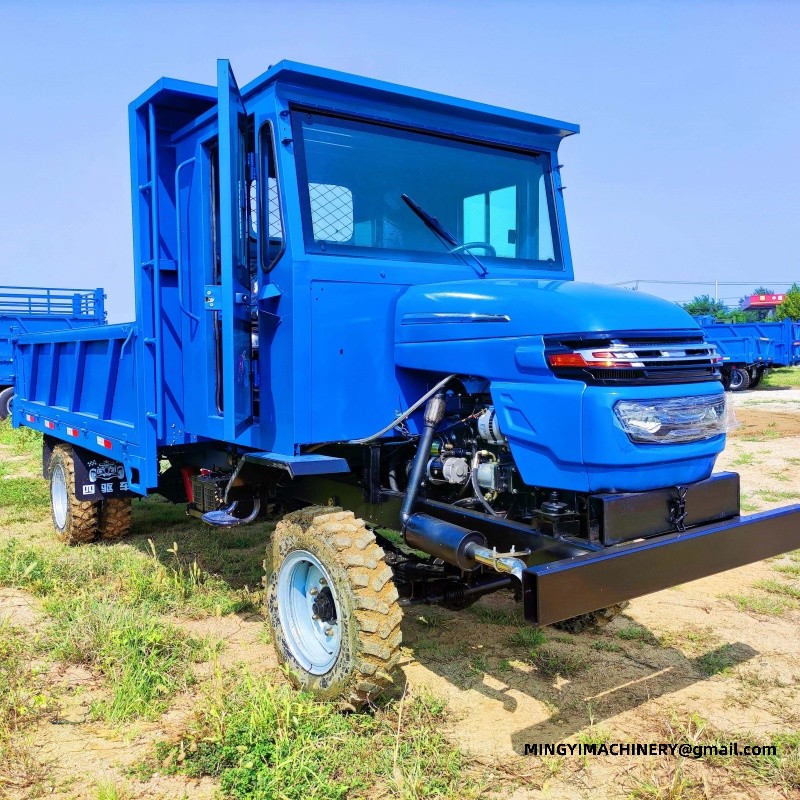
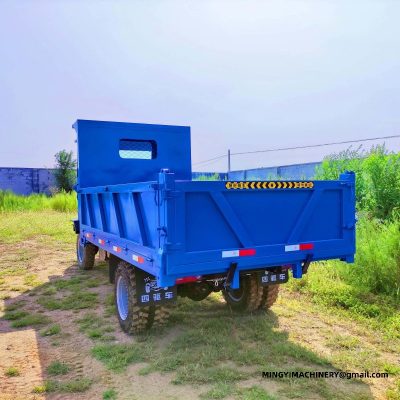
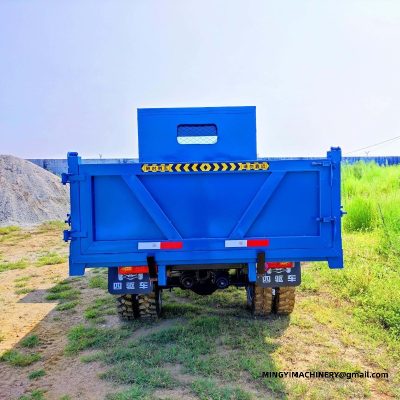
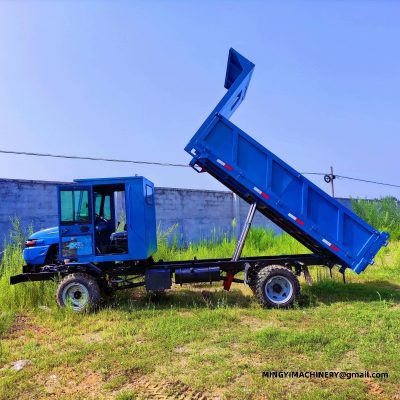
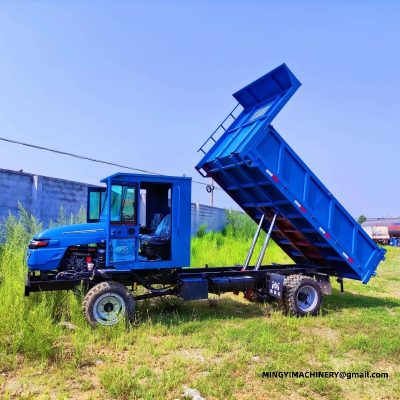
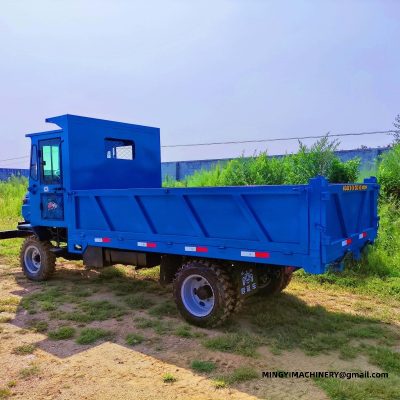
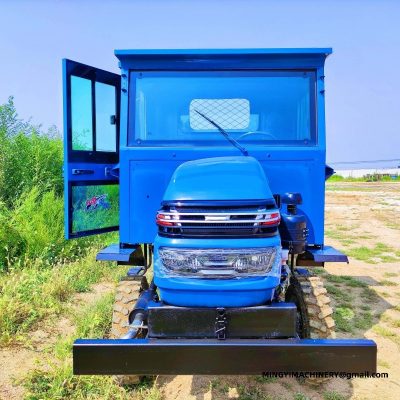
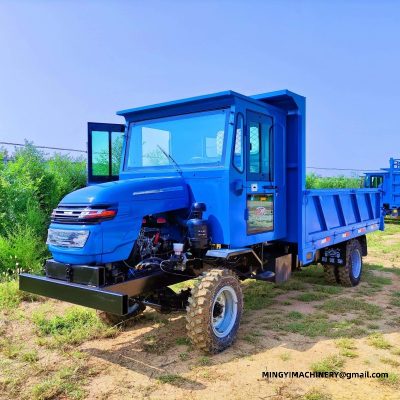
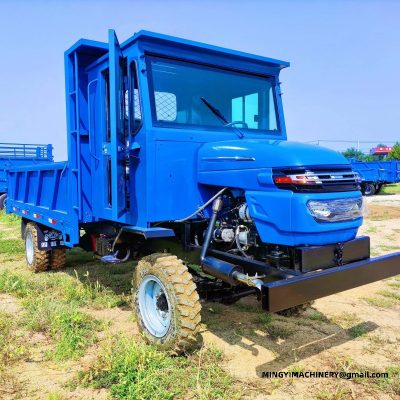
Choosing the dumper usually comes down to a handful of decisions made early: size, power, the ground it will work on and the attachments it has to carry. The notes below follow that order, because each one narrows the next.
Buyers who specify this class of machine on paper before enquiring get specifications that can be compared. Without that list, two suppliers will propose two different machines and the simpler one is usually the smaller one, not the better value.
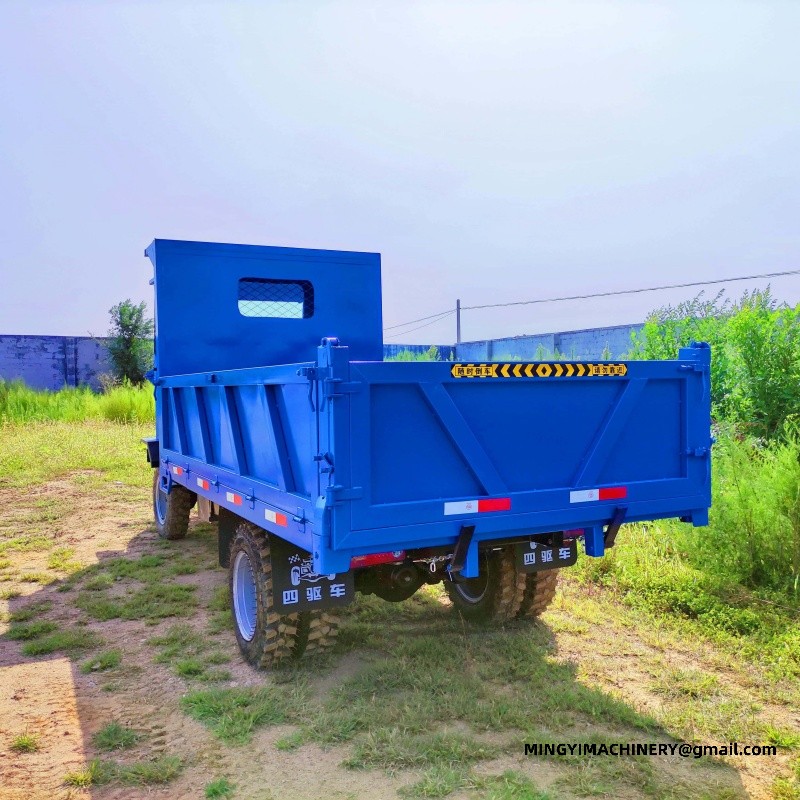
Water is heavy and it moves. Baffles and sensible speeds matter on the unit in daily use with a tank body, and the specification should reflect the ground the vehicle will cross rather than only the volume needed.
Build options are where a standard machine becomes the right machine. Colour, guarding, lighting, seating and hydraulic provisions can usually be set at build time on a machine of this size, and are far simpler then than as a retrofit. Customisation should still be limited to what the work needs. Each addition to the equipment on site is another item to maintain, so the useful question is not what can be added but what the job list actually requires.
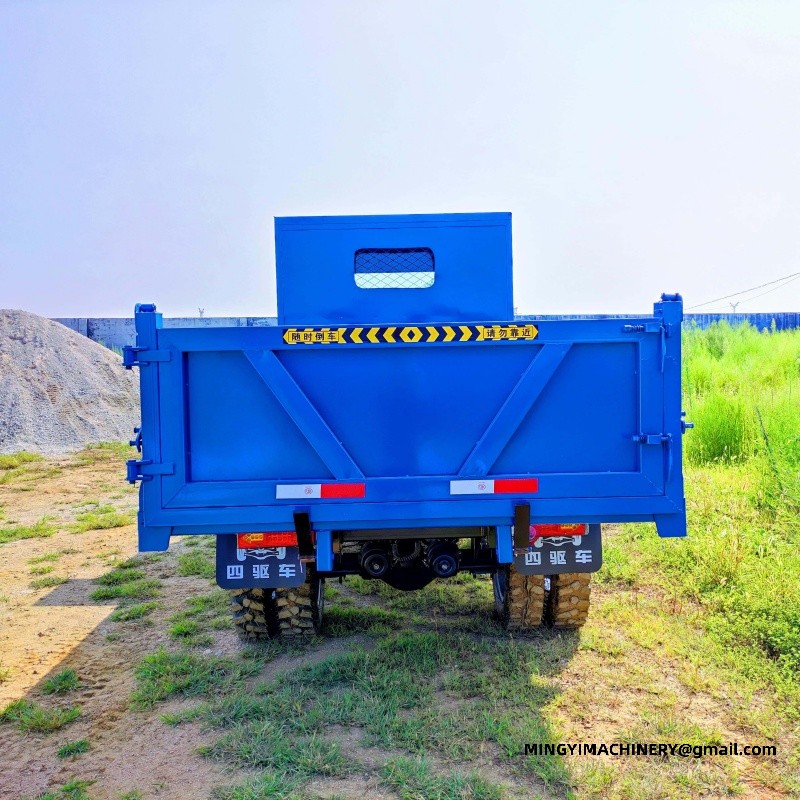
Loading method affects the machine as much as the load does. Material dropped from height into the machine itself shocks the frame and the body floor, while material placed evenly spreads the load and extends body life.
Fuel is usually the largest controllable running demand. Operating style, correct tyre or track condition and a clean air supply all move consumption on the model in question by more than most buyers expect.
Emissions documentation is part of engine selection for some destinations. Confirming which units can be supplied and documented for the destination country is worth doing at enquiry stage rather than after the build sheet is signed. Matching the engine to the duty matters more than the peak rating. The machine in that duty that spends its day at part load benefits from a different setup than one that works at full output, and the difference shows in fuel use over a season.
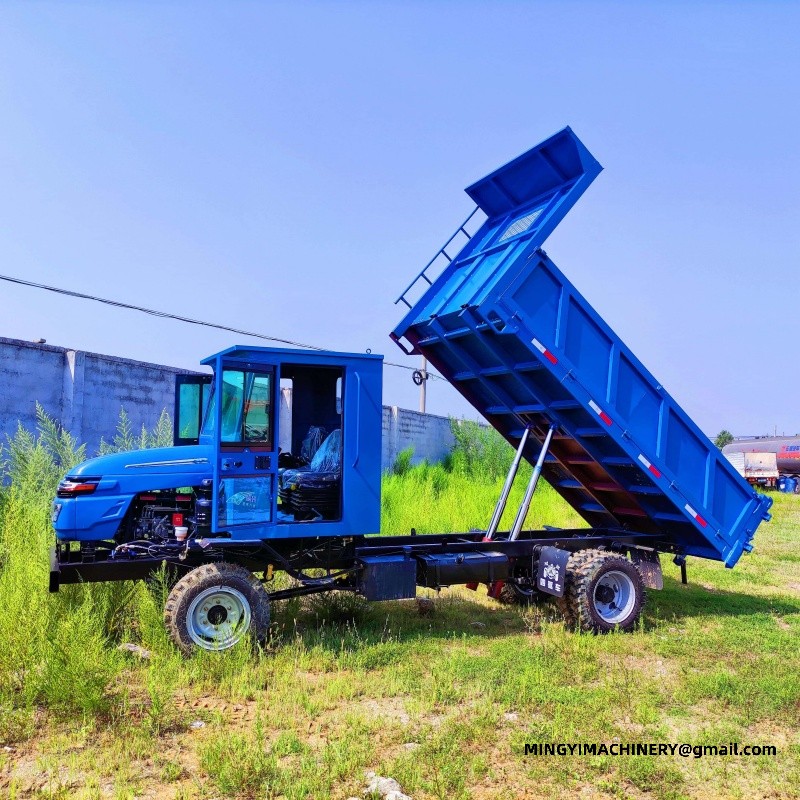
Certain parts are designed to be consumed. Knowing which items on the unit on the job are wearing parts, and roughly how long they last in the duty the machine sees, turns replacement into a plan rather than a breakdown. Wear rate follows conditions far more than hours. A machine built for the work working on abrasive ground or in mud will consume undercarriage or tyre life much faster than the same machine on clean ground.
Descending matters as much as climbing. A loaded the dumper on a steep gradient needs engine braking and brakes in good order, and the safe practice is to plan the descent before the load rather than during it. Ground and gradient together set the limit. Loose surface on a slope reduces what the equipment in service can pull regardless of engine power, so the surface survey belongs before the specification.
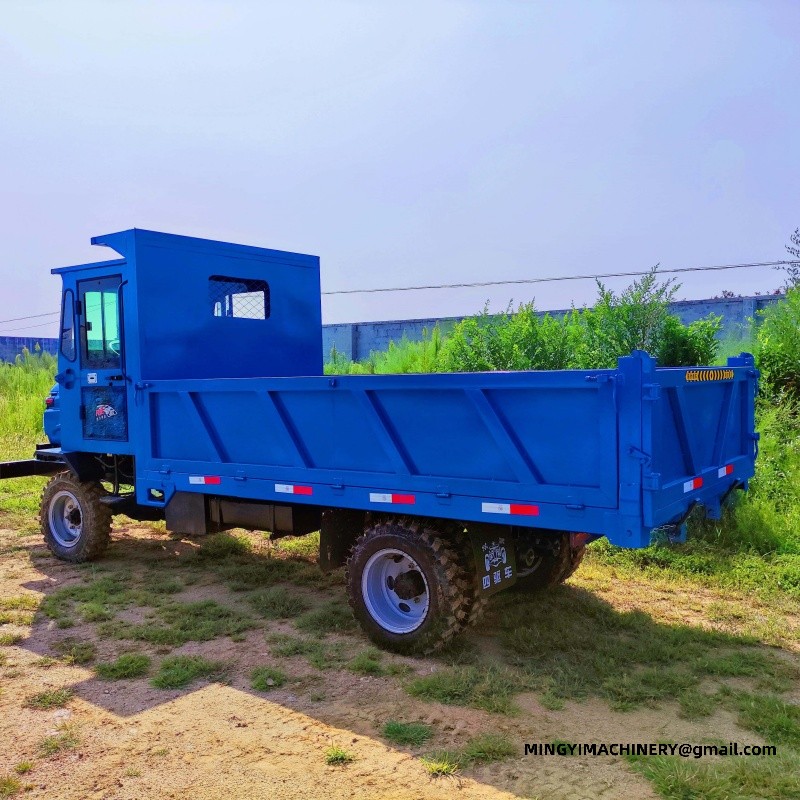
Most incidents around machinery come from the space rather than the machine. Exclusion zones, a clear signal person and a check on what is behind the unit in daily use before it moves cover the large majority of the risk on a working site.
Traction and flotation are two separate questions. The equipment on site may have the power for a slope and still not have the grip, so the surface, not the engine rating, is usually what limits the working day.
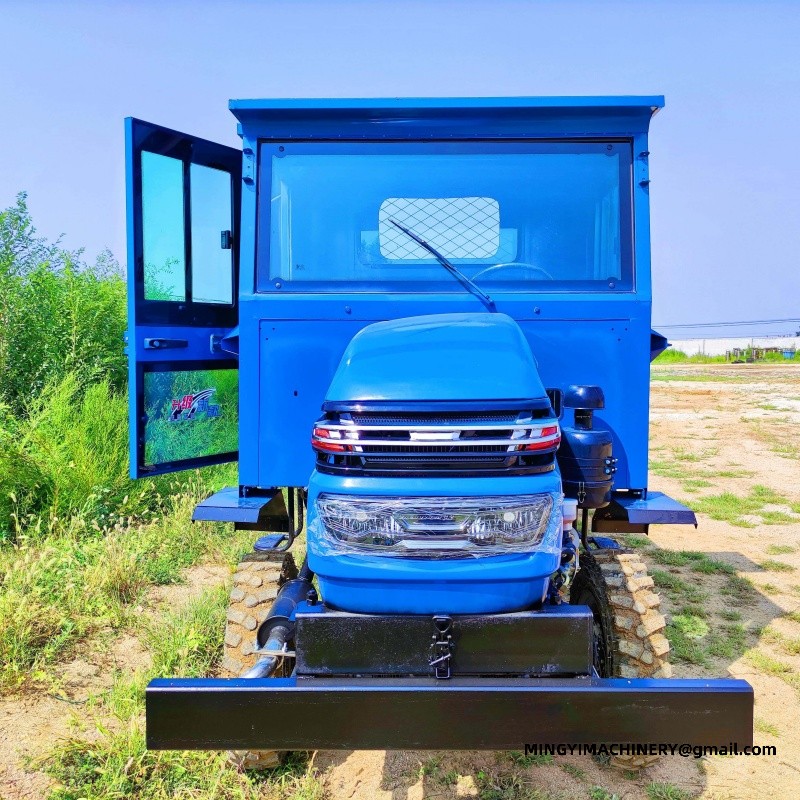
Commissioning is the point where most avoidable issues are found. Checking levels, fasteners and function on the machine itself before it goes to work takes an hour and prevents a claim conversation later. Warranty terms are clearer when they are read before purchase. Knowing what is covered, what counts as a wearing item and what documentation is required makes a claim on the model in question straightforward rather than contested. Early faults are usually simple. The machine in that duty that behaves differently in its first few hours is more often mis-set than defective, and a call to the supplier at that point usually resolves it the same day.
Batteries and fluids are the parts that notice the cold first. A machine built for the work kept on a maintainer through a freezing spell starts on the first turn, while one left standing is the usual cause of a lost morning.
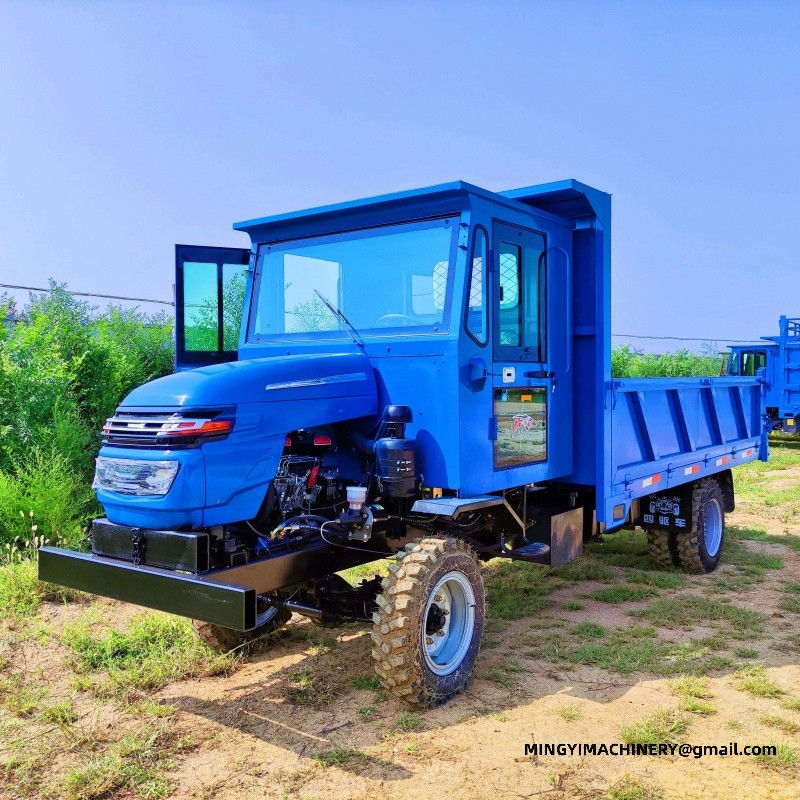
Farm work is seasonal and varied. The dumper that hauls feed in one month and muck or aggregate in the next earns its place by being usable across the year rather than by being optimised for one task.
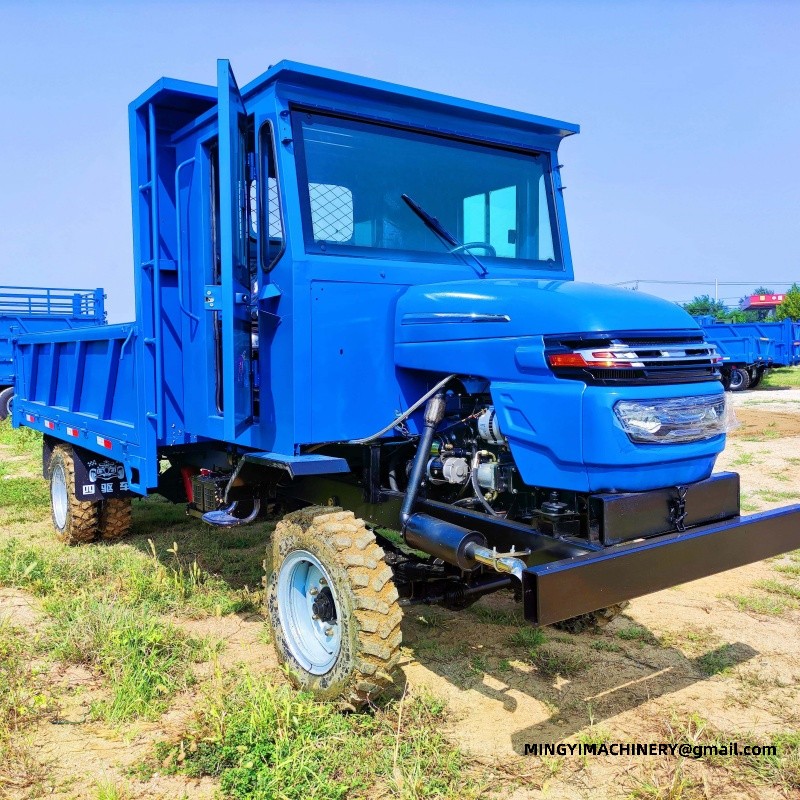
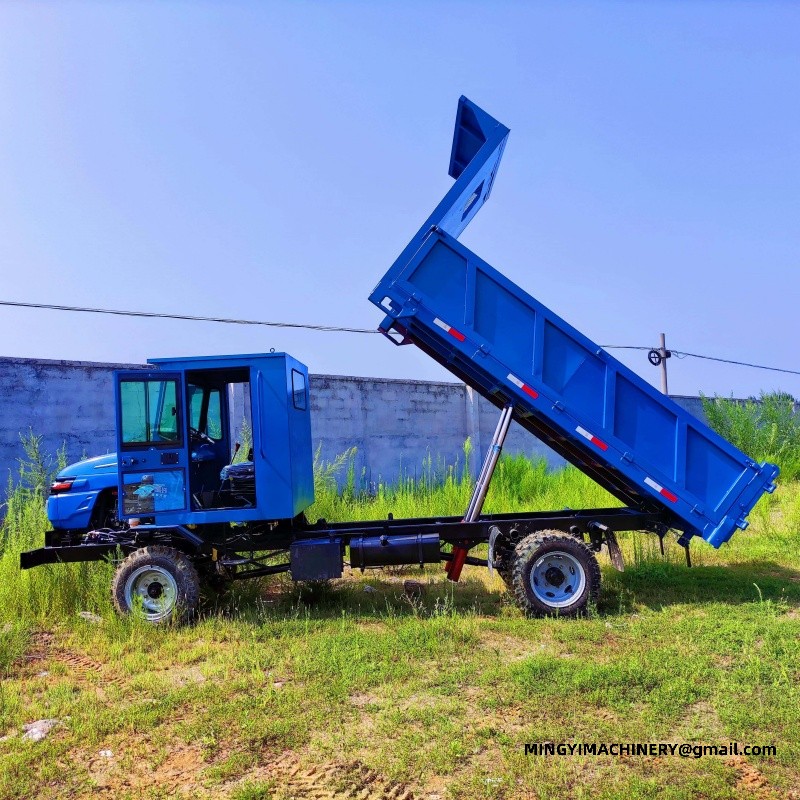
Unloading method should follow the material. Wet spoil, aggregate and green timber behave differently in the body, and matching the body and tailgate arrangement to the load is what keeps the unit in daily use cycling rather than being hand-cleared. Body size is a compromise with access. A larger body on a machine of this size carries more per trip but needs more room to turn and tip, so the useful question is how many trips the route allows rather than how much it holds.
Remote diagnosis shortens most faults. A walk-around on video with the panels open often identifies the cause on the machine itself without waiting for a visit, and avoids shipping a part that turns out not to be needed.
Four-wheel drive is only part of soft ground capability. Tyre choice, ground clearance and weight distribution decide whether the machine in that duty keeps moving in a paddy field or a marsh, and all three are specified rather than assumed. Soft ground punishes the wrong tyre. Mountain pattern tyres on the unit on the job clear mud that a road pattern would pack with, and the difference is measured in whether the machine finishes the day.
The configurations below are the build sheets most often matched to the equipment in service. Engine, gearbox, axles, frame and body dimensions are confirmed together, because the body size and the axle rating have to suit the load before the engine rating matters.
| # | 16.Upgraded | 18.Standard | 3.Standard | 7.Upgraded |
|---|---|---|---|---|
| 1 | Four-cylinder 490 diesel engine | Four-cylinder 4102 turbocharged diesel engine | Single-cylinder diesel engine, 25 hp | Single-cylinder diesel engine, 28 hp |
| 2 | Full-time gearbox with four-wheel drive | Model 140 part-time gearbox with four-wheel drive | Full-time gearbox with four-wheel drive | Full-time gearbox with four-wheel drive |
| 3 | High/low range with crawler gear | High/low range with crawler gear | High/low range with crawler gear | High/low range with crawler gear |
| 4 | Fully enclosed cab | Simple cab | Simple cab | Front axle clutch |
| 5 | Oil brakes | Oil brakes | Oil brakes | Fully enclosed cab |
| 6 | Six 700-16 mountain tyres | Six 700-16 mountain tyres | Four 700-16 mountain tyres | Oil brakes |
| 7 | Front axle 212 | Reinforced ISUZU-pattern front axle | Front axle 212 | Four 700-16 mountain tyres |
| 8 | Rear axle 130 | Reinforced 1061 rear axle | Rear axle 130 | Front axle 212 |
| 9 | Reinforced 60 x 140 mm square tube frame | Reinforced 80 x 180 mm square tube frame | Reinforced 60 x 140 mm square tube frame | Rear axle 130 |
| 10 | Rear body 2.2 m long x 1.5 m wide x 0.45 m high | Rear body 2.2 m long x 2.1 m wide x 0.45 m high | Rear body 2.2 m long x 1.5 m wide x 0.45 m high | Reinforced 60 x 140 mm square tube frame |
| 11 | Tailgate with self-dumping function | Tailgate with self-dumping function | Tailgate with self-dumping function | Rear body 2.2 m long x 1.5 m wide x 0.45 m high |
| 12 | Hydraulic power steering | Hydraulic power steering | Hydraulic power steering | Tailgate with self-dumping function |
| 13 | Twin hydraulic rams | Twin hydraulic rams | Twin hydraulic rams | Hydraulic power steering |
| 14 | Two-person comfort seat | Two-person comfort seat | Two-person comfort seat | Twin hydraulic rams |
| 15 | Twin-battery electric start | Twin-battery electric start | Twin-battery electric start | Two-person comfort seat |
| 16 | Round-nose bonnet | Square-nose bonnet | Square-nose bonnet | Twin-battery electric start |
| 17 | — | — | — | Square-nose bonnet |
Patterns show up in the record before they show up in the machine. Rising oil consumption or a filter that keeps blocking on this class of machine is obvious on paper long before it becomes a failure on site.
Holding spares is about downtime rather than the shelf itself. The question for a machine of this size is not how large the part is but how long the machine sits while it is found, and a small shelf answers that better than a fast courier.
A machine should be inspected while it is still on our floor rather than after it lands. For the machine itself that means the engine is run to temperature, the hydraulics are cycled through full travel, and every function is checked against the build sheet before the crate is closed.
The specification for oil is written for a reason. Using the grade and the change interval set for the machine in that duty keeps the engine and the hydraulic system inside the range they were designed for.
An added function should pay for itself quickly. Whether a machine built for the work gains a different bucket, a hydraulic service or a protection package, the test is the number of days a year it is actually used.
Cold exposes weak batteries, thick oil and water in the fuel. Preparing the dumper for winter means the right grade of oil, a battery in good condition and fuel that will not wax in the tank overnight.
Humidity attacks the parts that are not used. Storage in a damp climate means the unit in daily use needs the exposed metal protected and the machine run regularly, because standing still does more damage than working.
Every line above is a build item rather than an optional extra, and the final sheet for a machine of this size is confirmed against the destination, the ground and the load before production.
E-mail:sales@mingycn.com
LINE(ID):mingyicn









