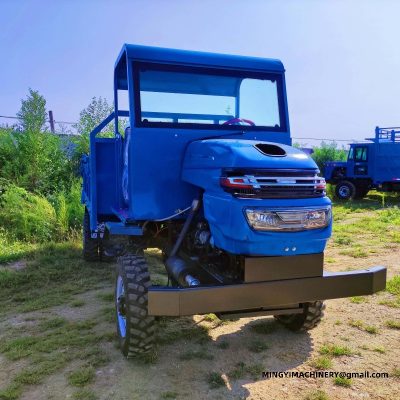
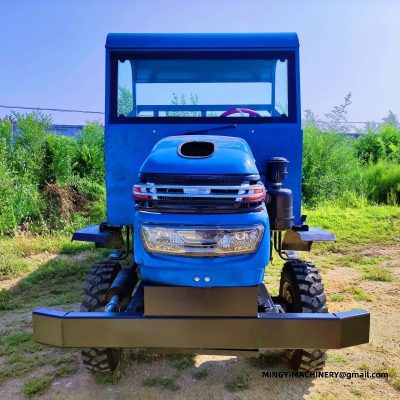
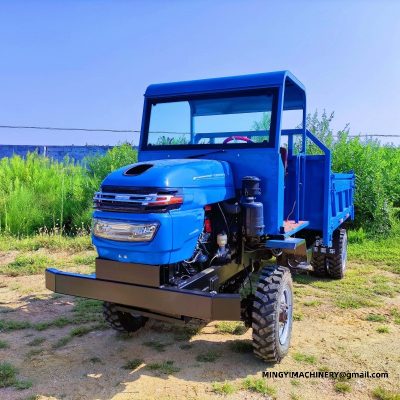
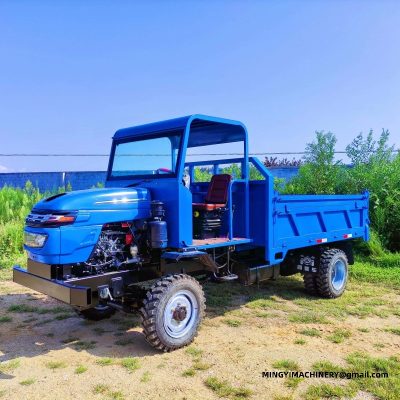
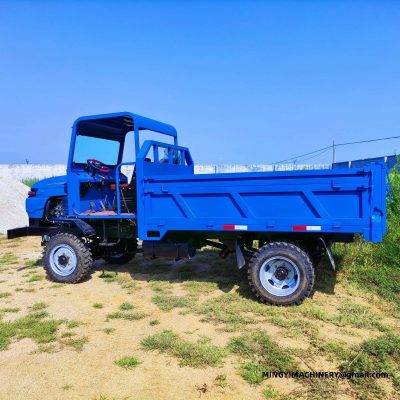
The dumper is a working machine, and the useful questions are the unglamorous ones. How long does it run between services, what does it need from the operator, how is it moved and what happens when a part is needed. Those are answered below in that order.
Most incidents around machinery come from the space rather than the machine. Exclusion zones, a clear signal person and a check on what is behind the unit in daily use before it moves cover the large majority of the risk on a working site. Slopes and edges deserve a separate check. This class of machine that is stable on level ground behaves differently across a gradient, and the safe working angle is a number worth knowing rather than estimating.
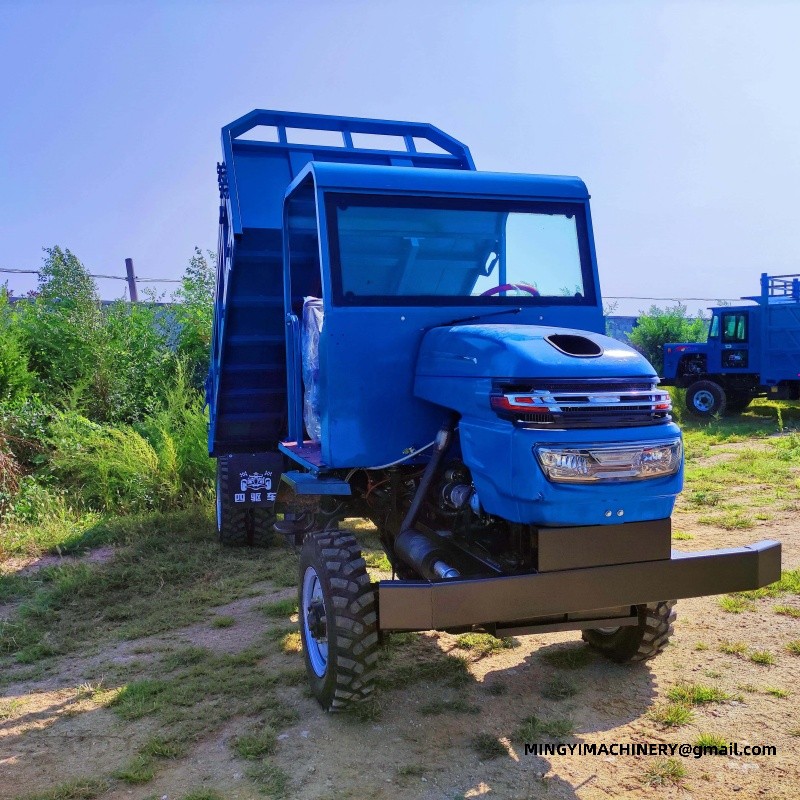
A periodic start is better than none. Running a machine of this size to operating temperature during a long layoff keeps seals and the charging system in better condition than leaving it untouched until the next job.
The specification should be written from the job backwards. Listing the loads, the ground and the hours first, then matching the machine itself to that list, avoids buying capacity the work never uses and avoids discovering a shortfall in the first week. Buyers who specify the model in question on paper before enquiring get specifications that can be compared. Without that list, two suppliers will propose two different machines and the simpler one is usually the smaller one, not the better value. A written duty list is the simplest part of the purchase. It takes an hour to note the material, the distance, the gradient and the hours per week, and it is what turns the equipment on site enquiry into a machine that fits.
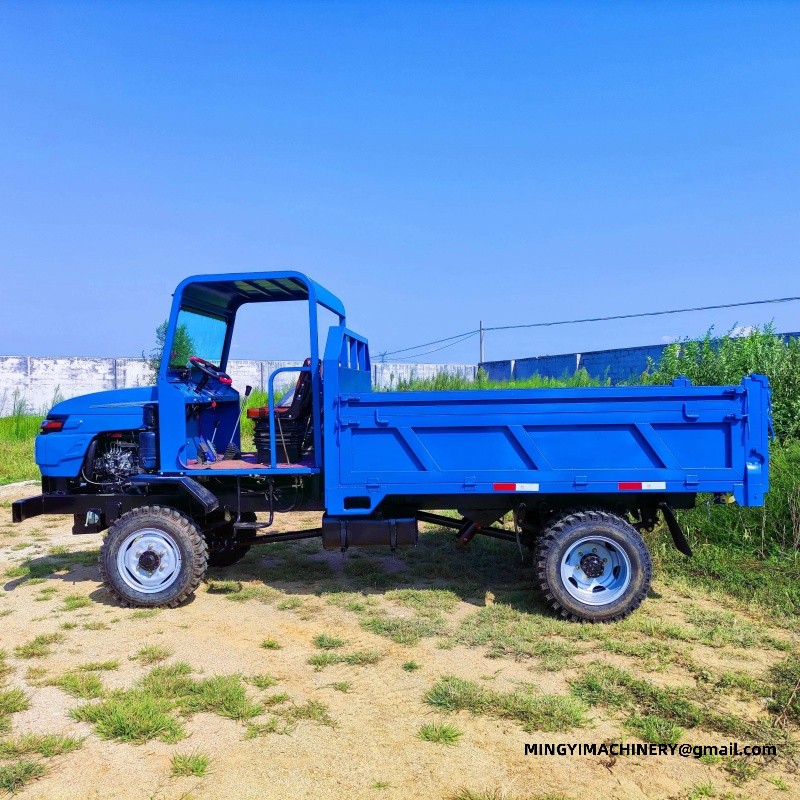
Carrying and travelling with a load needs its own plan. Speed, gradient and surface all matter more once the machine in that duty is loaded, and the safe combination is the conservative one.
Machine output varies more between operators than between brands. Smooth, planned movements put less load on the structure and use less fuel, and that difference is visible on the hour meter and in the service bills for the unit on the job. Familiarisation should cover the limits as well as the controls. Knowing where a machine built for the work loses stability, how it behaves at full reach, and what the warning lights mean prevents the incidents that are put down to bad luck. A short handover pays for itself. Operators who understand why the equipment in service is set up the way it is will report a change in behaviour early, which is usually the point where a repair is simplest.
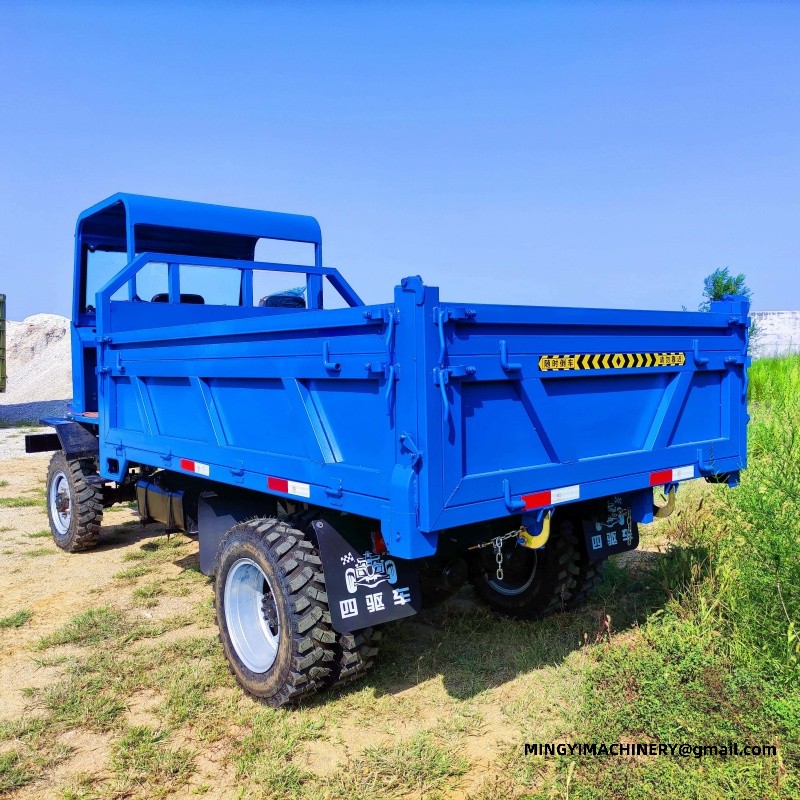
Stability governs what the crane can do. Outriggers, ground condition and load radius decide the safe figure on the dumper, and those are checked before the lift rather than discovered during it. Adding a crane changes the vehicle specification. Hydraulic capacity, frame strength and braking all need to suit the attachment, and it is simpler to specify them at build than to add them later.
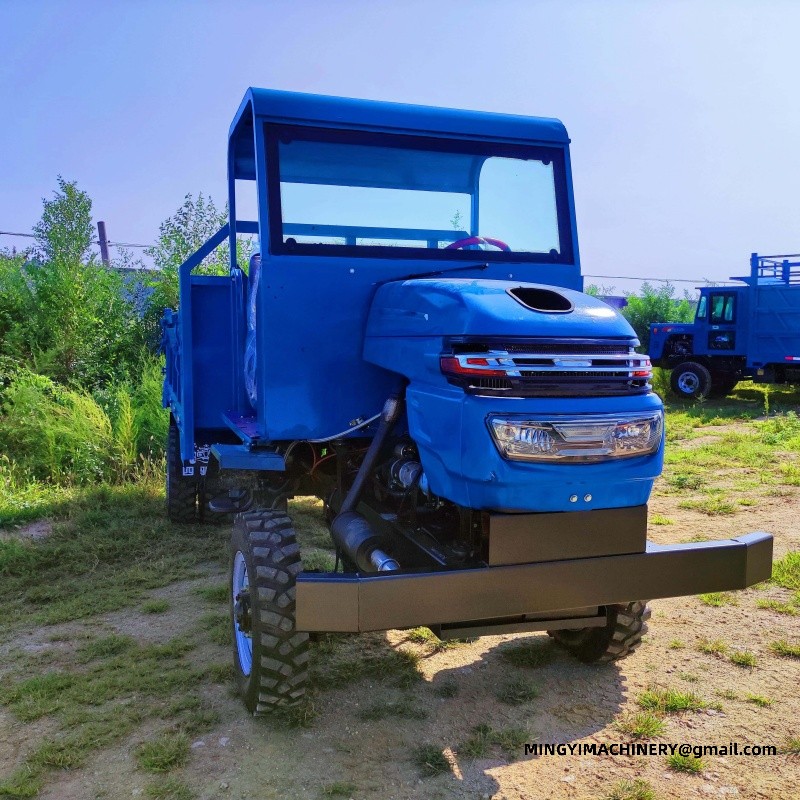
Descending matters as much as climbing. A loaded this class of machine on a steep gradient needs engine braking and brakes in good order, and the safe practice is to plan the descent before the load rather than during it.
Hour planning helps at resale as well. The unit in daily use with a recorded service history and a sensible hour count is easier to sell than one with the same hours and no records, whatever its condition.
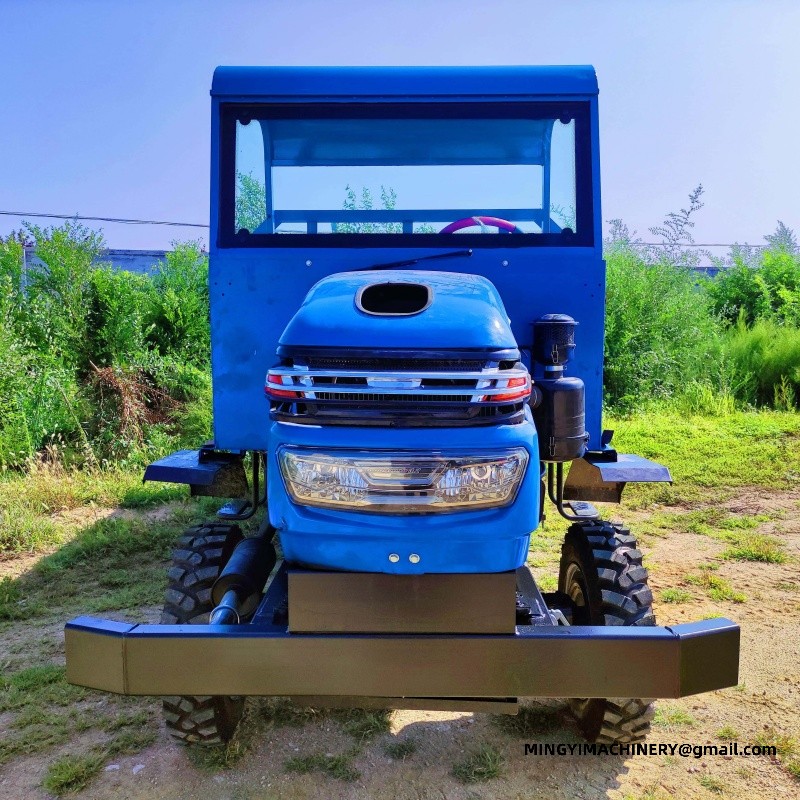
Machine productivity depends on what happens around it. Deliveries, other trades and the sequence of work decide how much of the shift the equipment on site spends actually working rather than waiting. Access and storage are worth settling early. Where the machine itself will be parked, refuelled and serviced on site affects the working day more than most specification details, and it takes nothing to plan.
Cold changes how a machine starts and how it warms up. Allowing the machine in that duty to reach operating temperature before loading it, and using the correct grade of oil and fuel for the season, prevents most cold-start problems. Low temperatures also make materials behave differently. Ground that is frozen hard in the morning can be soft by midday, and planning the sequence around that is easier than fighting it with the unit on the job.
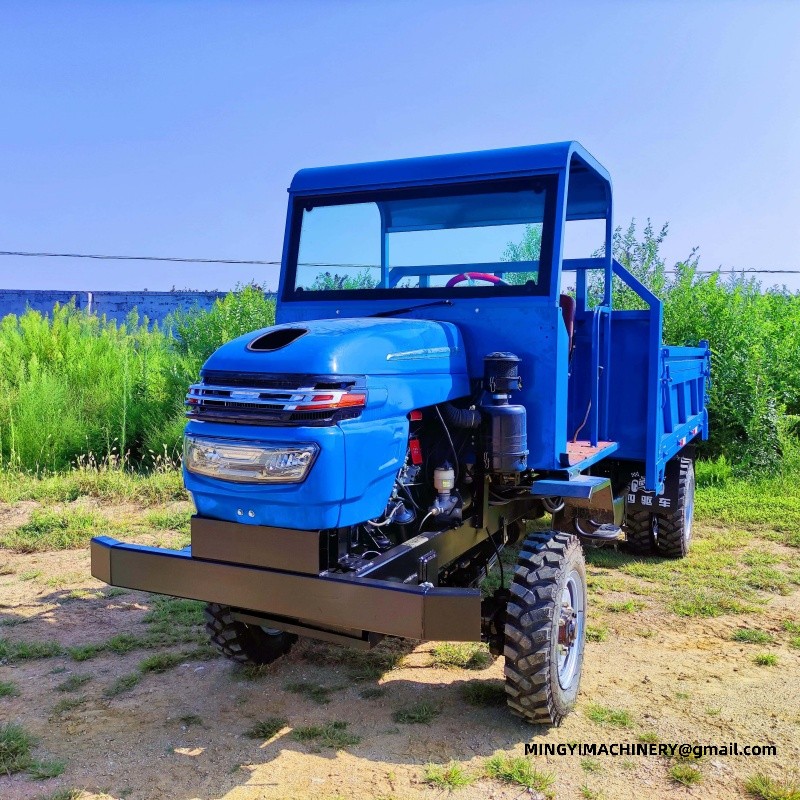
Recovering a stuck vehicle takes longer than preventing it. Planning the route, avoiding the worst ground and knowing where the equipment in service will turn is what keeps a soft-ground job productive.
Payload is limited by the axles and the frame before it is limited by the body volume. Specifying this class of machine against the material density gives a realistic figure, because a body that looks half full can already be at its limit with rock. Loading method affects the machine as much as the load does. Material dropped from height into the unit in daily use shocks the frame and the body floor, while material placed evenly spreads the load and extends body life. The honest payload figure comes from the duty. A machine of this size working a smooth haul road carries differently from one crossing ruts and gradients, and the conservative number is the one that keeps the machine working.
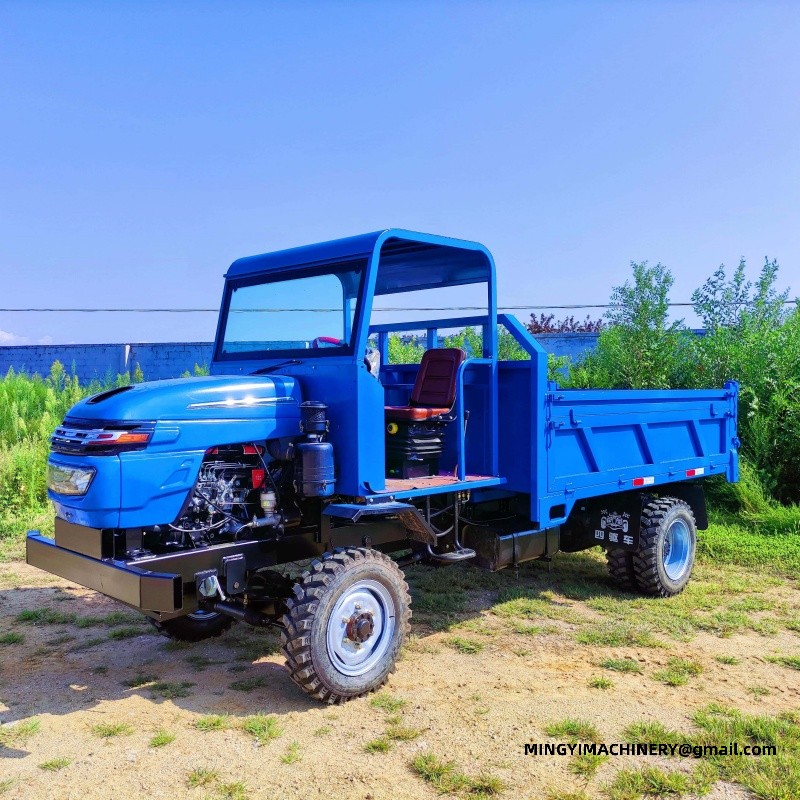
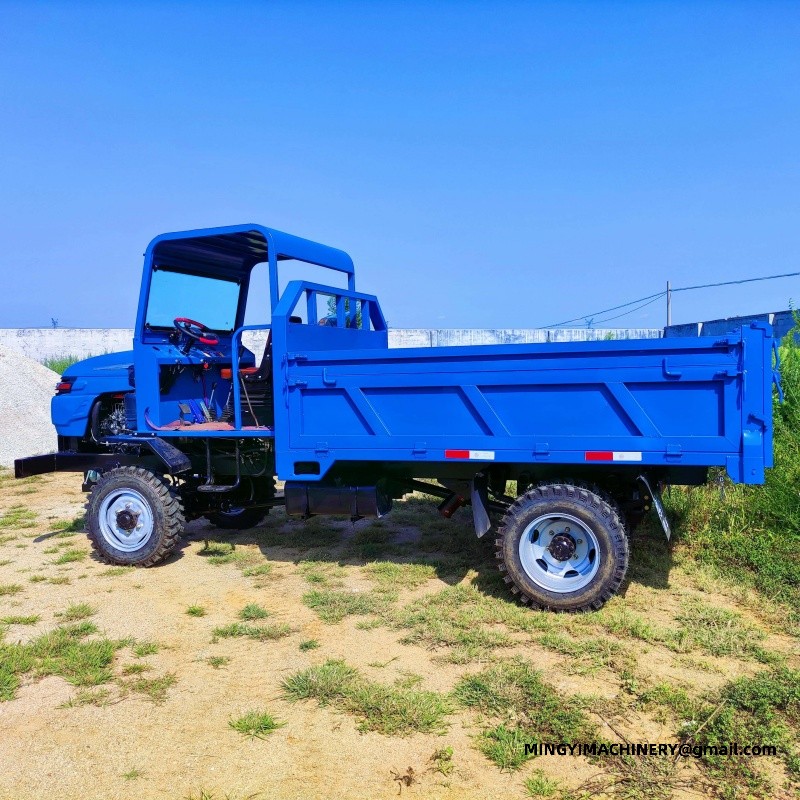
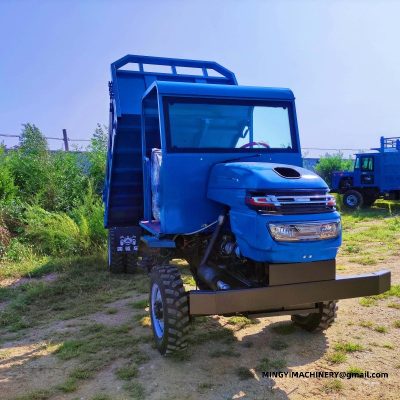
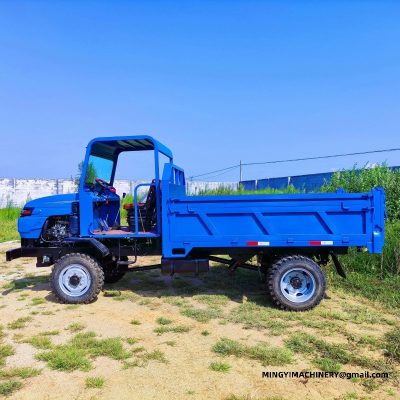
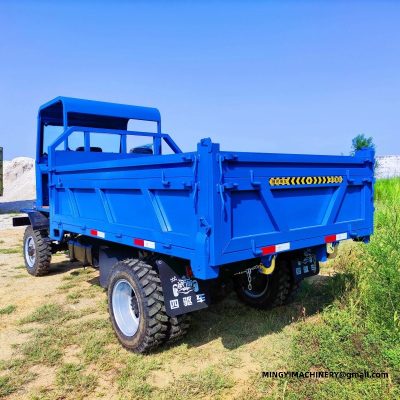
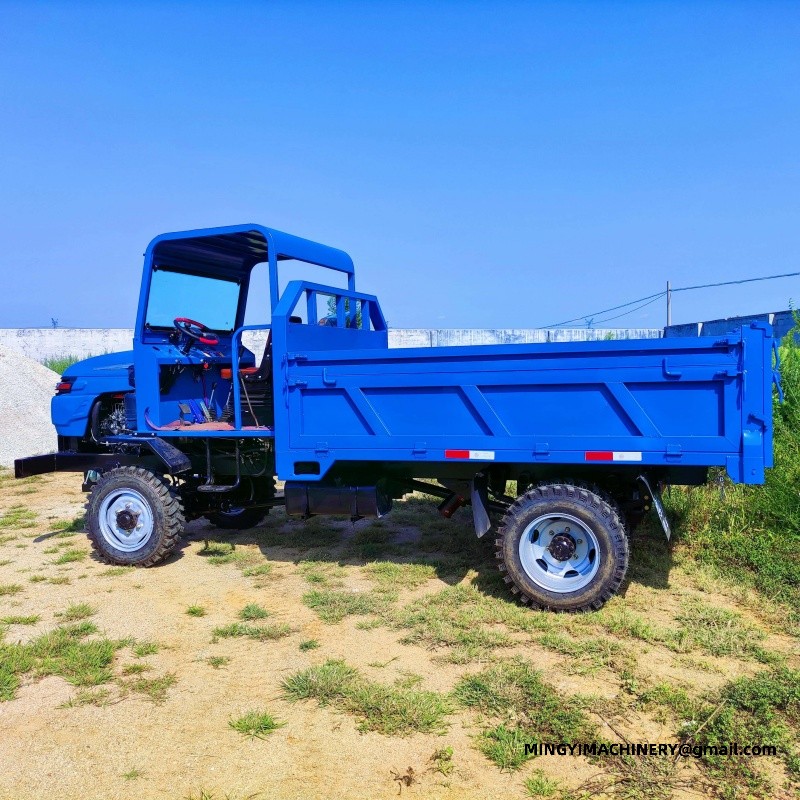
The configurations below are the build sheets most often matched to the machine itself. Engine, gearbox, axles, frame and body dimensions are confirmed together, because the body size and the axle rating have to suit the load before the engine rating matters.
| # | 10.Upgraded | 17.Luxury | 19.Upgraded | 24.Luxury |
|---|---|---|---|---|
| 1 | Single-cylinder diesel engine, 32 hp | Four-cylinder 490 diesel engine | Four-cylinder 4102 turbocharged diesel engine | Four-cylinder 4108 turbocharged diesel engine |
| 2 | Full-time gearbox with four-wheel drive | Part-time gearbox, selectable 2WD/4WD | Model 140 part-time gearbox with four-wheel drive | Model 145 part-time gearbox, selectable 2WD/4WD |
| 3 | High/low range with crawler gear | High/low range with crawler gear | High/low range with crawler gear | High/low range with crawler gear |
| 4 | Front axle clutch | Fully enclosed cab | Fully enclosed cab | Fully enclosed cab |
| 5 | Fully enclosed cab | Six 700-16 mountain tyres | Six 750R16 steel-belted radial tyres | Six 825R16 steel-belted radial tyres |
| 6 | Oil brakes | Reinforced 130 front axle | Reinforced ISUZU-pattern front axle | Reinforced ISUZU-pattern front axle |
| 7 | Four 700-16 mountain tyres | Reinforced ISUZU-pattern rear axle | Reinforced 1061 rear axle | Reinforced 1080 rear axle |
| 8 | Front axle 212 | Air cut-off brakes | Air cut-off brakes | Air cut-off brakes |
| 9 | Rear axle 130 | Reinforced 60 x 140 mm square tube frame | Reinforced 80 x 180 mm square tube frame | Reinforced 80 x 180 mm square tube frame |
| 10 | Reinforced 60 x 140 mm square tube frame | Rear body 2.2 m long x 1.8 m wide x 0.45 m high | Rear body 3.0 m long x 2.1 m wide x 0.45 m high | Rear body 3.0 m long x 2.2 m wide x 0.45 m high |
| 11 | Rear body 2.2 m long x 1.5 m wide x 0.45 m high | Tailgate with self-dumping function | Tailgate with self-dumping function | Tailgate with self-dumping function |
| 12 | Tailgate with self-dumping function | Side-opening rear body tailgate | Side-opening rear body tailgate with cab ladder | Side-opening rear body tailgate with cab ladder |
| 13 | Hydraulic power steering | Hydraulic power steering | Hydraulic power steering | Hydraulic power steering |
| 14 | Twin hydraulic rams | Twin hydraulic rams | Twin hydraulic rams | Twin hydraulic rams |
| 15 | Two-person comfort seat | Two-person comfort seat | Two-person comfort seat | Two-person comfort seat |
| 16 | Twin-battery electric start | Heavy-duty leaf springs | Thickened heavy-duty leaf springs | Heavy-duty leaf springs |
| 17 | Square-nose bonnet | Twin-battery electric start | Twin-battery electric start | Twin-battery electric start |
| 18 | — | Round-nose bonnet | Square-nose bonnet | Square-nose bonnet |
Tropical operation is a specification question as much as a maintenance one. The cooling capacity, the sealing and the corrosion protection fitted to the machine in that duty are what make the difference once the ambient temperature rises.
The record should follow the machine, not the owner. When a machine built for the work changes hands the service history travels with it, and a complete folder is often the difference between a quick sale and a long one.
Holding spares is about downtime rather than the shelf itself. The question for the dumper is not how large the part is but how long the machine sits while it is found, and a small shelf answers that better than a fast courier.
Contamination is easier to prevent than to cure. Keeping the filler caps sealed, the funnels clean and the containers closed around the unit in daily use is unglamorous work that shows up as reliability later.
Keeping the documents together is part of ownership. The manual, the service record and the build sheet for the equipment on site belong in one folder, and the machine is easier to sell later when that folder is complete.
Export packing is part of the machine, not an afterthought. The model in question is blocked and braced inside the container so that it arrives in the same condition it left, and the load plan is decided by the dimensions rather than by what fits loosely.
The first hour on site should be slow. Before the unit on the job is put to work the fluid levels are rechecked after transport, the fasteners are gone over and the machine is run light so that anything loosened in transit shows up early.
Later changes are easier when they were anticipated. Asking for the extra hydraulic circuit or the heavier mounting plate on the equipment in service at build time adds little and leaves the option open.
Every line above is a build item rather than an optional extra, and the final sheet for the dumper is confirmed against the destination, the ground and the load before production.
E-mail:sales@mingycn.com
LINE(ID):mingyicn









