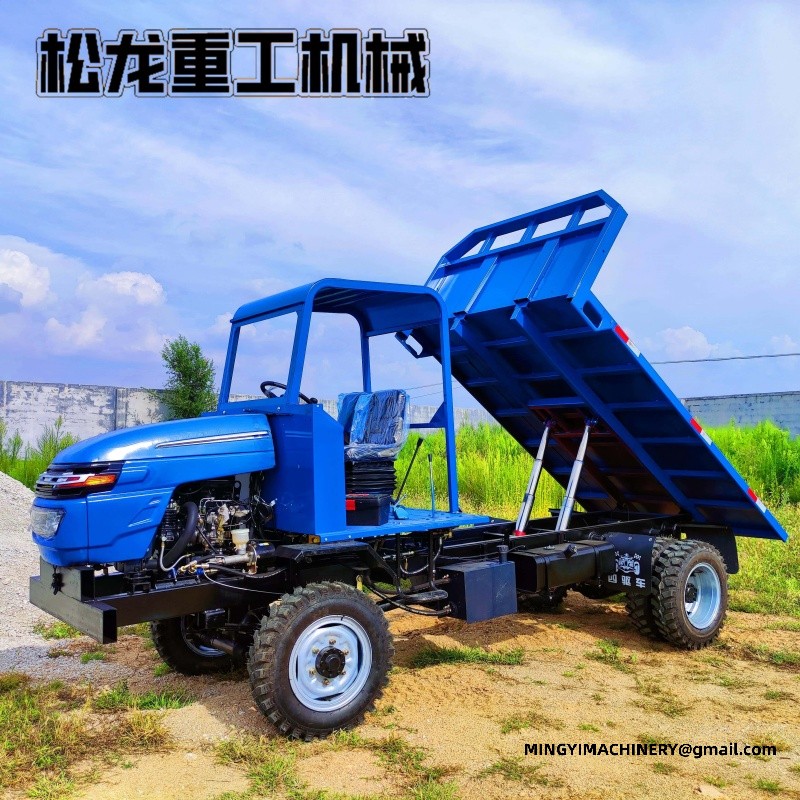
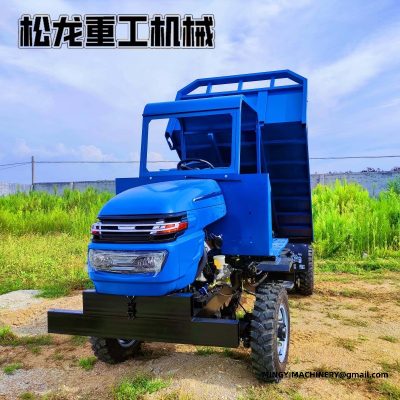
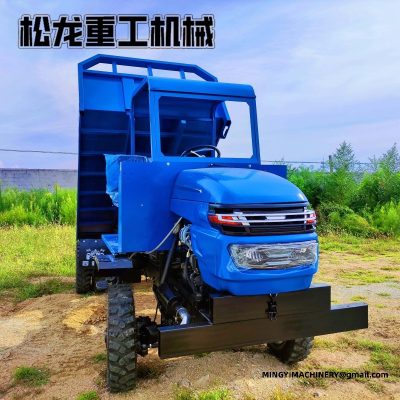
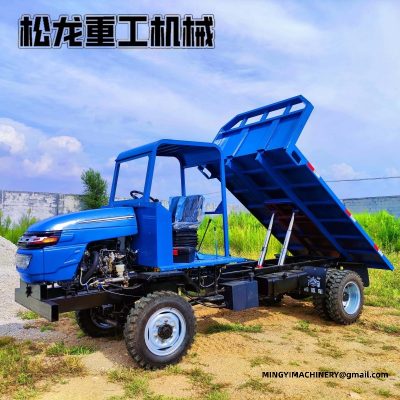
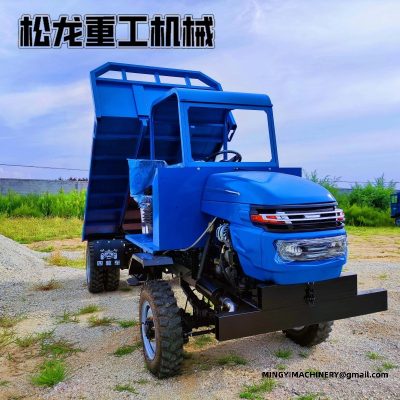
The dumper is usually bought to replace something, whether a method, an older machine or a hired unit. The notes below are written for that comparison: what changes on day one, what stays the same and what to check before the switch is made.
Resale starts at purchase. Specification choices, service records and the condition of wearing parts are what a buyer looks at, and this class of machine that has been maintained on schedule is worth more than one that merely looks clean.
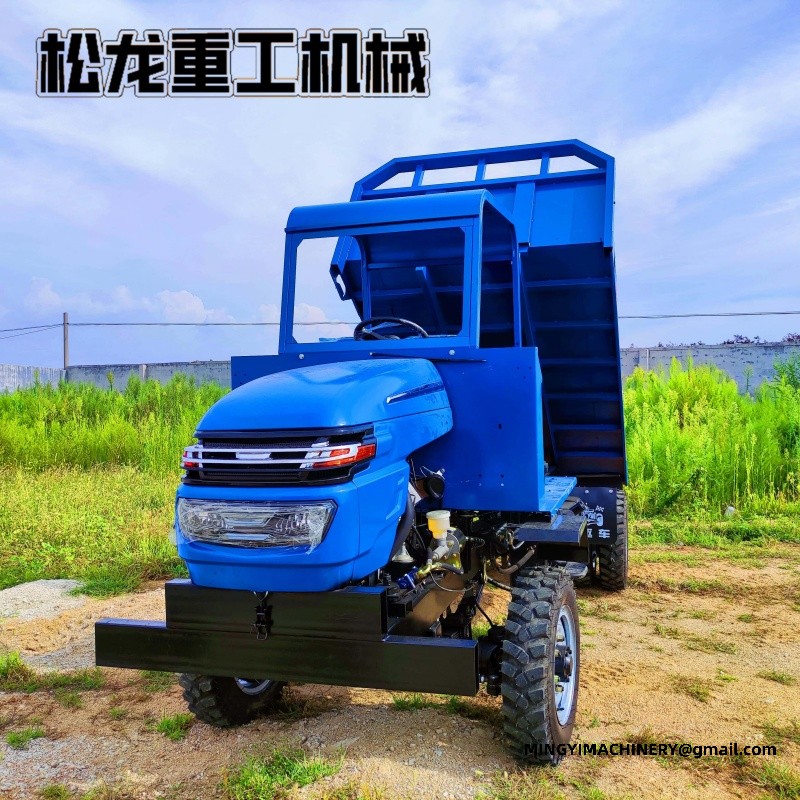
Access tracks in forestry are narrow, soft and often steep. The unit in daily use chosen for that work is chosen for the track, and the body, cab and tyre specification follow from the route rather than from the load alone.
Power unit choice is usually a parts question, not a performance one. Two buyers can order the same a machine of this size and sensibly choose different engines, because the right answer depends on which brand the local workshop already supports. Emissions documentation is part of engine selection for some destinations. Confirming which units can be supplied and documented for the destination country is worth doing at enquiry stage rather than after the build sheet is signed.
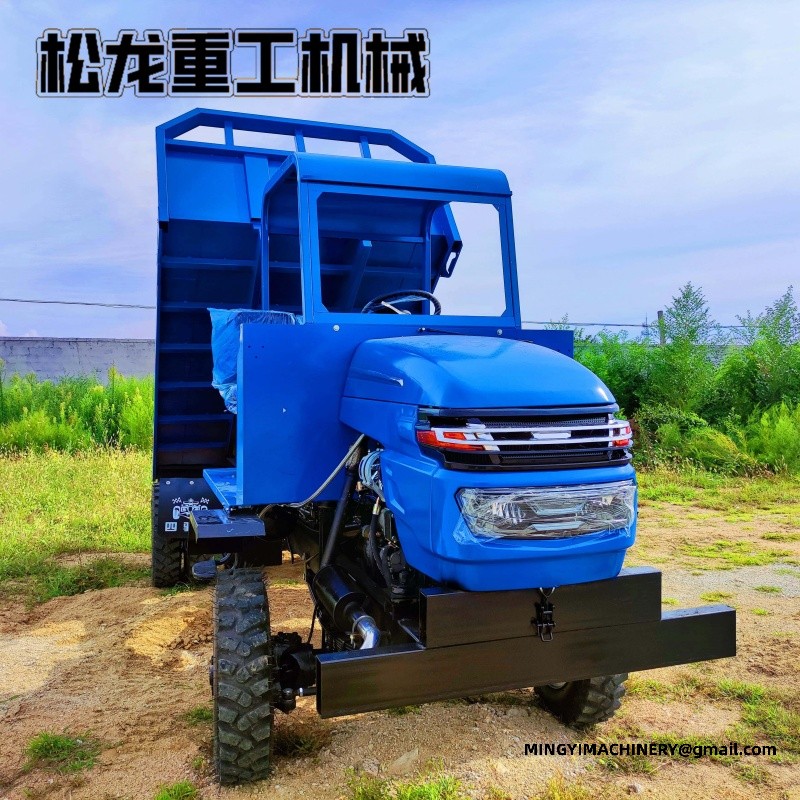
Carrying concrete changes the duty entirely. The equipment on site with a mixer drum is working against the clock, and the specification follows the delivery distance and the site access rather than the load alone. Cleaning and discharge are part of the job. The machine itself used for concrete is judged on how quickly it can discharge and wash out, because that turnaround is what the site is paying for.
Four-wheel drive is only part of soft ground capability. Tyre choice, ground clearance and weight distribution decide whether the model in question keeps moving in a paddy field or a marsh, and all three are specified rather than assumed. Soft ground punishes the wrong tyre. Mountain pattern tyres on the machine in that duty clear mud that a road pattern would pack with, and the difference is measured in whether the machine finishes the day. Recovering a stuck vehicle takes longer than preventing it. Planning the route, avoiding the worst ground and knowing where the unit on the job will turn is what keeps a soft-ground job productive.
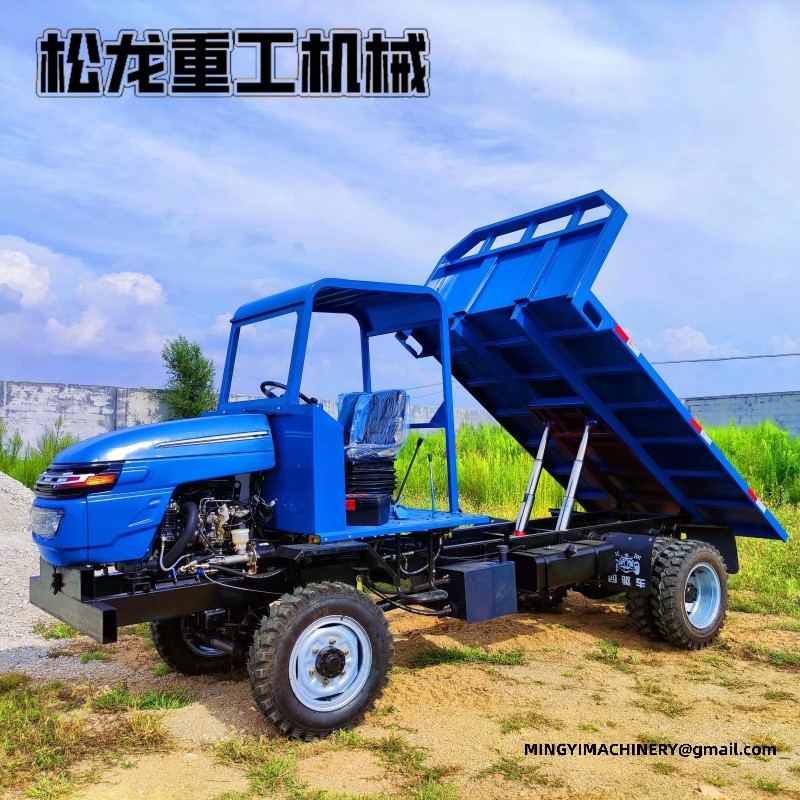
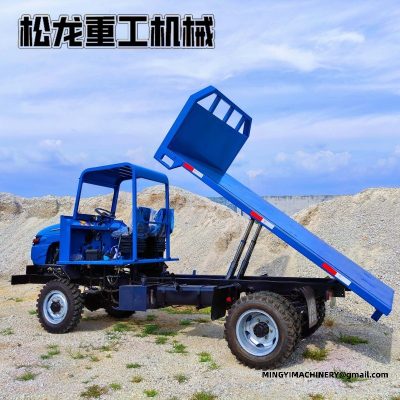
The tipping body is the part that does the work. A machine built for the work specified with twin hydraulic rams and a tailgate that opens under load unloads in one pass, which matters more on a short haul than top speed does. Unloading method should follow the material. Wet spoil, aggregate and green timber behave differently in the body, and matching the body and tailgate arrangement to the load is what keeps the equipment in service cycling rather than being hand-cleared.
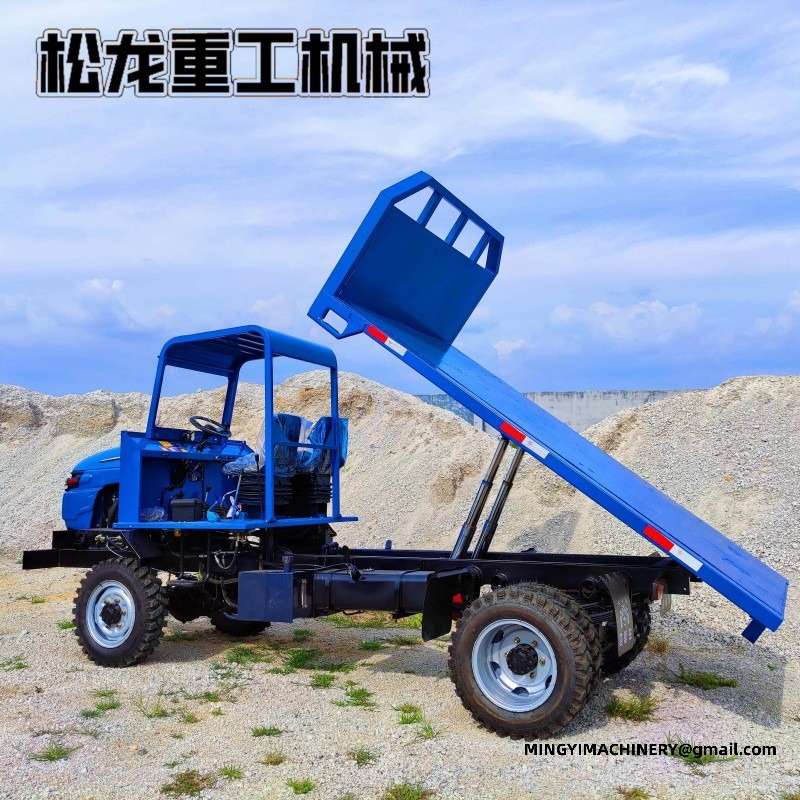
Gradient is where a haul vehicle earns its keep. The dumper with a crawler gear and a low range climbs loaded where a road vehicle would need a second attempt, and that difference decides whether a track is usable at all.
Export orders add steps that domestic buyers never see. Packed dimensions, securing points, documentation and any dismantling required are all settled before this class of machine leaves the factory, and each one affects the freight booking. Documentation should be agreed at order stage. The commercial invoice, packing list and any certificate required at destination are part of shipping the unit in daily use, and missing papers delay clearance longer than the voyage takes.
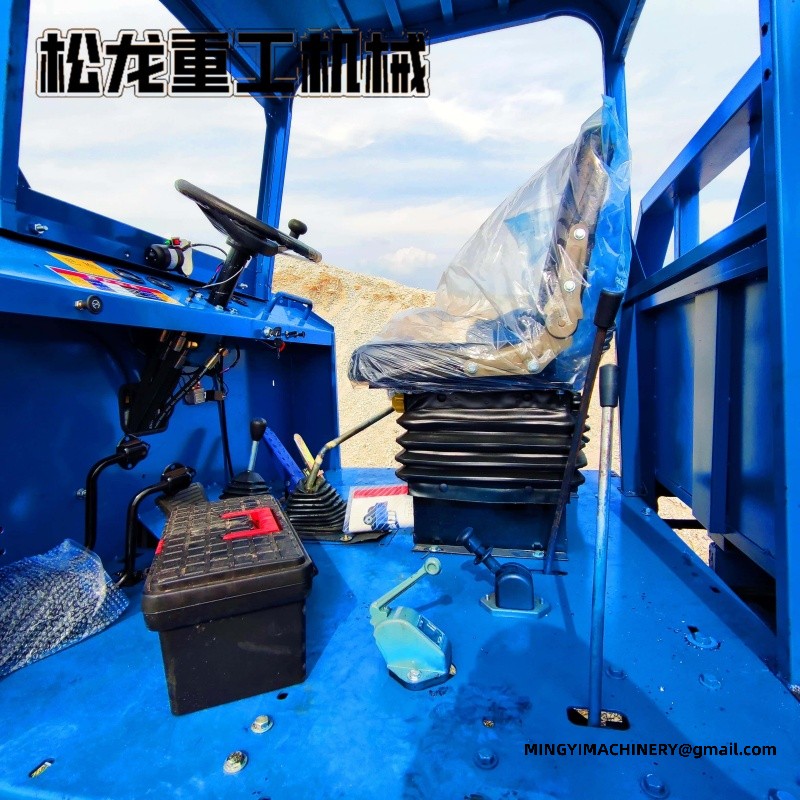
A periodic start is better than none. Running the equipment on site to operating temperature during a long layoff keeps seals and the charging system in better condition than leaving it untouched until the next job.
Lead time is part of the specification. Confirming build time, shipping method and what is included before ordering the model in question prevents the common gap between when the machine is needed and when it can arrive. The order should state the configuration in writing. Engine, attachments, colour, documents and any market requirement are clearer on the build sheet for the machine in that duty than in a conversation after delivery. Delivery planning includes the receiving end. Knowing whether the unit on the job will be craned, driven or forked off, and whether the site can accept it, is settled before dispatch rather than on the day.
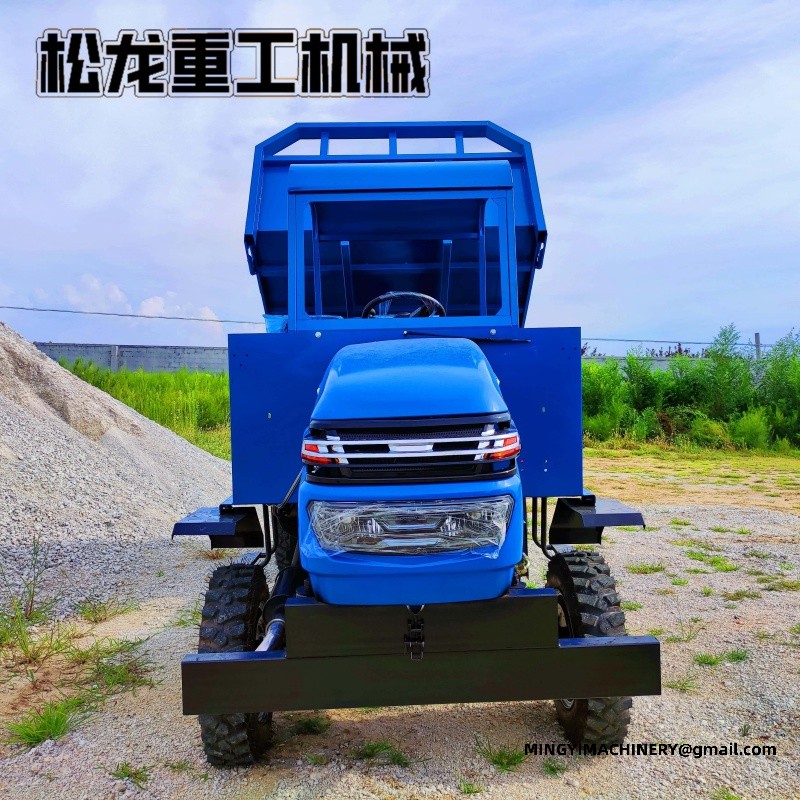
Attachment decisions are best made before delivery. Specifying hydraulics and couplers at build time is simpler than adding them later, and it avoids the downtime of a workshop visit in the first month.
Cold changes how a machine starts and how it warms up. Allowing the dumper to reach operating temperature before loading it, and using the correct grade of oil and fuel for the season, prevents most cold-start problems. Low temperatures also make materials behave differently. Ground that is frozen hard in the morning can be soft by midday, and planning the sequence around that is easier than fighting it with this class of machine.
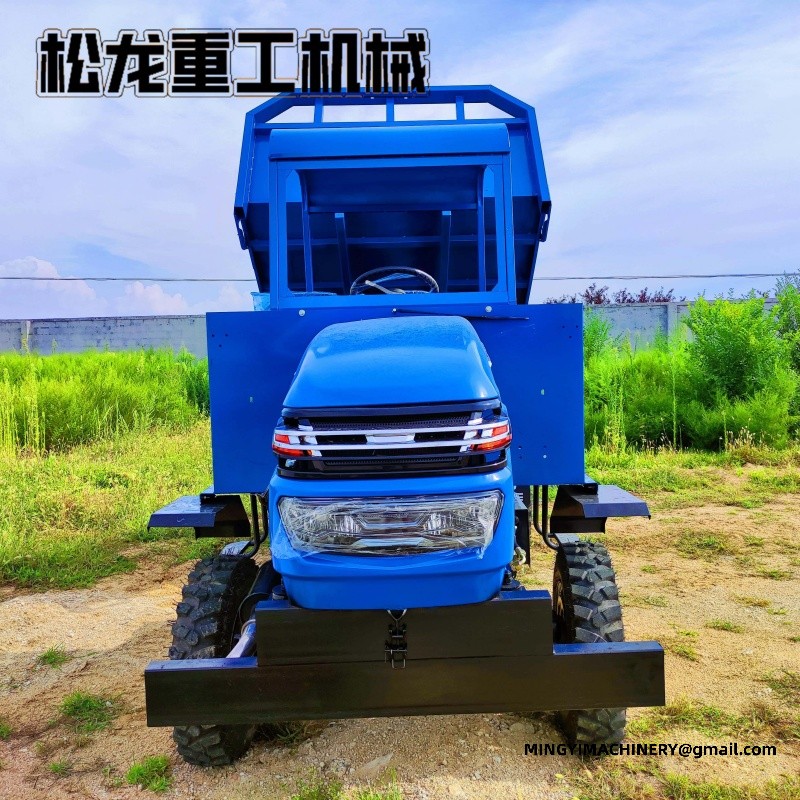
Working after daylight changes the risk. Lighting coverage on the equipment on site and across the working area, plus high-visibility clothing for anyone on foot, are the items that make low-light work practical. Visibility from the seat is different at night. Reflections, shadows and glare all hide detail, so a machine of this size used after dark benefits from clean lenses, working wipers and a slower working pace. Planning helps more than extra lamps. Positioning the machine itself so that the work is lit from the machine side, and keeping the route clear, does more for safety than adding light to a badly planned task.
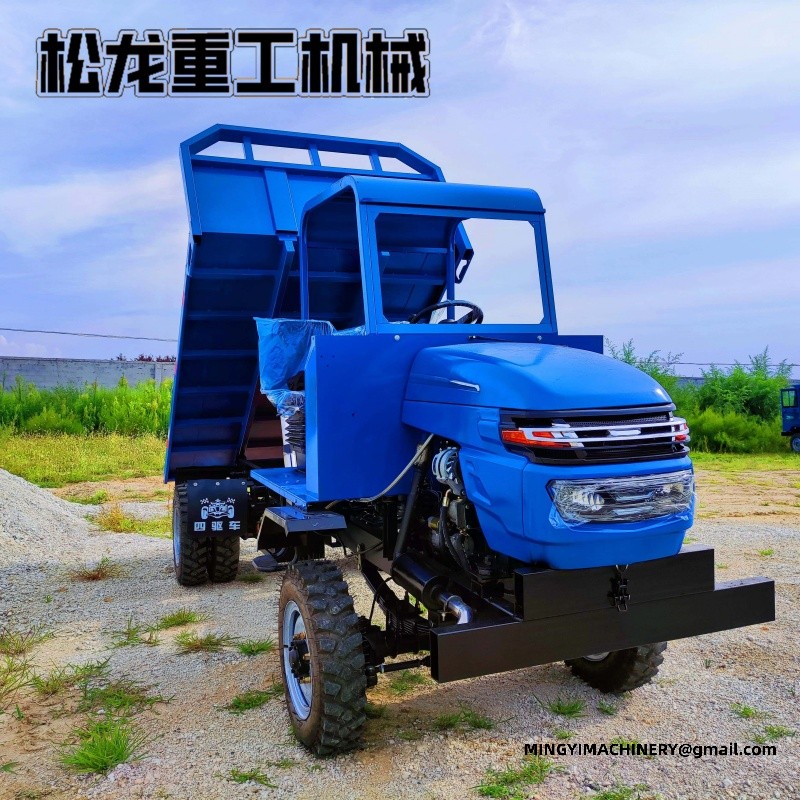
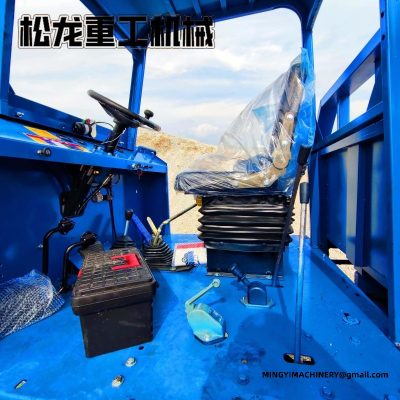
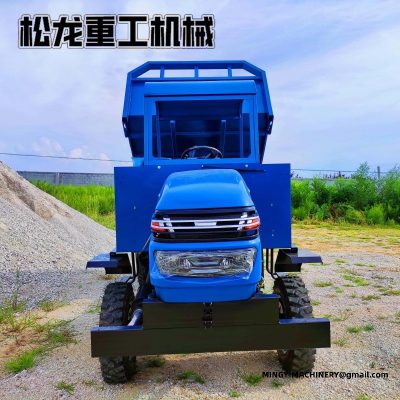
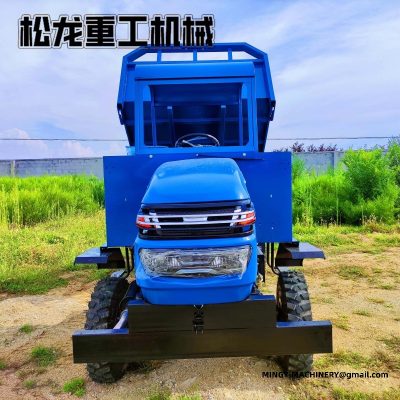
The configurations below are the build sheets most often matched to the machine in that duty. Engine, gearbox, axles, frame and body dimensions are confirmed together, because the body size and the axle rating have to suit the load before the engine rating matters.
| # | 12.Standard | 15.Standard | 21.Upgraded | 5.Luxury |
|---|---|---|---|---|
| 1 | Two-cylinder diesel engine, 38 hp | Four-cylinder 490 diesel engine | Four-cylinder 4105 turbocharged diesel engine | Single-cylinder diesel engine, 25 hp |
| 2 | Full-time gearbox with four-wheel drive | Full-time gearbox with four-wheel drive | Model 140 part-time gearbox with four-wheel drive | Part-time gearbox with four-wheel drive |
| 3 | High/low range with crawler gear | High/low range with crawler gear | High/low range with crawler gear | High/low range with crawler gear |
| 4 | Simple cab | Simple cab | Simple cab | Enclosed cab |
| 5 | Oil brakes | Oil brakes | Six 825R16 steel-belted radial tyres | Six 700-16 mountain tyres |
| 6 | Four 700-16 mountain tyres | Four 700-16 mountain tyres | Reinforced ISUZU-pattern front axle | Model 212 front axle |
| 7 | Front axle 212 | Front axle 212 | Reinforced 1080 rear axle with air cut-off brake | Model 130 rear axle |
| 8 | Rear axle 130 | Rear axle 130 | Air cut-off brakes | Air cut-off brakes |
| 9 | Reinforced 60 x 140 mm square tube frame | Reinforced 60 x 140 mm square tube frame | Reinforced 80 x 180 mm square tube frame | Reinforced 60 x 140 mm square tube frame |
| 10 | Rear body 2.2 m long x 1.5 m wide x 0.45 m high | Rear body 2.2 m long x 1.5 m wide x 0.45 m high | Rear body 3.0 m long x 2.2 m wide x 0.45 m high | Rear body 2.2 m long x 1.5 m wide x 0.45 m high |
| 11 | Tailgate with self-dumping function | Tailgate with self-dumping function | Tailgate with self-dumping function | Tailgate with self-dumping function |
| 12 | Hydraulic power steering | Hydraulic power steering | Hydraulic power steering | Side-opening rear body tailgate |
| 13 | Twin hydraulic rams | Twin hydraulic rams | Twin hydraulic rams | Hydraulic power steering |
| 14 | Two-person comfort seat | Two-person comfort seat | Two-person comfort seat | Twin hydraulic rams |
| 15 | Twin-battery electric start | Twin-battery electric start | Heavy-duty leaf springs | Two-person comfort seat |
| 16 | Round-nose bonnet | Round-nose bonnet | Twin-battery electric start | Heavy-duty leaf springs |
| 17 | — | — | Square-nose bonnet | Twin-battery electric start |
| 18 | — | — | — | Square-nose bonnet |
Inspection is a list, not a glance. Before a machine built for the work is released the fluid levels, belt tension, electrical connections and safety decals are each ticked off, and anything that fails stays in the shop rather than travelling with the machine.
Export packing is part of the machine, not an afterthought. The dumper is blocked and braced inside the container so that it arrives in the same condition it left, and the load plan is decided by the dimensions rather than by what fits loosely.
A written record is worth more than a good memory. Dates, hours and the parts fitted on the unit in daily use turn a guess about the next service into a fact, and they are the first thing a buyer asks to see.
The parts that stop a machine are rarely the parts that are hardest to find. Filters, belts, seals and the ground engaging tools on the equipment on site are easy to hold and slow to replace, which is why they belong on the shelf rather than on an order.
A stored machine should be brought back carefully. Before the model in question returns to work the fluids, the brakes and the controls are checked, because months of standing change more than a weekend does.
Tropical operation is a specification question as much as a maintenance one. The cooling capacity, the sealing and the corrosion protection fitted to the unit on the job are what make the difference once the ambient temperature rises.
Different operators suit different work. The person who is quickest with the equipment in service on open ground is not always the one who is safest in a confined space, and having both available is a genuine advantage.
Every line above is a build item rather than an optional extra, and the final sheet for the dumper is confirmed against the destination, the ground and the load before production.
E-mail:sales@mingycn.com
LINE(ID):mingyicn









