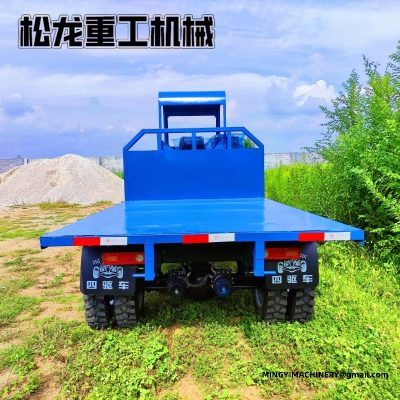
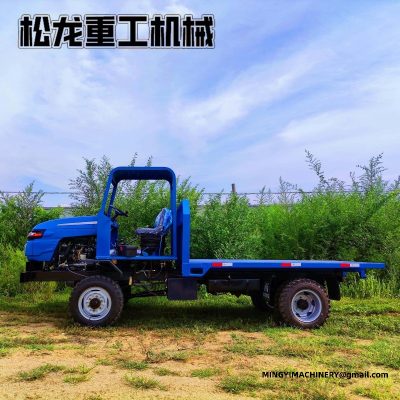
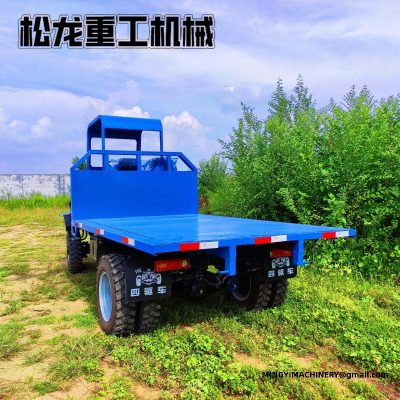
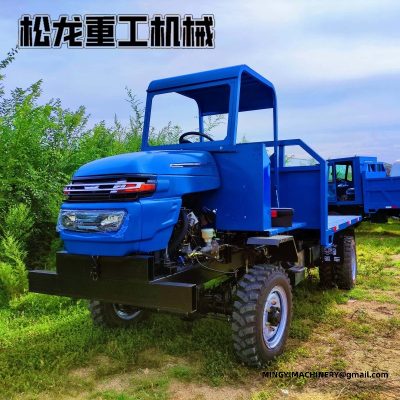
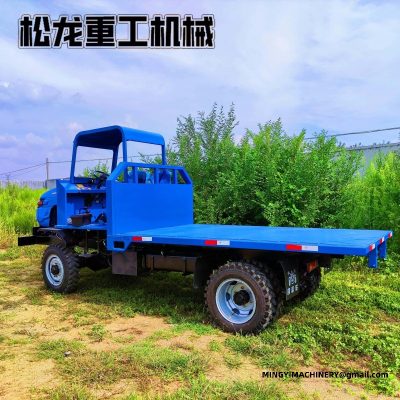
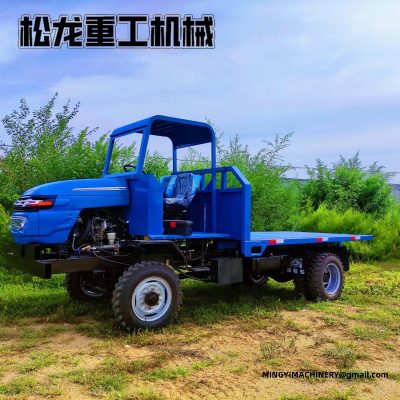
The dumper earns its place by doing one job repeatedly and without fuss. The sections below are written from that angle: what the machine is asked to do each day, what wears, what an operator needs to know and what to confirm before dispatch.
Gradient is where a haul vehicle earns its keep. This class of machine with a crawler gear and a low range climbs loaded where a road vehicle would need a second attempt, and that difference decides whether a track is usable at all. Ground and gradient together set the limit. Loose surface on a slope reduces what the unit in daily use can pull regardless of engine power, so the surface survey belongs before the specification.
Stability follows the load and its position. Knowing the rated capacity of a machine of this size at the working radius, rather than at its best case, is what keeps handling predictable and the machine upright. Ballast and attachment weight change the machine. Adding a heavy tool to the equipment on site moves the centre of gravity, and the counterweight or configuration should be matched to the tool rather than assumed. Carrying and travelling with a load needs its own plan. Speed, gradient and surface all matter more once the machine itself is loaded, and the safe combination is the conservative one.
Export orders add steps that domestic buyers never see. Packed dimensions, securing points, documentation and any dismantling required are all settled before the model in question leaves the factory, and each one affects the freight booking. Container loading is a planning exercise. Confirming how the machine in that duty is packed and how many units fit a container is what turns a per-unit freight estimate into a delivered figure the buyer can actually plan against.
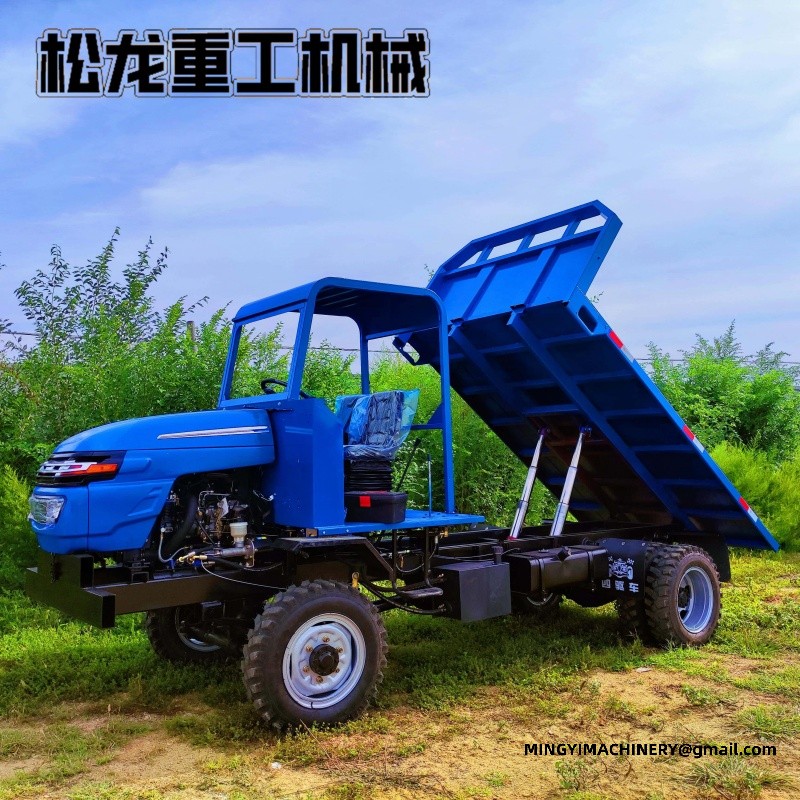
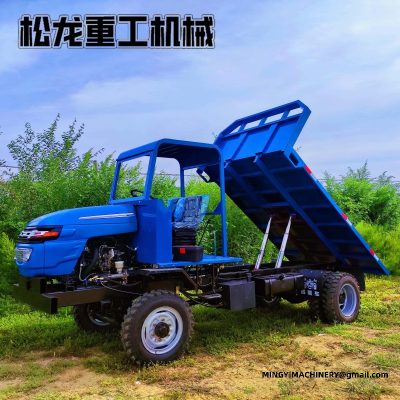
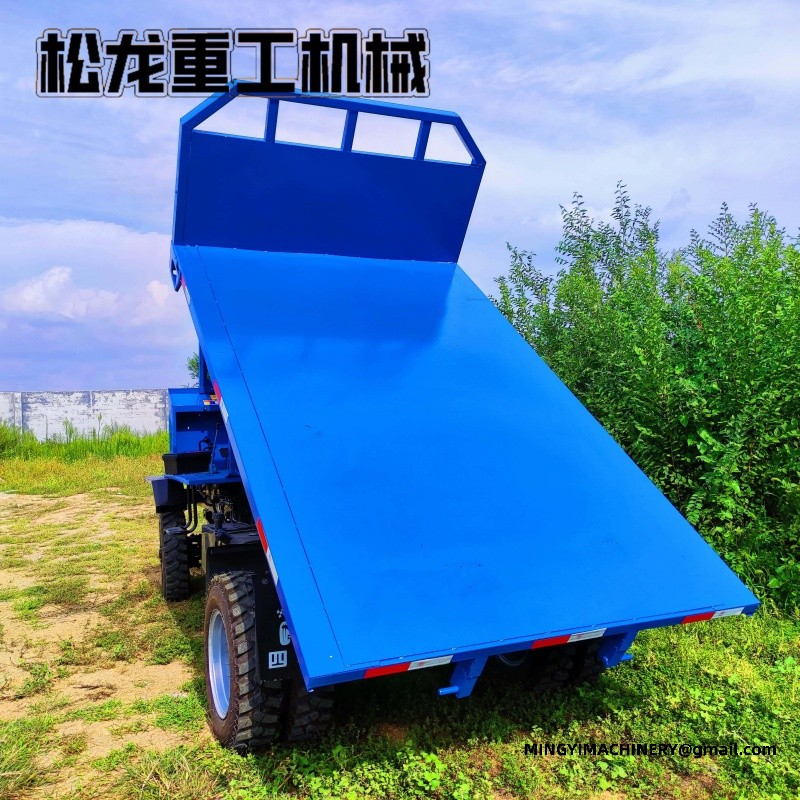
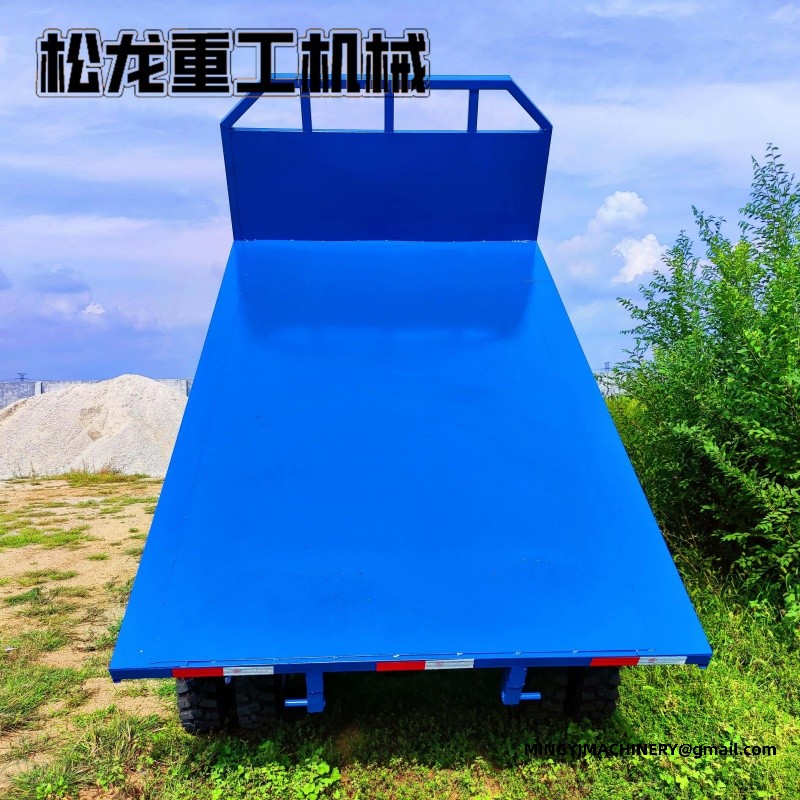
The tipping body is the part that does the work. The unit on the job specified with twin hydraulic rams and a tailgate that opens under load unloads in one pass, which matters more on a short haul than top speed does.
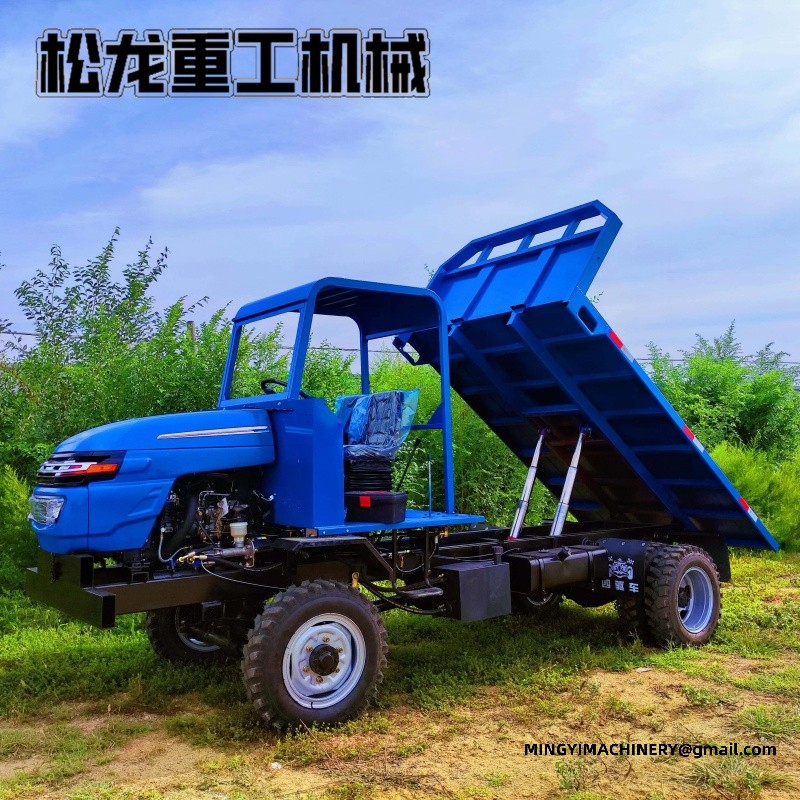
Four-wheel drive is only part of soft ground capability. Tyre choice, ground clearance and weight distribution decide whether a machine built for the work keeps moving in a paddy field or a marsh, and all three are specified rather than assumed. Recovering a stuck vehicle takes longer than preventing it. Planning the route, avoiding the worst ground and knowing where the equipment in service will turn is what keeps a soft-ground job productive.
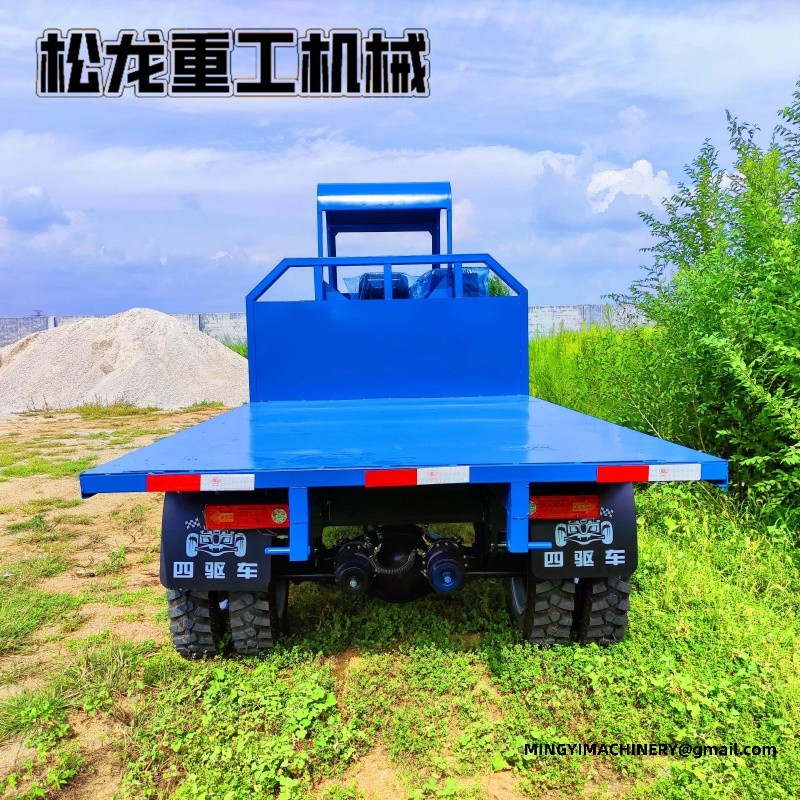
Cleaning and discharge are part of the job. The dumper used for concrete is judged on how quickly it can discharge and wash out, because that turnaround is what the site is paying for.
Visibility from the seat is different at night. Reflections, shadows and glare all hide detail, so this class of machine used after dark benefits from clean lenses, working wipers and a slower working pace.
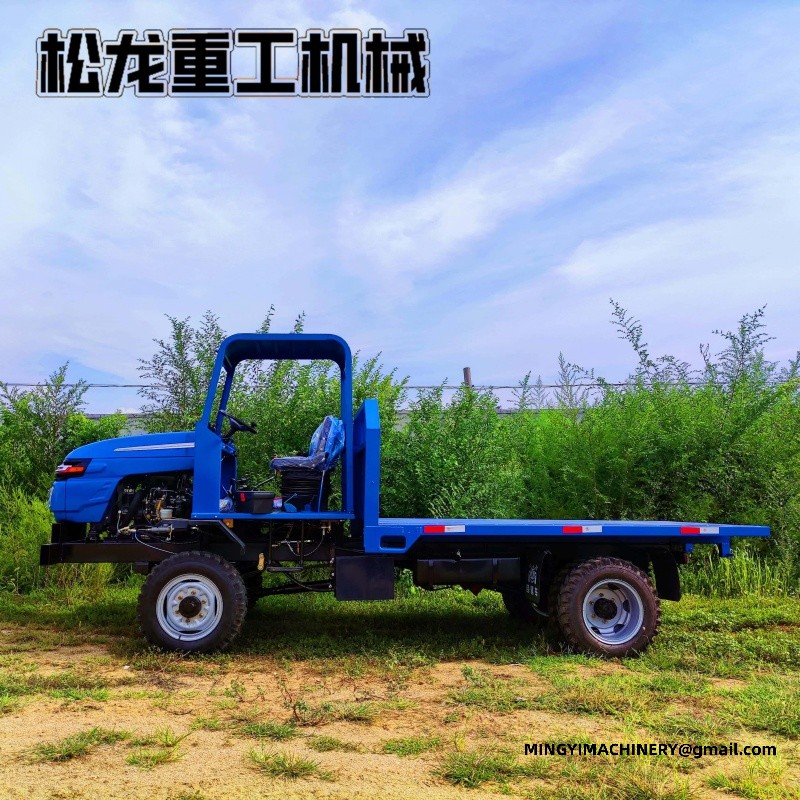
The specification should be written from the job backwards. Listing the loads, the ground and the hours first, then matching a machine of this size to that list, avoids buying capacity the work never uses and avoids discovering a shortfall in the first week. A written duty list is the simplest part of the purchase. It takes an hour to note the material, the distance, the gradient and the hours per week, and it is what turns the unit in daily use enquiry into a machine that fits.
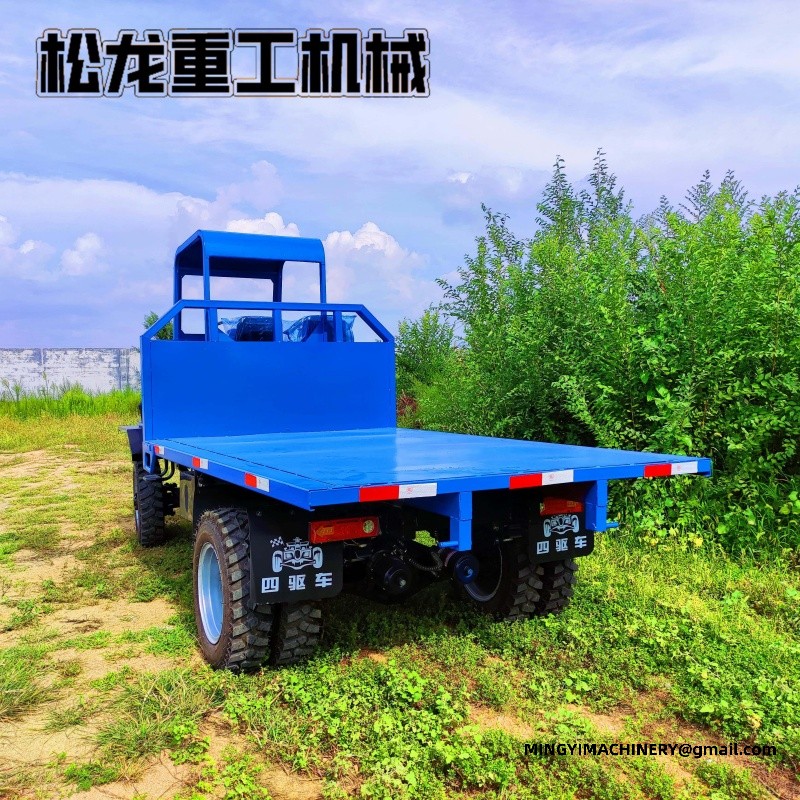
Ground on farms is often soft and often shared with livestock. The machine itself working there needs to cross pasture without rutting it badly, and tyre and weight choices follow from that. Farm users also value simplicity. The model in question that can be serviced in the yard with common tools and common parts suits a farm better than one that needs a dealer visit for routine work.
Delivery planning includes the receiving end. Knowing whether the unit on the job will be craned, driven or forked off, and whether the site can accept it, is settled before dispatch rather than on the day.
Handover should include the documents as well as the keys. Parts list, service schedule and the operator notes for the equipment in service are what the workshop needs in month six, and they are much harder to obtain later.
Duty cycle is the honest measure of a machine. This class of machine working a few hours a week has different needs from one working two shifts, and the cooling, filtration and service intervals should follow the hours rather than the calendar. Seasonal work changes the maintenance calendar. Machines that work hard for two months and stand for ten need preparation before storage and a check before returning to work, and both are simpler than the repairs they prevent.
Commissioning is the point where most avoidable issues are found. Checking levels, fasteners and function on the unit in daily use before it goes to work takes an hour and prevents a claim conversation later. Warranty terms are clearer when they are read before purchase. Knowing what is covered, what counts as a wearing item and what documentation is required makes a claim on a machine of this size straightforward rather than contested.
Payload is limited by the axles and the frame before it is limited by the body volume. Specifying the machine itself against the material density gives a realistic figure, because a body that looks half full can already be at its limit with rock. The honest payload figure comes from the duty. The model in question working a smooth haul road carries differently from one crossing ruts and gradients, and the conservative number is the one that keeps the machine working.
Abrasive conditions shorten service intervals. Air filters, seals and any exposed sliding surface on the unit on the job need attention more often in dusty or muddy work, and the extra checks prevent far more wear than the time they take. Sealed points and guarded areas deserve a look in these conditions. A machine built for the work working in abrasive dust benefits from checked boots, intact guards and clean breathers, all of which are quick to verify.
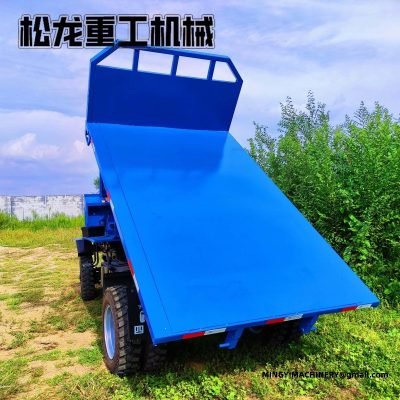
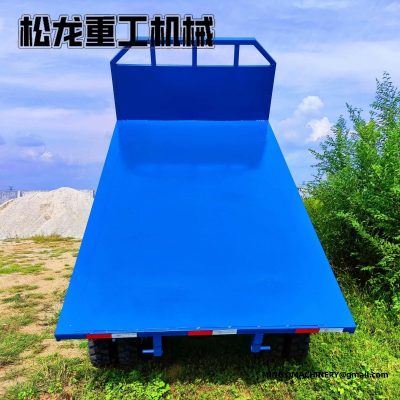
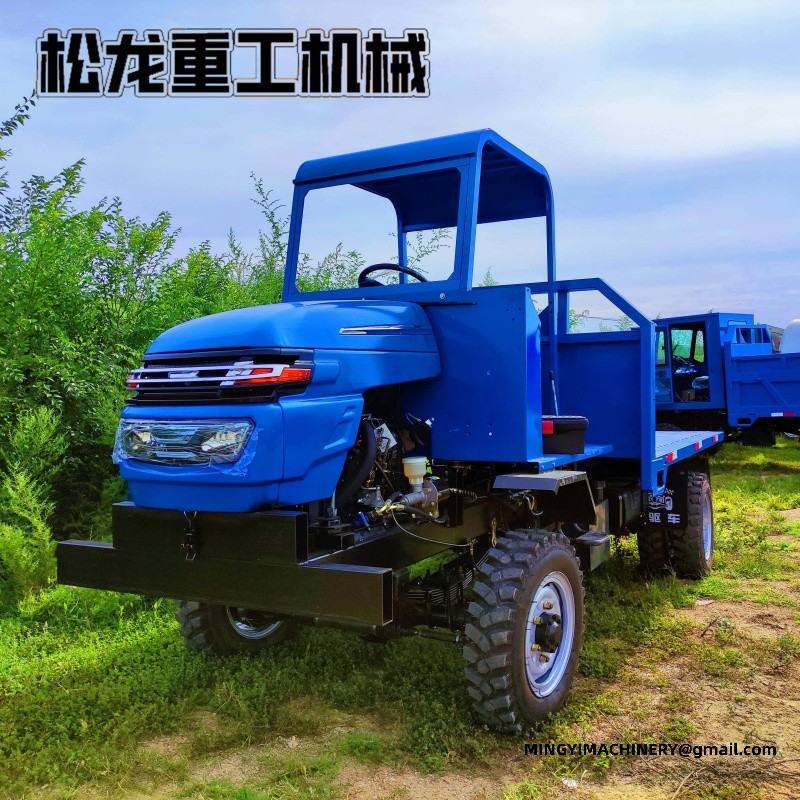
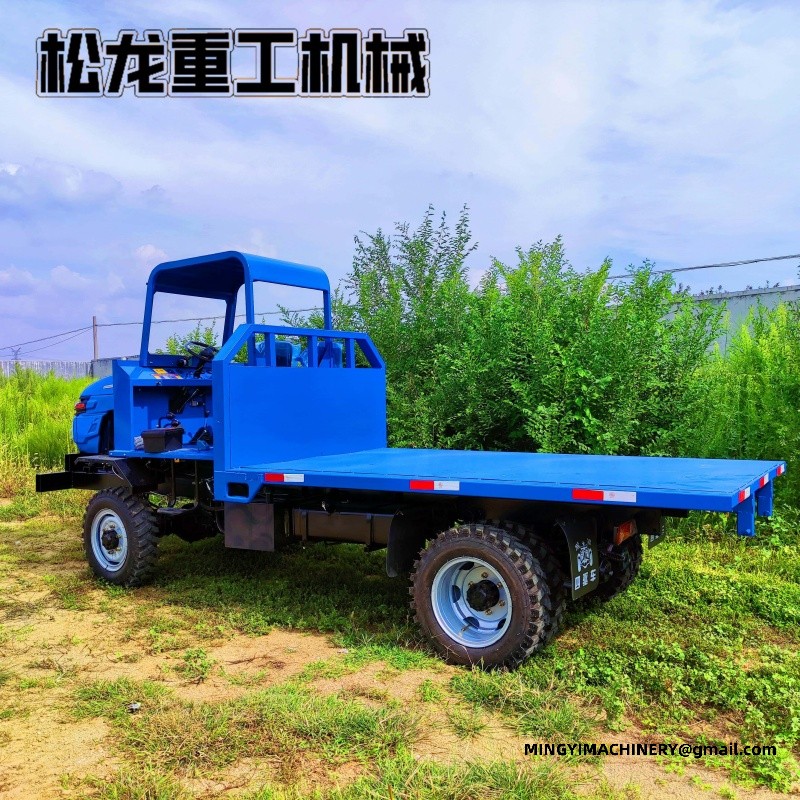
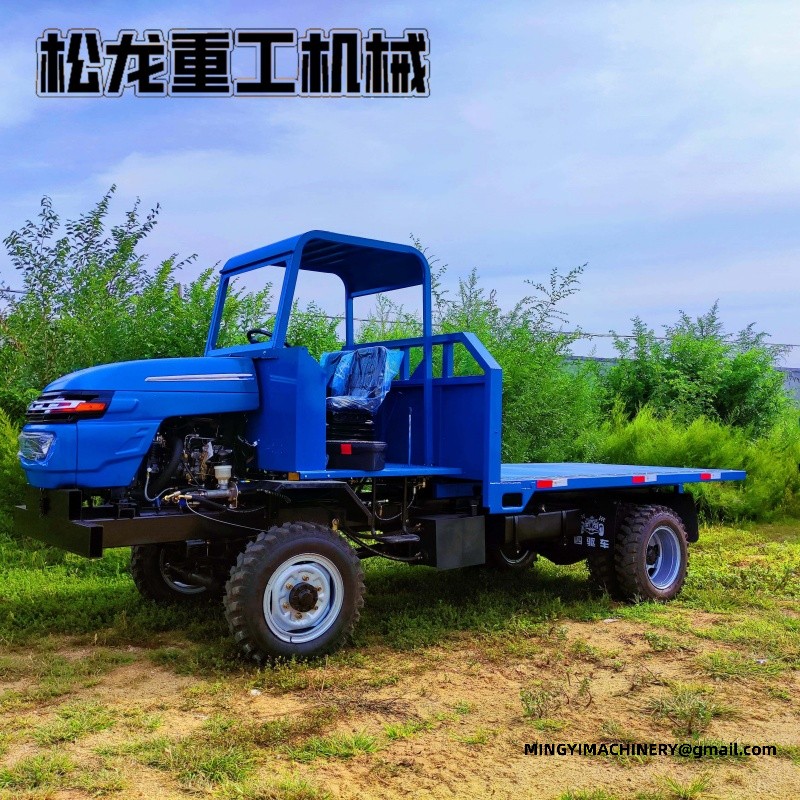
The configurations below are the build sheets most often matched to the dumper. Engine, gearbox, axles, frame and body dimensions are confirmed together, because the body size and the axle rating have to suit the load before the engine rating matters.
| # | 16.Upgraded | 18.Standard | 3.Standard | 9.Standard |
|---|---|---|---|---|
| 1 | Four-cylinder 490 diesel engine | Four-cylinder 4102 turbocharged diesel engine | Single-cylinder diesel engine, 25 hp | Single-cylinder diesel engine, 32 hp |
| 2 | Full-time gearbox with four-wheel drive | Model 140 part-time gearbox with four-wheel drive | Full-time gearbox with four-wheel drive | Full-time gearbox with four-wheel drive |
| 3 | High/low range with crawler gear | High/low range with crawler gear | High/low range with crawler gear | High/low range with crawler gear |
| 4 | Fully enclosed cab | Simple cab | Simple cab | Simple cab |
| 5 | Oil brakes | Oil brakes | Oil brakes | Oil brakes |
| 6 | Six 700-16 mountain tyres | Six 700-16 mountain tyres | Four 700-16 mountain tyres | Four 700-16 mountain tyres |
| 7 | Front axle 212 | Reinforced ISUZU-pattern front axle | Front axle 212 | Front axle 212 |
| 8 | Rear axle 130 | Reinforced 1061 rear axle | Rear axle 130 | Rear axle 130 |
| 9 | Reinforced 60 x 140 mm square tube frame | Reinforced 80 x 180 mm square tube frame | Reinforced 60 x 140 mm square tube frame | Reinforced 60 x 140 mm square tube frame |
| 10 | Rear body 2.2 m long x 1.5 m wide x 0.45 m high | Rear body 2.2 m long x 2.1 m wide x 0.45 m high | Rear body 2.2 m long x 1.5 m wide x 0.45 m high | Rear body 2.2 m long x 1.5 m wide x 0.45 m high |
| 11 | Tailgate with self-dumping function | Tailgate with self-dumping function | Tailgate with self-dumping function | Tailgate with self-dumping function |
| 12 | Hydraulic power steering | Hydraulic power steering | Hydraulic power steering | Hydraulic power steering |
| 13 | Twin hydraulic rams | Twin hydraulic rams | Twin hydraulic rams | Twin hydraulic rams |
| 14 | Two-person comfort seat | Two-person comfort seat | Two-person comfort seat | Two-person comfort seat |
| 15 | Twin-battery electric start | Twin-battery electric start | Twin-battery electric start | Twin-battery electric start |
| 16 | Round-nose bonnet | Square-nose bonnet | Square-nose bonnet | Square-nose bonnet |
Cold exposes weak batteries, thick oil and water in the fuel. Preparing the unit in daily use for winter means the right grade of oil, a battery in good condition and fuel that will not wax in the tank overnight.
Export packing is part of the machine, not an afterthought. The equipment on site is blocked and braced inside the container so that it arrives in the same condition it left, and the load plan is decided by the dimensions rather than by what fits loosely.
A machine should be inspected while it is still on our floor rather than after it lands. For the model in question that means the engine is run to temperature, the hydraulics are cycled through full travel, and every function is checked against the build sheet before the crate is closed.
The parts that stop a machine are rarely the parts that are hardest to find. Filters, belts, seals and the ground engaging tools on the unit on the job are easy to hold and slow to replace, which is why they belong on the shelf rather than on an order.
Operators who come from a different machine need a short conversion. The controls on the equipment in service follow the usual pattern, but the response, the sightlines and the stopping distance are learned by doing rather than by reading.
Training is simpler than repair. An hour spent with a new operator on this class of machine, covering the limits and the awkward cases, is the least lengthy hour in the whole ownership.
Heat and dust shorten service intervals rather than machine life. In these conditions the filters on a machine of this size need attention more often, and the cooling surfaces need to be kept clear to hold the working temperature.
Every line above is a build item rather than an optional extra, and the final sheet for the equipment on site is confirmed against the destination, the ground and the load before production.
E-mail:sales@mingycn.com
LINE(ID):mingyicn









