The dumper is usually bought to replace something, whether a method, an older machine or a hired unit. The notes below are written for that comparison: what changes on day one, what stays the same and what to check before the switch is made.
Most failures start as something small that a walk-around would have caught. Fluid levels, belt tension, tyre or track condition and any fresh leak are the items worth two minutes at the start of each shift on this class of machine. A simple log helps. Recording hours, fuel and any adjustment made to the unit in daily use gives the workshop a history, and that history is what turns an intermittent fault into a one-visit repair instead of three.
Timber work changes what the vehicle carries. A machine of this size fitted with a log grab loads and unloads without a second machine, which is usually the reason a forestry contractor specifies one over a conventional truck. Protection matters in timber work. Guarding, lighting and a cab that keeps branches out are the items that keep the equipment on site working through a season rather than being repaired through it.
Low temperatures also make materials behave differently. Ground that is frozen hard in the morning can be soft by midday, and planning the sequence around that is easier than fighting it with the machine itself.
Emissions documentation is part of engine selection for some destinations. Confirming which units can be supplied and documented for the destination country is worth doing at enquiry stage rather than after the build sheet is signed.
Gradient is where a haul vehicle earns its keep. The model in question with a crawler gear and a low range climbs loaded where a road vehicle would need a second attempt, and that difference decides whether a track is usable at all. Ground and gradient together set the limit. Loose surface on a slope reduces what the machine in that duty can pull regardless of engine power, so the surface survey belongs before the specification.
Handover should include the documents as well as the keys. Parts list, service schedule and the operator notes for the unit on the job are what the workshop needs in month six, and they are much harder to obtain later.
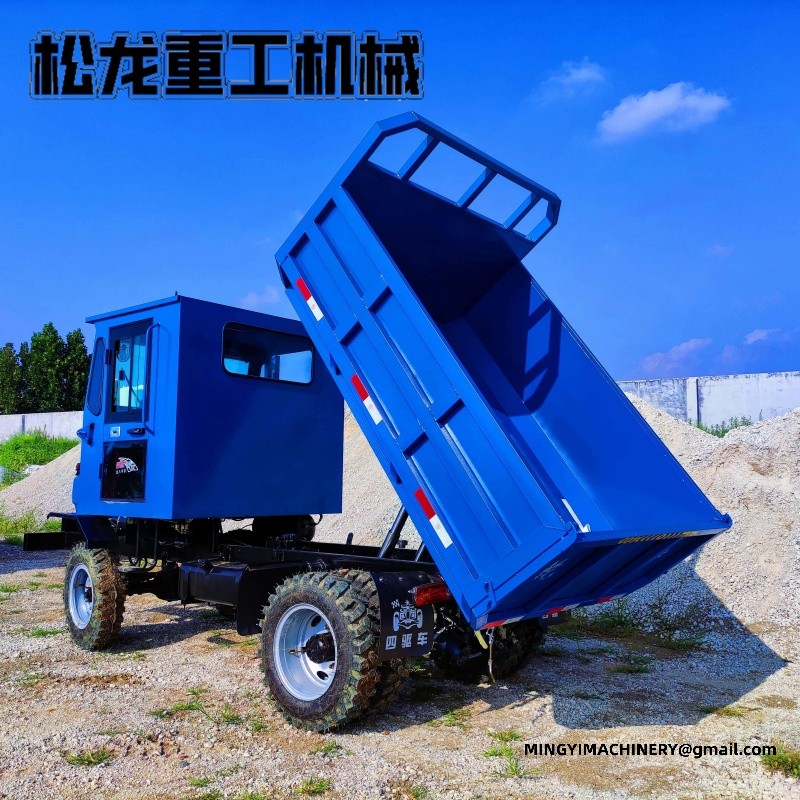
The specification should be written from the job backwards. Listing the loads, the ground and the hours first, then matching the equipment in service to that list, avoids buying capacity the work never uses and avoids discovering a shortfall in the first week. A written duty list is the simplest part of the purchase. It takes an hour to note the material, the distance, the gradient and the hours per week, and it is what turns a machine built for the work enquiry into a machine that fits.
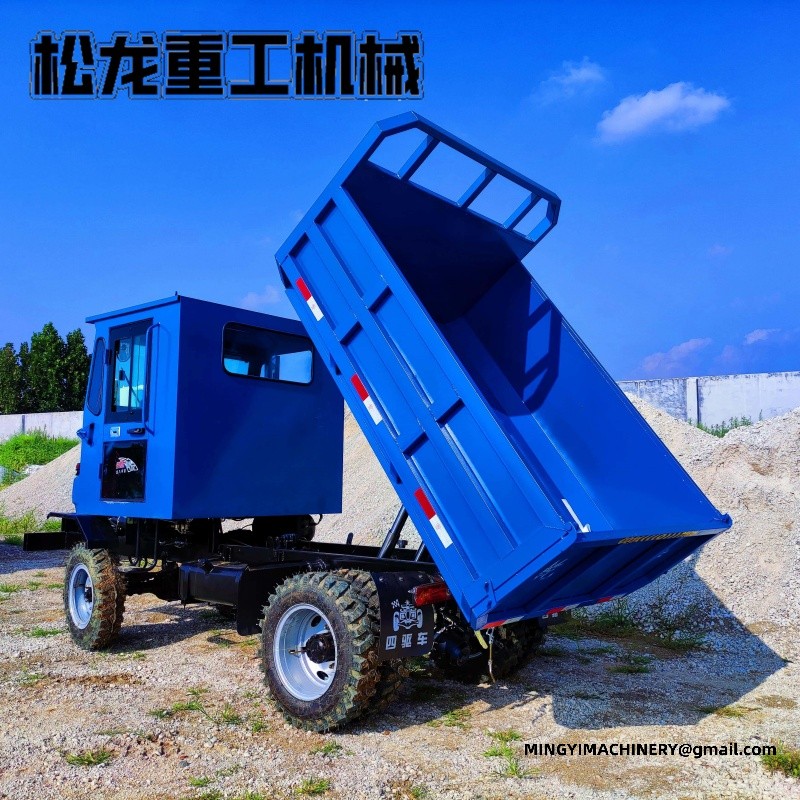
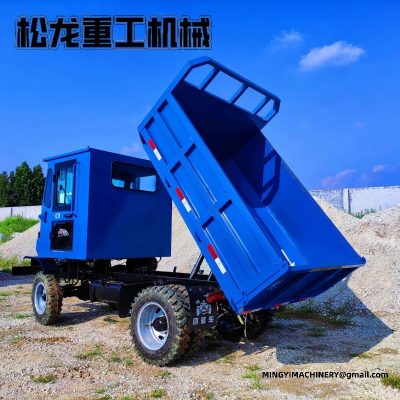
The tipping body is the part that does the work. The dumper specified with twin hydraulic rams and a tailgate that opens under load unloads in one pass, which matters more on a short haul than top speed does.
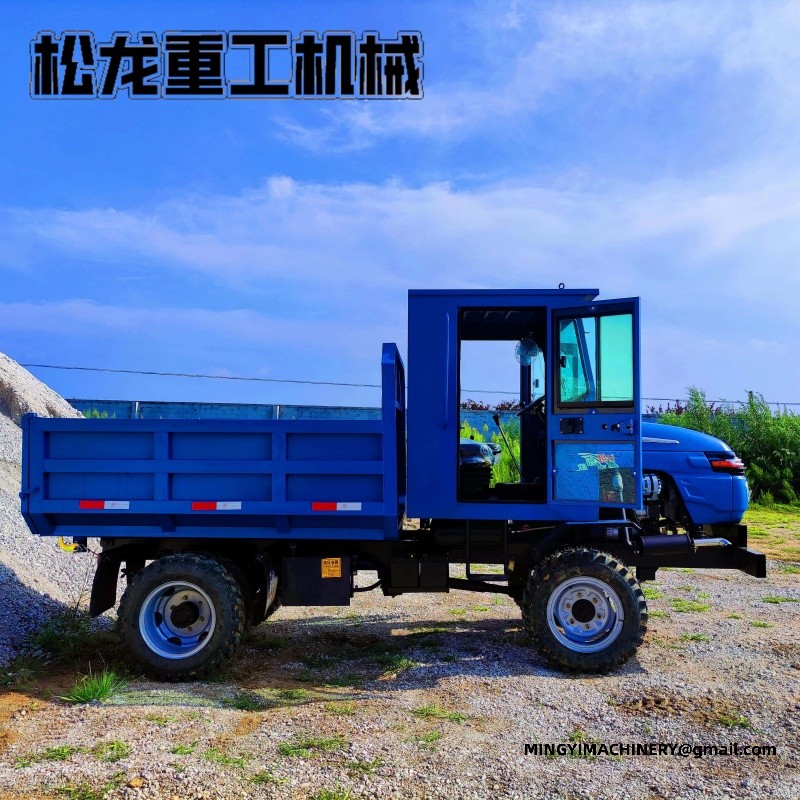
Quarry and tunnel work is hard on vehicles. Abrasive dust, sharp material and continuous loading mean the unit in daily use in this duty needs attention to filtration, body wear and brake condition far more often. Haul cycles in a quarry are short and repetitive. A machine of this size specified for that pattern benefits from a body that dumps cleanly and quickly, because the time saved per cycle is the whole allowance.
Before-storage preparation prevents most return-to-work faults. Draining or treating fuel, protecting exposed rods and relieving pressure where the maker specifies it are the items worth an hour when the machine itself is parked.
Personal protective equipment and a stop rule are simple controls. Agreeing before work starts that anyone can stop the job is the single measure that most often prevents a serious incident near the machine in that duty.
Visibility from the seat is different at night. Reflections, shadows and glare all hide detail, so a machine built for the work used after dark benefits from clean lenses, working wipers and a slower working pace.
A crane or grab turns a haul vehicle into a loading machine. The dumper fitted with a hydraulic crane loads itself, which removes a second machine from the job and is often the whole reason for specifying one. Stability governs what the crane can do. Outriggers, ground condition and load radius decide the safe figure on this class of machine, and those are checked before the lift rather than discovered during it. Adding a crane changes the vehicle specification. Hydraulic capacity, frame strength and braking all need to suit the attachment, and it is simpler to specify them at build than to add them later.
Reconfiguration can extend the useful life of a machine. A machine of this size that no longer suits the current work may suit it again with a different attachment, guarding or control arrangement. The decision is economic as well as technical. Comparing the work of reconfiguring the equipment on site against a different machine is a short calculation that usually gives a clear answer.
Moving the machine is part of owning it. Overall length, width and height decide which trailer or container the model in question fits, and a machine that needs a permit or an abnormal load escort is a machine with a delivery delay built in. Shipping dimensions matter as much on export orders as they do locally. Confirming the packed size of the machine in that duty before booking avoids re-booking freight after the machine is built.
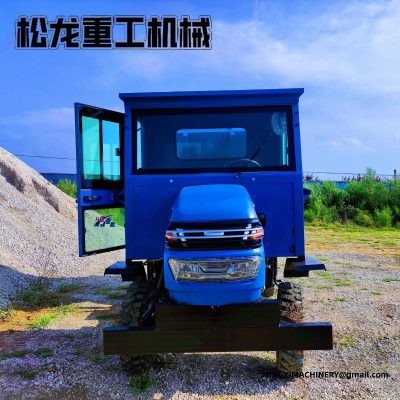
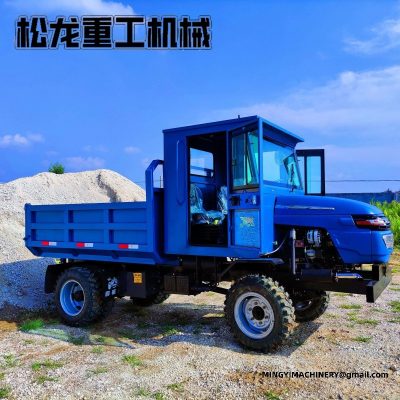
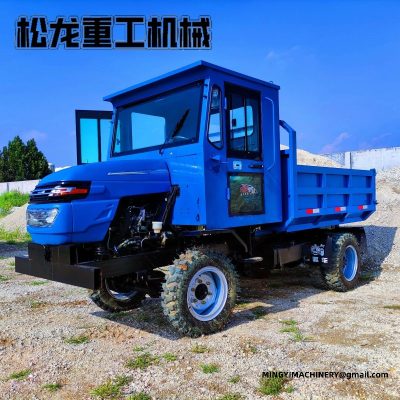
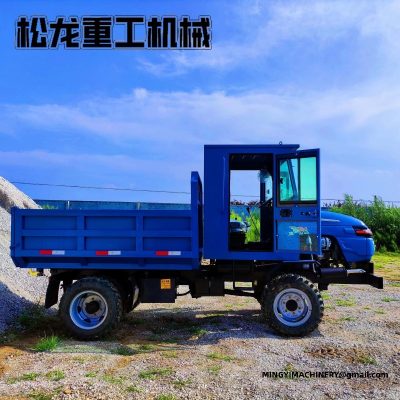
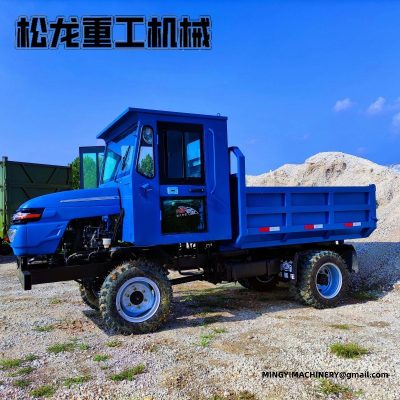
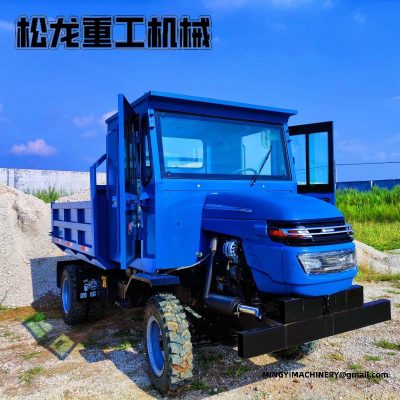
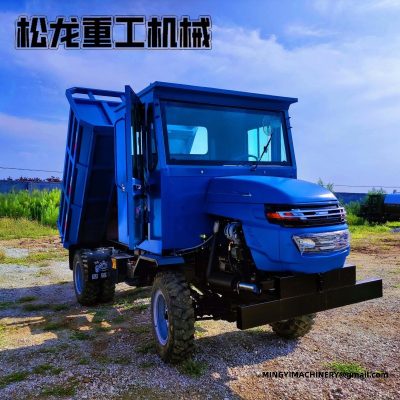
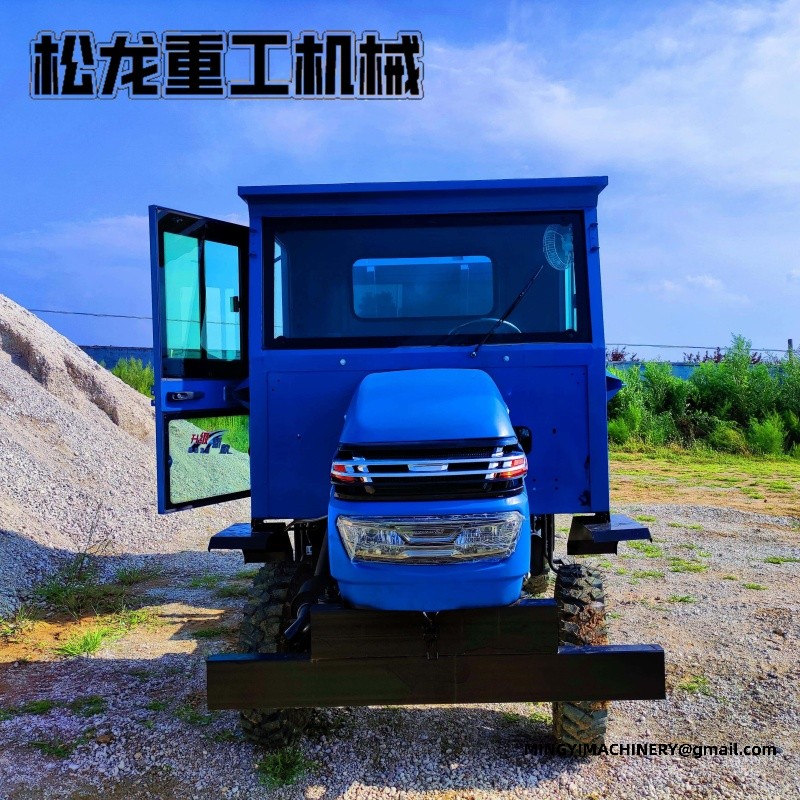
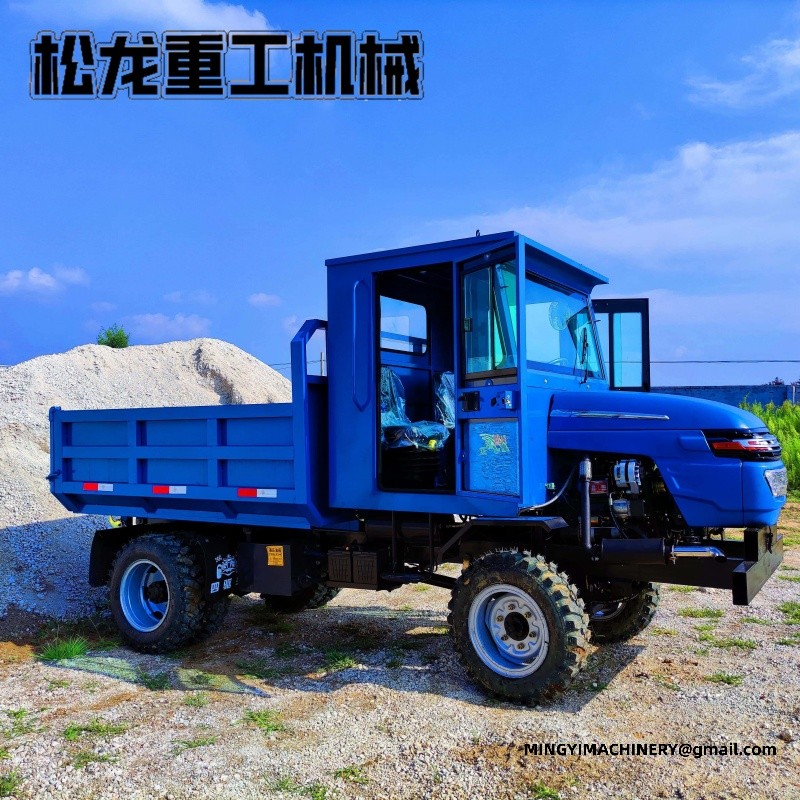
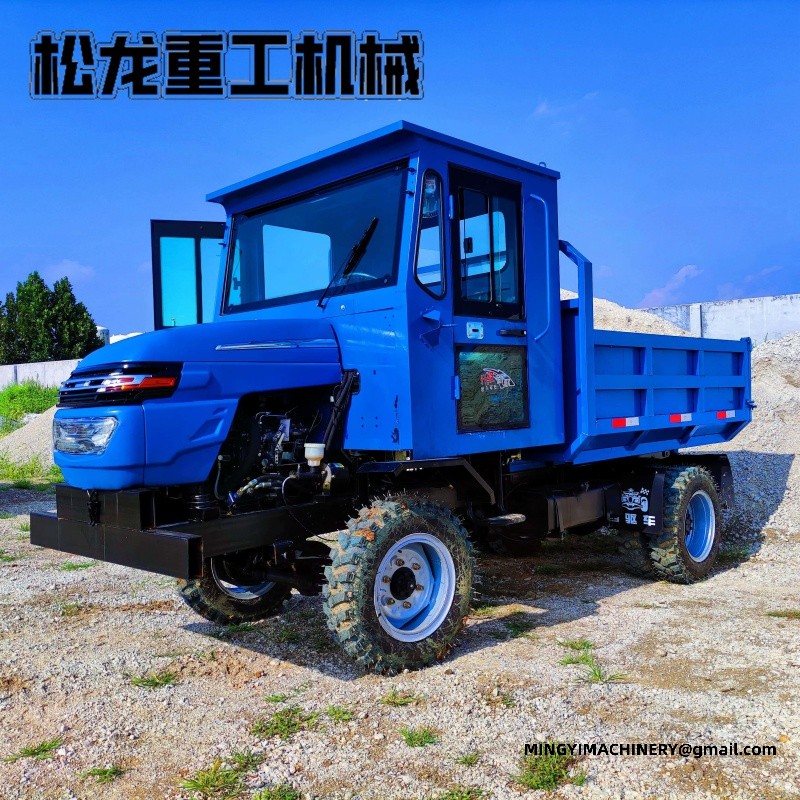
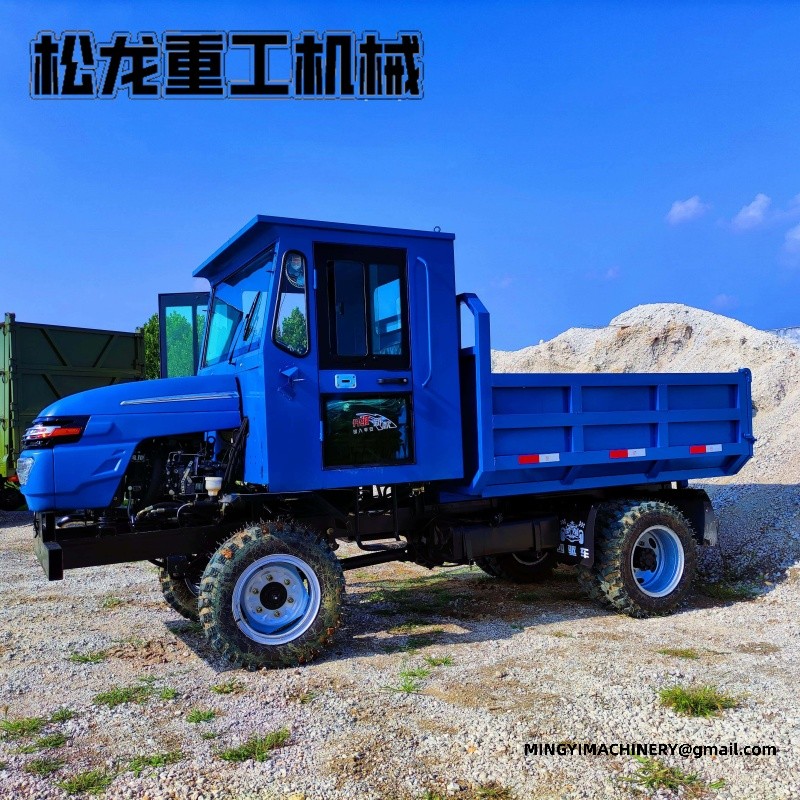
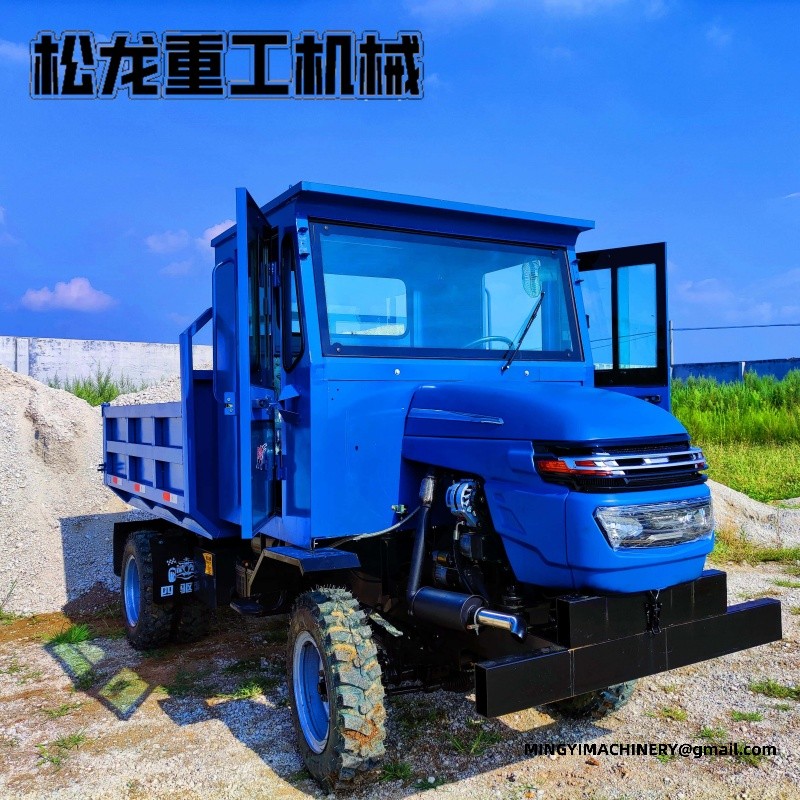
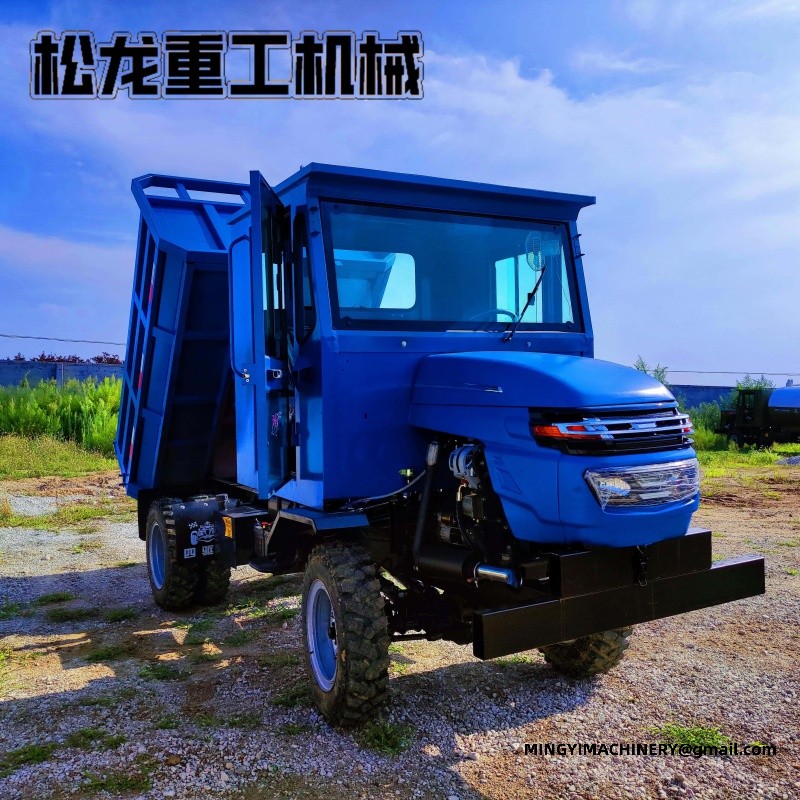
The configurations below are the build sheets most often matched to a machine built for the work. Engine, gearbox, axles, frame and body dimensions are confirmed together, because the body size and the axle rating have to suit the load before the engine rating matters.
| # | 11.Luxury | 15.Standard | 23.Upgraded | 6.Standard |
|---|---|---|---|---|
| 1 | Single-cylinder diesel engine, 32 hp | Four-cylinder 490 diesel engine | Four-cylinder 4108 turbocharged diesel engine | Single-cylinder diesel engine, 28 hp |
| 2 | Part-time gearbox, selectable 2WD/4WD | Full-time gearbox with four-wheel drive | Model 140 part-time gearbox, selectable 2WD/4WD | Full-time gearbox with four-wheel drive |
| 3 | High/low range with crawler gear | High/low range with crawler gear | High/low range with crawler gear | High/low range with crawler gear |
| 4 | Enclosed cab | Simple cab | Simple cab | Simple cab |
| 5 | Six 700-16 mountain tyres | Oil brakes | Six 825R16 steel-belted radial tyres | Oil brakes |
| 6 | Model 212 front axle | Four 700-16 mountain tyres | Reinforced ISUZU-pattern front axle | Four 700-16 mountain tyres |
| 7 | Model 130 rear axle | Front axle 212 | Reinforced 1080 rear axle | Front axle 212 |
| 8 | Air cut-off brakes | Rear axle 130 | Air cut-off brakes | Rear axle 130 |
| 9 | Reinforced 60 x 140 mm square tube frame | Reinforced 60 x 140 mm square tube frame | Reinforced 80 x 180 mm square tube frame | Reinforced 60 x 140 mm square tube frame |
| 10 | Rear body 2.2 m long x 1.5 m wide x 0.45 m high | Rear body 2.2 m long x 1.5 m wide x 0.45 m high | Rear body 3.0 m long x 2.2 m wide x 0.45 m high | Rear body 2.2 m long x 1.5 m wide x 0.45 m high |
| 11 | Tailgate with self-dumping function | Tailgate with self-dumping function | Tailgate with self-dumping function | Tailgate with self-dumping function |
| 12 | Side-opening rear body tailgate | Hydraulic power steering | Hydraulic power steering | Hydraulic power steering |
| 13 | Hydraulic power steering | Twin hydraulic rams | Twin hydraulic rams | Twin hydraulic rams |
| 14 | Twin hydraulic rams | Two-person comfort seat | Two-person comfort seat | Two-person comfort seat |
| 15 | Two-person comfort seat | Twin-battery electric start | Heavy-duty leaf springs | Twin-battery electric start |
| 16 | Heavy-duty leaf springs | Round-nose bonnet | Twin-battery electric start | Square-nose bonnet |
| 17 | Twin-battery electric start | — | Square-nose bonnet | — |
| 18 | Square-nose bonnet | — | — | — |
Humidity attacks the parts that are not used. Storage in a damp climate means the dumper needs the exposed metal protected and the machine run regularly, because standing still does more damage than working.
Downtime is simplest when it is planned. Booking the service for the unit in daily use in the quiet part of the season takes nothing from the schedule, while the same work in the busy weeks gives up a day of output every time.
Securing the load is not optional. Lashing the equipment on site at the points intended for it, checking the tension before the vehicle moves and rechecking after the first kilometres is standard practice rather than extra care.
A written record is worth more than a good memory. Dates, hours and the parts fitted on the model in question turn a guess about the next service into a fact, and they are the first thing a buyer asks to see.
A machine that only one person can use is a single point of failure. Training a second operator on the unit on the job takes a day and removes the dependency that otherwise governs holidays, illness and busy weeks.
What the customer sees on arrival is decided before departure. The walk-around given to the equipment in service covers the same points the operator will check on day one, so there are no surprises when the crate is opened at the destination.
The first hour on site should be slow. Before this class of machine is put to work the fluid levels are rechecked after transport, the fasteners are gone over and the machine is run light so that anything loosened in transit shows up early.
Every line above is a build item rather than an optional extra, and the final sheet for the unit in daily use is confirmed against the destination, the ground and the load before production.
E-mail:sales@mingycn.com
LINE(ID):mingyicn









