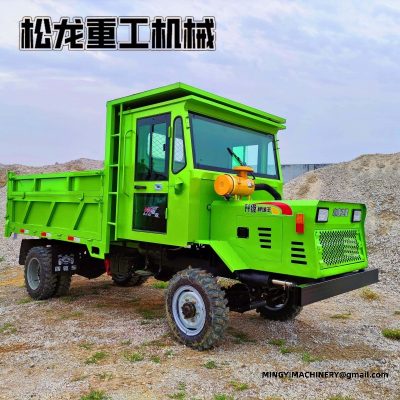
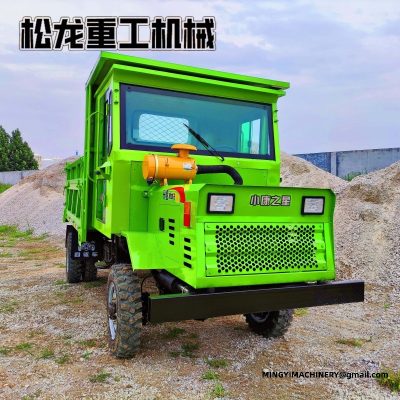
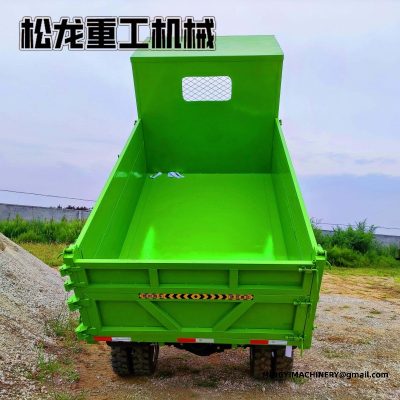
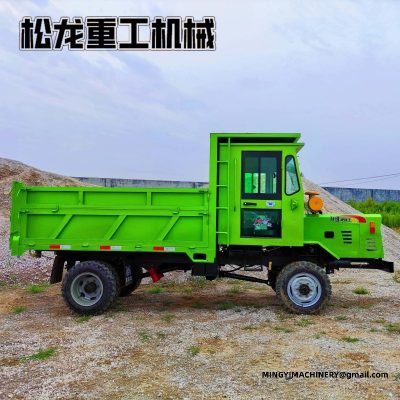
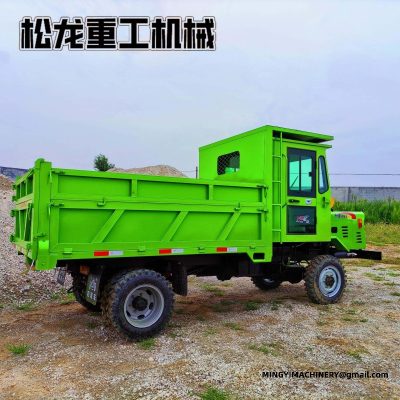
This page covers the dumper for buyers who already know the job and now need the machine. It sets out what the build includes, what can be changed, what the operator should expect in the first weeks and what the service schedule looks like.
Visibility from the seat is different at night. Reflections, shadows and glare all hide detail, so this class of machine used after dark benefits from clean lenses, working wipers and a slower working pace.
Abrasive conditions shorten service intervals. Air filters, seals and any exposed sliding surface on the unit in daily use need attention more often in dusty or muddy work, and the extra checks prevent far more wear than the time they take. Sealed points and guarded areas deserve a look in these conditions. A machine of this size working in abrasive dust benefits from checked boots, intact guards and clean breathers, all of which are quick to verify.
Planning the work to reduce empty movement is free. Fewer repositioning cycles on the equipment on site means less fuel, less wear on the undercarriage or tyres and more of the shift spent on productive work.
Ground and gradient together set the limit. Loose surface on a slope reduces what the machine itself can pull regardless of engine power, so the surface survey belongs before the specification.
Most failures start as something small that a walk-around would have caught. Fluid levels, belt tension, tyre or track condition and any fresh leak are the items worth two minutes at the start of each shift on the model in question. A simple log helps. Recording hours, fuel and any adjustment made to the machine in that duty gives the workshop a history, and that history is what turns an intermittent fault into a one-visit repair instead of three.
Ground decides more of the outcome than power does. Soft, wet or loose surfaces call for a wider footprint and lower ground pressure, while hard standing allows a narrower machine that turns in less space and travels faster between tasks. Traction and flotation are two separate questions. The unit on the job may have the power for a slope and still not have the grip, so the surface, not the engine rating, is usually what limits the working day.
Duty cycle is the honest measure of a machine. A machine built for the work working a few hours a week has different needs from one working two shifts, and the cooling, filtration and service intervals should follow the hours rather than the calendar. Seasonal work changes the maintenance calendar. Machines that work hard for two months and stand for ten need preparation before storage and a check before returning to work, and both are simpler than the repairs they prevent.
A crane or grab turns a haul vehicle into a loading machine. The equipment in service fitted with a hydraulic crane loads itself, which removes a second machine from the job and is often the whole reason for specifying one. Stability governs what the crane can do. Outriggers, ground condition and load radius decide the safe figure on the dumper, and those are checked before the lift rather than discovered during it. Adding a crane changes the vehicle specification. Hydraulic capacity, frame strength and braking all need to suit the attachment, and it is simpler to specify them at build than to add them later.
Machine output varies more between operators than between brands. Smooth, planned movements put less load on the structure and use less fuel, and that difference is visible on the hour meter and in the service bills for this class of machine.
Commissioning is the point where most avoidable issues are found. Checking levels, fasteners and function on the unit in daily use before it goes to work takes an hour and prevents a claim conversation later. Warranty terms are clearer when they are read before purchase. Knowing what is covered, what counts as a wearing item and what documentation is required makes a claim on a machine of this size straightforward rather than contested.
Handover should include the documents as well as the keys. Parts list, service schedule and the operator notes for the machine itself are what the workshop needs in month six, and they are much harder to obtain later.
Reconfiguration can extend the useful life of a machine. The machine in that duty that no longer suits the current work may suit it again with a different attachment, guarding or control arrangement. The decision is economic as well as technical. Comparing the work of reconfiguring the unit on the job against a different machine is a short calculation that usually gives a clear answer.
The base machine is only as useful as the tool on the end of it. Matching the attachment to the task - rather than to what arrived with the machine - is what lets one the dumper cover several jobs across a week. Most owners find that the second attachment changes how often the machine is used. The equipment in service that was bought for one task often becomes the general machine on site once a second tool is available.
Emissions documentation is part of engine selection for some destinations. Confirming which units can be supplied and documented for the destination country is worth doing at enquiry stage rather than after the build sheet is signed.
Fleet buyers often want consistency rather than variety. Specifying a machine of this size so that several units share controls, filters and service points reduces training time and keeps the parts shelf small.
Records are part of the asset. Keeping the service history and the hour records with the equipment on site makes it easier to sell, easier to insure and easier to justify the replacement machine internally.
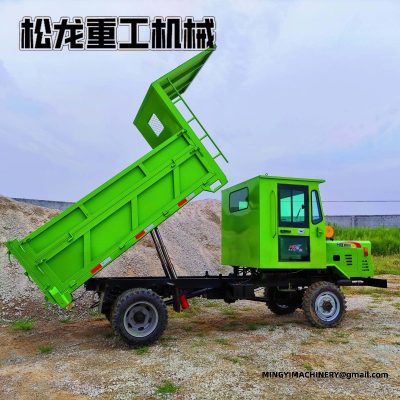
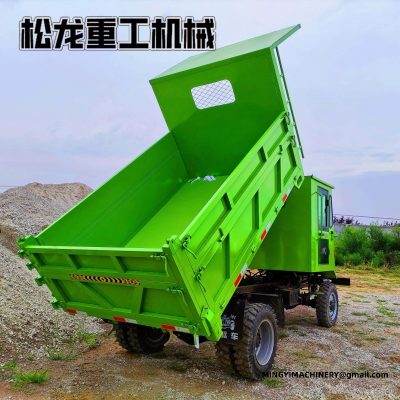
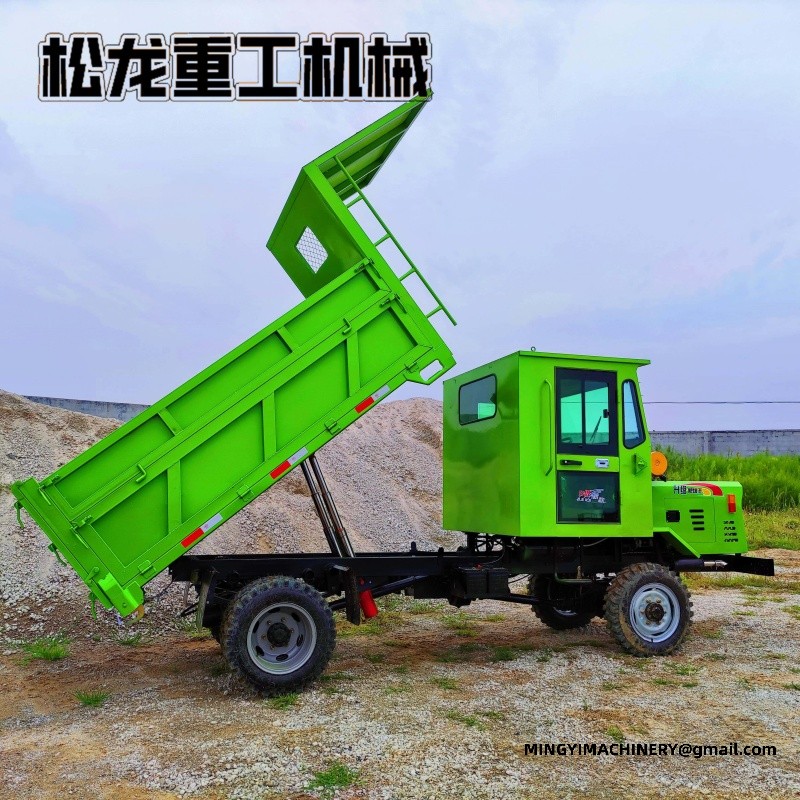
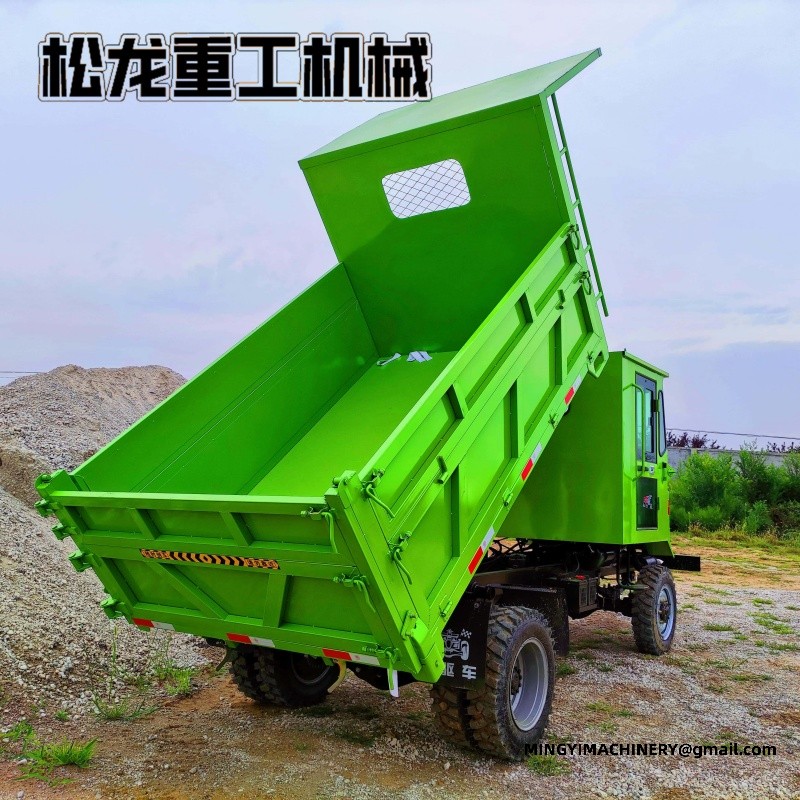
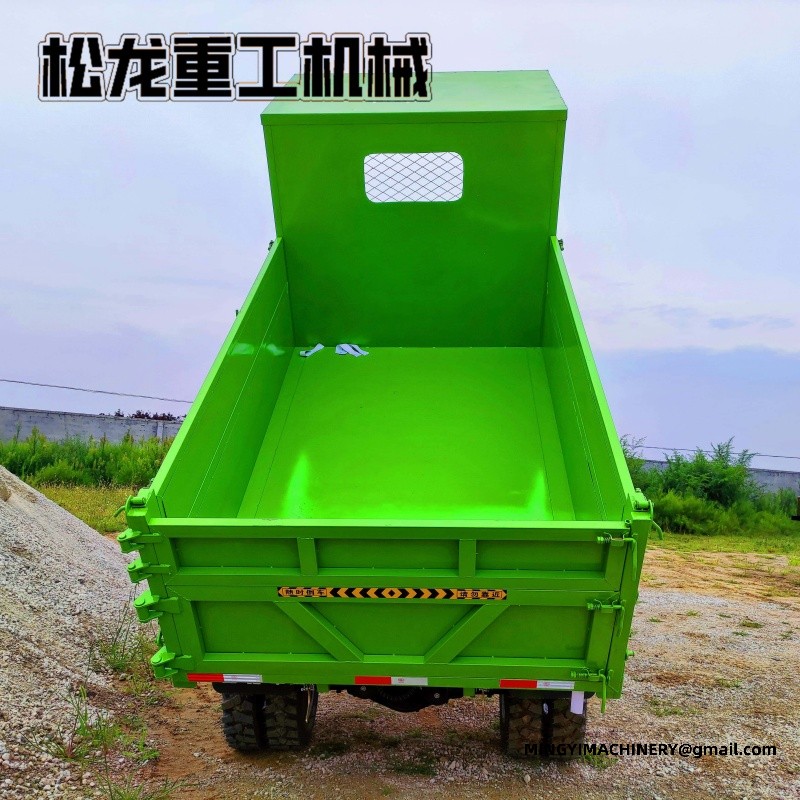
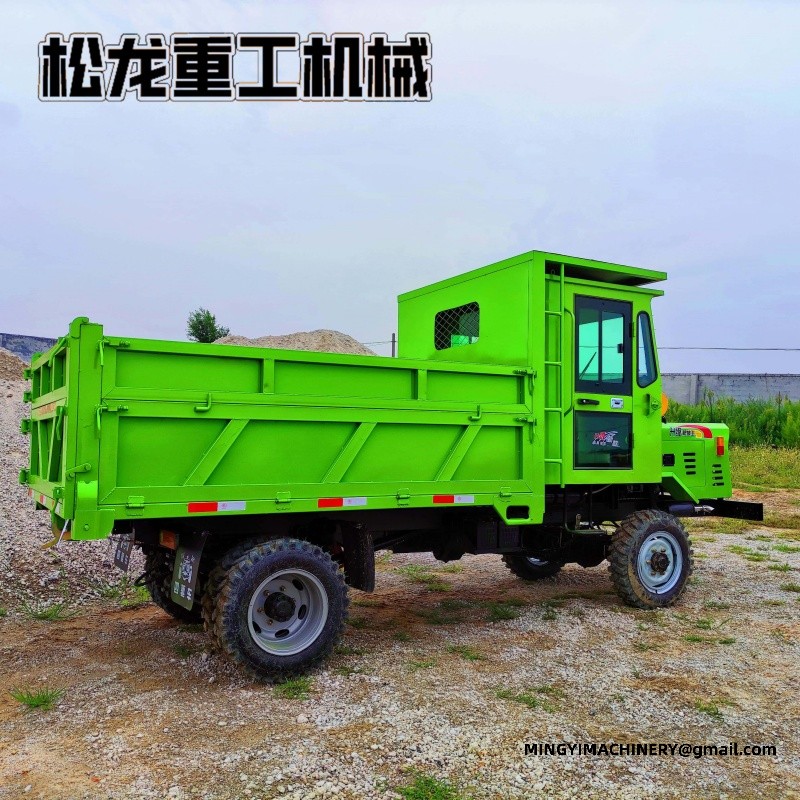
The tipping body is the part that does the work. The model in question specified with twin hydraulic rams and a tailgate that opens under load unloads in one pass, which matters more on a short haul than top speed does. Body size is a compromise with access. A larger body on the machine in that duty carries more per trip but needs more room to turn and tip, so the useful question is how many trips the route allows rather than how much it holds.
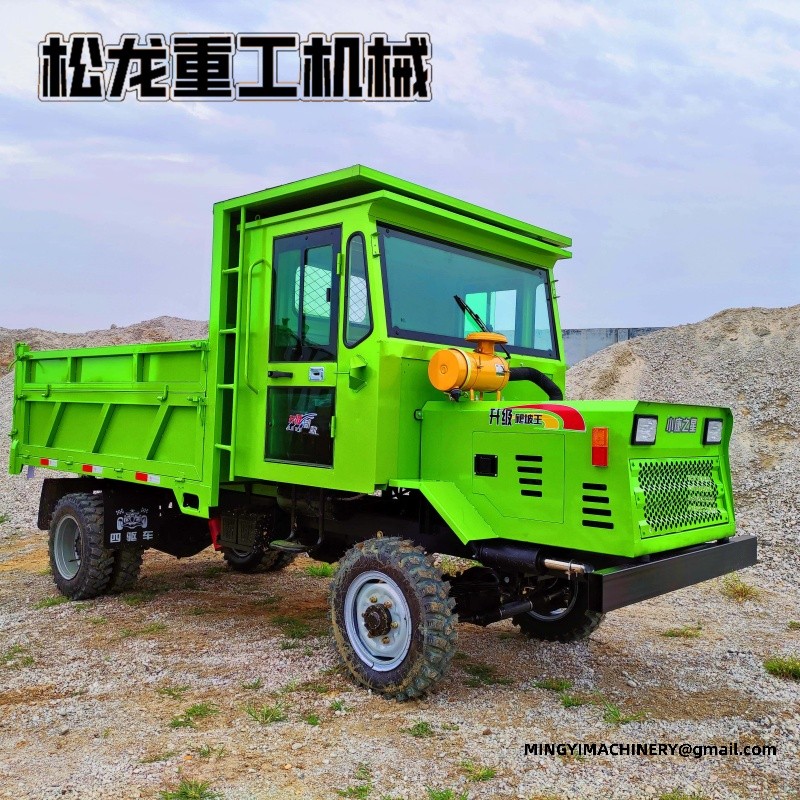
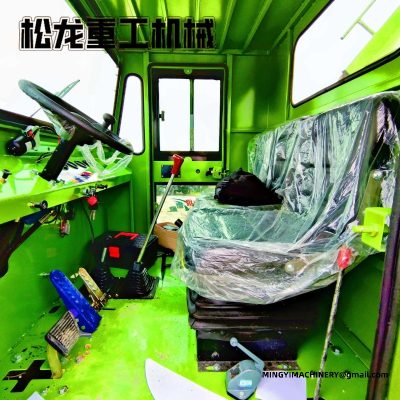
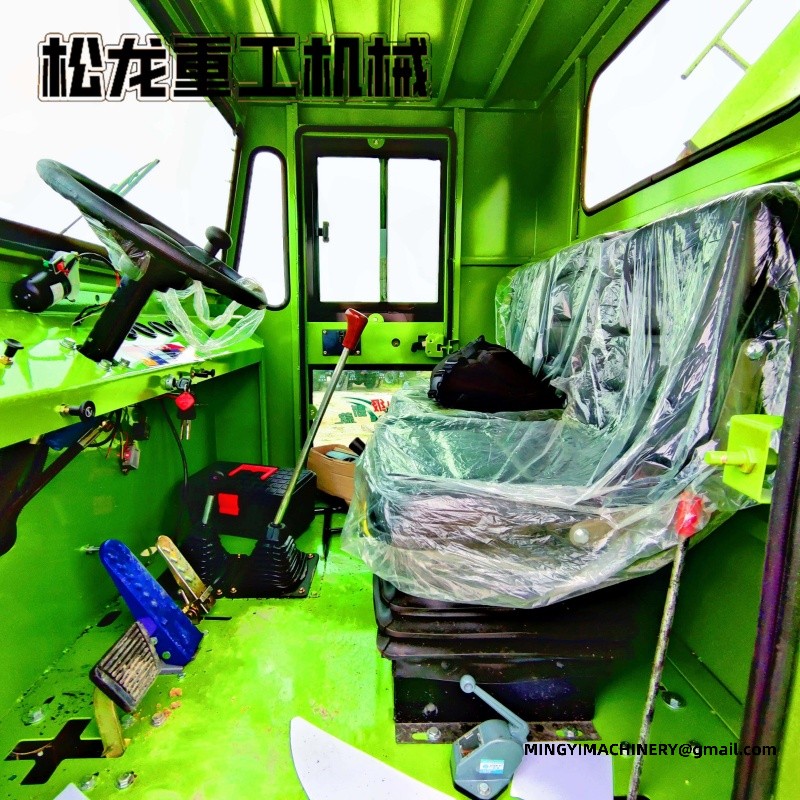
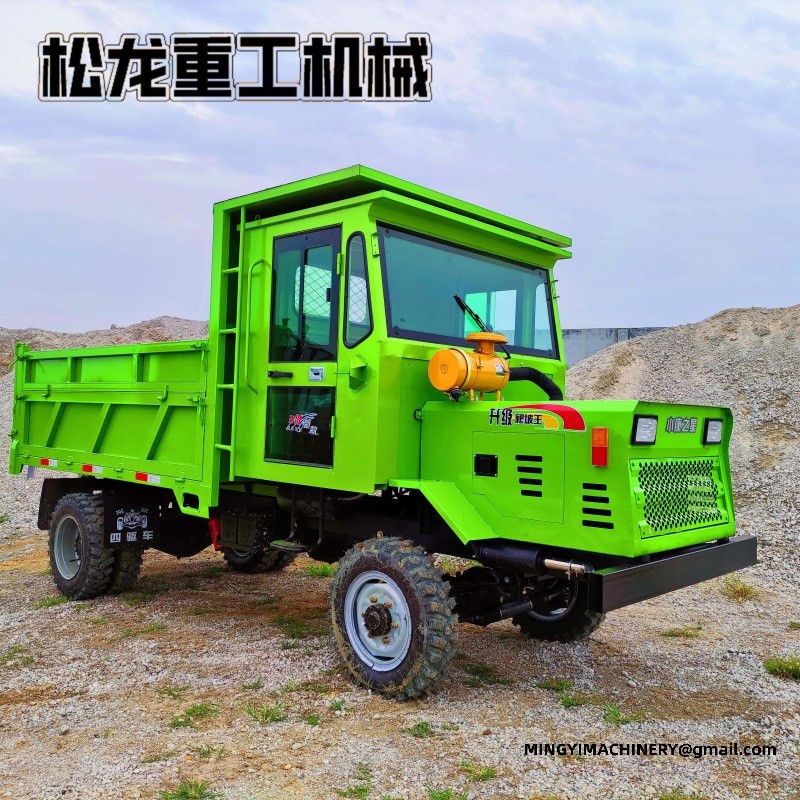
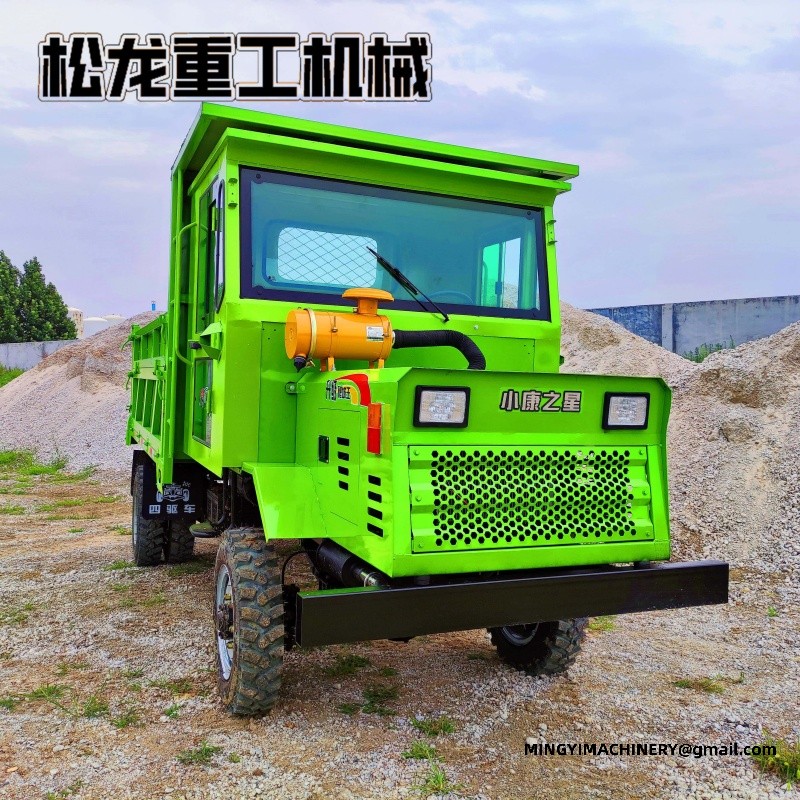
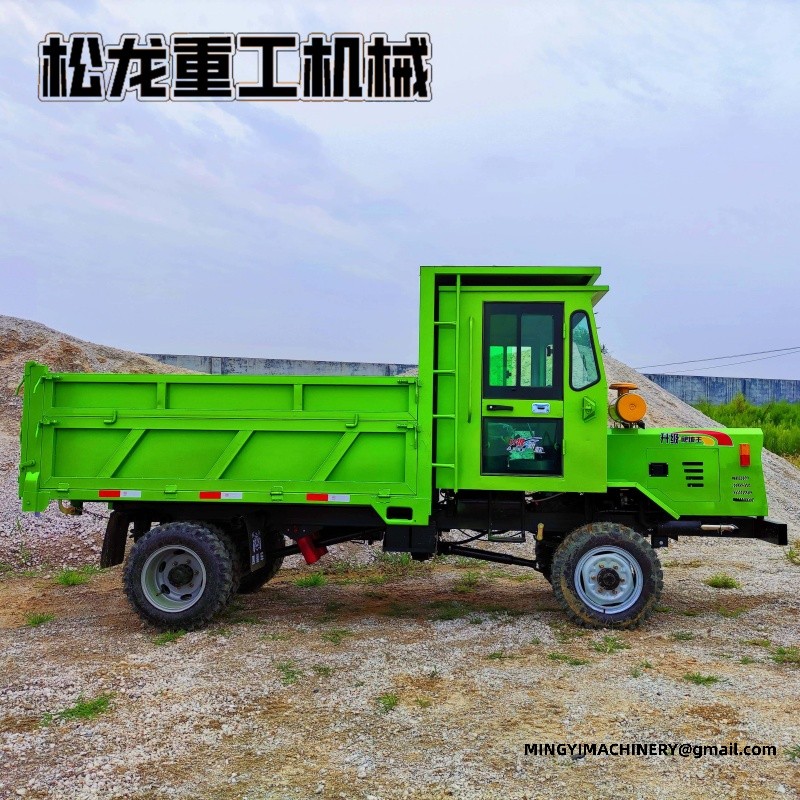
The configurations below are the build sheets most often matched to a machine built for the work. Engine, gearbox, axles, frame and body dimensions are confirmed together, because the body size and the axle rating have to suit the load before the engine rating matters.
| # | 17.Luxury | 22.Luxury | 8.Luxury | 9.Standard |
|---|---|---|---|---|
| 1 | Four-cylinder 490 diesel engine | Four-cylinder 4105 turbocharged diesel engine | Single-cylinder diesel engine, 28 hp | Single-cylinder diesel engine, 32 hp |
| 2 | Part-time gearbox, selectable 2WD/4WD | Model 145 part-time gearbox with four-wheel drive | Part-time gearbox, selectable 2WD/4WD | Full-time gearbox with four-wheel drive |
| 3 | High/low range with crawler gear | High/low range with crawler gear | High/low range with crawler gear | High/low range with crawler gear |
| 4 | Fully enclosed cab | Fully enclosed cab | Enclosed cab | Simple cab |
| 5 | Six 700-16 mountain tyres | Six 825R16 steel-belted radial tyres | Six 700-16 mountain tyres | Oil brakes |
| 6 | Reinforced 130 front axle | Reinforced ISUZU-pattern front axle | Model 212 front axle | Four 700-16 mountain tyres |
| 7 | Reinforced ISUZU-pattern rear axle | Reinforced 1080 rear axle | Model 130 rear axle | Front axle 212 |
| 8 | Air cut-off brakes | Air cut-off brakes | Air cut-off brakes | Rear axle 130 |
| 9 | Reinforced 60 x 140 mm square tube frame | Reinforced 80 x 180 mm square tube frame | Reinforced 60 x 140 mm square tube frame | Reinforced 60 x 140 mm square tube frame |
| 10 | Rear body 2.2 m long x 1.8 m wide x 0.45 m high | Rear body 3.0 m long x 2.2 m wide x 0.45 m high | Rear body 2.2 m long x 1.5 m wide x 0.45 m high | Rear body 2.2 m long x 1.5 m wide x 0.45 m high |
| 11 | Tailgate with self-dumping function | Tailgate with self-dumping function | Tailgate with self-dumping function | Tailgate with self-dumping function |
| 12 | Side-opening rear body tailgate | Side-opening rear body tailgate with cab ladder | Side-opening rear body tailgate | Hydraulic power steering |
| 13 | Hydraulic power steering | Hydraulic power steering | Hydraulic power steering | Twin hydraulic rams |
| 14 | Twin hydraulic rams | Twin hydraulic rams | Twin hydraulic rams | Two-person comfort seat |
| 15 | Two-person comfort seat | Two-person comfort seat | Two-person comfort seat | Twin-battery electric start |
| 16 | Heavy-duty leaf springs | Heavy-duty leaf springs | Heavy-duty leaf springs | Square-nose bonnet |
| 17 | Twin-battery electric start | Twin-battery electric start | Twin-battery electric start | — |
| 18 | Round-nose bonnet | Square-nose bonnet | Square-nose bonnet | — |
Documentation should match the machine that was actually built. The sheet supplied with the dumper records the configuration as delivered, because the generic catalogue description is not what the customer needs when ordering a part.
The parts that stop a machine are rarely the parts that are hardest to find. Filters, belts, seals and the ground engaging tools on the unit in daily use are easy to hold and slow to replace, which is why they belong on the shelf rather than on an order.
What the customer sees on arrival is decided before departure. The walk-around given to the equipment on site covers the same points the operator will check on day one, so there are no surprises when the crate is opened at the destination.
Transport shakes things loose. A short check of the model in question after the crate is opened, covering the same points the pre-delivery inspection covered, is the most useful insurance available on delivery day.
Workload is rarely even across the year, and the machine should be specified for the busy weeks. The unit on the job sized only for the average month will be the limiting factor exactly when the work is worth the most.
How a machine travels decides how it starts on arrival. Securing the equipment in service against movement, protecting the exposed cylinders and keeping the battery and fluids in the right state for the voyage all belong to the packing list.
Every line above is a build item rather than an optional extra, and the final sheet for the dumper is confirmed against the destination, the ground and the load before production.
E-mail:sales@mingycn.com
LINE(ID):mingyicn









