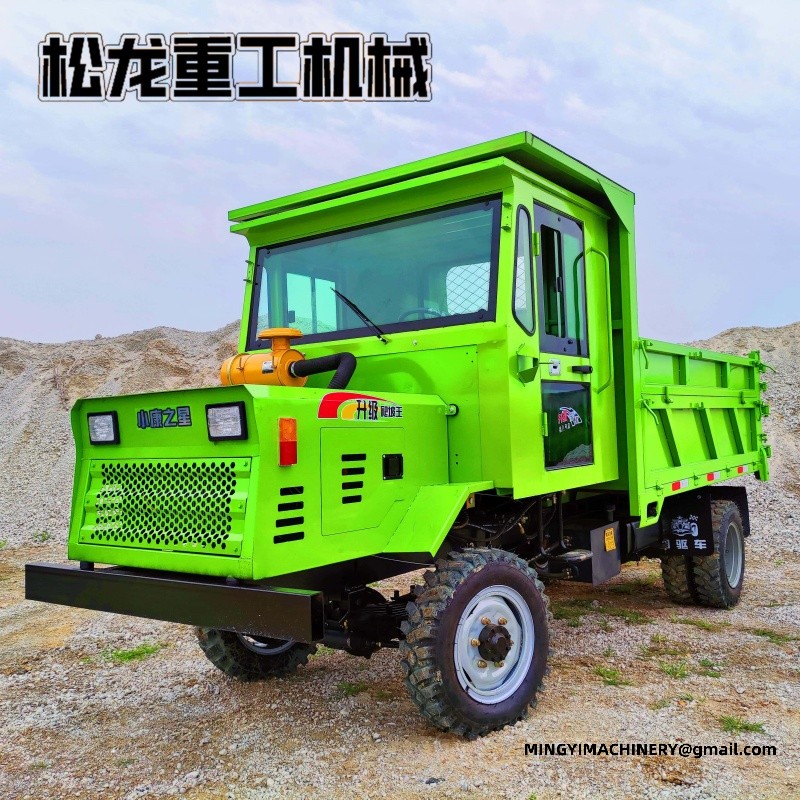
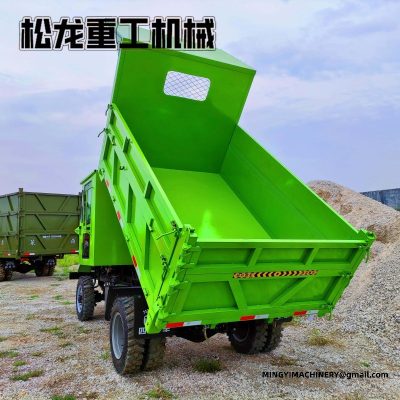
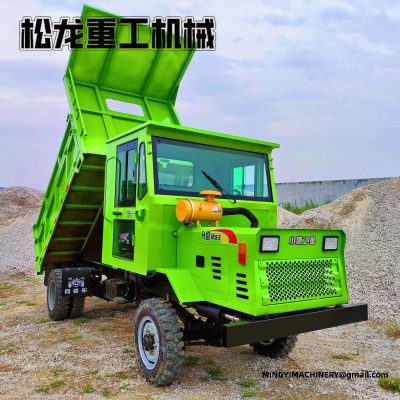
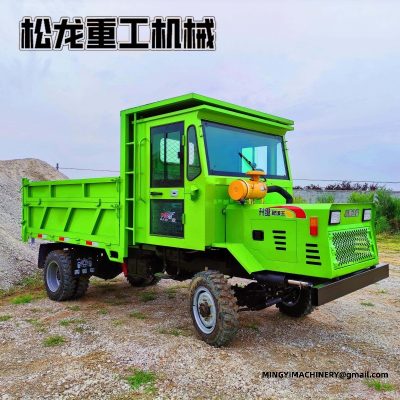
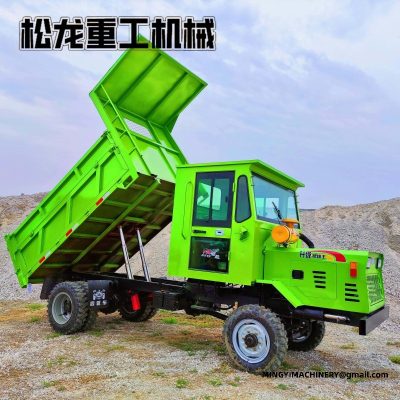
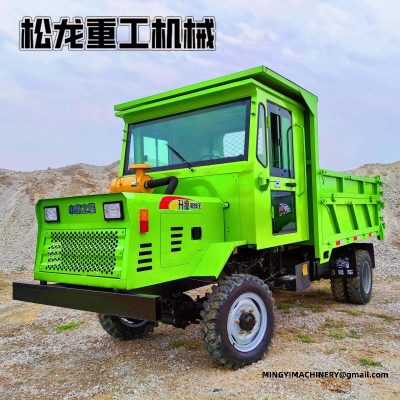
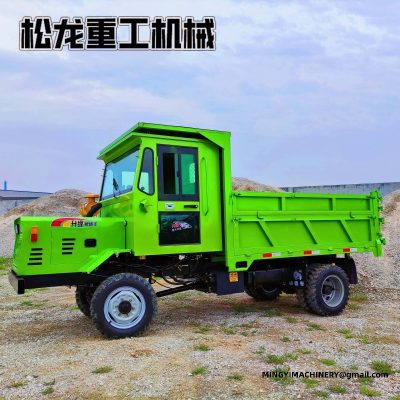
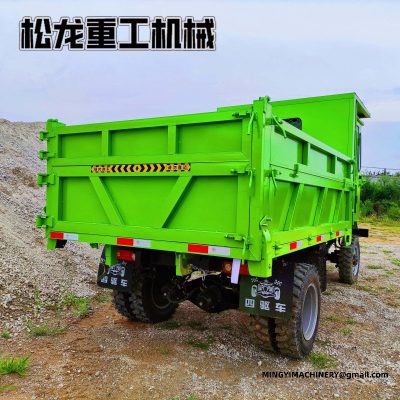
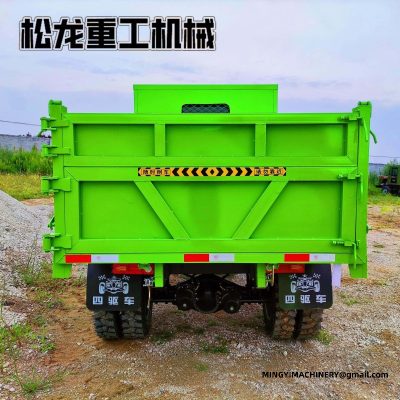
Several forms of the dumper appear in this range, and the right one depends on the ground more than on the brochure. Below, the practical differences are set out alongside the figures so the two can be read together.
Fleet value comes from interchangeability. Operators who can step between machines without retraining, and a workshop that stocks one set of filters, keep utilisation higher than a fleet of individually optimised units. Utilisation matters more than the purchase decision over a few years. This class of machine that sits idle ties up the same yard space standing still as one that earns, so the buying decision should follow the hours the machine will realistically work.
Emissions documentation is part of engine selection for some destinations. Confirming which units can be supplied and documented for the destination country is worth doing at enquiry stage rather than after the build sheet is signed. Matching the engine to the duty matters more than the peak rating. The unit in daily use that spends its day at part load benefits from a different setup than one that works at full output, and the difference shows in fuel use over a season.
Four-wheel drive is only part of soft ground capability. Tyre choice, ground clearance and weight distribution decide whether a machine of this size keeps moving in a paddy field or a marsh, and all three are specified rather than assumed. Recovering a stuck vehicle takes longer than preventing it. Planning the route, avoiding the worst ground and knowing where the equipment on site will turn is what keeps a soft-ground job productive.
Loading method affects the machine as much as the load does. Material dropped from height into the machine itself shocks the frame and the body floor, while material placed evenly spreads the load and extends body life.
Access and storage are worth settling early. Where the model in question will be parked, refuelled and serviced on site affects the working day more than most specification details, and it takes nothing to plan. Sequencing avoids rework. Doing the work in the order that suits the ground and the following trades keeps the machine in that duty productive and prevents finishing a task that then has to be opened up again.
Quarry and tunnel work is hard on vehicles. Abrasive dust, sharp material and continuous loading mean the unit on the job in this duty needs attention to filtration, body wear and brake condition far more often. Haul cycles in a quarry are short and repetitive. A machine built for the work specified for that pattern benefits from a body that dumps cleanly and quickly, because the time saved per cycle is the whole allowance.
A crane or grab turns a haul vehicle into a loading machine. The equipment in service fitted with a hydraulic crane loads itself, which removes a second machine from the job and is often the whole reason for specifying one. Adding a crane changes the vehicle specification. Hydraulic capacity, frame strength and braking all need to suit the attachment, and it is simpler to specify them at build than to add them later.
A water tank turns the vehicle into a different machine. The dumper carrying water for dust control or irrigation is specified around tank size, baffles and the route, because a part-filled tank behaves very differently on a slope.
Personal protective equipment and a stop rule are simple controls. Agreeing before work starts that anyone can stop the job is the single measure that most often prevents a serious incident near the unit in daily use.
Timber work changes what the vehicle carries. The equipment on site fitted with a log grab loads and unloads without a second machine, which is usually the reason a forestry contractor specifies one over a conventional truck. Protection matters in timber work. Guarding, lighting and a cab that keeps branches out are the items that keep the machine itself working through a season rather than being repaired through it.
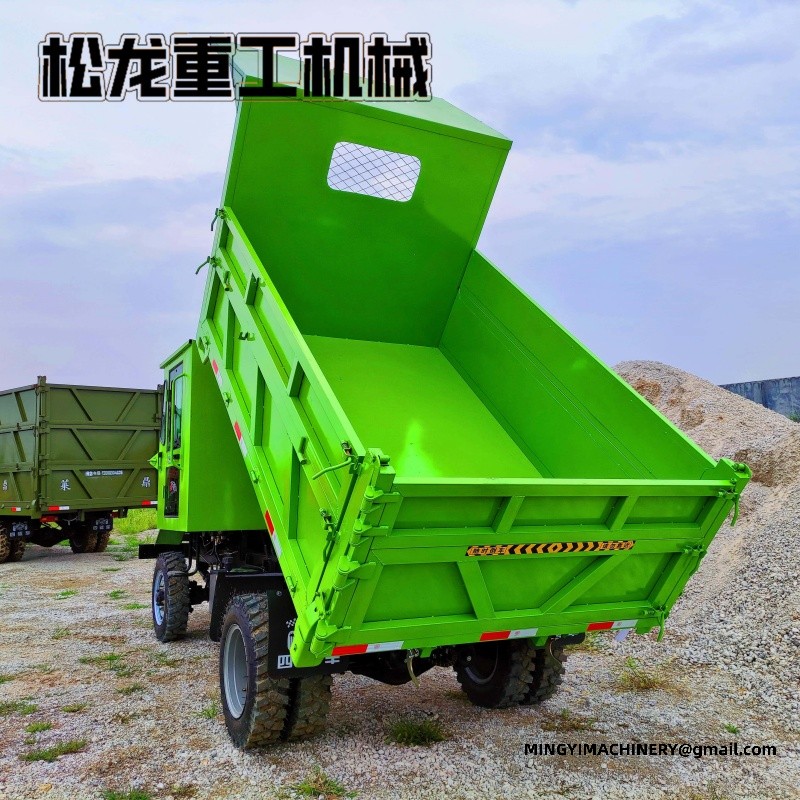
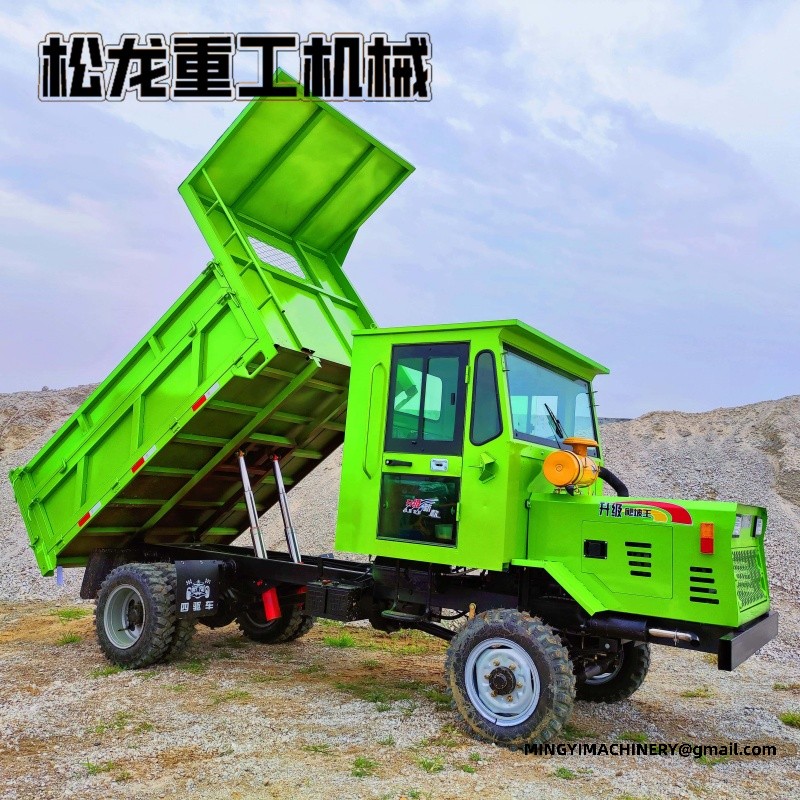
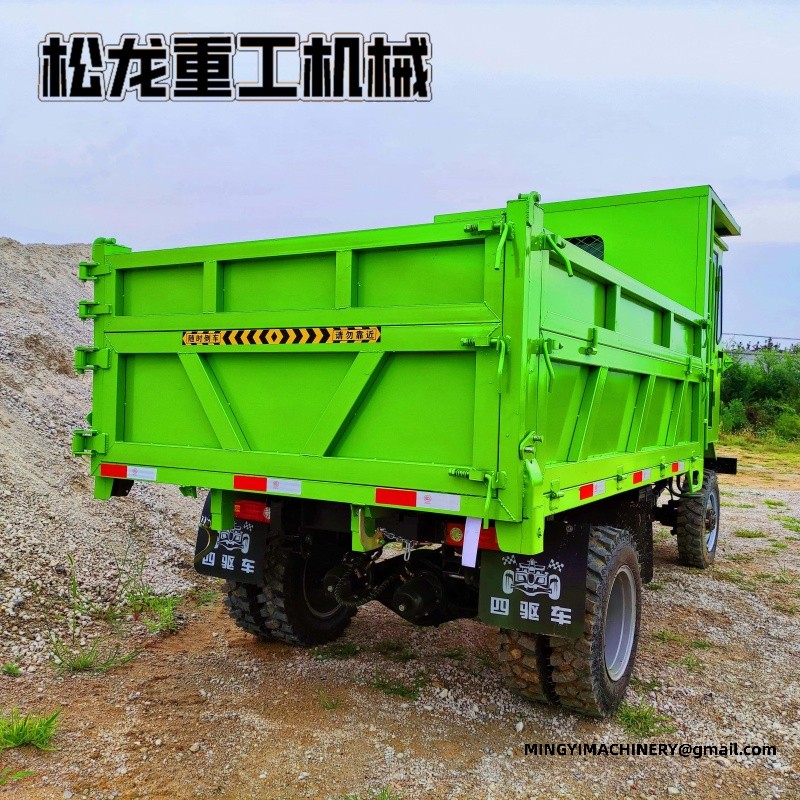
The tipping body is the part that does the work. The machine in that duty specified with twin hydraulic rams and a tailgate that opens under load unloads in one pass, which matters more on a short haul than top speed does.
Lead time is part of the specification. Confirming build time, shipping method and what is included before ordering a machine built for the work prevents the common gap between when the machine is needed and when it can arrive. Delivery planning includes the receiving end. Knowing whether the equipment in service will be craned, driven or forked off, and whether the site can accept it, is settled before dispatch rather than on the day.
Commissioning is the point where most avoidable issues are found. Checking levels, fasteners and function on the dumper before it goes to work takes an hour and prevents a claim conversation later. Warranty terms are clearer when they are read before purchase. Knowing what is covered, what counts as a wearing item and what documentation is required makes a claim on this class of machine straightforward rather than contested. Early faults are usually simple. The unit in daily use that behaves differently in its first few hours is more often mis-set than defective, and a call to the supplier at that point usually resolves it the same day.
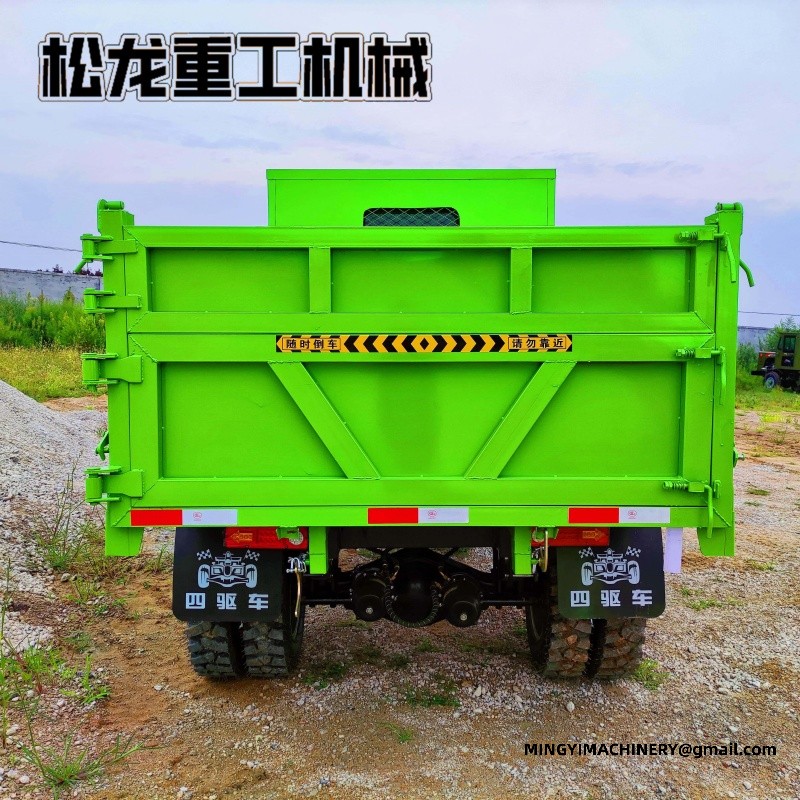
Standing still is hard on machinery. The equipment on site left for weeks benefits from a clean, dry, covered space, a charged battery and a fuel system prepared for the layoff, and all three effort very little. Before-storage preparation prevents most return-to-work faults. Draining or treating fuel, protecting exposed rods and relieving pressure where the maker specifies it are the items worth an hour when the machine itself is parked.
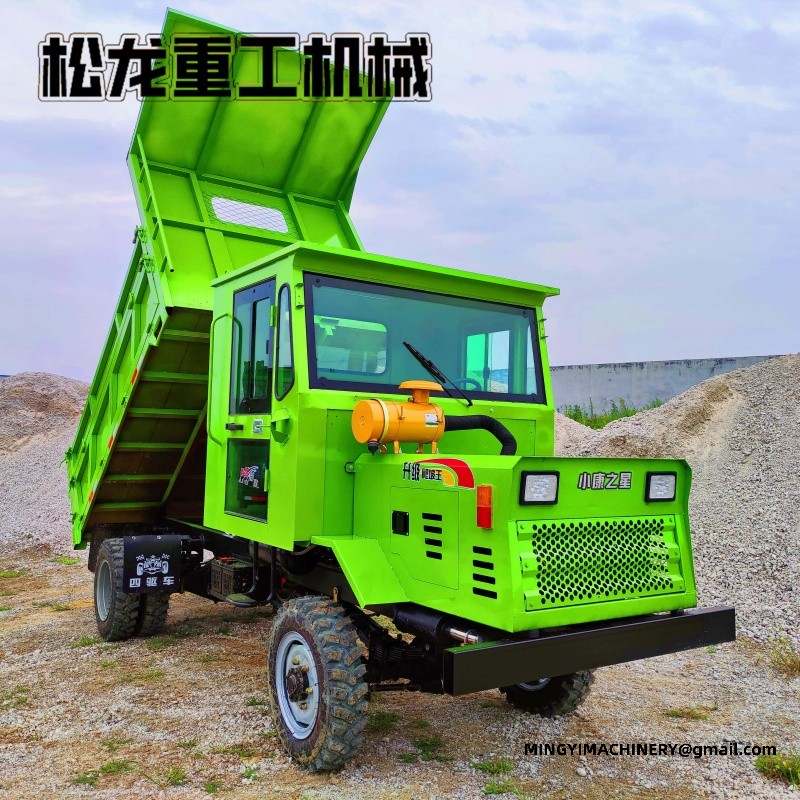
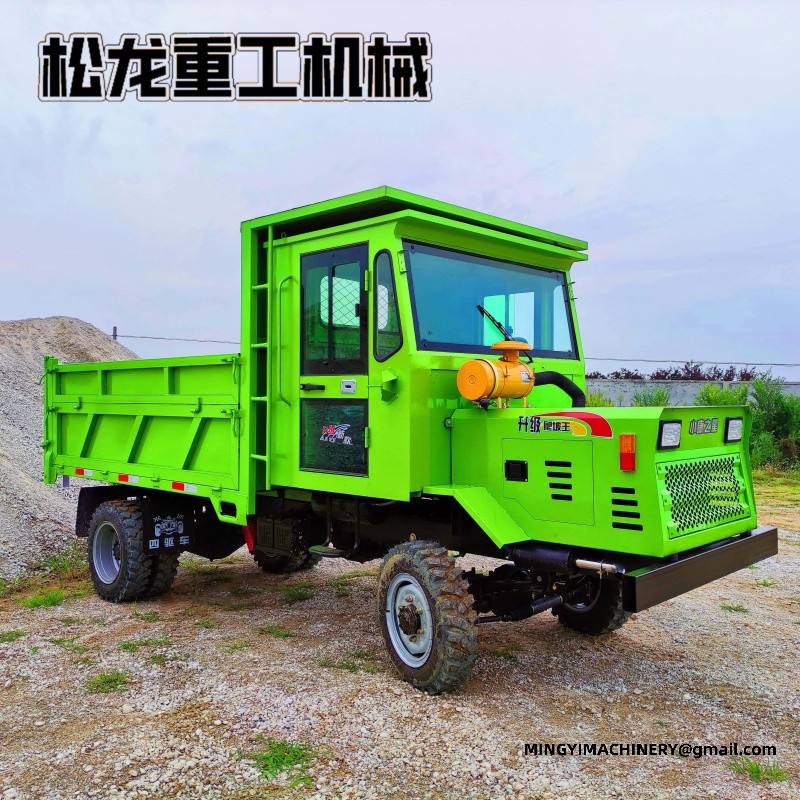
The configurations below are the build sheets most often matched to the machine in that duty. Engine, gearbox, axles, frame and body dimensions are confirmed together, because the body size and the axle rating have to suit the load before the engine rating matters.
| # | 20.Luxury | 3.Standard | 5.Luxury | 8.Luxury |
|---|---|---|---|---|
| 1 | Four-cylinder 4102 turbocharged diesel engine | Single-cylinder diesel engine, 25 hp | Single-cylinder diesel engine, 25 hp | Single-cylinder diesel engine, 28 hp |
| 2 | Model 140 part-time gearbox with four-wheel drive | Full-time gearbox with four-wheel drive | Part-time gearbox with four-wheel drive | Part-time gearbox, selectable 2WD/4WD |
| 3 | High/low range with crawler gear | High/low range with crawler gear | High/low range with crawler gear | High/low range with crawler gear |
| 4 | Fully enclosed cab | Simple cab | Enclosed cab | Enclosed cab |
| 5 | Six 825R16 steel-belted radial tyres | Oil brakes | Six 700-16 mountain tyres | Six 700-16 mountain tyres |
| 6 | Reinforced ISUZU-pattern front axle | Four 700-16 mountain tyres | Model 212 front axle | Model 212 front axle |
| 7 | Reinforced 1080 rear axle | Front axle 212 | Model 130 rear axle | Model 130 rear axle |
| 8 | Air cut-off brakes | Rear axle 130 | Air cut-off brakes | Air cut-off brakes |
| 9 | Reinforced 80 x 180 mm square tube frame | Reinforced 60 x 140 mm square tube frame | Reinforced 60 x 140 mm square tube frame | Reinforced 60 x 140 mm square tube frame |
| 10 | Rear body 3.0 m long x 2.2 m wide x 0.45 m high | Rear body 2.2 m long x 1.5 m wide x 0.45 m high | Rear body 2.2 m long x 1.5 m wide x 0.45 m high | Rear body 2.2 m long x 1.5 m wide x 0.45 m high |
| 11 | Tailgate with self-dumping function | Tailgate with self-dumping function | Tailgate with self-dumping function | Tailgate with self-dumping function |
| 12 | Side-opening rear body tailgate with cab ladder | Hydraulic power steering | Side-opening rear body tailgate | Side-opening rear body tailgate |
| 13 | Hydraulic power steering | Twin hydraulic rams | Hydraulic power steering | Hydraulic power steering |
| 14 | Twin hydraulic rams | Two-person comfort seat | Twin hydraulic rams | Twin hydraulic rams |
| 15 | Two-person comfort seat | Twin-battery electric start | Two-person comfort seat | Two-person comfort seat |
| 16 | Heavy-duty thickened leaf springs | Square-nose bonnet | Heavy-duty leaf springs | Heavy-duty leaf springs |
| 17 | Twin-battery electric start | — | Twin-battery electric start | Twin-battery electric start |
| 18 | Square-nose bonnet | — | Square-nose bonnet | Square-nose bonnet |
| 19 | Four-cylinder 4105 turbocharged | — | — | — |
| 20 | Four-cylinder 4108 turbocharged | — | — | — |
| 21 | Single-cylinder engine, 25 hp | — | — | — |
| 22 | Single-cylinder engine, 28 hp | — | — | — |
| 23 | Single-cylinder engine, 32 hp | — | — | — |
| 24 | Two-cylinder engine, 38 hp | — | — | — |
| 25 | Four-cylinder 490 engine | — | — | — |
| 26 | Four-cylinder 4102 turbocharged engine | — | — | — |
Cold exposes weak batteries, thick oil and water in the fuel. Preparing a machine built for the work for winter means the right grade of oil, a battery in good condition and fuel that will not wax in the tank overnight.
Export packing is part of the machine, not an afterthought. The dumper is blocked and braced inside the container so that it arrives in the same condition it left, and the load plan is decided by the dimensions rather than by what fits loosely.
Contamination is easier to prevent than to cure. Keeping the filler caps sealed, the funnels clean and the containers closed around the unit in daily use is unglamorous work that shows up as reliability later.
Transport shakes things loose. A short check of the equipment on site after the crate is opened, covering the same points the pre-delivery inspection covered, is the most useful insurance available on delivery day.
Machines rarely fail without warning. A change in sound, a slower function or a new leak on the model in question is the machine saying something early, and listening then takes a fraction of the time that waiting does.
Holding spares is about downtime rather than the shelf itself. The question for the unit on the job is not how large the part is but how long the machine sits while it is found, and a small shelf answers that better than a fast courier.
The calendar decides more than the specification does. Planning when the equipment in service will be working, when it will be serviced and when it can be spared keeps the maintenance out of the weeks that matter.
Every line above is a build item rather than an optional extra, and the final sheet for the dumper is confirmed against the destination, the ground and the load before production.
E-mail:sales@mingycn.com
LINE(ID):mingyicn









