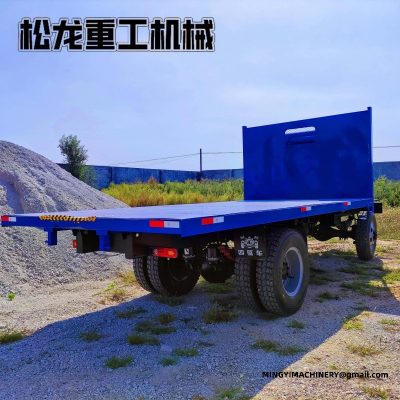
Choosing the dumper usually comes down to a handful of decisions made early: size, power, the ground it will work on and the attachments it has to carry. The notes below follow that order, because each one narrows the next.
Batteries and fluids are the parts that notice the cold first. This class of machine kept on a maintainer through a freezing spell starts on the first turn, while one left standing is the usual cause of a lost morning. Low temperatures also make materials behave differently. Ground that is frozen hard in the morning can be soft by midday, and planning the sequence around that is easier than fighting it with the unit in daily use.
Upgrades should be checked against the base machine. Hydraulic capacity, mounting interface and stability all limit what can reasonably be added to a machine of this size, and confirming those limits avoids an unsatisfactory result.
Adding a crane changes the vehicle specification. Hydraulic capacity, frame strength and braking all need to suit the attachment, and it is simpler to specify them at build than to add them later.
Remote diagnosis shortens most faults. A walk-around on video with the panels open often identifies the cause on the equipment on site without waiting for a visit, and avoids shipping a part that turns out not to be needed.
Water is heavy and it moves. Baffles and sensible speeds matter on the machine itself with a tank body, and the specification should reflect the ground the vehicle will cross rather than only the volume needed.
Replacement timing is a planning decision. Knowing the intended working life of the model in question lets an owner sell while the machine still has value rather than after a major repair becomes due. Records are part of the asset. Keeping the service history and the hour records with the machine in that duty makes it easier to sell, easier to insure and easier to justify the replacement machine internally.
The working surface should be surveyed before the unit on the job is specified. A machine that is stable on compacted gravel can be unusable on the same site after rain, and the difference shows up as lost days rather than as a fault.
Machine productivity depends on what happens around it. Deliveries, other trades and the sequence of work decide how much of the shift a machine built for the work spends actually working rather than waiting.
A written duty list is the simplest part of the purchase. It takes an hour to note the material, the distance, the gradient and the hours per week, and it is what turns the dumper enquiry into a machine that fits.
Service intervals exist because wear is predictable. Following the maker schedule on the unit in daily use takes far less time than repairing the damage that follows a missed oil change or a filter left in place past its life.
Replacing wear items early is usually simpler. Worn components on the equipment on site load the parts they run against, so a worn part left too long often becomes a major repair.
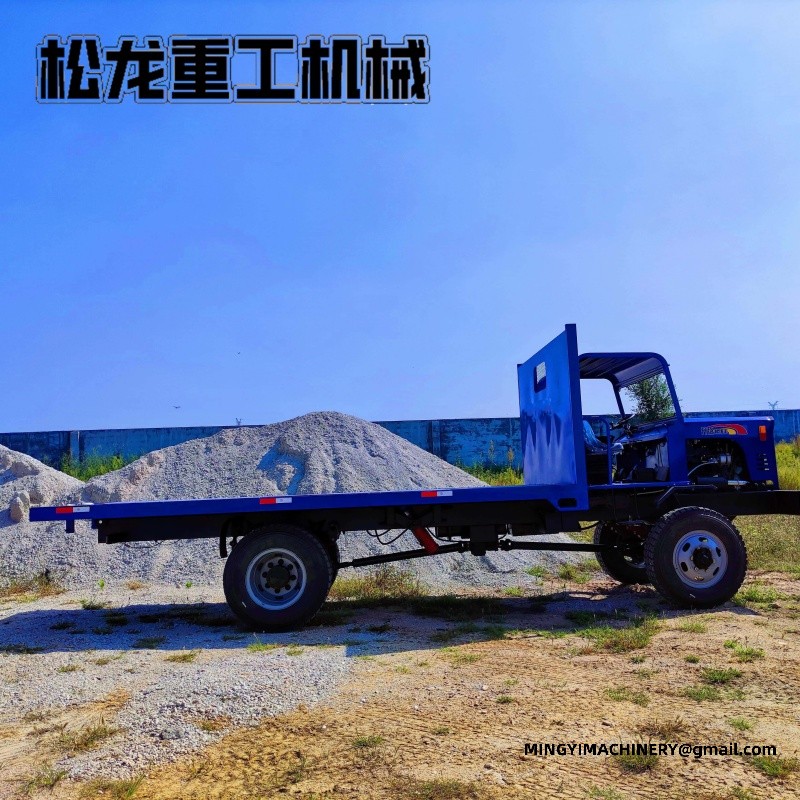
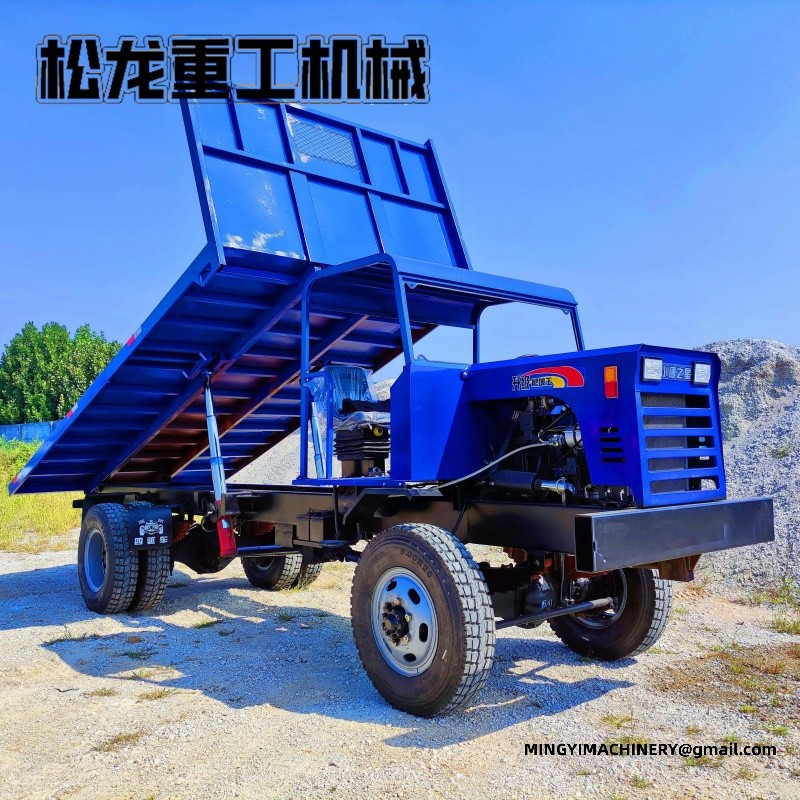
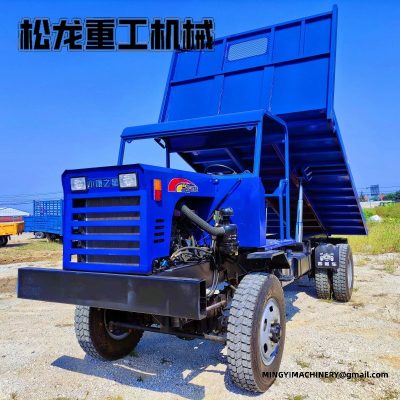
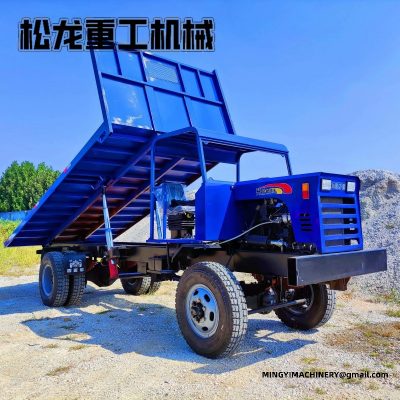
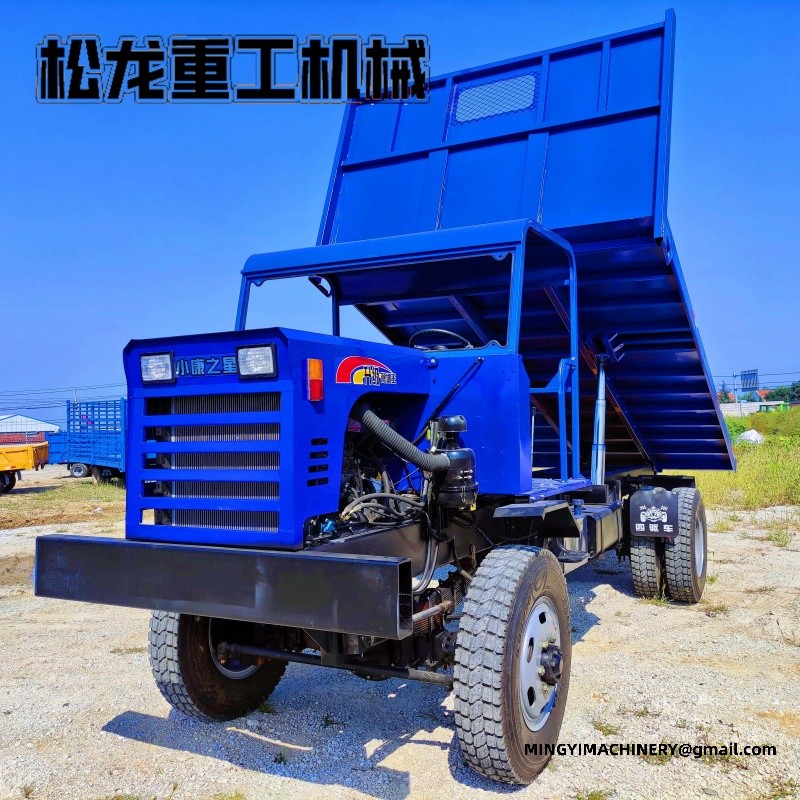
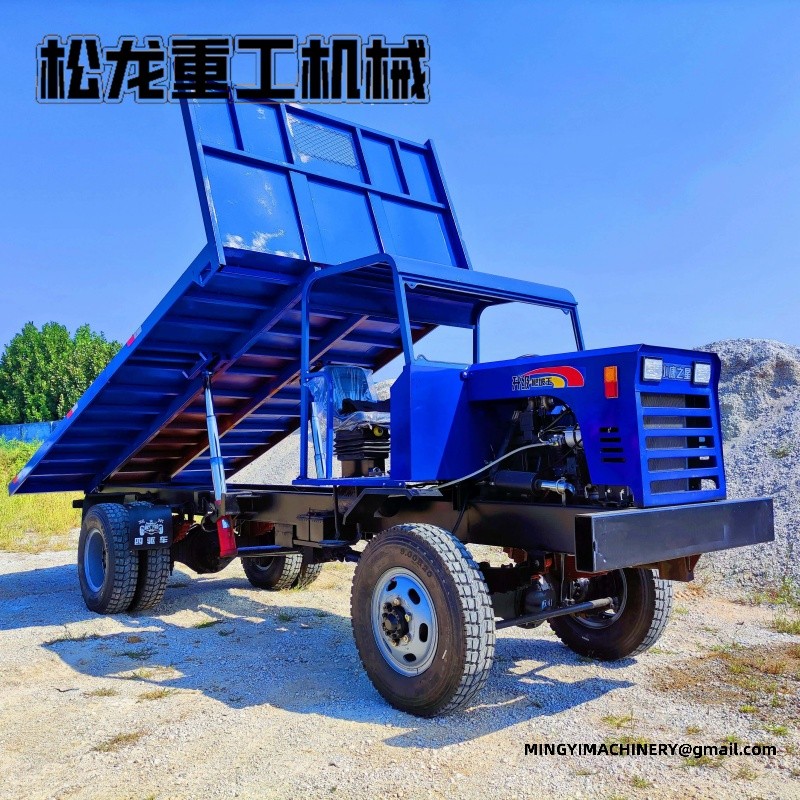
The tipping body is the part that does the work. The model in question specified with twin hydraulic rams and a tailgate that opens under load unloads in one pass, which matters more on a short haul than top speed does. Unloading method should follow the material. Wet spoil, aggregate and green timber behave differently in the body, and matching the body and tailgate arrangement to the load is what keeps the machine in that duty cycling rather than being hand-cleared. Body size is a compromise with access. A larger body on the unit on the job carries more per trip but needs more room to turn and tip, so the useful question is how many trips the route allows rather than how much it holds.
Abrasive conditions shorten service intervals. Air filters, seals and any exposed sliding surface on the equipment in service need attention more often in dusty or muddy work, and the extra checks prevent far more wear than the time they take. Cleaning is maintenance, not appearance. Washing the cooling surfaces and clearing packed material from the dumper keeps temperatures where they should be and makes the next inspection quicker and more useful.
Carrying concrete changes the duty entirely. The unit in daily use with a mixer drum is working against the clock, and the specification follows the delivery distance and the site access rather than the load alone.
Ground on farms is often soft and often shared with livestock. The equipment on site working there needs to cross pasture without rutting it badly, and tyre and weight choices follow from that.
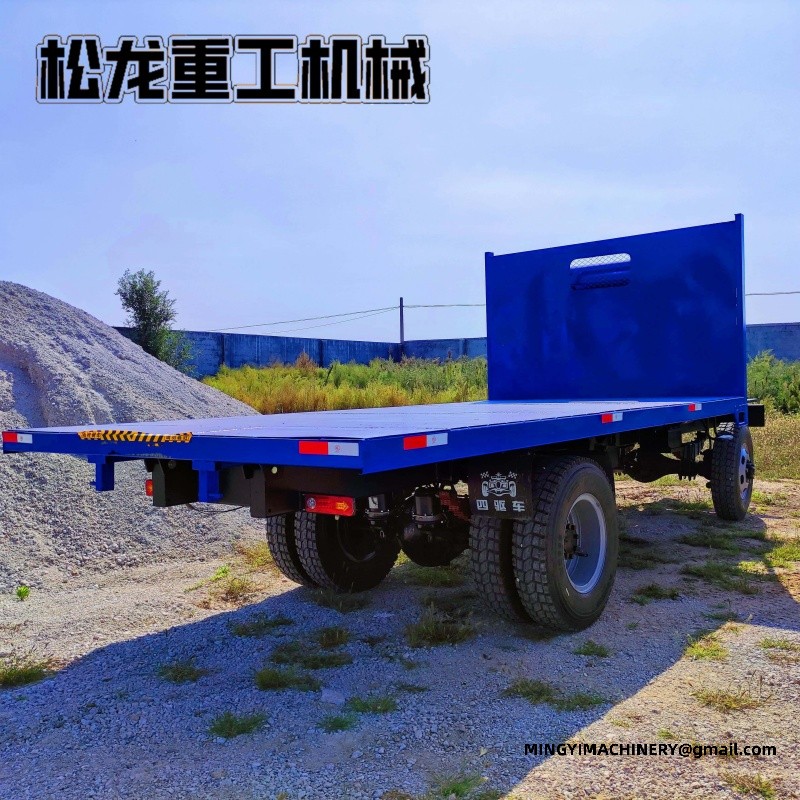
Before-storage preparation prevents most return-to-work faults. Draining or treating fuel, protecting exposed rods and relieving pressure where the maker specifies it are the items worth an hour when the model in question is parked. A periodic start is better than none. Running the machine in that duty to operating temperature during a long layoff keeps seals and the charging system in better condition than leaving it untouched until the next job.
Stability follows the load and its position. Knowing the rated capacity of a machine built for the work at the working radius, rather than at its best case, is what keeps handling predictable and the machine upright. Ballast and attachment weight change the machine. Adding a heavy tool to the equipment in service moves the centre of gravity, and the counterweight or configuration should be matched to the tool rather than assumed.
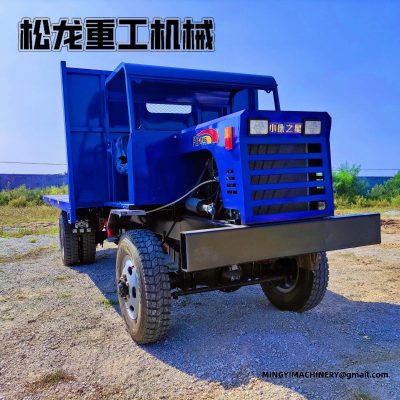
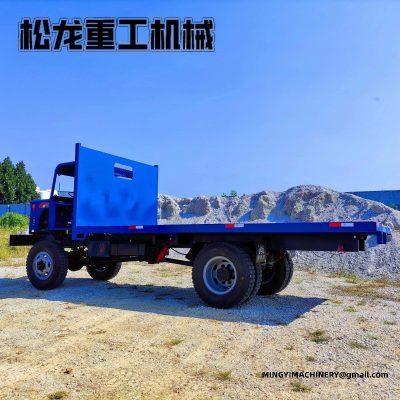
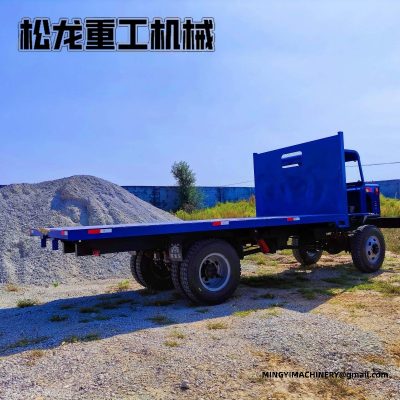
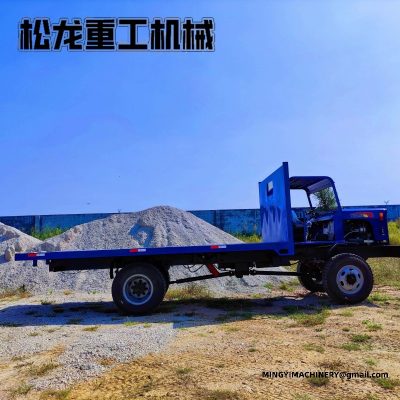
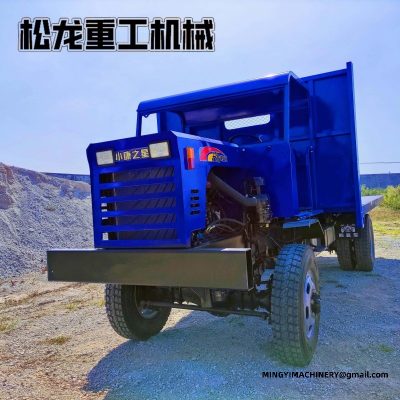
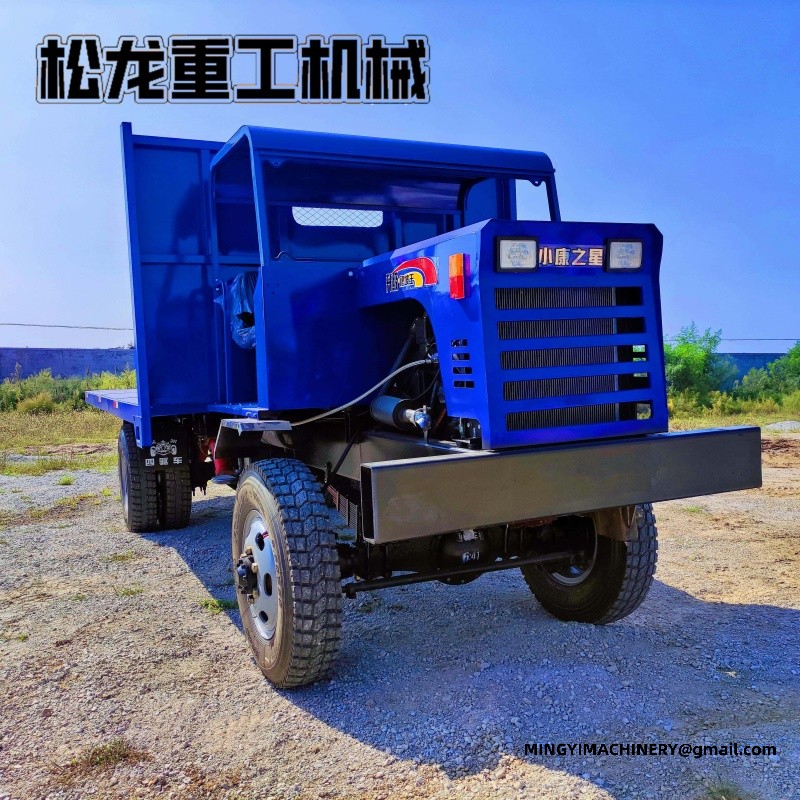
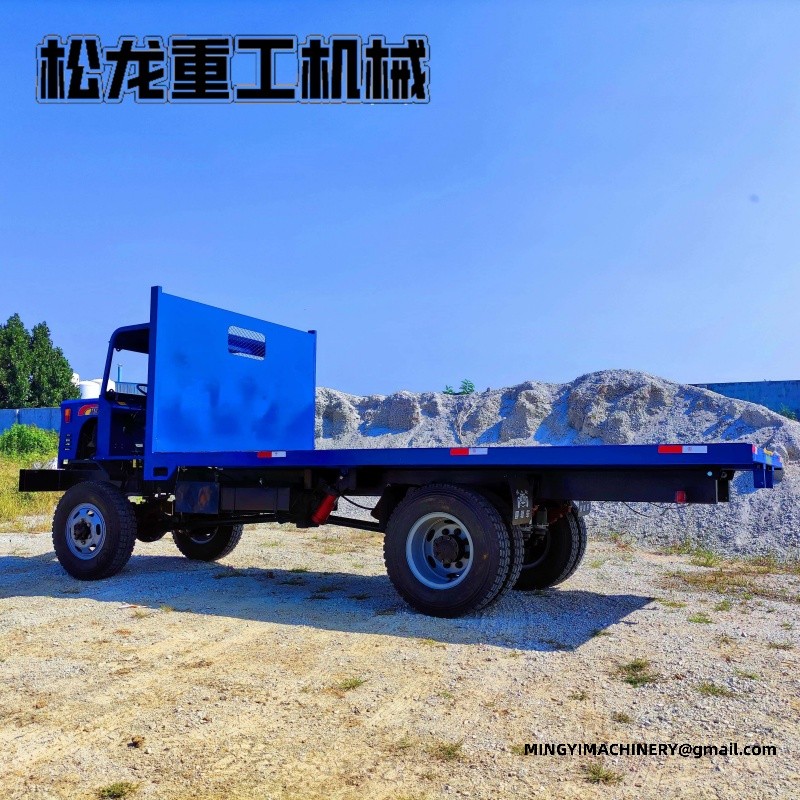
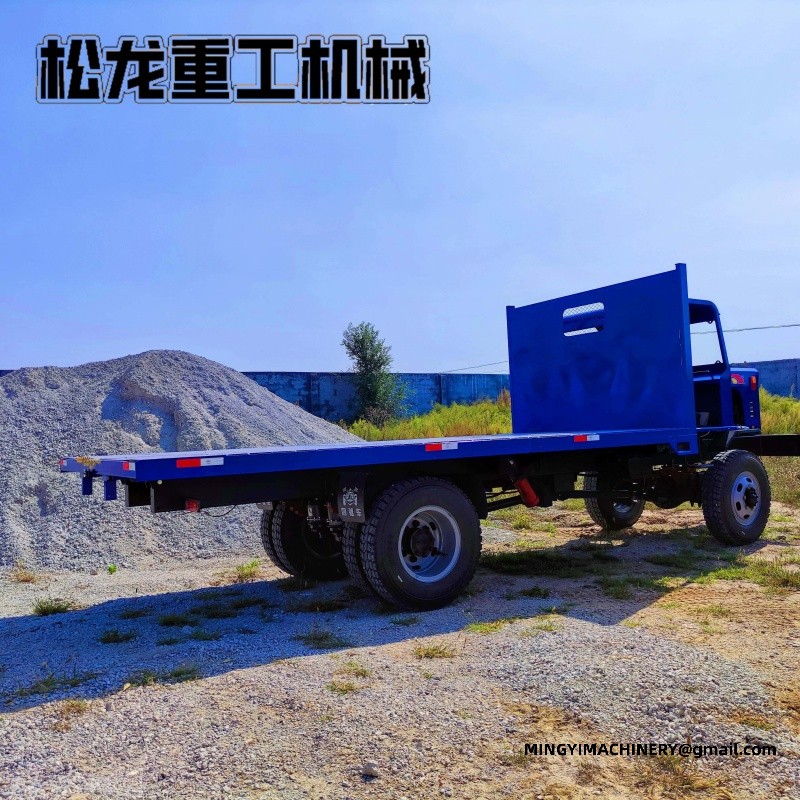
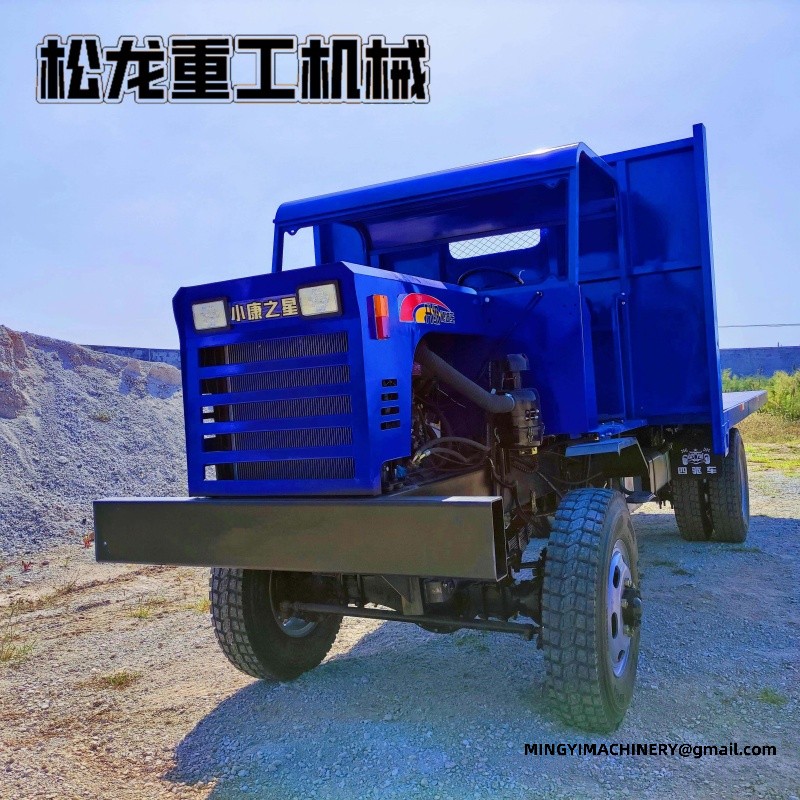
The configurations below are the build sheets most often matched to this class of machine. Engine, gearbox, axles, frame and body dimensions are confirmed together, because the body size and the axle rating have to suit the load before the engine rating matters.
| # | 11.Luxury | 14.Luxury | 5.Luxury | 8.Luxury |
|---|---|---|---|---|
| 1 | Single-cylinder diesel engine, 32 hp | Two-cylinder diesel engine, 38 hp | Single-cylinder diesel engine, 25 hp | Single-cylinder diesel engine, 28 hp |
| 2 | Part-time gearbox, selectable 2WD/4WD | Part-time gearbox, selectable 2WD/4WD | Part-time gearbox with four-wheel drive | Part-time gearbox, selectable 2WD/4WD |
| 3 | High/low range with crawler gear | High/low range with crawler gear | High/low range with crawler gear | High/low range with crawler gear |
| 4 | Enclosed cab | Enclosed cab | Enclosed cab | Enclosed cab |
| 5 | Six 700-16 mountain tyres | Six 700-16 mountain tyres | Six 700-16 mountain tyres | Six 700-16 mountain tyres |
| 6 | Model 212 front axle | Model 212 front axle | Model 212 front axle | Model 212 front axle |
| 7 | Model 130 rear axle | Reinforced 130 rear axle | Model 130 rear axle | Model 130 rear axle |
| 8 | Air cut-off brakes | Air cut-off brakes | Air cut-off brakes | Air cut-off brakes |
| 9 | Reinforced 60 x 140 mm square tube frame | Reinforced 60 x 140 mm square tube frame | Reinforced 60 x 140 mm square tube frame | Reinforced 60 x 140 mm square tube frame |
| 10 | Rear body 2.2 m long x 1.5 m wide x 0.45 m high | Rear body 2.2 m long x 1.5 m wide x 0.45 m high | Rear body 2.2 m long x 1.5 m wide x 0.45 m high | Rear body 2.2 m long x 1.5 m wide x 0.45 m high |
| 11 | Tailgate with self-dumping function | Tailgate with self-dumping function | Tailgate with self-dumping function | Tailgate with self-dumping function |
| 12 | Side-opening rear body tailgate | Side-opening rear body tailgate | Side-opening rear body tailgate | Side-opening rear body tailgate |
| 13 | Hydraulic power steering | Hydraulic power steering | Hydraulic power steering | Hydraulic power steering |
| 14 | Twin hydraulic rams | Twin hydraulic rams | Twin hydraulic rams | Twin hydraulic rams |
| 15 | Two-person comfort seat | Heavy-duty leaf springs | Two-person comfort seat | Two-person comfort seat |
| 16 | Heavy-duty leaf springs | Two-person comfort seat | Heavy-duty leaf springs | Heavy-duty leaf springs |
| 17 | Twin-battery electric start | Twin-battery electric start | Twin-battery electric start | Twin-battery electric start |
| 18 | Square-nose bonnet | Round-nose bonnet | Square-nose bonnet | Square-nose bonnet |
Securing the load is not optional. Lashing a machine of this size at the points intended for it, checking the tension before the vehicle moves and rechecking after the first kilometres is standard practice rather than extra care.
The battery and the fuel are the first things to suffer in storage. Preparing the machine itself properly at the start of the idle period avoids the flat battery and the contaminated tank that greet an unprepared machine.
A machine that only one person can use is a single point of failure. Training a second operator on the machine in that duty takes a day and removes the dependency that otherwise governs holidays, illness and busy weeks.
The paperwork matters as much as the packing. Serial numbers, dimensions and weights recorded for a machine built for the work at loading are the same figures the destination needs, and a mismatch here loses more days than the voyage itself.
The specification for oil is written for a reason. Using the grade and the change interval set for the dumper keeps the engine and the hydraulic system inside the range they were designed for.
What the customer sees on arrival is decided before departure. The walk-around given to the unit in daily use covers the same points the operator will check on day one, so there are no surprises when the crate is opened at the destination.
The machine is only half of what arrives. The parts book, the service schedule and the declarations that come with the equipment on site are what let the owner register, insure and maintain it without a second round of emails.
Every line above is a build item rather than an optional extra, and the final sheet for the machine itself is confirmed against the destination, the ground and the load before production.
E-mail:sales@mingycn.com
LINE(ID):mingyicn









