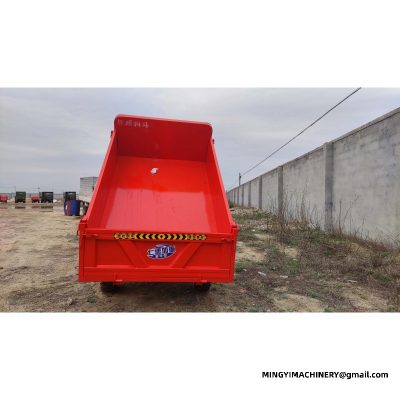
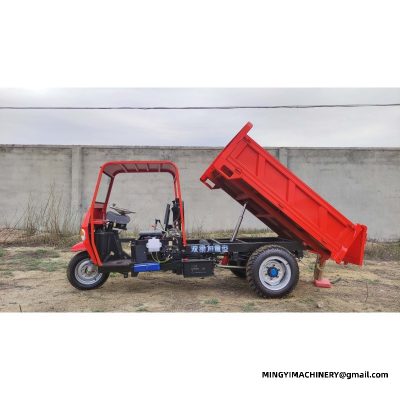
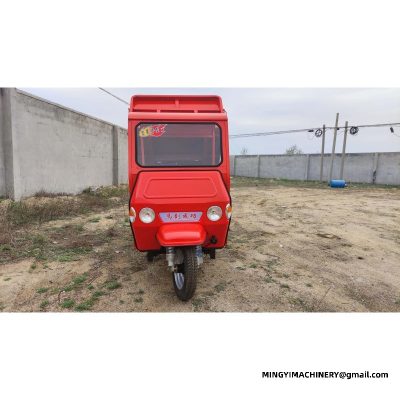
Buyers comparing the dumper are usually weighing the same few things, among them working range, the width of the access, the surface it runs on and how quickly it can be serviced. This page takes each in turn and leaves the numbers together at the end.
Reconfiguration can extend the useful life of a machine. This class of machine that no longer suits the current work may suit it again with a different attachment, guarding or control arrangement. The decision is economic as well as technical. Comparing the work of reconfiguring the unit in daily use against a different machine is a short calculation that usually gives a clear answer.
Ground decides more of the outcome than power does. Soft, wet or loose surfaces call for a wider footprint and lower ground pressure, while hard standing allows a narrower machine that turns in less space and travels faster between tasks. Traction and flotation are two separate questions. A machine of this size may have the power for a slope and still not have the grip, so the surface, not the engine rating, is usually what limits the working day.
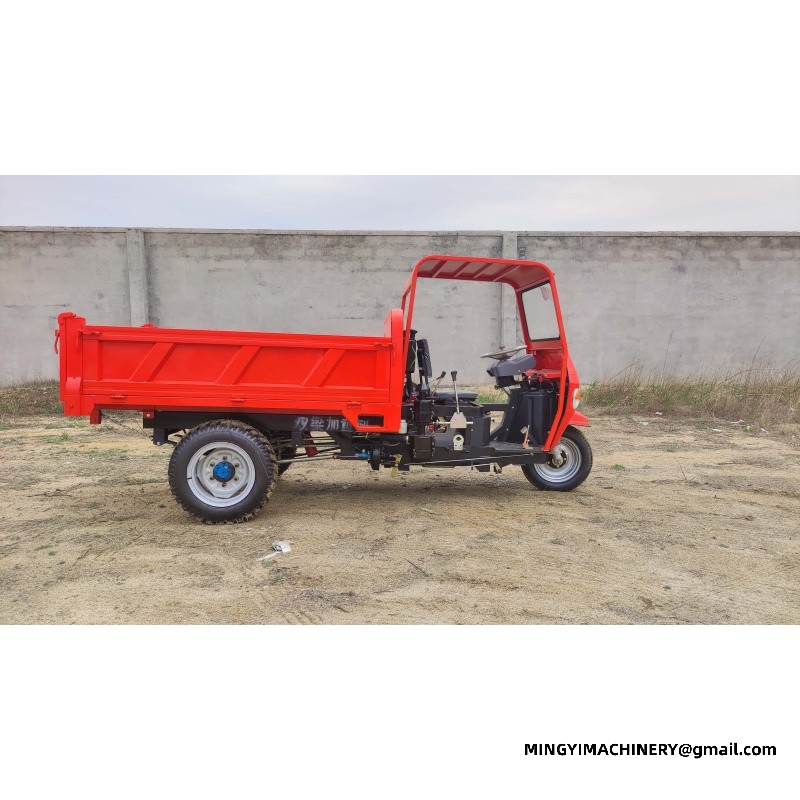
The specification should be written from the job backwards. Listing the loads, the ground and the hours first, then matching the machine itself to that list, avoids buying capacity the work never uses and avoids discovering a shortfall in the first week. A written duty list is the simplest part of the purchase. It takes an hour to note the material, the distance, the gradient and the hours per week, and it is what turns the equipment on site enquiry into a machine that fits.
Abrasive conditions shorten service intervals. Air filters, seals and any exposed sliding surface on the model in question need attention more often in dusty or muddy work, and the extra checks prevent far more wear than the time they take. Sealed points and guarded areas deserve a look in these conditions. The machine in that duty working in abrasive dust benefits from checked boots, intact guards and clean breathers, all of which are quick to verify.
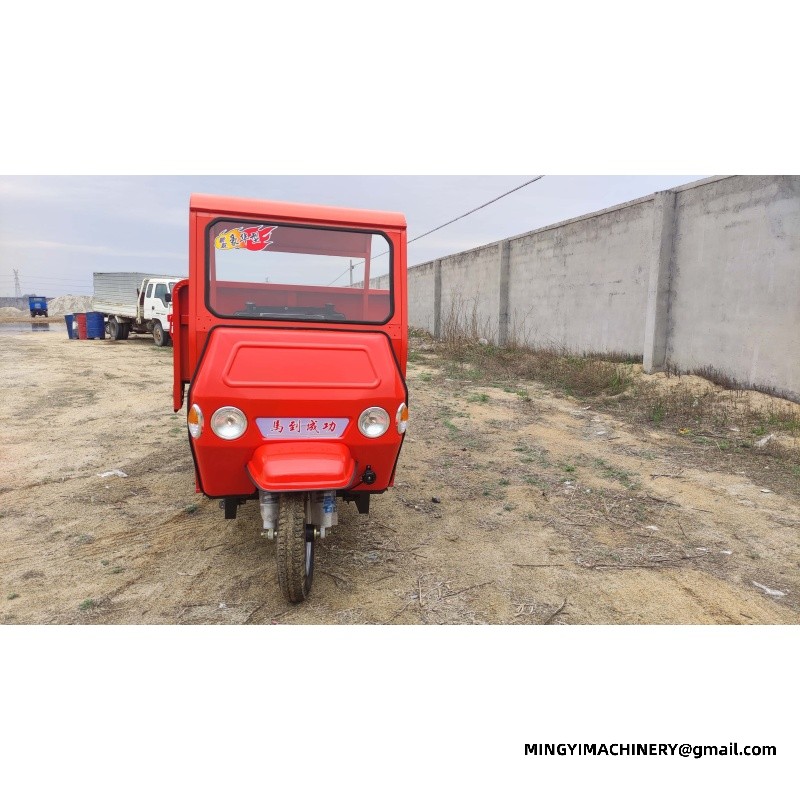
Visibility from the seat is different at night. Reflections, shadows and glare all hide detail, so the unit on the job used after dark benefits from clean lenses, working wipers and a slower working pace.
Records are part of the asset. Keeping the service history and the hour records with a machine built for the work makes it easier to sell, easier to insure and easier to justify the replacement machine internally.
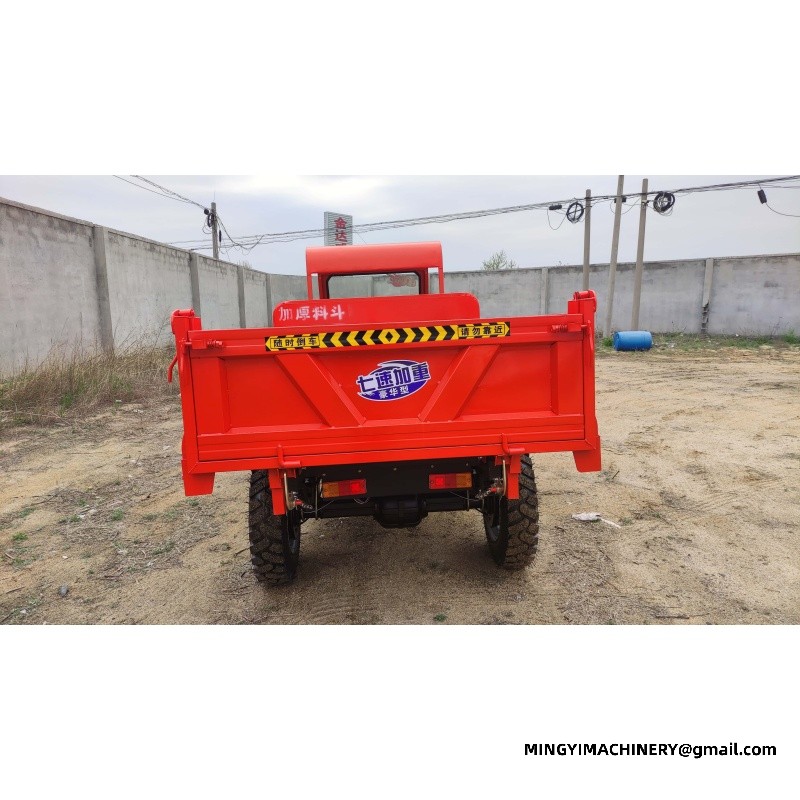
Wear rate follows conditions far more than hours. The equipment in service working on abrasive ground or in mud will consume undercarriage or tyre life much faster than the same machine on clean ground.
Duty cycle is the honest measure of a machine. The dumper working a few hours a week has different needs from one working two shifts, and the cooling, filtration and service intervals should follow the hours rather than the calendar. Seasonal work changes the maintenance calendar. Machines that work hard for two months and stand for ten need preparation before storage and a check before returning to work, and both are simpler than the repairs they prevent.
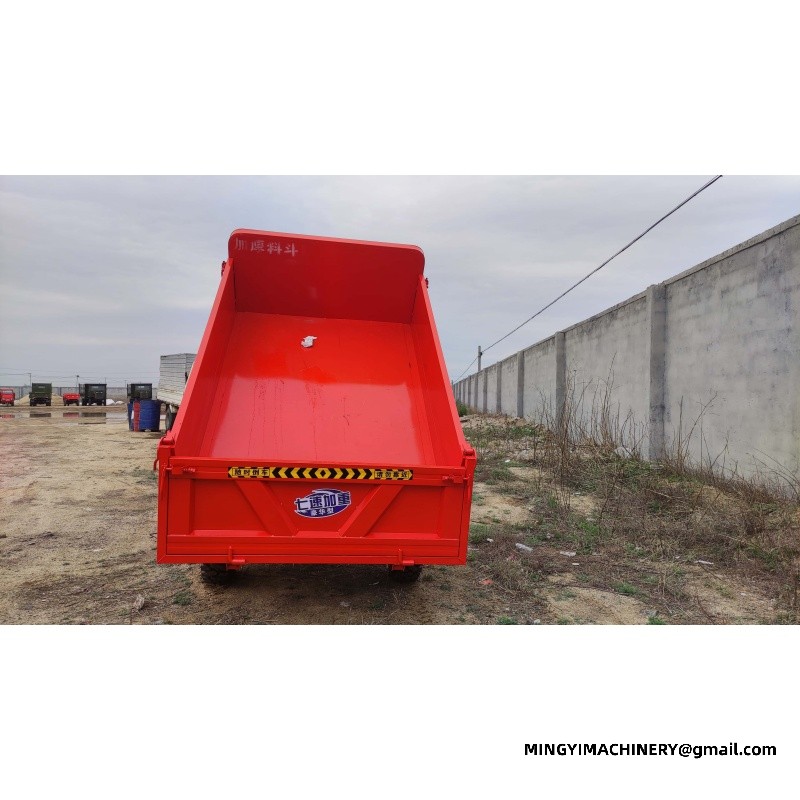
Four-wheel drive is only part of soft ground capability. Tyre choice, ground clearance and weight distribution decide whether the unit in daily use keeps moving in a paddy field or a marsh, and all three are specified rather than assumed. Recovering a stuck vehicle takes longer than preventing it. Planning the route, avoiding the worst ground and knowing where the a machine of this size will turn is what keeps a soft-ground job productive.
Personal protective equipment and a stop rule are simple controls. Agreeing before work starts that anyone can stop the job is the single measure that most often prevents a serious incident near the machine itself.
Stability follows the load and its position. Knowing the rated capacity of the machine in that duty at the working radius, rather than at its best case, is what keeps handling predictable and the machine upright. Ballast and attachment weight change the machine. Adding a heavy tool to the unit on the job moves the centre of gravity, and the counterweight or configuration should be matched to the tool rather than assumed. Carrying and travelling with a load needs its own plan. Speed, gradient and surface all matter more once a machine built for the work is loaded, and the safe combination is the conservative one.
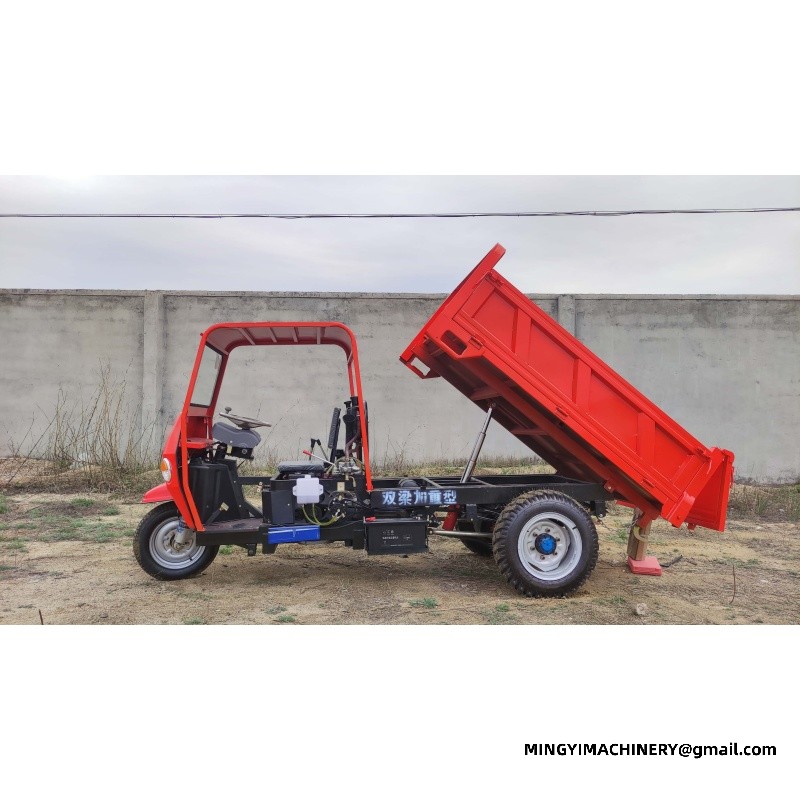
Machine output varies more between operators than between brands. Smooth, planned movements put less load on the structure and use less fuel, and that difference is visible on the hour meter and in the service bills for the equipment in service.
Timber work changes what the vehicle carries. This class of machine fitted with a log grab loads and unloads without a second machine, which is usually the reason a forestry contractor specifies one over a conventional truck. Protection matters in timber work. Guarding, lighting and a cab that keeps branches out are the items that keep the unit in daily use working through a season rather than being repaired through it.
Most failures start as something small that a walk-around would have caught. Fluid levels, belt tension, tyre or track condition and any fresh leak are the items worth two minutes at the start of each shift on the equipment on site. A simple log helps. Recording hours, fuel and any adjustment made to the machine itself gives the workshop a history, and that history is what turns an intermittent fault into a one-visit repair instead of three.
Access and storage are worth settling early. Where the machine in that duty will be parked, refuelled and serviced on site affects the working day more than most specification details, and it takes nothing to plan.
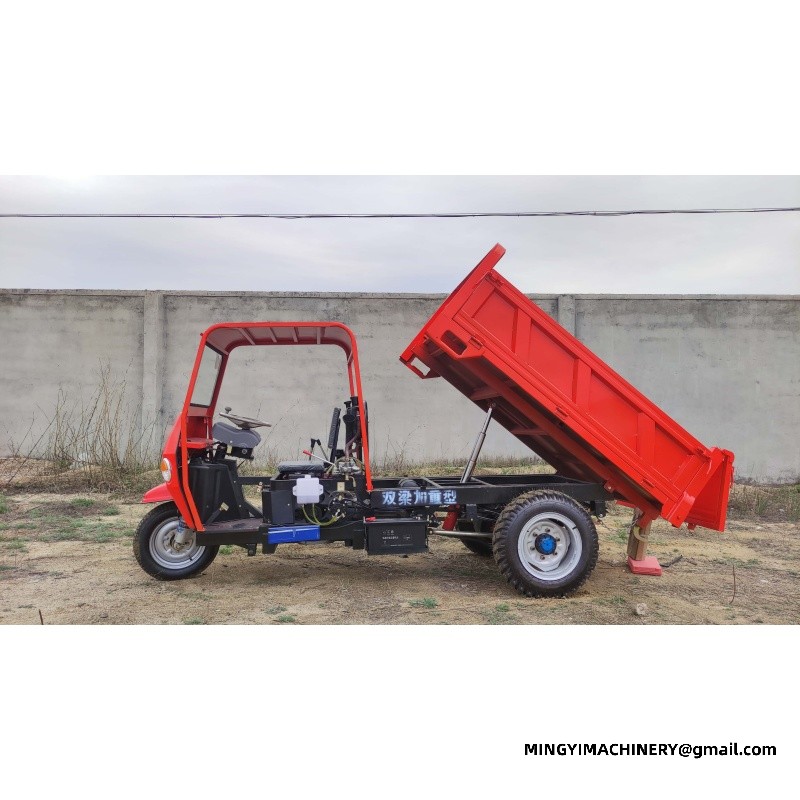
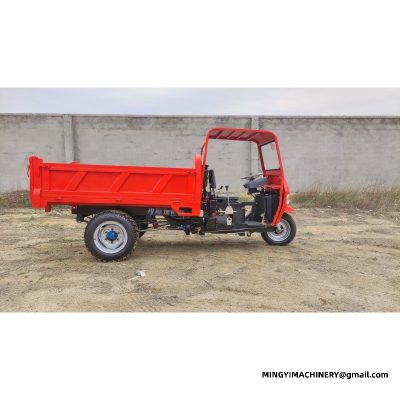
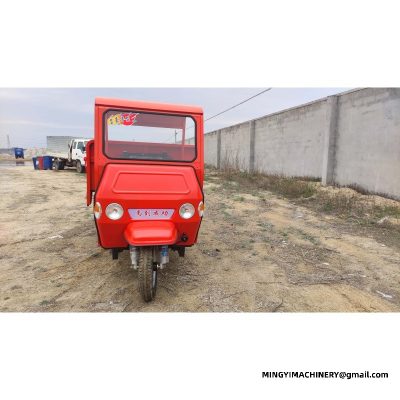
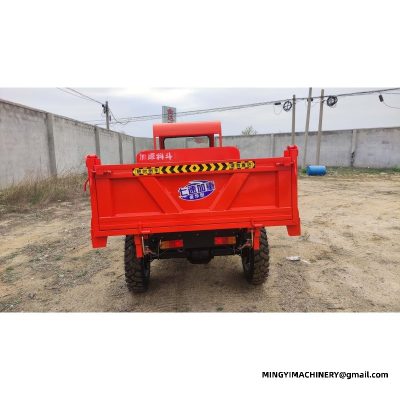
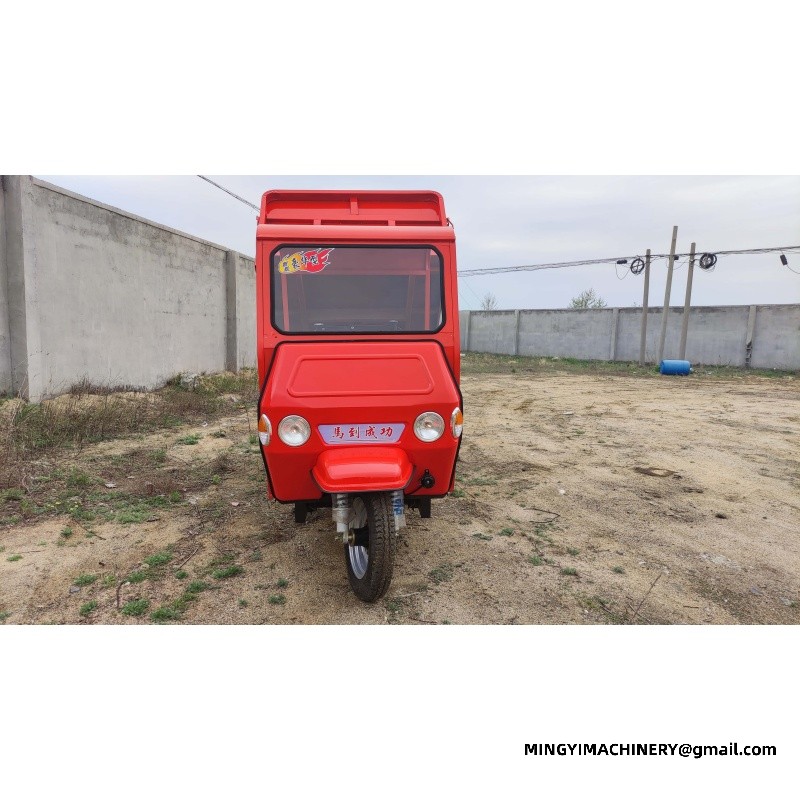
The configurations below are the build sheets most often matched to a machine built for the work. Engine, gearbox, axles, frame and body dimensions are confirmed together, because the body size and the axle rating have to suit the load before the engine rating matters.
| # | 10.Upgraded | 14.Luxury | 17.Luxury | 9.Standard |
|---|---|---|---|---|
| 1 | Single-cylinder diesel engine, 32 hp | Two-cylinder diesel engine, 38 hp | Four-cylinder 490 diesel engine | Single-cylinder diesel engine, 32 hp |
| 2 | Full-time gearbox with four-wheel drive | Part-time gearbox, selectable 2WD/4WD | Part-time gearbox, selectable 2WD/4WD | Full-time gearbox with four-wheel drive |
| 3 | High/low range with crawler gear | High/low range with crawler gear | High/low range with crawler gear | High/low range with crawler gear |
| 4 | Front axle clutch | Enclosed cab | Fully enclosed cab | Simple cab |
| 5 | Fully enclosed cab | Six 700-16 mountain tyres | Six 700-16 mountain tyres | Oil brakes |
| 6 | Oil brakes | Model 212 front axle | Reinforced 130 front axle | Four 700-16 mountain tyres |
| 7 | Four 700-16 mountain tyres | Reinforced 130 rear axle | Reinforced ISUZU-pattern rear axle | Front axle 212 |
| 8 | Front axle 212 | Air cut-off brakes | Air cut-off brakes | Rear axle 130 |
| 9 | Rear axle 130 | Reinforced 60 x 140 mm square tube frame | Reinforced 60 x 140 mm square tube frame | Reinforced 60 x 140 mm square tube frame |
| 10 | Reinforced 60 x 140 mm square tube frame | Rear body 2.2 m long x 1.5 m wide x 0.45 m high | Rear body 2.2 m long x 1.8 m wide x 0.45 m high | Rear body 2.2 m long x 1.5 m wide x 0.45 m high |
| 11 | Rear body 2.2 m long x 1.5 m wide x 0.45 m high | Tailgate with self-dumping function | Tailgate with self-dumping function | Tailgate with self-dumping function |
| 12 | Tailgate with self-dumping function | Side-opening rear body tailgate | Side-opening rear body tailgate | Hydraulic power steering |
| 13 | Hydraulic power steering | Hydraulic power steering | Hydraulic power steering | Twin hydraulic rams |
| 14 | Twin hydraulic rams | Twin hydraulic rams | Twin hydraulic rams | Two-person comfort seat |
| 15 | Two-person comfort seat | Heavy-duty leaf springs | Two-person comfort seat | Twin-battery electric start |
| 16 | Twin-battery electric start | Two-person comfort seat | Heavy-duty leaf springs | Square-nose bonnet |
| 17 | Square-nose bonnet | Twin-battery electric start | Twin-battery electric start | — |
| 18 | — | Round-nose bonnet | Round-nose bonnet | — |
Tropical operation is a specification question as much as a maintenance one. The cooling capacity, the sealing and the corrosion protection fitted to the dumper are what make the difference once the ambient temperature rises.
Wear items are predictable once the machine has settled in. After the first service interval the pattern on the unit in daily use is visible, and the parts that were replaced become the parts that are kept.
The first day with a new machine sets the pattern for the next five years. Handover for the equipment on site covers the control layout, the daily check points and the limits the operator needs to know before the first real load is lifted or carried.
A machine should be inspected while it is still on our floor rather than after it lands. For the model in question that means the engine is run to temperature, the hydraulics are cycled through full travel, and every function is checked against the build sheet before the crate is closed.
Retrofitting is limited by the base machine. Before anything is added to the unit on the job the hydraulic flow, the mounting interface and the stability allowance have to be checked, because those limits are what decide what is sensible.
Winter is hard on rubber and on seals as much as on the engine. Parking the equipment in service under cover, keeping the tracks or tyres off standing water and checking the hoses for cracking are all part of the season.
Securing the load is not optional. Lashing this class of machine at the points intended for it, checking the tension before the vehicle moves and rechecking after the first kilometres is standard practice rather than extra care.
Every line above is a build item rather than an optional extra, and the final sheet for the unit in daily use is confirmed against the destination, the ground and the load before production.
E-mail:sales@mingycn.com
LINE(ID):mingyicn









