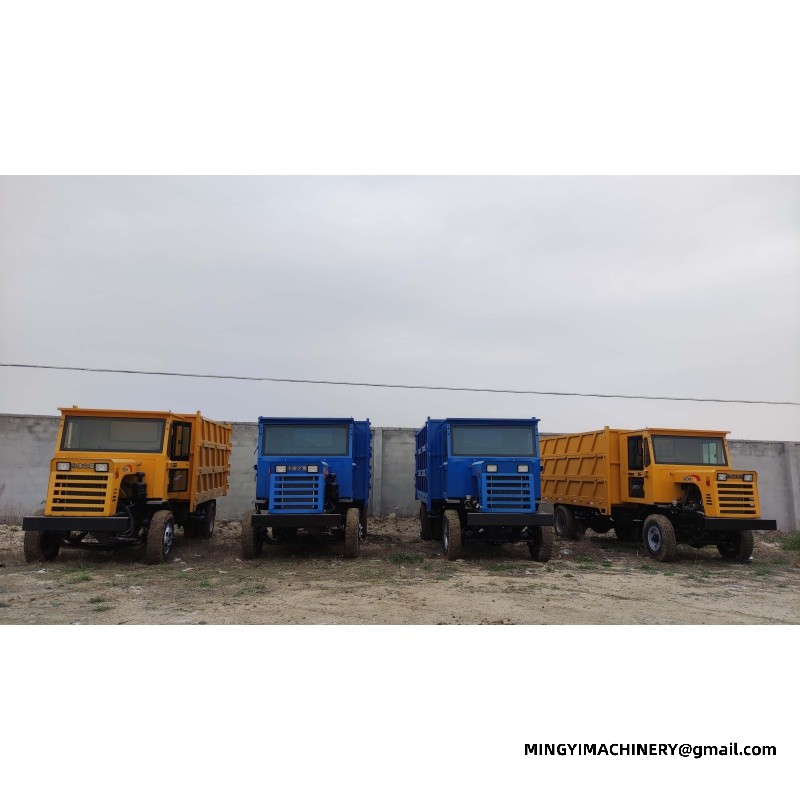
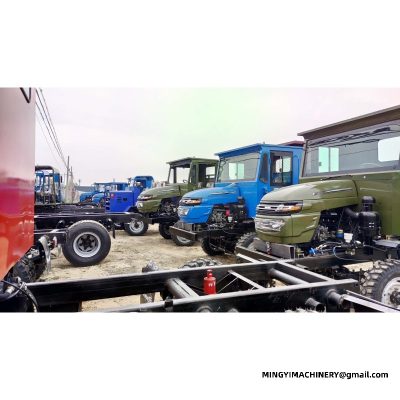
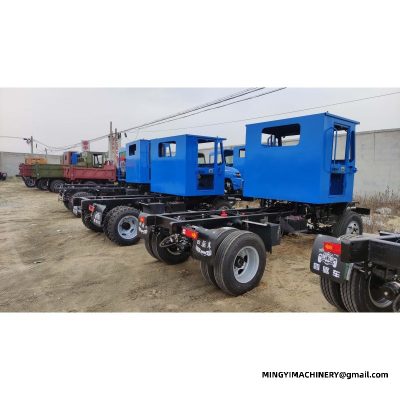
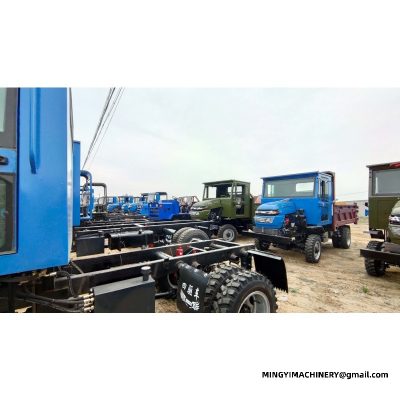
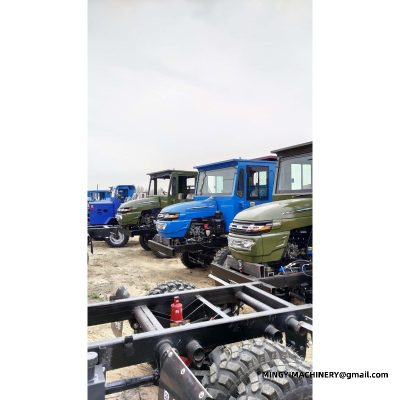
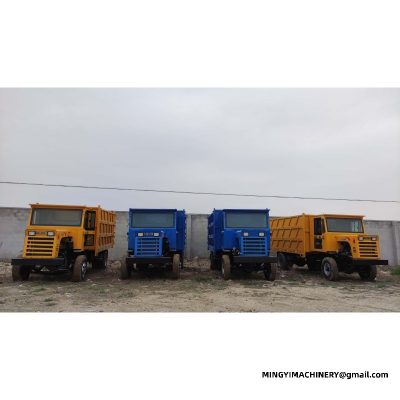
This page covers the dumper for buyers who already know the job and now need the machine. It sets out what the build includes, what can be changed, what the operator should expect in the first weeks and what the service schedule looks like.
Familiarisation should cover the limits as well as the controls. Knowing where this class of machine loses stability, how it behaves at full reach, and what the warning lights mean prevents the incidents that are put down to bad luck. A short handover pays for itself. Operators who understand why the unit in daily use is set up the way it is will report a change in behaviour early, which is usually the point where a repair is simplest.
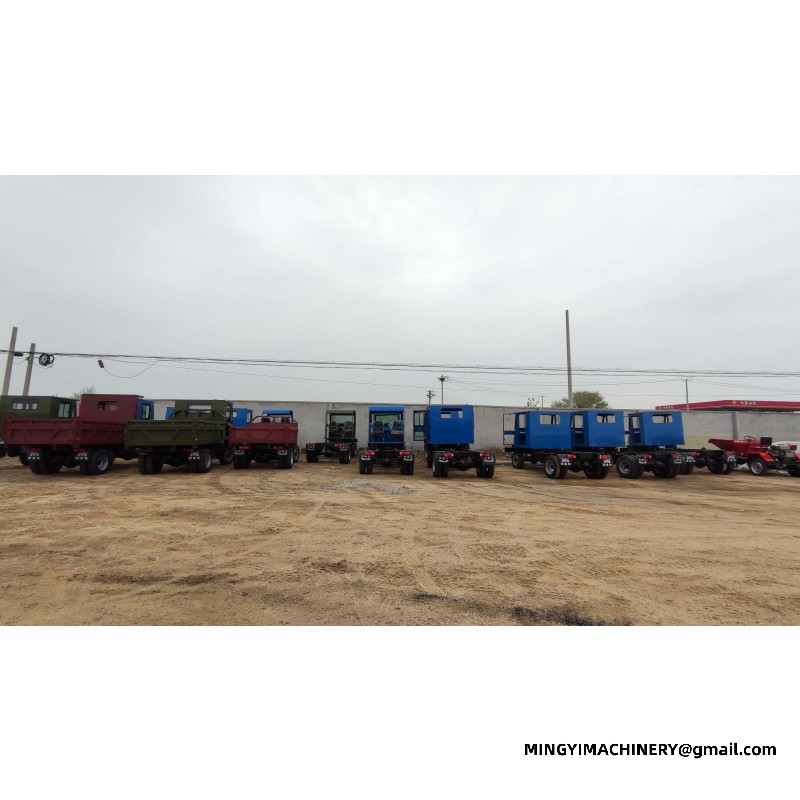
Certain parts are designed to be consumed. Knowing which items on a machine of this size are wearing parts, and roughly how long they last in the duty the machine sees, turns replacement into a plan rather than a breakdown. Replacing wear items early is usually simpler. Worn components on the equipment on site load the parts they run against, so a worn part left too long often becomes a major repair.
Fuel is usually the largest controllable running demand. Operating style, correct tyre or track condition and a clean air supply all move consumption on the machine itself by more than most buyers expect.
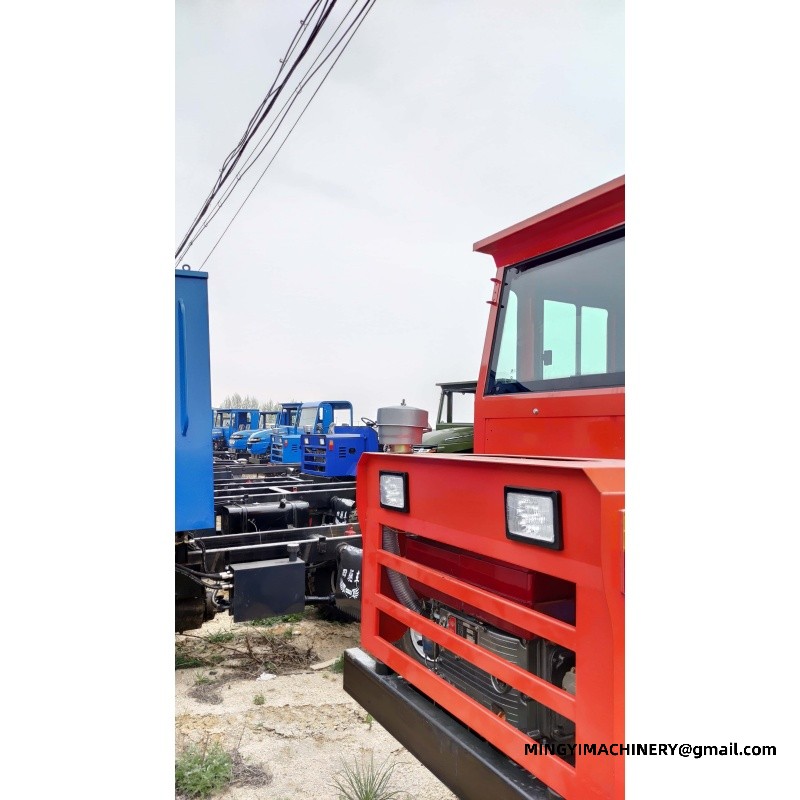
Ground decides more of the outcome than power does. Soft, wet or loose surfaces call for a wider footprint and lower ground pressure, while hard standing allows a narrower machine that turns in less space and travels faster between tasks.
Utilisation matters more than the purchase decision over a few years. The model in question that sits idle ties up the same yard space standing still as one that earns, so the buying decision should follow the hours the machine will realistically work. Standardising where possible simplifies everything downstream. When several units of the machine in that duty share a service schedule and a parts list, the fleet becomes easier to plan and easier to sell on at replacement time.
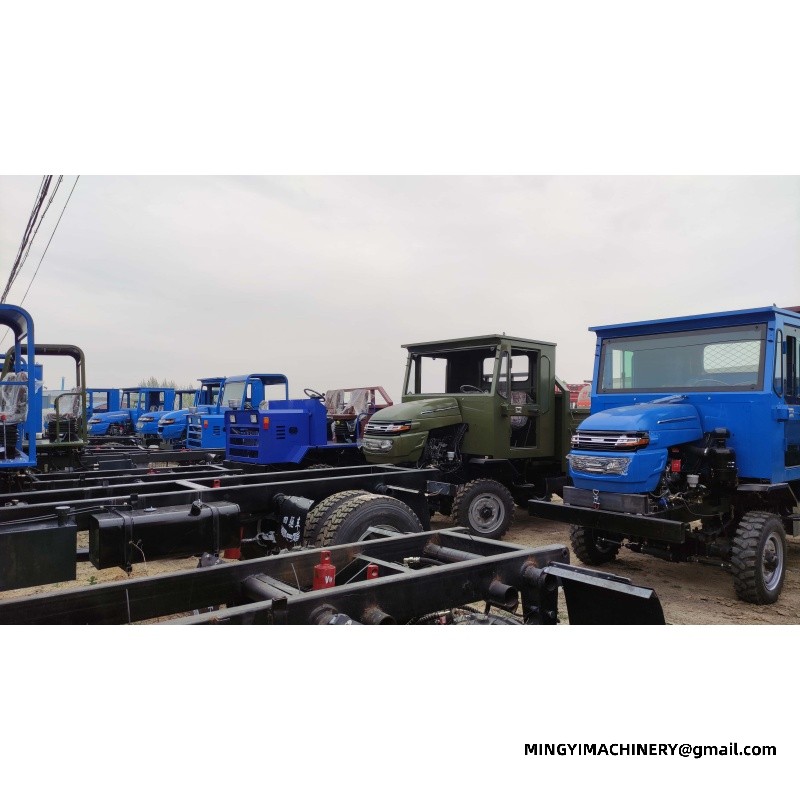
Reconfiguration can extend the useful life of a machine. The unit on the job that no longer suits the current work may suit it again with a different attachment, guarding or control arrangement.
Warranty terms are clearer when they are read before purchase. Knowing what is covered, what counts as a wearing item and what documentation is required makes a claim on a machine built for the work straightforward rather than contested.
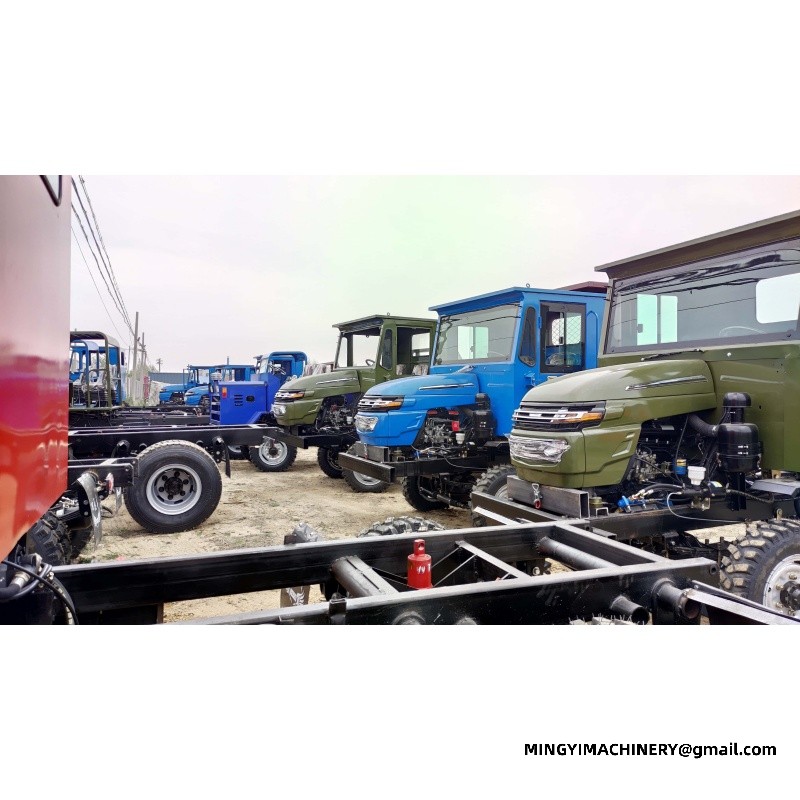
Timber work changes what the vehicle carries. The equipment in service fitted with a log grab loads and unloads without a second machine, which is usually the reason a forestry contractor specifies one over a conventional truck.
Parts availability usually decides the engine and the brand. A machine built around components the local network already carries is serviced from stock, which is the difference between a day lost and a week lost.
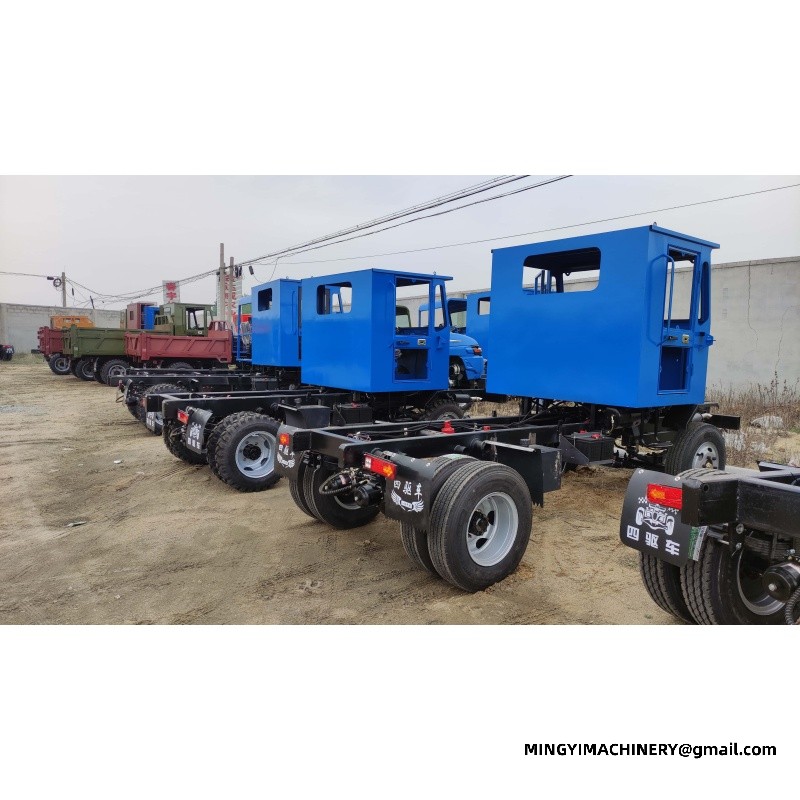
Adding a crane changes the vehicle specification. Hydraulic capacity, frame strength and braking all need to suit the attachment, and it is simpler to specify them at build than to add them later.
Standing still is hard on machinery. A machine of this size left for weeks benefits from a clean, dry, covered space, a charged battery and a fuel system prepared for the layoff, and all three effort very little.
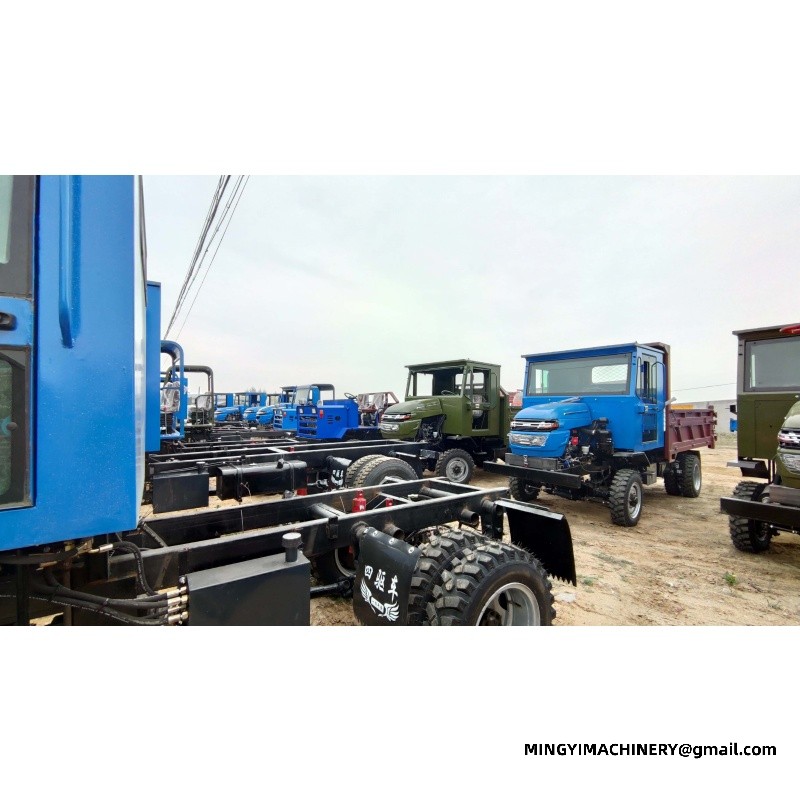
Carrying concrete changes the duty entirely. The machine itself with a mixer drum is working against the clock, and the specification follows the delivery distance and the site access rather than the load alone. Drum bodies need power and stability. The model in question set up for concrete has to carry the drum, the load and the water, and the frame and brakes should be specified for that combined weight. Cleaning and discharge are part of the job. The machine in that duty used for concrete is judged on how quickly it can discharge and wash out, because that turnaround is what the site is paying for.
Resale starts at purchase. Specification choices, service records and the condition of wearing parts are what a buyer looks at, and the unit on the job that has been maintained on schedule is worth more than one that merely looks clean. Records are part of the asset. Keeping the service history and the hour records with a machine built for the work makes it easier to sell, easier to insure and easier to justify the replacement machine internally.
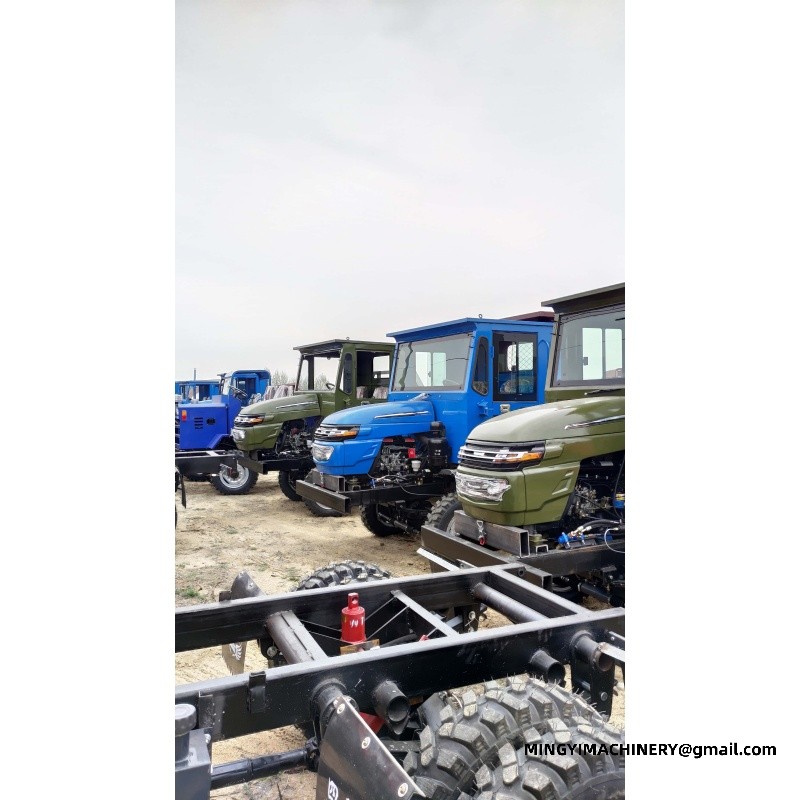
Documentation should be agreed at order stage. The commercial invoice, packing list and any certificate required at destination are part of shipping the dumper, and missing papers delay clearance longer than the voyage takes.
Duty cycle is the honest measure of a machine. The unit in daily use working a few hours a week has different needs from one working two shifts, and the cooling, filtration and service intervals should follow the hours rather than the calendar.
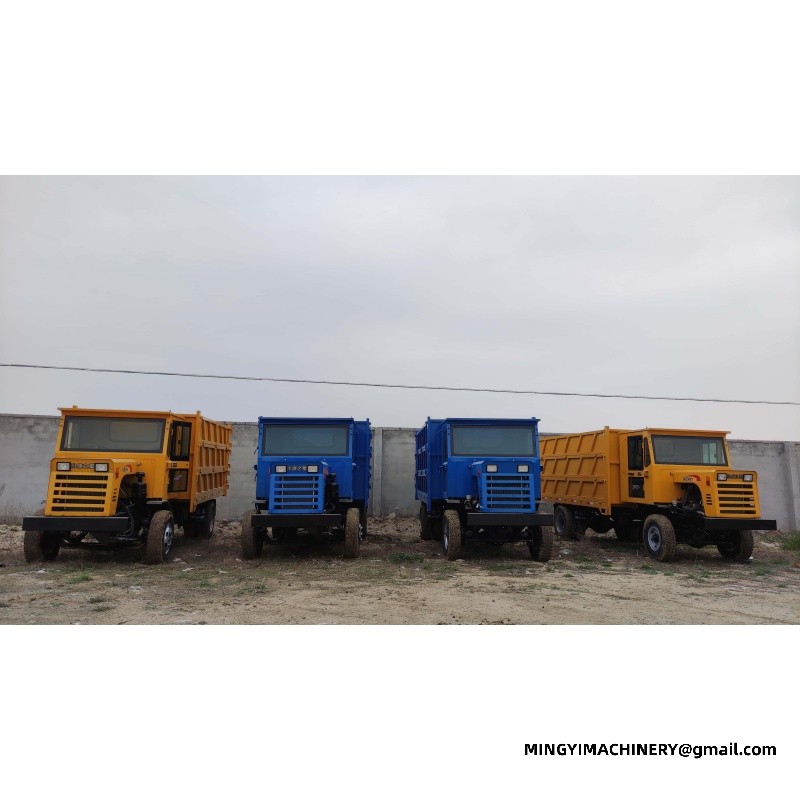
Farm work is seasonal and varied. The equipment on site that hauls feed in one month and muck or aggregate in the next earns its place by being usable across the year rather than by being optimised for one task.
Size matters underground. Overall height and width decide whether the model in question can work in a tunnel at all, and those dimensions are the first thing to confirm rather than the last.
The configurations below are the build sheets most often matched to the unit on the job. Engine, gearbox, axles, frame and body dimensions are confirmed together, because the body size and the axle rating have to suit the load before the engine rating matters.
| # | 13.Upgraded | 17.Luxury | 18.Standard | 20.Luxury |
|---|---|---|---|---|
| 1 | Two-cylinder diesel engine, 38 hp | Four-cylinder 490 diesel engine | Four-cylinder 4102 turbocharged diesel engine | Four-cylinder 4102 turbocharged diesel engine |
| 2 | Full-time gearbox with four-wheel drive | Part-time gearbox, selectable 2WD/4WD | Model 140 part-time gearbox with four-wheel drive | Model 140 part-time gearbox with four-wheel drive |
| 3 | High/low range with crawler gear | High/low range with crawler gear | High/low range with crawler gear | High/low range with crawler gear |
| 4 | Front axle clutch | Fully enclosed cab | Simple cab | Fully enclosed cab |
| 5 | Fully enclosed cab | Six 700-16 mountain tyres | Oil brakes | Six 825R16 steel-belted radial tyres |
| 6 | Oil brakes | Reinforced 130 front axle | Six 700-16 mountain tyres | Reinforced ISUZU-pattern front axle |
| 7 | Four 700-16 mountain tyres | Reinforced ISUZU-pattern rear axle | Reinforced ISUZU-pattern front axle | Reinforced 1080 rear axle |
| 8 | Front axle 212 | Air cut-off brakes | Reinforced 1061 rear axle | Air cut-off brakes |
| 9 | Rear axle 130 | Reinforced 60 x 140 mm square tube frame | Reinforced 80 x 180 mm square tube frame | Reinforced 80 x 180 mm square tube frame |
| 10 | Reinforced 60 x 140 mm square tube frame | Rear body 2.2 m long x 1.8 m wide x 0.45 m high | Rear body 2.2 m long x 2.1 m wide x 0.45 m high | Rear body 3.0 m long x 2.2 m wide x 0.45 m high |
| 11 | Rear body 2.2 m long x 1.5 m wide x 0.45 m high | Tailgate with self-dumping function | Tailgate with self-dumping function | Tailgate with self-dumping function |
| 12 | Tailgate with self-dumping function | Side-opening rear body tailgate | Hydraulic power steering | Side-opening rear body tailgate with cab ladder |
| 13 | Hydraulic power steering | Hydraulic power steering | Twin hydraulic rams | Hydraulic power steering |
| 14 | Twin hydraulic rams | Twin hydraulic rams | Two-person comfort seat | Twin hydraulic rams |
| 15 | Two-person comfort seat | Two-person comfort seat | Twin-battery electric start | Two-person comfort seat |
| 16 | Twin-battery electric start | Heavy-duty leaf springs | Square-nose bonnet | Heavy-duty thickened leaf springs |
| 17 | Round-nose bonnet | Twin-battery electric start | — | Twin-battery electric start |
| 18 | — | Round-nose bonnet | — | Square-nose bonnet |
| 19 | — | — | — | Four-cylinder 4105 turbocharged |
| 20 | — | — | — | Four-cylinder 4108 turbocharged |
| 21 | — | — | — | Single-cylinder engine, 25 hp |
| 22 | — | — | — | Single-cylinder engine, 28 hp |
| 23 | — | — | — | Single-cylinder engine, 32 hp |
| 24 | — | — | — | Two-cylinder engine, 38 hp |
| 25 | — | — | — | Four-cylinder 490 engine |
| 26 | — | — | — | Four-cylinder 4102 turbocharged engine |
Rubber, seals and hoses age whether the machine works or not. Keeping the equipment in service out of direct sun and off damp ground slows that, and running it briefly at intervals keeps everything moving.
The specification for oil is written for a reason. Using the grade and the change interval set for this class of machine keeps the engine and the hydraulic system inside the range they were designed for.
Downtime is simplest when it is planned. Booking the service for a machine of this size in the quiet part of the season takes nothing from the schedule, while the same work in the busy weeks gives up a day of output every time.
Machines rarely fail without warning. A change in sound, a slower function or a new leak on the machine itself is the machine saying something early, and listening then takes a fraction of the time that waiting does.
Loading is where most damage happens. Ramps, angle of approach and the condition of the ground under them matter more than the machine when the machine in that duty is being loaded, and a careful driver is worth more than a fast one.
A machine should be inspected while it is still on our floor rather than after it lands. For a machine built for the work that means the engine is run to temperature, the hydraulics are cycled through full travel, and every function is checked against the build sheet before the crate is closed.
The record should follow the machine, not the owner. When the dumper changes hands the service history travels with it, and a complete folder is often the difference between a quick sale and a long one.
Every line above is a build item rather than an optional extra, and the final sheet for this class of machine is confirmed against the destination, the ground and the load before production.
E-mail:sales@mingycn.com
LINE(ID):mingyicn









