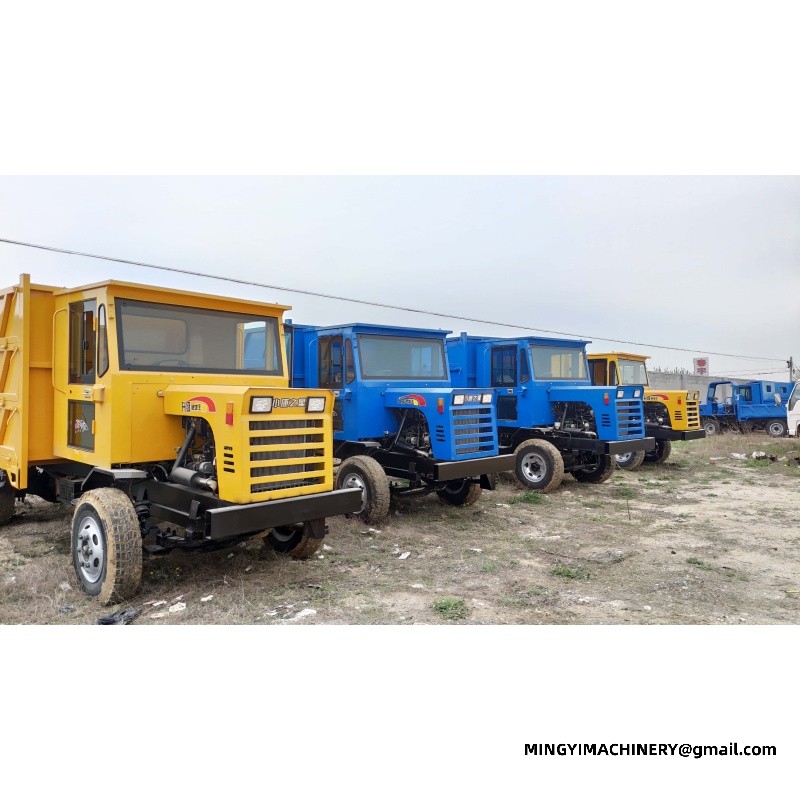
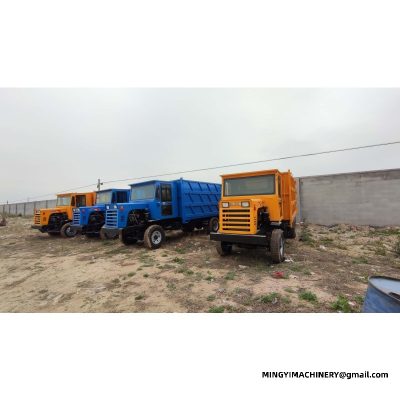
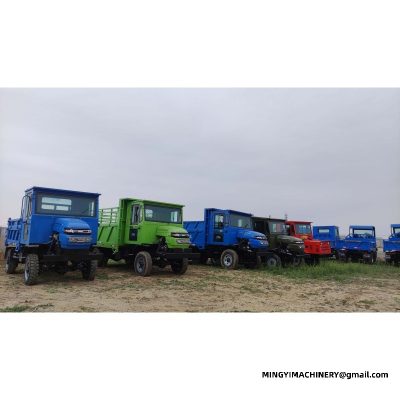
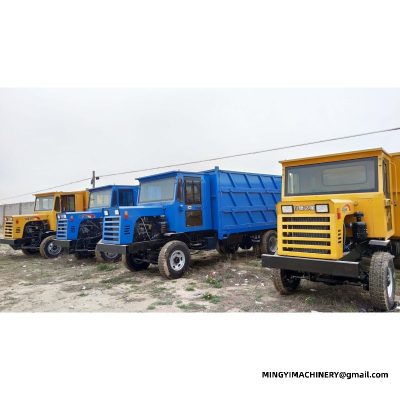
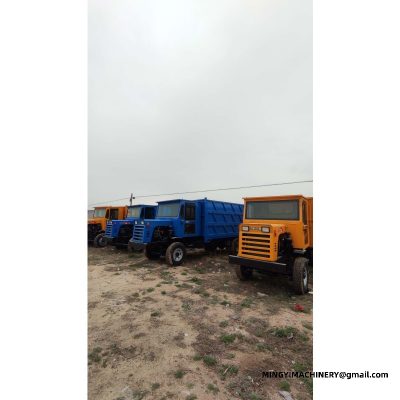
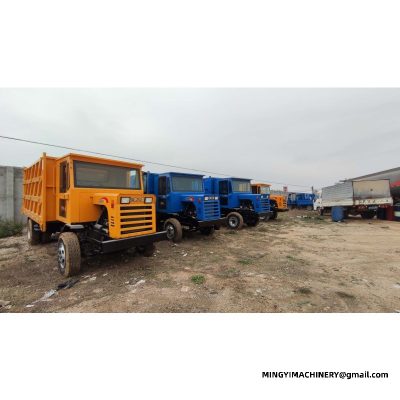
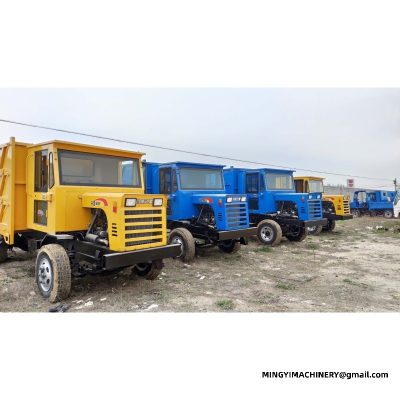
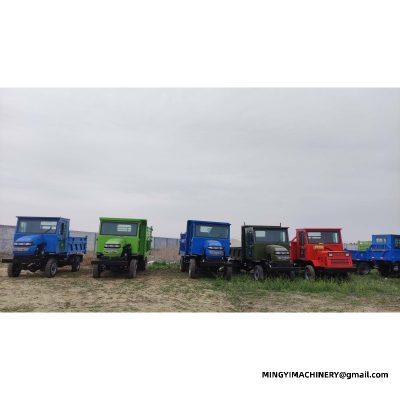
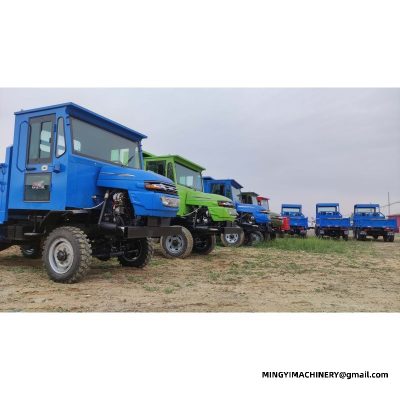
Where the dumper is used matters as much as what it is. Ground, climate, access and the skill of the operator all change the right answer, which is why the sections below start from the working conditions and work towards the specification.
Remote diagnosis shortens most faults. A walk-around on video with the panels open often identifies the cause on this class of machine without waiting for a visit, and avoids shipping a part that turns out not to be needed.
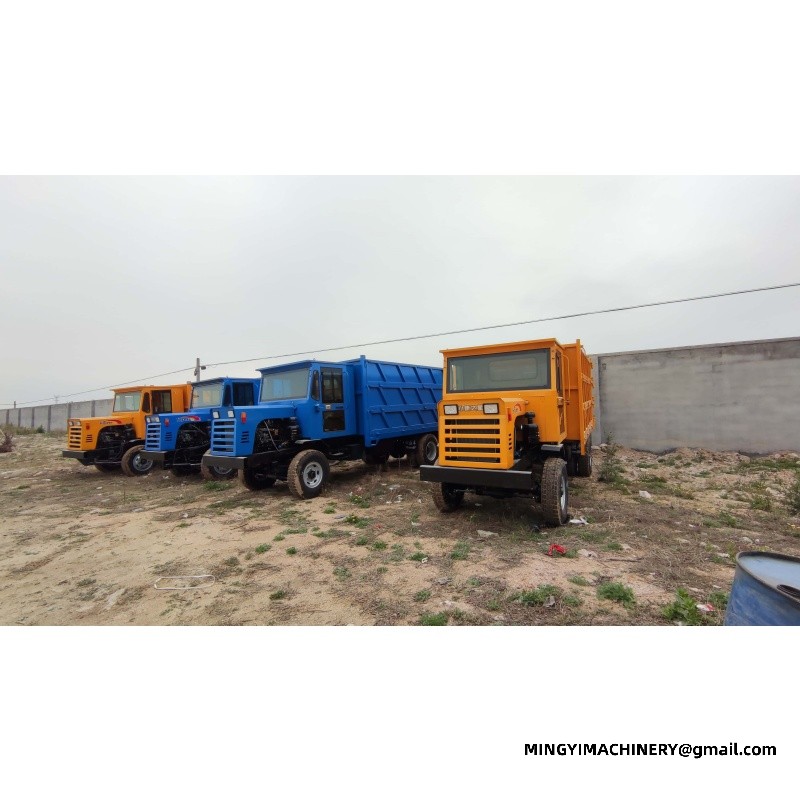
Working after daylight changes the risk. Lighting coverage on the unit in daily use and across the working area, plus high-visibility clothing for anyone on foot, are the items that make low-light work practical. Planning helps more than extra lamps. Positioning the machine of this size so that the work is lit from the machine side, and keeping the route clear, does more for safety than adding light to a badly planned task.
Stability governs what the crane can do. Outriggers, ground condition and load radius decide the safe figure on the equipment on site, and those are checked before the lift rather than discovered during it.
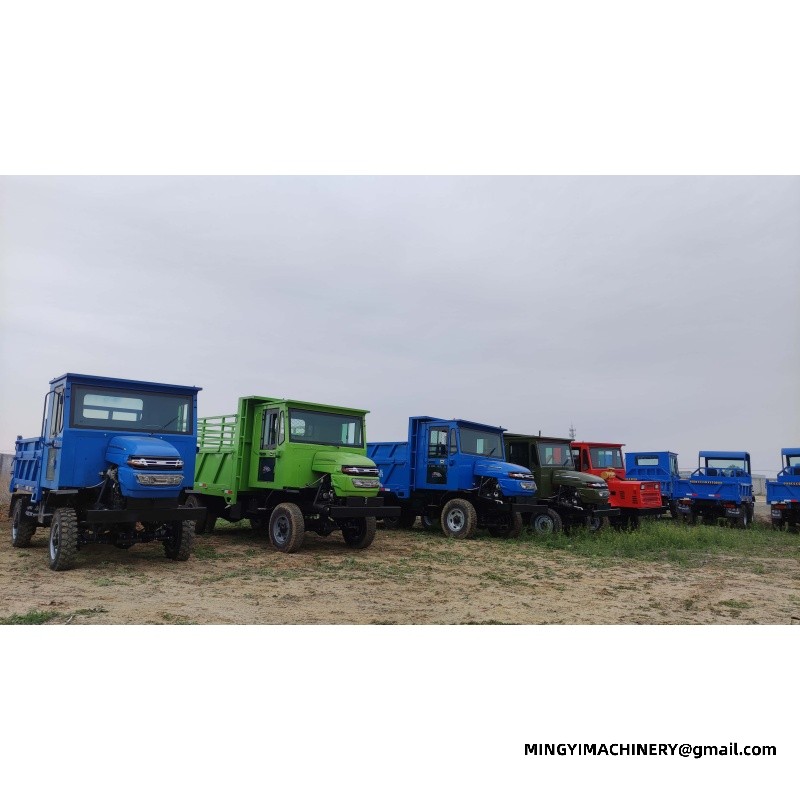
Loading method affects the machine as much as the load does. Material dropped from height into the machine itself shocks the frame and the body floor, while material placed evenly spreads the load and extends body life. The honest payload figure comes from the duty. The model in question working a smooth haul road carries differently from one crossing ruts and gradients, and the conservative number is the one that keeps the machine working.
Replacing wear items early is usually simpler. Worn components on the machine in that duty load the parts they run against, so a worn part left too long often becomes a major repair.
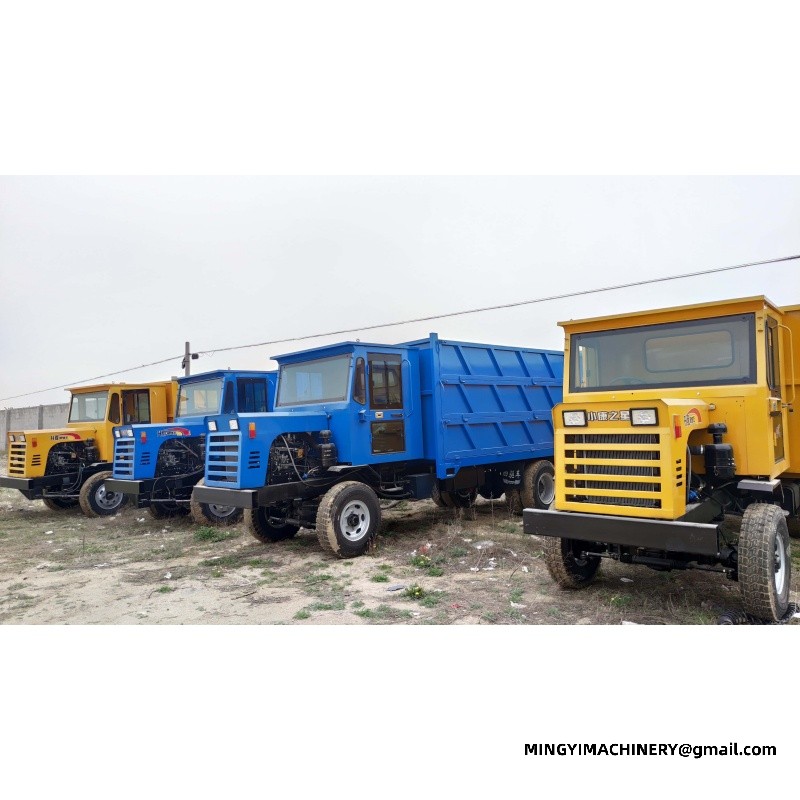
Most failures start as something small that a walk-around would have caught. Fluid levels, belt tension, tyre or track condition and any fresh leak are the items worth two minutes at the start of each shift on the unit on the job.
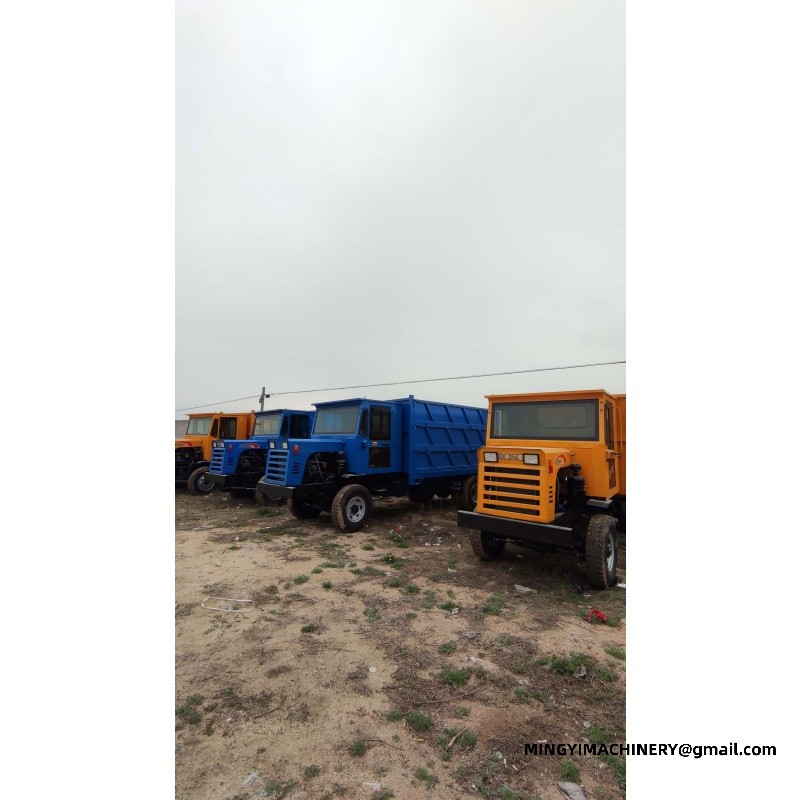
Commissioning is the point where most avoidable issues are found. Checking levels, fasteners and function on a machine built for the work before it goes to work takes an hour and prevents a claim conversation later. Early faults are usually simple. The equipment in service that behaves differently in its first few hours is more often mis-set than defective, and a call to the supplier at that point usually resolves it the same day.
Duty cycle is the honest measure of a machine. The dumper working a few hours a week has different needs from one working two shifts, and the cooling, filtration and service intervals should follow the hours rather than the calendar. Hour planning helps at resale as well. This class of machine with a recorded service history and a sensible hour count is easier to sell than one with the same hours and no records, whatever its condition.
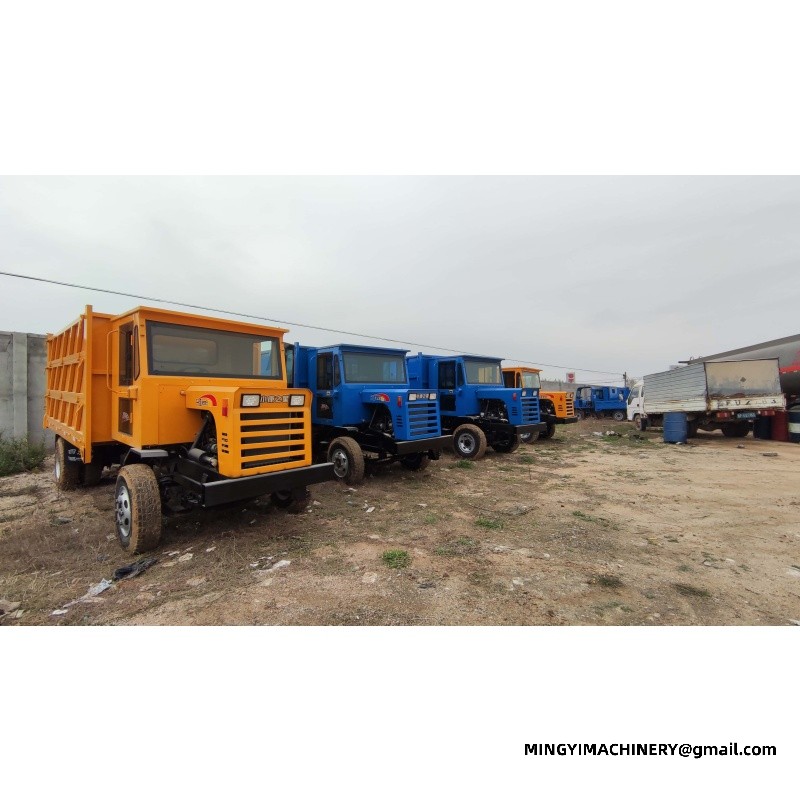
Cold changes how a machine starts and how it warms up. Allowing a machine of this size to reach operating temperature before loading it, and using the correct grade of oil and fuel for the season, prevents most cold-start problems. Batteries and fluids are the parts that notice the cold first. The equipment on site kept on a maintainer through a freezing spell starts on the first turn, while one left standing is the usual cause of a lost morning.
Before-storage preparation prevents most return-to-work faults. Draining or treating fuel, protecting exposed rods and relieving pressure where the maker specifies it are the items worth an hour when the model in question is parked. A periodic start is better than none. Running the machine in that duty to operating temperature during a long layoff keeps seals and the charging system in better condition than leaving it untouched until the next job.
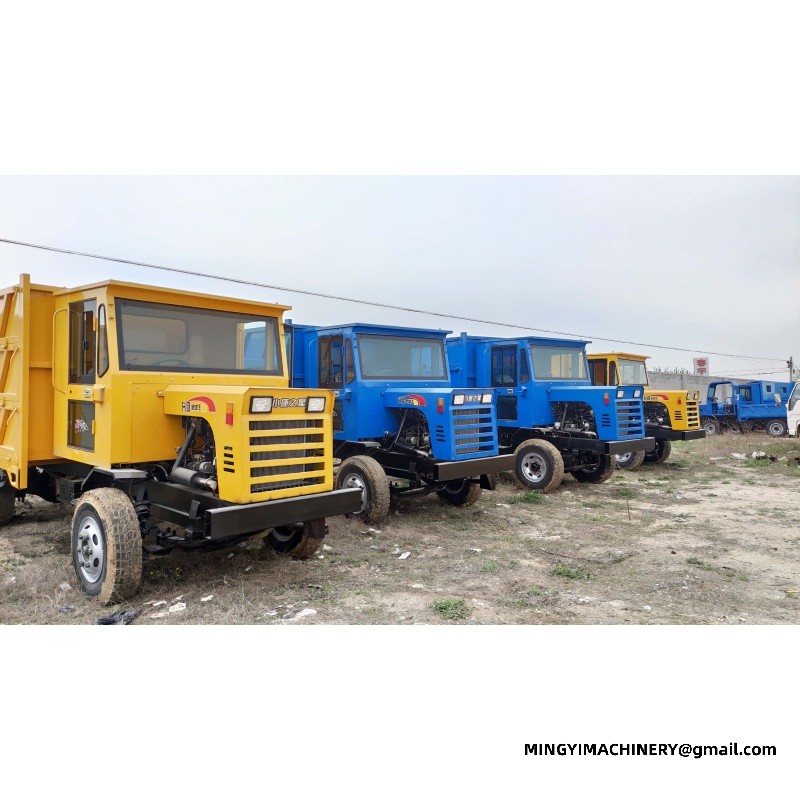
The base machine is only as useful as the tool on the end of it. Matching the attachment to the task - rather than to what arrived with the machine - is what lets one the equipment in service cover several jobs across a week. Attachment decisions are best made before delivery. Specifying hydraulics and couplers at build time is simpler than adding them later, and it avoids the downtime of a workshop visit in the first month. Most owners find that the second attachment changes how often the machine is used. A machine built for the work that was bought for one task often becomes the general machine on site once a second tool is available.
A short familiarisation session prevents the early faults. Most first-month problems on this class of machine come from unfamiliarity with controls, limits or checks rather than from the machine itself. Keeping the manuals where they can be reached matters. The unit in daily use whose documents stay with the machine gets serviced on schedule; one whose paperwork was filed elsewhere tends to run on memory instead.
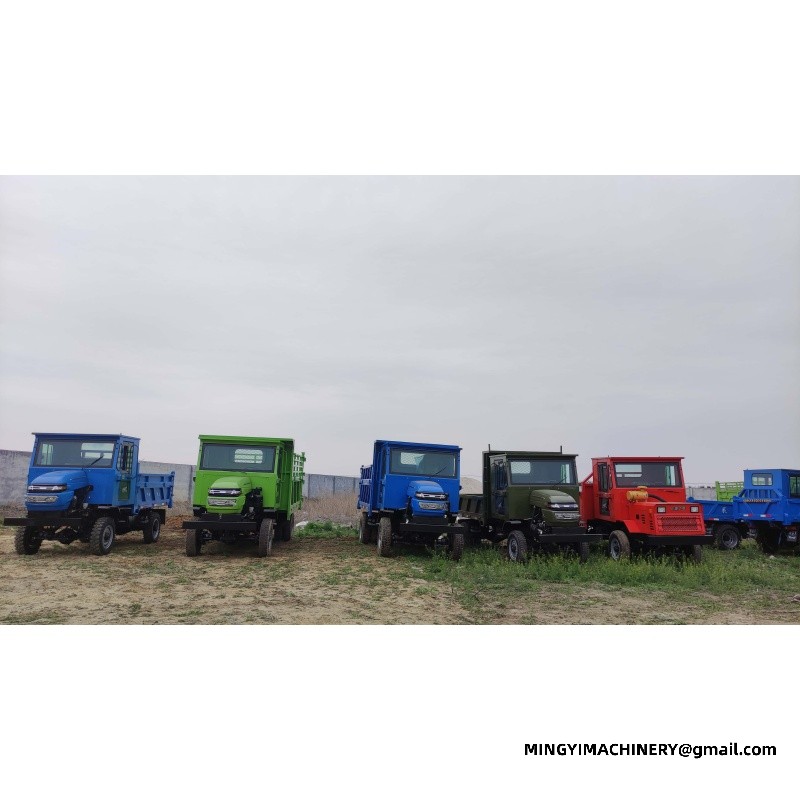
The working surface should be surveyed before the equipment on site is specified. A machine that is stable on compacted gravel can be unusable on the same site after rain, and the difference shows up as lost days rather than as a fault.
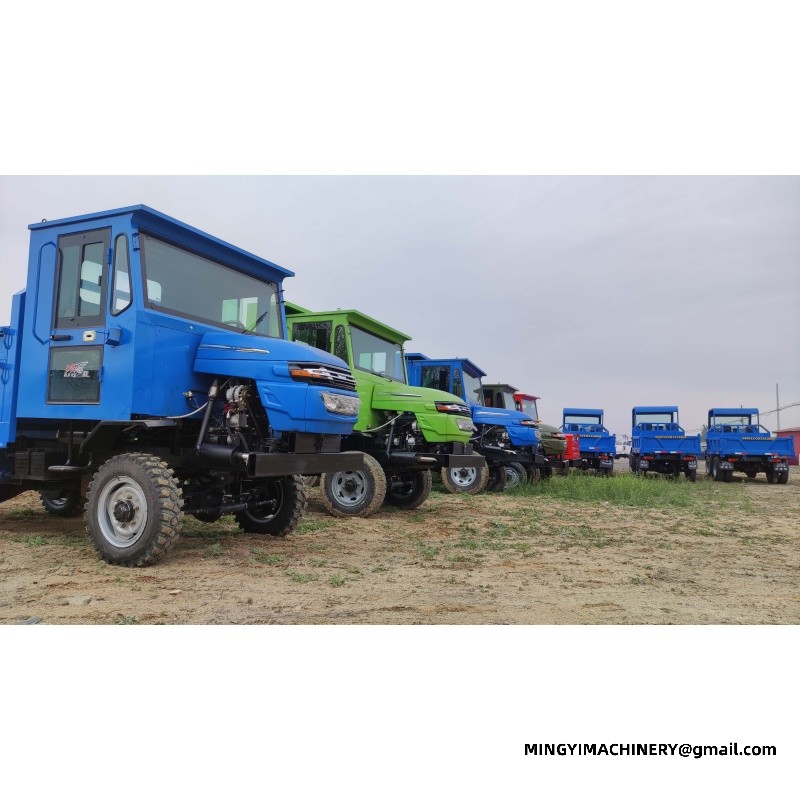
Consumption is best measured over a full week rather than judged per hour. Idle time, repositioning and waiting for other trades are often the largest share of the fuel the model in question burns on a site. Planning the work to reduce empty movement is free. Fewer repositioning cycles on the machine in that duty means less fuel, less wear on the undercarriage or tyres and more of the shift spent on productive work.
The configurations below are the build sheets most often matched to a machine built for the work. Engine, gearbox, axles, frame and body dimensions are confirmed together, because the body size and the axle rating have to suit the load before the engine rating matters.
| # | 18.Standard | 22.Luxury | 3.Standard | 5.Luxury |
|---|---|---|---|---|
| 1 | Four-cylinder 4102 turbocharged diesel engine | Four-cylinder 4105 turbocharged diesel engine | Single-cylinder diesel engine, 25 hp | Single-cylinder diesel engine, 25 hp |
| 2 | Model 140 part-time gearbox with four-wheel drive | Model 145 part-time gearbox with four-wheel drive | Full-time gearbox with four-wheel drive | Part-time gearbox with four-wheel drive |
| 3 | High/low range with crawler gear | High/low range with crawler gear | High/low range with crawler gear | High/low range with crawler gear |
| 4 | Simple cab | Fully enclosed cab | Simple cab | Enclosed cab |
| 5 | Oil brakes | Six 825R16 steel-belted radial tyres | Oil brakes | Six 700-16 mountain tyres |
| 6 | Six 700-16 mountain tyres | Reinforced ISUZU-pattern front axle | Four 700-16 mountain tyres | Model 212 front axle |
| 7 | Reinforced ISUZU-pattern front axle | Reinforced 1080 rear axle | Front axle 212 | Model 130 rear axle |
| 8 | Reinforced 1061 rear axle | Air cut-off brakes | Rear axle 130 | Air cut-off brakes |
| 9 | Reinforced 80 x 180 mm square tube frame | Reinforced 80 x 180 mm square tube frame | Reinforced 60 x 140 mm square tube frame | Reinforced 60 x 140 mm square tube frame |
| 10 | Rear body 2.2 m long x 2.1 m wide x 0.45 m high | Rear body 3.0 m long x 2.2 m wide x 0.45 m high | Rear body 2.2 m long x 1.5 m wide x 0.45 m high | Rear body 2.2 m long x 1.5 m wide x 0.45 m high |
| 11 | Tailgate with self-dumping function | Tailgate with self-dumping function | Tailgate with self-dumping function | Tailgate with self-dumping function |
| 12 | Hydraulic power steering | Side-opening rear body tailgate with cab ladder | Hydraulic power steering | Side-opening rear body tailgate |
| 13 | Twin hydraulic rams | Hydraulic power steering | Twin hydraulic rams | Hydraulic power steering |
| 14 | Two-person comfort seat | Twin hydraulic rams | Two-person comfort seat | Twin hydraulic rams |
| 15 | Twin-battery electric start | Two-person comfort seat | Twin-battery electric start | Two-person comfort seat |
| 16 | Square-nose bonnet | Heavy-duty leaf springs | Square-nose bonnet | Heavy-duty leaf springs |
| 17 | — | Twin-battery electric start | — | Twin-battery electric start |
| 18 | — | Square-nose bonnet | — | Square-nose bonnet |
Machines rarely fail without warning. A change in sound, a slower function or a new leak on the dumper is the machine saying something early, and listening then takes a fraction of the time that waiting does.
What the customer sees on arrival is decided before departure. The walk-around given to the unit in daily use covers the same points the operator will check on day one, so there are no surprises when the crate is opened at the destination.
Different operators suit different work. The person who is quickest with the equipment on site on open ground is not always the one who is safest in a confined space, and having both available is a genuine advantage.
Wear items are predictable once the machine has settled in. After the first service interval the pattern on the model in question is visible, and the parts that were replaced become the parts that are kept.
Service history also protects the warranty position. Evidence that the unit on the job was maintained at the specified intervals and with the specified fluids settles questions that would otherwise be argued.
Commissioning is where the specification meets the ground. The settings chosen for the equipment in service are confirmed against the actual site, and the working pattern is adjusted before the machine is asked for a full day.
Cold exposes weak batteries, thick oil and water in the fuel. Preparing this class of machine for winter means the right grade of oil, a battery in good condition and fuel that will not wax in the tank overnight.
Every line above is a build item rather than an optional extra, and the final sheet for the unit in daily use is confirmed against the destination, the ground and the load before production.
E-mail:sales@mingycn.com
LINE(ID):mingyicn









