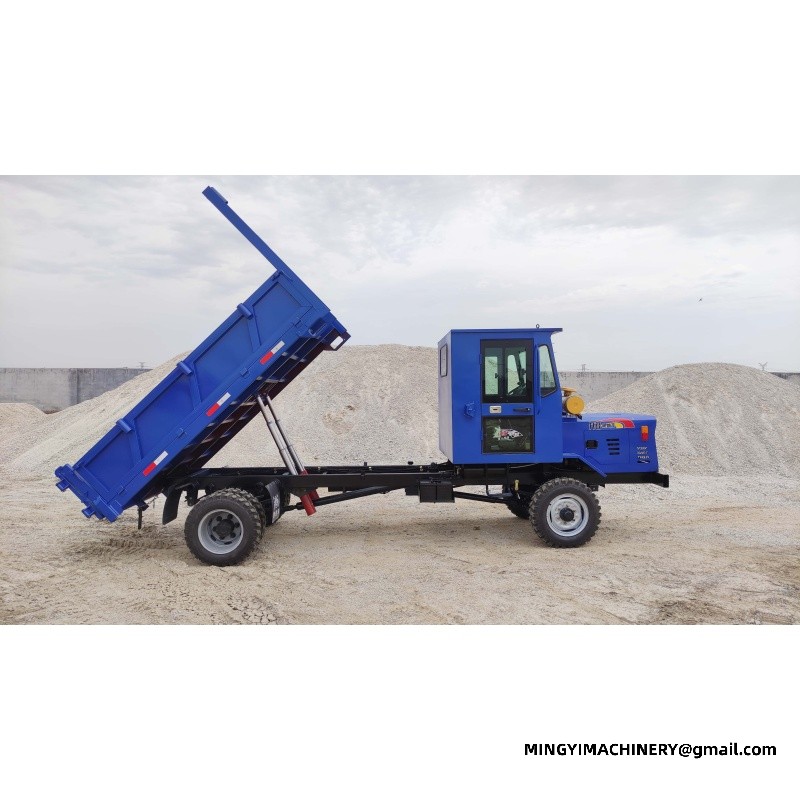
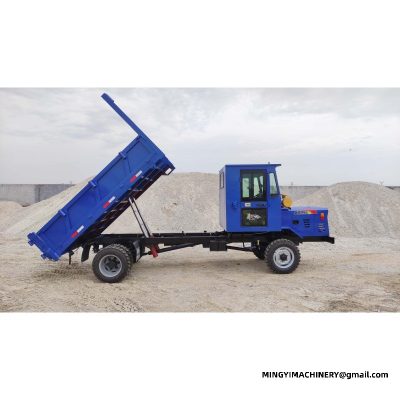
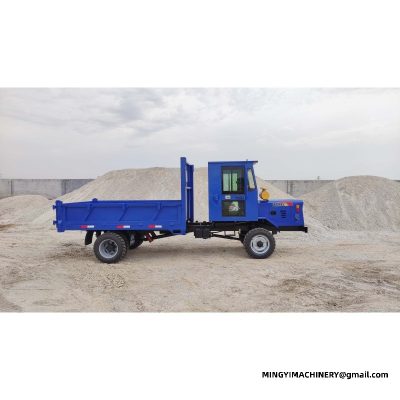
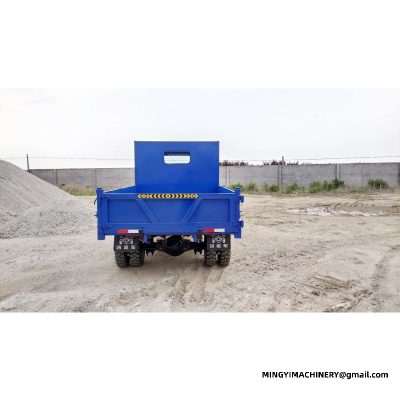
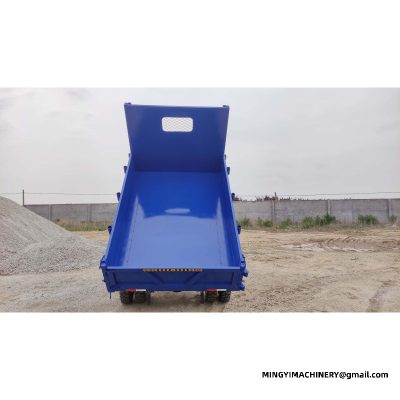
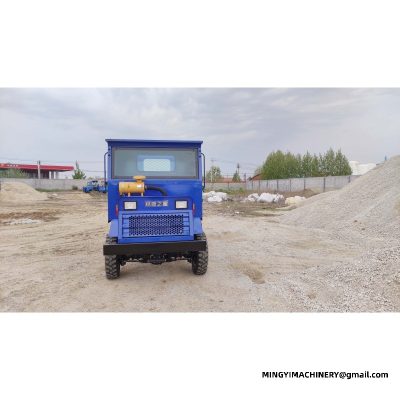
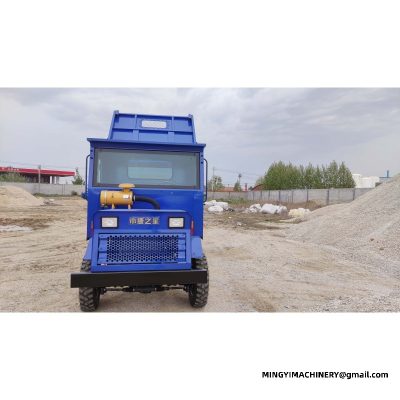
The dumper is a working machine, and the useful questions are the unglamorous ones. How long does it run between services, what does it need from the operator, how is it moved and what happens when a part is needed. Those are answered below in that order.
Visibility from the seat is different at night. Reflections, shadows and glare all hide detail, so this class of machine used after dark benefits from clean lenses, working wipers and a slower working pace.
Fleet value comes from interchangeability. Operators who can step between machines without retraining, and a workshop that stocks one set of filters, keep utilisation higher than a fleet of individually optimised units.
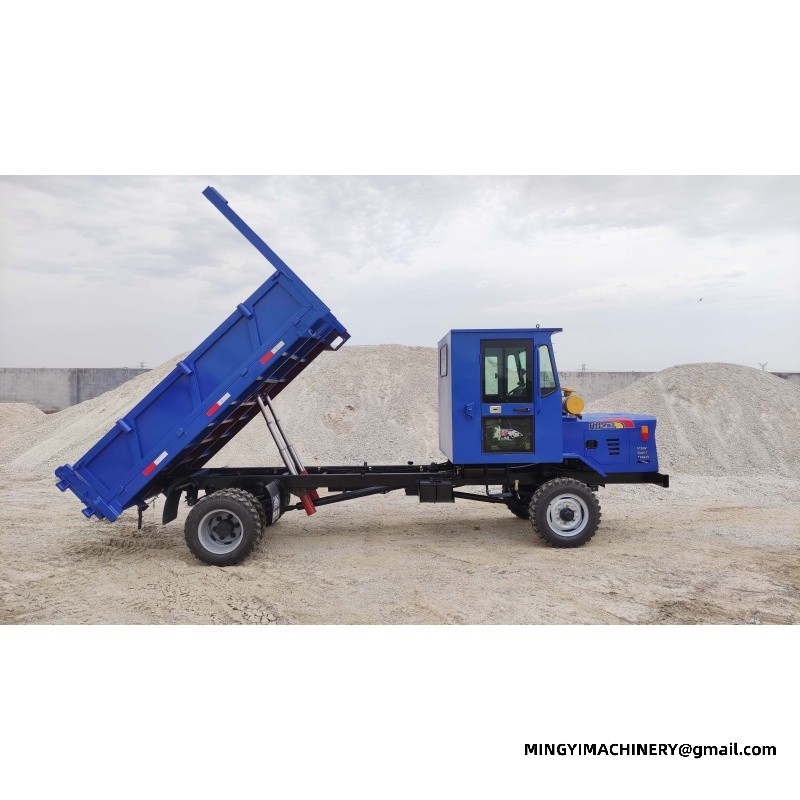
Certain parts are designed to be consumed. Knowing which items on the unit in daily use are wearing parts, and roughly how long they last in the duty the machine sees, turns replacement into a plan rather than a breakdown. Wear rate follows conditions far more than hours. A machine of this size working on abrasive ground or in mud will consume undercarriage or tyre life much faster than the same machine on clean ground.
Timber work changes what the vehicle carries. The equipment on site fitted with a log grab loads and unloads without a second machine, which is usually the reason a forestry contractor specifies one over a conventional truck.
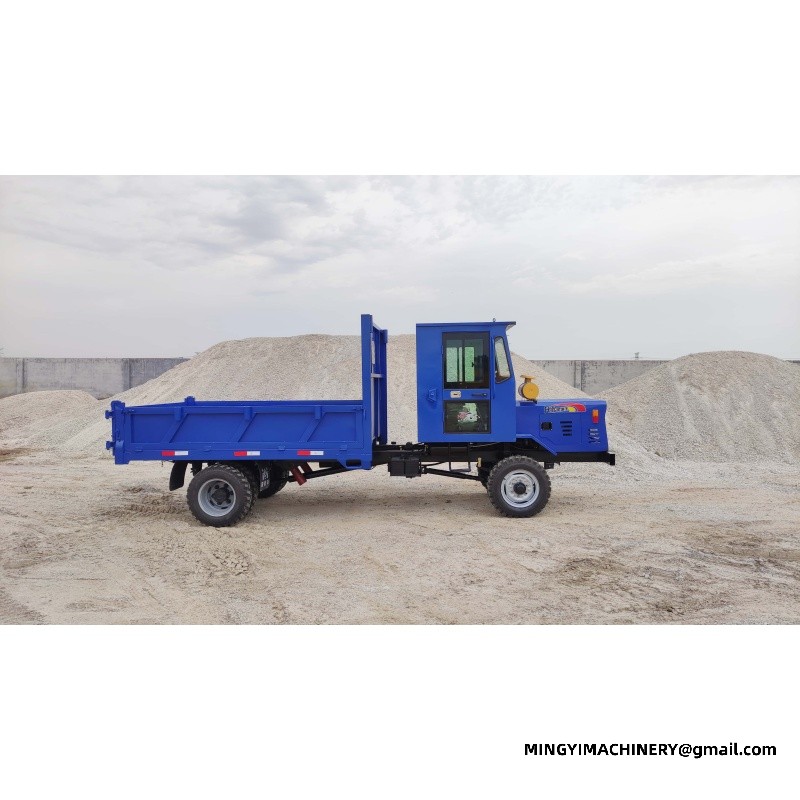
Reconfiguration can extend the useful life of a machine. The machine itself that no longer suits the current work may suit it again with a different attachment, guarding or control arrangement. The decision is economic as well as technical. Comparing the work of reconfiguring the model in question against a different machine is a short calculation that usually gives a clear answer.
Traction and flotation are two separate questions. The machine in that duty may have the power for a slope and still not have the grip, so the surface, not the engine rating, is usually what limits the working day.
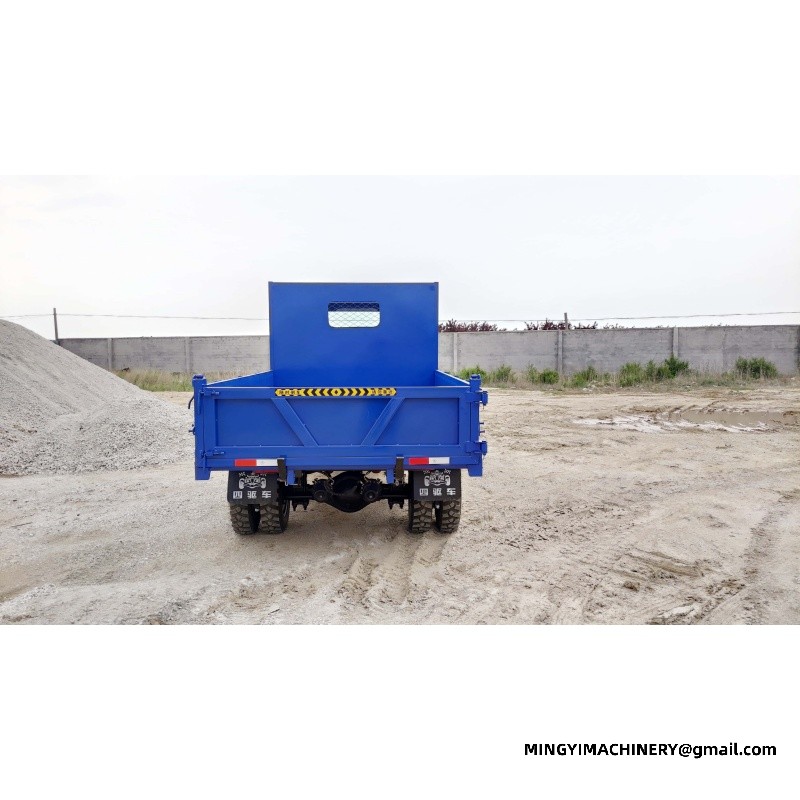
Build options are where a standard machine becomes the right machine. Colour, guarding, lighting, seating and hydraulic provisions can usually be set at build time on the unit on the job, and are far simpler then than as a retrofit. Customisation should still be limited to what the work needs. Each addition to a machine built for the work is another item to maintain, so the useful question is not what can be added but what the job list actually requires.
Duty cycle is the honest measure of a machine. The equipment in service working a few hours a week has different needs from one working two shifts, and the cooling, filtration and service intervals should follow the hours rather than the calendar. Seasonal work changes the maintenance calendar. Machines that work hard for two months and stand for ten need preparation before storage and a check before returning to work, and both are simpler than the repairs they prevent.
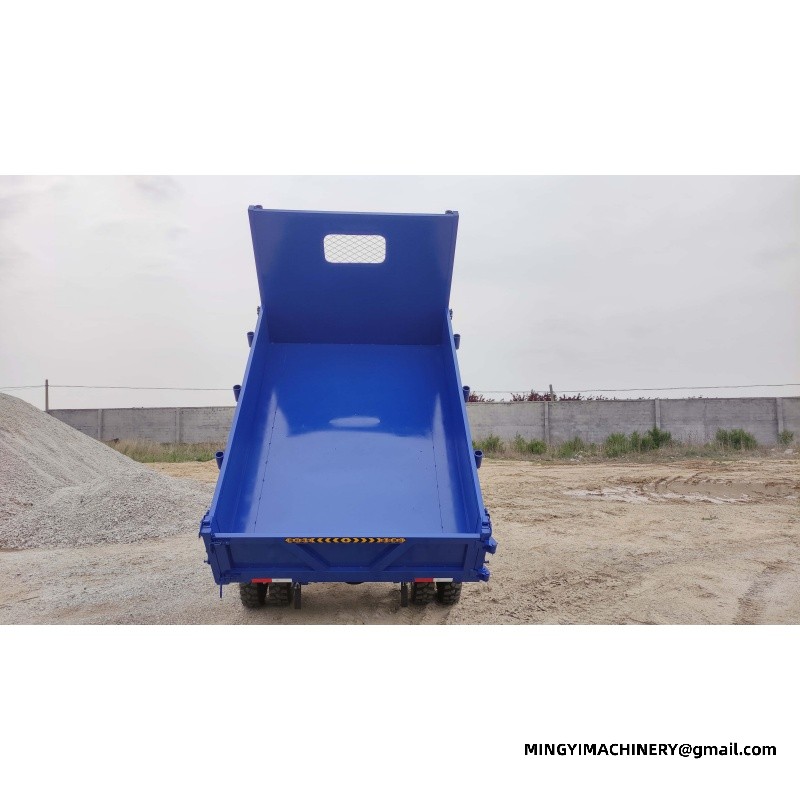
Machine output varies more between operators than between brands. Smooth, planned movements put less load on the structure and use less fuel, and that difference is visible on the hour meter and in the service bills for the dumper.
Quarry and tunnel work is hard on vehicles. Abrasive dust, sharp material and continuous loading mean the unit in daily use in this duty needs attention to filtration, body wear and brake condition far more often. Size matters underground. Overall height and width decide whether a machine of this size can work in a tunnel at all, and those dimensions are the first thing to confirm rather than the last.
A crane or grab turns a haul vehicle into a loading machine. The machine itself fitted with a hydraulic crane loads itself, which removes a second machine from the job and is often the whole reason for specifying one. Adding a crane changes the vehicle specification. Hydraulic capacity, frame strength and braking all need to suit the attachment, and it is simpler to specify them at build than to add them later.
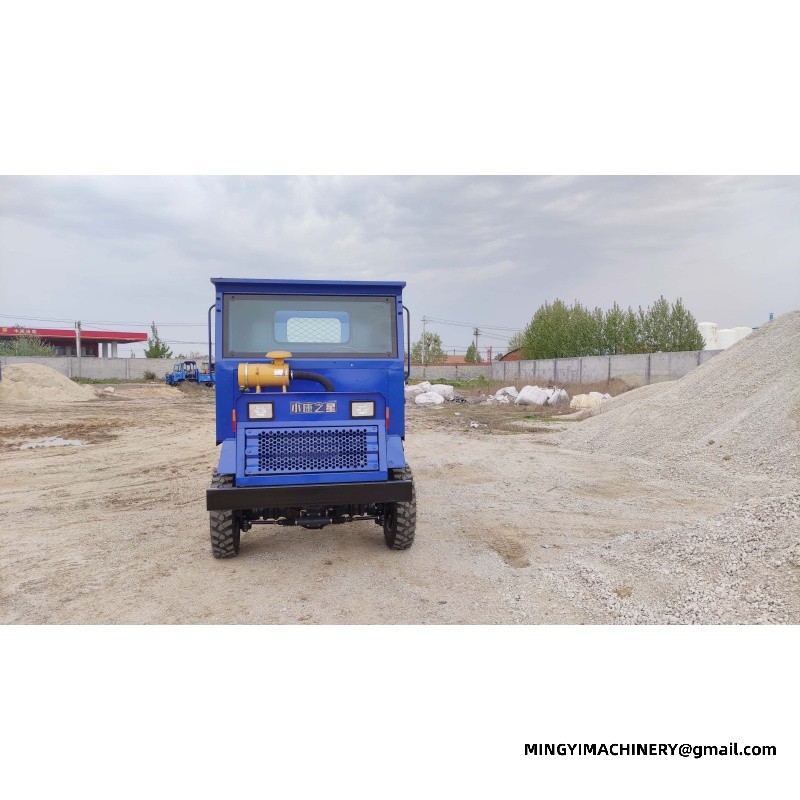
Cleaning and discharge are part of the job. The machine in that duty used for concrete is judged on how quickly it can discharge and wash out, because that turnaround is what the site is paying for.
Most failures start as something small that a walk-around would have caught. Fluid levels, belt tension, tyre or track condition and any fresh leak are the items worth two minutes at the start of each shift on a machine built for the work. Service intervals exist because wear is predictable. Following the maker schedule on the equipment in service takes far less time than repairing the damage that follows a missed oil change or a filter left in place past its life.
Most incidents around machinery come from the space rather than the machine. Exclusion zones, a clear signal person and a check on what is behind the class of machine before it moves cover the large majority of the risk on a working site.
Parts availability usually decides the engine and the brand. A machine built around components the local network already carries is serviced from stock, which is the difference between a day lost and a week lost.
Standing still is hard on machinery. The equipment on site left for weeks benefits from a clean, dry, covered space, a charged battery and a fuel system prepared for the layoff, and all three effort very little. Before-storage preparation prevents most return-to-work faults. Draining or treating fuel, protecting exposed rods and relieving pressure where the maker specifies it are the items worth an hour when the machine itself is parked.
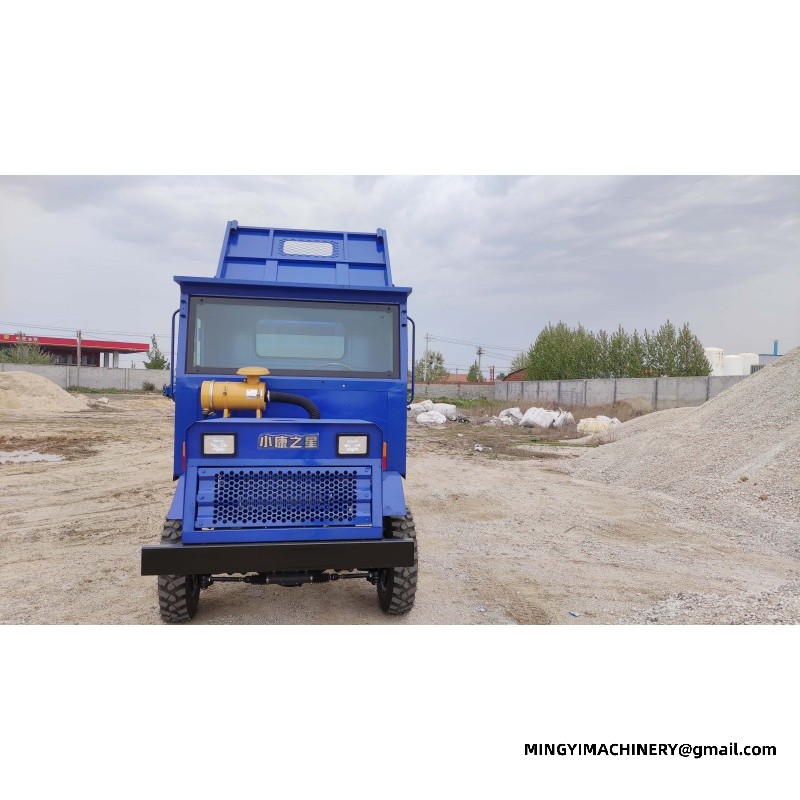
The configurations below are the build sheets most often matched to the machine in that duty. Engine, gearbox, axles, frame and body dimensions are confirmed together, because the body size and the axle rating have to suit the load before the engine rating matters.
| # | 18.Standard | 21.Upgraded | 22.Luxury | 24.Luxury |
|---|---|---|---|---|
| 1 | Four-cylinder 4102 turbocharged diesel engine | Four-cylinder 4105 turbocharged diesel engine | Four-cylinder 4105 turbocharged diesel engine | Four-cylinder 4108 turbocharged diesel engine |
| 2 | Model 140 part-time gearbox with four-wheel drive | Model 140 part-time gearbox with four-wheel drive | Model 145 part-time gearbox with four-wheel drive | Model 145 part-time gearbox, selectable 2WD/4WD |
| 3 | High/low range with crawler gear | High/low range with crawler gear | High/low range with crawler gear | High/low range with crawler gear |
| 4 | Simple cab | Simple cab | Fully enclosed cab | Fully enclosed cab |
| 5 | Oil brakes | Six 825R16 steel-belted radial tyres | Six 825R16 steel-belted radial tyres | Six 825R16 steel-belted radial tyres |
| 6 | Six 700-16 mountain tyres | Reinforced ISUZU-pattern front axle | Reinforced ISUZU-pattern front axle | Reinforced ISUZU-pattern front axle |
| 7 | Reinforced ISUZU-pattern front axle | Reinforced 1080 rear axle with air cut-off brake | Reinforced 1080 rear axle | Reinforced 1080 rear axle |
| 8 | Reinforced 1061 rear axle | Air cut-off brakes | Air cut-off brakes | Air cut-off brakes |
| 9 | Reinforced 80 x 180 mm square tube frame | Reinforced 80 x 180 mm square tube frame | Reinforced 80 x 180 mm square tube frame | Reinforced 80 x 180 mm square tube frame |
| 10 | Rear body 2.2 m long x 2.1 m wide x 0.45 m high | Rear body 3.0 m long x 2.2 m wide x 0.45 m high | Rear body 3.0 m long x 2.2 m wide x 0.45 m high | Rear body 3.0 m long x 2.2 m wide x 0.45 m high |
| 11 | Tailgate with self-dumping function | Tailgate with self-dumping function | Tailgate with self-dumping function | Tailgate with self-dumping function |
| 12 | Hydraulic power steering | Hydraulic power steering | Side-opening rear body tailgate with cab ladder | Side-opening rear body tailgate with cab ladder |
| 13 | Twin hydraulic rams | Twin hydraulic rams | Hydraulic power steering | Hydraulic power steering |
| 14 | Two-person comfort seat | Two-person comfort seat | Twin hydraulic rams | Twin hydraulic rams |
| 15 | Twin-battery electric start | Heavy-duty leaf springs | Two-person comfort seat | Two-person comfort seat |
| 16 | Square-nose bonnet | Twin-battery electric start | Heavy-duty leaf springs | Heavy-duty leaf springs |
| 17 | — | Square-nose bonnet | Twin-battery electric start | Twin-battery electric start |
| 18 | — | — | Square-nose bonnet | Square-nose bonnet |
Most engine trouble starts with what went into the tank. Clean fuel, stored properly and filtered before it reaches a machine built for the work, prevents more downtime than any other single habit an owner can adopt.
The parts that stop a machine are rarely the parts that are hardest to find. Filters, belts, seals and the ground engaging tools on the dumper are easy to hold and slow to replace, which is why they belong on the shelf rather than on an order.
A good handover covers the awkward cases, not just the easy ones. Starting the unit in daily use on a slope, turning in a confined space and recovering from soft ground are the situations an operator should meet first with someone beside them.
Inspection is a list, not a glance. Before the equipment on site is released the fluid levels, belt tension, electrical connections and safety decals are each ticked off, and anything that fails stays in the shop rather than travelling with the machine.
Training is simpler than repair. An hour spent with a new operator on the model in question, covering the limits and the awkward cases, is the least lengthy hour in the whole ownership.
The machine should be introduced to the site as well as the operator. Walking the route the unit on the job will take, noting the soft spots and the turns, prevents the kind of first-day incident that has nothing to do with the machine.
Every line above is a build item rather than an optional extra, and the final sheet for a machine built for the work is confirmed against the destination, the ground and the load before production.
E-mail:sales@mingycn.com
LINE(ID):mingyicn









