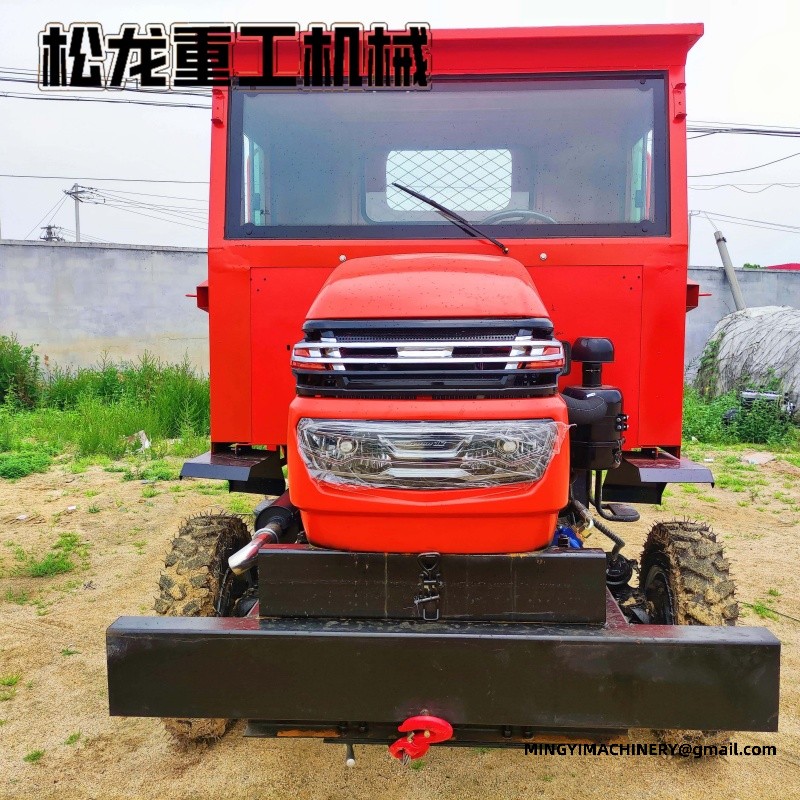
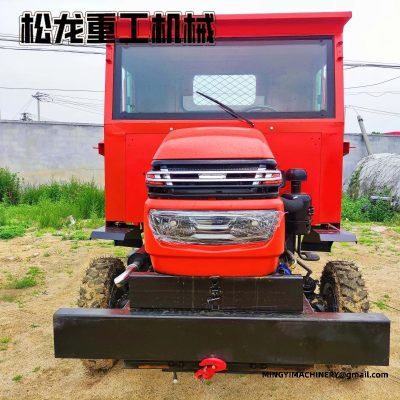
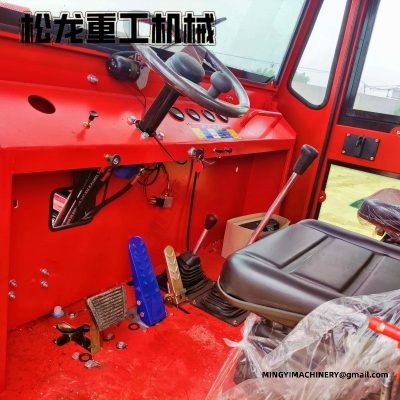
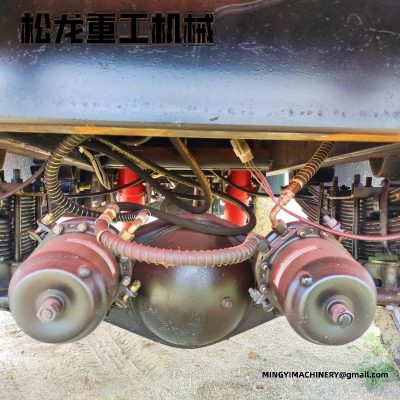
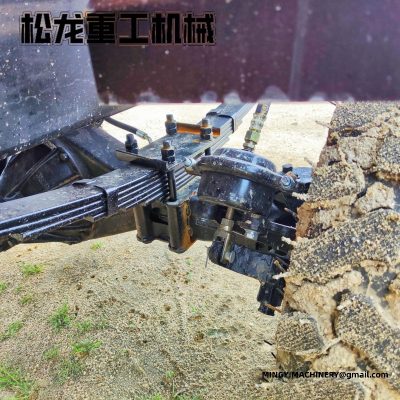
Two buyers can order the dumper for the same nominal job and receive different machines, because the ground and the access decide more than the workload does. The sections below explain which questions separate the two cases.
Slopes and edges deserve a separate check. This class of machine that is stable on level ground behaves differently across a gradient, and the safe working angle is a number worth knowing rather than estimating. Personal protective equipment and a stop rule are simple controls. Agreeing before work starts that anyone can stop the job is the single measure that most often prevents a serious incident near the unit in daily use.
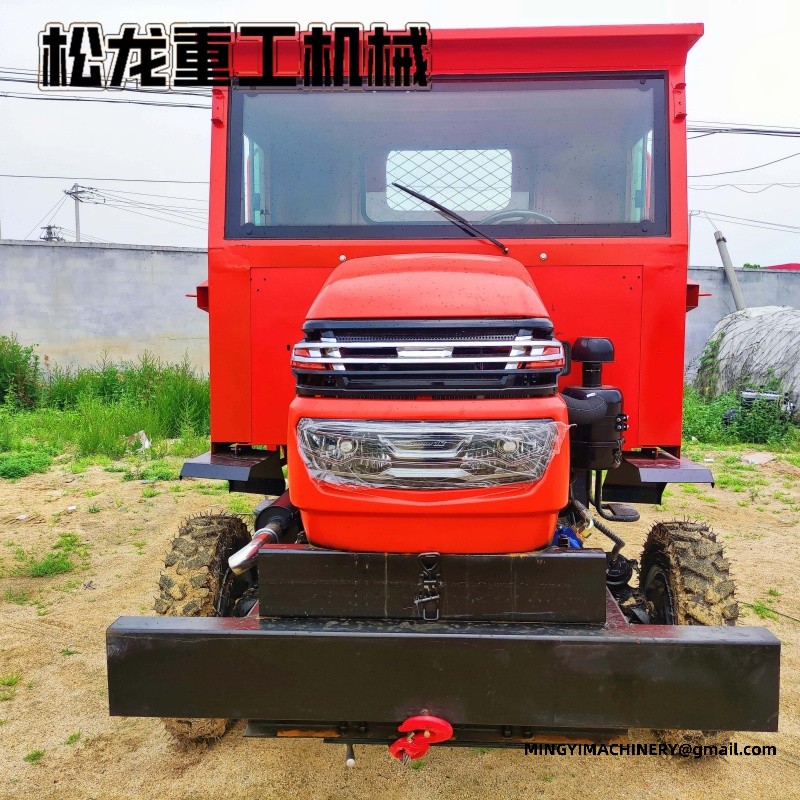
Build options are where a standard machine becomes the right machine. Colour, guarding, lighting, seating and hydraulic provisions can usually be set at build time on a machine of this size, and are far simpler then than as a retrofit.
Sealed points and guarded areas deserve a look in these conditions. The equipment on site working in abrasive dust benefits from checked boots, intact guards and clean breathers, all of which are quick to verify.
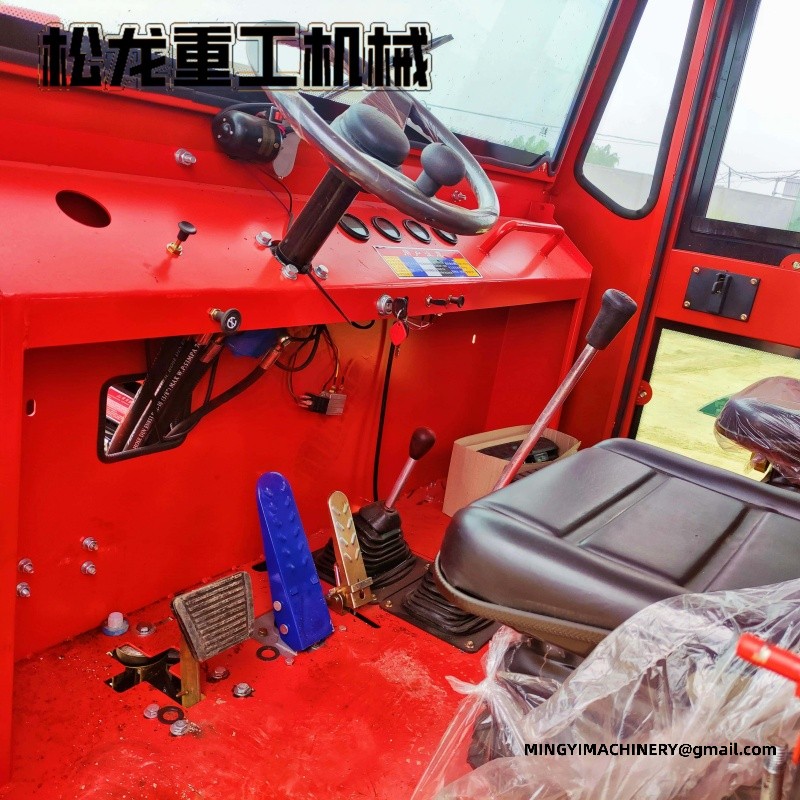
The decision is economic as well as technical. Comparing the work of reconfiguring the machine itself against a different machine is a short calculation that usually gives a clear answer.
A crane or grab turns a haul vehicle into a loading machine. The model in question fitted with a hydraulic crane loads itself, which removes a second machine from the job and is often the whole reason for specifying one.
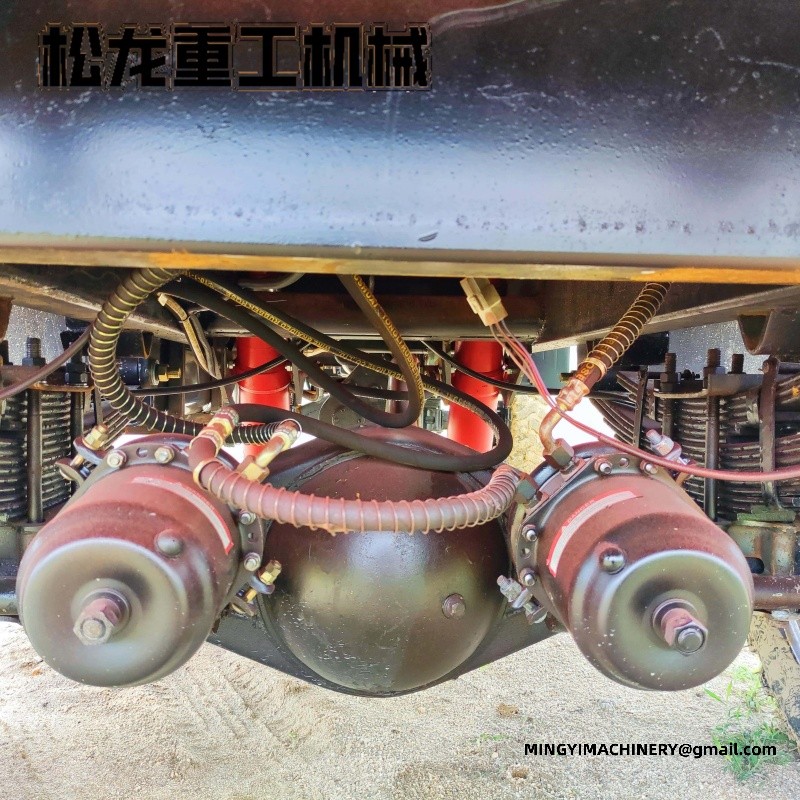
Moving the machine is part of owning it. Overall length, width and height decide which trailer or container the machine in that duty fits, and a machine that needs a permit or an abnormal load escort is a machine with a delivery delay built in. Owners who work across several sites should check the transport dimensions before ordering. The unit on the job that fits a standard trailer can be moved by any operator with a suitable vehicle, while an over-width machine narrows that choice and complicates every move.
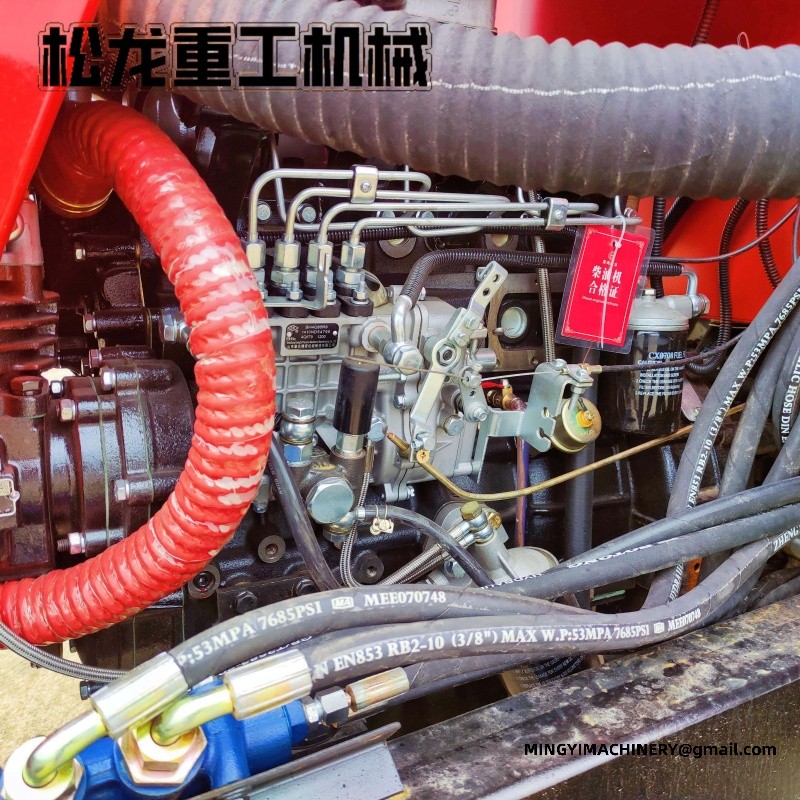
Utilisation matters more than the purchase decision over a few years. A machine built for the work that sits idle ties up the same yard space standing still as one that earns, so the buying decision should follow the hours the machine will realistically work.
Hour planning helps at resale as well. The equipment in service with a recorded service history and a sensible hour count is easier to sell than one with the same hours and no records, whatever its condition.
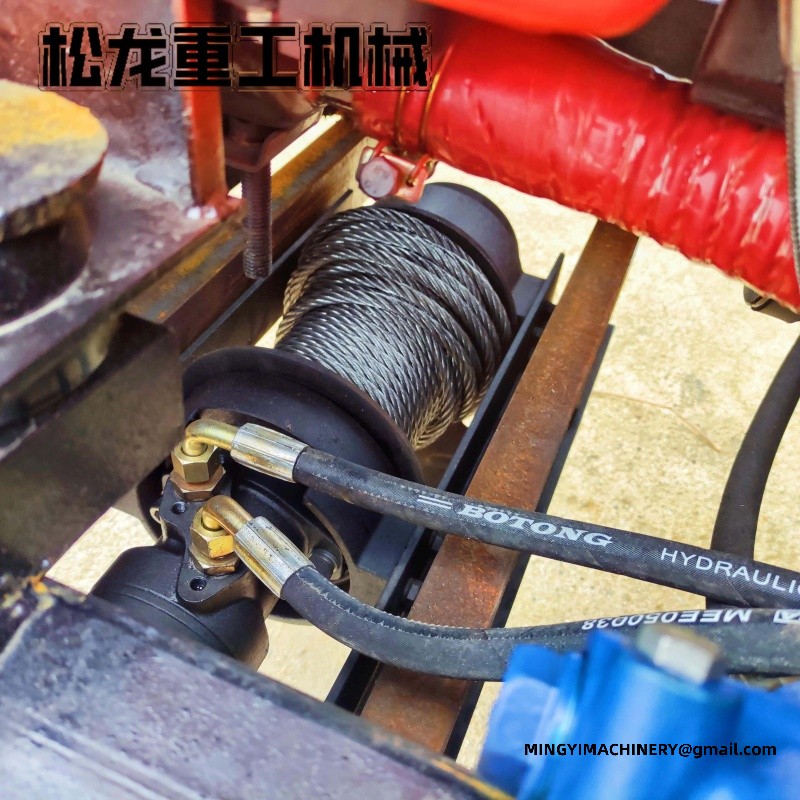
Carrying concrete changes the duty entirely. This class of machine with a mixer drum is working against the clock, and the specification follows the delivery distance and the site access rather than the load alone. Cleaning and discharge are part of the job. The unit in daily use used for concrete is judged on how quickly it can discharge and wash out, because that turnaround is what the site is paying for.
Payload is limited by the axles and the frame before it is limited by the body volume. Specifying the equipment on site against the material density gives a realistic figure, because a body that looks half full can already be at its limit with rock. Loading method affects the machine as much as the load does. Material dropped from height into the machine itself shocks the frame and the body floor, while material placed evenly spreads the load and extends body life. The honest payload figure comes from the duty. The model in question working a smooth haul road carries differently from one crossing ruts and gradients, and the conservative number is the one that keeps the machine working.
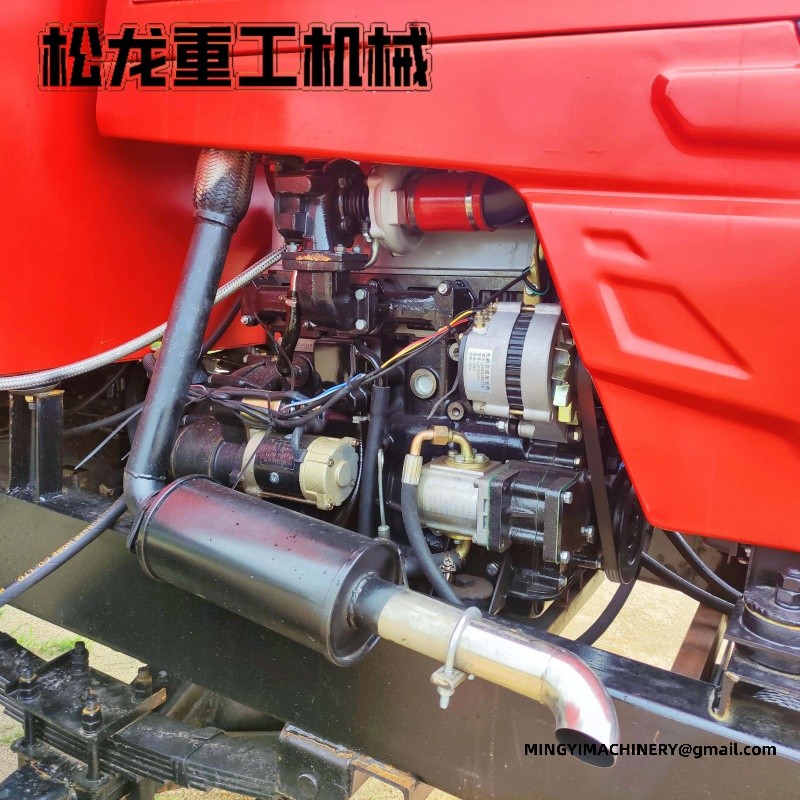
Wear rate follows conditions far more than hours. The unit on the job working on abrasive ground or in mud will consume undercarriage or tyre life much faster than the same machine on clean ground. Replacing wear items early is usually simpler. Worn components on a machine built for the work load the parts they run against, so a worn part left too long often becomes a major repair.
Access tracks in forestry are narrow, soft and often steep. The dumper chosen for that work is chosen for the track, and the body, cab and tyre specification follow from the route rather than from the load alone. Protection matters in timber work. Guarding, lighting and a cab that keeps branches out are the items that keep this class of machine working through a season rather than being repaired through it.
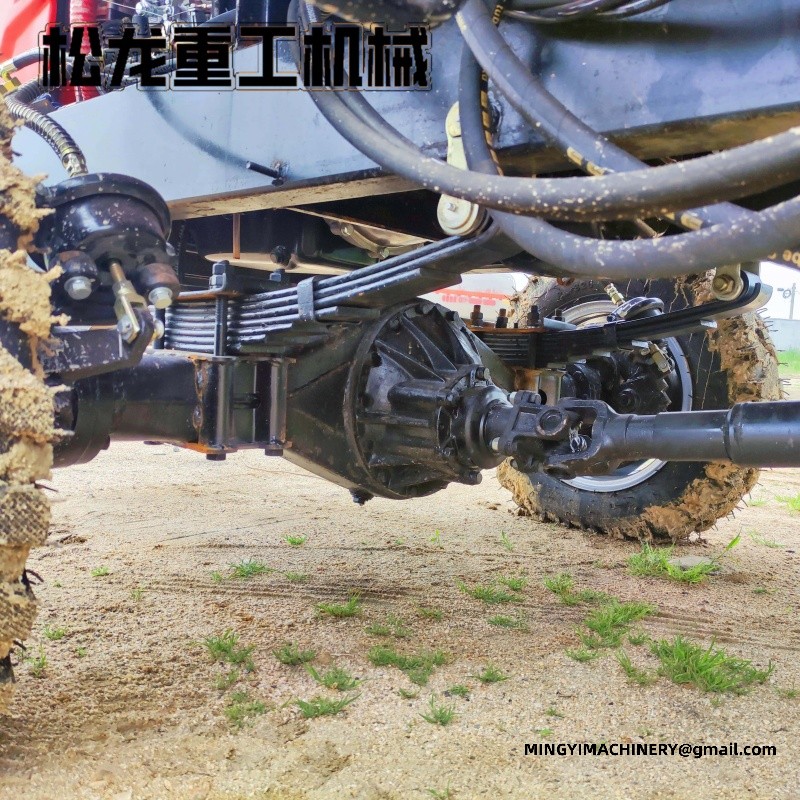
The working surface should be surveyed before the equipment on site is specified. A machine that is stable on compacted gravel can be unusable on the same site after rain, and the difference shows up as lost days rather than as a fault. Traction and flotation are two separate questions. A machine of this size may have the power for a slope and still not have the grip, so the surface, not the engine rating, is usually what limits the working day.
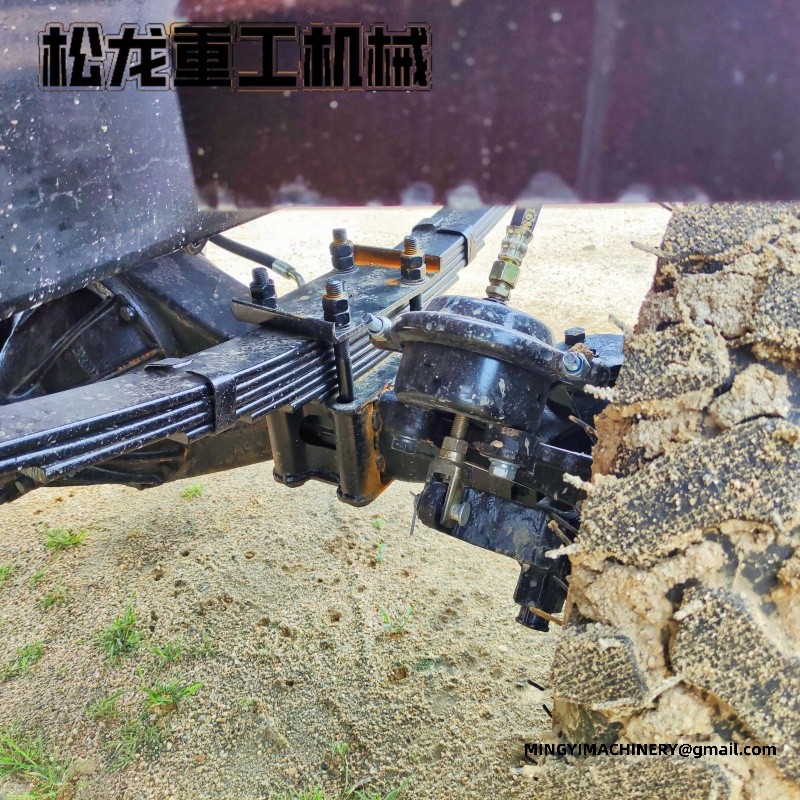
Commissioning is the point where most avoidable issues are found. Checking levels, fasteners and function on the machine itself before it goes to work takes an hour and prevents a claim conversation later.
Attachment decisions are best made before delivery. Specifying hydraulics and couplers at build time is simpler than adding them later, and it avoids the downtime of a workshop visit in the first month.
Resale starts at purchase. Specification choices, service records and the condition of wearing parts are what a buyer looks at, and the machine in that duty that has been maintained on schedule is worth more than one that merely looks clean. Replacement timing is a planning decision. Knowing the intended working life of the unit on the job lets an owner sell while the machine still has value rather than after a major repair becomes due.
Machine output varies more between operators than between brands. Smooth, planned movements put less load on the structure and use less fuel, and that difference is visible on the hour meter and in the service bills for a machine built for the work. Familiarisation should cover the limits as well as the controls. Knowing where the equipment in service loses stability, how it behaves at full reach, and what the warning lights mean prevents the incidents that are put down to bad luck. A short handover pays for itself. Operators who understand why the dumper is set up the way it is will report a change in behaviour early, which is usually the point where a repair is simplest.
The configurations below are the build sheets most often matched to the unit in daily use. Engine, gearbox, axles, frame and body dimensions are confirmed together, because the body size and the axle rating have to suit the load before the engine rating matters.
| # | 12.Standard | 17.Luxury | 7.Upgraded | 9.Standard |
|---|---|---|---|---|
| 1 | Two-cylinder diesel engine, 38 hp | Four-cylinder 490 diesel engine | Single-cylinder diesel engine, 28 hp | Single-cylinder diesel engine, 32 hp |
| 2 | Full-time gearbox with four-wheel drive | Part-time gearbox, selectable 2WD/4WD | Full-time gearbox with four-wheel drive | Full-time gearbox with four-wheel drive |
| 3 | High/low range with crawler gear | High/low range with crawler gear | High/low range with crawler gear | High/low range with crawler gear |
| 4 | Simple cab | Fully enclosed cab | Front axle clutch | Simple cab |
| 5 | Oil brakes | Six 700-16 mountain tyres | Fully enclosed cab | Oil brakes |
| 6 | Four 700-16 mountain tyres | Reinforced 130 front axle | Oil brakes | Four 700-16 mountain tyres |
| 7 | Front axle 212 | Reinforced ISUZU-pattern rear axle | Four 700-16 mountain tyres | Front axle 212 |
| 8 | Rear axle 130 | Air cut-off brakes | Front axle 212 | Rear axle 130 |
| 9 | Reinforced 60 x 140 mm square tube frame | Reinforced 60 x 140 mm square tube frame | Rear axle 130 | Reinforced 60 x 140 mm square tube frame |
| 10 | Rear body 2.2 m long x 1.5 m wide x 0.45 m high | Rear body 2.2 m long x 1.8 m wide x 0.45 m high | Reinforced 60 x 140 mm square tube frame | Rear body 2.2 m long x 1.5 m wide x 0.45 m high |
| 11 | Tailgate with self-dumping function | Tailgate with self-dumping function | Rear body 2.2 m long x 1.5 m wide x 0.45 m high | Tailgate with self-dumping function |
| 12 | Hydraulic power steering | Side-opening rear body tailgate | Tailgate with self-dumping function | Hydraulic power steering |
| 13 | Twin hydraulic rams | Hydraulic power steering | Hydraulic power steering | Twin hydraulic rams |
| 14 | Two-person comfort seat | Twin hydraulic rams | Twin hydraulic rams | Two-person comfort seat |
| 15 | Twin-battery electric start | Two-person comfort seat | Two-person comfort seat | Twin-battery electric start |
| 16 | Round-nose bonnet | Heavy-duty leaf springs | Twin-battery electric start | Square-nose bonnet |
| 17 | — | Twin-battery electric start | Square-nose bonnet | — |
| 18 | — | Round-nose bonnet | — | — |
Contamination is easier to prevent than to cure. Keeping the filler caps sealed, the funnels clean and the containers closed around the equipment on site is unglamorous work that shows up as reliability later.
Seasonal work rewards a machine that can change duty. Through the year the model in question may move from one task to another, and the attachment list should be chosen for the whole year rather than for the first job.
Loading is where most damage happens. Ramps, angle of approach and the condition of the ground under them matter more than the machine when the unit on the job is being loaded, and a careful driver is worth more than a fast one.
An added function should pay for itself quickly. Whether the equipment in service gains a different bucket, a hydraulic service or a protection package, the test is the number of days a year it is actually used.
Dust is the enemy of every rotating joint. Keeping the radiator and the air intake of this class of machine clean, and cleaning them before they are blocked rather than after, is what separates a machine that lasts from one that overheats.
The last hour before packing is the best time to find a fault. Running a machine of this size through its full working cycle, checking for leaks under load and confirming that the controls match the specification avoids a conversation across time zones later.
Export packing is part of the machine, not an afterthought. The machine itself is blocked and braced inside the container so that it arrives in the same condition it left, and the load plan is decided by the dimensions rather than by what fits loosely.
Every line above is a build item rather than an optional extra, and the final sheet for the model in question is confirmed against the destination, the ground and the load before production.
E-mail:sales@mingycn.com
LINE(ID):mingyicn









