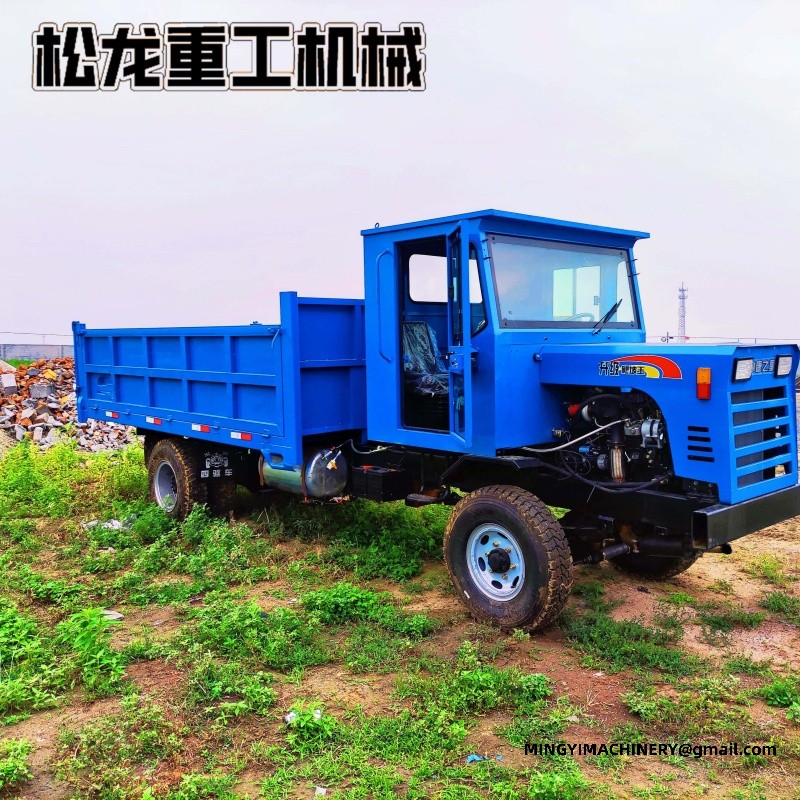
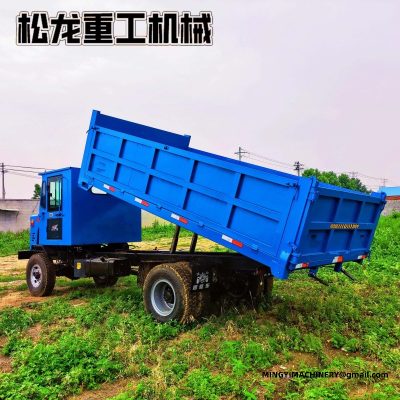
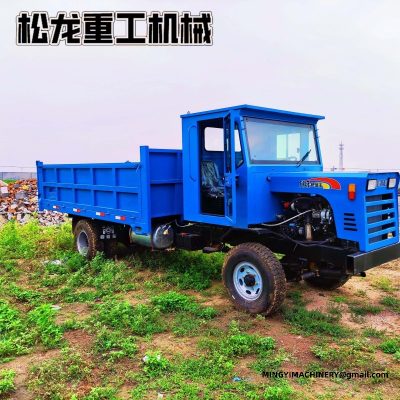
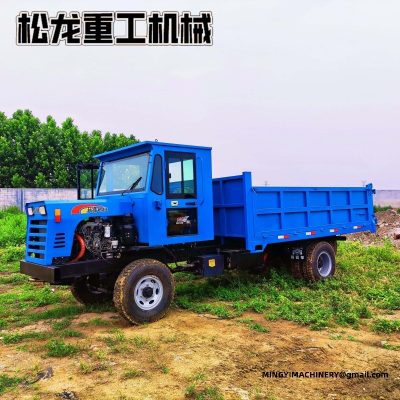
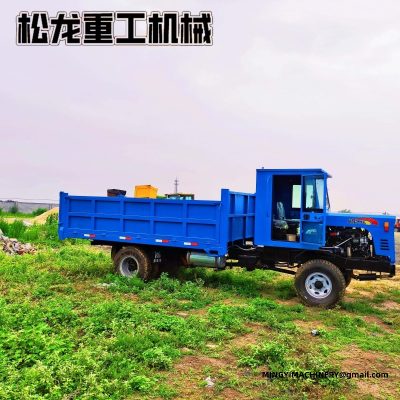
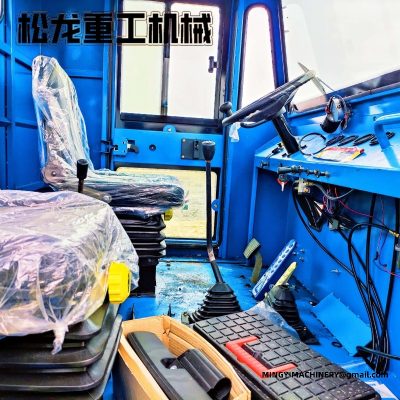
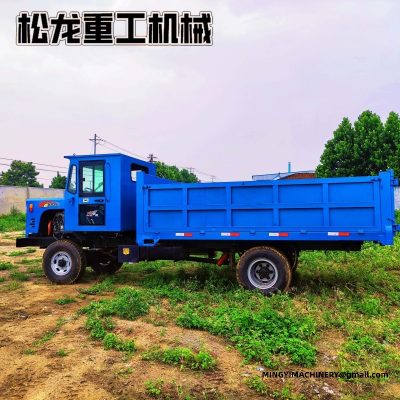
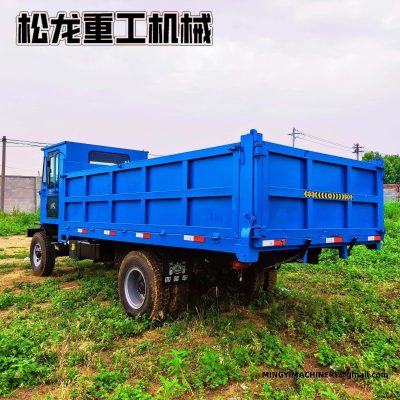
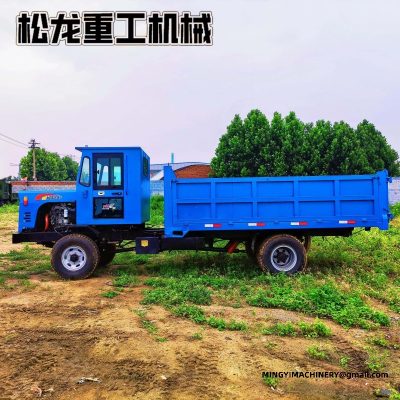
Every the dumper leaves the shop configured for a particular buyer. This page explains the choices that configuration involves, covering frame, power, running gear, cab and attachments, and what each one means once the machine is on site.
Quarry and tunnel work is hard on vehicles. Abrasive dust, sharp material and continuous loading mean this class of machine in this duty needs attention to filtration, body wear and brake condition far more often. Size matters underground. Overall height and width decide whether the unit in daily use can work in a tunnel at all, and those dimensions are the first thing to confirm rather than the last.
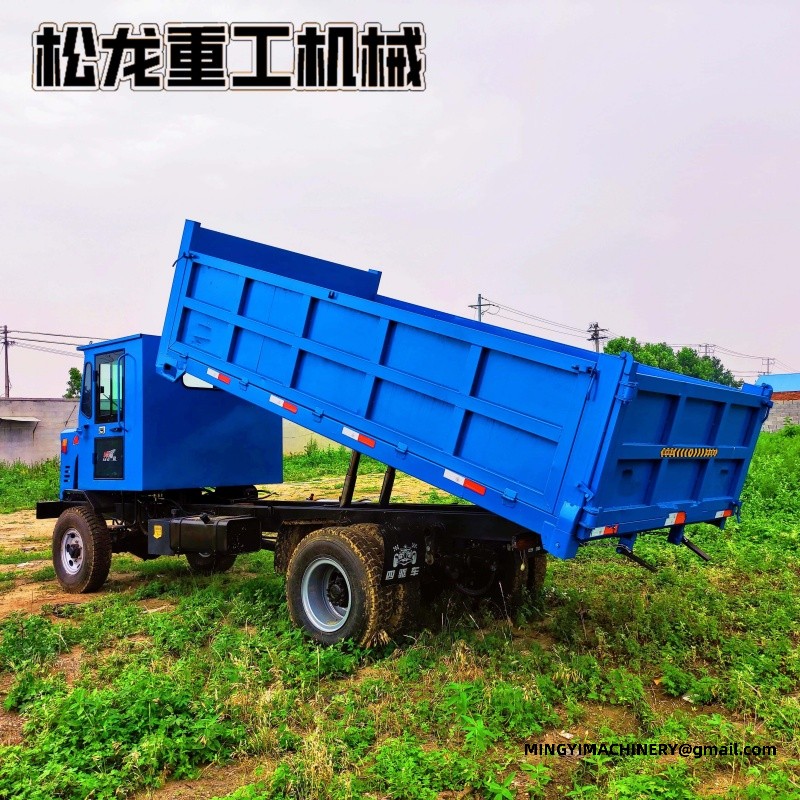
A water tank turns the vehicle into a different machine. A machine of this size carrying water for dust control or irrigation is specified around tank size, baffles and the route, because a part-filled tank behaves very differently on a slope. Dust control work is repetitive and time-critical. The equipment on site with the right tank and spray arrangement covers more ground per shift, which is usually the point of the exercise.
Stability follows the load and its position. Knowing the rated capacity of the machine itself at the working radius, rather than at its best case, is what keeps handling predictable and the machine upright. Ballast and attachment weight change the machine. Adding a heavy tool to the model in question moves the centre of gravity, and the counterweight or configuration should be matched to the tool rather than assumed.
Fuel is usually the largest controllable running demand. Operating style, correct tyre or track condition and a clean air supply all move consumption on the machine in that duty by more than most buyers expect. Planning the work to reduce empty movement is free. Fewer repositioning cycles on the unit on the job means less fuel, less wear on the undercarriage or tyres and more of the shift spent on productive work.
Timber work changes what the vehicle carries. A machine built for the work fitted with a log grab loads and unloads without a second machine, which is usually the reason a forestry contractor specifies one over a conventional truck.
Reconfiguration can extend the useful life of a machine. The equipment in service that no longer suits the current work may suit it again with a different attachment, guarding or control arrangement.
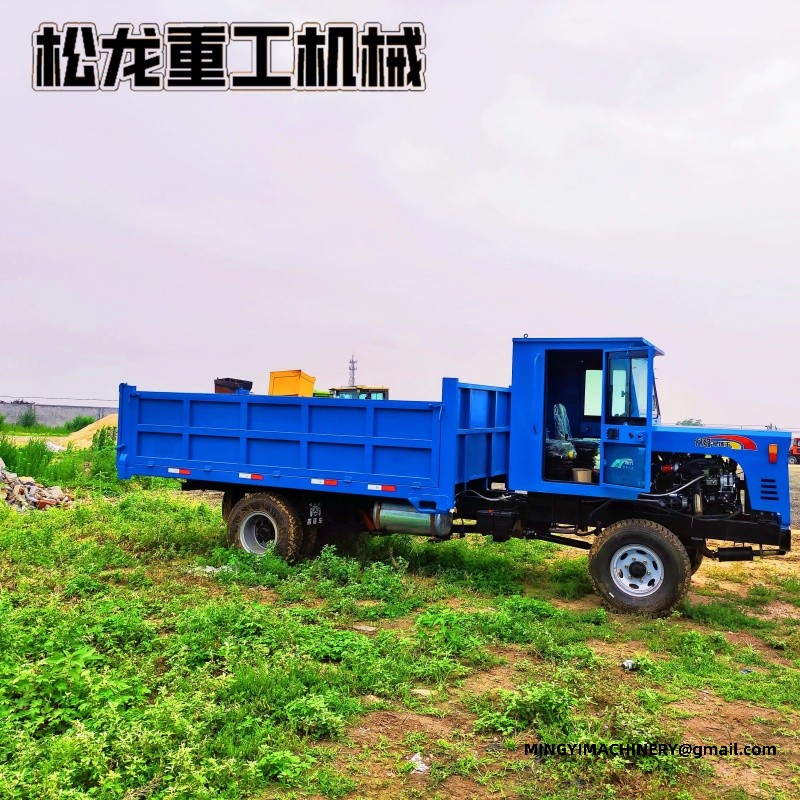
Loading method affects the machine as much as the load does. Material dropped from height into the dumper shocks the frame and the body floor, while material placed evenly spreads the load and extends body life. The honest payload figure comes from the duty. This class of machine working a smooth haul road carries differently from one crossing ruts and gradients, and the conservative number is the one that keeps the machine working.
Four-wheel drive is only part of soft ground capability. Tyre choice, ground clearance and weight distribution decide whether the unit in daily use keeps moving in a paddy field or a marsh, and all three are specified rather than assumed. Soft ground punishes the wrong tyre. Mountain pattern tyres on a machine of this size clear mud that a road pattern would pack with, and the difference is measured in whether the machine finishes the day.
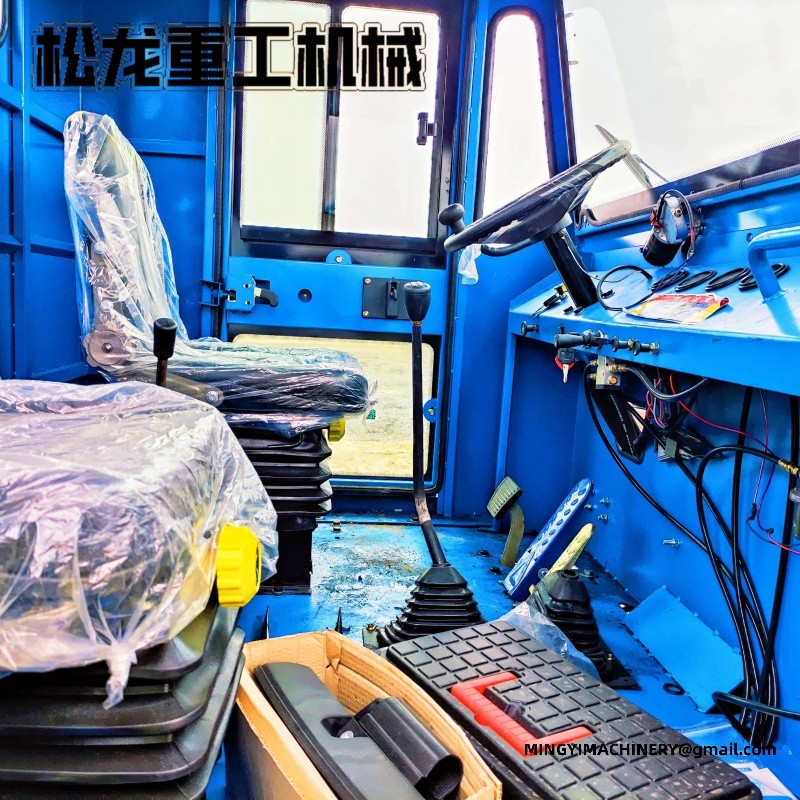
Cold changes how a machine starts and how it warms up. Allowing the machine itself to reach operating temperature before loading it, and using the correct grade of oil and fuel for the season, prevents most cold-start problems. Batteries and fluids are the parts that notice the cold first. The model in question kept on a maintainer through a freezing spell starts on the first turn, while one left standing is the usual cause of a lost morning.
Parts availability usually decides the engine and the brand. A machine built around components the local network already carries is serviced from stock, which is the difference between a day lost and a week lost.
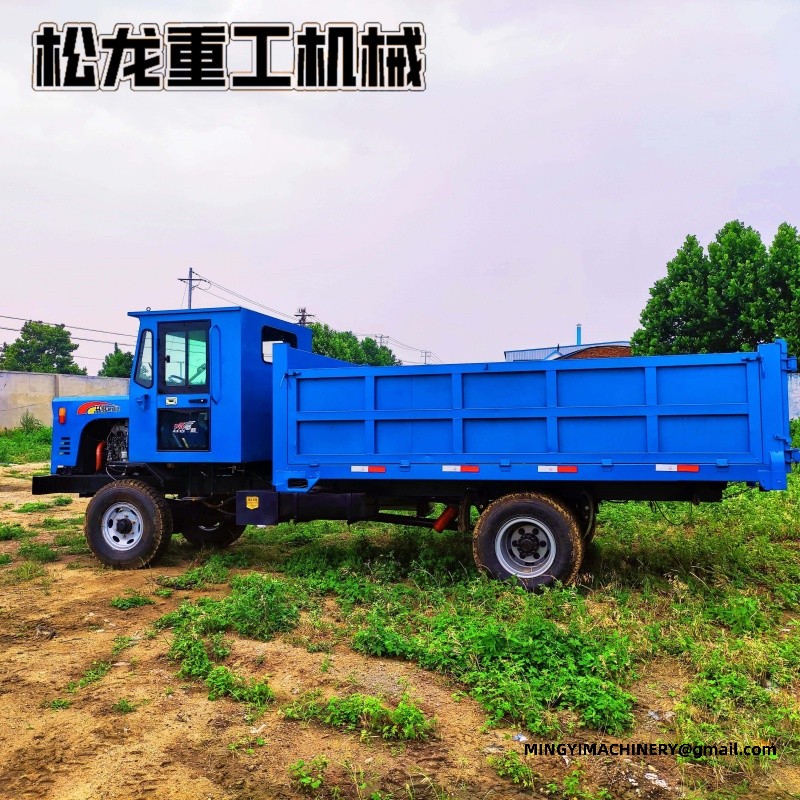
Machine output varies more between operators than between brands. Smooth, planned movements put less load on the structure and use less fuel, and that difference is visible on the hour meter and in the service bills for the unit on the job. A short handover pays for itself. Operators who understand why a machine built for the work is set up the way it is will report a change in behaviour early, which is usually the point where a repair is simplest.
Export orders add steps that domestic buyers never see. Packed dimensions, securing points, documentation and any dismantling required are all settled before the dumper leaves the factory, and each one affects the freight booking.
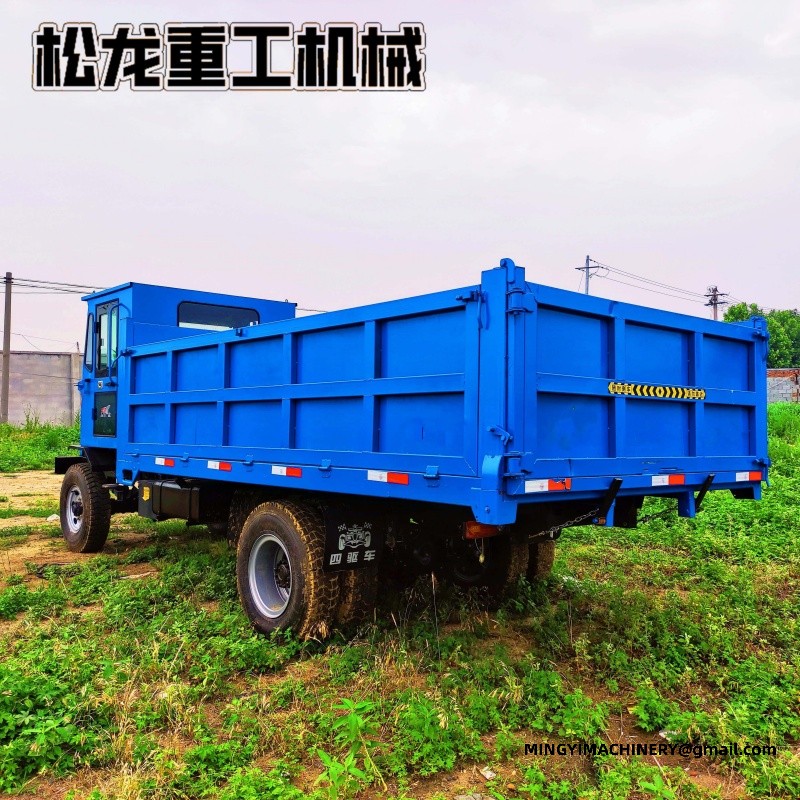
Certain parts are designed to be consumed. Knowing which items on the unit in daily use are wearing parts, and roughly how long they last in the duty the machine sees, turns replacement into a plan rather than a breakdown. Wear rate follows conditions far more than hours. A machine of this size working on abrasive ground or in mud will consume undercarriage or tyre life much faster than the same machine on clean ground.
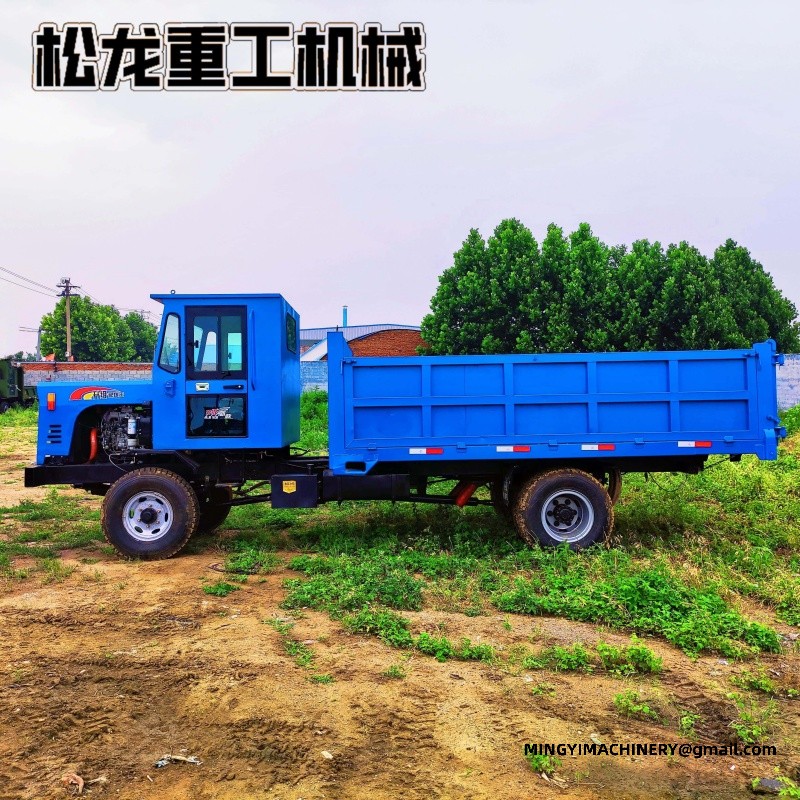
Commissioning is the point where most avoidable issues are found. Checking levels, fasteners and function on the equipment on site before it goes to work takes an hour and prevents a claim conversation later. Warranty terms are clearer when they are read before purchase. Knowing what is covered, what counts as a wearing item and what documentation is required makes a claim on the machine itself straightforward rather than contested. Early faults are usually simple. The model in question that behaves differently in its first few hours is more often mis-set than defective, and a call to the supplier at that point usually resolves it the same day.
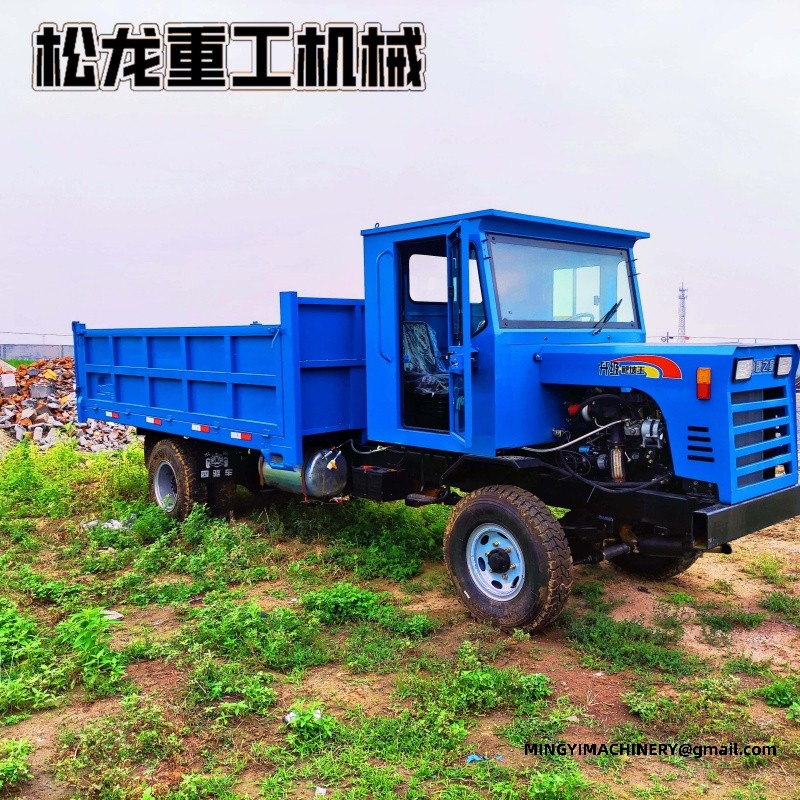
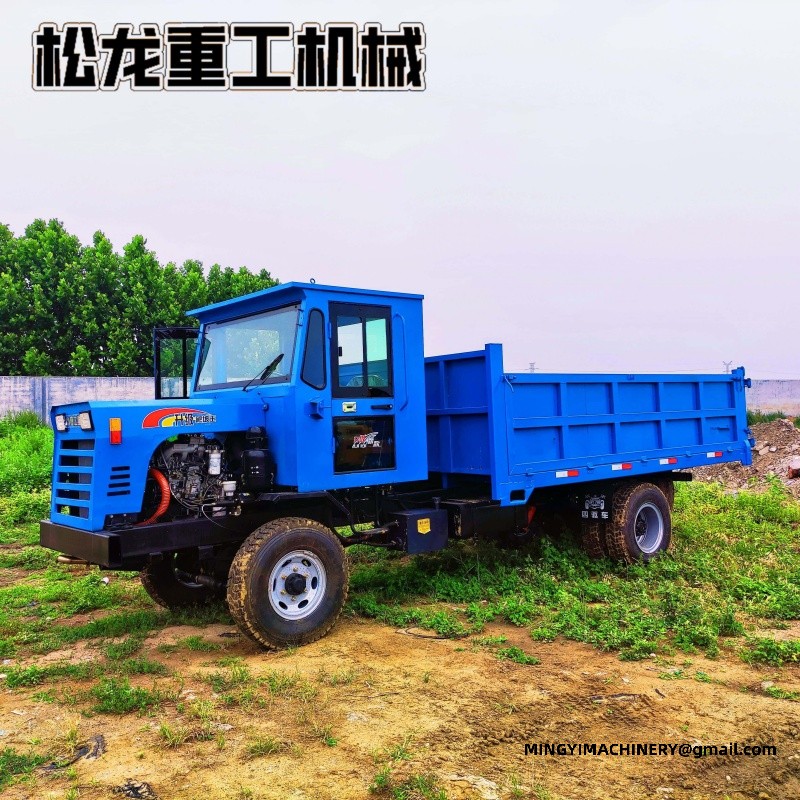
The configurations below are the build sheets most often matched to the unit on the job. Engine, gearbox, axles, frame and body dimensions are confirmed together, because the body size and the axle rating have to suit the load before the engine rating matters.
| # | 15.Standard | 19.Upgraded | 21.Upgraded | 3.Standard |
|---|---|---|---|---|
| 1 | Four-cylinder 490 diesel engine | Four-cylinder 4102 turbocharged diesel engine | Four-cylinder 4105 turbocharged diesel engine | Single-cylinder diesel engine, 25 hp |
| 2 | Full-time gearbox with four-wheel drive | Model 140 part-time gearbox with four-wheel drive | Model 140 part-time gearbox with four-wheel drive | Full-time gearbox with four-wheel drive |
| 3 | High/low range with crawler gear | High/low range with crawler gear | High/low range with crawler gear | High/low range with crawler gear |
| 4 | Simple cab | Fully enclosed cab | Simple cab | Simple cab |
| 5 | Oil brakes | Six 750R16 steel-belted radial tyres | Six 825R16 steel-belted radial tyres | Oil brakes |
| 6 | Four 700-16 mountain tyres | Reinforced ISUZU-pattern front axle | Reinforced ISUZU-pattern front axle | Four 700-16 mountain tyres |
| 7 | Front axle 212 | Reinforced 1061 rear axle | Reinforced 1080 rear axle with air cut-off brake | Front axle 212 |
| 8 | Rear axle 130 | Air cut-off brakes | Air cut-off brakes | Rear axle 130 |
| 9 | Reinforced 60 x 140 mm square tube frame | Reinforced 80 x 180 mm square tube frame | Reinforced 80 x 180 mm square tube frame | Reinforced 60 x 140 mm square tube frame |
| 10 | Rear body 2.2 m long x 1.5 m wide x 0.45 m high | Rear body 3.0 m long x 2.1 m wide x 0.45 m high | Rear body 3.0 m long x 2.2 m wide x 0.45 m high | Rear body 2.2 m long x 1.5 m wide x 0.45 m high |
| 11 | Tailgate with self-dumping function | Tailgate with self-dumping function | Tailgate with self-dumping function | Tailgate with self-dumping function |
| 12 | Hydraulic power steering | Side-opening rear body tailgate with cab ladder | Hydraulic power steering | Hydraulic power steering |
| 13 | Twin hydraulic rams | Hydraulic power steering | Twin hydraulic rams | Twin hydraulic rams |
| 14 | Two-person comfort seat | Twin hydraulic rams | Two-person comfort seat | Two-person comfort seat |
| 15 | Twin-battery electric start | Two-person comfort seat | Heavy-duty leaf springs | Twin-battery electric start |
| 16 | Round-nose bonnet | Thickened heavy-duty leaf springs | Twin-battery electric start | Square-nose bonnet |
| 17 | — | Twin-battery electric start | Square-nose bonnet | — |
| 18 | — | Square-nose bonnet | — | — |
Shared machines need shared habits. Two operators on the equipment in service should do the same daily checks in the same order, because the check that one person skips is the check that eventually matters.
A stored machine should be brought back carefully. Before this class of machine returns to work the fluids, the brakes and the controls are checked, because months of standing change more than a weekend does.
Container loading is a planning exercise. The overall dimensions and the operating weight of a machine of this size decide whether it ships whole, partly disassembled or with the attachment removed, and that decision is made before the booking.
Operators who come from a different machine need a short conversion. The controls on the machine itself follow the usual pattern, but the response, the sightlines and the stopping distance are learned by doing rather than by reading.
A written record is worth more than a good memory. Dates, hours and the parts fitted on the machine in that duty turn a guess about the next service into a fact, and they are the first thing a buyer asks to see.
Winter is hard on rubber and on seals as much as on the engine. Parking a machine built for the work under cover, keeping the tracks or tyres off standing water and checking the hoses for cracking are all part of the season.
Workload is rarely even across the year, and the machine should be specified for the busy weeks. The dumper sized only for the average month will be the limiting factor exactly when the work is worth the most.
Every line above is a build item rather than an optional extra, and the final sheet for this class of machine is confirmed against the destination, the ground and the load before production.
E-mail:sales@mingycn.com
LINE(ID):mingyicn









