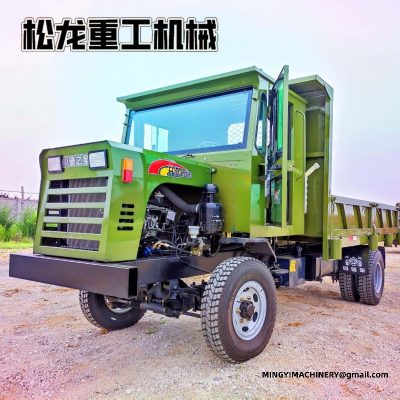
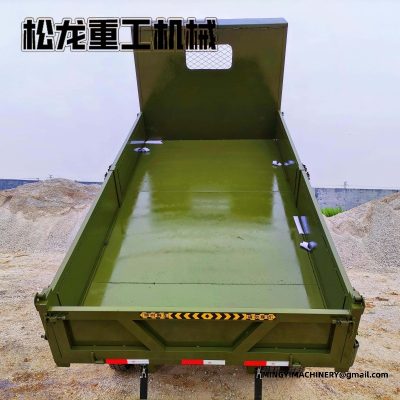
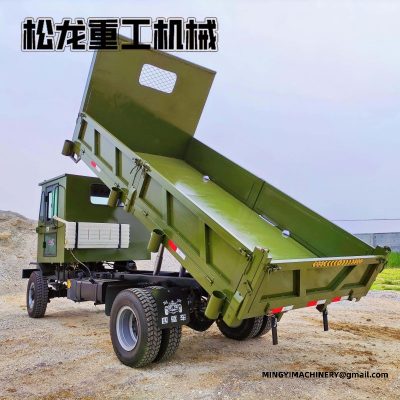
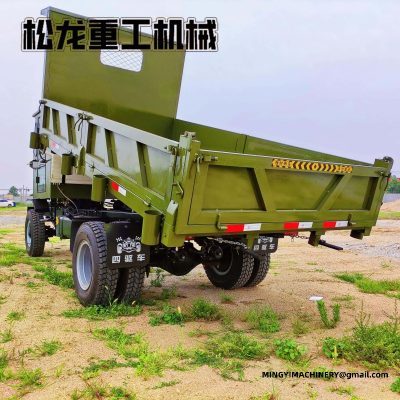
A transport vehicle that is easy to keep running spends more days working than one that fights its owner at every service. On an all-terrain machine, maintainability is not a brochure promise but a list of concrete things: where the grease nipples sit, how the filters come out, whether the brake adjuster is reachable, and whether the oil levels can be checked without pulling panels. The four Mingyi configurations on this page share one service philosophy, and this section walks through the lubrication, the filters and the intervals that keep each of them earning instead of sitting on a pad.
Two choices on the build sheet shape most of what servicing will demand in time later: the engine and the brake system. The single-cylinder 32 hp and 25 hp units have one injector, one cylinder head and a small number of moving parts, so a mechanic can strip and rebuild one with a basic toolbox. The four-cylinder 4102 turbocharged engine on the 18.Standard pulls harder but adds cylinders, a turbocharger and more filters to change. Neither is right or wrong; the point is that the buyer decides this on day one and lives with it for the machine's life.
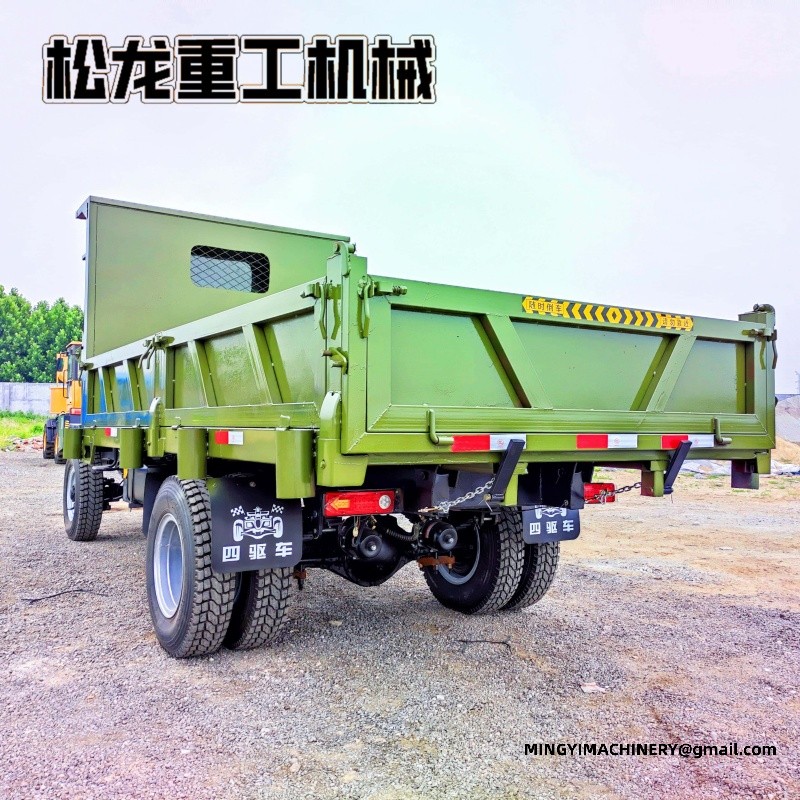
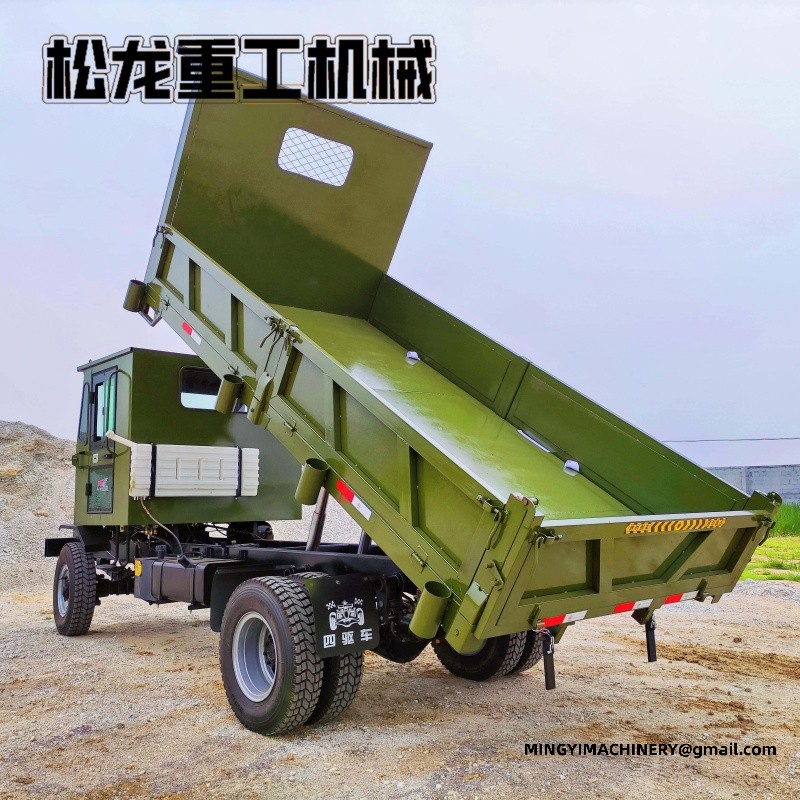
Most breakdowns announce themselves days before they happen, and a five-minute walk-around at the start of each shift finds them while they are still cheap to fix. The routine on a Mingyi all-terrain transport vehicle is short: check engine oil on the dipstick, look for wet patches under the frame, glance at the hydraulic oil sight glass, and kick the tyres for pressure. The twin hydraulic rams sit either side of the body and show a weep as a dark line down the cylinder before it becomes a pool, and the leaf springs reveal a cracked leaf long before it parts.
Lubrication is the cheapest insurance on a machine that works in dust and water, and the grease points on these vehicles are few enough to reach in minutes. The kingpins, the prop shaft universal joints, the spring shackle pins and the tipping ram pivot pins all take grease, and none of them sits behind a panel. A machine that is greased on a fixed weekly schedule, rather than whenever someone remembers, keeps the steering light, the tailgate hinges free and the suspension quiet. In wet or dusty ground the interval should be shortened, because water washes grease out and grit turns it into grinding paste.
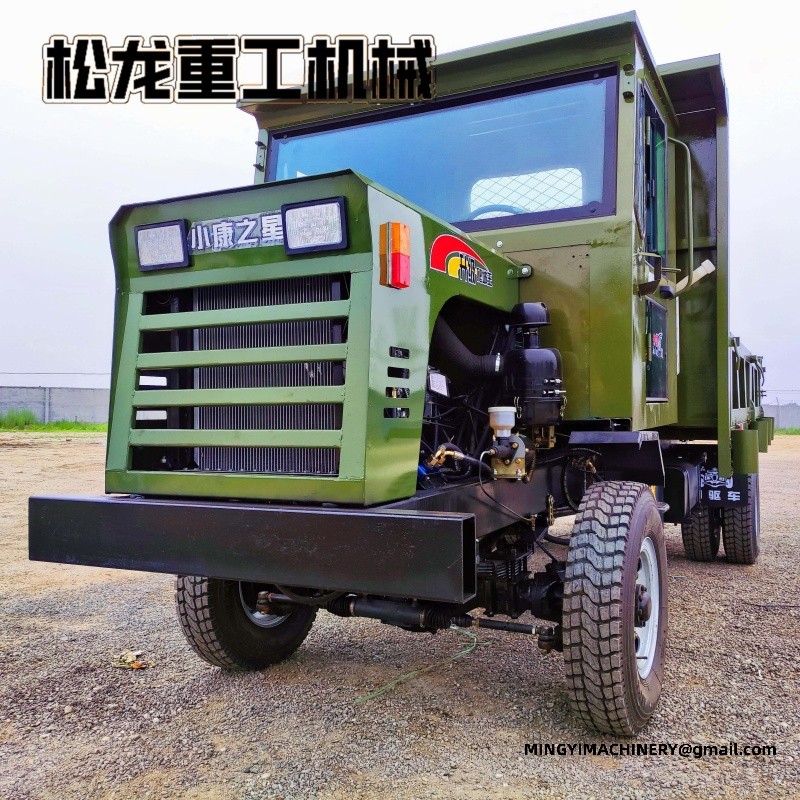
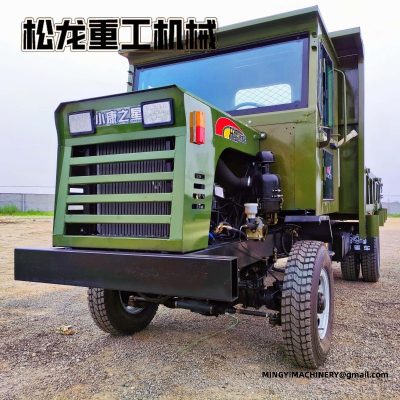
Every engine on this page takes at least an oil filter and a fuel filter, and the turbocharged 4102 adds an air cleaner that works harder in dust. The sensible owner orders filters with the machine and keeps a full set on the shelf, because a machine standing idle for want of a small filter is the easiest failure to avoid in the whole fleet. Air filtration deserves more attention than it gets: a blocked air filter makes an engine smoke, drink fuel and lose power, and in a dry season it can clog in weeks rather than months. Checking and tapping out the element is a morning habit.
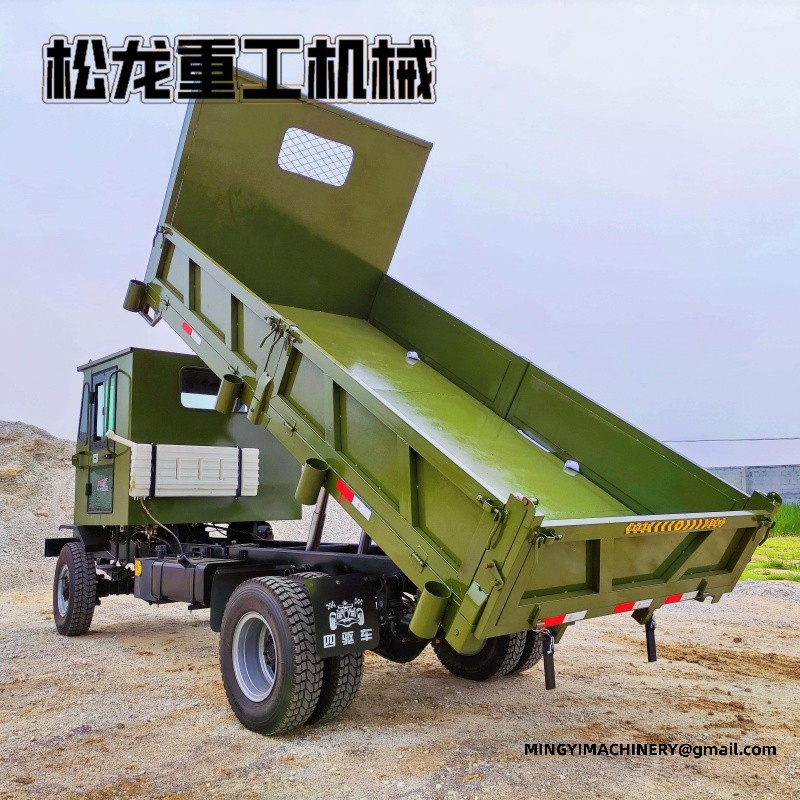
Hydraulic oil is the one fluid that quietly decides whether the tipping system lives a long life or a short one, and it is the fluid owners most often neglect. The twin rams lift the body many times a day, and each cycle heats the oil and pulls a little air and moisture into the circuit. Clean, full oil keeps the rams smooth and the seals dry; dirty or low oil burns the pump and scores the cylinders. The sight glass or dipstick should be checked with the engine off and the body down, and the oil changed on the schedule rather than when it turns dark, because by then some damage is already done.
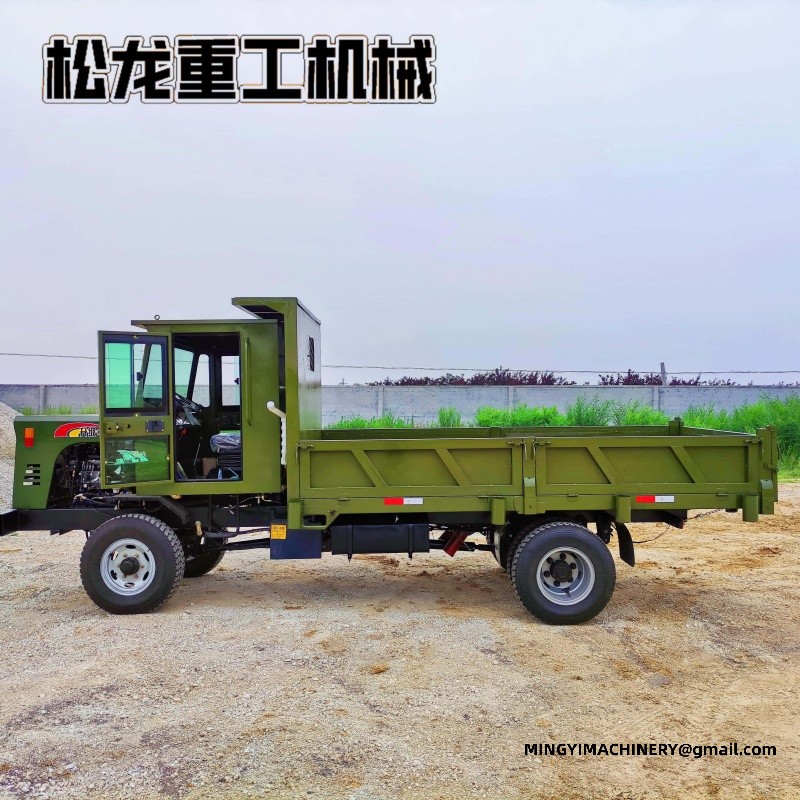
The brake system is one of the clearest service differences between configurations, and each type has its own small ritual. The oil-brake machines on the 18.Standard and the 7.Upgraded need the fluid level watched and the linings inspected for wear, with air bled out of the system if the pedal feels soft. The air cut-off brakes on the 11.Luxury and the 5.Luxury add an air reservoir that should be drained of water at the bottom of the day, especially in humid weather, because water in the tank corrodes the valves and can freeze. A quick daily look at both fluid and tank is all the routine asks.
Whether a machine is part-time or full-time four-wheel drive changes where attention goes in the driveline. The part-time gearboxes on the 11.Luxury, 18.Standard and 5.Luxury let the driver select two- or four-wheel drive, and the front drive components sit idle on firm ground and so wear more slowly; the full-time box on the 7.Upgraded keeps everything turning, which spreads load but also spreads wear. Either way the gear oil levels in the gearbox and both axles deserve a weekly check, and the front-axle clutch on the 7.Upgraded should be exercised so its plates do not seize from disuse.
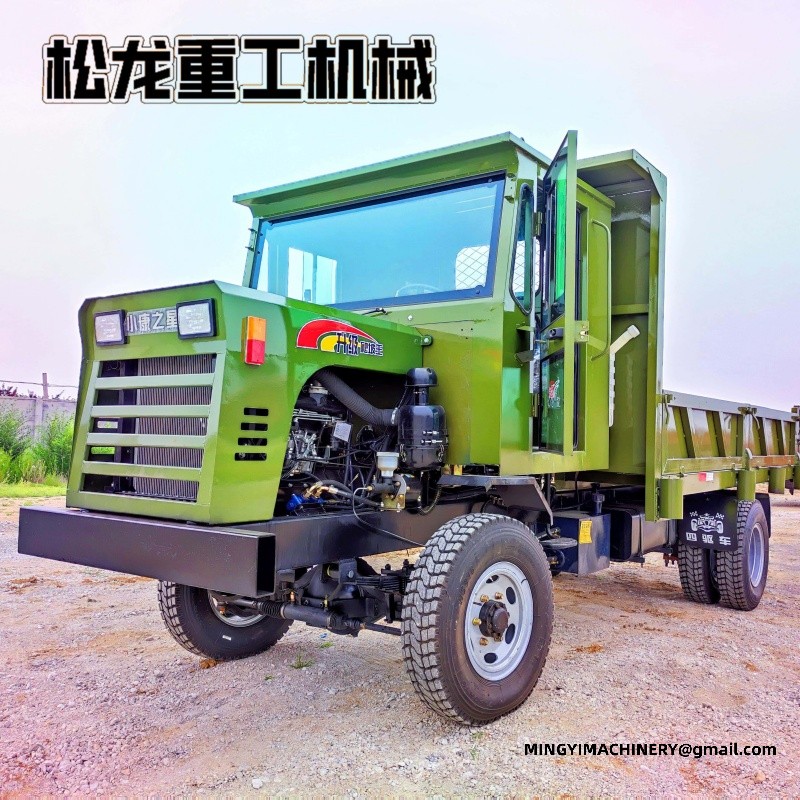
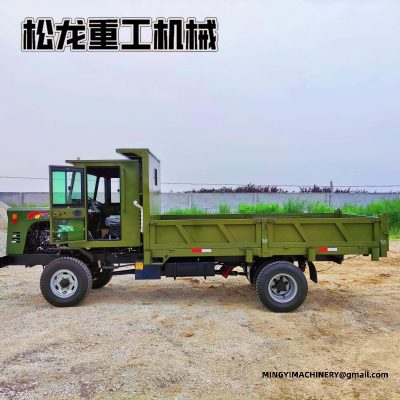
Tyres are the part of an all-terrain machine that meets the ground first, and their condition sets the ceiling on everything else the machine can do. The 700-16 mountain tyres fitted across all four configurations clear mud and loose fill, and they should be checked each morning for cuts in the sidewall, stones caught between the tread bars and pressure that has dropped overnight. A soft tyre flexes, overheats and fails early, and on a loaded vehicle it changes the steering feel enough that a driver notices before the tyre is ruined. Rotating the wheels and keeping pressures even on the axle extends a set noticeably.
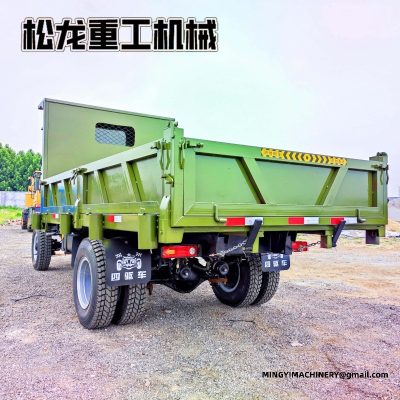
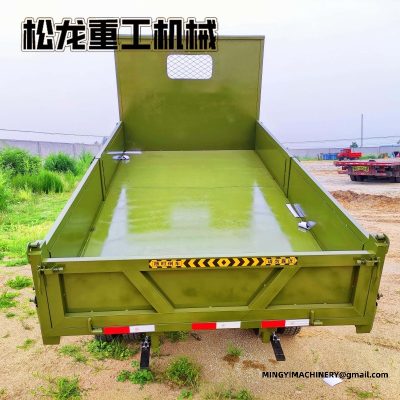
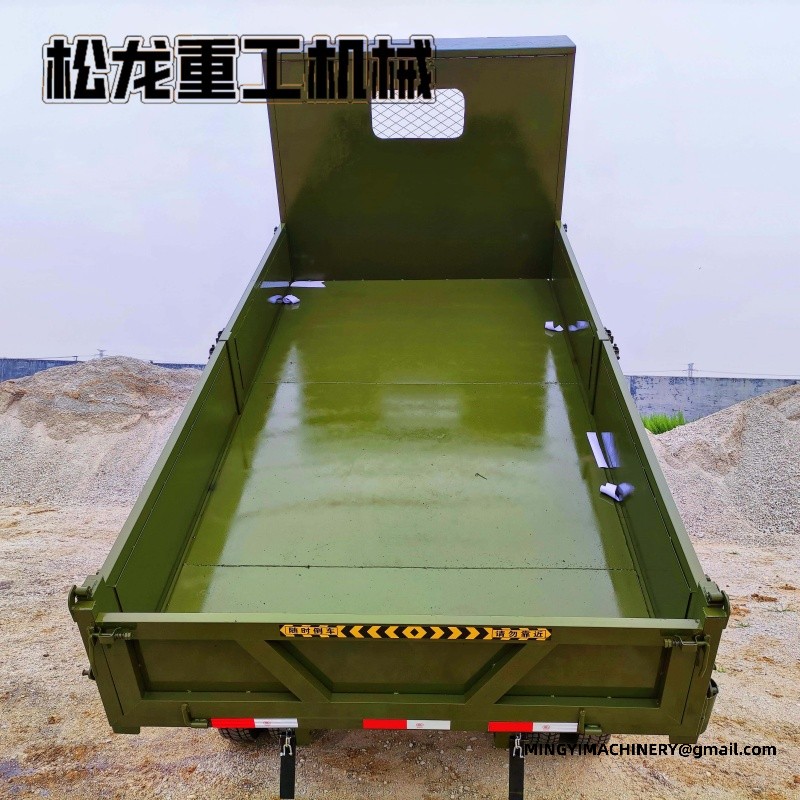
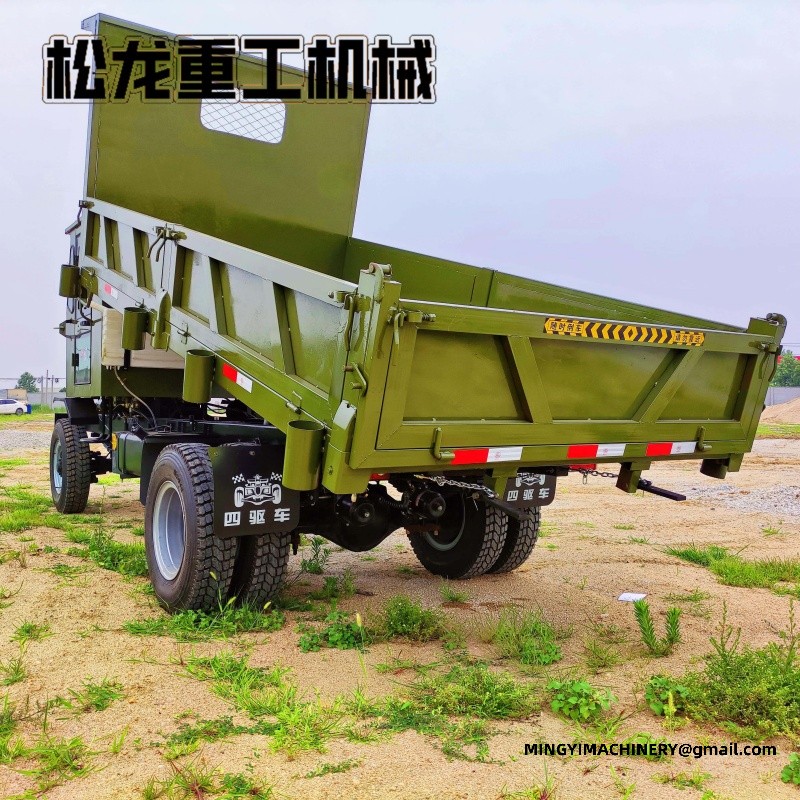
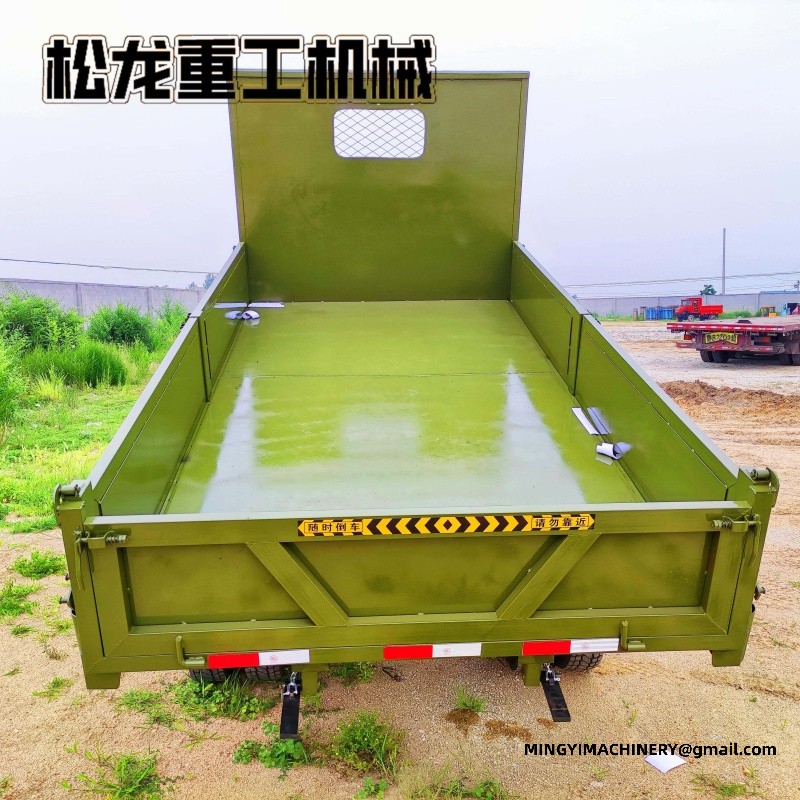
The tailgate and the ram mountings take the most abuse on any tipping machine and are worth a daily glance because both fail gradually. The self-dumping tailgate on every configuration opens as the body rises, and its hinges and latch should stay greased and unbent; the side-opening tailgate on the 11.Luxury and the 5.Luxury adds a hinge that lets the driver place material to one side, and that hinge wants the same attention. The twin rams bolt to the body and frame through mountings that flex on every lift, and a loose bolt there works into an egged hole if it is not caught early.
Twin-battery electric start means the machine will always fire even when one battery has gone soft, but the batteries only hold their charge if the terminals stay clean and tight. On a diesel machine in a dusty yard, the battery is the part most often killed by neglect: corrosion across the posts, a loose clamp that arcs, or a drain left on overnight will flatten a good battery in a season. A wipe of the terminals and a smear of grease on the posts at the monthly service takes a minute and prevents most of the cold-morning faults that are blamed on the starter when they are really the battery.
Hydraulic power steering on every configuration keeps the wheel light when the body is loaded, but the system shares its oil and its habits with the tipping circuit, so the two are checked together. The steering box and the drag links should show no free play at the wheel, because slop in the linkage turns a pothole into a kick through the driver's hands. The cabs range from the simple canopy on the 18.Standard to the fully enclosed cab on the 7.Upgraded, and whichever is fitted, a cracked window or a failed wiper is a safety item to fix before the next shift rather than a comfort item to postpone.
A machine that runs by the hour should be serviced by the hour, and the intervals on these vehicles are simple enough to write on the cab door. The daily check covers oil, water, hydraulic fluid, tyre pressure and a look for leaks. The weekly check adds greasing, battery terminals and gear oil levels. The monthly service adds the filters, the air cleaner and a check of the brake linings. The longer interval, whether it is counted in hundreds of hours or by the season, takes the hydraulic oil, the gearbox and axle oils and a full inspection of the frame and the body mountings.
The walk-around is the highest-value ten minutes in the week, and it works because it is always done in the same order so nothing is skipped. Start at the front and circle the machine: bonnet catch, radiator for dust, engine oil, fan belts, hydraulic reservoir, both rams and their mountings, the tailgate latch, the leaf springs, the brake fluid or the air tank, and finally the tyres as the circle closes. Anything that has changed since yesterday is the thing to investigate, and the habit of looking catches a weeping ram or a fraying hose at the stage where the fix is small.
A new machine needs its first hours treated with a little patience, because the surfaces that run together are still bedding in. For the first period the load should be kept moderate, the engine varied rather than held at one speed, and the tipping circuit cycled gently without slamming the body down on the stops. The first service is the important one: it is where the initial wear metal is drained out with the oil and where the bolts that settle under load are re-torqued, and skipping it stores up trouble that shows up later as a leak or a loose mounting rather than as a fault on the day it should have been caught.
The four configurations split neatly between a light, simple machine and a heavier, busier one, and the choice should follow the workshop as much as the work. A buyer with a basic tool kit and one mechanic is better served by the single-cylinder 11.Luxury, 5.Luxury or 7.Upgraded, where every system is simple and every part is light enough to lift by hand. A buyer running a full workshop and long hours gets more from the 18.Standard, whose four-cylinder 4102 turbocharged engine and reinforced ISUZU-pattern front axle and 1061 rear axle suit a machine that works every day, provided the filters and greasing are kept on schedule.
| # | 11.Luxury | 18.Standard | 5.Luxury | 7.Upgraded |
|---|---|---|---|---|
| 1 | Single-cylinder diesel engine, 32 hp | Four-cylinder 4102 turbocharged diesel engine | Single-cylinder diesel engine, 25 hp | Single-cylinder diesel engine, 28 hp |
| 2 | Part-time gearbox, selectable 2WD/4WD | Model 140 part-time gearbox with four-wheel drive | Part-time gearbox with four-wheel drive | Full-time gearbox with four-wheel drive |
| 3 | High/low range with crawler gear | High/low range with crawler gear | High/low range with crawler gear | High/low range with crawler gear |
| 4 | Enclosed cab | Simple cab | Enclosed cab | Front axle clutch |
| 5 | Six 700-16 mountain tyres | Oil brakes | Six 700-16 mountain tyres | Fully enclosed cab |
| 6 | Model 212 front axle | Six 700-16 mountain tyres | Model 212 front axle | Oil brakes |
| 7 | Model 130 rear axle | Reinforced ISUZU-pattern front axle | Model 130 rear axle | Four 700-16 mountain tyres |
| 8 | Air cut-off brakes | Reinforced 1061 rear axle | Air cut-off brakes | Front axle 212 |
| 9 | Reinforced 60 x 140 mm square tube frame | Reinforced 80 x 180 mm square tube frame | Reinforced 60 x 140 mm square tube frame | Rear axle 130 |
| 10 | Rear body 2.2 m long x 1.5 m wide x 0.45 m high | Rear body 2.2 m long x 2.1 m wide x 0.45 m high | Rear body 2.2 m long x 1.5 m wide x 0.45 m high | Reinforced 60 x 140 mm square tube frame |
| 11 | Tailgate with self-dumping function | Tailgate with self-dumping function | Tailgate with self-dumping function | Rear body 2.2 m long x 1.5 m wide x 0.45 m high |
| 12 | Side-opening rear body tailgate | Hydraulic power steering | Side-opening rear body tailgate | Tailgate with self-dumping function |
| 13 | Hydraulic power steering | Twin hydraulic rams | Hydraulic power steering | Hydraulic power steering |
| 14 | Twin hydraulic rams | Two-person comfort seat | Twin hydraulic rams | Twin hydraulic rams |
| 15 | Two-person comfort seat | Twin-battery electric start | Two-person comfort seat | Two-person comfort seat |
| 16 | Heavy-duty leaf springs | Square-nose bonnet | Heavy-duty leaf springs | Twin-battery electric start |
| 17 | Twin-battery electric start | — | Twin-battery electric start | Square-nose bonnet |
| 18 | Square-nose bonnet | — | Square-nose bonnet | — |
For a specification discussion or a build sheet for this all-terrain transport vehicle, contact mingyimachinery@gmail.com or reach us on LINE (ID: mingyicn).









