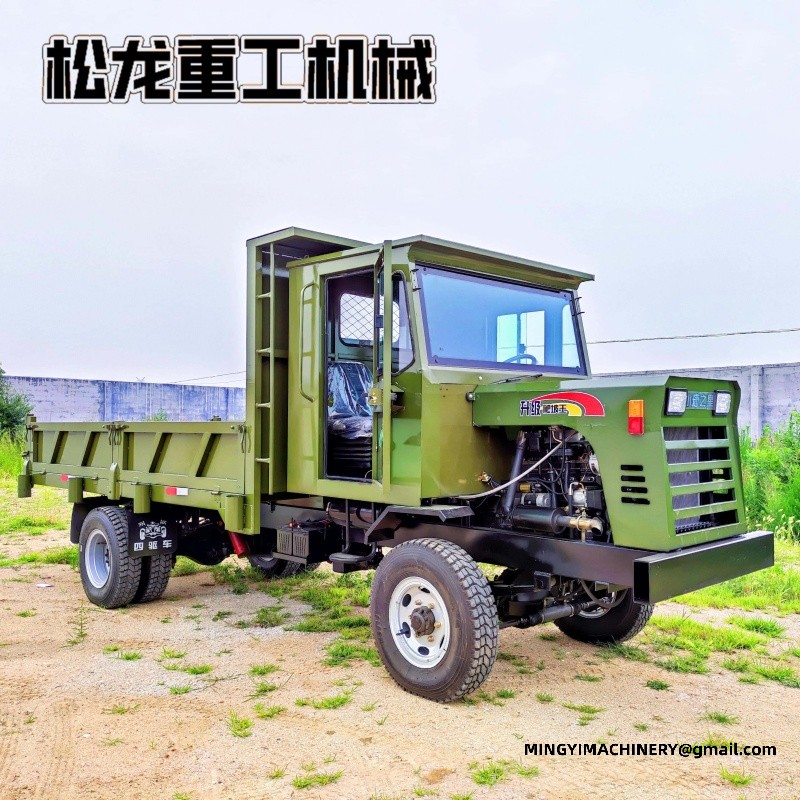
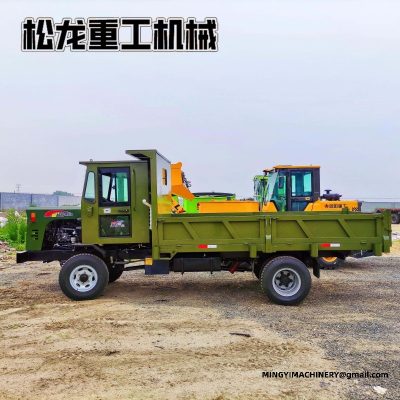
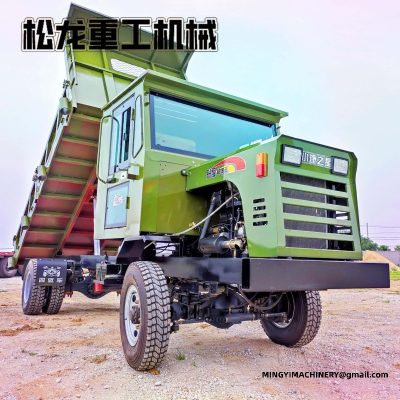
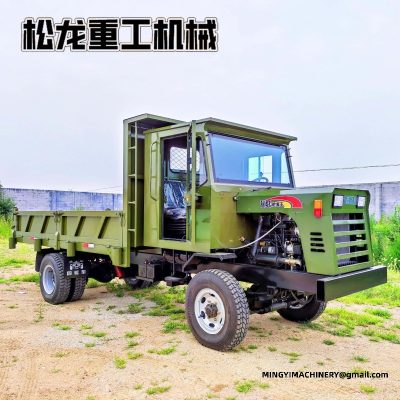
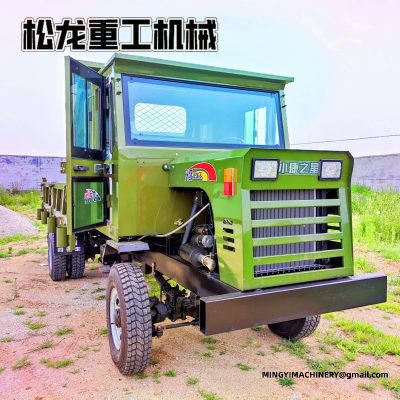
A farm dump truck earns its keep over a full calendar rather than a single job, so it is usually specified the wrong way round. The buyer starts from a headline figure and works down to the farm, when the better route is to start from the ground, the crops and the months and let the machine follow. A Mingyi four-wheel-drive dump truck can be built either way, but only one of them produces a truck that is still the right tool in the second season. This page works through the four configurations and the choices that matter most on a farm.
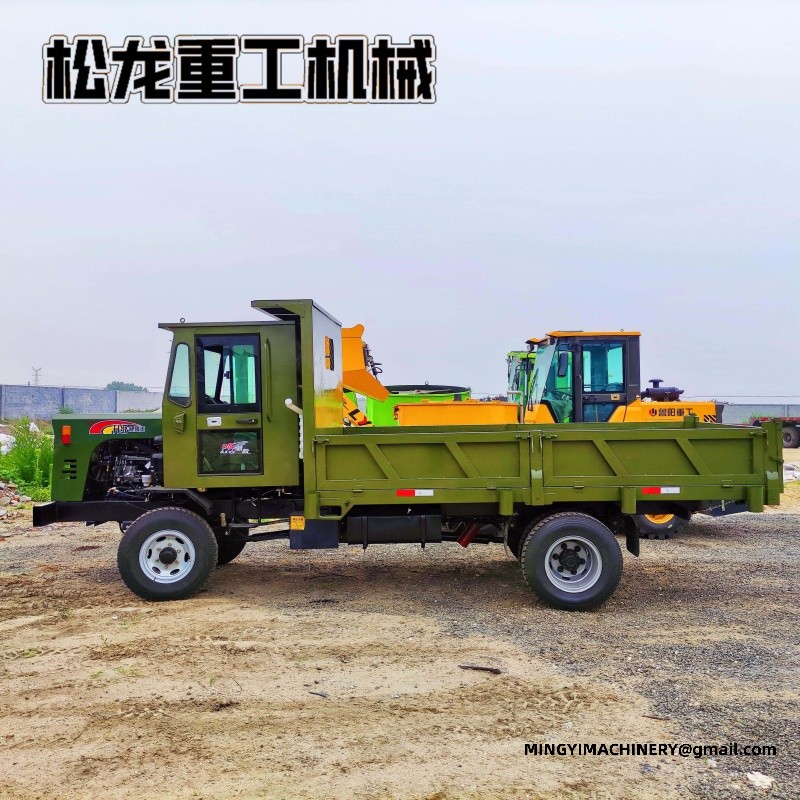
A farm rarely needs one kind of haul all year. The same machine that moves silage in the wet months carries roots at harvest, shifts spoil from a drainage ditch and hauls feed through the winter, and each of those jobs wants a slightly different machine. The practical answer is to pick the one that fits the hardest month and let it cover the easier ones, rather than buying for the average and struggling at the peak. That is why the ground, the crop and the calendar belong in the first enquiry, and why the four configurations below are arranged from light to heavy.
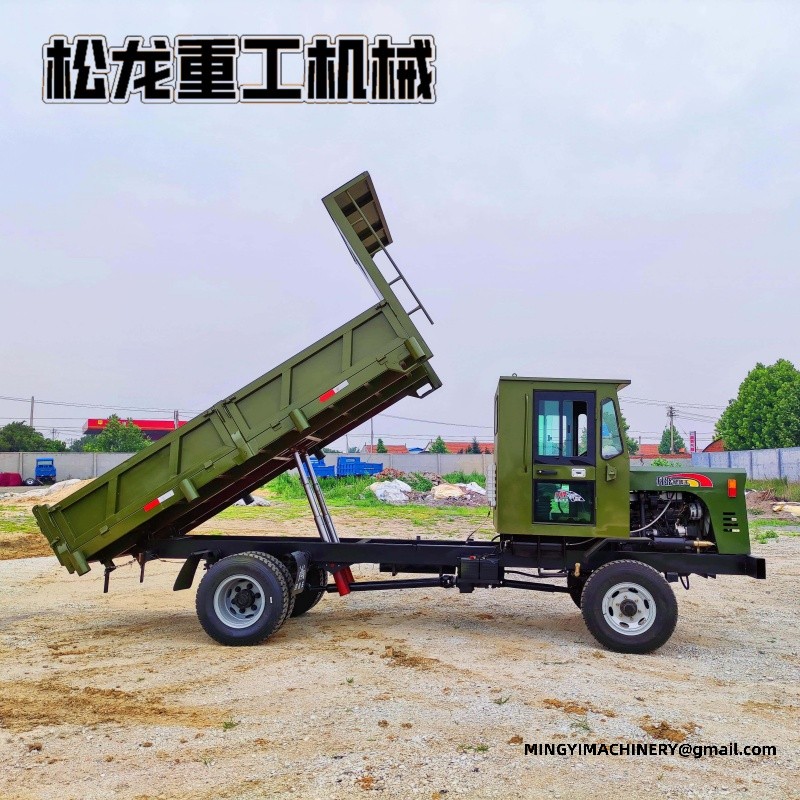
Ground decides more than any other single fact, and it changes with the seasons on most farms. A field that is firm after a dry spell turns soft in the first rain, and a track that carries a tractor all summer can cut up under a loaded body in winter. Before any figure is chosen, the buyer should be able to say what the ground is like in the worst month and what the machine will weigh when it crosses it. That one answer narrows the range to two configurations in most cases, and the remaining choice is about hours rather than traction.
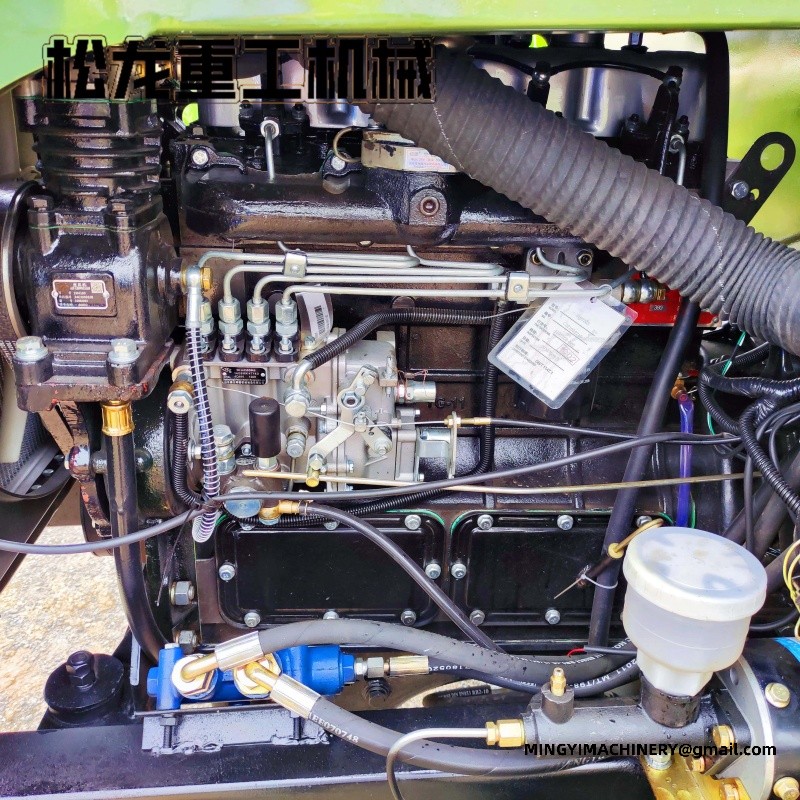
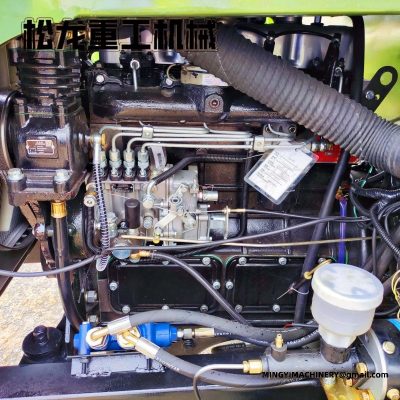
The two single-cylinder machines in the range, at 28 hp and 32 hp, suit a farm whose hauling is short and intermittent, and the two four-cylinder turbocharged builds, the 4102 and the 4105, suit a long run, a real gradient or a body that is full for most of the day. Between them sit the 4108 turbocharged, the 490 and the 4102 turbocharged engines listed on the heavier sheet. Choosing by the busiest week rather than the quietest means the engine is never the thing holding a harvest up, which is the whole point of the exercise.
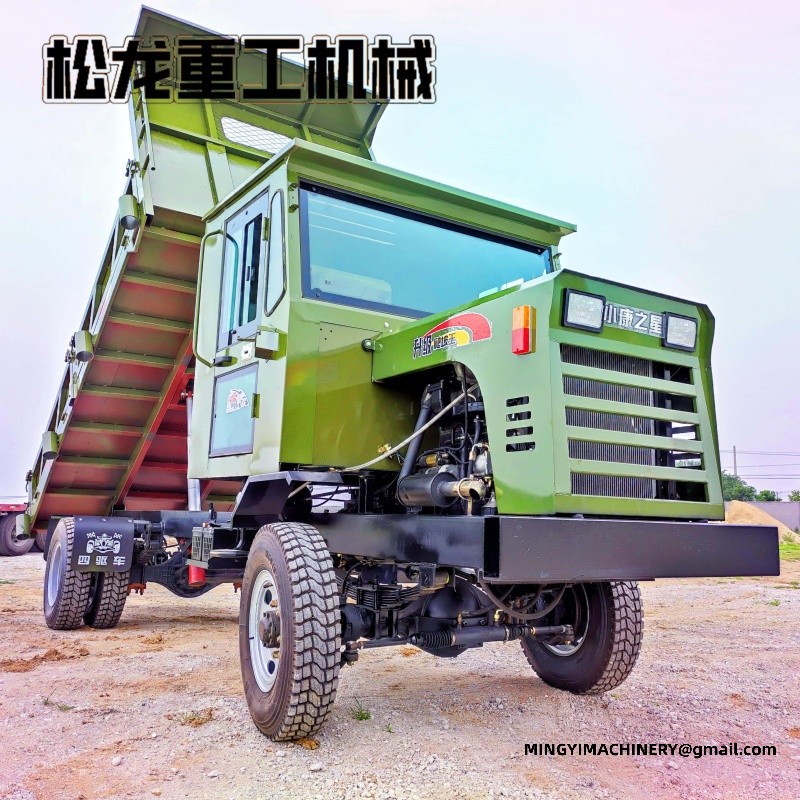
How the drive is delivered matters as much as how much there is. The two single-cylinder machines run a full-time gearbox with four-wheel drive and high and low range with a crawler gear, which keeps both ends working without asking the driver to decide, the right arrangement for a field that is soft all day. The two turbocharged builds use the Model 140 and Model 145 part-time gearboxes with four-wheel drive, so the driver can drop to two-wheel drive on a firm haul road and engage the front only for the work area, which saves the surface and the tyres on a long dry track.
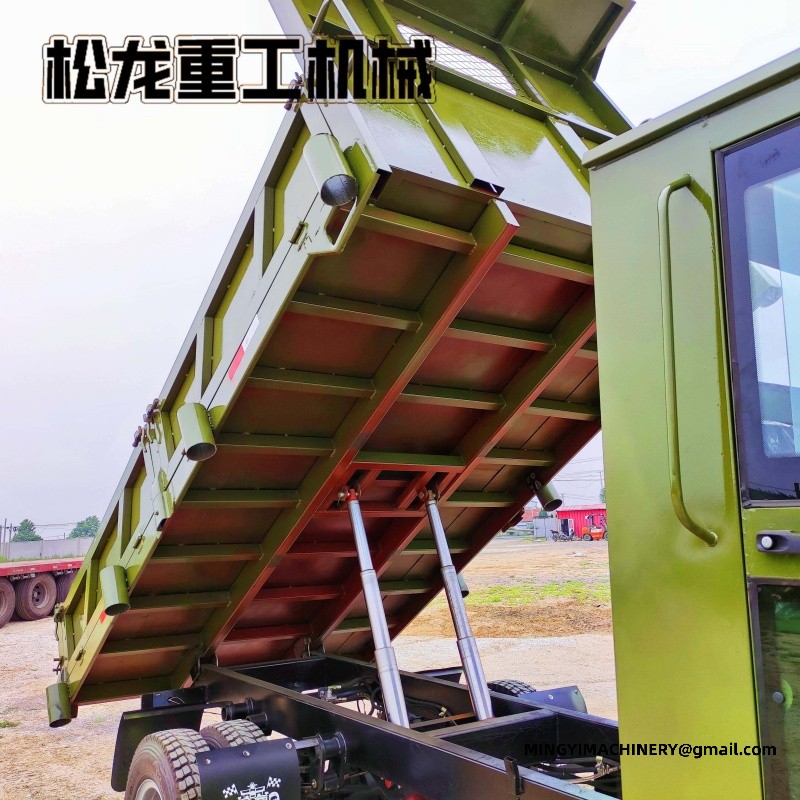
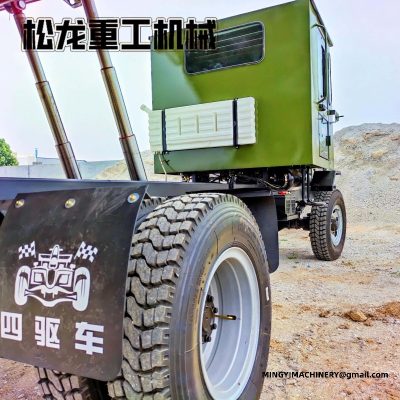
Tyre choice on a farm is as much about the ground the machine leaves behind as the grip it gets. The lighter machines run four 700-16 mountain tyres, a narrow, mud-clearing pattern that suits a soft field without churning a wide strip. The heavier builds carry six 825R16 steel-belted radial tyres, whose larger footprint spreads the weight of a loaded 3.0 m body so a wet paddock is not cut into ruts that have to be levelled afterwards. Sending a photograph of the field in its worst condition is the quickest way to settle which tyre the farm actually needs.
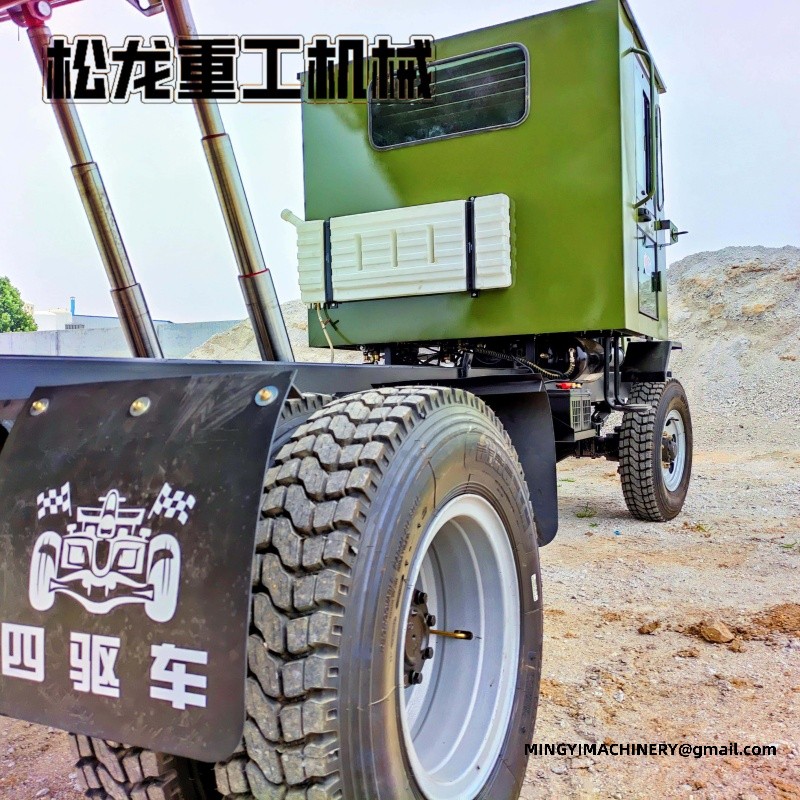
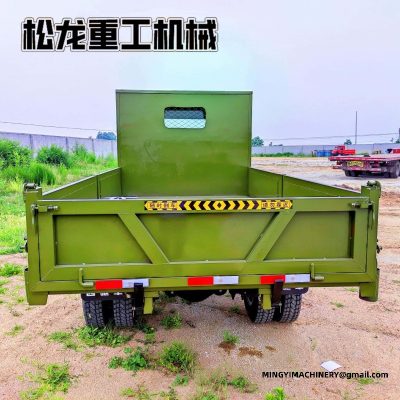
Body size follows the seasons as closely as the engine does. The two lighter configurations use the 2.2 m long by 1.5 m wide rear body, a size that keeps a single-cylinder machine honest on soft ground and fits through a field gate without a second thought. The two heavier builds use the 3.0 m by 2.2 m body, which moves enough silage or roots per cycle to keep a loader busy and cuts the number of passes across the farm. The 0.45 m body depth is common to all four, which keeps the centre of gravity low when the ground is uneven.
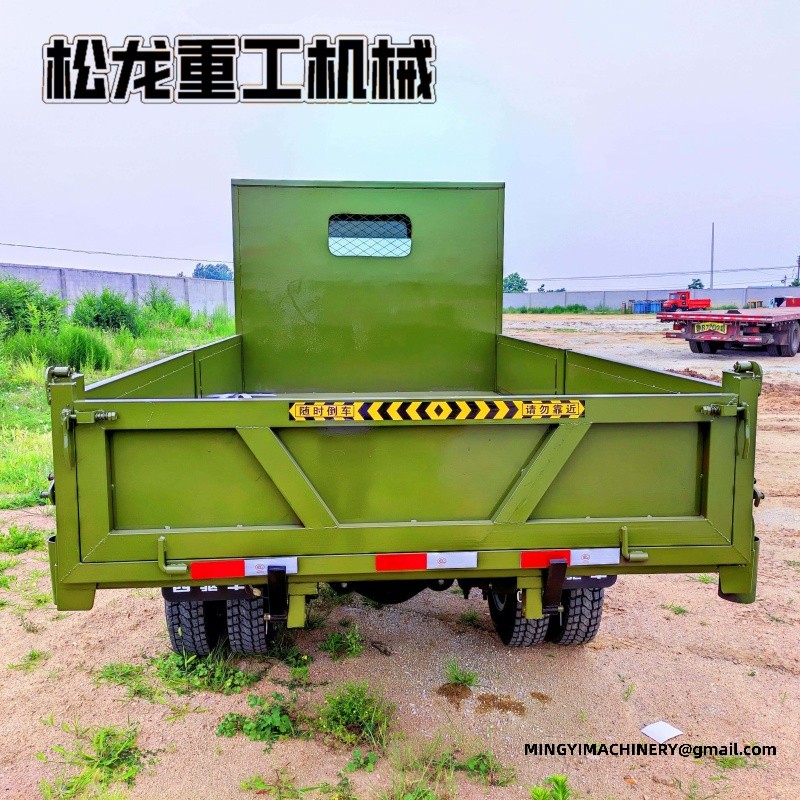
Braking follows the weight. The two single-cylinder machines stop on oil brakes, which is enough for their load on a flat or gently rolling farm. The two turbocharged builds use air cut-off brakes, the arrangement to have when a full 3.0 m body has to be held on a downhill run from a top field or brought to a stop in a gateway. A buyer who hauls downhill with a loaded body should say so plainly in the enquiry, because it is the one fact that reliably moves a machine from the oil-braked column to the air-braked one.
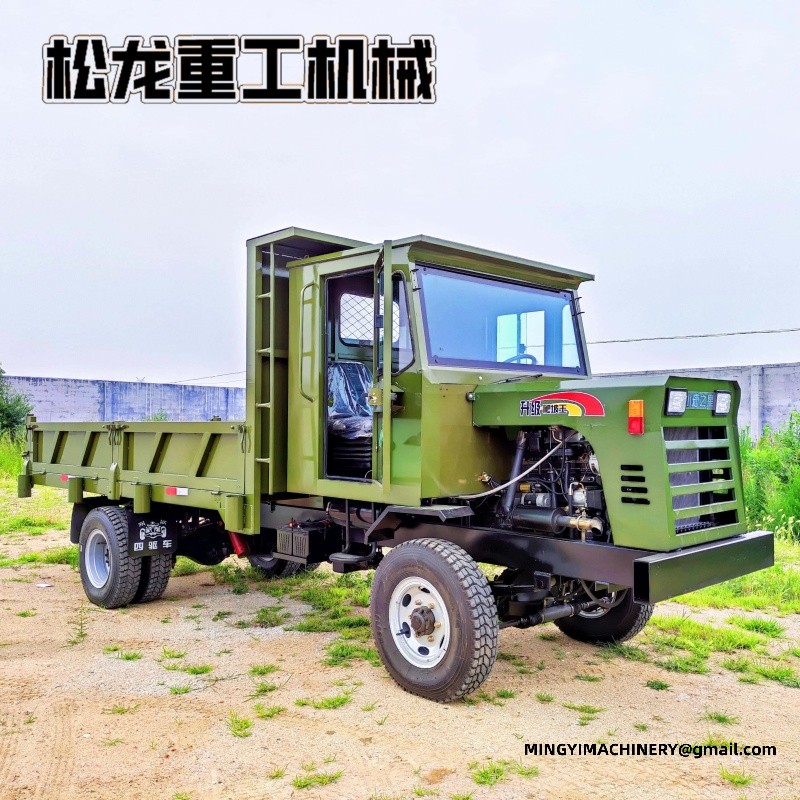
Two frames carry the range. The lighter machines sit on the reinforced 60 x 140 mm square tube frame, and the two heavier turbocharged builds on the reinforced 80 x 180 mm square tube frame. The distinction is not decorative; a frame that flexes under a full body on rough ground passes that movement into the body, the ram mountings and the hinges, and shortens the life of all of them. Matching the frame to the heaviest load the farm will ever move, rather than the lightest, is the simplest insurance there is against a cracked rail.
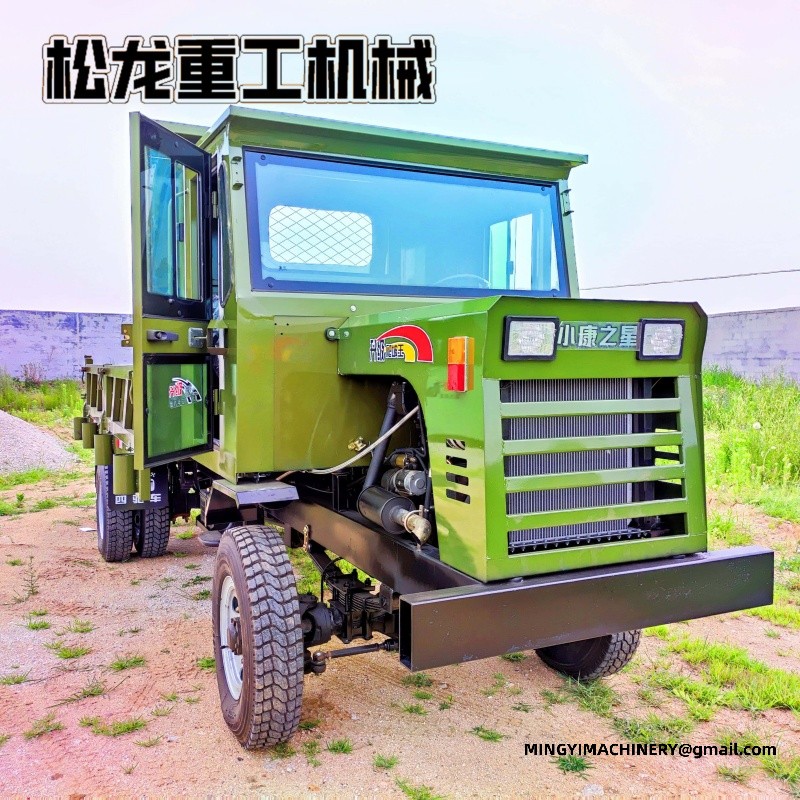
The cab is a working position that has to suit the weather, not a comfort option. The two single-cylinder machines offer a fully enclosed cab on the 28 hp build and a simple cab on the 32 hp standard, while both turbocharged builds carry a fully enclosed cab. On a farm the cab is where a driver sits through the rain, the dust of a dry harvest and the cold of a winter feed run, and an enclosed cab keeps the operator doing the job instead of bracing against the weather. Where hours are short and the climate mild, the simple cab is a reasonable saving.
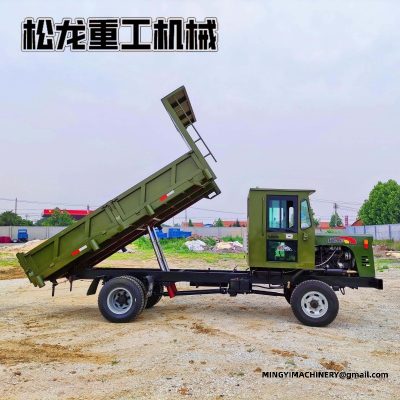
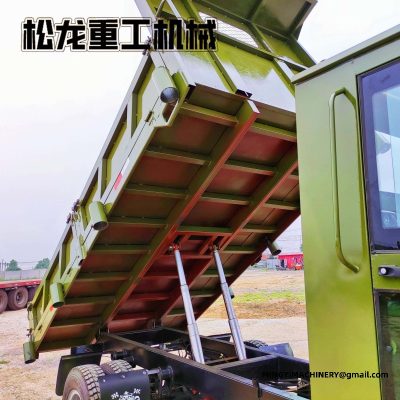
Every configuration lifts its body on twin hydraulic rams and tips through a tailgate with a self-dumping function, so a load starts leaving before the body reaches full height. The two turbocharged builds add a side-opening rear body tailgate with a cab ladder, which lets the driver place material along a fence line or into a trench rather than always in a heap. For spreading feed or bedding along a row of stalls, that side discharge is worth more than any headline figure, because it removes a second pass with a fork or a bucket. The ladder also makes the daily check of the body and the ram mountings a job that actually gets done.
A farm load rarely sits level. Manure, roots or spoil are tipped in by a bucket and settle to one side long before the body is raised, so the twin hydraulic rams on all four configurations are doing more than lifting a tidy heap. Two rams spread the load across the body instead of twisting it through a single point, which is what lets the same machine tip a lopsided load of roots on Monday and a wet load of muck on Friday without the body racking out of square. It is a detail that shows up as straight tailgates and clean hinges after a few seasons.
The parts that wear on a farm dumper are known, and the time to order them is with the machine. Body and ram mounting bushes, hydraulic hoses, brake linings, filters and a spare tyre are the list, and a buyer should find out which of them the local dealer keeps before the machine ships. Clean hydraulic oil and a regular greasing of the ram mounts and the tailgate hinges keep the tipping circuit working for years, and a small weep found early is a hose instead of a machine standing idle in the middle of harvest.
A dump truck is half of a pair, and the cycle belongs to whichever half is slower. Matching the body to the loader bucket is the practical way to size it: a body that takes many buckets to fill keeps the loading machine waiting, and one filled in a single pass is carrying less than it could. Where the buyer knows which tractor or loader will feed the dumper, that fact belongs in the enquiry, because it decides between the 2.2 m body and the 3.0 m body more reliably than any rule of thumb.
The first season tells an owner most of what matters. A walk-around at the start of each shift should cover the body and ram mountings, the hoses, tyre condition and pressures, brake response and fluid levels, and the tailgate latch. The build sheet that travels with the machine records the configuration as delivered, which is what a workshop needs when a part is replaced seasons later. A farm that keeps that sheet and its greasing schedule still runs the same machine years on, while a machine bought blind spends its second season waiting for parts.
| # | 20.Luxury | 22.Luxury | 7.Upgraded | 9.Standard |
|---|---|---|---|---|
| 1 | Four-cylinder 4102 turbocharged diesel engine | Four-cylinder 4105 turbocharged diesel engine | Single-cylinder diesel engine, 28 hp | Single-cylinder diesel engine, 32 hp |
| 2 | Model 140 part-time gearbox with four-wheel drive | Model 145 part-time gearbox with four-wheel drive | Full-time gearbox with four-wheel drive | Full-time gearbox with four-wheel drive |
| 3 | High/low range with crawler gear | High/low range with crawler gear | High/low range with crawler gear | High/low range with crawler gear |
| 4 | Fully enclosed cab | Fully enclosed cab | Front axle clutch | Simple cab |
| 5 | Six 825R16 steel-belted radial tyres | Six 825R16 steel-belted radial tyres | Fully enclosed cab | Oil brakes |
| 6 | Reinforced ISUZU-pattern front axle | Reinforced ISUZU-pattern front axle | Oil brakes | Four 700-16 mountain tyres |
| 7 | Reinforced 1080 rear axle | Reinforced 1080 rear axle | Four 700-16 mountain tyres | Front axle 212 |
| 8 | Air cut-off brakes | Air cut-off brakes | Front axle 212 | Rear axle 130 |
| 9 | Reinforced 80 x 180 mm square tube frame | Reinforced 80 x 180 mm square tube frame | Rear axle 130 | Reinforced 60 x 140 mm square tube frame |
| 10 | Rear body 3.0 m long x 2.2 m wide x 0.45 m high | Rear body 3.0 m long x 2.2 m wide x 0.45 m high | Reinforced 60 x 140 mm square tube frame | Rear body 2.2 m long x 1.5 m wide x 0.45 m high |
| 11 | Tailgate with self-dumping function | Tailgate with self-dumping function | Rear body 2.2 m long x 1.5 m wide x 0.45 m high | Tailgate with self-dumping function |
| 12 | Side-opening rear body tailgate with cab ladder | Side-opening rear body tailgate with cab ladder | Tailgate with self-dumping function | Hydraulic power steering |
| 13 | Hydraulic power steering | Hydraulic power steering | Hydraulic power steering | Twin hydraulic rams |
| 14 | Twin hydraulic rams | Twin hydraulic rams | Twin hydraulic rams | Two-person comfort seat |
| 15 | Two-person comfort seat | Two-person comfort seat | Two-person comfort seat | Twin-battery electric start |
| 16 | Heavy-duty thickened leaf springs | Heavy-duty leaf springs | Twin-battery electric start | Square-nose bonnet |
| 17 | Twin-battery electric start | Twin-battery electric start | Square-nose bonnet | — |
| 18 | Square-nose bonnet | Square-nose bonnet | — | — |
| 19 | Four-cylinder 4105 turbocharged | — | — | — |
| 20 | Four-cylinder 4108 turbocharged | — | — | — |
| 21 | Single-cylinder engine, 25 hp | — | — | — |
| 22 | Single-cylinder engine, 28 hp | — | — | — |
| 23 | Single-cylinder engine, 32 hp | — | — | — |
| 24 | Two-cylinder engine, 38 hp | — | — | — |
| 25 | Four-cylinder 490 engine | — | — | — |
| 26 | Four-cylinder 4102 turbocharged engine | — | — | — |
For a specification discussion or a build sheet for this all-terrain dump truck, contact mingyimachinery@gmail.com or reach us on LINE (ID: mingyicn).









