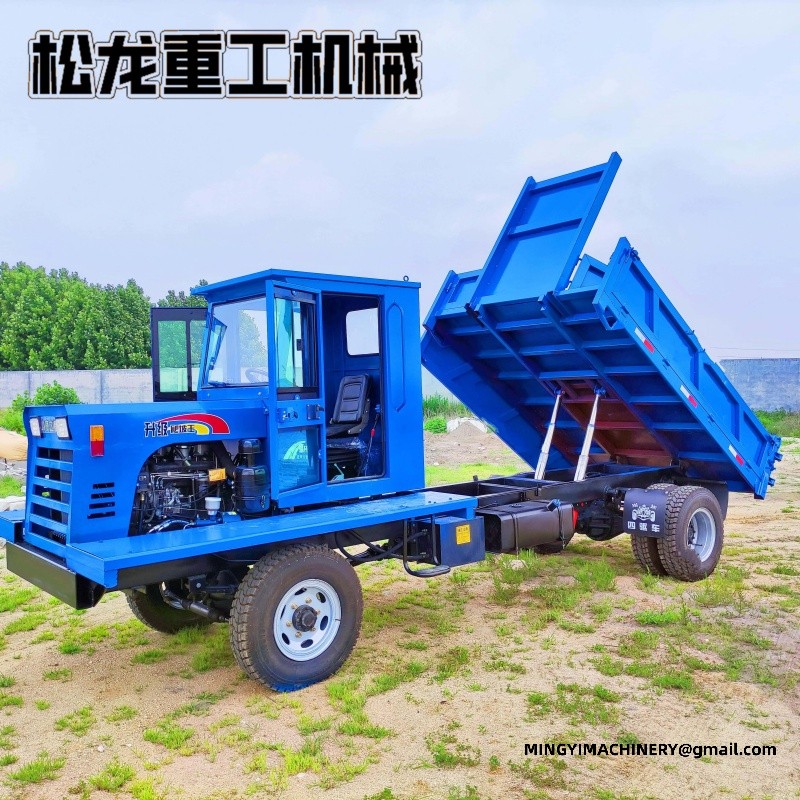
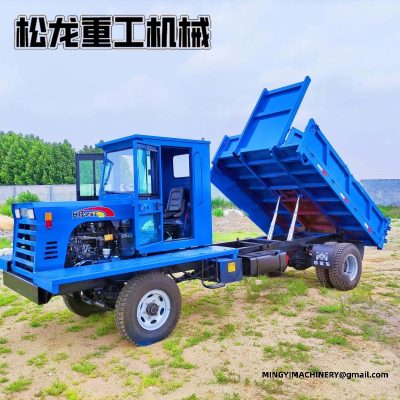
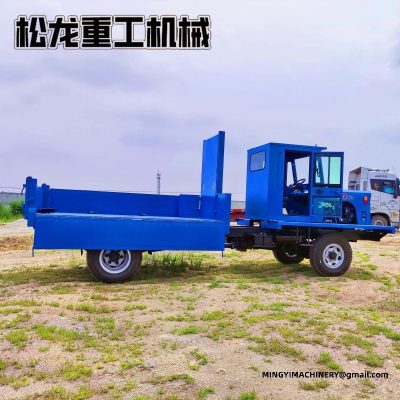
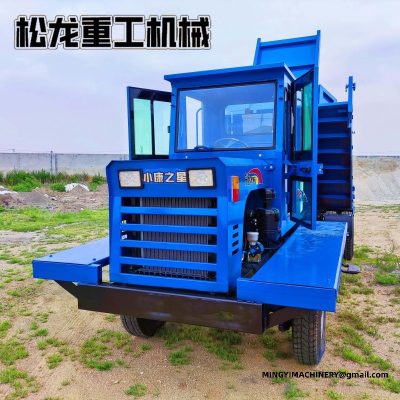
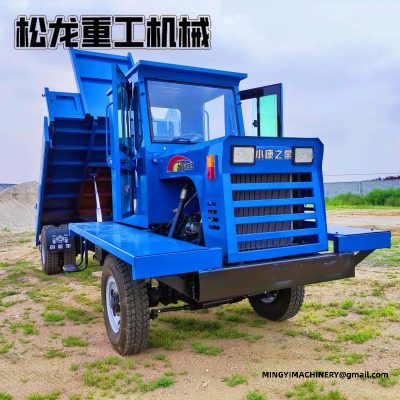
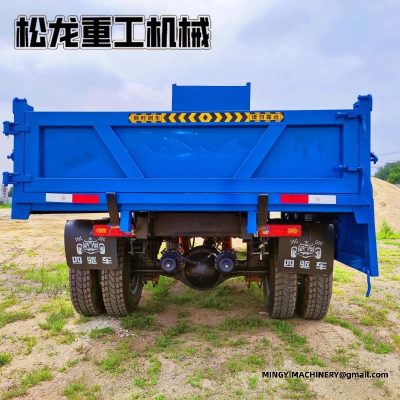
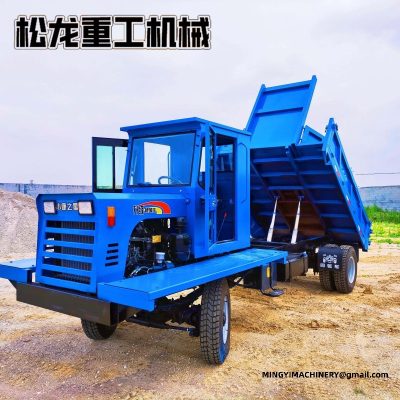
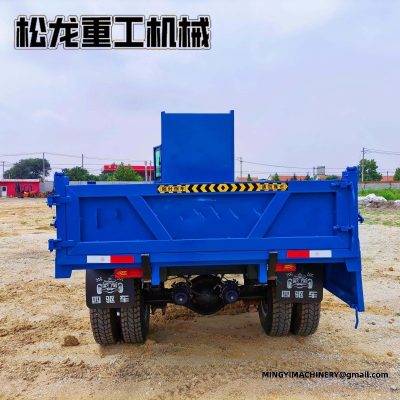
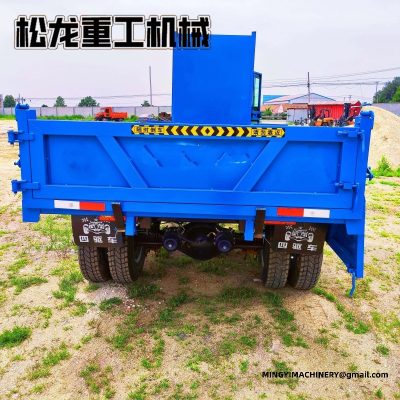
Every the dumper leaves the shop configured for a particular buyer. This page explains the choices that configuration involves, covering frame, power, running gear, cab and attachments, and what each one means once the machine is on site.
Quarry and tunnel work is hard on vehicles. Abrasive dust, sharp material and continuous loading mean this class of machine in this duty needs attention to filtration, body wear and brake condition far more often. Size matters underground. Overall height and width decide whether the unit in daily use can work in a tunnel at all, and those dimensions are the first thing to confirm rather than the last. Haul cycles in a quarry are short and repetitive. A machine of this size specified for that pattern benefits from a body that dumps cleanly and quickly, because the time saved per cycle is the whole allowance.
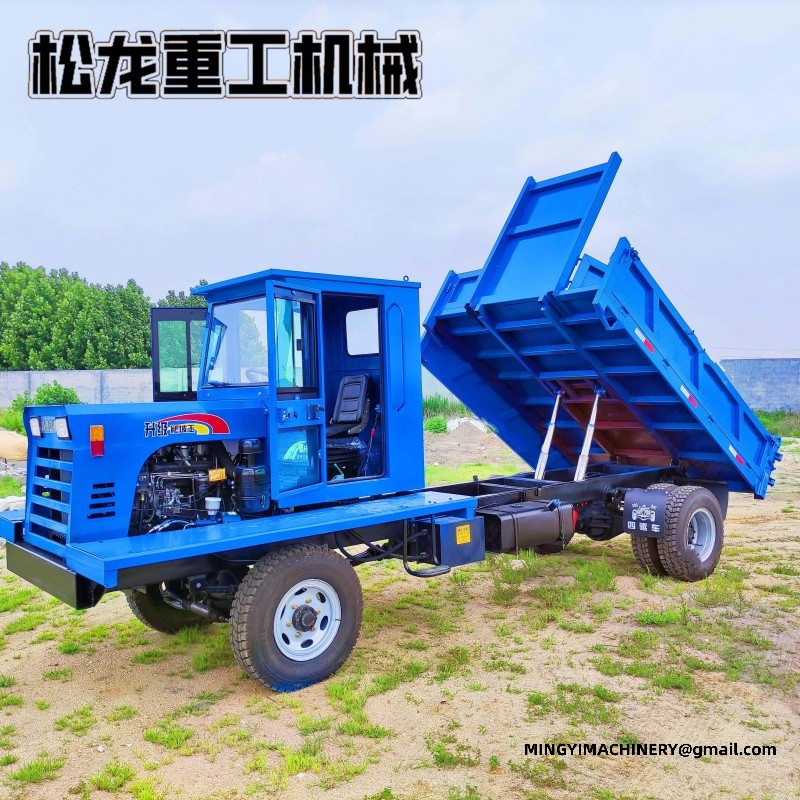
Descending matters as much as climbing. A loaded the equipment on site on a steep gradient needs engine braking and brakes in good order, and the safe practice is to plan the descent before the load rather than during it.
Fuel is usually the largest controllable running demand. Operating style, correct tyre or track condition and a clean air supply all move consumption on the machine itself by more than most buyers expect. Consumption is best measured over a full week rather than judged per hour. Idle time, repositioning and waiting for other trades are often the largest share of the fuel the model in question burns on a site. Planning the work to reduce empty movement is free. Fewer repositioning cycles on the machine in that duty means less fuel, less wear on the undercarriage or tyres and more of the shift spent on productive work.
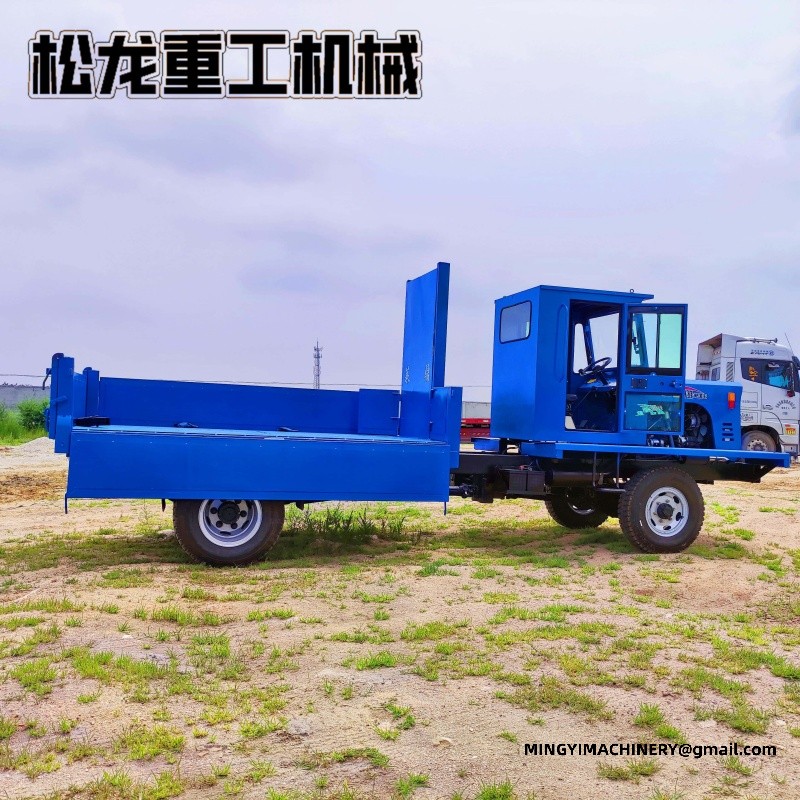
Four-wheel drive is only part of soft ground capability. Tyre choice, ground clearance and weight distribution decide whether the unit on the job keeps moving in a paddy field or a marsh, and all three are specified rather than assumed. Soft ground punishes the wrong tyre. Mountain pattern tyres on a machine built for the work clear mud that a road pattern would pack with, and the difference is measured in whether the machine finishes the day. Recovering a stuck vehicle takes longer than preventing it. Planning the route, avoiding the worst ground and knowing where the equipment in service will turn is what keeps a soft-ground job productive.
Lead time is part of the specification. Confirming build time, shipping method and what is included before ordering the dumper prevents the common gap between when the machine is needed and when it can arrive.
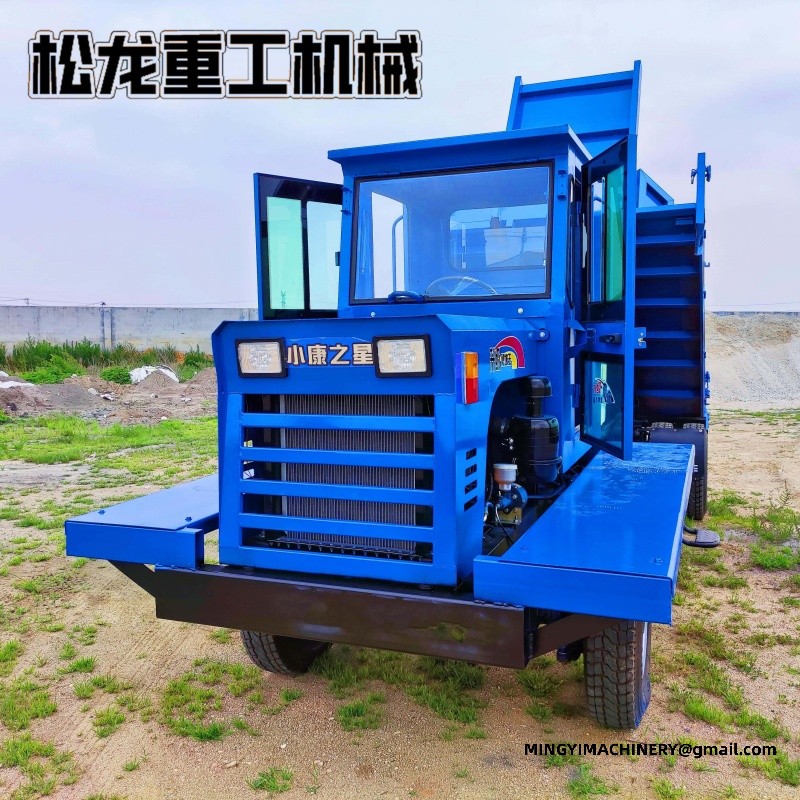
The base machine is only as useful as the tool on the end of it. Matching the attachment to the task - rather than to what arrived with the machine - is what lets one this class of machine cover several jobs across a week. Attachment decisions are best made before delivery. Specifying hydraulics and couplers at build time is simpler than adding them later, and it avoids the downtime of a workshop visit in the first month.
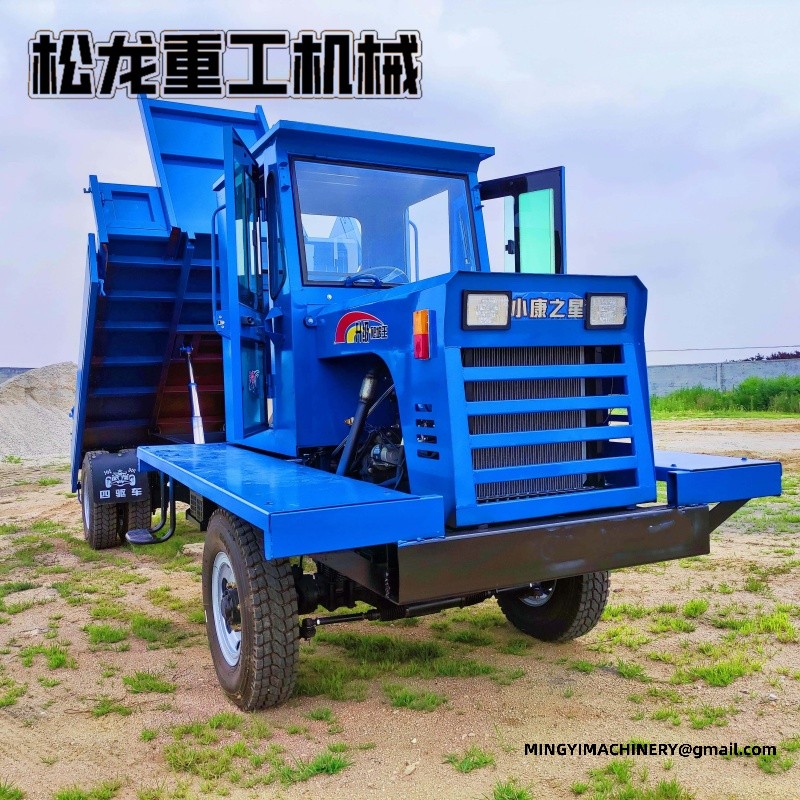
Replacement timing is a planning decision. Knowing the intended working life of the unit in daily use lets an owner sell while the machine still has value rather than after a major repair becomes due.
Owners who work across several sites should check the transport dimensions before ordering. A machine of this size that fits a standard trailer can be moved by any operator with a suitable vehicle, while an over-width machine narrows that choice and complicates every move. Shipping dimensions matter as much on export orders as they do locally. Confirming the packed size of the equipment on site before booking avoids re-booking freight after the machine is built.
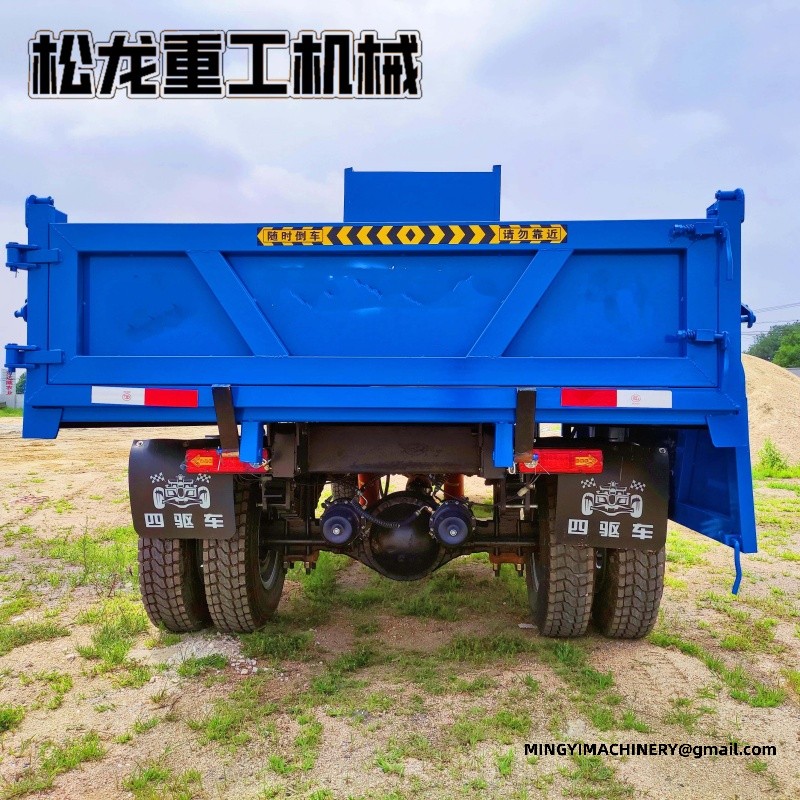
Certain parts are designed to be consumed. Knowing which items on the model in question are wearing parts, and roughly how long they last in the duty the machine sees, turns replacement into a plan rather than a breakdown.
The specification should be written from the job backwards. Listing the loads, the ground and the hours first, then matching the unit on the job to that list, avoids buying capacity the work never uses and avoids discovering a shortfall in the first week.
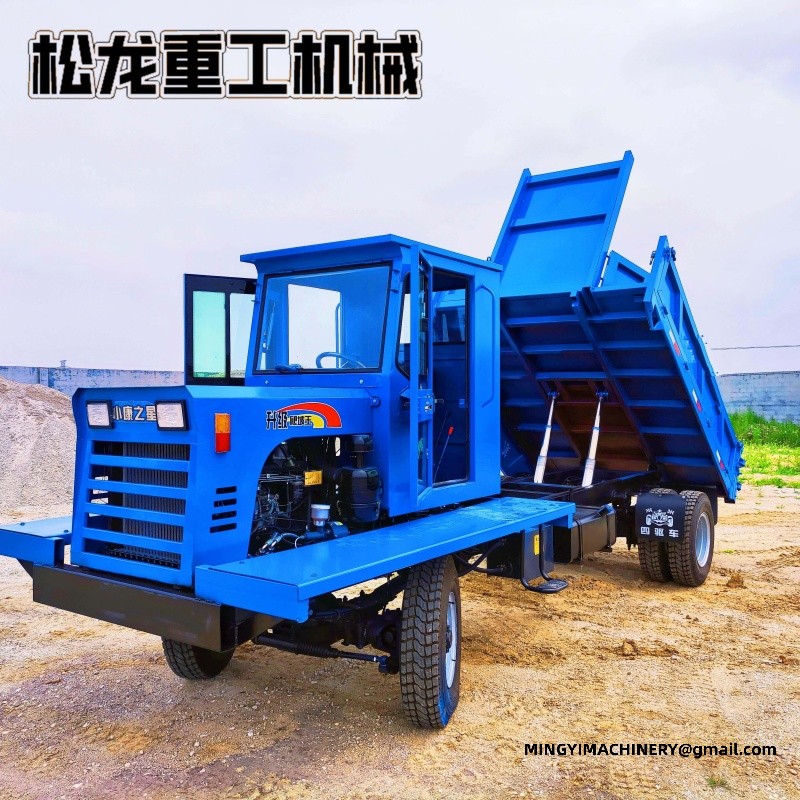
Most failures start as something small that a walk-around would have caught. Fluid levels, belt tension, tyre or track condition and any fresh leak are the items worth two minutes at the start of each shift on the equipment in service. Service intervals exist because wear is predictable. Following the maker schedule on the dumper takes far less time than repairing the damage that follows a missed oil change or a filter left in place past its life. A simple log helps. Recording hours, fuel and any adjustment made to this class of machine gives the workshop a history, and that history is what turns an intermittent fault into a one-visit repair instead of three.
Parts availability usually decides the engine and the brand. A machine built around components the local network already carries is serviced from stock, which is the difference between a day lost and a week lost. Remote diagnosis shortens most faults. A walk-around on video with the panels open often identifies the cause on a machine of this size without waiting for a visit, and avoids shipping a part that turns out not to be needed.
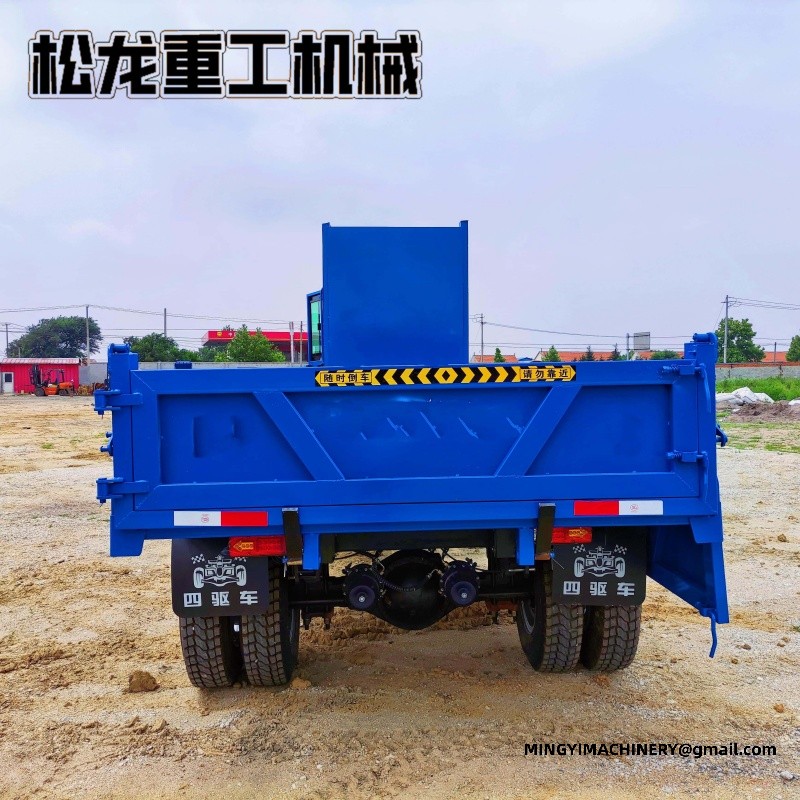
Familiarisation should cover the limits as well as the controls. Knowing where the equipment on site loses stability, how it behaves at full reach, and what the warning lights mean prevents the incidents that are put down to bad luck.
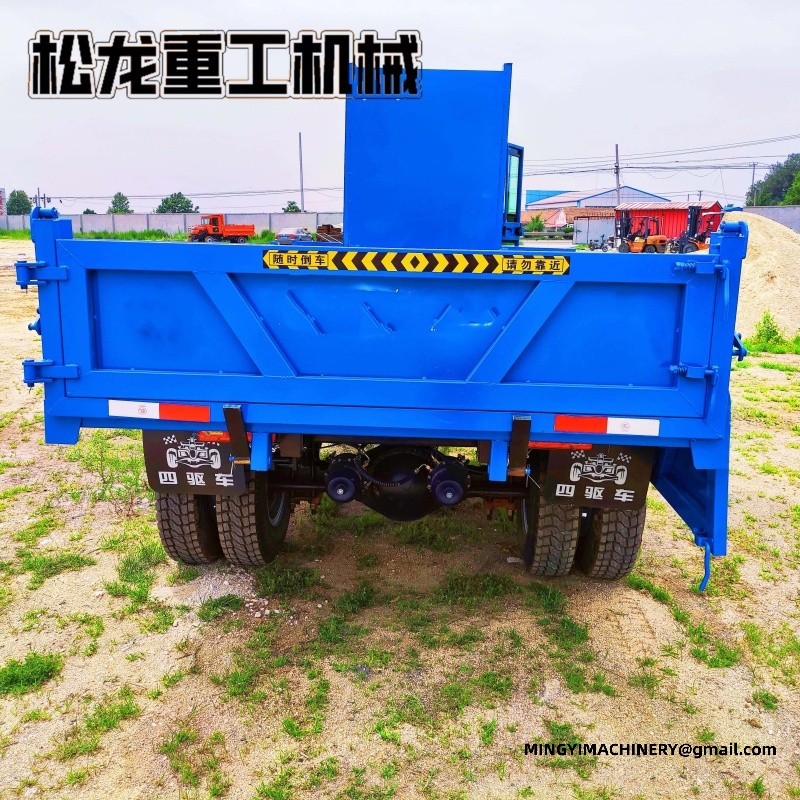
The configurations below are the build sheets most often matched to the model in question. Engine, gearbox, axles, frame and body dimensions are confirmed together, because the body size and the axle rating have to suit the load before the engine rating matters.
| # | 10.Upgraded | 13.Upgraded | 7.Upgraded | 9.Standard |
|---|---|---|---|---|
| 1 | Single-cylinder diesel engine, 32 hp | Two-cylinder diesel engine, 38 hp | Single-cylinder diesel engine, 28 hp | Single-cylinder diesel engine, 32 hp |
| 2 | Full-time gearbox with four-wheel drive | Full-time gearbox with four-wheel drive | Full-time gearbox with four-wheel drive | Full-time gearbox with four-wheel drive |
| 3 | High/low range with crawler gear | High/low range with crawler gear | High/low range with crawler gear | High/low range with crawler gear |
| 4 | Front axle clutch | Front axle clutch | Front axle clutch | Simple cab |
| 5 | Fully enclosed cab | Fully enclosed cab | Fully enclosed cab | Oil brakes |
| 6 | Oil brakes | Oil brakes | Oil brakes | Four 700-16 mountain tyres |
| 7 | Four 700-16 mountain tyres | Four 700-16 mountain tyres | Four 700-16 mountain tyres | Front axle 212 |
| 8 | Front axle 212 | Front axle 212 | Front axle 212 | Rear axle 130 |
| 9 | Rear axle 130 | Rear axle 130 | Rear axle 130 | Reinforced 60 x 140 mm square tube frame |
| 10 | Reinforced 60 x 140 mm square tube frame | Reinforced 60 x 140 mm square tube frame | Reinforced 60 x 140 mm square tube frame | Rear body 2.2 m long x 1.5 m wide x 0.45 m high |
| 11 | Rear body 2.2 m long x 1.5 m wide x 0.45 m high | Rear body 2.2 m long x 1.5 m wide x 0.45 m high | Rear body 2.2 m long x 1.5 m wide x 0.45 m high | Tailgate with self-dumping function |
| 12 | Tailgate with self-dumping function | Tailgate with self-dumping function | Tailgate with self-dumping function | Hydraulic power steering |
| 13 | Hydraulic power steering | Hydraulic power steering | Hydraulic power steering | Twin hydraulic rams |
| 14 | Twin hydraulic rams | Twin hydraulic rams | Twin hydraulic rams | Two-person comfort seat |
| 15 | Two-person comfort seat | Two-person comfort seat | Two-person comfort seat | Twin-battery electric start |
| 16 | Twin-battery electric start | Twin-battery electric start | Twin-battery electric start | Square-nose bonnet |
| 17 | Square-nose bonnet | Round-nose bonnet | Square-nose bonnet | — |
Downtime is simplest when it is planned. Booking the service for the unit on the job in the quiet part of the season takes nothing from the schedule, while the same work in the busy weeks gives up a day of output every time.
Export packing is part of the machine, not an afterthought. The equipment in service is blocked and braced inside the container so that it arrives in the same condition it left, and the load plan is decided by the dimensions rather than by what fits loosely.
Documentation should match the machine that was actually built. The sheet supplied with this class of machine records the configuration as delivered, because the generic catalogue description is not what the customer needs when ordering a part.
The battery and the fuel are the first things to suffer in storage. Preparing a machine of this size properly at the start of the idle period avoids the flat battery and the contaminated tank that greet an unprepared machine.
Familiarisation is not the same as reading the manual. Sitting on the machine itself, working through the controls at low speed and learning where the machine balances takes an hour, and that hour is what keeps the first week uneventful.
Humidity attacks the parts that are not used. Storage in a damp climate means the machine in that duty needs the exposed metal protected and the machine run regularly, because standing still does more damage than working.
Securing the load is not optional. Lashing a machine built for the work at the points intended for it, checking the tension before the vehicle moves and rechecking after the first kilometres is standard practice rather than extra care.
Every line above is a build item rather than an optional extra, and the final sheet for the equipment in service is confirmed against the destination, the ground and the load before production.
E-mail:sales@mingycn.com
LINE(ID):mingyicn









