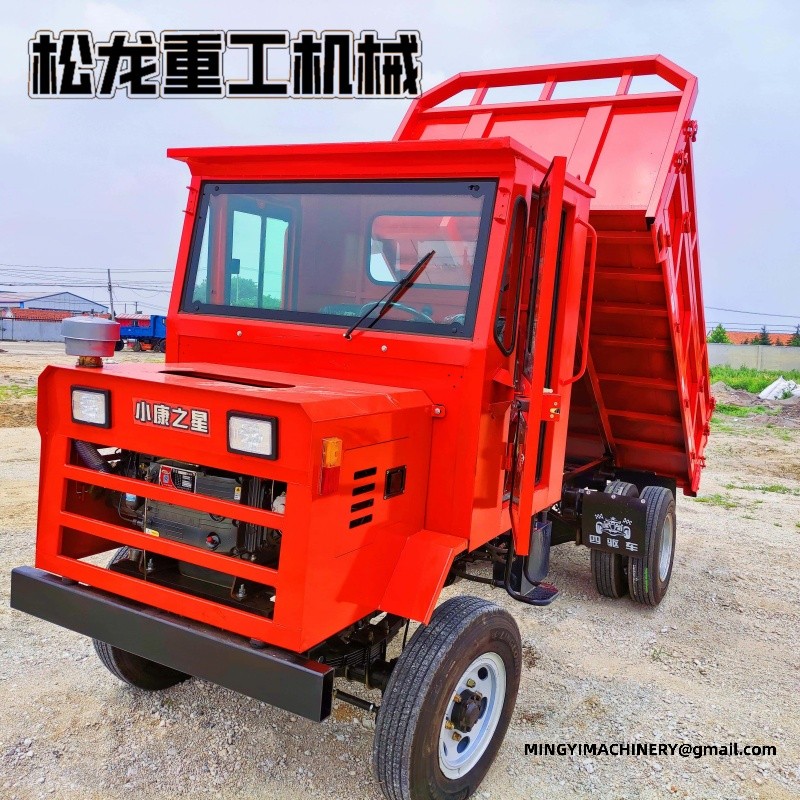
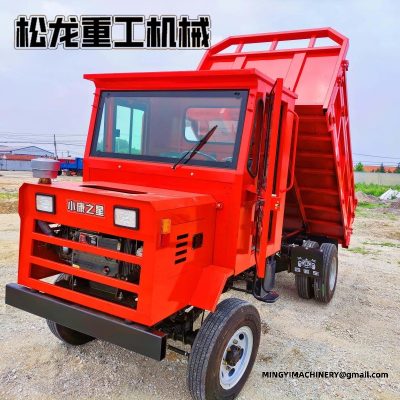
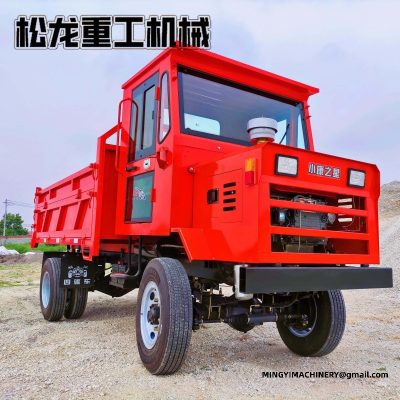
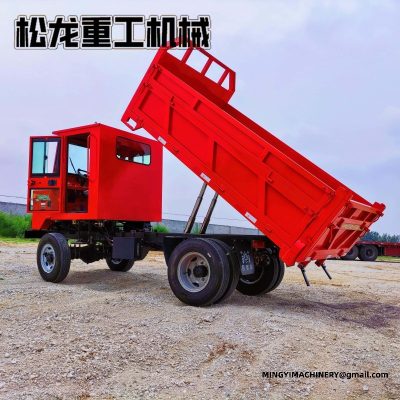
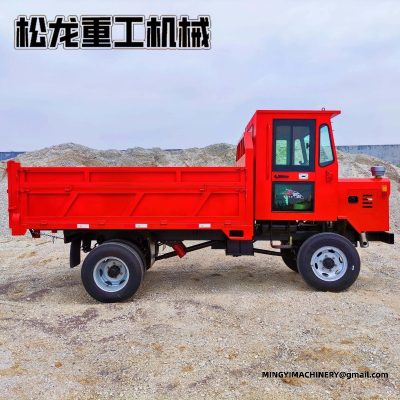
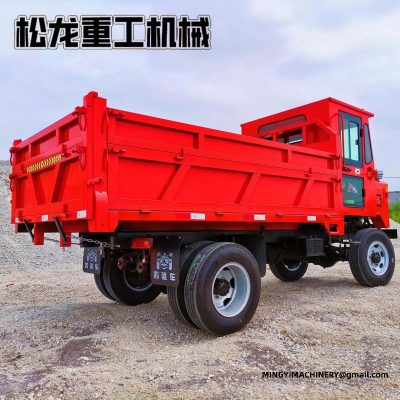
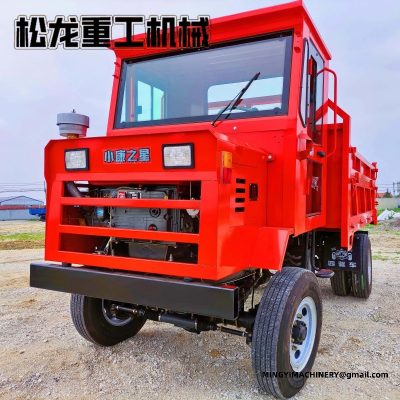
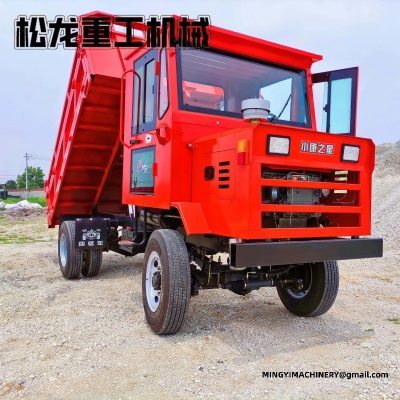
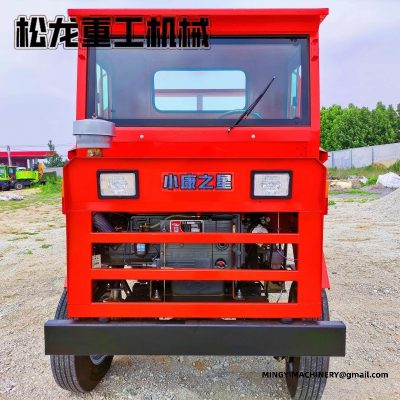
The dumper is built for the work that fills the calendar rather than the work that looks impressive. This page sets out what the machine does, where it fits and what to settle before ordering, so the specification can be matched to the job instead of guessed at.
Four-wheel drive is only part of soft ground capability. Tyre choice, ground clearance and weight distribution decide whether this class of machine keeps moving in a paddy field or a marsh, and all three are specified rather than assumed. Soft ground punishes the wrong tyre. Mountain pattern tyres on the unit in daily use clear mud that a road pattern would pack with, and the difference is measured in whether the machine finishes the day. Recovering a stuck vehicle takes longer than preventing it. Planning the route, avoiding the worst ground and knowing where the a machine of this size will turn is what keeps a soft-ground job productive.
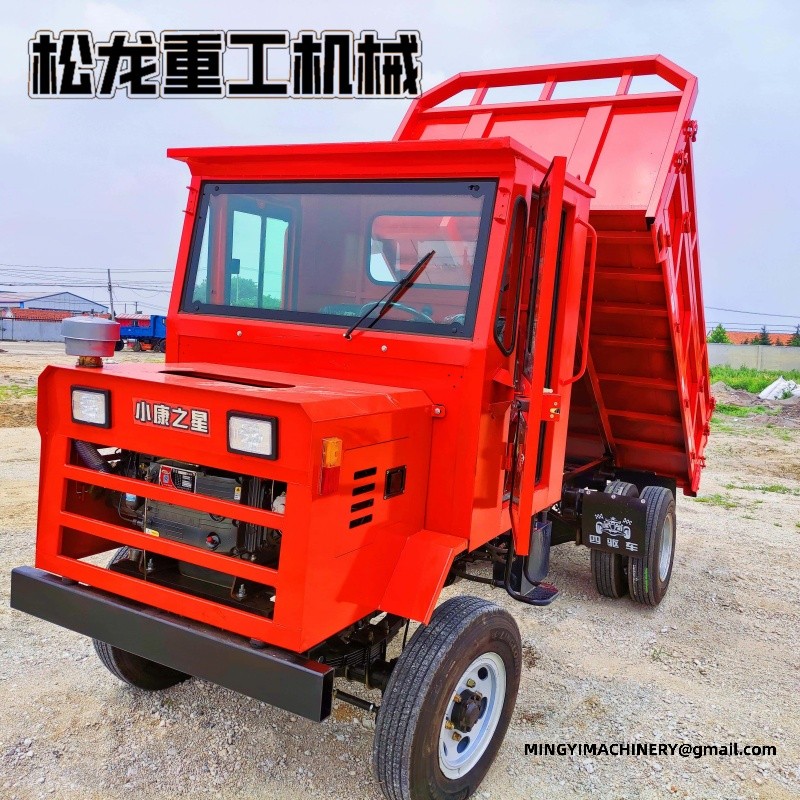
Reconfiguration can extend the useful life of a machine. The equipment on site that no longer suits the current work may suit it again with a different attachment, guarding or control arrangement. Upgrades should be checked against the base machine. Hydraulic capacity, mounting interface and stability all limit what can reasonably be added to the machine itself, and confirming those limits avoids an unsatisfactory result.
Duty cycle is the honest measure of a machine. The model in question working a few hours a week has different needs from one working two shifts, and the cooling, filtration and service intervals should follow the hours rather than the calendar. Seasonal work changes the maintenance calendar. Machines that work hard for two months and stand for ten need preparation before storage and a check before returning to work, and both are simpler than the repairs they prevent. Hour planning helps at resale as well. The machine in that duty with a recorded service history and a sensible hour count is easier to sell than one with the same hours and no records, whatever its condition.
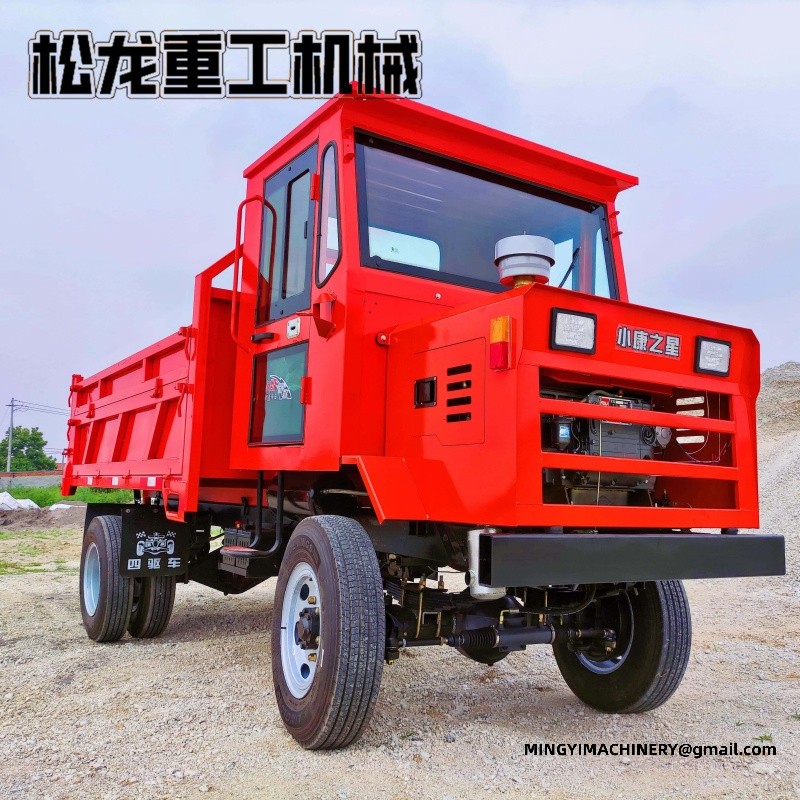
Most incidents around machinery come from the space rather than the machine. Exclusion zones, a clear signal person and a check on what is behind the machine built for the work before it moves cover the large majority of the risk on a working site. Slopes and edges deserve a separate check. The unit on the job that is stable on level ground behaves differently across a gradient, and the safe working angle is a number worth knowing rather than estimating.
Machine productivity depends on what happens around it. Deliveries, other trades and the sequence of work decide how much of the shift the equipment in service spends actually working rather than waiting. Access and storage are worth settling early. Where the dumper will be parked, refuelled and serviced on site affects the working day more than most specification details, and it takes nothing to plan.
Stability governs what the crane can do. Outriggers, ground condition and load radius decide the safe figure on this class of machine, and those are checked before the lift rather than discovered during it. Adding a crane changes the vehicle specification. Hydraulic capacity, frame strength and braking all need to suit the attachment, and it is simpler to specify them at build than to add them later.
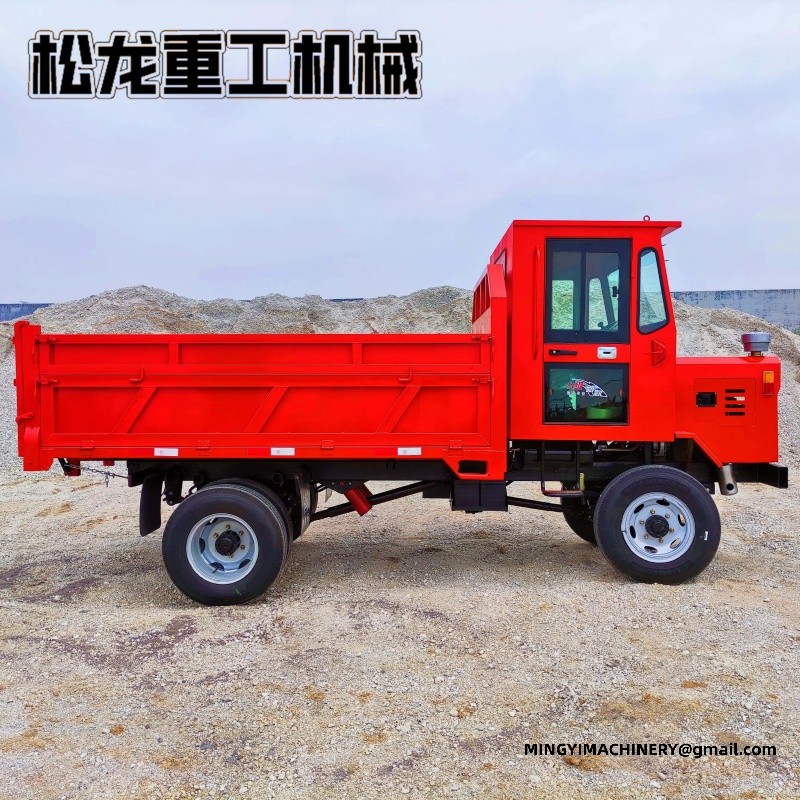
Power unit choice is usually a parts question, not a performance one. Two buyers can order the same the unit in daily use and sensibly choose different engines, because the right answer depends on which brand the local workshop already supports. Emissions documentation is part of engine selection for some destinations. Confirming which units can be supplied and documented for the destination country is worth doing at enquiry stage rather than after the build sheet is signed.
Access tracks in forestry are narrow, soft and often steep. A machine of this size chosen for that work is chosen for the track, and the body, cab and tyre specification follow from the route rather than from the load alone.
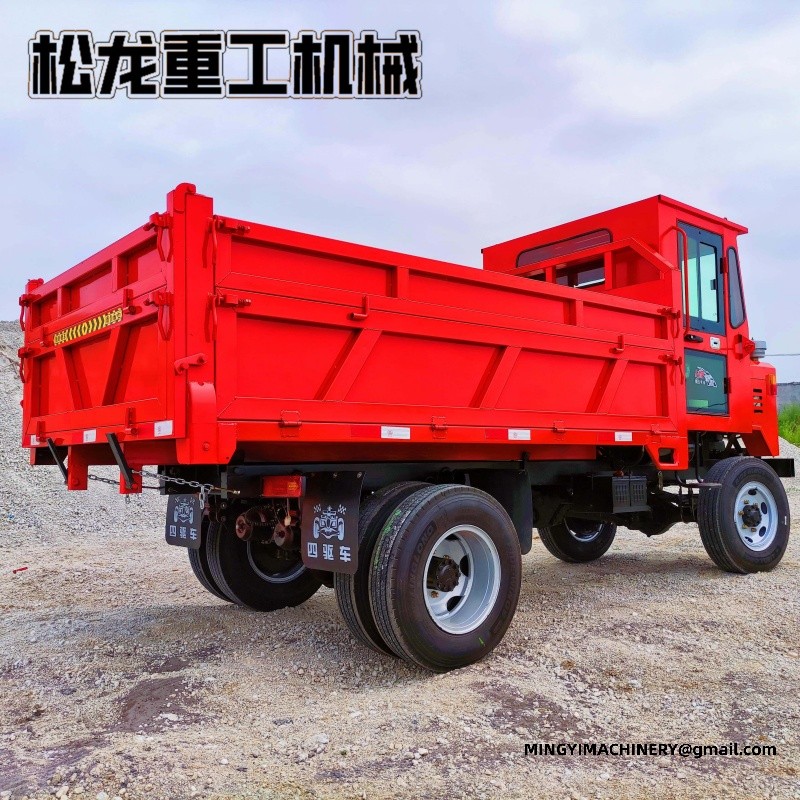
Carrying concrete changes the duty entirely. The machine itself with a mixer drum is working against the clock, and the specification follows the delivery distance and the site access rather than the load alone. Drum bodies need power and stability. The model in question set up for concrete has to carry the drum, the load and the water, and the frame and brakes should be specified for that combined weight.
Certain parts are designed to be consumed. Knowing which items on the unit on the job are wearing parts, and roughly how long they last in the duty the machine sees, turns replacement into a plan rather than a breakdown.
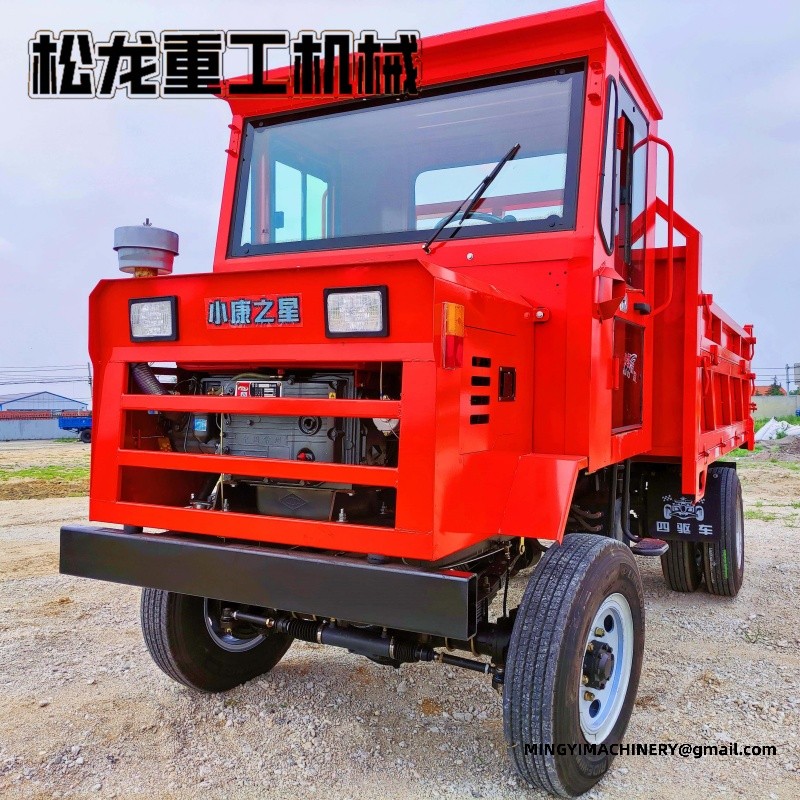
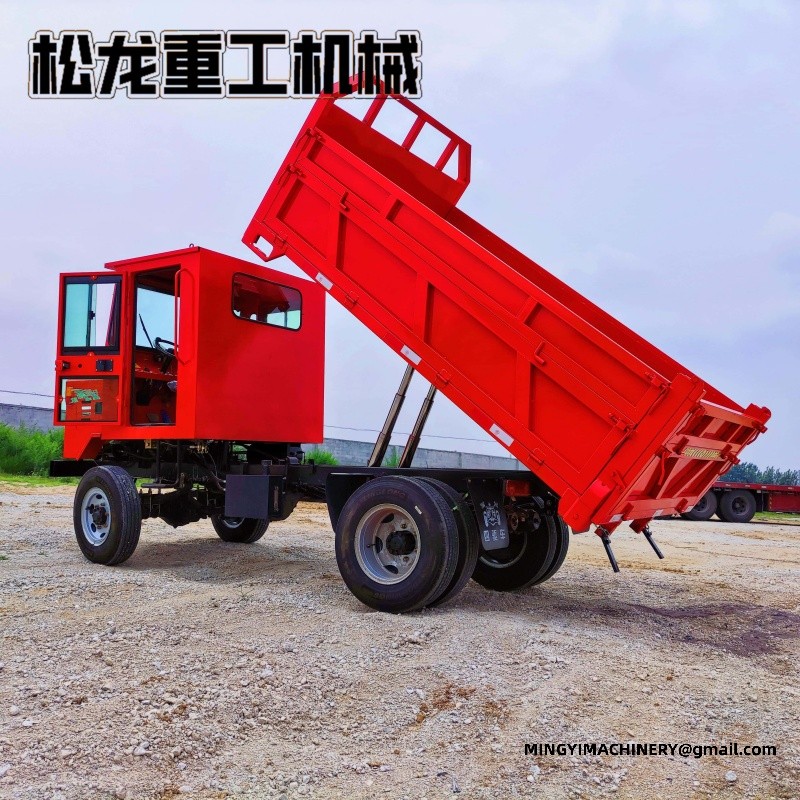
Payload is limited by the axles and the frame before it is limited by the body volume. Specifying the equipment in service against the material density gives a realistic figure, because a body that looks half full can already be at its limit with rock. Loading method affects the machine as much as the load does. Material dropped from height into the dumper shocks the frame and the body floor, while material placed evenly spreads the load and extends body life.
Customisation should still be limited to what the work needs. Each addition to the unit in daily use is another item to maintain, so the useful question is not what can be added but what the job list actually requires.
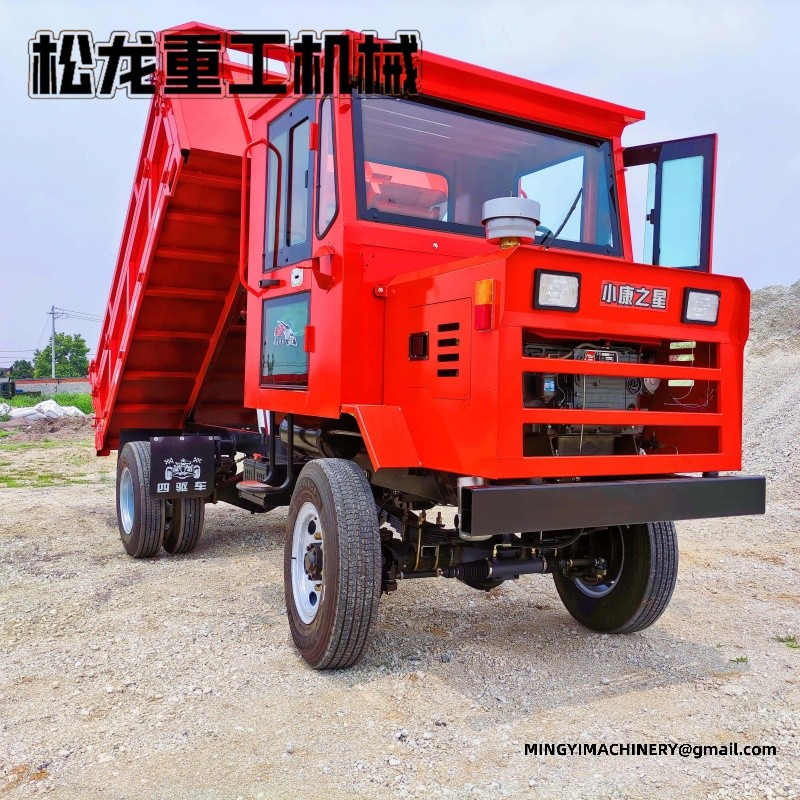
Lead time is part of the specification. Confirming build time, shipping method and what is included before ordering the equipment on site prevents the common gap between when the machine is needed and when it can arrive.
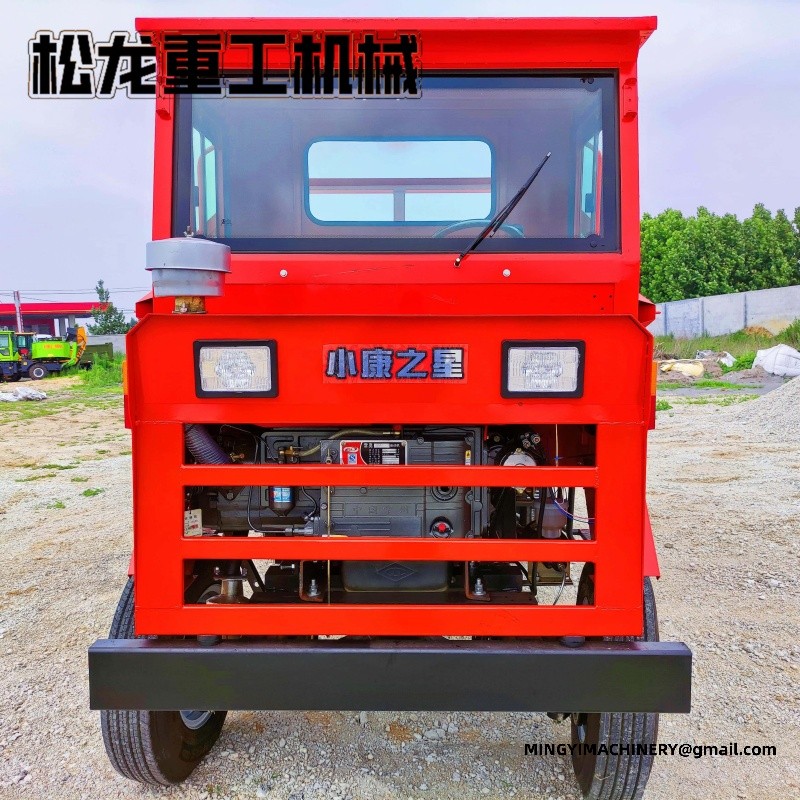
Most failures start as something small that a walk-around would have caught. Fluid levels, belt tension, tyre or track condition and any fresh leak are the items worth two minutes at the start of each shift on the model in question. Service intervals exist because wear is predictable. Following the maker schedule on the machine in that duty takes far less time than repairing the damage that follows a missed oil change or a filter left in place past its life. A simple log helps. Recording hours, fuel and any adjustment made to the unit on the job gives the workshop a history, and that history is what turns an intermittent fault into a one-visit repair instead of three.
The configurations below are the build sheets most often matched to the equipment in service. Engine, gearbox, axles, frame and body dimensions are confirmed together, because the body size and the axle rating have to suit the load before the engine rating matters.
| # | 11.Luxury | 16.Upgraded | 17.Luxury | 4.Upgraded |
|---|---|---|---|---|
| 1 | Single-cylinder diesel engine, 32 hp | Four-cylinder 490 diesel engine | Four-cylinder 490 diesel engine | Single-cylinder diesel engine, 25 hp |
| 2 | Part-time gearbox, selectable 2WD/4WD | Full-time gearbox with four-wheel drive | Part-time gearbox, selectable 2WD/4WD | Full-time gearbox with four-wheel drive |
| 3 | High/low range with crawler gear | High/low range with crawler gear | High/low range with crawler gear | High/low range with crawler gear |
| 4 | Enclosed cab | Fully enclosed cab | Fully enclosed cab | Front axle clutch |
| 5 | Six 700-16 mountain tyres | Oil brakes | Six 700-16 mountain tyres | Fully enclosed cab |
| 6 | Model 212 front axle | Six 700-16 mountain tyres | Reinforced 130 front axle | Oil brakes |
| 7 | Model 130 rear axle | Front axle 212 | Reinforced ISUZU-pattern rear axle | Four 700-16 mountain tyres |
| 8 | Air cut-off brakes | Rear axle 130 | Air cut-off brakes | Front axle 212 |
| 9 | Reinforced 60 x 140 mm square tube frame | Reinforced 60 x 140 mm square tube frame | Reinforced 60 x 140 mm square tube frame | Rear axle 130 |
| 10 | Rear body 2.2 m long x 1.5 m wide x 0.45 m high | Rear body 2.2 m long x 1.5 m wide x 0.45 m high | Rear body 2.2 m long x 1.8 m wide x 0.45 m high | Reinforced 60 x 140 mm square tube frame |
| 11 | Tailgate with self-dumping function | Tailgate with self-dumping function | Tailgate with self-dumping function | Rear body 2.2 m long x 1.5 m wide x 0.45 m high |
| 12 | Side-opening rear body tailgate | Hydraulic power steering | Side-opening rear body tailgate | Tailgate with self-dumping function |
| 13 | Hydraulic power steering | Twin hydraulic rams | Hydraulic power steering | Hydraulic power steering |
| 14 | Twin hydraulic rams | Two-person comfort seat | Twin hydraulic rams | Twin hydraulic rams |
| 15 | Two-person comfort seat | Twin-battery electric start | Two-person comfort seat | Two-person comfort seat |
| 16 | Heavy-duty leaf springs | Round-nose bonnet | Heavy-duty leaf springs | Twin-battery electric start |
| 17 | Twin-battery electric start | — | Twin-battery electric start | Square-nose bonnet |
| 18 | Square-nose bonnet | — | Round-nose bonnet | — |
Container loading is a planning exercise. The overall dimensions and the operating weight of this class of machine decide whether it ships whole, partly disassembled or with the attachment removed, and that decision is made before the booking.
Holding spares is about downtime rather than the shelf itself. The question for a machine of this size is not how large the part is but how long the machine sits while it is found, and a small shelf answers that better than a fast courier.
Securing the load is not optional. Lashing the machine itself at the points intended for it, checking the tension before the vehicle moves and rechecking after the first kilometres is standard practice rather than extra care.
Dust is the enemy of every rotating joint. Keeping the radiator and the air intake of the machine in that duty clean, and cleaning them before they are blocked rather than after, is what separates a machine that lasts from one that overheats.
Cold exposes weak batteries, thick oil and water in the fuel. Preparing a machine built for the work for winter means the right grade of oil, a battery in good condition and fuel that will not wax in the tank overnight.
A machine should be inspected while it is still on our floor rather than after it lands. For the dumper that means the engine is run to temperature, the hydraulics are cycled through full travel, and every function is checked against the build sheet before the crate is closed.
Every line above is a build item rather than an optional extra, and the final sheet for this class of machine is confirmed against the destination, the ground and the load before production.
E-mail:sales@mingycn.com
LINE(ID):mingyicn









