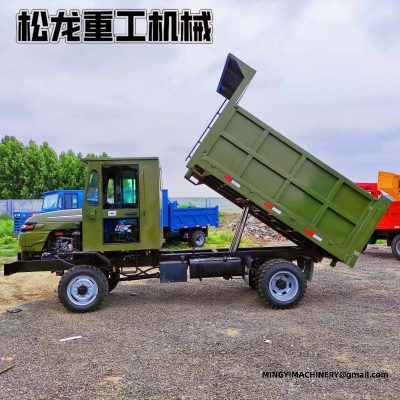
Most enquiries about the dumper start with a job rather than a machine. Someone has a site, a material and a deadline, and the specification follows from those three. This page works back from the job to the build sheet.
Size matters underground. Overall height and width decide whether this class of machine can work in a tunnel at all, and those dimensions are the first thing to confirm rather than the last.
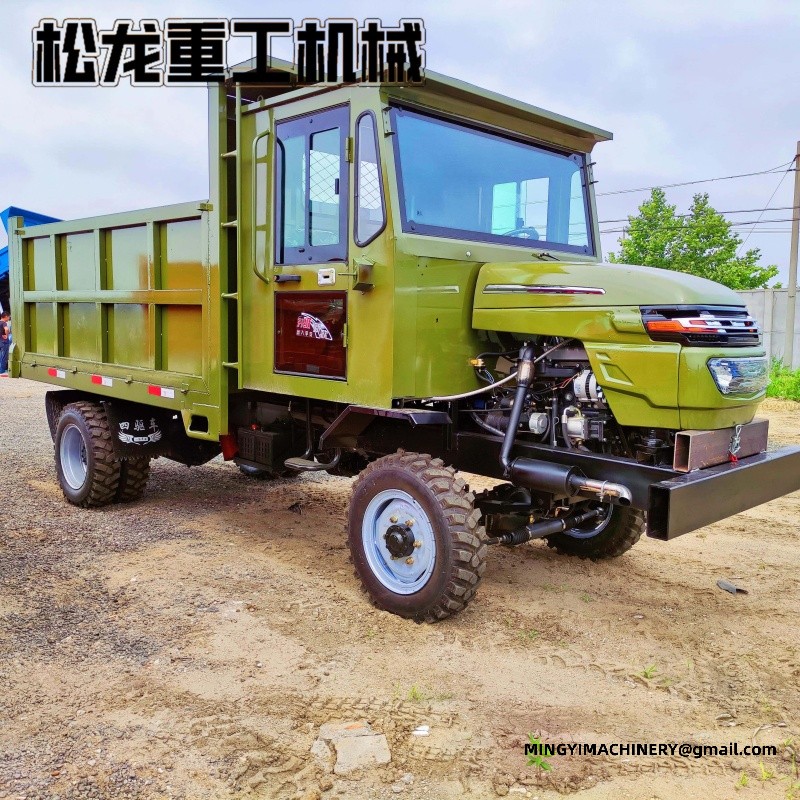
Moving the machine is part of owning it. Overall length, width and height decide which trailer or container the unit in daily use fits, and a machine that needs a permit or an abnormal load escort is a machine with a delivery delay built in. Owners who work across several sites should check the transport dimensions before ordering. A machine of this size that fits a standard trailer can be moved by any operator with a suitable vehicle, while an over-width machine narrows that choice and complicates every move. Shipping dimensions matter as much on export orders as they do locally. Confirming the packed size of the equipment on site before booking avoids re-booking freight after the machine is built.
Most incidents around machinery come from the space rather than the machine. Exclusion zones, a clear signal person and a check on what is behind the model in question before it moves cover the large majority of the risk on a working site. Personal protective equipment and a stop rule are simple controls. Agreeing before work starts that anyone can stop the job is the single measure that most often prevents a serious incident near the machine itself.
Batteries and fluids are the parts that notice the cold first. The machine in that duty kept on a maintainer through a freezing spell starts on the first turn, while one left standing is the usual cause of a lost morning. Low temperatures also make materials behave differently. Ground that is frozen hard in the morning can be soft by midday, and planning the sequence around that is easier than fighting it with the unit on the job.
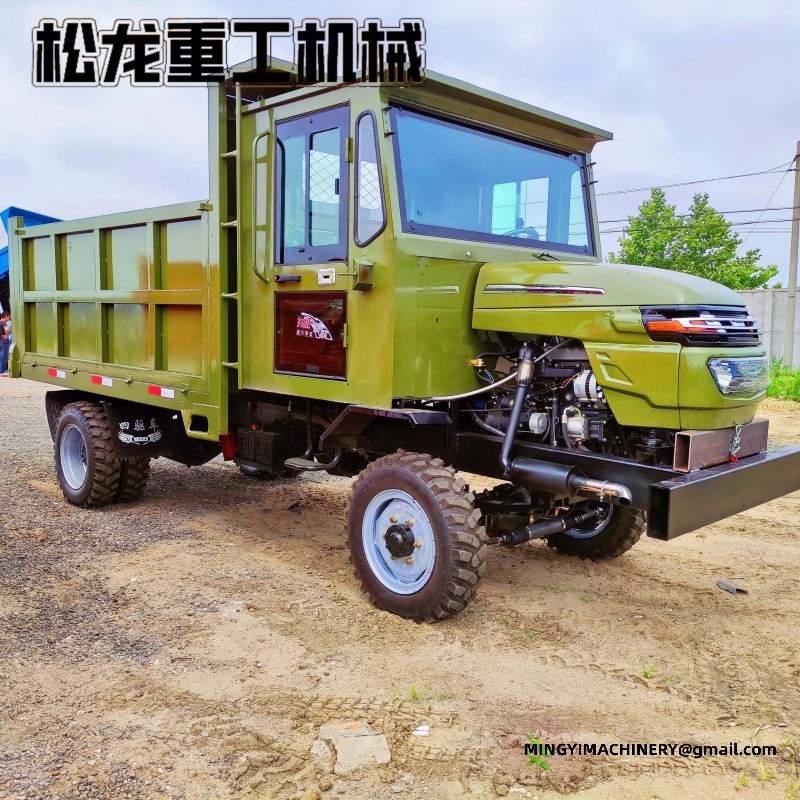
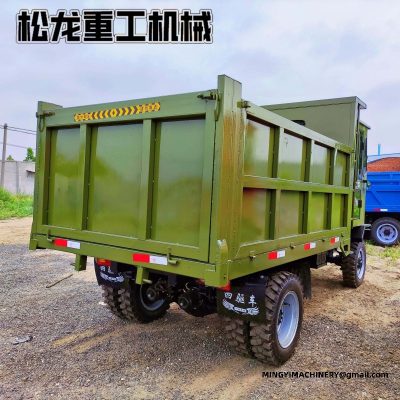
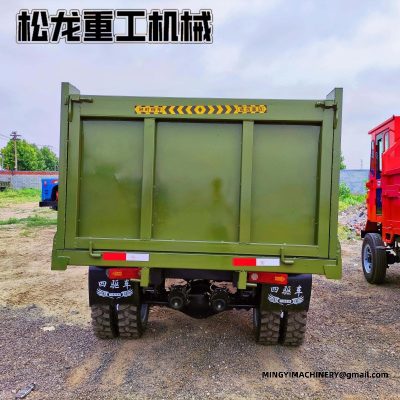
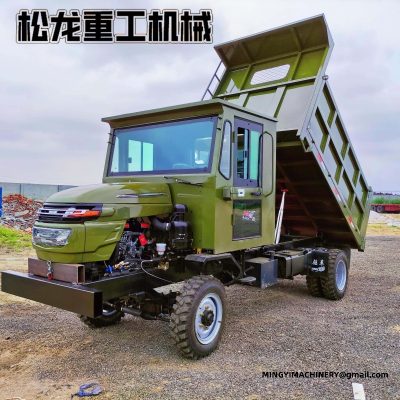
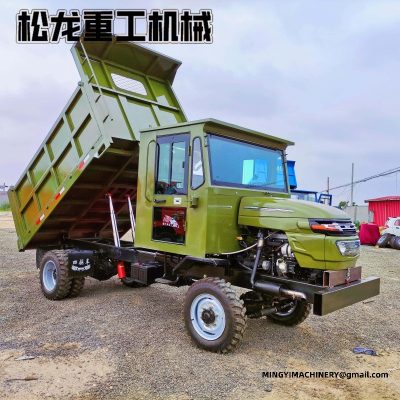
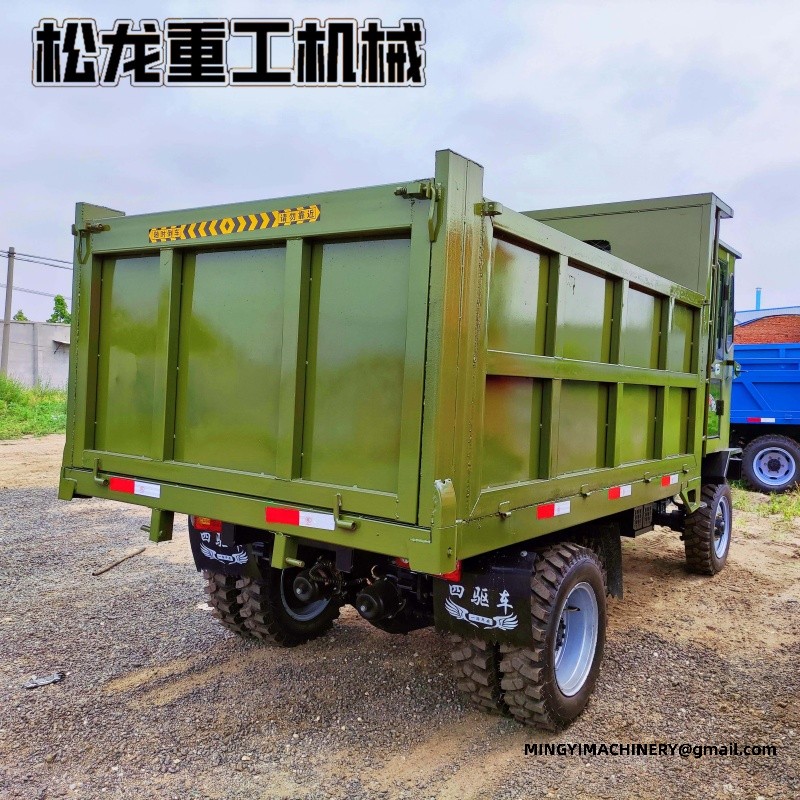
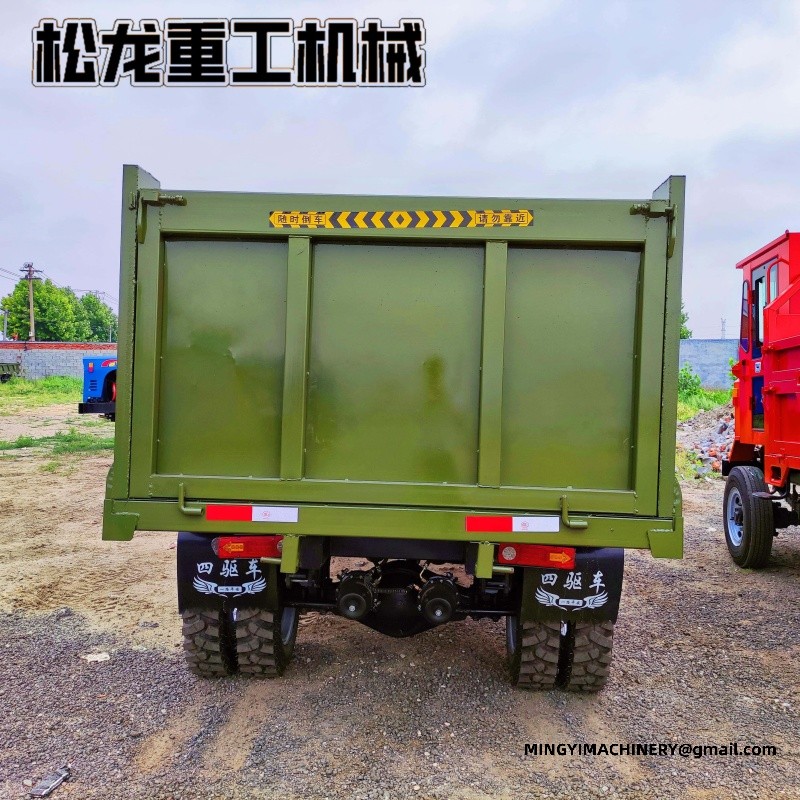
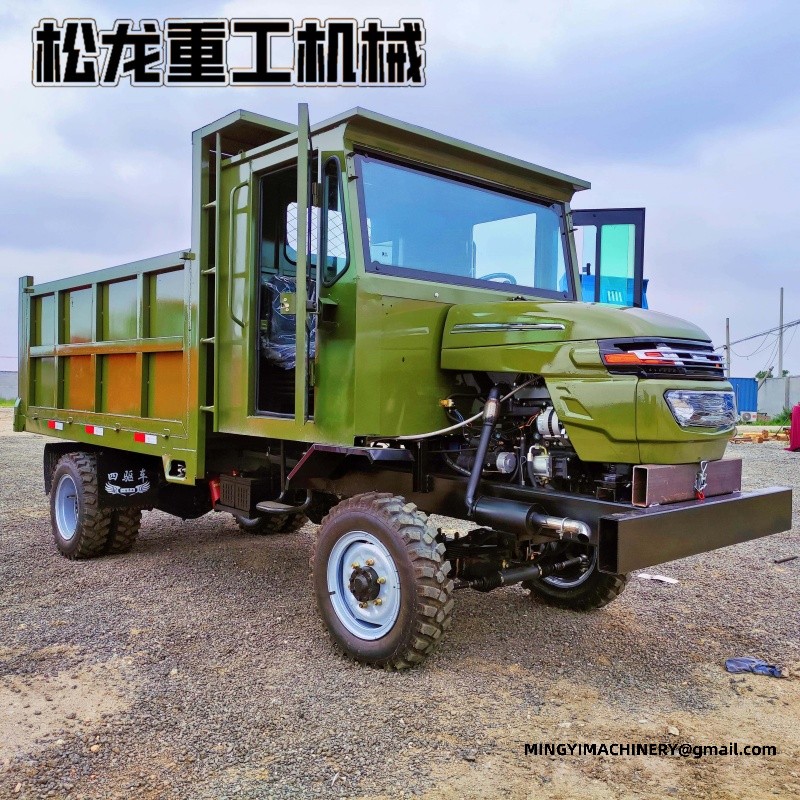
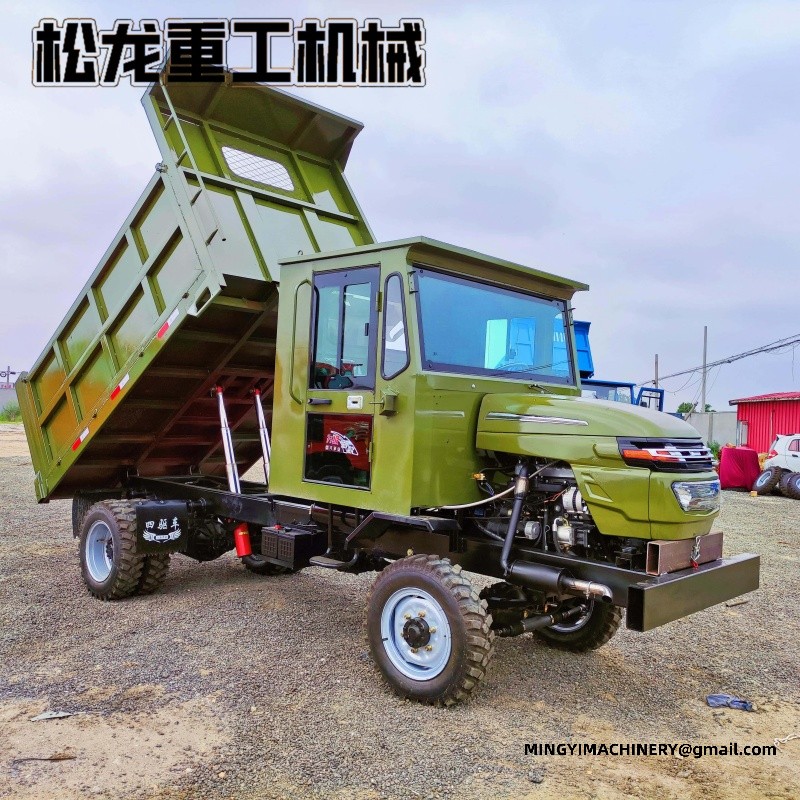
The tipping body is the part that does the work. A machine built for the work specified with twin hydraulic rams and a tailgate that opens under load unloads in one pass, which matters more on a short haul than top speed does. Unloading method should follow the material. Wet spoil, aggregate and green timber behave differently in the body, and matching the body and tailgate arrangement to the load is what keeps the equipment in service cycling rather than being hand-cleared. Body size is a compromise with access. A larger body on the dumper carries more per trip but needs more room to turn and tip, so the useful question is how many trips the route allows rather than how much it holds.
Fleet value comes from interchangeability. Operators who can step between machines without retraining, and a workshop that stocks one set of filters, keep utilisation higher than a fleet of individually optimised units. Standardising where possible simplifies everything downstream. When several units of this class of machine share a service schedule and a parts list, the fleet becomes easier to plan and easier to sell on at replacement time.
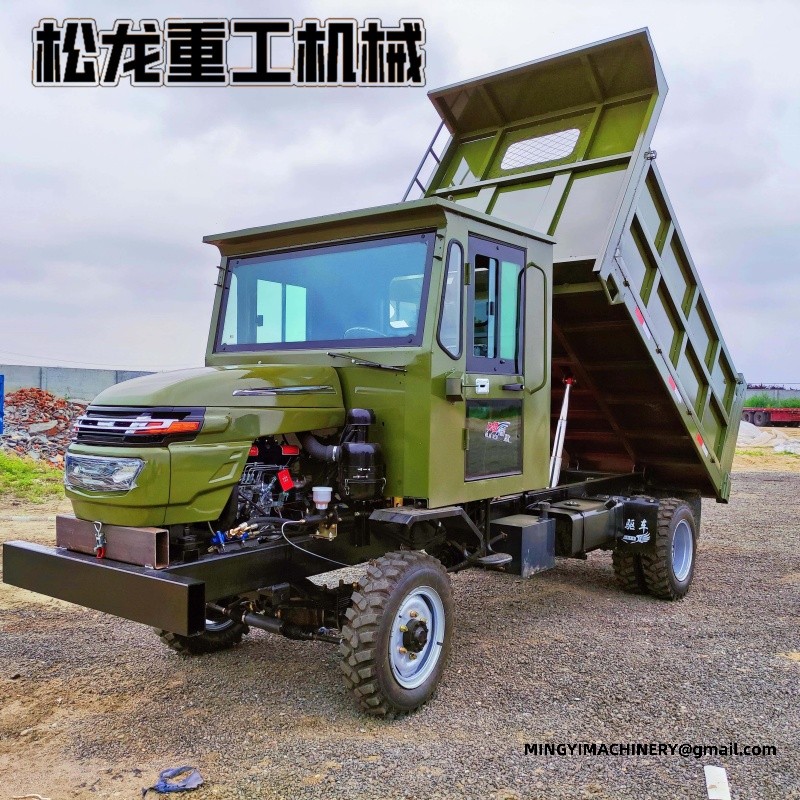
Reconfiguration can extend the useful life of a machine. The unit in daily use that no longer suits the current work may suit it again with a different attachment, guarding or control arrangement. Upgrades should be checked against the base machine. Hydraulic capacity, mounting interface and stability all limit what can reasonably be added to a machine of this size, and confirming those limits avoids an unsatisfactory result. The decision is economic as well as technical. Comparing the work of reconfiguring the equipment on site against a different machine is a short calculation that usually gives a clear answer.
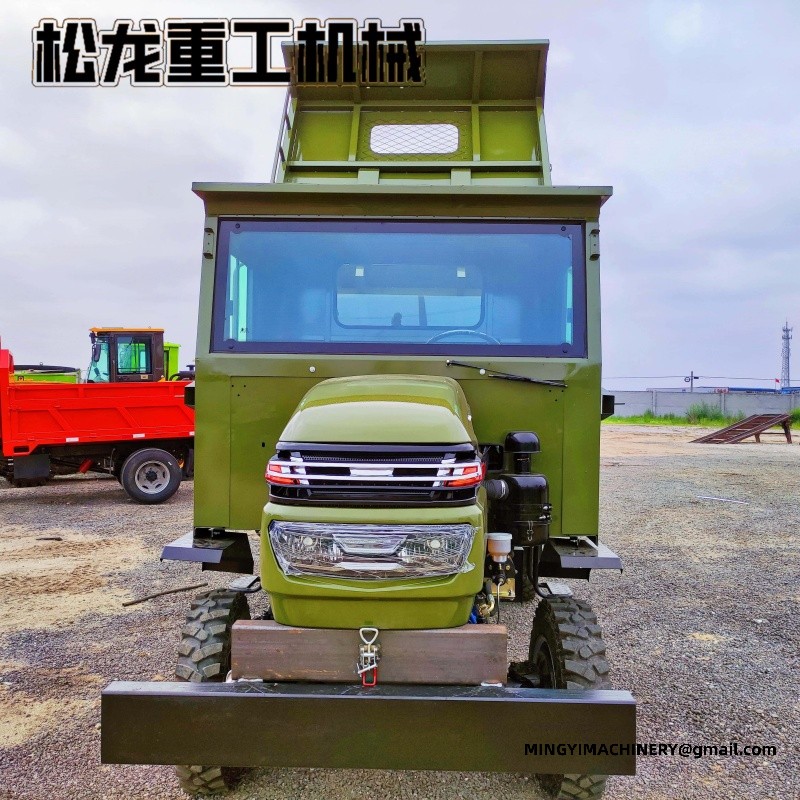
Soft ground punishes the wrong tyre. Mountain pattern tyres on the machine itself clear mud that a road pattern would pack with, and the difference is measured in whether the machine finishes the day.
Warranty terms are clearer when they are read before purchase. Knowing what is covered, what counts as a wearing item and what documentation is required makes a claim on the model in question straightforward rather than contested.
Payload is limited by the axles and the frame before it is limited by the body volume. Specifying the unit on the job against the material density gives a realistic figure, because a body that looks half full can already be at its limit with rock.
Abrasive conditions shorten service intervals. Air filters, seals and any exposed sliding surface on the equipment in service need attention more often in dusty or muddy work, and the extra checks prevent far more wear than the time they take. Cleaning is maintenance, not appearance. Washing the cooling surfaces and clearing packed material from the dumper keeps temperatures where they should be and makes the next inspection quicker and more useful.
Ground decides more of the outcome than power does. Soft, wet or loose surfaces call for a wider footprint and lower ground pressure, while hard standing allows a narrower machine that turns in less space and travels faster between tasks.
Certain parts are designed to be consumed. Knowing which items on a machine of this size are wearing parts, and roughly how long they last in the duty the machine sees, turns replacement into a plan rather than a breakdown. Replacing wear items early is usually simpler. Worn components on the equipment on site load the parts they run against, so a worn part left too long often becomes a major repair.
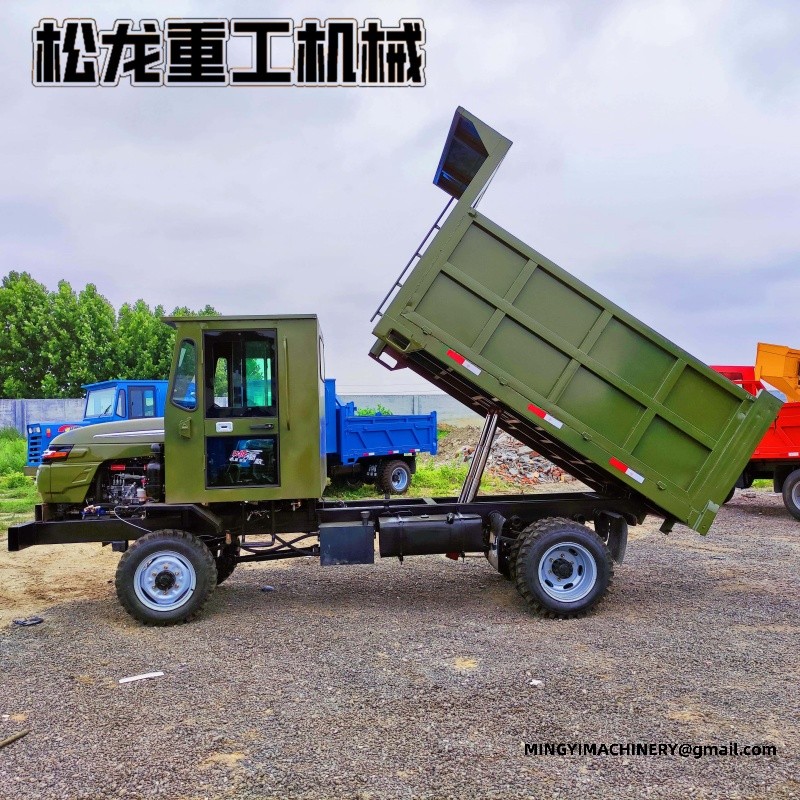
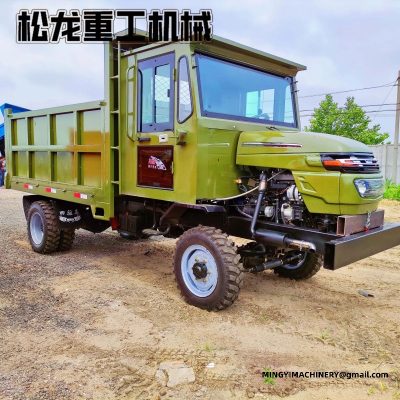
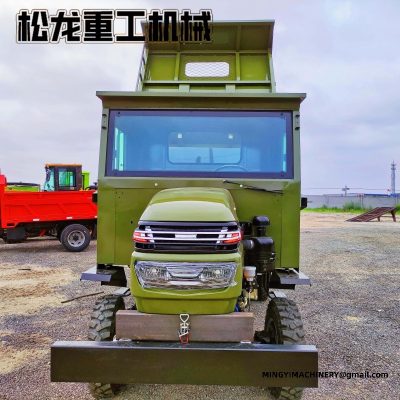
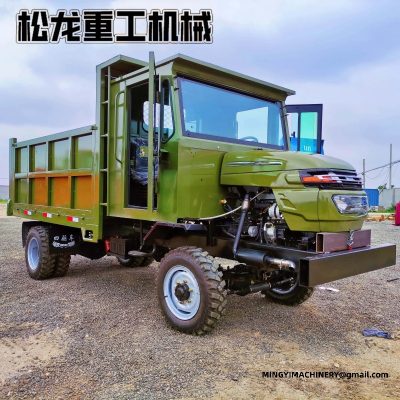
The configurations below are the build sheets most often matched to the model in question. Engine, gearbox, axles, frame and body dimensions are confirmed together, because the body size and the axle rating have to suit the load before the engine rating matters.
| # | 21.Upgraded | 6.Standard | 7.Upgraded | 9.Standard |
|---|---|---|---|---|
| 1 | Four-cylinder 4105 turbocharged diesel engine | Single-cylinder diesel engine, 28 hp | Single-cylinder diesel engine, 28 hp | Single-cylinder diesel engine, 32 hp |
| 2 | Model 140 part-time gearbox with four-wheel drive | Full-time gearbox with four-wheel drive | Full-time gearbox with four-wheel drive | Full-time gearbox with four-wheel drive |
| 3 | High/low range with crawler gear | High/low range with crawler gear | High/low range with crawler gear | High/low range with crawler gear |
| 4 | Simple cab | Simple cab | Front axle clutch | Simple cab |
| 5 | Six 825R16 steel-belted radial tyres | Oil brakes | Fully enclosed cab | Oil brakes |
| 6 | Reinforced ISUZU-pattern front axle | Four 700-16 mountain tyres | Oil brakes | Four 700-16 mountain tyres |
| 7 | Reinforced 1080 rear axle with air cut-off brake | Front axle 212 | Four 700-16 mountain tyres | Front axle 212 |
| 8 | Air cut-off brakes | Rear axle 130 | Front axle 212 | Rear axle 130 |
| 9 | Reinforced 80 x 180 mm square tube frame | Reinforced 60 x 140 mm square tube frame | Rear axle 130 | Reinforced 60 x 140 mm square tube frame |
| 10 | Rear body 3.0 m long x 2.2 m wide x 0.45 m high | Rear body 2.2 m long x 1.5 m wide x 0.45 m high | Reinforced 60 x 140 mm square tube frame | Rear body 2.2 m long x 1.5 m wide x 0.45 m high |
| 11 | Tailgate with self-dumping function | Tailgate with self-dumping function | Rear body 2.2 m long x 1.5 m wide x 0.45 m high | Tailgate with self-dumping function |
| 12 | Hydraulic power steering | Hydraulic power steering | Tailgate with self-dumping function | Hydraulic power steering |
| 13 | Twin hydraulic rams | Twin hydraulic rams | Hydraulic power steering | Twin hydraulic rams |
| 14 | Two-person comfort seat | Two-person comfort seat | Twin hydraulic rams | Two-person comfort seat |
| 15 | Heavy-duty leaf springs | Twin-battery electric start | Two-person comfort seat | Twin-battery electric start |
| 16 | Twin-battery electric start | Square-nose bonnet | Twin-battery electric start | Square-nose bonnet |
| 17 | Square-nose bonnet | — | Square-nose bonnet | — |
The first day with a new machine sets the pattern for the next five years. Handover for the unit on the job covers the control layout, the daily check points and the limits the operator needs to know before the first real load is lifted or carried.
A cold start is easier when the machine is prepared the night before. The routine that keeps the equipment in service working through winter is mostly a matter of fuel, battery and patience in the first ten minutes of the day.
Heat and dust shorten service intervals rather than machine life. In these conditions the filters on this class of machine need attention more often, and the cooling surfaces need to be kept clear to hold the working temperature.
A clear parts book saves more time than any other document. When a machine of this size needs a replacement, the illustration and the part number are what turn a phone call into a shipment instead of a description.
Rubber, seals and hoses age whether the machine works or not. Keeping the machine itself out of direct sun and off damp ground slows that, and running it briefly at intervals keeps everything moving.
How a machine travels decides how it starts on arrival. Securing the machine in that duty against movement, protecting the exposed cylinders and keeping the battery and fluids in the right state for the voyage all belong to the packing list.
Training is simpler than repair. An hour spent with a new operator on a machine built for the work, covering the limits and the awkward cases, is the least lengthy hour in the whole ownership.
Every line above is a build item rather than an optional extra, and the final sheet for the equipment in service is confirmed against the destination, the ground and the load before production.
E-mail:sales@mingycn.com
LINE(ID):mingyicn









