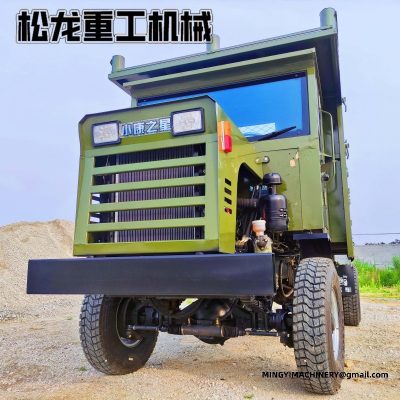
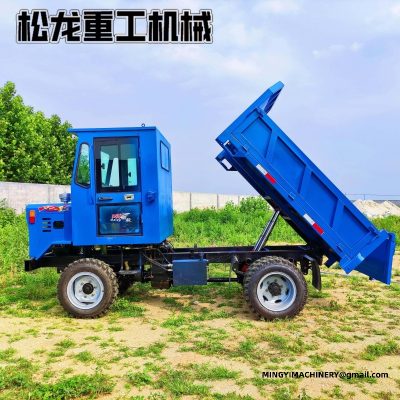
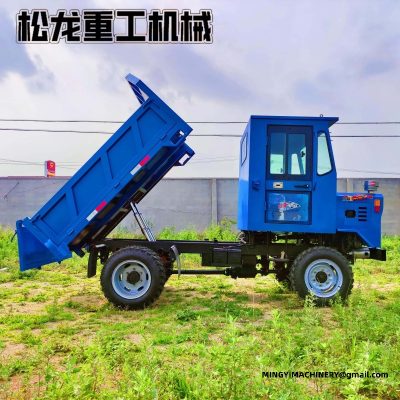
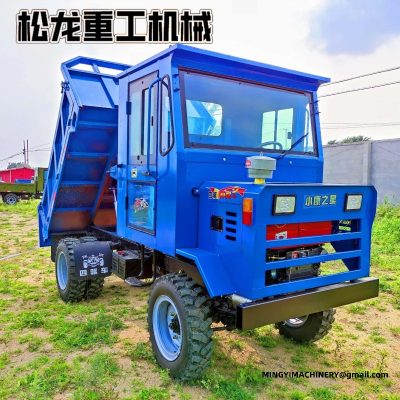
Buyers comparing the dumper are usually weighing the same few things, among them working range, the width of the access, the surface it runs on and how quickly it can be serviced. This page takes each in turn and leaves the numbers together at the end.
Payload is limited by the axles and the frame before it is limited by the body volume. Specifying this class of machine against the material density gives a realistic figure, because a body that looks half full can already be at its limit with rock.
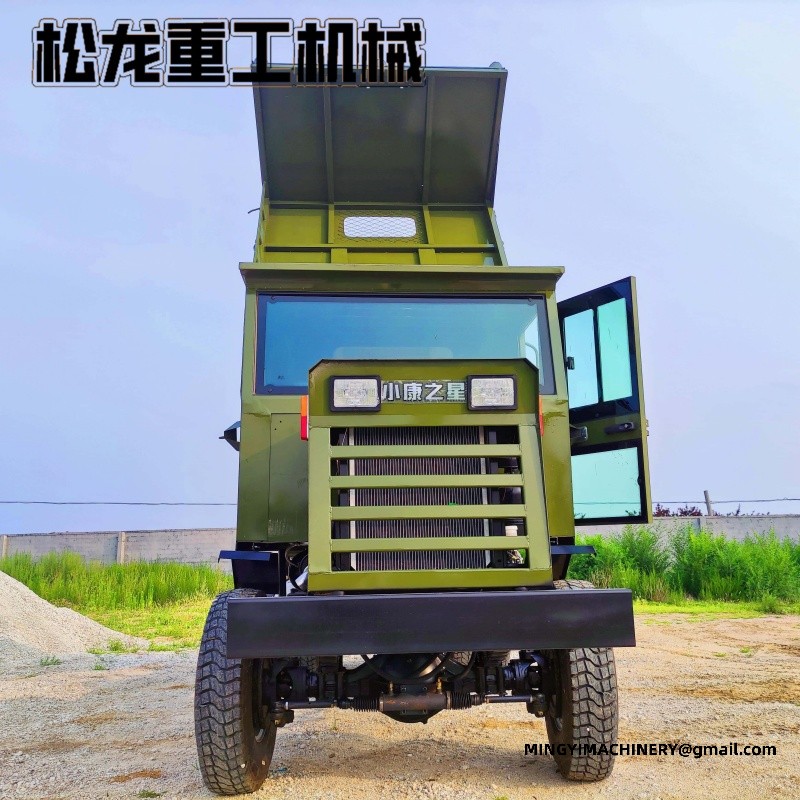
Carrying concrete changes the duty entirely. The unit in daily use with a mixer drum is working against the clock, and the specification follows the delivery distance and the site access rather than the load alone. Cleaning and discharge are part of the job. A machine of this size used for concrete is judged on how quickly it can discharge and wash out, because that turnaround is what the site is paying for.
Access tracks in forestry are narrow, soft and often steep. The equipment on site chosen for that work is chosen for the track, and the body, cab and tyre specification follow from the route rather than from the load alone. Protection matters in timber work. Guarding, lighting and a cab that keeps branches out are the items that keep the machine itself working through a season rather than being repaired through it.
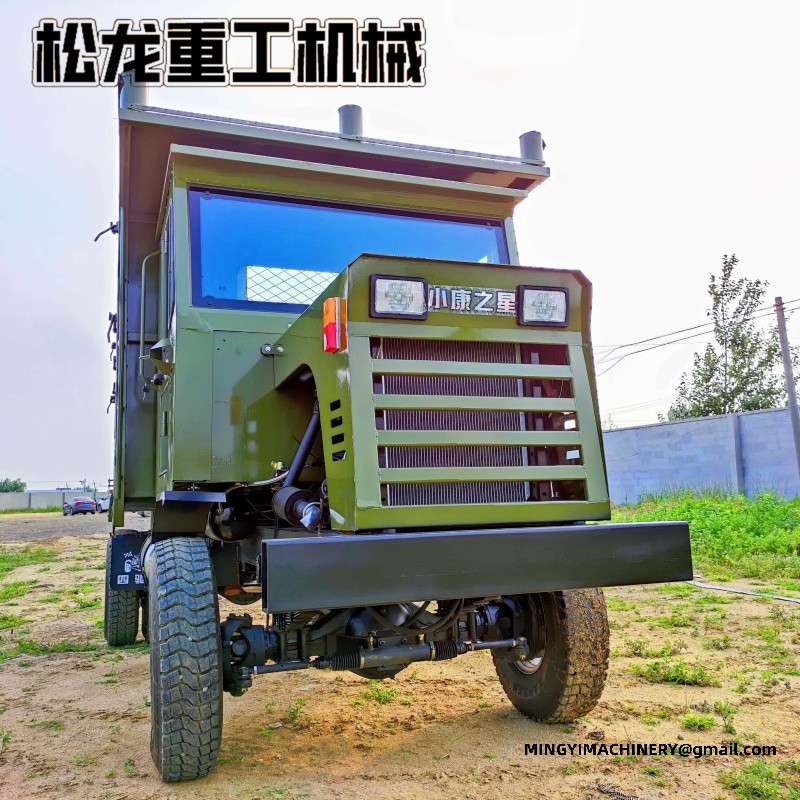
Farm work is seasonal and varied. The model in question that hauls feed in one month and muck or aggregate in the next earns its place by being usable across the year rather than by being optimised for one task. Ground on farms is often soft and often shared with livestock. The machine in that duty working there needs to cross pasture without rutting it badly, and tyre and weight choices follow from that.
The decision is economic as well as technical. Comparing the work of reconfiguring the unit on the job against a different machine is a short calculation that usually gives a clear answer.
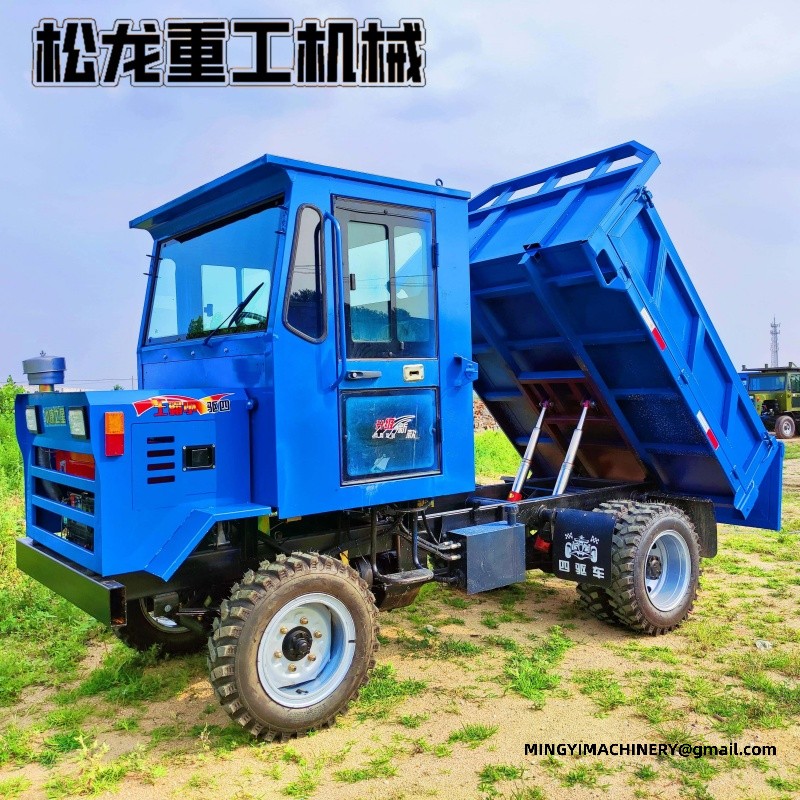
Cold changes how a machine starts and how it warms up. Allowing a machine built for the work to reach operating temperature before loading it, and using the correct grade of oil and fuel for the season, prevents most cold-start problems. Low temperatures also make materials behave differently. Ground that is frozen hard in the morning can be soft by midday, and planning the sequence around that is easier than fighting it with the equipment in service.
Replacing wear items early is usually simpler. Worn components on the dumper load the parts they run against, so a worn part left too long often becomes a major repair.
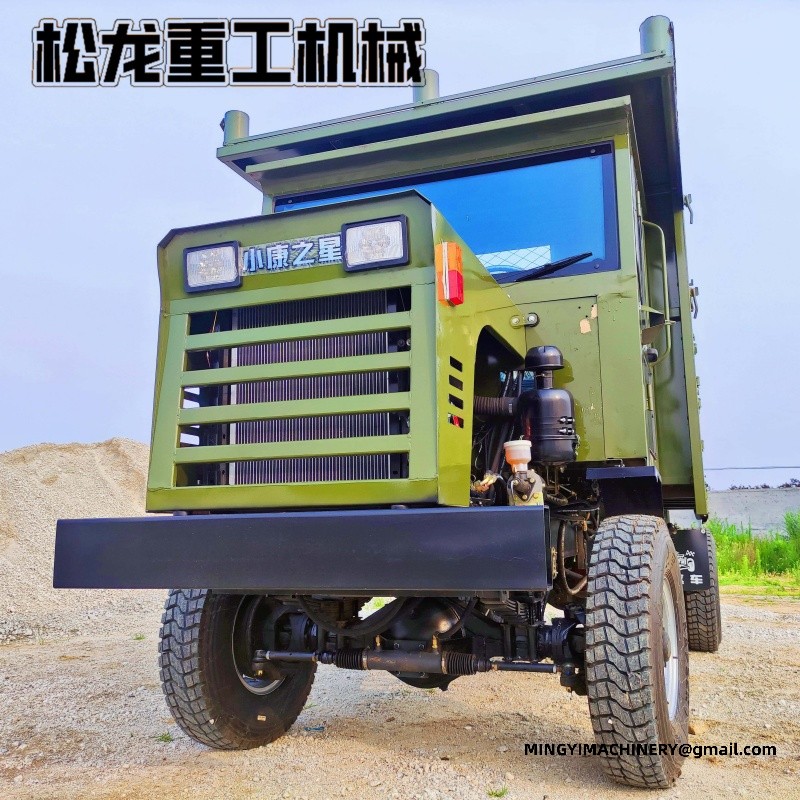
Moving the machine is part of owning it. Overall length, width and height decide which trailer or container this class of machine fits, and a machine that needs a permit or an abnormal load escort is a machine with a delivery delay built in. Owners who work across several sites should check the transport dimensions before ordering. The unit in daily use that fits a standard trailer can be moved by any operator with a suitable vehicle, while an over-width machine narrows that choice and complicates every move.
Utilisation matters more than the purchase decision over a few years. The equipment on site that sits idle ties up the same yard space standing still as one that earns, so the buying decision should follow the hours the machine will realistically work.
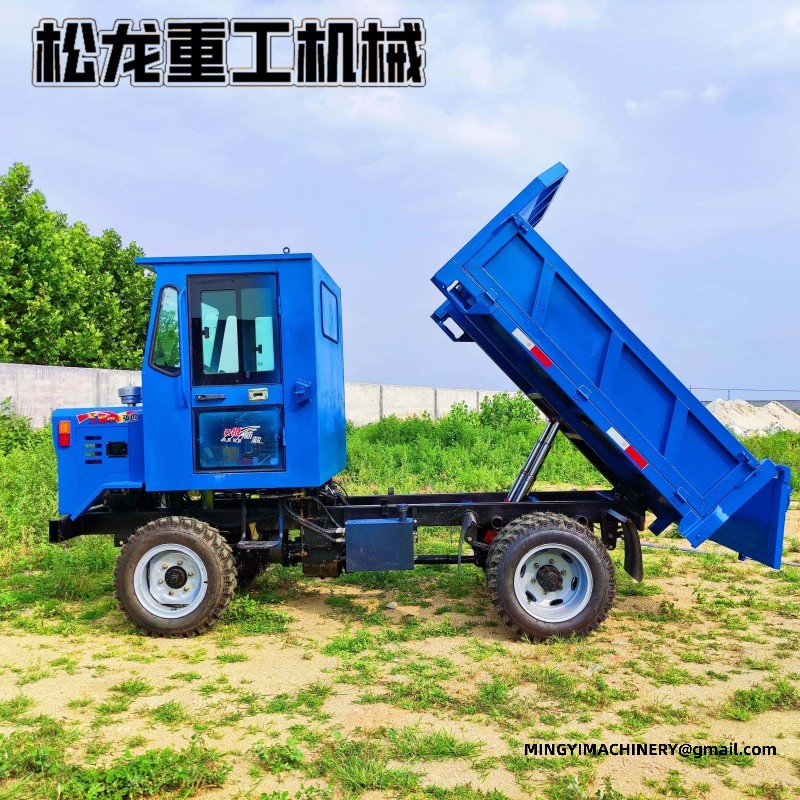
A short familiarisation session prevents the early faults. Most first-month problems on the model in question come from unfamiliarity with controls, limits or checks rather than from the machine itself. Keeping the manuals where they can be reached matters. The machine in that duty whose documents stay with the machine gets serviced on schedule; one whose paperwork was filed elsewhere tends to run on memory instead.
Support after delivery is a parts question. Filters, belts, hoses and the wearing items specific to a machine built for the work are what a buyer should plan to hold before the first service interval rather than order after a failure. Remote diagnosis shortens most faults. A walk-around on video with the panels open often identifies the cause on the equipment in service without waiting for a visit, and avoids shipping a part that turns out not to be needed.
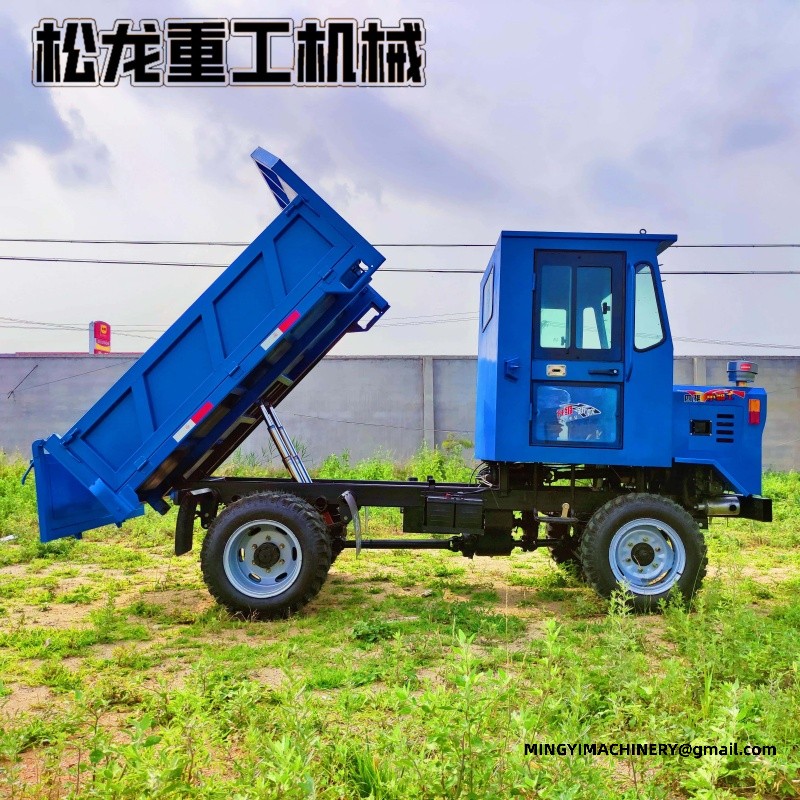
A periodic start is better than none. Running this class of machine to operating temperature during a long layoff keeps seals and the charging system in better condition than leaving it untouched until the next job.
Container loading is a planning exercise. Confirming how a machine of this size is packed and how many units fit a container is what turns a per-unit freight estimate into a delivered figure the buyer can actually plan against. Documentation should be agreed at order stage. The commercial invoice, packing list and any certificate required at destination are part of shipping the equipment on site, and missing papers delay clearance longer than the voyage takes.
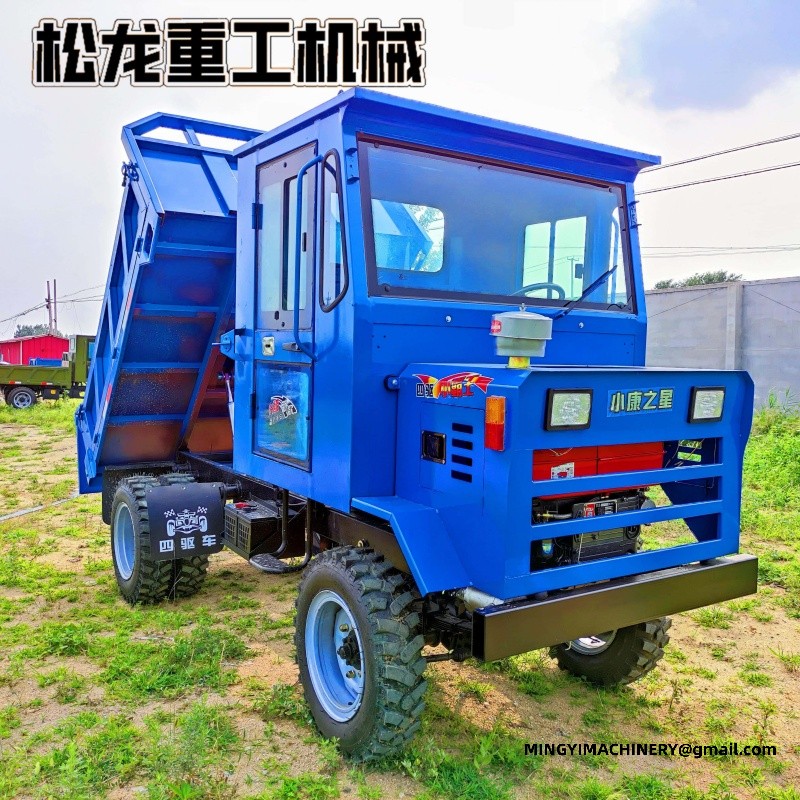
A water tank turns the vehicle into a different machine. The model in question carrying water for dust control or irrigation is specified around tank size, baffles and the route, because a part-filled tank behaves very differently on a slope. Water is heavy and it moves. Baffles and sensible speeds matter on the machine in that duty with a tank body, and the specification should reflect the ground the vehicle will cross rather than only the volume needed.
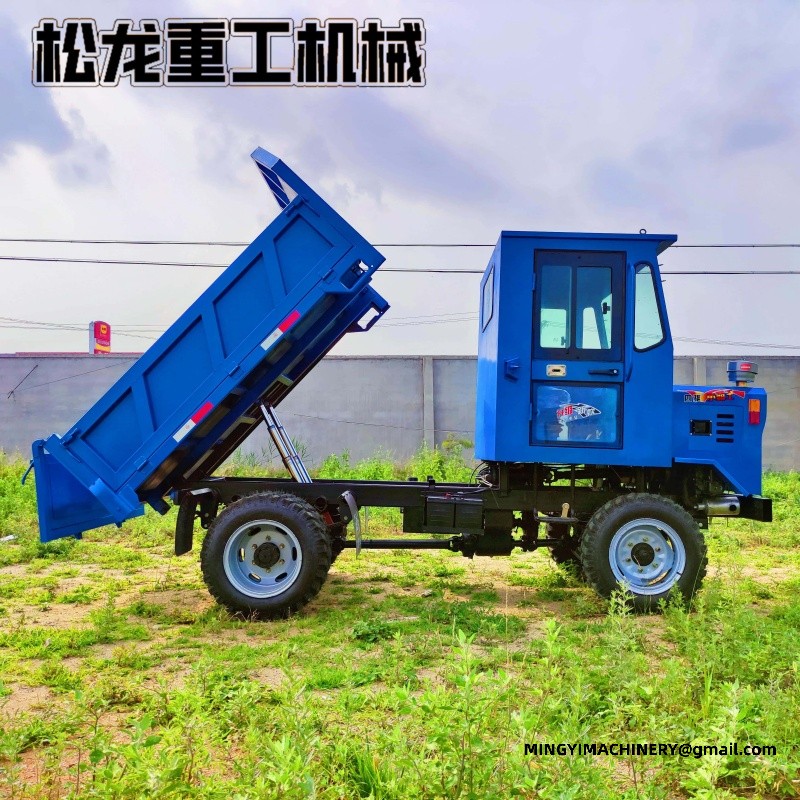
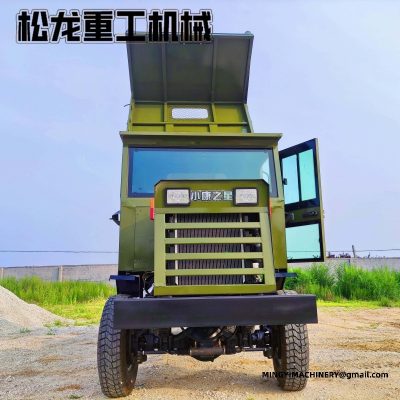
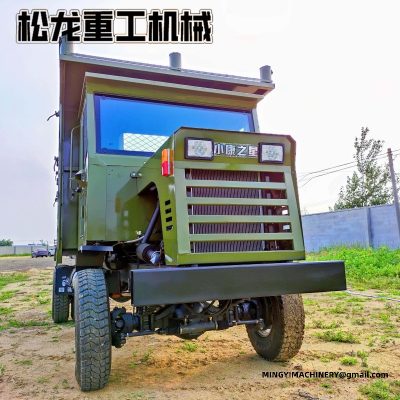
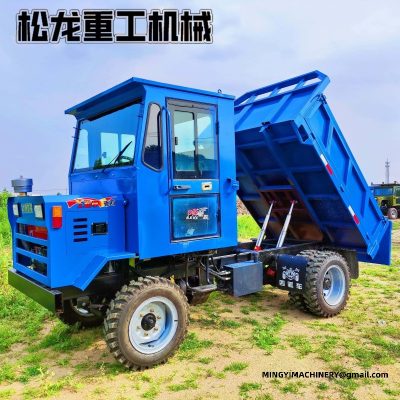
The configurations below are the build sheets most often matched to a machine built for the work. Engine, gearbox, axles, frame and body dimensions are confirmed together, because the body size and the axle rating have to suit the load before the engine rating matters.
| # | 10.Upgraded | 11.Luxury | 8.Luxury | 9.Standard |
|---|---|---|---|---|
| 1 | Single-cylinder diesel engine, 32 hp | Single-cylinder diesel engine, 32 hp | Single-cylinder diesel engine, 28 hp | Single-cylinder diesel engine, 32 hp |
| 2 | Full-time gearbox with four-wheel drive | Part-time gearbox, selectable 2WD/4WD | Part-time gearbox, selectable 2WD/4WD | Full-time gearbox with four-wheel drive |
| 3 | High/low range with crawler gear | High/low range with crawler gear | High/low range with crawler gear | High/low range with crawler gear |
| 4 | Front axle clutch | Enclosed cab | Enclosed cab | Simple cab |
| 5 | Fully enclosed cab | Six 700-16 mountain tyres | Six 700-16 mountain tyres | Oil brakes |
| 6 | Oil brakes | Model 212 front axle | Model 212 front axle | Four 700-16 mountain tyres |
| 7 | Four 700-16 mountain tyres | Model 130 rear axle | Model 130 rear axle | Front axle 212 |
| 8 | Front axle 212 | Air cut-off brakes | Air cut-off brakes | Rear axle 130 |
| 9 | Rear axle 130 | Reinforced 60 x 140 mm square tube frame | Reinforced 60 x 140 mm square tube frame | Reinforced 60 x 140 mm square tube frame |
| 10 | Reinforced 60 x 140 mm square tube frame | Rear body 2.2 m long x 1.5 m wide x 0.45 m high | Rear body 2.2 m long x 1.5 m wide x 0.45 m high | Rear body 2.2 m long x 1.5 m wide x 0.45 m high |
| 11 | Rear body 2.2 m long x 1.5 m wide x 0.45 m high | Tailgate with self-dumping function | Tailgate with self-dumping function | Tailgate with self-dumping function |
| 12 | Tailgate with self-dumping function | Side-opening rear body tailgate | Side-opening rear body tailgate | Hydraulic power steering |
| 13 | Hydraulic power steering | Hydraulic power steering | Hydraulic power steering | Twin hydraulic rams |
| 14 | Twin hydraulic rams | Twin hydraulic rams | Twin hydraulic rams | Two-person comfort seat |
| 15 | Two-person comfort seat | Two-person comfort seat | Two-person comfort seat | Twin-battery electric start |
| 16 | Twin-battery electric start | Heavy-duty leaf springs | Heavy-duty leaf springs | Square-nose bonnet |
| 17 | Square-nose bonnet | Twin-battery electric start | Twin-battery electric start | — |
| 18 | — | Square-nose bonnet | Square-nose bonnet | — |
Winter is hard on rubber and on seals as much as on the engine. Parking the dumper under cover, keeping the tracks or tyres off standing water and checking the hoses for cracking are all part of the season.
Shared machines need shared habits. Two operators on the unit in daily use should do the same daily checks in the same order, because the check that one person skips is the check that eventually matters.
Familiarisation is not the same as reading the manual. Sitting on the equipment on site, working through the controls at low speed and learning where the machine balances takes an hour, and that hour is what keeps the first week uneventful.
What the customer sees on arrival is decided before departure. The walk-around given to the model in question covers the same points the operator will check on day one, so there are no surprises when the crate is opened at the destination.
An added function should pay for itself quickly. Whether the unit on the job gains a different bucket, a hydraulic service or a protection package, the test is the number of days a year it is actually used.
Service history also protects the warranty position. Evidence that the equipment in service was maintained at the specified intervals and with the specified fluids settles questions that would otherwise be argued.
Every line above is a build item rather than an optional extra, and the final sheet for the dumper is confirmed against the destination, the ground and the load before production.
E-mail:sales@mingycn.com
LINE(ID):mingyicn









