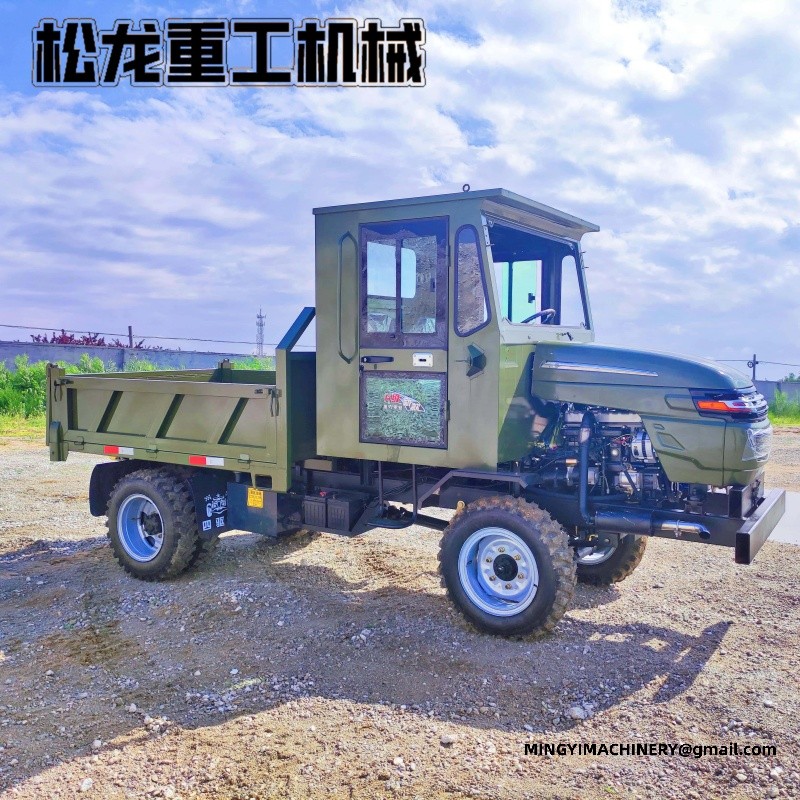
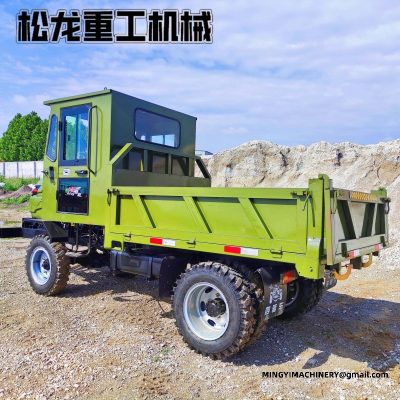
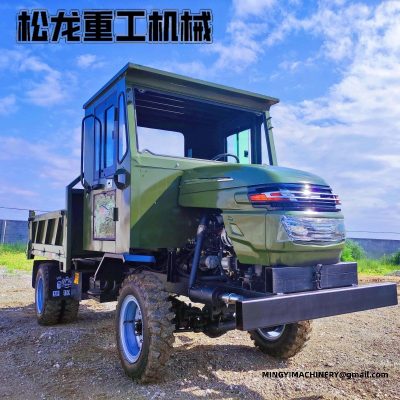
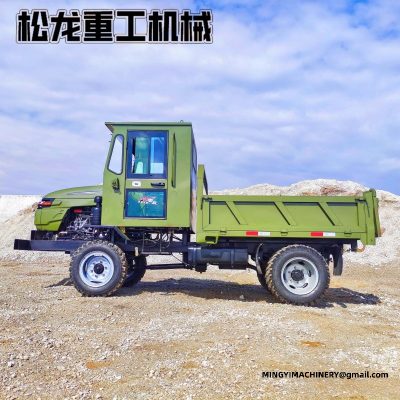
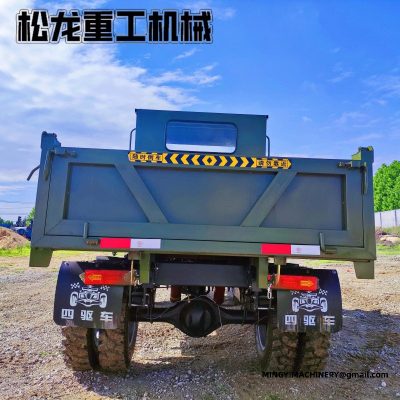
Two buyers can order the dumper for the same nominal job and receive different machines, because the ground and the access decide more than the workload does. The sections below explain which questions separate the two cases.
Build options are where a standard machine becomes the right machine. Colour, guarding, lighting, seating and hydraulic provisions can usually be set at build time on this class of machine, and are far simpler then than as a retrofit.
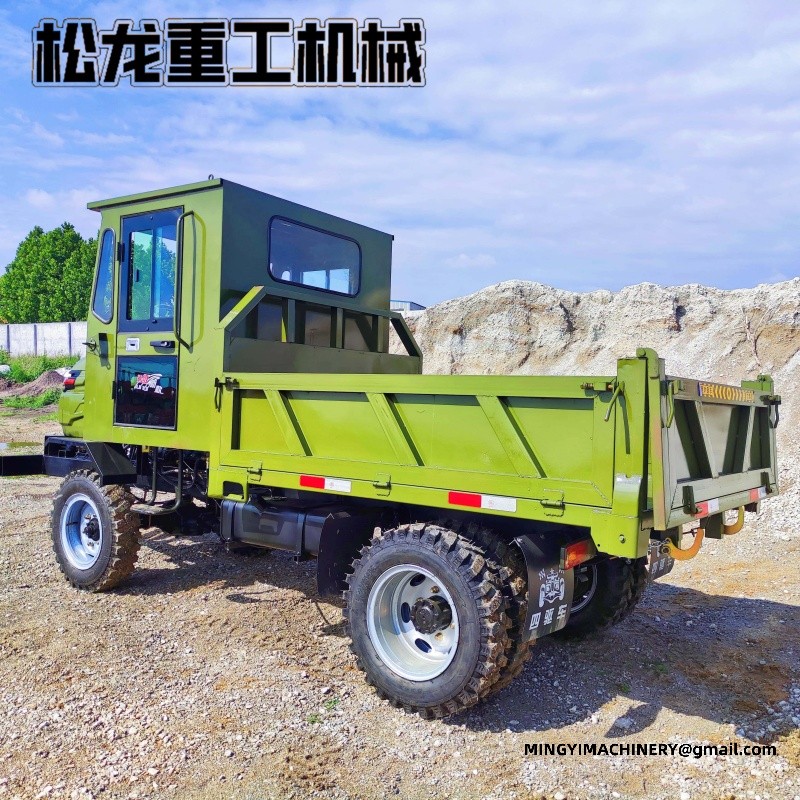
Attachment decisions are best made before delivery. Specifying hydraulics and couplers at build time is simpler than adding them later, and it avoids the downtime of a workshop visit in the first month.
Reconfiguration can extend the useful life of a machine. The unit in daily use that no longer suits the current work may suit it again with a different attachment, guarding or control arrangement. Upgrades should be checked against the base machine. Hydraulic capacity, mounting interface and stability all limit what can reasonably be added to a machine of this size, and confirming those limits avoids an unsatisfactory result.
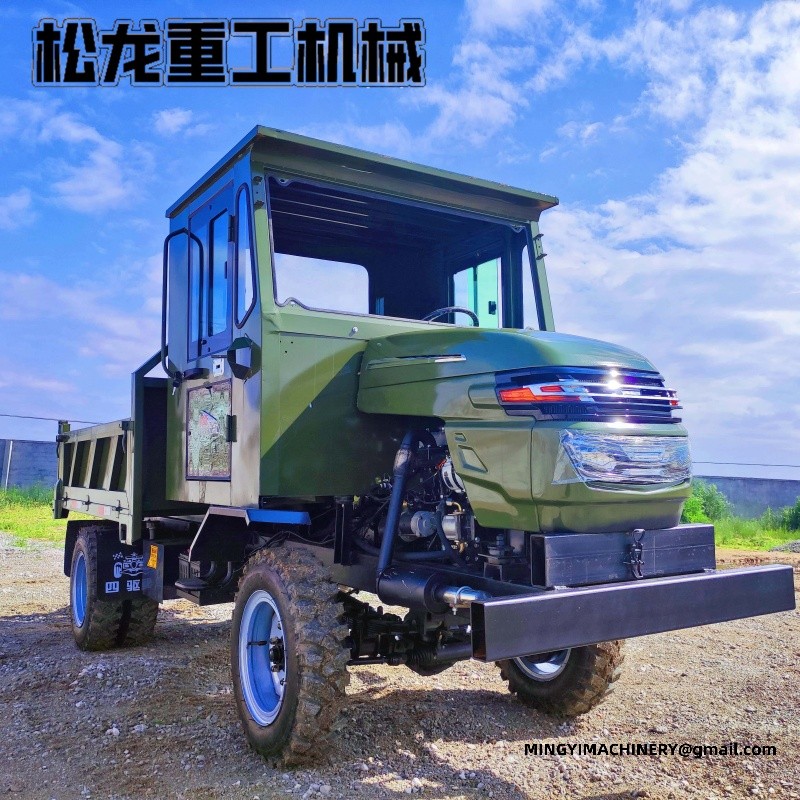
Machine output varies more between operators than between brands. Smooth, planned movements put less load on the structure and use less fuel, and that difference is visible on the hour meter and in the service bills for the equipment on site. Familiarisation should cover the limits as well as the controls. Knowing where the machine itself loses stability, how it behaves at full reach, and what the warning lights mean prevents the incidents that are put down to bad luck. A short handover pays for itself. Operators who understand why the model in question is set up the way it is will report a change in behaviour early, which is usually the point where a repair is simplest.
Standing still is hard on machinery. The machine in that duty left for weeks benefits from a clean, dry, covered space, a charged battery and a fuel system prepared for the layoff, and all three effort very little. A periodic start is better than none. Running the unit on the job to operating temperature during a long layoff keeps seals and the charging system in better condition than leaving it untouched until the next job.
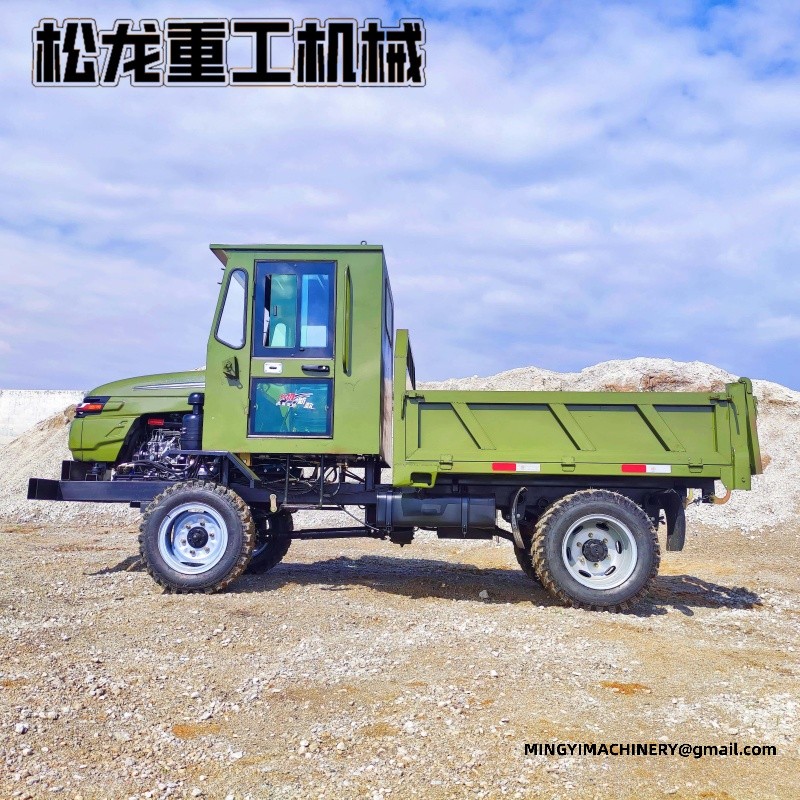
Slopes and edges deserve a separate check. A machine built for the work that is stable on level ground behaves differently across a gradient, and the safe working angle is a number worth knowing rather than estimating. Personal protective equipment and a stop rule are simple controls. Agreeing before work starts that anyone can stop the job is the single measure that most often prevents a serious incident near the equipment in service.
Parts availability usually decides the engine and the brand. A machine built around components the local network already carries is serviced from stock, which is the difference between a day lost and a week lost. Remote diagnosis shortens most faults. A walk-around on video with the panels open often identifies the cause on the dumper without waiting for a visit, and avoids shipping a part that turns out not to be needed.
Resale starts at purchase. Specification choices, service records and the condition of wearing parts are what a buyer looks at, and this class of machine that has been maintained on schedule is worth more than one that merely looks clean. Replacement timing is a planning decision. Knowing the intended working life of the unit in daily use lets an owner sell while the machine still has value rather than after a major repair becomes due.
Lead time is part of the specification. Confirming build time, shipping method and what is included before ordering the equipment on site prevents the common gap between when the machine is needed and when it can arrive. The order should state the configuration in writing. Engine, attachments, colour, documents and any market requirement are clearer on the build sheet for the machine itself than in a conversation after delivery. Delivery planning includes the receiving end. Knowing whether the model in question will be craned, driven or forked off, and whether the site can accept it, is settled before dispatch rather than on the day.
A crane or grab turns a haul vehicle into a loading machine. The unit on the job fitted with a hydraulic crane loads itself, which removes a second machine from the job and is often the whole reason for specifying one.
A simple log helps. Recording hours, fuel and any adjustment made to the equipment in service gives the workshop a history, and that history is what turns an intermittent fault into a one-visit repair instead of three.
Four-wheel drive is only part of soft ground capability. Tyre choice, ground clearance and weight distribution decide whether this class of machine keeps moving in a paddy field or a marsh, and all three are specified rather than assumed. Soft ground punishes the wrong tyre. Mountain pattern tyres on the unit in daily use clear mud that a road pattern would pack with, and the difference is measured in whether the machine finishes the day. Recovering a stuck vehicle takes longer than preventing it. Planning the route, avoiding the worst ground and knowing where the A machine of this size will turn is what keeps a soft-ground job productive.
Ground decides more of the outcome than power does. Soft, wet or loose surfaces call for a wider footprint and lower ground pressure, while hard standing allows a narrower machine that turns in less space and travels faster between tasks. The working surface should be surveyed before the machine itself is specified. A machine that is stable on compacted gravel can be unusable on the same site after rain, and the difference shows up as lost days rather than as a fault.
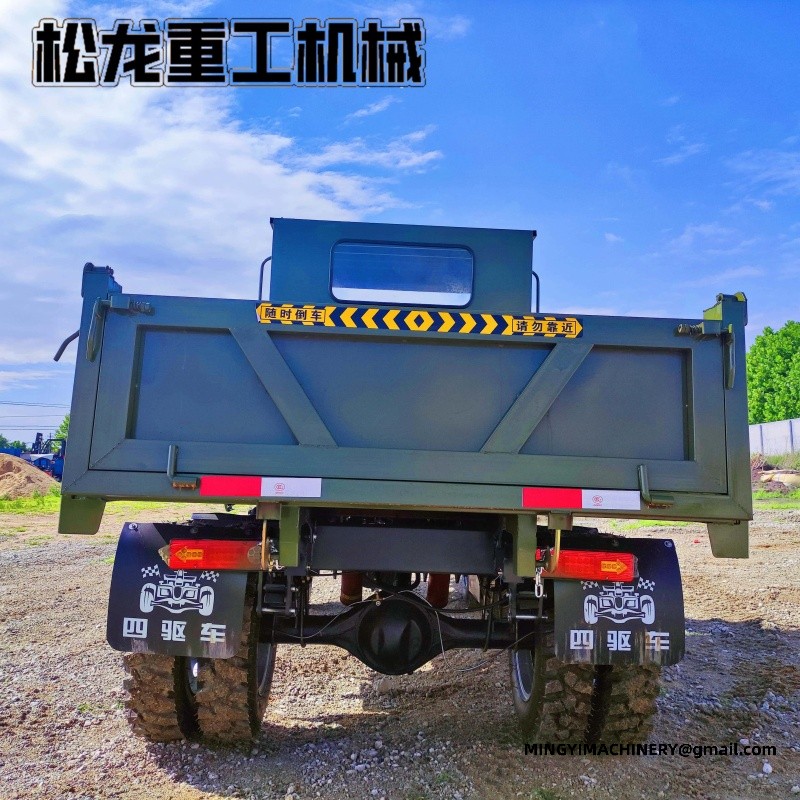
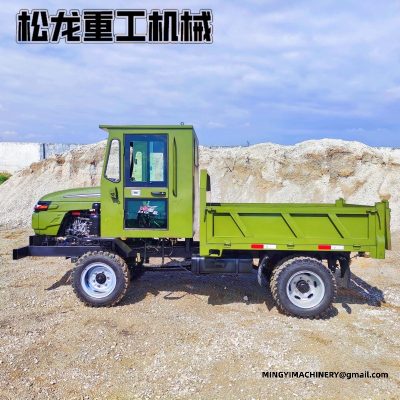
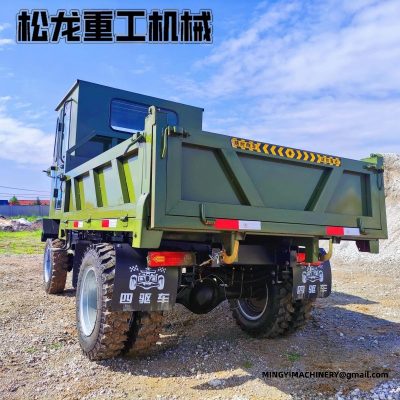
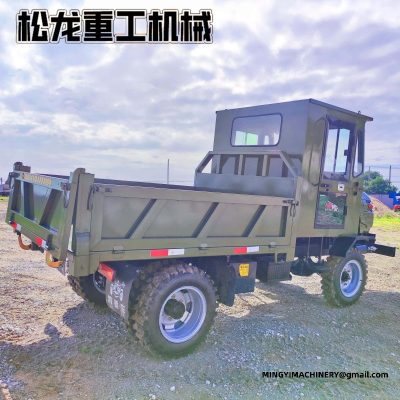
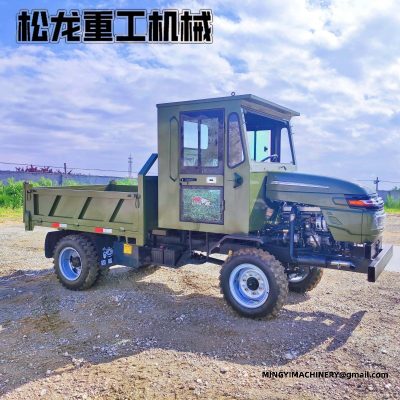
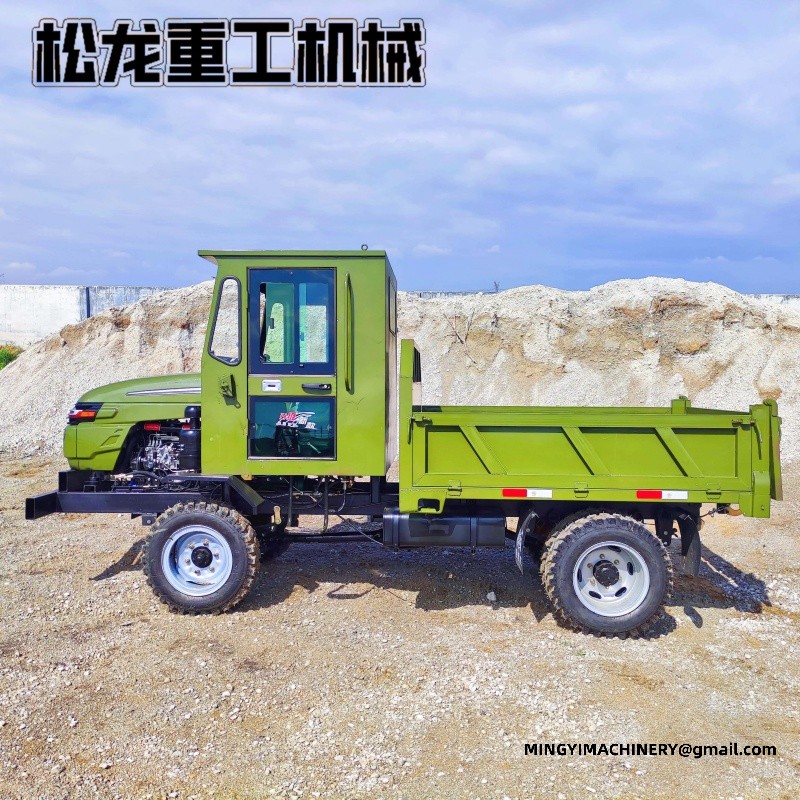
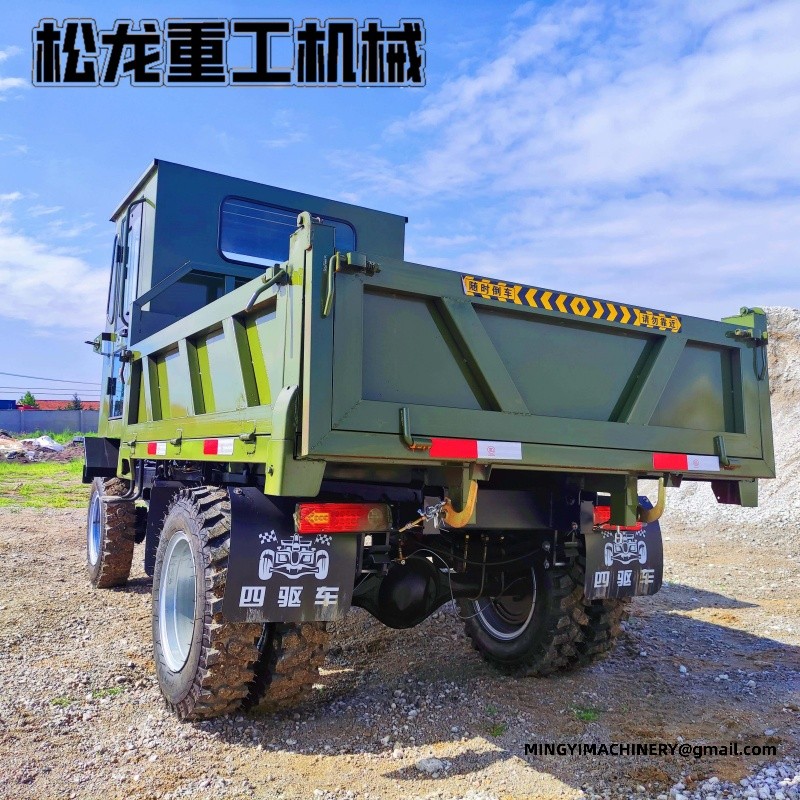
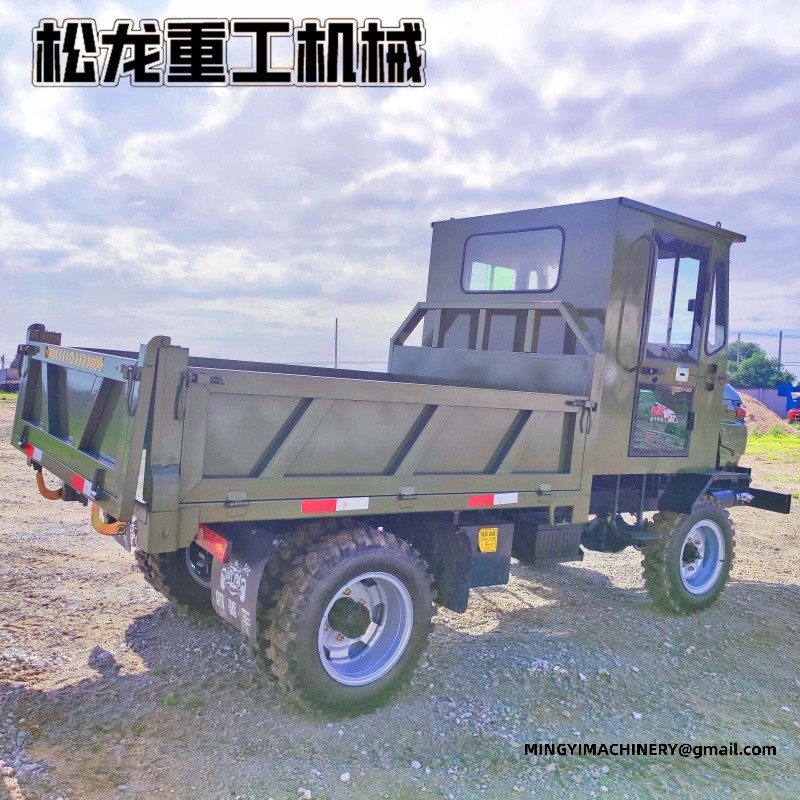
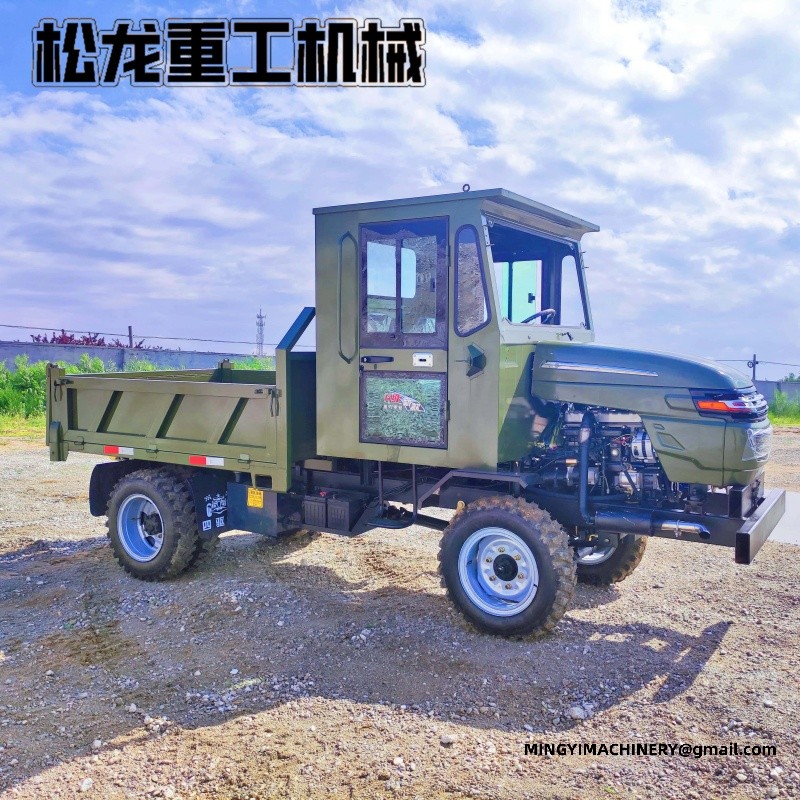
The configurations below are the build sheets most often matched to the machine in that duty. Engine, gearbox, axles, frame and body dimensions are confirmed together, because the body size and the axle rating have to suit the load before the engine rating matters.
| # | 12.Standard | 16.Upgraded | 8.Luxury | 9.Standard |
|---|---|---|---|---|
| 1 | Two-cylinder diesel engine, 38 hp | Four-cylinder 490 diesel engine | Single-cylinder diesel engine, 28 hp | Single-cylinder diesel engine, 32 hp |
| 2 | Full-time gearbox with four-wheel drive | Full-time gearbox with four-wheel drive | Part-time gearbox, selectable 2WD/4WD | Full-time gearbox with four-wheel drive |
| 3 | High/low range with crawler gear | High/low range with crawler gear | High/low range with crawler gear | High/low range with crawler gear |
| 4 | Simple cab | Fully enclosed cab | Enclosed cab | Simple cab |
| 5 | Oil brakes | Oil brakes | Six 700-16 mountain tyres | Oil brakes |
| 6 | Four 700-16 mountain tyres | Six 700-16 mountain tyres | Model 212 front axle | Four 700-16 mountain tyres |
| 7 | Front axle 212 | Front axle 212 | Model 130 rear axle | Front axle 212 |
| 8 | Rear axle 130 | Rear axle 130 | Air cut-off brakes | Rear axle 130 |
| 9 | Reinforced 60 x 140 mm square tube frame | Reinforced 60 x 140 mm square tube frame | Reinforced 60 x 140 mm square tube frame | Reinforced 60 x 140 mm square tube frame |
| 10 | Rear body 2.2 m long x 1.5 m wide x 0.45 m high | Rear body 2.2 m long x 1.5 m wide x 0.45 m high | Rear body 2.2 m long x 1.5 m wide x 0.45 m high | Rear body 2.2 m long x 1.5 m wide x 0.45 m high |
| 11 | Tailgate with self-dumping function | Tailgate with self-dumping function | Tailgate with self-dumping function | Tailgate with self-dumping function |
| 12 | Hydraulic power steering | Hydraulic power steering | Side-opening rear body tailgate | Hydraulic power steering |
| 13 | Twin hydraulic rams | Twin hydraulic rams | Hydraulic power steering | Twin hydraulic rams |
| 14 | Two-person comfort seat | Two-person comfort seat | Twin hydraulic rams | Two-person comfort seat |
| 15 | Twin-battery electric start | Twin-battery electric start | Two-person comfort seat | Twin-battery electric start |
| 16 | Round-nose bonnet | Round-nose bonnet | Heavy-duty leaf springs | Square-nose bonnet |
| 17 | — | — | Twin-battery electric start | — |
| 18 | — | — | Square-nose bonnet | — |
A written record is worth more than a good memory. Dates, hours and the parts fitted on a machine built for the work turn a guess about the next service into a fact, and they are the first thing a buyer asks to see.
A machine that only one person can use is a single point of failure. Training a second operator on the dumper takes a day and removes the dependency that otherwise governs holidays, illness and busy weeks.
Most additions are easier to plan than to add. Hydraulic services, mounting brackets and electrical capacity on the unit in daily use are build items, and deciding them at the specification stage is far easier than doing it later.
Loading is where most damage happens. Ramps, angle of approach and the condition of the ground under them matter more than the machine when the equipment on site is being loaded, and a careful driver is worth more than a fast one.
A cold start is easier when the machine is prepared the night before. The routine that keeps the model in question working through winter is mostly a matter of fuel, battery and patience in the first ten minutes of the day.
The paperwork matters as much as the packing. Serial numbers, dimensions and weights recorded for the unit on the job at loading are the same figures the destination needs, and a mismatch here loses more days than the voyage itself.
Operators who come from a different machine need a short conversion. The controls on the equipment in service follow the usual pattern, but the response, the sightlines and the stopping distance are learned by doing rather than by reading.
Standing still is harder on a machine than working. Preparing this class of machine for a long idle period means clean fluids, a charged battery and protection for the exposed surfaces, because neglect is not the same as rest.
Every line above is a build item rather than an optional extra, and the final sheet for the unit in daily use is confirmed against the destination, the ground and the load before production.
E-mail:sales@mingycn.com
LINE(ID):mingyicn









