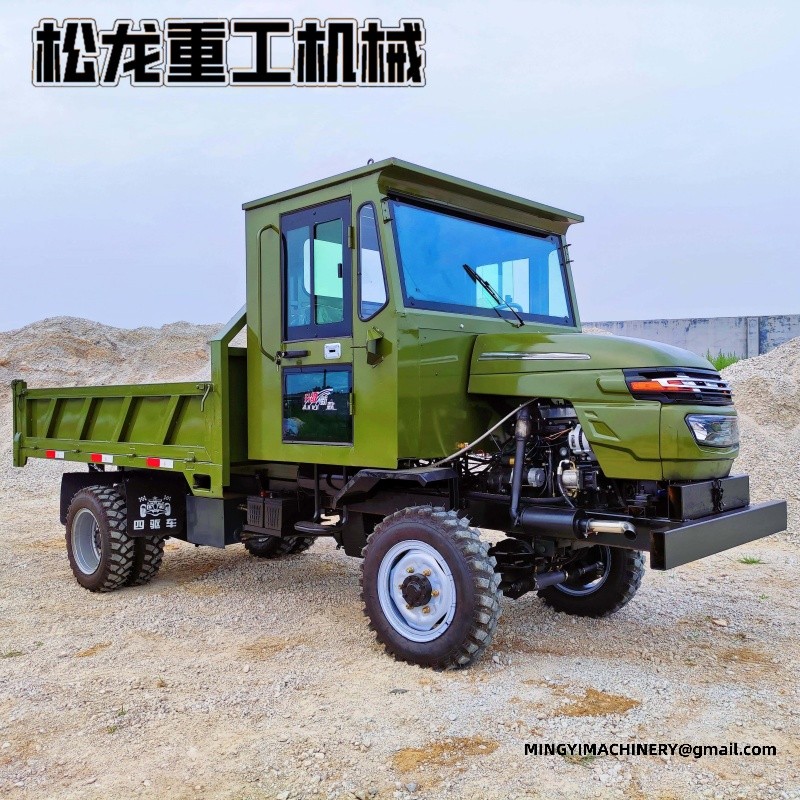
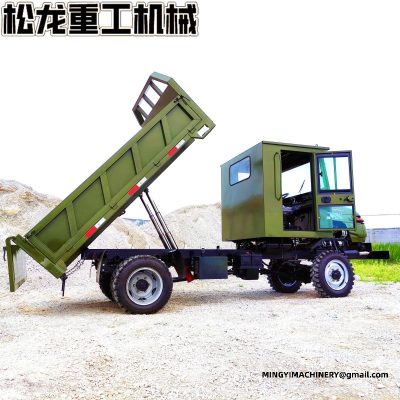
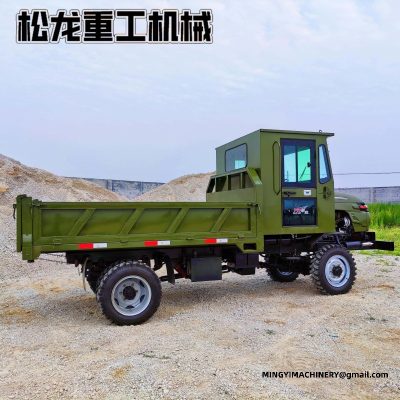
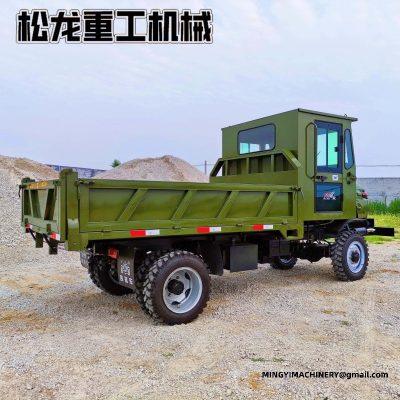
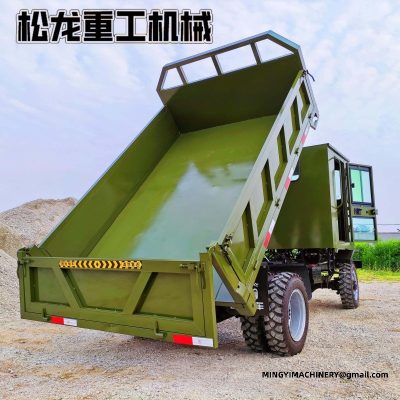
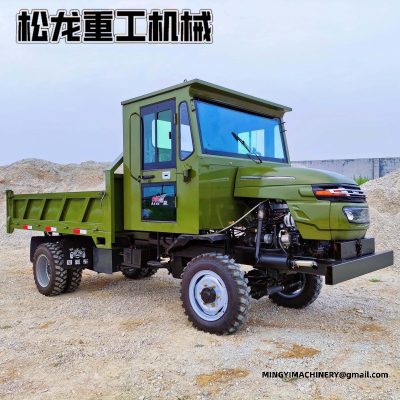
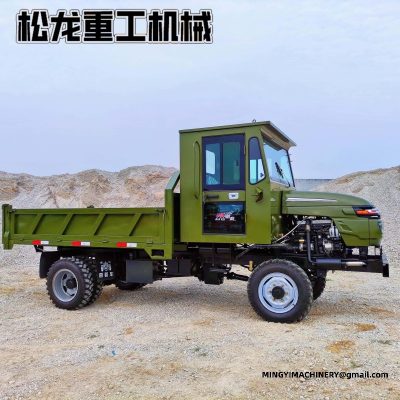
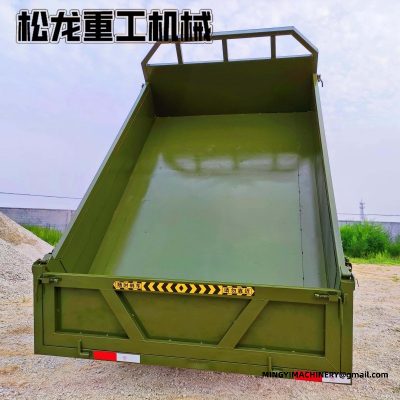
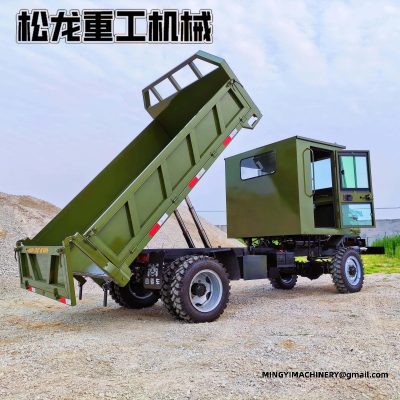
The specification of the dumper is only half the picture. The other half is how it behaves on a working day: how it starts cold, how it copes with dust, how long a service takes and how it travels between sites. Both halves are covered below.
Resale starts at purchase. Specification choices, service records and the condition of wearing parts are what a buyer looks at, and this class of machine that has been maintained on schedule is worth more than one that merely looks clean. Replacement timing is a planning decision. Knowing the intended working life of the unit in daily use lets an owner sell while the machine still has value rather than after a major repair becomes due. Records are part of the asset. Keeping the service history and the hour records with a machine of this size makes it easier to sell, easier to insure and easier to justify the replacement machine internally.
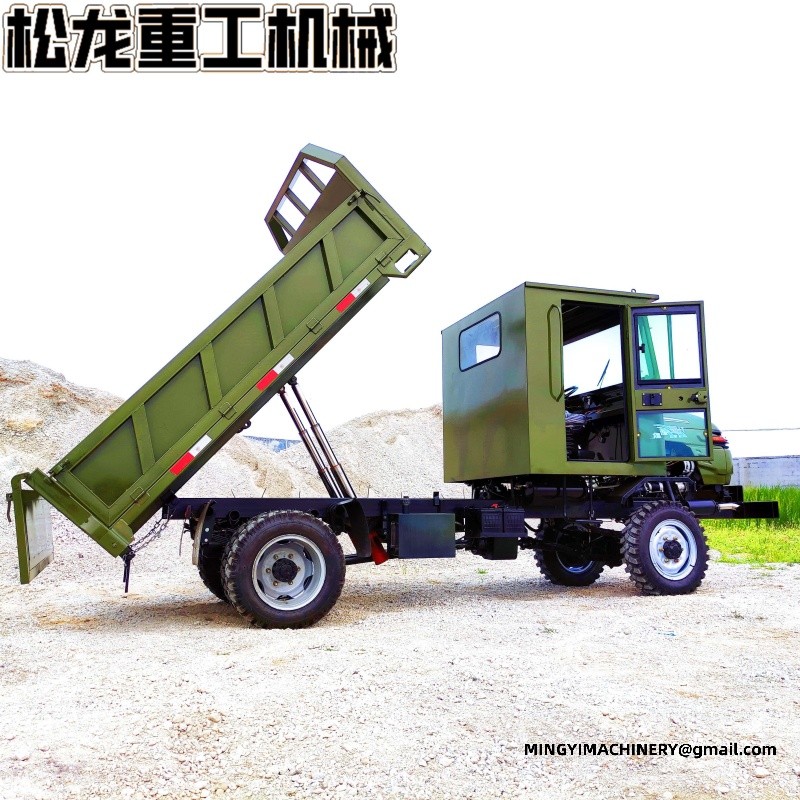
Farm work is seasonal and varied. The equipment on site that hauls feed in one month and muck or aggregate in the next earns its place by being usable across the year rather than by being optimised for one task.
Power unit choice is usually a parts question, not a performance one. Two buyers can order the same the model in question and sensibly choose different engines, because the right answer depends on which brand the local workshop already supports. Matching the engine to the duty matters more than the peak rating. The machine itself that spends its day at part load benefits from a different setup than one that works at full output, and the difference shows in fuel use over a season.
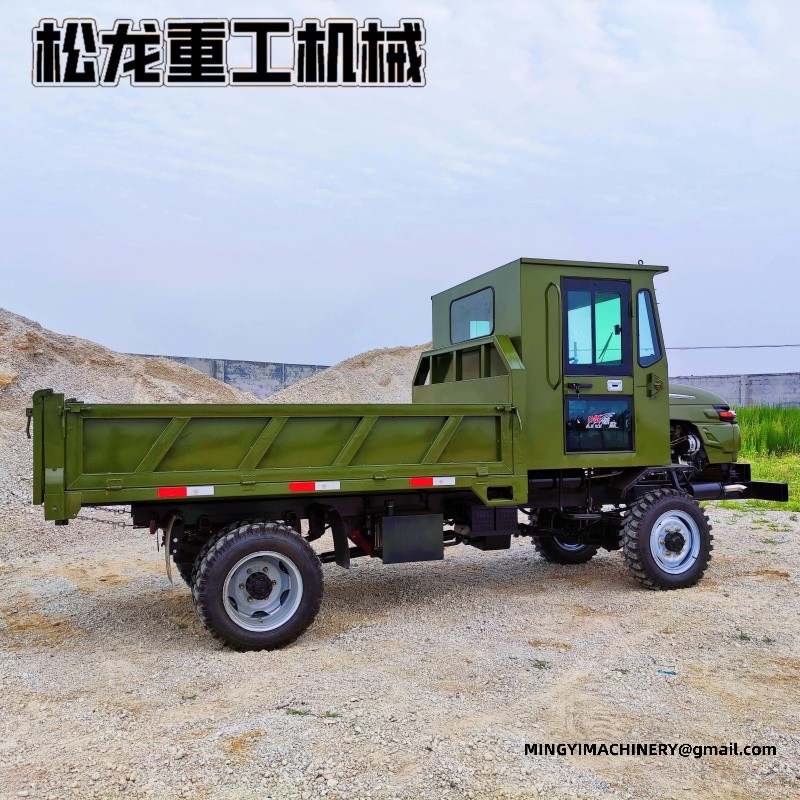
Most incidents around machinery come from the space rather than the machine. Exclusion zones, a clear signal person and a check on what is behind the machine in that duty before it moves cover the large majority of the risk on a working site.
Access and storage are worth settling early. Where the unit on the job will be parked, refuelled and serviced on site affects the working day more than most specification details, and it takes nothing to plan. Sequencing avoids rework. Doing the work in the order that suits the ground and the following trades keeps a machine built for the work productive and prevents finishing a task that then has to be opened up again.
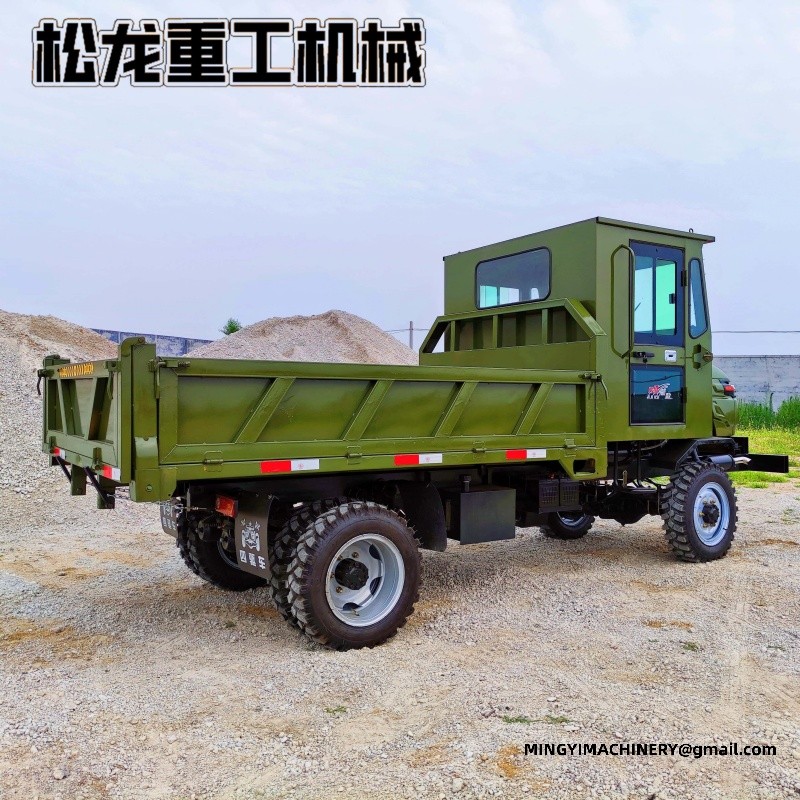
Shipping dimensions matter as much on export orders as they do locally. Confirming the packed size of the equipment in service before booking avoids re-booking freight after the machine is built.
Adding a crane changes the vehicle specification. Hydraulic capacity, frame strength and braking all need to suit the attachment, and it is simpler to specify them at build than to add them later.
Parts availability usually decides the engine and the brand. A machine built around components the local network already carries is serviced from stock, which is the difference between a day lost and a week lost.
Working after daylight changes the risk. Lighting coverage on the class of machine and across the working area, plus high-visibility clothing for anyone on foot, are the items that make low-light work practical.
Build options are where a standard machine becomes the right machine. Colour, guarding, lighting, seating and hydraulic provisions can usually be set at build time on a machine of this size, and are far simpler then than as a retrofit. Fleet buyers often want consistency rather than variety. Specifying the equipment on site so that several units share controls, filters and service points reduces training time and keeps the parts shelf small. Customisation should still be limited to what the work needs. Each addition to the machine itself is another item to maintain, so the useful question is not what can be added but what the job list actually requires.
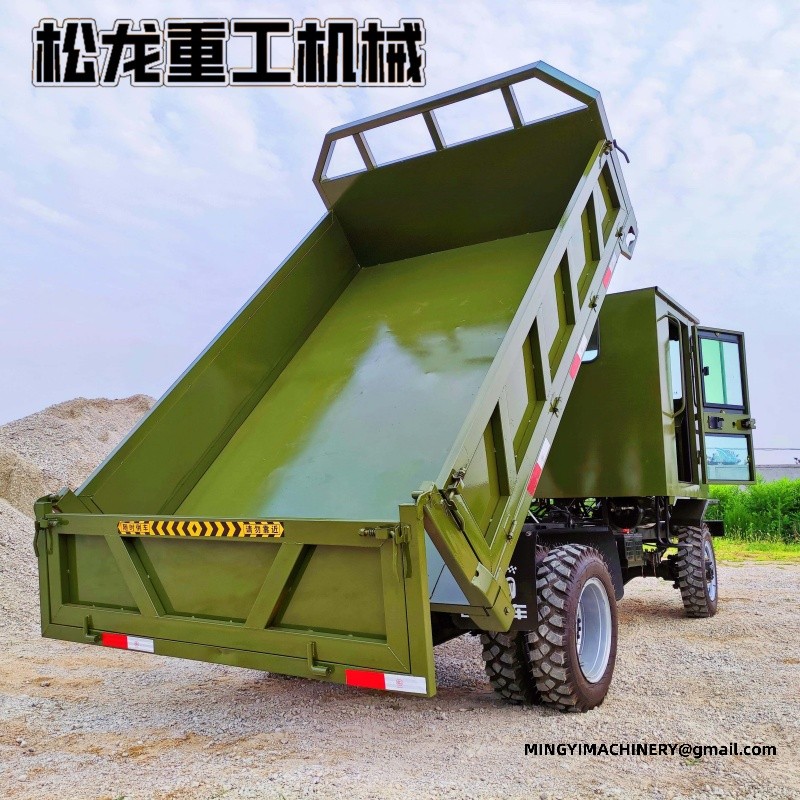
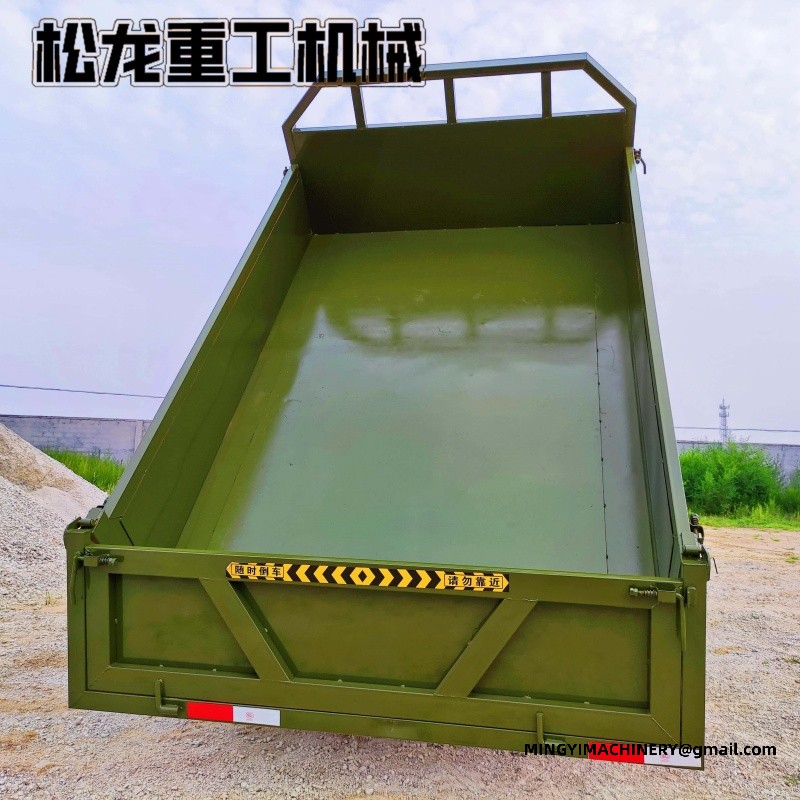
Unloading method should follow the material. Wet spoil, aggregate and green timber behave differently in the body, and matching the body and tailgate arrangement to the load is what keeps the machine in that duty cycling rather than being hand-cleared. Body size is a compromise with access. A larger body on the unit on the job carries more per trip but needs more room to turn and tip, so the useful question is how many trips the route allows rather than how much it holds.
Duty cycle is the honest measure of a machine. The equipment in service working a few hours a week has different needs from one working two shifts, and the cooling, filtration and service intervals should follow the hours rather than the calendar.
Batteries and fluids are the parts that notice the cold first. This class of machine kept on a maintainer through a freezing spell starts on the first turn, while one left standing is the usual cause of a lost morning.
Stability follows the load and its position. Knowing the rated capacity of a machine of this size at the working radius, rather than at its best case, is what keeps handling predictable and the machine upright. Ballast and attachment weight change the machine. Adding a heavy tool to the equipment on site moves the centre of gravity, and the counterweight or configuration should be matched to the tool rather than assumed.
Timber work changes what the vehicle carries. The model in question fitted with a log grab loads and unloads without a second machine, which is usually the reason a forestry contractor specifies one over a conventional truck.
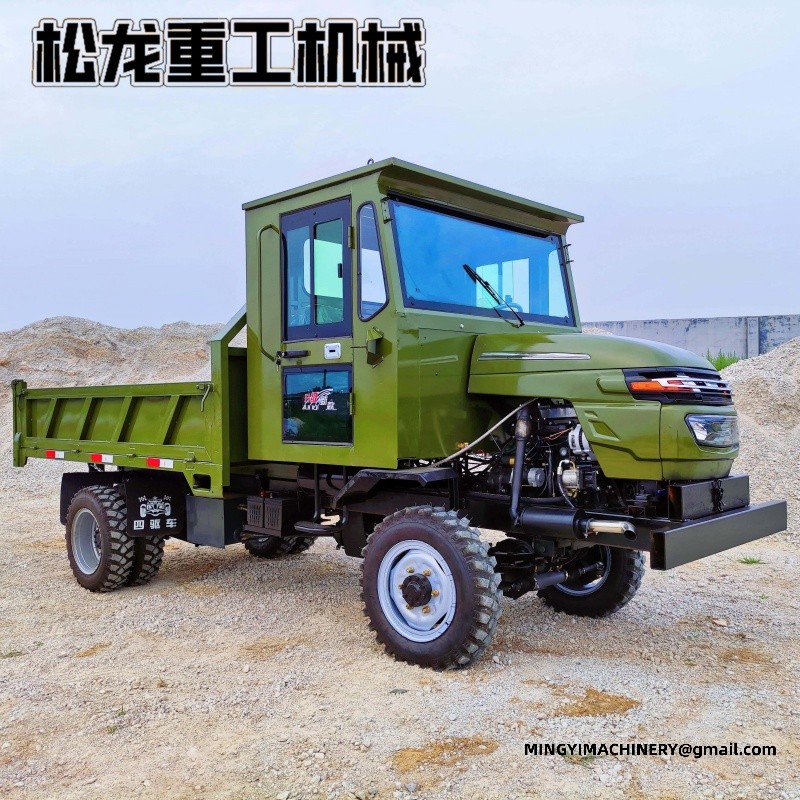
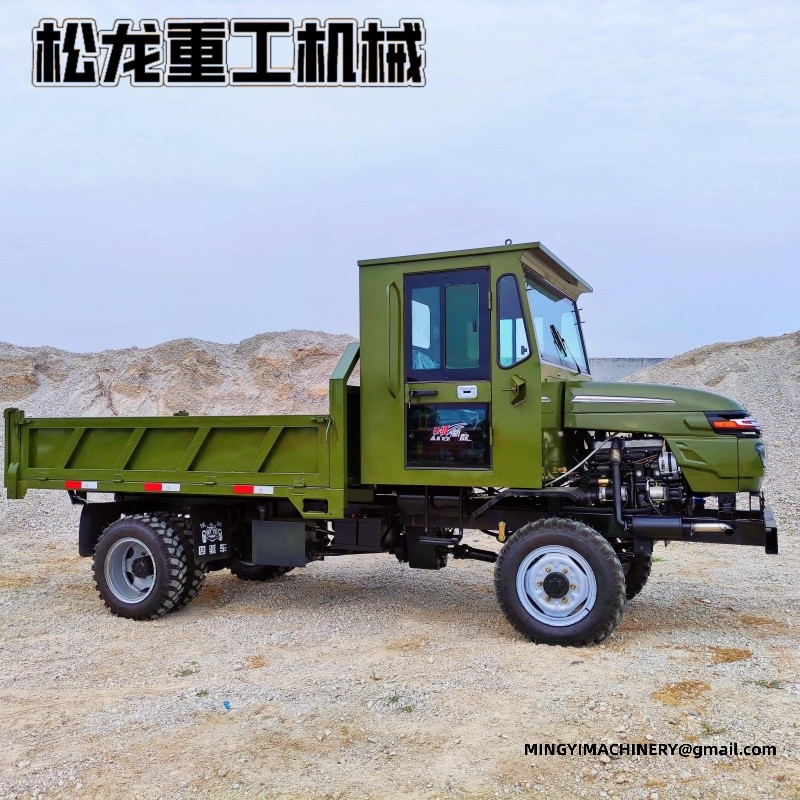
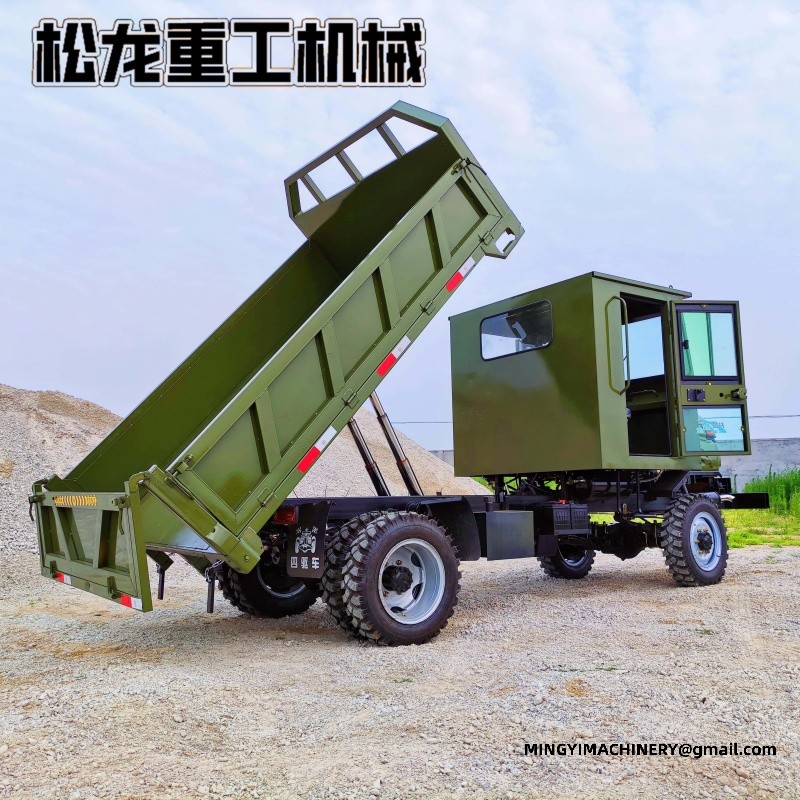
The configurations below are the build sheets most often matched to the unit on the job. Engine, gearbox, axles, frame and body dimensions are confirmed together, because the body size and the axle rating have to suit the load before the engine rating matters.
| # | 14.Luxury | 16.Upgraded | 23.Upgraded | 9.Standard |
|---|---|---|---|---|
| 1 | Two-cylinder diesel engine, 38 hp | Four-cylinder 490 diesel engine | Four-cylinder 4108 turbocharged diesel engine | Single-cylinder diesel engine, 32 hp |
| 2 | Part-time gearbox, selectable 2WD/4WD | Full-time gearbox with four-wheel drive | Model 140 part-time gearbox, selectable 2WD/4WD | Full-time gearbox with four-wheel drive |
| 3 | High/low range with crawler gear | High/low range with crawler gear | High/low range with crawler gear | High/low range with crawler gear |
| 4 | Enclosed cab | Fully enclosed cab | Simple cab | Simple cab |
| 5 | Six 700-16 mountain tyres | Oil brakes | Six 825R16 steel-belted radial tyres | Oil brakes |
| 6 | Model 212 front axle | Six 700-16 mountain tyres | Reinforced ISUZU-pattern front axle | Four 700-16 mountain tyres |
| 7 | Reinforced 130 rear axle | Front axle 212 | Reinforced 1080 rear axle | Front axle 212 |
| 8 | Air cut-off brakes | Rear axle 130 | Air cut-off brakes | Rear axle 130 |
| 9 | Reinforced 60 x 140 mm square tube frame | Reinforced 60 x 140 mm square tube frame | Reinforced 80 x 180 mm square tube frame | Reinforced 60 x 140 mm square tube frame |
| 10 | Rear body 2.2 m long x 1.5 m wide x 0.45 m high | Rear body 2.2 m long x 1.5 m wide x 0.45 m high | Rear body 3.0 m long x 2.2 m wide x 0.45 m high | Rear body 2.2 m long x 1.5 m wide x 0.45 m high |
| 11 | Tailgate with self-dumping function | Tailgate with self-dumping function | Tailgate with self-dumping function | Tailgate with self-dumping function |
| 12 | Side-opening rear body tailgate | Hydraulic power steering | Hydraulic power steering | Hydraulic power steering |
| 13 | Hydraulic power steering | Twin hydraulic rams | Twin hydraulic rams | Twin hydraulic rams |
| 14 | Twin hydraulic rams | Two-person comfort seat | Two-person comfort seat | Two-person comfort seat |
| 15 | Heavy-duty leaf springs | Twin-battery electric start | Heavy-duty leaf springs | Twin-battery electric start |
| 16 | Two-person comfort seat | Round-nose bonnet | Twin-battery electric start | Square-nose bonnet |
| 17 | Twin-battery electric start | — | Square-nose bonnet | — |
| 18 | Round-nose bonnet | — | — | — |
Inspection is a list, not a glance. Before the equipment in service is released the fluid levels, belt tension, electrical connections and safety decals are each ticked off, and anything that fails stays in the shop rather than travelling with the machine.
Patterns show up in the record before they show up in the machine. Rising oil consumption or a filter that keeps blocking on this class of machine is obvious on paper long before it becomes a failure on site.
The calendar decides more than the specification does. Planning when a machine of this size will be working, when it will be serviced and when it can be spared keeps the maintenance out of the weeks that matter.
Winter is hard on rubber and on seals as much as on the engine. Parking the machine itself under cover, keeping the tracks or tyres off standing water and checking the hoses for cracking are all part of the season.
Retrofitting is limited by the base machine. Before anything is added to the machine in that duty the hydraulic flow, the mounting interface and the stability allowance have to be checked, because those limits are what decide what is sensible.
The symptom is usually not at the fault. A hydraulic function that has become sluggish on a machine built for the work may point to a filter, a relief setting or a pump, and starting with the simple checks avoids the wrong guess.
The machine is only half of what arrives. The parts book, the service schedule and the declarations that come with the dumper are what let the owner register, insure and maintain it without a second round of emails.
How a machine travels decides how it starts on arrival. Securing the unit in daily use against movement, protecting the exposed cylinders and keeping the battery and fluids in the right state for the voyage all belong to the packing list.
Every line above is a build item rather than an optional extra, and the final sheet for a machine of this size is confirmed against the destination, the ground and the load before production.
E-mail:sales@mingycn.com
LINE(ID):mingyicn









