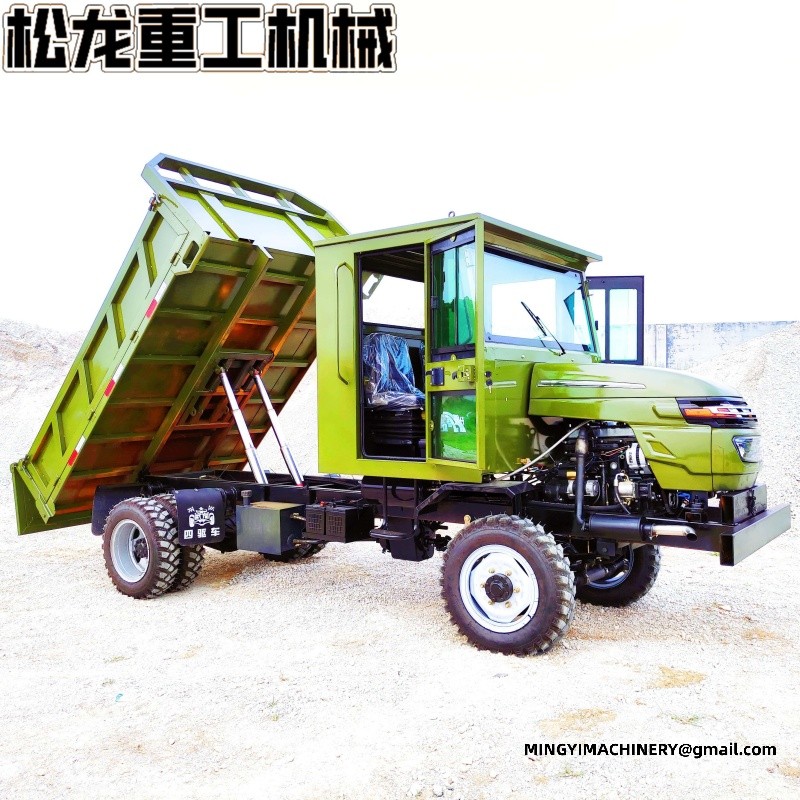
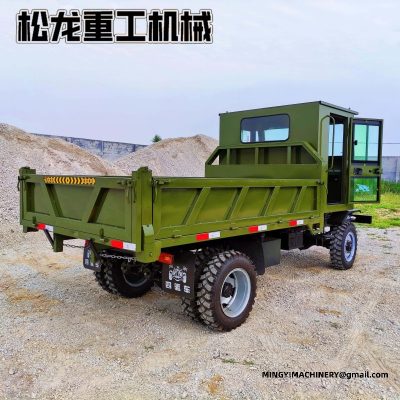
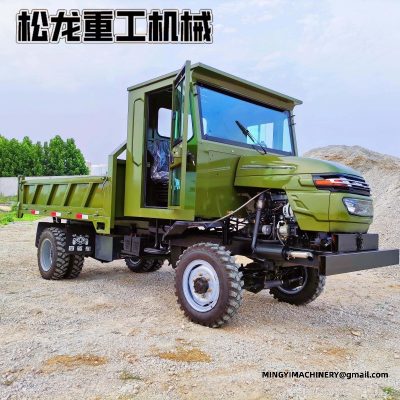
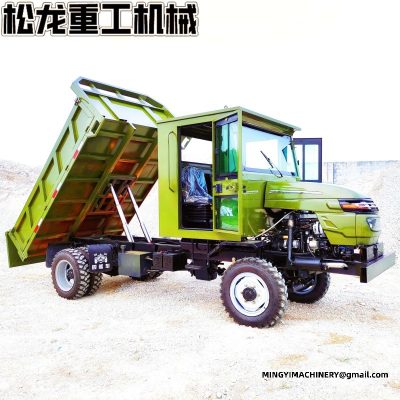
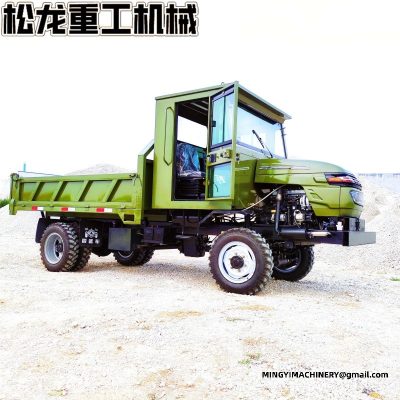
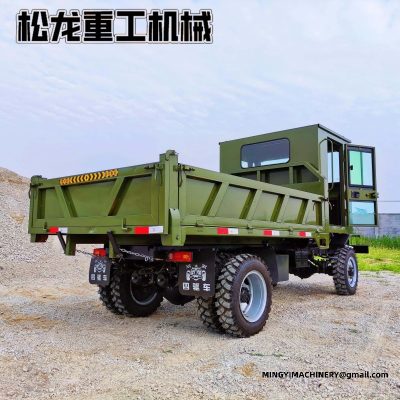
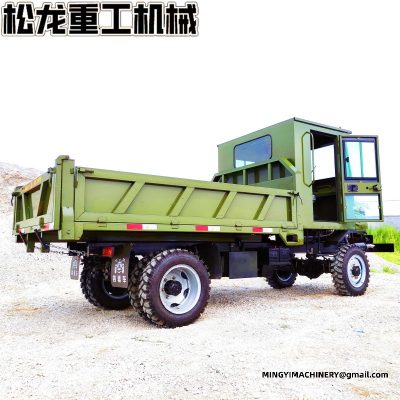
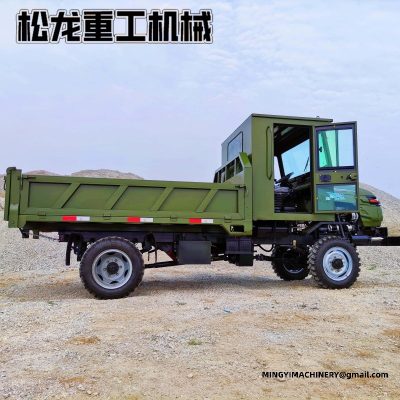
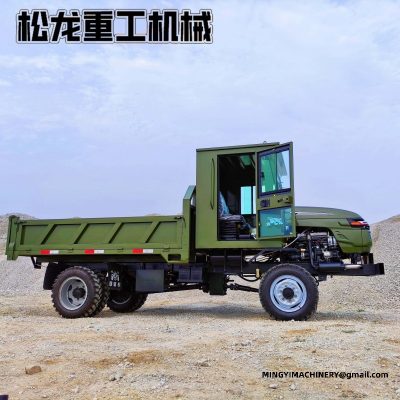
The dumper sits in a class where the difference between models is felt on site rather than read on a plate. What follows covers the practical side, including access, duty cycle, maintenance and delivery, in the order a buyer tends to meet them.
Power unit choice is usually a parts question, not a performance one. Two buyers can order the same this class of machine and sensibly choose different engines, because the right answer depends on which brand the local workshop already supports.
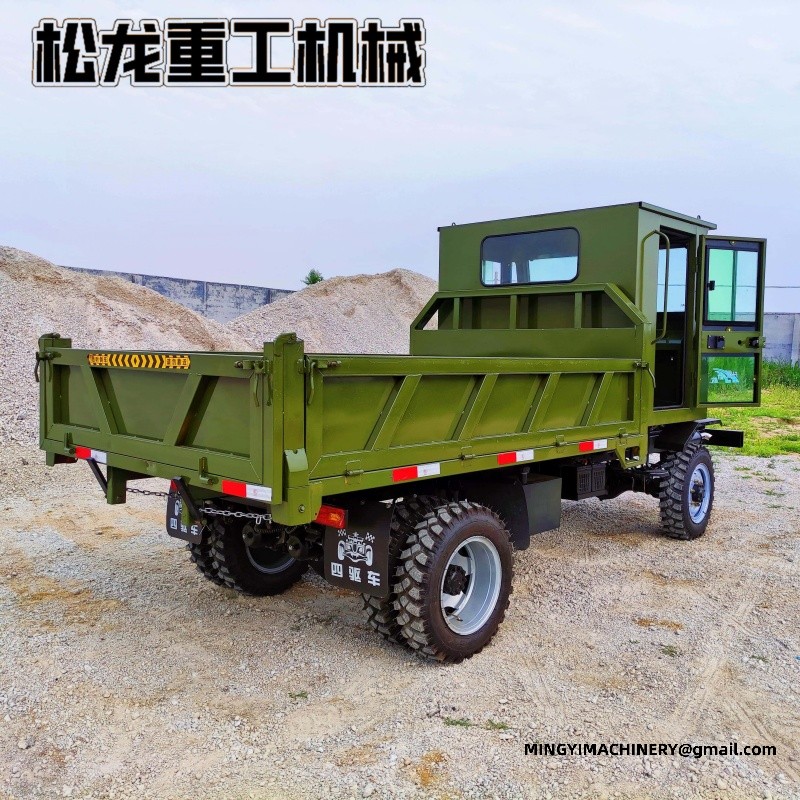
Working after daylight changes the risk. Lighting coverage on the unit in daily use and across the working area, plus high-visibility clothing for anyone on foot, are the items that make low-light work practical. Planning helps more than extra lamps. Positioning the machine of this size so that the work is lit from the machine side, and keeping the route clear, does more for safety than adding light to a badly planned task.
Container loading is a planning exercise. Confirming how the equipment on site is packed and how many units fit a container is what turns a per-unit freight estimate into a delivered figure the buyer can actually plan against. Documentation should be agreed at order stage. The commercial invoice, packing list and any certificate required at destination are part of shipping the machine itself, and missing papers delay clearance longer than the voyage takes.
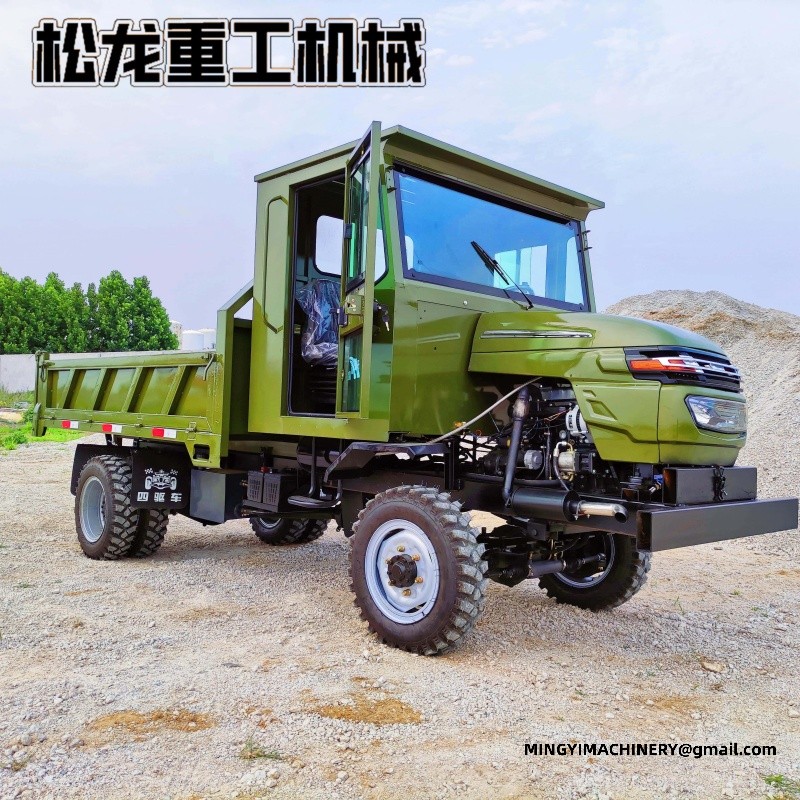
Replacing wear items early is usually simpler. Worn components on the model in question load the parts they run against, so a worn part left too long often becomes a major repair.
A simple log helps. Recording hours, fuel and any adjustment made to the machine in that duty gives the workshop a history, and that history is what turns an intermittent fault into a one-visit repair instead of three.
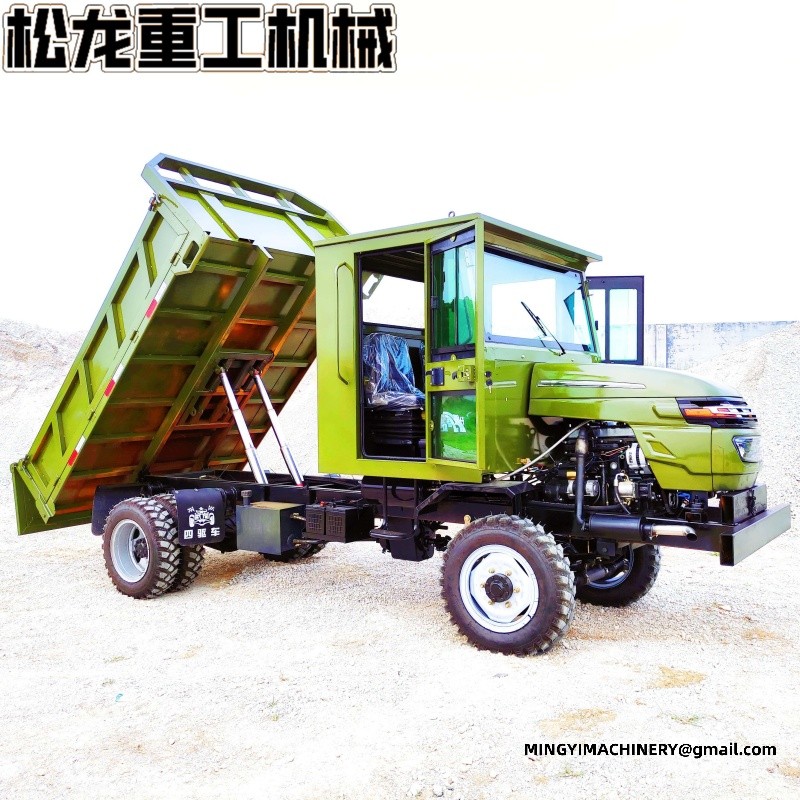
A short familiarisation session prevents the early faults. Most first-month problems on the unit on the job come from unfamiliarity with controls, limits or checks rather than from the machine itself. Keeping the manuals where they can be reached matters. A machine built for the work whose documents stay with the machine gets serviced on schedule; one whose paperwork was filed elsewhere tends to run on memory instead.
The base machine is only as useful as the tool on the end of it. Matching the attachment to the task - rather than to what arrived with the machine - is what lets one the dumper cover several jobs across a week. Attachment decisions are best made before delivery. Specifying hydraulics and couplers at build time is simpler than adding them later, and it avoids the downtime of a workshop visit in the first month. Most owners find that the second attachment changes how often the machine is used. The equipment in service that was bought for one task often becomes the general machine on site once a second tool is available.
Recovering a stuck vehicle takes longer than preventing it. Planning the route, avoiding the worst ground and knowing where the class of machine will turn is what keeps a soft-ground job productive.
Support after delivery is a parts question. Filters, belts, hoses and the wearing items specific to a machine of this size are what a buyer should plan to hold before the first service interval rather than order after a failure.
The working surface should be surveyed before the machine itself is specified. A machine that is stable on compacted gravel can be unusable on the same site after rain, and the difference shows up as lost days rather than as a fault.
Commissioning is the point where most avoidable issues are found. Checking levels, fasteners and function on the model in question before it goes to work takes an hour and prevents a claim conversation later. Early faults are usually simple. The machine in that duty that behaves differently in its first few hours is more often mis-set than defective, and a call to the supplier at that point usually resolves it the same day.
Consumption is best measured over a full week rather than judged per hour. Idle time, repositioning and waiting for other trades are often the largest share of the fuel a machine built for the work burns on a site. Planning the work to reduce empty movement is free. Fewer repositioning cycles on the equipment in service means less fuel, less wear on the undercarriage or tyres and more of the shift spent on productive work.
Batteries and fluids are the parts that notice the cold first. This class of machine kept on a maintainer through a freezing spell starts on the first turn, while one left standing is the usual cause of a lost morning. Low temperatures also make materials behave differently. Ground that is frozen hard in the morning can be soft by midday, and planning the sequence around that is easier than fighting it with the unit in daily use.
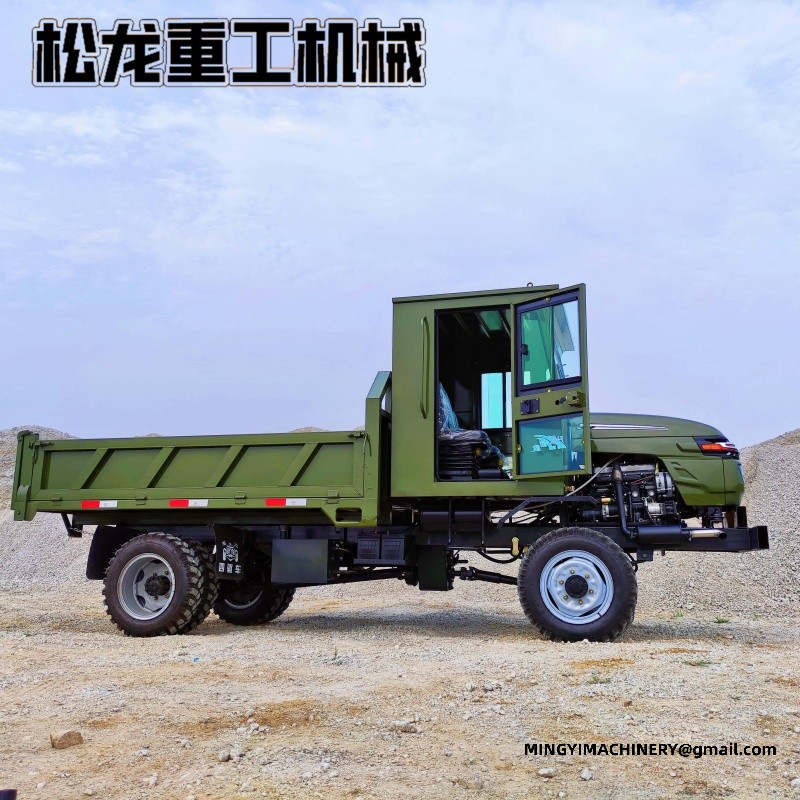
Gradient is where a haul vehicle earns its keep. The equipment on site with a crawler gear and a low range climbs loaded where a road vehicle would need a second attempt, and that difference decides whether a track is usable at all.
Carrying concrete changes the duty entirely. The model in question with a mixer drum is working against the clock, and the specification follows the delivery distance and the site access rather than the load alone.
Timber work changes what the vehicle carries. The unit on the job fitted with a log grab loads and unloads without a second machine, which is usually the reason a forestry contractor specifies one over a conventional truck. Access tracks in forestry are narrow, soft and often steep. A machine built for the work chosen for that work is chosen for the track, and the body, cab and tyre specification follow from the route rather than from the load alone. Protection matters in timber work. Guarding, lighting and a cab that keeps branches out are the items that keep the equipment in service working through a season rather than being repaired through it.
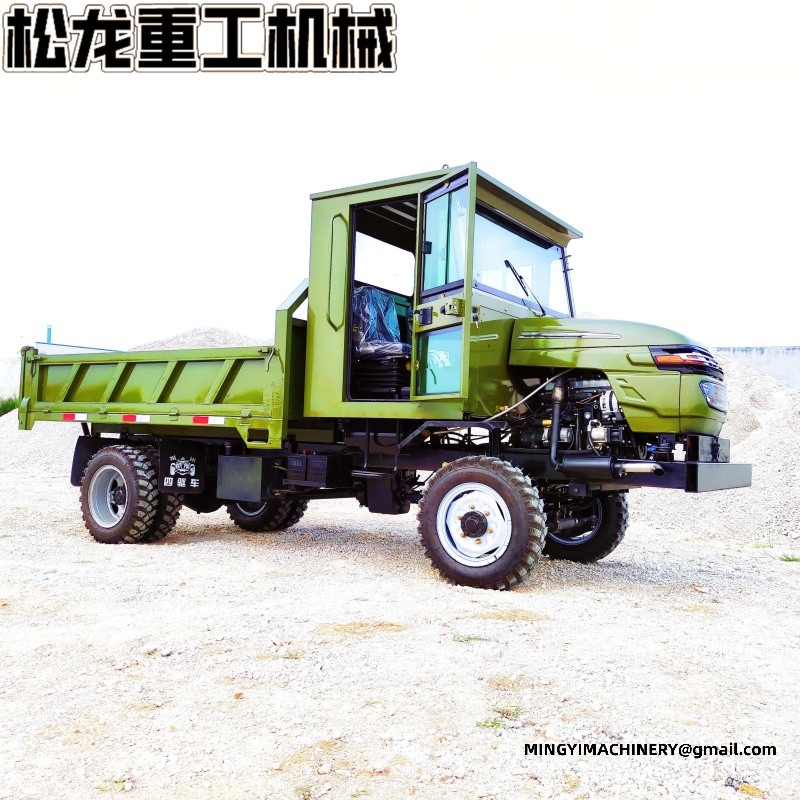
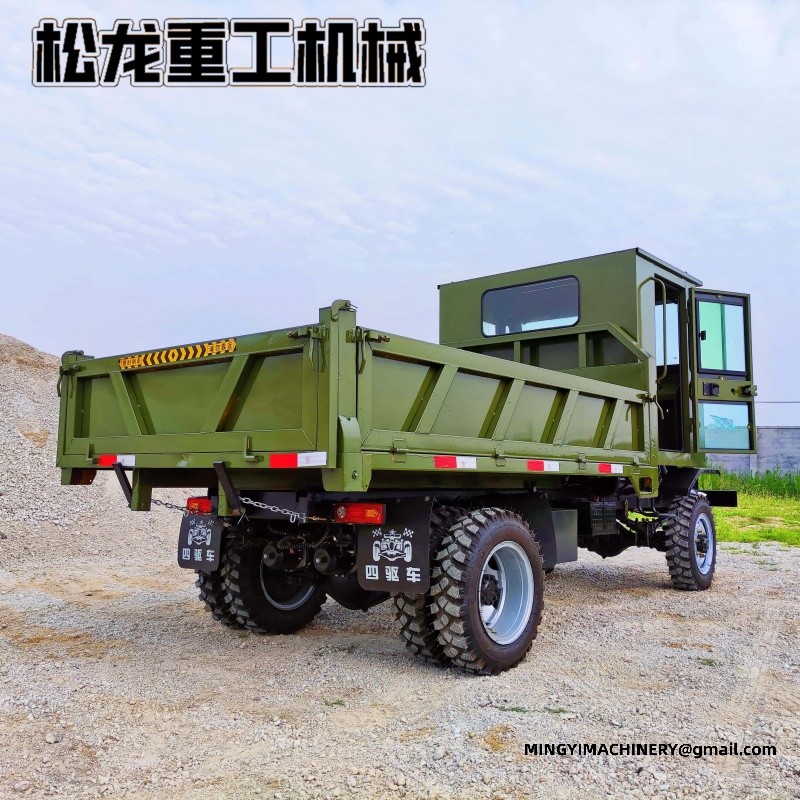
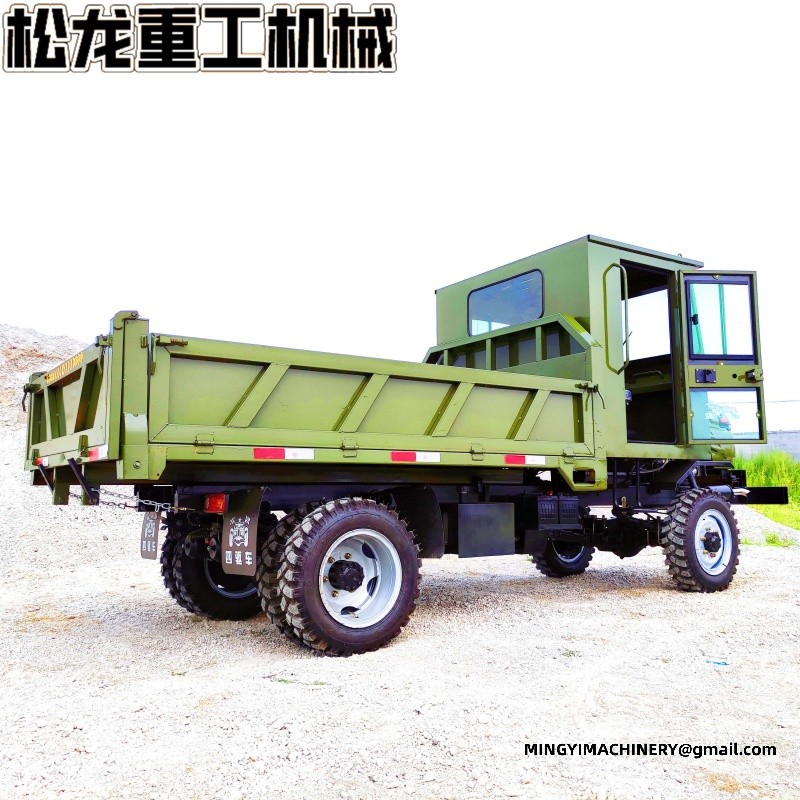
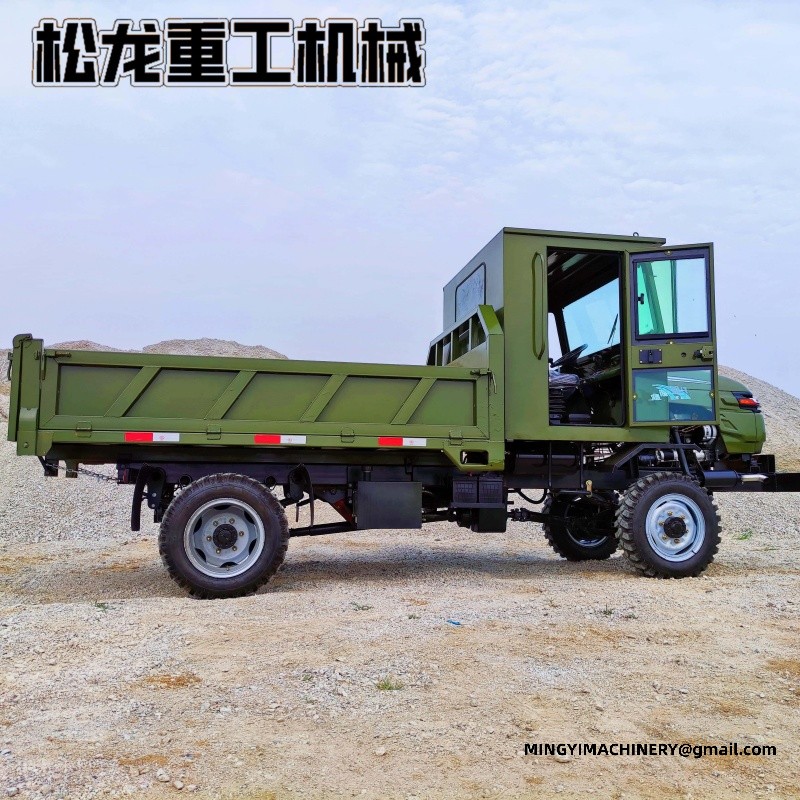
The configurations below are the build sheets most often matched to this class of machine. Engine, gearbox, axles, frame and body dimensions are confirmed together, because the body size and the axle rating have to suit the load before the engine rating matters.
| # | 13.Upgraded | 14.Luxury | 19.Upgraded | 6.Standard |
|---|---|---|---|---|
| 1 | Two-cylinder diesel engine, 38 hp | Two-cylinder diesel engine, 38 hp | Four-cylinder 4102 turbocharged diesel engine | Single-cylinder diesel engine, 28 hp |
| 2 | Full-time gearbox with four-wheel drive | Part-time gearbox, selectable 2WD/4WD | Model 140 part-time gearbox with four-wheel drive | Full-time gearbox with four-wheel drive |
| 3 | High/low range with crawler gear | High/low range with crawler gear | High/low range with crawler gear | High/low range with crawler gear |
| 4 | Front axle clutch | Enclosed cab | Fully enclosed cab | Simple cab |
| 5 | Fully enclosed cab | Six 700-16 mountain tyres | Six 750R16 steel-belted radial tyres | Oil brakes |
| 6 | Oil brakes | Model 212 front axle | Reinforced ISUZU-pattern front axle | Four 700-16 mountain tyres |
| 7 | Four 700-16 mountain tyres | Reinforced 130 rear axle | Reinforced 1061 rear axle | Front axle 212 |
| 8 | Front axle 212 | Air cut-off brakes | Air cut-off brakes | Rear axle 130 |
| 9 | Rear axle 130 | Reinforced 60 x 140 mm square tube frame | Reinforced 80 x 180 mm square tube frame | Reinforced 60 x 140 mm square tube frame |
| 10 | Reinforced 60 x 140 mm square tube frame | Rear body 2.2 m long x 1.5 m wide x 0.45 m high | Rear body 3.0 m long x 2.1 m wide x 0.45 m high | Rear body 2.2 m long x 1.5 m wide x 0.45 m high |
| 11 | Rear body 2.2 m long x 1.5 m wide x 0.45 m high | Tailgate with self-dumping function | Tailgate with self-dumping function | Tailgate with self-dumping function |
| 12 | Tailgate with self-dumping function | Side-opening rear body tailgate | Side-opening rear body tailgate with cab ladder | Hydraulic power steering |
| 13 | Hydraulic power steering | Hydraulic power steering | Hydraulic power steering | Twin hydraulic rams |
| 14 | Twin hydraulic rams | Twin hydraulic rams | Twin hydraulic rams | Two-person comfort seat |
| 15 | Two-person comfort seat | Heavy-duty leaf springs | Two-person comfort seat | Twin-battery electric start |
| 16 | Twin-battery electric start | Two-person comfort seat | Thickened heavy-duty leaf springs | Square-nose bonnet |
| 17 | Round-nose bonnet | Twin-battery electric start | Twin-battery electric start | — |
| 18 | — | Round-nose bonnet | Square-nose bonnet | — |
Heat and dust shorten service intervals rather than machine life. In these conditions the filters on a machine of this size need attention more often, and the cooling surfaces need to be kept clear to hold the working temperature.
Standing still is harder on a machine than working. Preparing the machine itself for a long idle period means clean fluids, a charged battery and protection for the exposed surfaces, because neglect is not the same as rest.
A machine that works on one site still has to reach the next. The overall dimensions and the operating weight of the machine in that duty decide what trailer or truck is needed, and that decision belongs before the job is booked.
Operators notice things first because they hear the machine every day. Encouraging the person on a machine built for the work to report small changes, and acting on them, is the most effective maintenance programme there is.
Holding spares is about downtime rather than the shelf itself. The question for the dumper is not how large the part is but how long the machine sits while it is found, and a small shelf answers that better than a fast courier.
What the customer sees on arrival is decided before departure. The walk-around given to the unit in daily use covers the same points the operator will check on day one, so there are no surprises when the crate is opened at the destination.
Every line above is a build item rather than an optional extra, and the final sheet for a machine of this size is confirmed against the destination, the ground and the load before production.
E-mail:sales@mingycn.com
LINE(ID):mingyicn









