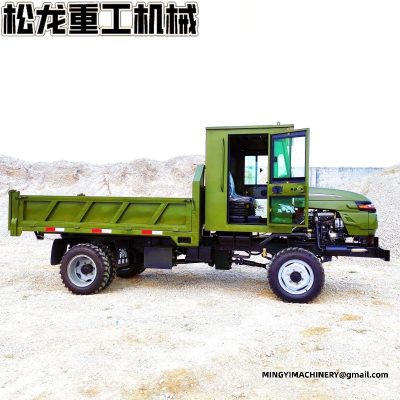
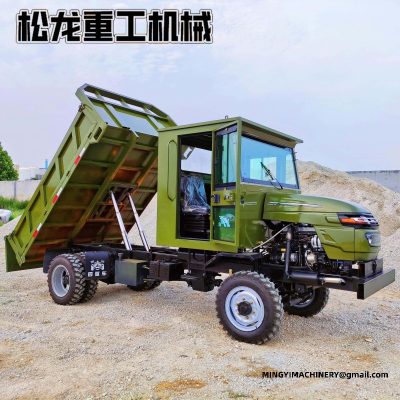
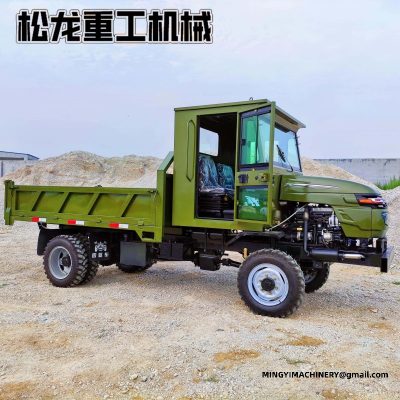
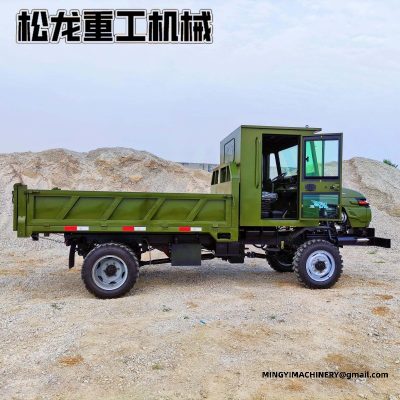
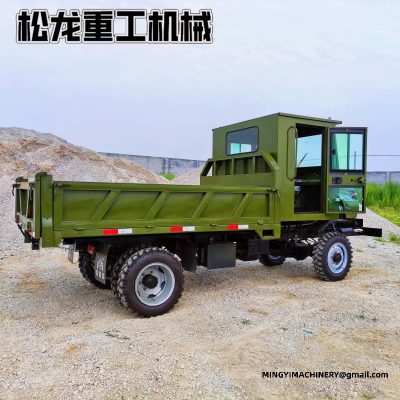
Where the dumper is used matters as much as what it is. Ground, climate, access and the skill of the operator all change the right answer, which is why the sections below start from the working conditions and work towards the specification.
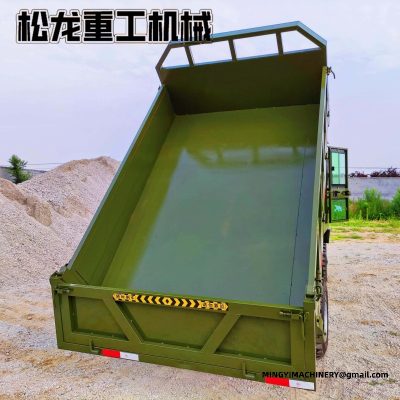
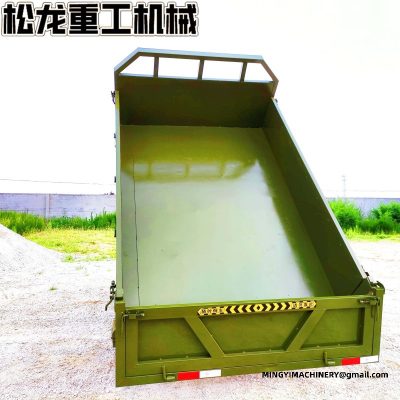
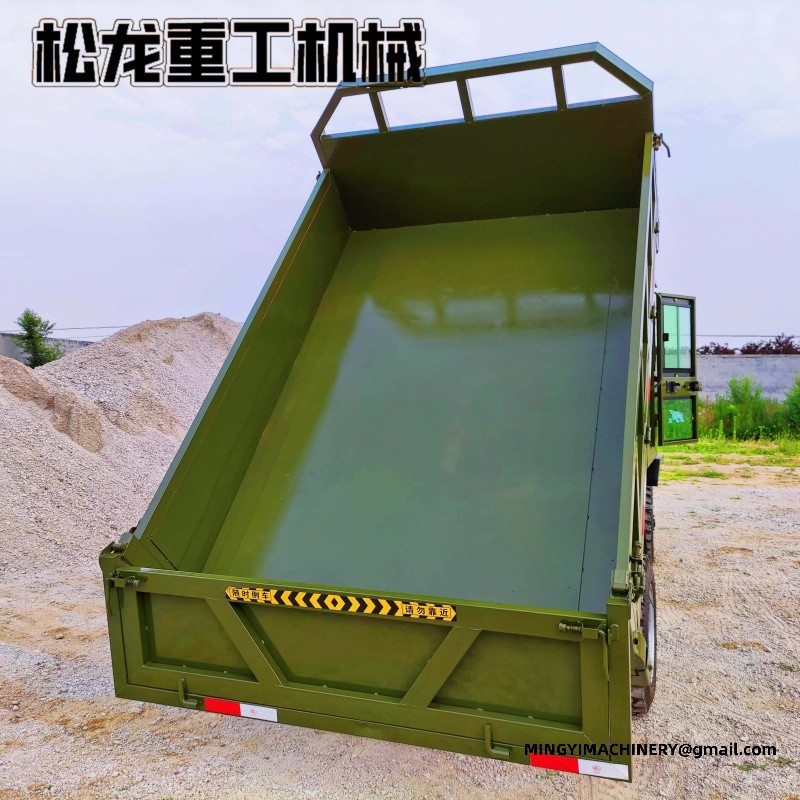
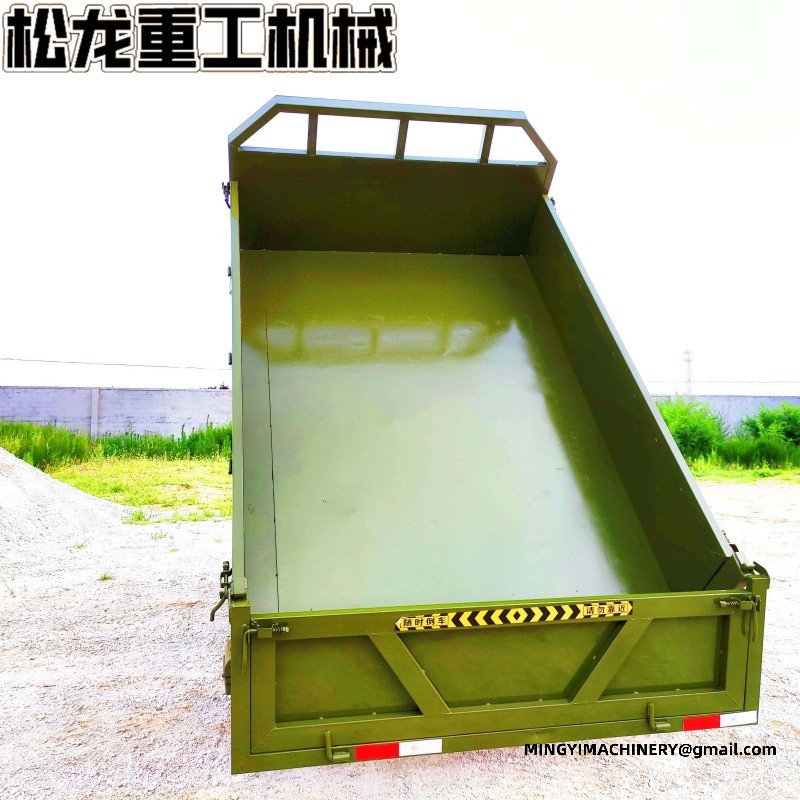
The tipping body is the part that does the work. This class of machine specified with twin hydraulic rams and a tailgate that opens under load unloads in one pass, which matters more on a short haul than top speed does. Unloading method should follow the material. Wet spoil, aggregate and green timber behave differently in the body, and matching the body and tailgate arrangement to the load is what keeps the unit in daily use cycling rather than being hand-cleared.
Cold changes how a machine starts and how it warms up. Allowing a machine of this size to reach operating temperature before loading it, and using the correct grade of oil and fuel for the season, prevents most cold-start problems. Low temperatures also make materials behave differently. Ground that is frozen hard in the morning can be soft by midday, and planning the sequence around that is easier than fighting it with the equipment on site.
Carrying and travelling with a load needs its own plan. Speed, gradient and surface all matter more once the machine itself is loaded, and the safe combination is the conservative one.
A periodic start is better than none. Running the model in question to operating temperature during a long layoff keeps seals and the charging system in better condition than leaving it untouched until the next job.
Slopes and edges deserve a separate check. The machine in that duty that is stable on level ground behaves differently across a gradient, and the safe working angle is a number worth knowing rather than estimating. Personal protective equipment and a stop rule are simple controls. Agreeing before work starts that anyone can stop the job is the single measure that most often prevents a serious incident near the unit on the job.
The decision is economic as well as technical. Comparing the work of reconfiguring a machine built for the work against a different machine is a short calculation that usually gives a clear answer.
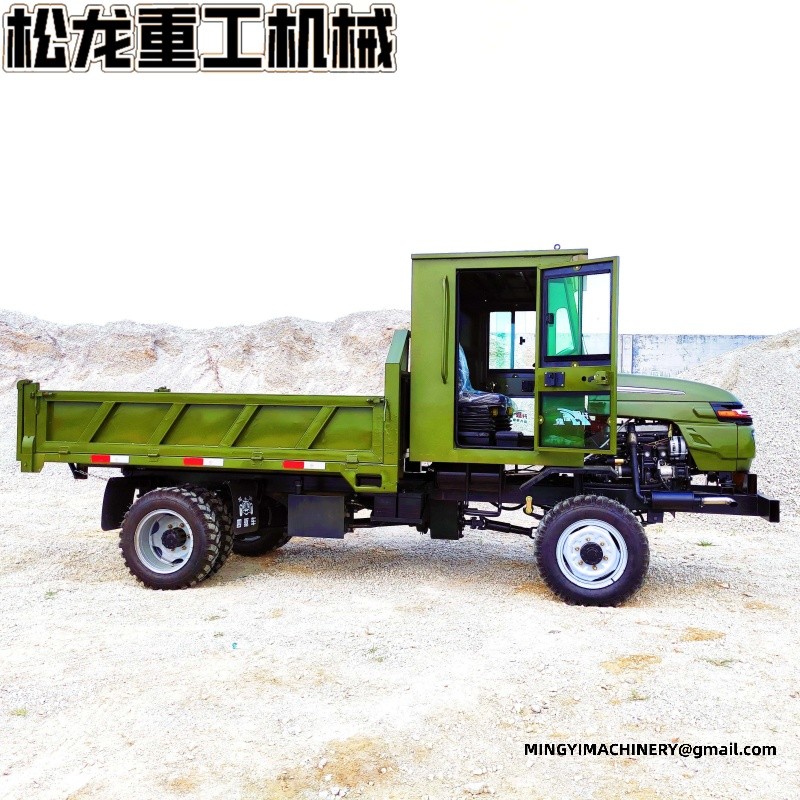
The specification should be written from the job backwards. Listing the loads, the ground and the hours first, then matching the dumper to that list, avoids buying capacity the work never uses and avoids discovering a shortfall in the first week. Buyers who specify this class of machine on paper before enquiring get specifications that can be compared. Without that list, two suppliers will propose two different machines and the simpler one is usually the smaller one, not the better value. A written duty list is the simplest part of the purchase. It takes an hour to note the material, the distance, the gradient and the hours per week, and it is what turns the equipment in service enquiry into a machine that fits.
Support after delivery is a parts question. Filters, belts, hoses and the wearing items specific to the unit in daily use are what a buyer should plan to hold before the first service interval rather than order after a failure. Remote diagnosis shortens most faults. A walk-around on video with the panels open often identifies the cause on a machine of this size without waiting for a visit, and avoids shipping a part that turns out not to be needed.
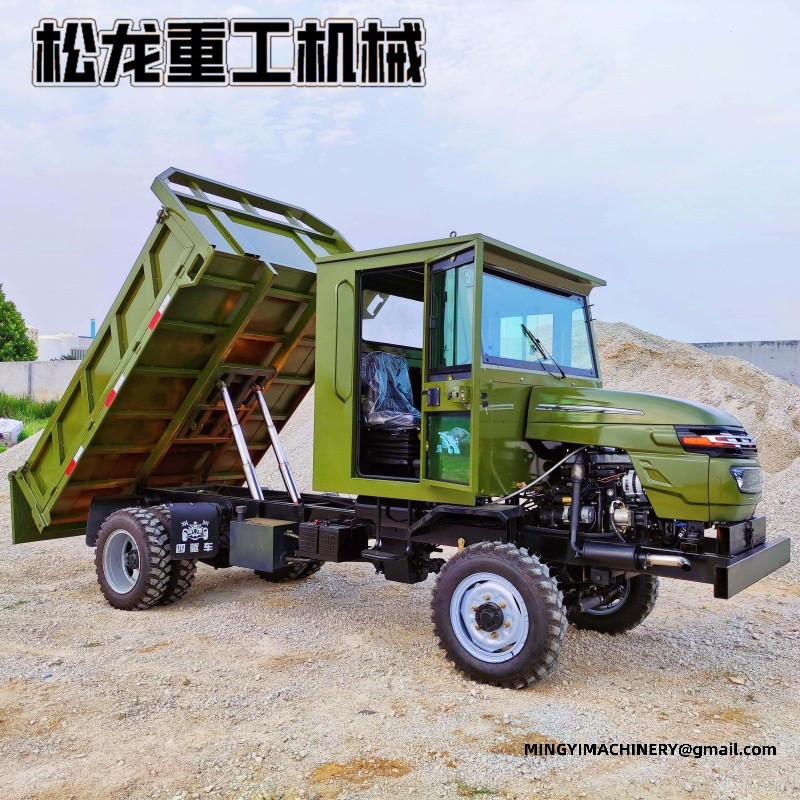
Container loading is a planning exercise. Confirming how the machine itself is packed and how many units fit a container is what turns a per-unit freight estimate into a delivered figure the buyer can actually plan against.
Machine output varies more between operators than between brands. Smooth, planned movements put less load on the structure and use less fuel, and that difference is visible on the hour meter and in the service bills for the model in question. Familiarisation should cover the limits as well as the controls. Knowing where the machine in that duty loses stability, how it behaves at full reach, and what the warning lights mean prevents the incidents that are put down to bad luck. A short handover pays for itself. Operators who understand why the unit on the job is set up the way it is will report a change in behaviour early, which is usually the point where a repair is simplest.
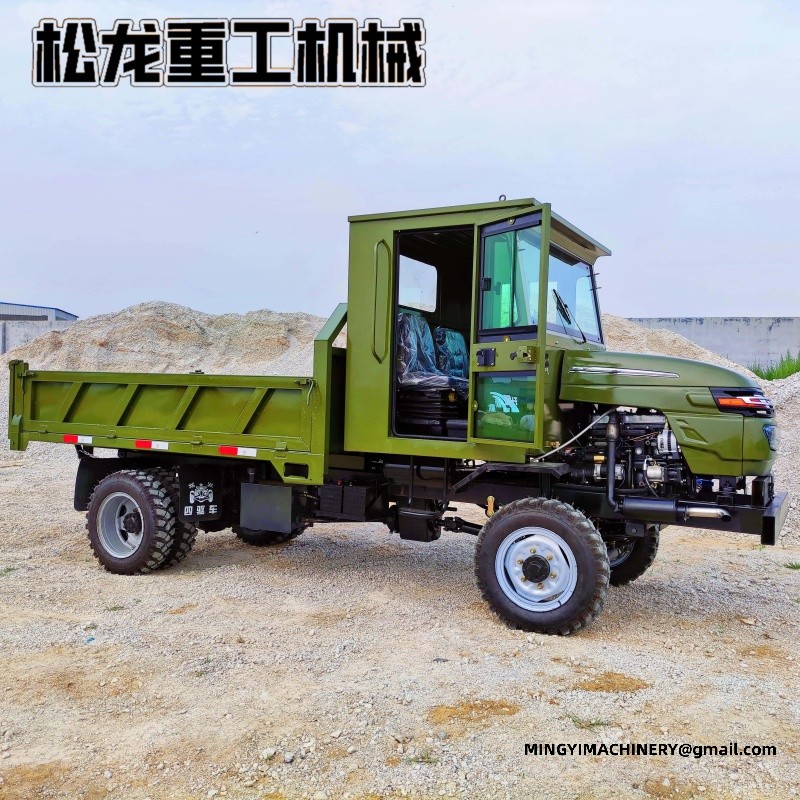
Handover should include the documents as well as the keys. Parts list, service schedule and the operator notes for the equipment in service are what the workshop needs in month six, and they are much harder to obtain later. A short familiarisation session prevents the early faults. Most first-month problems on the dumper come from unfamiliarity with controls, limits or checks rather than from the machine itself. Keeping the manuals where they can be reached matters. This class of machine whose documents stay with the machine gets serviced on schedule; one whose paperwork was filed elsewhere tends to run on memory instead.
Wear rate follows conditions far more than hours. A machine of this size working on abrasive ground or in mud will consume undercarriage or tyre life much faster than the same machine on clean ground. Replacing wear items early is usually simpler. Worn components on the equipment on site load the parts they run against, so a worn part left too long often becomes a major repair.
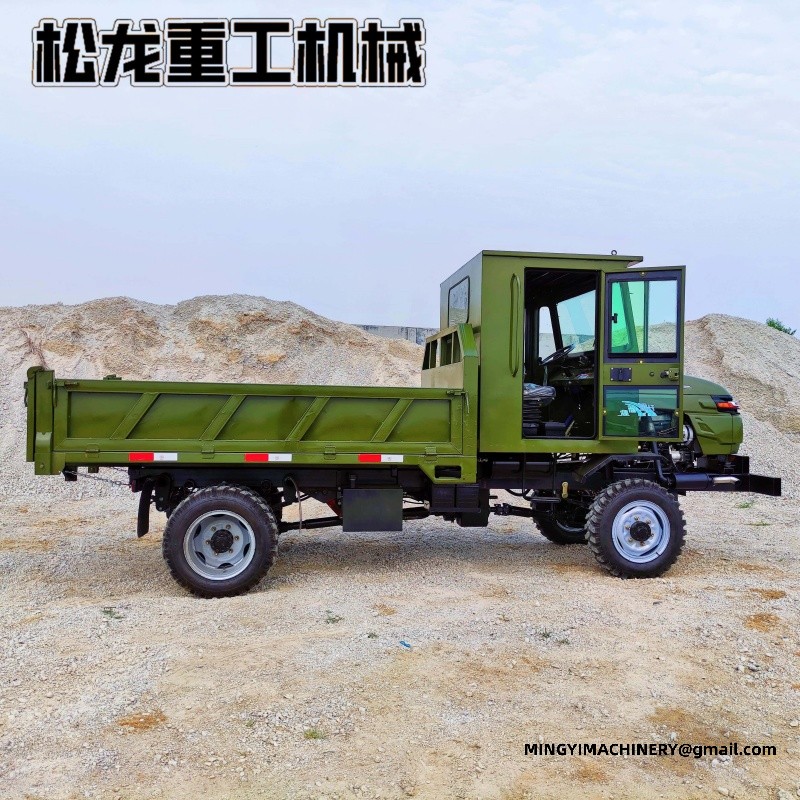
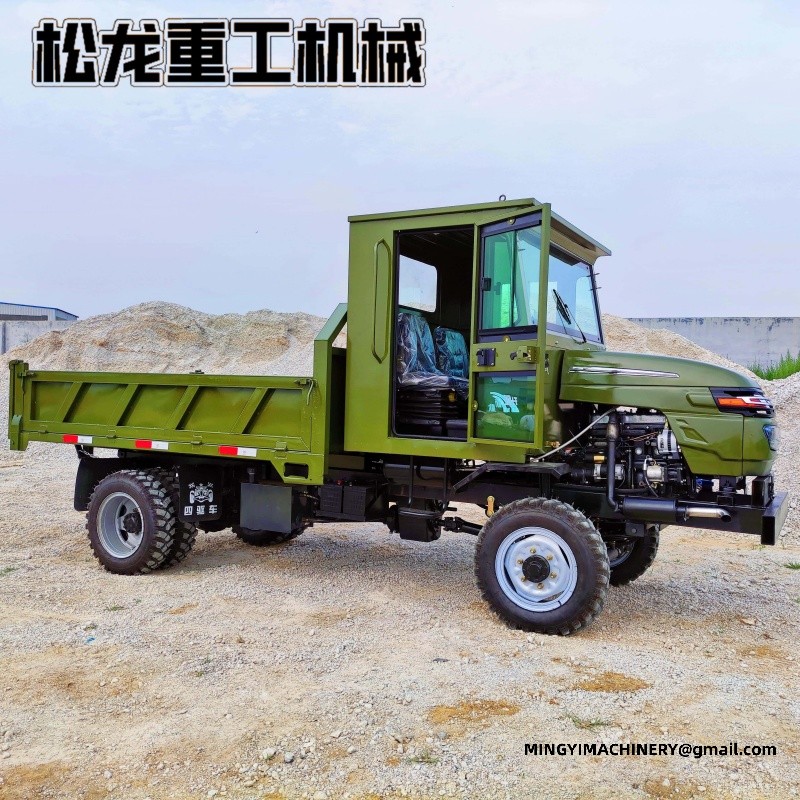
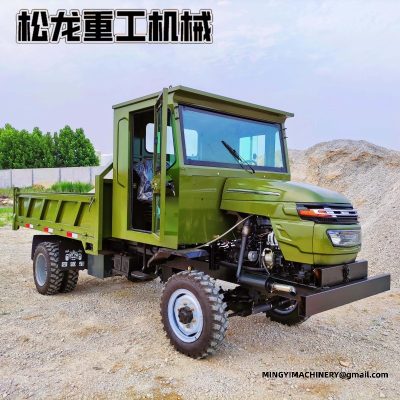
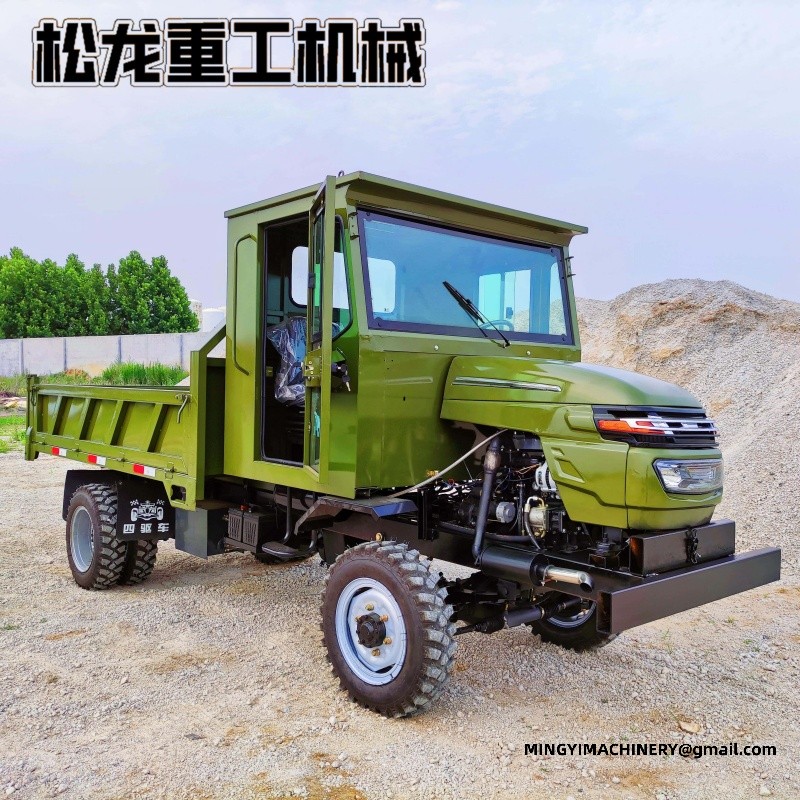
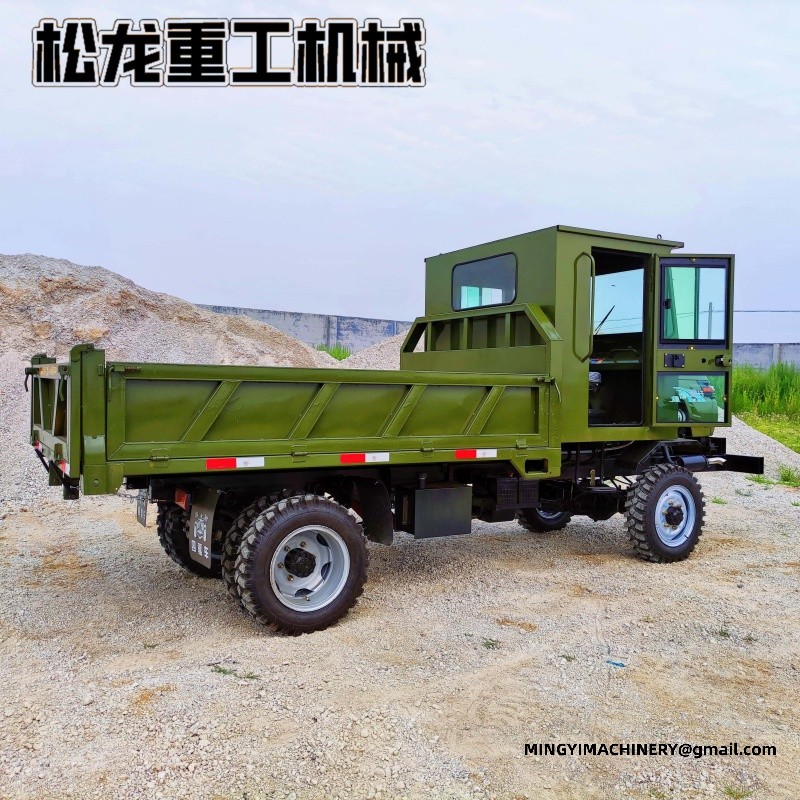
The configurations below are the build sheets most often matched to the model in question. Engine, gearbox, axles, frame and body dimensions are confirmed together, because the body size and the axle rating have to suit the load before the engine rating matters.
| # | 12.Standard | 14.Luxury | 20.Luxury | 22.Luxury |
|---|---|---|---|---|
| 1 | Two-cylinder diesel engine, 38 hp | Two-cylinder diesel engine, 38 hp | Four-cylinder 4102 turbocharged diesel engine | Four-cylinder 4105 turbocharged diesel engine |
| 2 | Full-time gearbox with four-wheel drive | Part-time gearbox, selectable 2WD/4WD | Model 140 part-time gearbox with four-wheel drive | Model 145 part-time gearbox with four-wheel drive |
| 3 | High/low range with crawler gear | High/low range with crawler gear | High/low range with crawler gear | High/low range with crawler gear |
| 4 | Simple cab | Enclosed cab | Fully enclosed cab | Fully enclosed cab |
| 5 | Oil brakes | Six 700-16 mountain tyres | Six 825R16 steel-belted radial tyres | Six 825R16 steel-belted radial tyres |
| 6 | Four 700-16 mountain tyres | Model 212 front axle | Reinforced ISUZU-pattern front axle | Reinforced ISUZU-pattern front axle |
| 7 | Front axle 212 | Reinforced 130 rear axle | Reinforced 1080 rear axle | Reinforced 1080 rear axle |
| 8 | Rear axle 130 | Air cut-off brakes | Air cut-off brakes | Air cut-off brakes |
| 9 | Reinforced 60 x 140 mm square tube frame | Reinforced 60 x 140 mm square tube frame | Reinforced 80 x 180 mm square tube frame | Reinforced 80 x 180 mm square tube frame |
| 10 | Rear body 2.2 m long x 1.5 m wide x 0.45 m high | Rear body 2.2 m long x 1.5 m wide x 0.45 m high | Rear body 3.0 m long x 2.2 m wide x 0.45 m high | Rear body 3.0 m long x 2.2 m wide x 0.45 m high |
| 11 | Tailgate with self-dumping function | Tailgate with self-dumping function | Tailgate with self-dumping function | Tailgate with self-dumping function |
| 12 | Hydraulic power steering | Side-opening rear body tailgate | Side-opening rear body tailgate with cab ladder | Side-opening rear body tailgate with cab ladder |
| 13 | Twin hydraulic rams | Hydraulic power steering | Hydraulic power steering | Hydraulic power steering |
| 14 | Two-person comfort seat | Twin hydraulic rams | Twin hydraulic rams | Twin hydraulic rams |
| 15 | Twin-battery electric start | Heavy-duty leaf springs | Two-person comfort seat | Two-person comfort seat |
| 16 | Round-nose bonnet | Two-person comfort seat | Heavy-duty thickened leaf springs | Heavy-duty leaf springs |
| 17 | — | Twin-battery electric start | Twin-battery electric start | Twin-battery electric start |
| 18 | — | Round-nose bonnet | Square-nose bonnet | Square-nose bonnet |
| 19 | — | — | Four-cylinder 4105 turbocharged | — |
| 20 | — | — | Four-cylinder 4108 turbocharged | — |
| 21 | — | — | Single-cylinder engine, 25 hp | — |
| 22 | — | — | Single-cylinder engine, 28 hp | — |
| 23 | — | — | Single-cylinder engine, 32 hp | — |
| 24 | — | — | Two-cylinder engine, 38 hp | — |
| 25 | — | — | Four-cylinder 490 engine | — |
| 26 | — | — | Four-cylinder 4102 turbocharged engine | — |
A clear parts book saves more time than any other document. When the unit on the job needs a replacement, the illustration and the part number are what turn a phone call into a shipment instead of a description.
Export packing is part of the machine, not an afterthought. The equipment in service is blocked and braced inside the container so that it arrives in the same condition it left, and the load plan is decided by the dimensions rather than by what fits loosely.
Later changes are easier when they were anticipated. Asking for the extra hydraulic circuit or the heavier mounting plate on this class of machine at build time adds little and leaves the option open.
Wear items are predictable once the machine has settled in. After the first service interval the pattern on a machine of this size is visible, and the parts that were replaced become the parts that are kept.
The battery and the fuel are the first things to suffer in storage. Preparing the machine itself properly at the start of the idle period avoids the flat battery and the contaminated tank that greet an unprepared machine.
Service history also protects the warranty position. Evidence that the machine in that duty was maintained at the specified intervals and with the specified fluids settles questions that would otherwise be argued.
A cold start is easier when the machine is prepared the night before. The routine that keeps a machine built for the work working through winter is mostly a matter of fuel, battery and patience in the first ten minutes of the day.
Shared machines need shared habits. Two operators on the dumper should do the same daily checks in the same order, because the check that one person skips is the check that eventually matters.
Every line above is a build item rather than an optional extra, and the final sheet for this class of machine is confirmed against the destination, the ground and the load before production.
E-mail:sales@mingycn.com
LINE(ID):mingyicn









