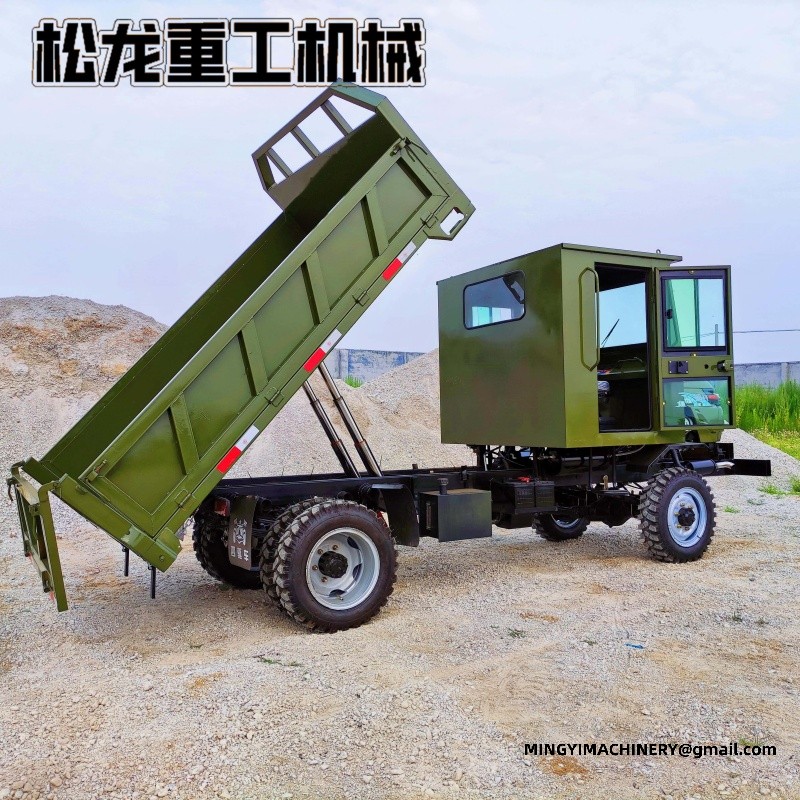
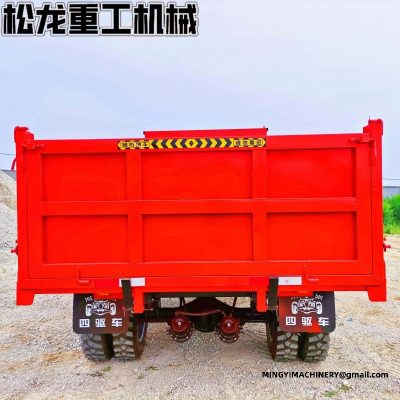
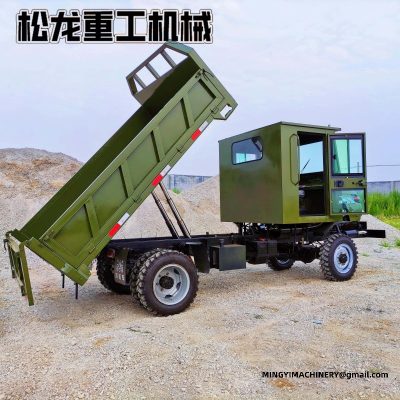
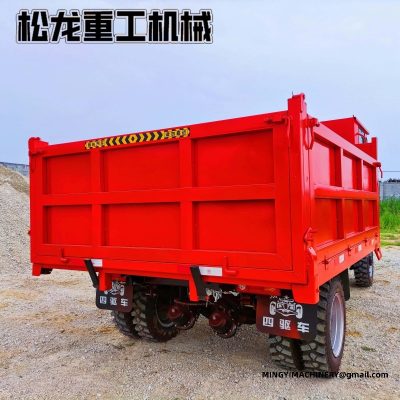
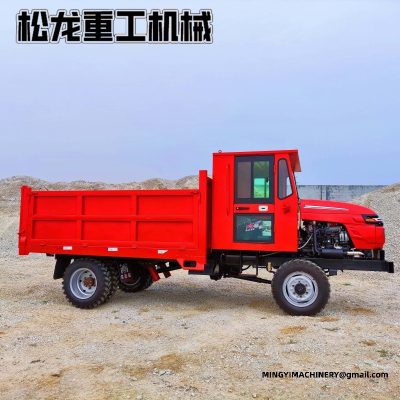
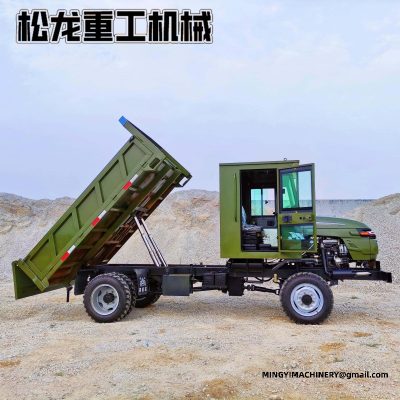
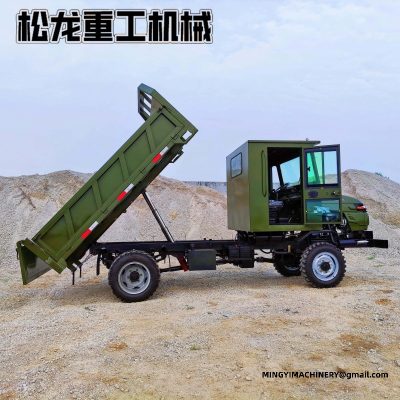
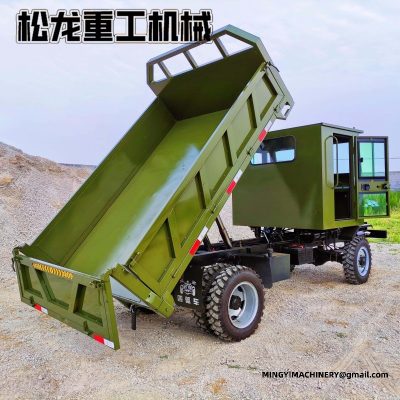
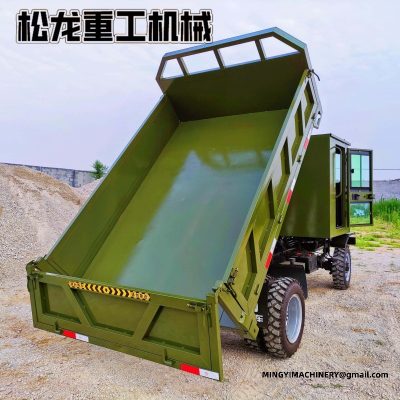
The dumper earns its place by doing one job repeatedly and without fuss. The sections below are written from that angle: what the machine is asked to do each day, what wears, what an operator needs to know and what to confirm before dispatch.
Stability governs what the crane can do. Outriggers, ground condition and load radius decide the safe figure on this class of machine, and those are checked before the lift rather than discovered during it. Adding a crane changes the vehicle specification. Hydraulic capacity, frame strength and braking all need to suit the attachment, and it is simpler to specify them at build than to add them later.
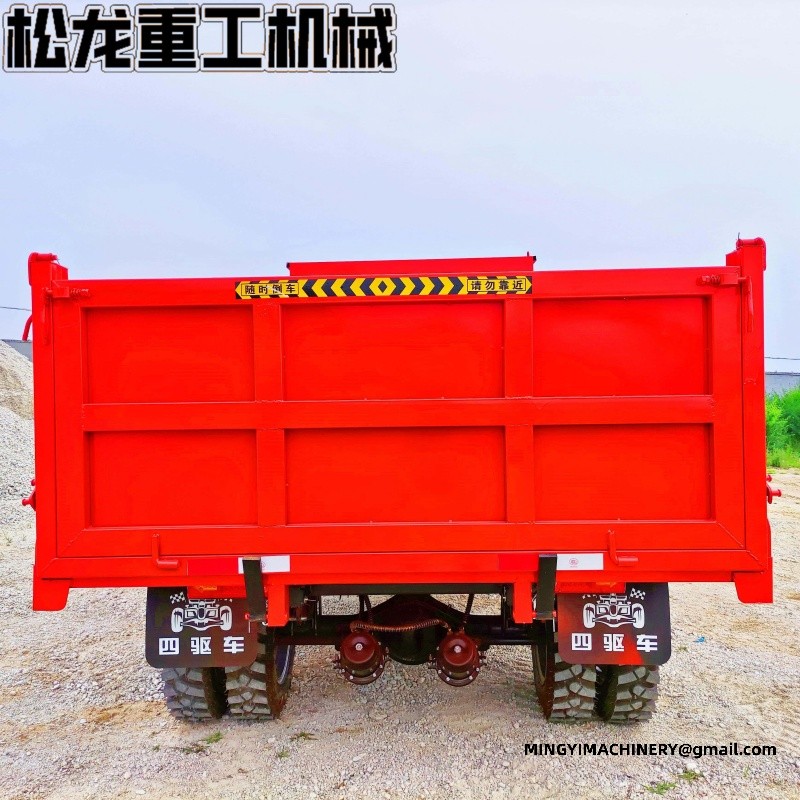
Certain parts are designed to be consumed. Knowing which items on the unit in daily use are wearing parts, and roughly how long they last in the duty the machine sees, turns replacement into a plan rather than a breakdown.
Cold changes how a machine starts and how it warms up. Allowing a machine of this size to reach operating temperature before loading it, and using the correct grade of oil and fuel for the season, prevents most cold-start problems.
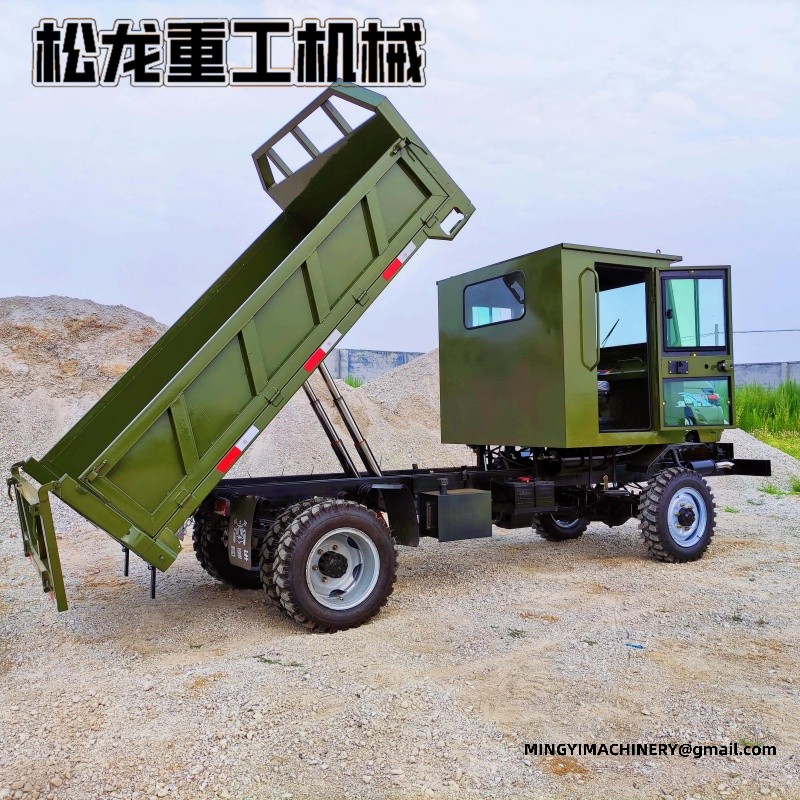
Farm work is seasonal and varied. The equipment on site that hauls feed in one month and muck or aggregate in the next earns its place by being usable across the year rather than by being optimised for one task. Farm users also value simplicity. The machine itself that can be serviced in the yard with common tools and common parts suits a farm better than one that needs a dealer visit for routine work.
Customisation should still be limited to what the work needs. Each addition to the model in question is another item to maintain, so the useful question is not what can be added but what the job list actually requires.
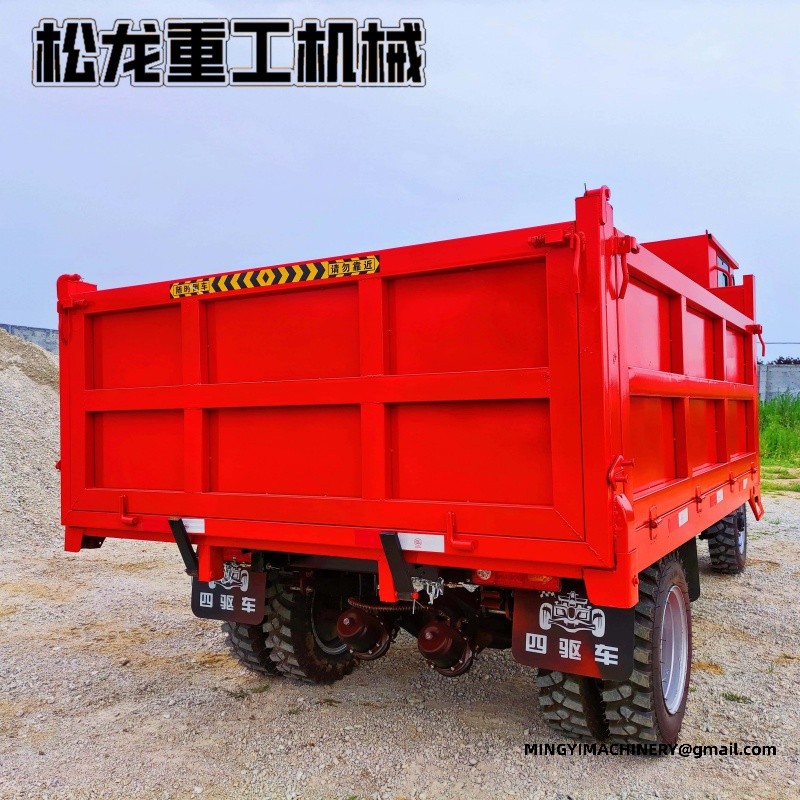
Power unit choice is usually a parts question, not a performance one. Two buyers can order the same the machine in that duty and sensibly choose different engines, because the right answer depends on which brand the local workshop already supports. Emissions documentation is part of engine selection for some destinations. Confirming which units can be supplied and documented for the destination country is worth doing at enquiry stage rather than after the build sheet is signed.
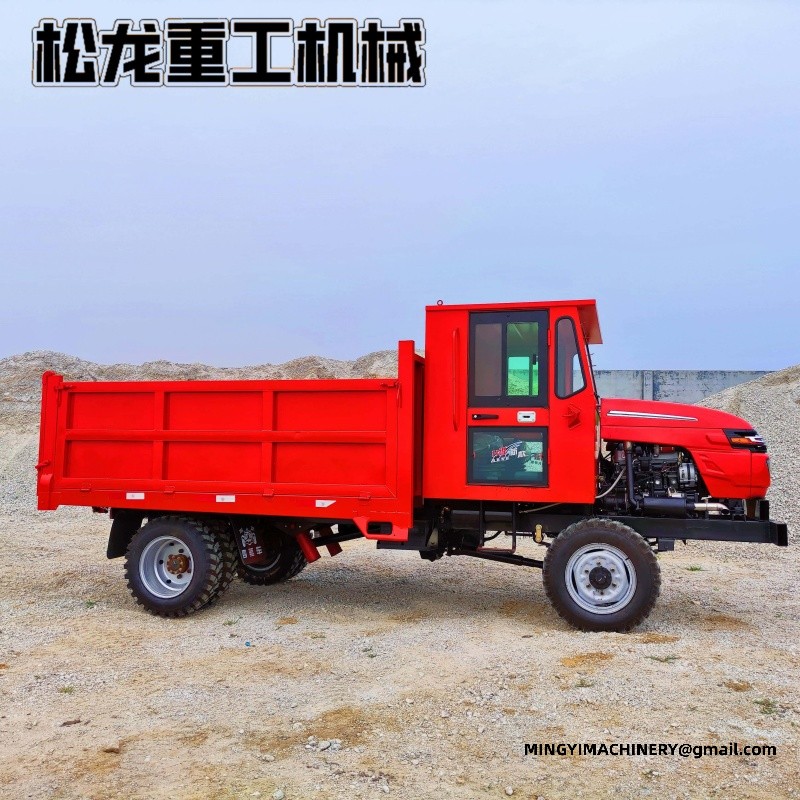
Most incidents around machinery come from the space rather than the machine. Exclusion zones, a clear signal person and a check on what is behind the machine built for the work before it moves cover the large majority of the risk on a working site. Slopes and edges deserve a separate check. The unit on the job that is stable on level ground behaves differently across a gradient, and the safe working angle is a number worth knowing rather than estimating.
Reconfiguration can extend the useful life of a machine. The equipment in service that no longer suits the current work may suit it again with a different attachment, guarding or control arrangement. Upgrades should be checked against the base machine. Hydraulic capacity, mounting interface and stability all limit what can reasonably be added to the dumper, and confirming those limits avoids an unsatisfactory result.
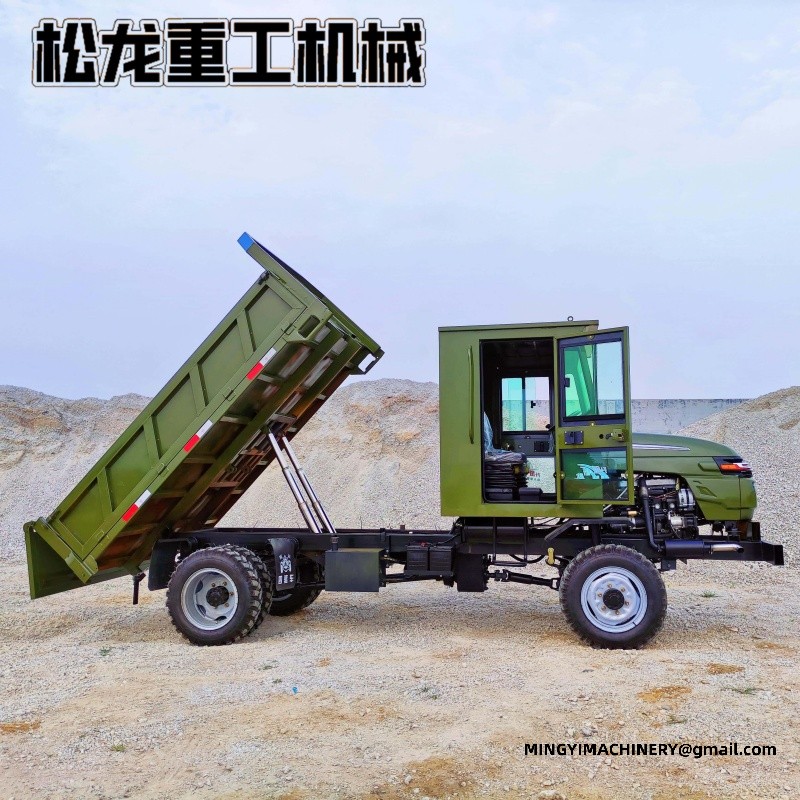
A water tank turns the vehicle into a different machine. The unit in daily use carrying water for dust control or irrigation is specified around tank size, baffles and the route, because a part-filled tank behaves very differently on a slope. Water is heavy and it moves. Baffles and sensible speeds matter on a machine of this size with a tank body, and the specification should reflect the ground the vehicle will cross rather than only the volume needed. Dust control work is repetitive and time-critical. The equipment on site with the right tank and spray arrangement covers more ground per shift, which is usually the point of the exercise.
Carrying concrete changes the duty entirely. The model in question with a mixer drum is working against the clock, and the specification follows the delivery distance and the site access rather than the load alone. Drum bodies need power and stability. The machine in that duty set up for concrete has to carry the drum, the load and the water, and the frame and brakes should be specified for that combined weight.
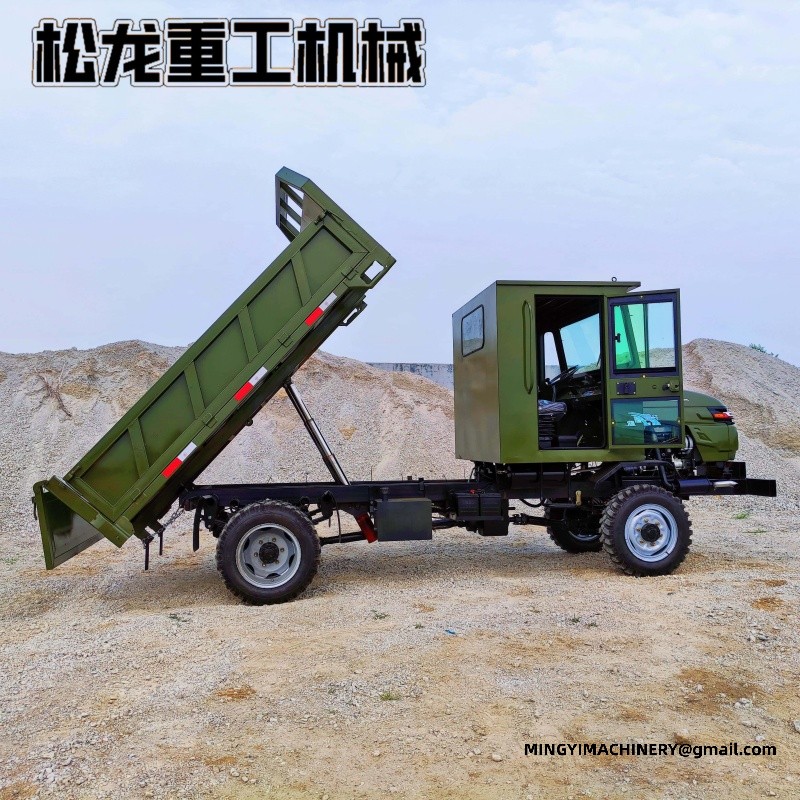
Ground decides more of the outcome than power does. Soft, wet or loose surfaces call for a wider footprint and lower ground pressure, while hard standing allows a narrower machine that turns in less space and travels faster between tasks. The working surface should be surveyed before a machine built for the work is specified. A machine that is stable on compacted gravel can be unusable on the same site after rain, and the difference shows up as lost days rather than as a fault.
Stability follows the load and its position. Knowing the rated capacity of the dumper at the working radius, rather than at its best case, is what keeps handling predictable and the machine upright. Carrying and travelling with a load needs its own plan. Speed, gradient and surface all matter more once this class of machine is loaded, and the safe combination is the conservative one.
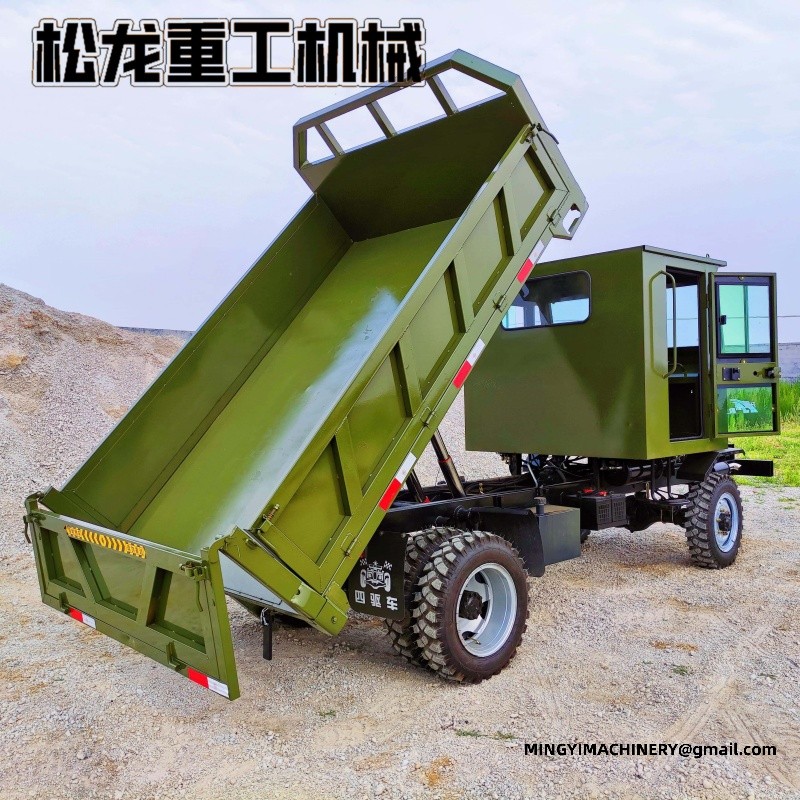
Access tracks in forestry are narrow, soft and often steep. A machine of this size chosen for that work is chosen for the track, and the body, cab and tyre specification follow from the route rather than from the load alone.
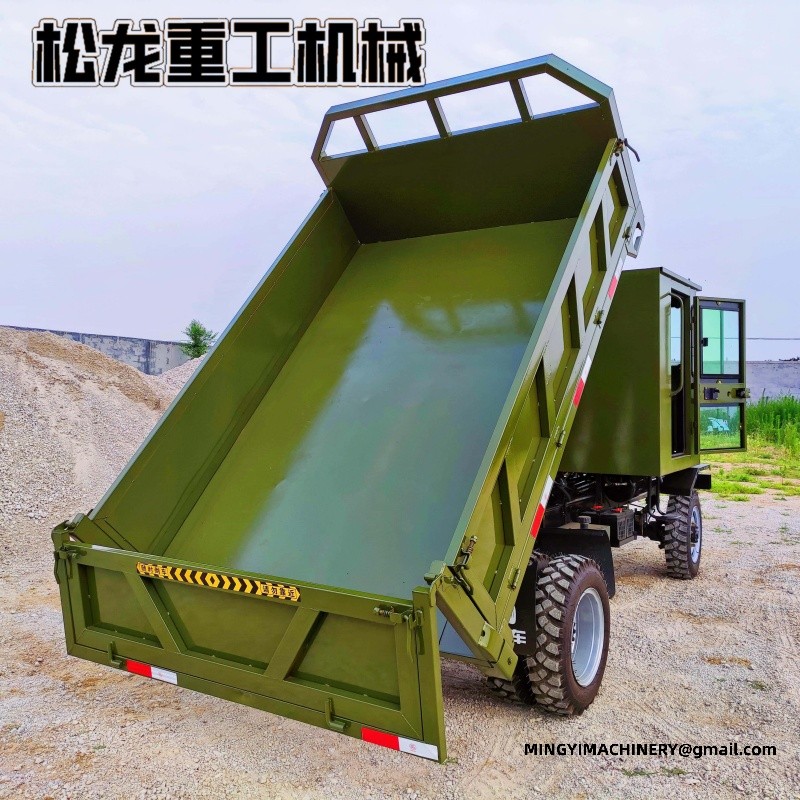
The configurations below are the build sheets most often matched to the machine itself. Engine, gearbox, axles, frame and body dimensions are confirmed together, because the body size and the axle rating have to suit the load before the engine rating matters.
| # | 10.Upgraded | 17.Luxury | 20.Luxury | 23.Upgraded |
|---|---|---|---|---|
| 1 | Single-cylinder diesel engine, 32 hp | Four-cylinder 490 diesel engine | Four-cylinder 4102 turbocharged diesel engine | Four-cylinder 4108 turbocharged diesel engine |
| 2 | Full-time gearbox with four-wheel drive | Part-time gearbox, selectable 2WD/4WD | Model 140 part-time gearbox with four-wheel drive | Model 140 part-time gearbox, selectable 2WD/4WD |
| 3 | High/low range with crawler gear | High/low range with crawler gear | High/low range with crawler gear | High/low range with crawler gear |
| 4 | Front axle clutch | Fully enclosed cab | Fully enclosed cab | Simple cab |
| 5 | Fully enclosed cab | Six 700-16 mountain tyres | Six 825R16 steel-belted radial tyres | Six 825R16 steel-belted radial tyres |
| 6 | Oil brakes | Reinforced 130 front axle | Reinforced ISUZU-pattern front axle | Reinforced ISUZU-pattern front axle |
| 7 | Four 700-16 mountain tyres | Reinforced ISUZU-pattern rear axle | Reinforced 1080 rear axle | Reinforced 1080 rear axle |
| 8 | Front axle 212 | Air cut-off brakes | Air cut-off brakes | Air cut-off brakes |
| 9 | Rear axle 130 | Reinforced 60 x 140 mm square tube frame | Reinforced 80 x 180 mm square tube frame | Reinforced 80 x 180 mm square tube frame |
| 10 | Reinforced 60 x 140 mm square tube frame | Rear body 2.2 m long x 1.8 m wide x 0.45 m high | Rear body 3.0 m long x 2.2 m wide x 0.45 m high | Rear body 3.0 m long x 2.2 m wide x 0.45 m high |
| 11 | Rear body 2.2 m long x 1.5 m wide x 0.45 m high | Tailgate with self-dumping function | Tailgate with self-dumping function | Tailgate with self-dumping function |
| 12 | Tailgate with self-dumping function | Side-opening rear body tailgate | Side-opening rear body tailgate with cab ladder | Hydraulic power steering |
| 13 | Hydraulic power steering | Hydraulic power steering | Hydraulic power steering | Twin hydraulic rams |
| 14 | Twin hydraulic rams | Twin hydraulic rams | Twin hydraulic rams | Two-person comfort seat |
| 15 | Two-person comfort seat | Two-person comfort seat | Two-person comfort seat | Heavy-duty leaf springs |
| 16 | Twin-battery electric start | Heavy-duty leaf springs | Heavy-duty thickened leaf springs | Twin-battery electric start |
| 17 | Square-nose bonnet | Twin-battery electric start | Twin-battery electric start | Square-nose bonnet |
| 18 | — | Round-nose bonnet | Square-nose bonnet | — |
| 19 | — | — | Four-cylinder 4105 turbocharged | — |
| 20 | — | — | Four-cylinder 4108 turbocharged | — |
| 21 | — | — | Single-cylinder engine, 25 hp | — |
| 22 | — | — | Single-cylinder engine, 28 hp | — |
| 23 | — | — | Single-cylinder engine, 32 hp | — |
| 24 | — | — | Two-cylinder engine, 38 hp | — |
| 25 | — | — | Four-cylinder 490 engine | — |
| 26 | — | — | Four-cylinder 4102 turbocharged engine | — |
Downtime is simplest when it is planned. Booking the service for the machine in that duty in the quiet part of the season takes nothing from the schedule, while the same work in the busy weeks gives up a day of output every time.
Machines rarely fail without warning. A change in sound, a slower function or a new leak on a machine built for the work is the machine saying something early, and listening then takes a fraction of the time that waiting does.
Patterns show up in the record before they show up in the machine. Rising oil consumption or a filter that keeps blocking on the dumper is obvious on paper long before it becomes a failure on site.
Documentation should match the machine that was actually built. The sheet supplied with the unit in daily use records the configuration as delivered, because the generic catalogue description is not what the customer needs when ordering a part.
Heat and dust shorten service intervals rather than machine life. In these conditions the filters on the equipment on site need attention more often, and the cooling surfaces need to be kept clear to hold the working temperature.
The battery and the fuel are the first things to suffer in storage. Preparing the model in question properly at the start of the idle period avoids the flat battery and the contaminated tank that greet an unprepared machine.
Cold exposes weak batteries, thick oil and water in the fuel. Preparing the unit on the job for winter means the right grade of oil, a battery in good condition and fuel that will not wax in the tank overnight.
Every line above is a build item rather than an optional extra, and the final sheet for a machine built for the work is confirmed against the destination, the ground and the load before production.
E-mail:sales@mingycn.com
LINE(ID):mingyicn









