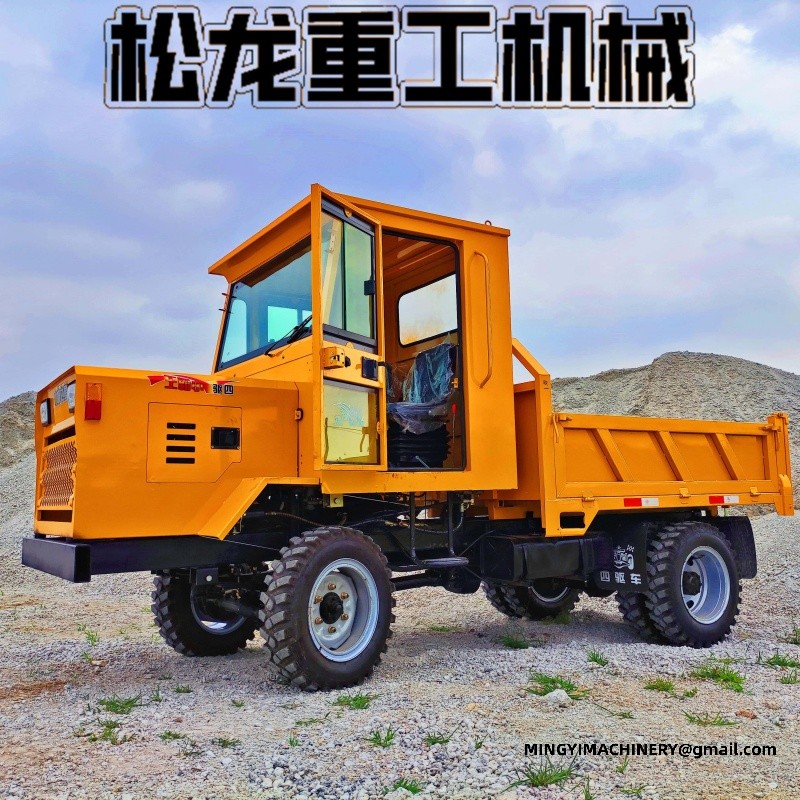
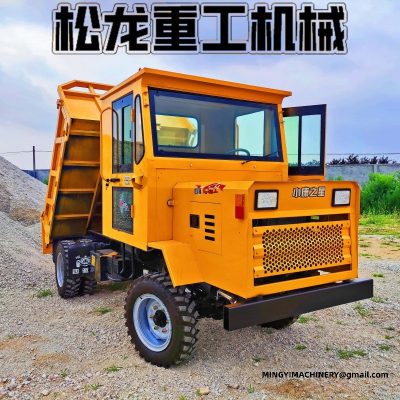
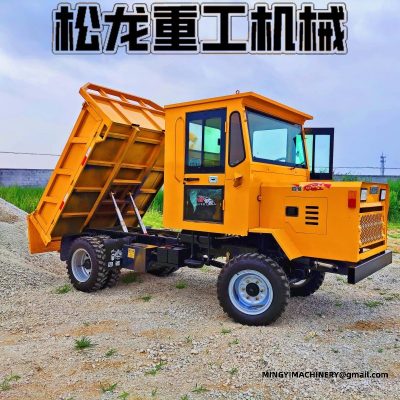
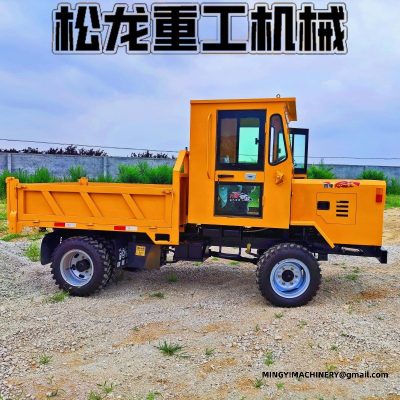
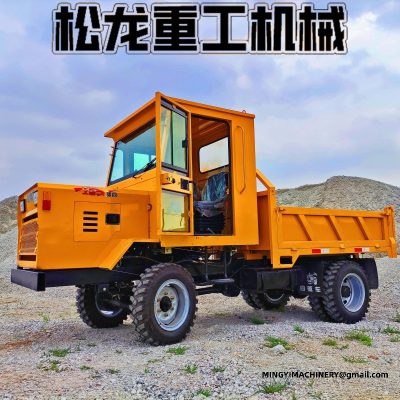
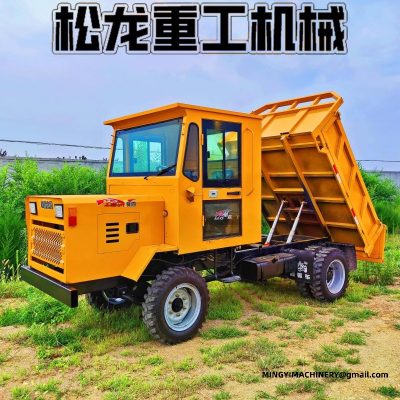
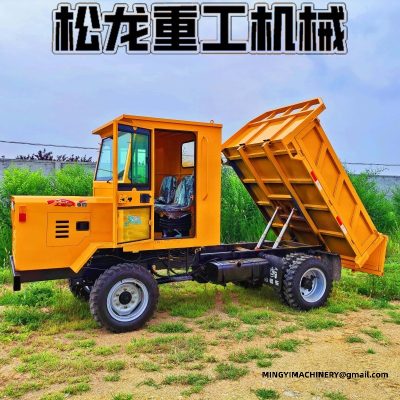
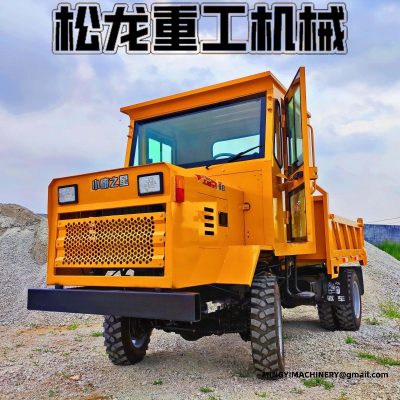
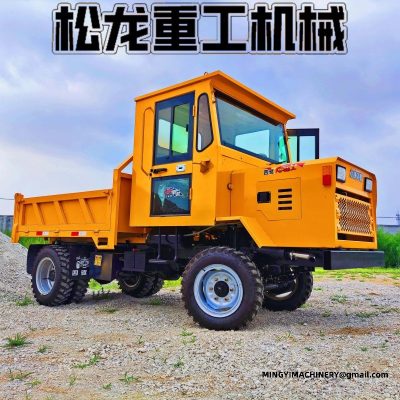
The dumper is built for the work that fills the calendar rather than the work that looks impressive. This page sets out what the machine does, where it fits and what to settle before ordering, so the specification can be matched to the job instead of guessed at.
Build options are where a standard machine becomes the right machine. Colour, guarding, lighting, seating and hydraulic provisions can usually be set at build time on this class of machine, and are far simpler then than as a retrofit.
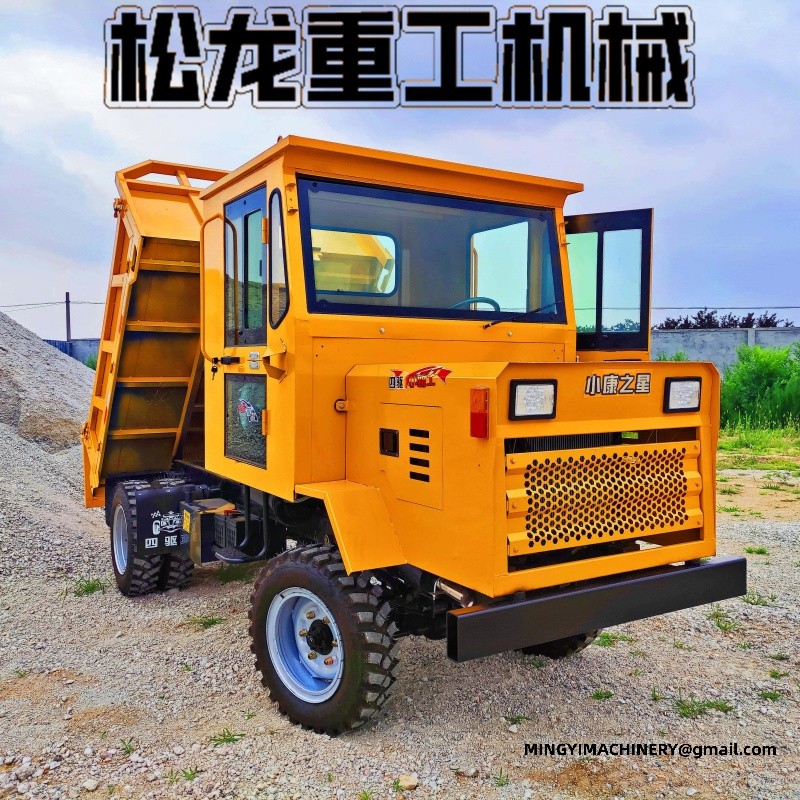
Power unit choice is usually a parts question, not a performance one. Two buyers can order the same the unit in daily use and sensibly choose different engines, because the right answer depends on which brand the local workshop already supports.
A crane or grab turns a haul vehicle into a loading machine. A machine of this size fitted with a hydraulic crane loads itself, which removes a second machine from the job and is often the whole reason for specifying one.
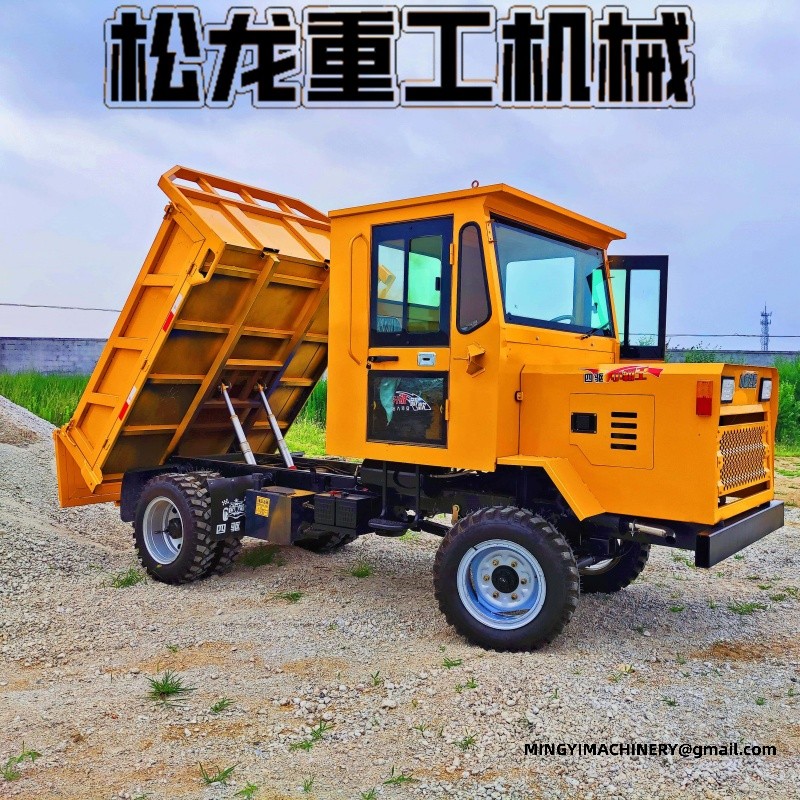
A water tank turns the vehicle into a different machine. The equipment on site carrying water for dust control or irrigation is specified around tank size, baffles and the route, because a part-filled tank behaves very differently on a slope. Water is heavy and it moves. Baffles and sensible speeds matter on the machine itself with a tank body, and the specification should reflect the ground the vehicle will cross rather than only the volume needed.
Consumption is best measured over a full week rather than judged per hour. Idle time, repositioning and waiting for other trades are often the largest share of the fuel the model in question burns on a site.
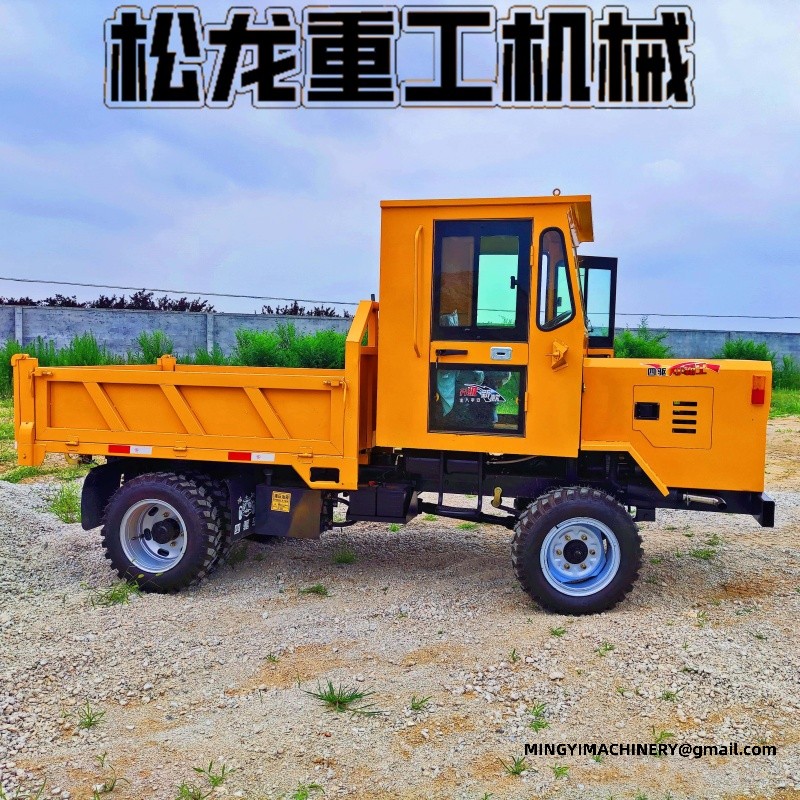
Container loading is a planning exercise. Confirming how the machine in that duty is packed and how many units fit a container is what turns a per-unit freight estimate into a delivered figure the buyer can actually plan against.
Carrying concrete changes the duty entirely. The unit on the job with a mixer drum is working against the clock, and the specification follows the delivery distance and the site access rather than the load alone. Cleaning and discharge are part of the job. A machine built for the work used for concrete is judged on how quickly it can discharge and wash out, because that turnaround is what the site is paying for.
A periodic start is better than none. Running the equipment in service to operating temperature during a long layoff keeps seals and the charging system in better condition than leaving it untouched until the next job.
Slopes and edges deserve a separate check. This class of machine that is stable on level ground behaves differently across a gradient, and the safe working angle is a number worth knowing rather than estimating. Personal protective equipment and a stop rule are simple controls. Agreeing before work starts that anyone can stop the job is the single measure that most often prevents a serious incident near the unit in daily use.
Cold changes how a machine starts and how it warms up. Allowing the equipment on site to reach operating temperature before loading it, and using the correct grade of oil and fuel for the season, prevents most cold-start problems. Low temperatures also make materials behave differently. Ground that is frozen hard in the morning can be soft by midday, and planning the sequence around that is easier than fighting it with the machine itself.
Carrying and travelling with a load needs its own plan. Speed, gradient and surface all matter more once the machine in that duty is loaded, and the safe combination is the conservative one.
The decision is economic as well as technical. Comparing the work of reconfiguring a machine built for the work against a different machine is a short calculation that usually gives a clear answer.
Utilisation matters more than the purchase decision over a few years. The dumper that sits idle ties up the same yard space standing still as one that earns, so the buying decision should follow the hours the machine will realistically work.
A simple log helps. Recording hours, fuel and any adjustment made to the unit in daily use gives the workshop a history, and that history is what turns an intermittent fault into a one-visit repair instead of three.
Hour planning helps at resale as well. The equipment on site with a recorded service history and a sensible hour count is easier to sell than one with the same hours and no records, whatever its condition.
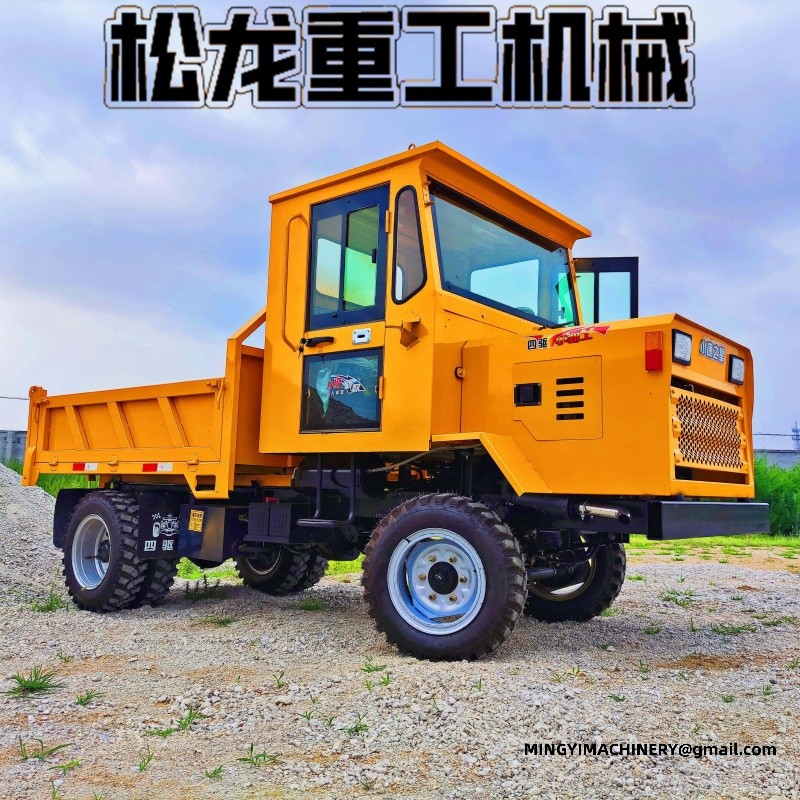
Recovering a stuck vehicle takes longer than preventing it. Planning the route, avoiding the worst ground and knowing where the model in question will turn is what keeps a soft-ground job productive.
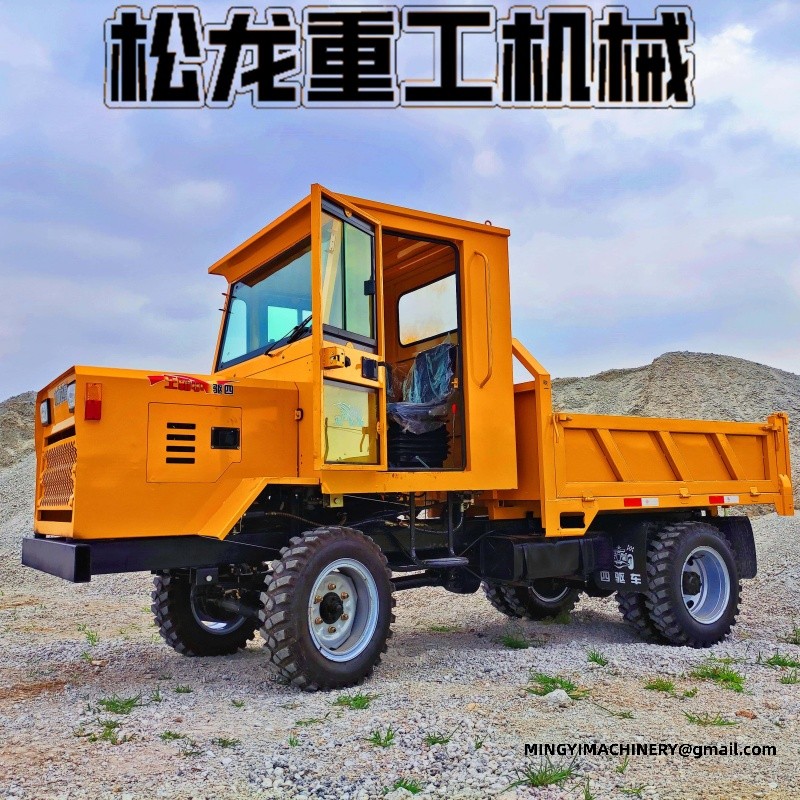
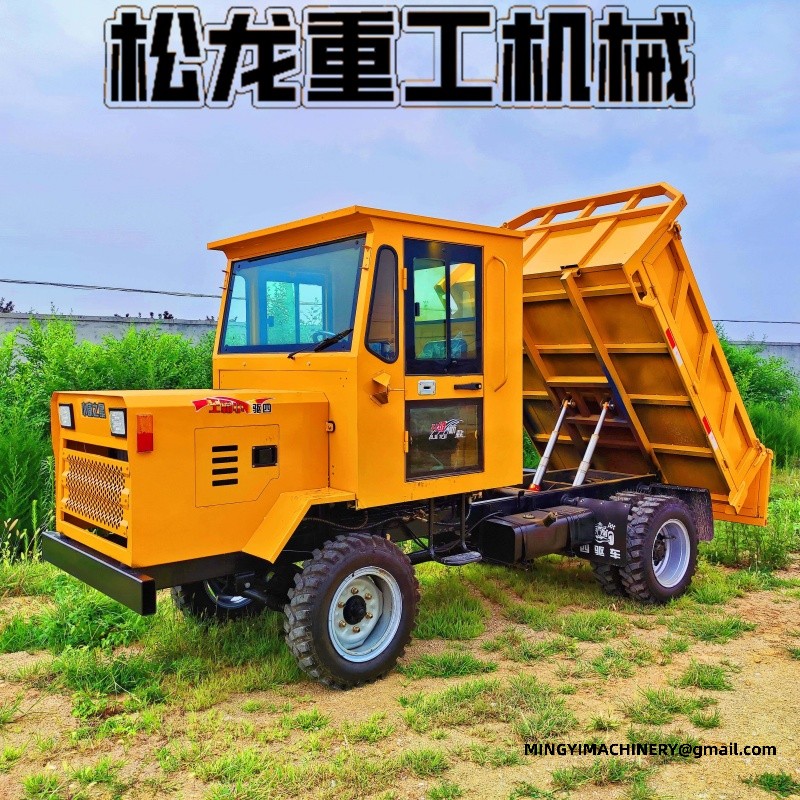
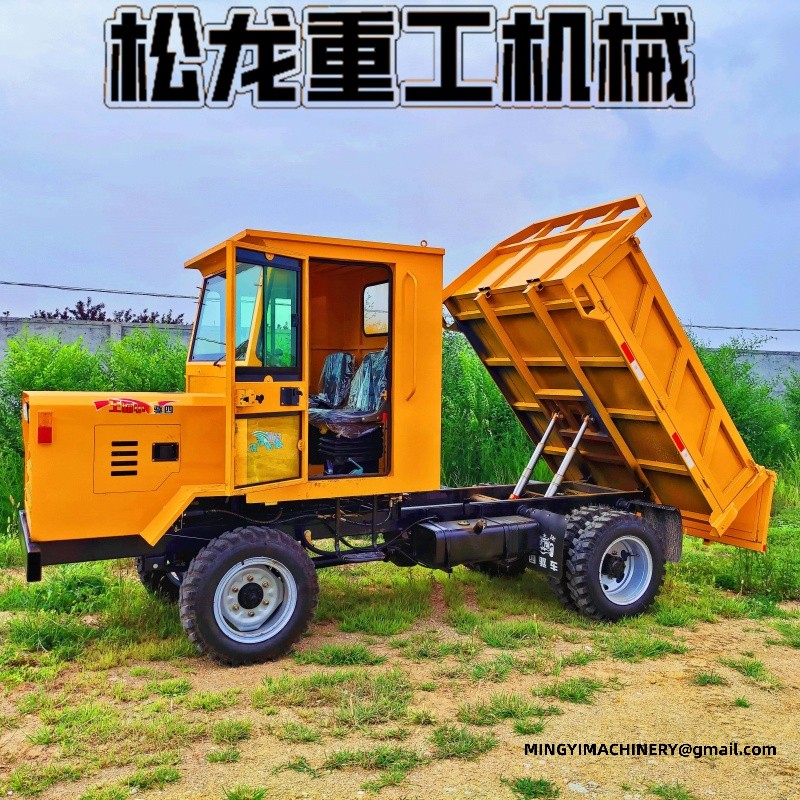
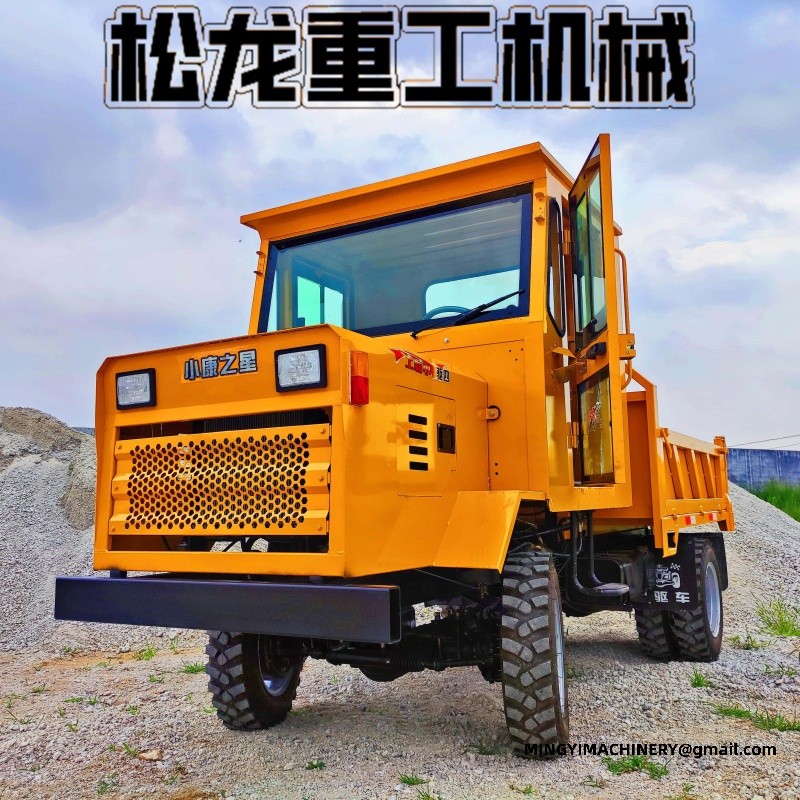
The configurations below are the build sheets most often matched to the unit on the job. Engine, gearbox, axles, frame and body dimensions are confirmed together, because the body size and the axle rating have to suit the load before the engine rating matters.
| # | 13.Upgraded | 4.Upgraded | 5.Luxury | 7.Upgraded |
|---|---|---|---|---|
| 1 | Two-cylinder diesel engine, 38 hp | Single-cylinder diesel engine, 25 hp | Single-cylinder diesel engine, 25 hp | Single-cylinder diesel engine, 28 hp |
| 2 | Full-time gearbox with four-wheel drive | Full-time gearbox with four-wheel drive | Part-time gearbox with four-wheel drive | Full-time gearbox with four-wheel drive |
| 3 | High/low range with crawler gear | High/low range with crawler gear | High/low range with crawler gear | High/low range with crawler gear |
| 4 | Front axle clutch | Front axle clutch | Enclosed cab | Front axle clutch |
| 5 | Fully enclosed cab | Fully enclosed cab | Six 700-16 mountain tyres | Fully enclosed cab |
| 6 | Oil brakes | Oil brakes | Model 212 front axle | Oil brakes |
| 7 | Four 700-16 mountain tyres | Four 700-16 mountain tyres | Model 130 rear axle | Four 700-16 mountain tyres |
| 8 | Front axle 212 | Front axle 212 | Air cut-off brakes | Front axle 212 |
| 9 | Rear axle 130 | Rear axle 130 | Reinforced 60 x 140 mm square tube frame | Rear axle 130 |
| 10 | Reinforced 60 x 140 mm square tube frame | Reinforced 60 x 140 mm square tube frame | Rear body 2.2 m long x 1.5 m wide x 0.45 m high | Reinforced 60 x 140 mm square tube frame |
| 11 | Rear body 2.2 m long x 1.5 m wide x 0.45 m high | Rear body 2.2 m long x 1.5 m wide x 0.45 m high | Tailgate with self-dumping function | Rear body 2.2 m long x 1.5 m wide x 0.45 m high |
| 12 | Tailgate with self-dumping function | Tailgate with self-dumping function | Side-opening rear body tailgate | Tailgate with self-dumping function |
| 13 | Hydraulic power steering | Hydraulic power steering | Hydraulic power steering | Hydraulic power steering |
| 14 | Twin hydraulic rams | Twin hydraulic rams | Twin hydraulic rams | Twin hydraulic rams |
| 15 | Two-person comfort seat | Two-person comfort seat | Two-person comfort seat | Two-person comfort seat |
| 16 | Twin-battery electric start | Twin-battery electric start | Heavy-duty leaf springs | Twin-battery electric start |
| 17 | Round-nose bonnet | Square-nose bonnet | Twin-battery electric start | Square-nose bonnet |
| 18 | — | — | Square-nose bonnet | — |
The machine should be introduced to the site as well as the operator. Walking the route the equipment in service will take, noting the soft spots and the turns, prevents the kind of first-day incident that has nothing to do with the machine.
Container loading is a planning exercise. The overall dimensions and the operating weight of this class of machine decide whether it ships whole, partly disassembled or with the attachment removed, and that decision is made before the booking.
A cold start is easier when the machine is prepared the night before. The routine that keeps a machine of this size working through winter is mostly a matter of fuel, battery and patience in the first ten minutes of the day.
An added function should pay for itself quickly. Whether the machine itself gains a different bucket, a hydraulic service or a protection package, the test is the number of days a year it is actually used.
A machine that only one person can use is a single point of failure. Training a second operator on the machine in that duty takes a day and removes the dependency that otherwise governs holidays, illness and busy weeks.
What the customer sees on arrival is decided before departure. The walk-around given to a machine built for the work covers the same points the operator will check on day one, so there are no surprises when the crate is opened at the destination.
Travel time is not working time, and it should be planned as its own item. The hours spent moving the dumper between jobs are hours not worked, and a trailer that matches the machine reduces them every single trip.
Every line above is a build item rather than an optional extra, and the final sheet for this class of machine is confirmed against the destination, the ground and the load before production.
E-mail:sales@mingycn.com
LINE(ID):mingyicn









