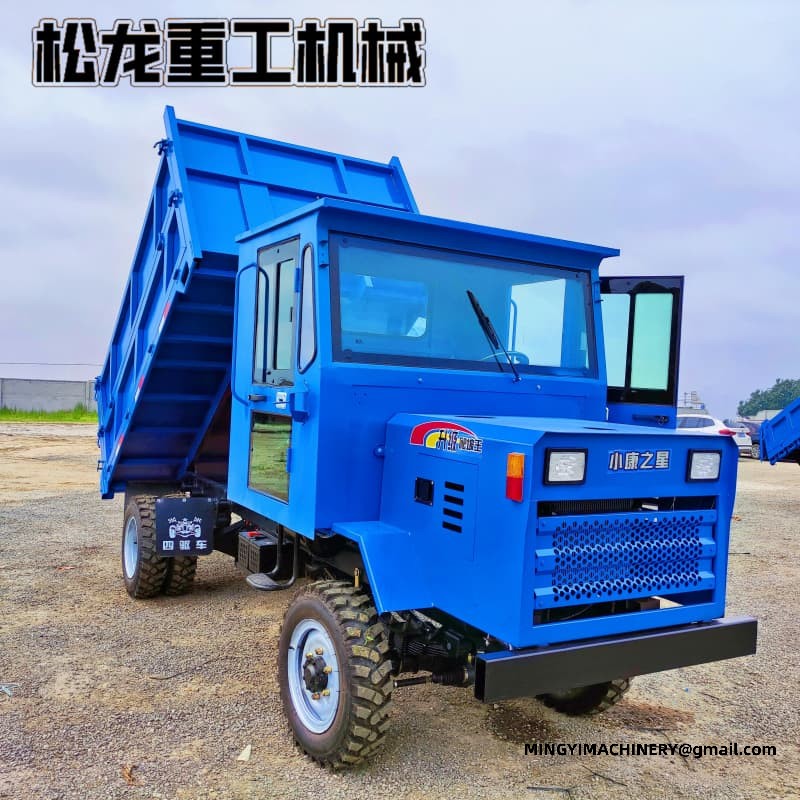
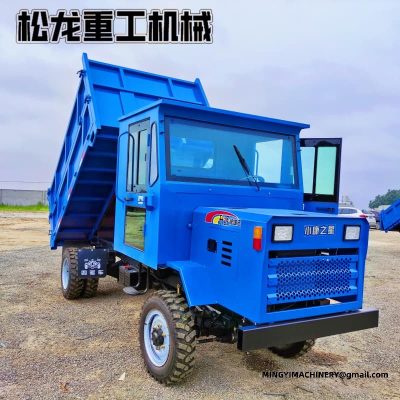
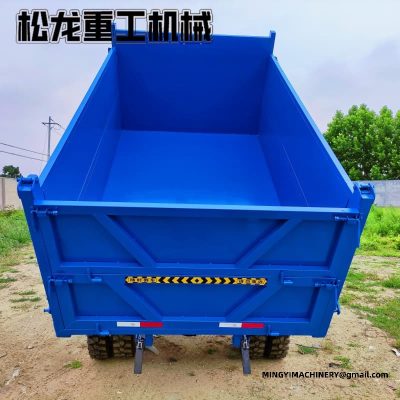
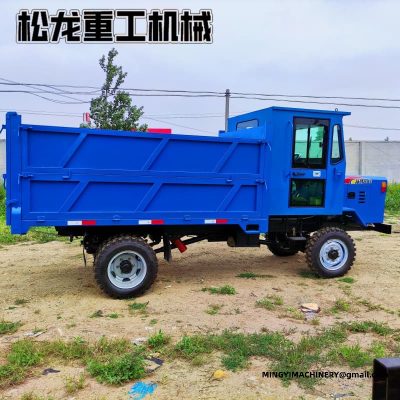
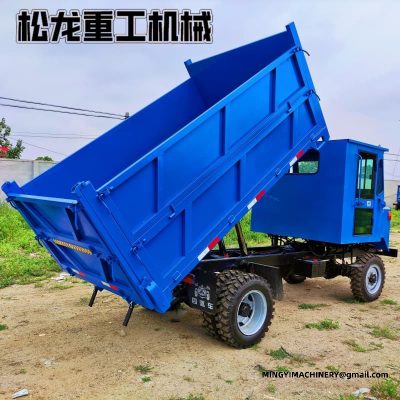
The dumper is built for the work that fills the calendar rather than the work that looks impressive. This page sets out what the machine does, where it fits and what to settle before ordering, so the specification can be matched to the job instead of guessed at.
Payload is limited by the axles and the frame before it is limited by the body volume. Specifying this class of machine against the material density gives a realistic figure, because a body that looks half full can already be at its limit with rock. The honest payload figure comes from the duty. The unit in daily use working a smooth haul road carries differently from one crossing ruts and gradients, and the conservative number is the one that keeps the machine working.
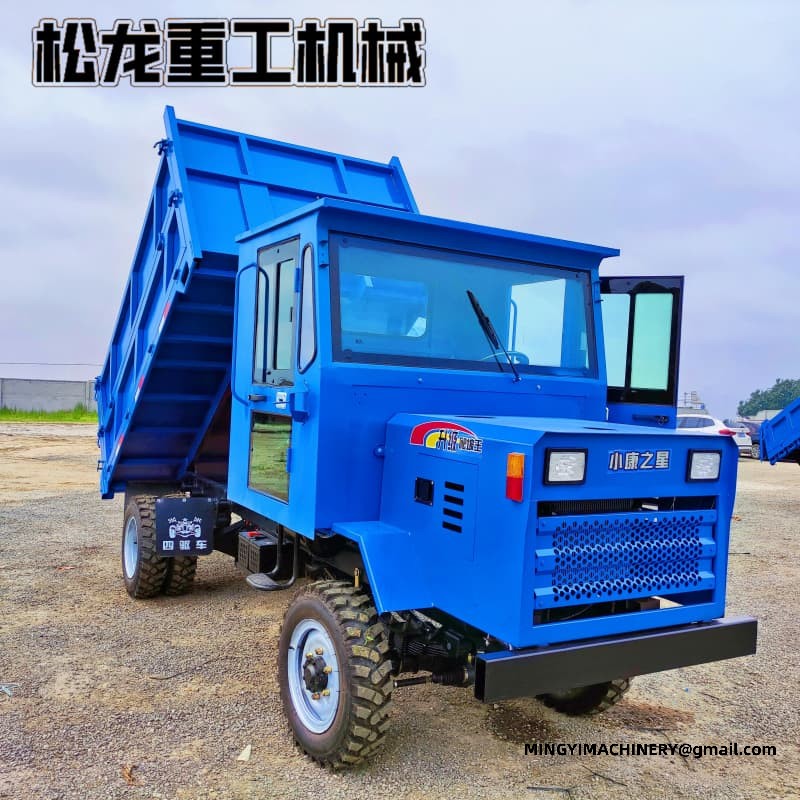
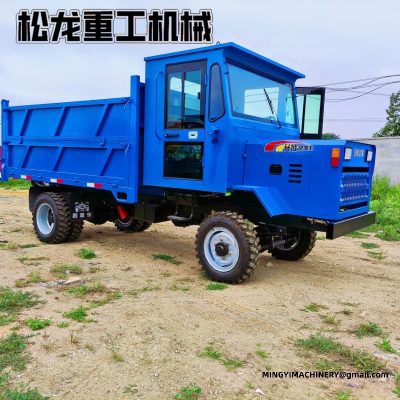
Four-wheel drive is only part of soft ground capability. Tyre choice, ground clearance and weight distribution decide whether a machine of this size keeps moving in a paddy field or a marsh, and all three are specified rather than assumed. Soft ground punishes the wrong tyre. Mountain pattern tyres on the equipment on site clear mud that a road pattern would pack with, and the difference is measured in whether the machine finishes the day.
Descending matters as much as climbing. A loaded the model in question on a steep gradient needs engine braking and brakes in good order, and the safe practice is to plan the descent before the load rather than during it. Ground and gradient together set the limit. Loose surface on a slope reduces what the machine itself can pull regardless of engine power, so the surface survey belongs before the specification.
Personal protective equipment and a stop rule are simple controls. Agreeing before work starts that anyone can stop the job is the single measure that most often prevents a serious incident near the machine in that duty.
Fleet value comes from interchangeability. Operators who can step between machines without retraining, and a workshop that stocks one set of filters, keep utilisation higher than a fleet of individually optimised units. Utilisation matters more than the purchase decision over a few years. The unit on the job that sits idle ties up the same yard space standing still as one that earns, so the buying decision should follow the hours the machine will realistically work.
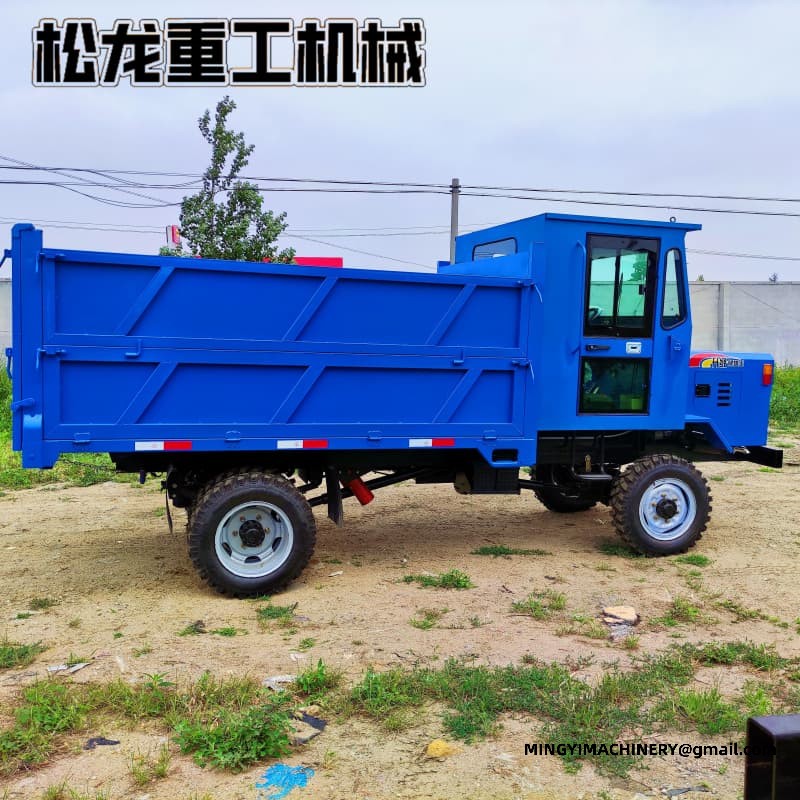
Reconfiguration can extend the useful life of a machine. A machine built for the work that no longer suits the current work may suit it again with a different attachment, guarding or control arrangement. The decision is economic as well as technical. Comparing the work of reconfiguring the equipment in service against a different machine is a short calculation that usually gives a clear answer.
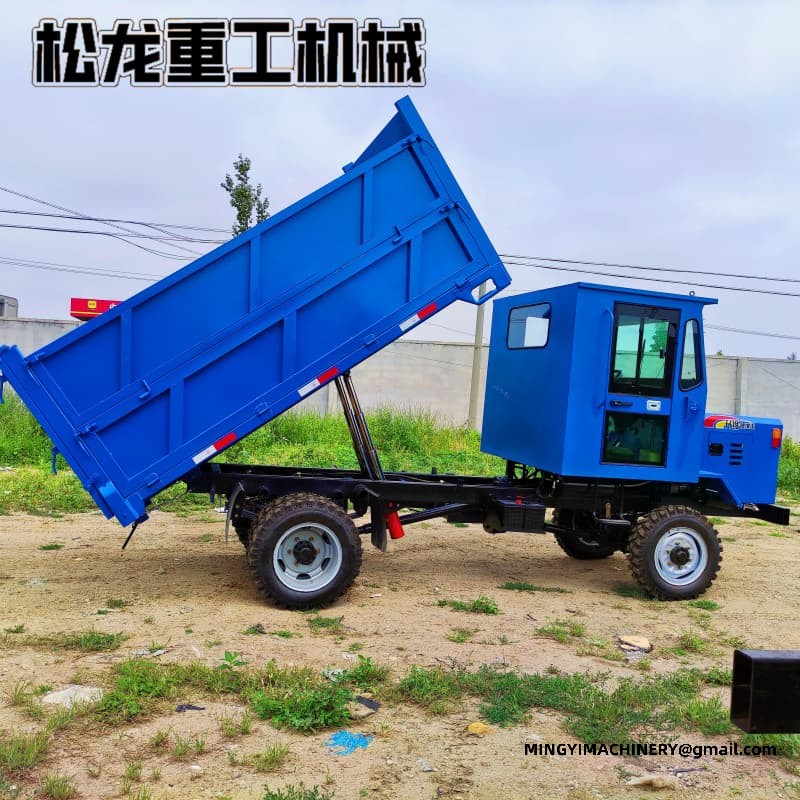
The base machine is only as useful as the tool on the end of it. Matching the attachment to the task - rather than to what arrived with the machine - is what lets one this class of machine cover several jobs across a week. Most owners find that the second attachment changes how often the machine is used. The dumper that was bought for one task often becomes the general machine on site once a second tool is available.
Certain parts are designed to be consumed. Knowing which items on the unit in daily use are wearing parts, and roughly how long they last in the duty the machine sees, turns replacement into a plan rather than a breakdown. Wear rate follows conditions far more than hours. A machine of this size working on abrasive ground or in mud will consume undercarriage or tyre life much faster than the same machine on clean ground.
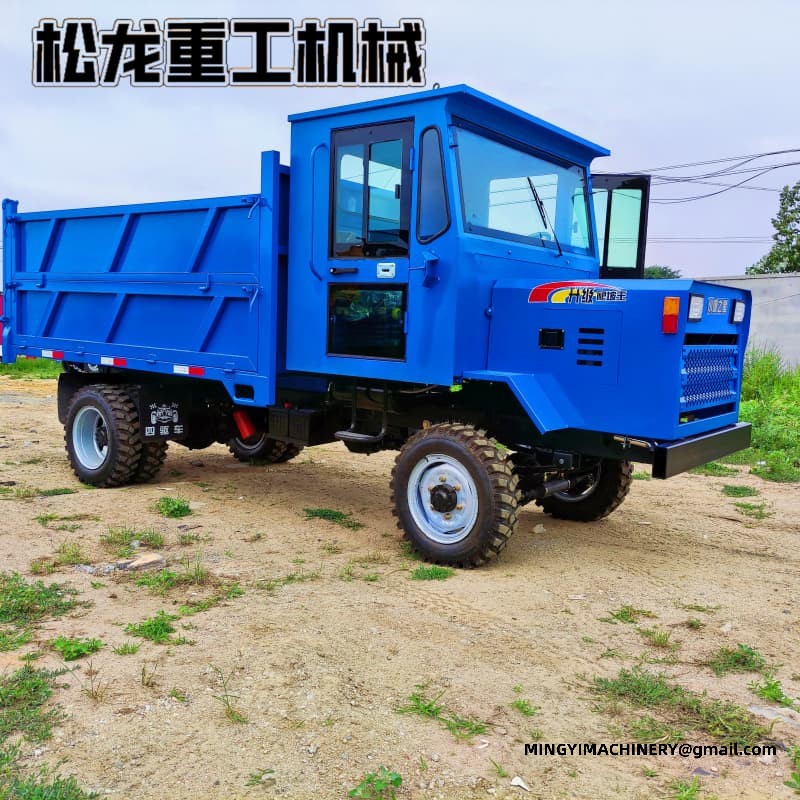
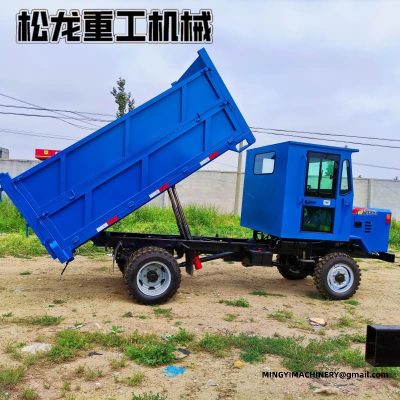
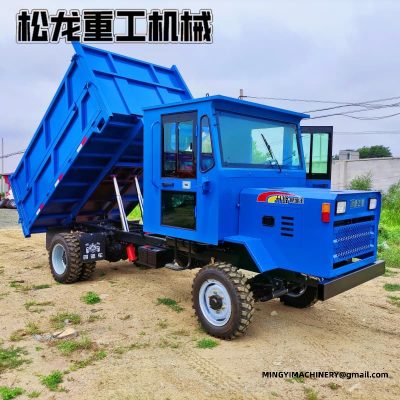
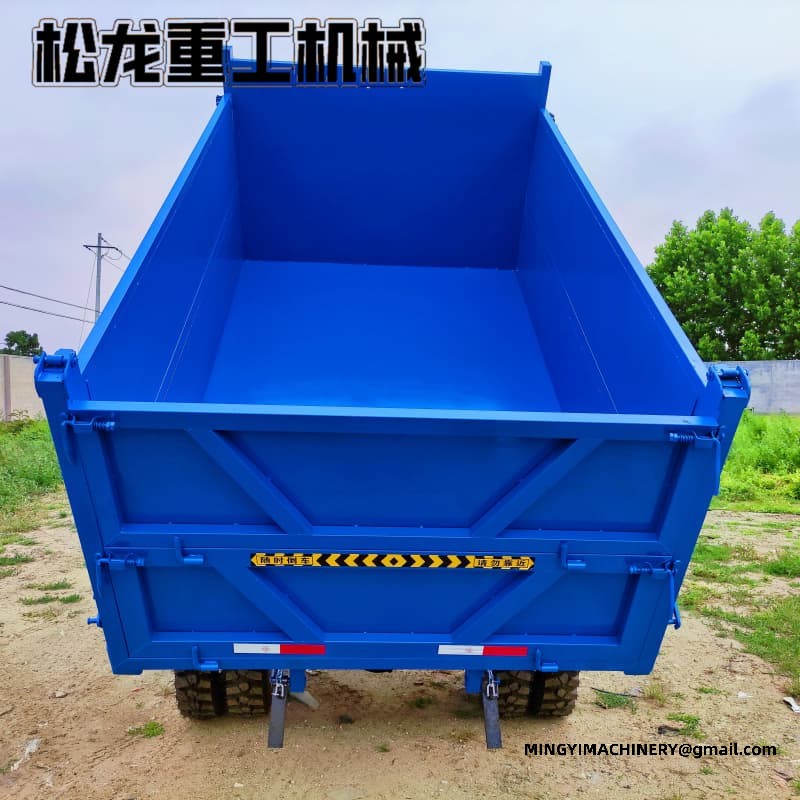
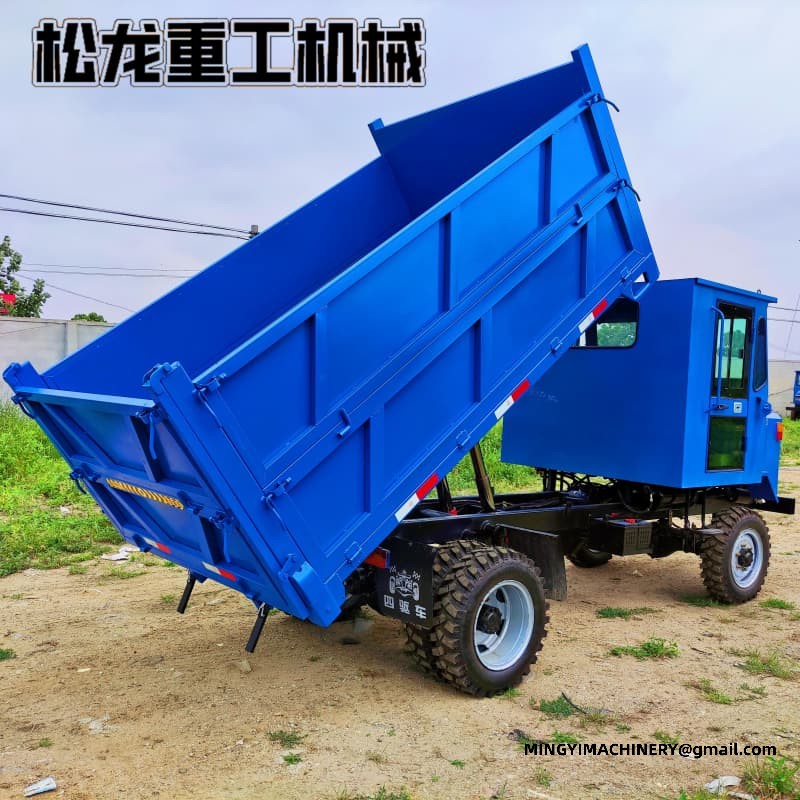
The tipping body is the part that does the work. The machine itself specified with twin hydraulic rams and a tailgate that opens under load unloads in one pass, which matters more on a short haul than top speed does.
Export orders add steps that domestic buyers never see. Packed dimensions, securing points, documentation and any dismantling required are all settled before the machine in that duty leaves the factory, and each one affects the freight booking.
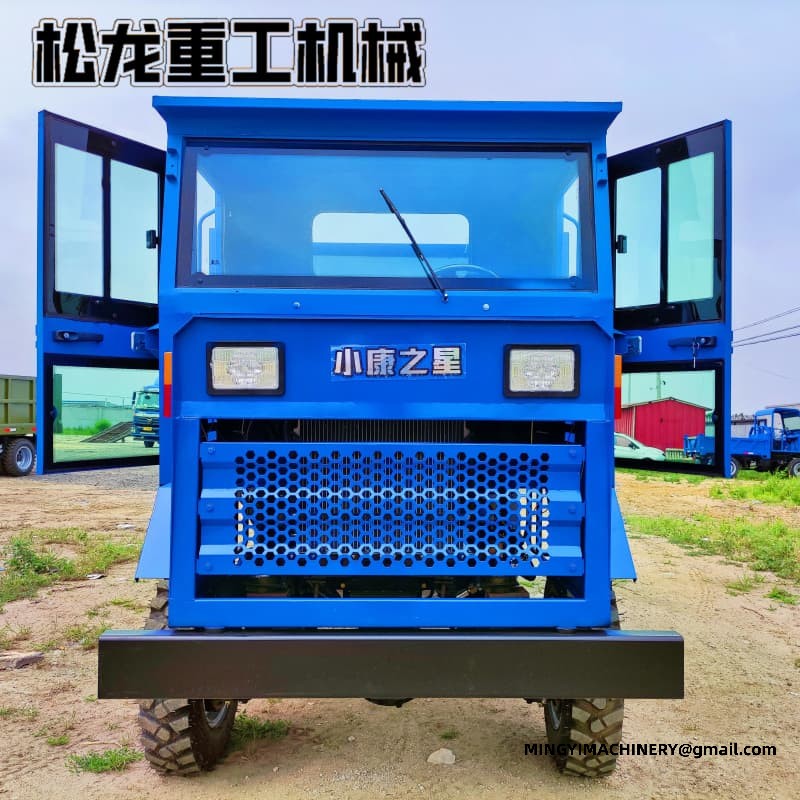
Abrasive conditions shorten service intervals. Air filters, seals and any exposed sliding surface on a machine built for the work need attention more often in dusty or muddy work, and the extra checks prevent far more wear than the time they take. Sealed points and guarded areas deserve a look in these conditions. The equipment in service working in abrasive dust benefits from checked boots, intact guards and clean breathers, all of which are quick to verify.
Timber work changes what the vehicle carries. This class of machine fitted with a log grab loads and unloads without a second machine, which is usually the reason a forestry contractor specifies one over a conventional truck.
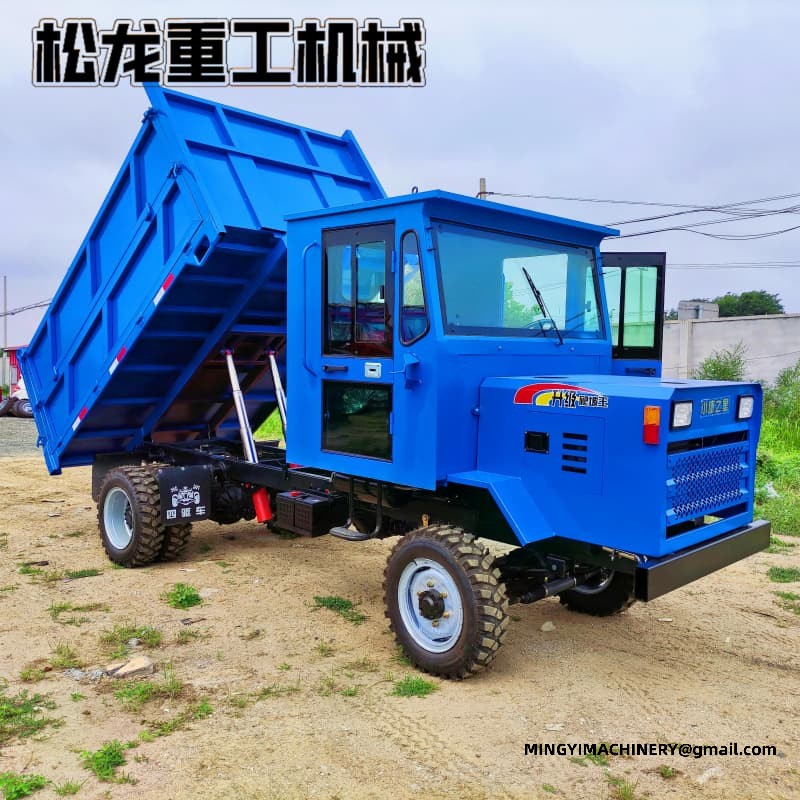
Cleaning and discharge are part of the job. A machine of this size used for concrete is judged on how quickly it can discharge and wash out, because that turnaround is what the site is paying for.
Visibility from the seat is different at night. Reflections, shadows and glare all hide detail, so the machine itself used after dark benefits from clean lenses, working wipers and a slower working pace.
Quarry and tunnel work is hard on vehicles. Abrasive dust, sharp material and continuous loading mean the machine in that duty in this duty needs attention to filtration, body wear and brake condition far more often. Size matters underground. Overall height and width decide whether the unit on the job can work in a tunnel at all, and those dimensions are the first thing to confirm rather than the last.
Low temperatures also make materials behave differently. Ground that is frozen hard in the morning can be soft by midday, and planning the sequence around that is easier than fighting it with the equipment in service.
The configurations below are the build sheets most often matched to this class of machine. Engine, gearbox, axles, frame and body dimensions are confirmed together, because the body size and the axle rating have to suit the load before the engine rating matters.
| # | 12.Standard | 15.Standard | 16.Upgraded | 23.Upgraded |
|---|---|---|---|---|
| 1 | Two-cylinder diesel engine, 38 hp | Four-cylinder 490 diesel engine | Four-cylinder 490 diesel engine | Four-cylinder 4108 turbocharged diesel engine |
| 2 | Full-time gearbox with four-wheel drive | Full-time gearbox with four-wheel drive | Full-time gearbox with four-wheel drive | Model 140 part-time gearbox, selectable 2WD/4WD |
| 3 | High/low range with crawler gear | High/low range with crawler gear | High/low range with crawler gear | High/low range with crawler gear |
| 4 | Simple cab | Simple cab | Fully enclosed cab | Simple cab |
| 5 | Oil brakes | Oil brakes | Oil brakes | Six 825R16 steel-belted radial tyres |
| 6 | Four 700-16 mountain tyres | Four 700-16 mountain tyres | Six 700-16 mountain tyres | Reinforced ISUZU-pattern front axle |
| 7 | Front axle 212 | Front axle 212 | Front axle 212 | Reinforced 1080 rear axle |
| 8 | Rear axle 130 | Rear axle 130 | Rear axle 130 | Air cut-off brakes |
| 9 | Reinforced 60 x 140 mm square tube frame | Reinforced 60 x 140 mm square tube frame | Reinforced 60 x 140 mm square tube frame | Reinforced 80 x 180 mm square tube frame |
| 10 | Rear body 2.2 m long x 1.5 m wide x 0.45 m high | Rear body 2.2 m long x 1.5 m wide x 0.45 m high | Rear body 2.2 m long x 1.5 m wide x 0.45 m high | Rear body 3.0 m long x 2.2 m wide x 0.45 m high |
| 11 | Tailgate with self-dumping function | Tailgate with self-dumping function | Tailgate with self-dumping function | Tailgate with self-dumping function |
| 12 | Hydraulic power steering | Hydraulic power steering | Hydraulic power steering | Hydraulic power steering |
| 13 | Twin hydraulic rams | Twin hydraulic rams | Twin hydraulic rams | Twin hydraulic rams |
| 14 | Two-person comfort seat | Two-person comfort seat | Two-person comfort seat | Two-person comfort seat |
| 15 | Twin-battery electric start | Twin-battery electric start | Twin-battery electric start | Heavy-duty leaf springs |
| 16 | Round-nose bonnet | Round-nose bonnet | Round-nose bonnet | Twin-battery electric start |
| 17 | — | — | — | Square-nose bonnet |
The battery and the fuel are the first things to suffer in storage. Preparing a machine of this size properly at the start of the idle period avoids the flat battery and the contaminated tank that greet an unprepared machine.
The machine should be introduced to the site as well as the operator. Walking the route the machine itself will take, noting the soft spots and the turns, prevents the kind of first-day incident that has nothing to do with the machine.
Keeping the documents together is part of ownership. The manual, the service record and the build sheet for the machine in that duty belong in one folder, and the machine is easier to sell later when that folder is complete.
A machine that works on one site still has to reach the next. The overall dimensions and the operating weight of a machine built for the work decide what trailer or truck is needed, and that decision belongs before the job is booked.
A machine should be inspected while it is still on our floor rather than after it lands. For the dumper that means the engine is run to temperature, the hydraulics are cycled through full travel, and every function is checked against the build sheet before the crate is closed.
Service history also protects the warranty position. Evidence that the unit in daily use was maintained at the specified intervals and with the specified fluids settles questions that would otherwise be argued.
Tropical operation is a specification question as much as a maintenance one. The cooling capacity, the sealing and the corrosion protection fitted to the equipment on site are what make the difference once the ambient temperature rises.
Every line above is a build item rather than an optional extra, and the final sheet for the machine itself is confirmed against the destination, the ground and the load before production.
E-mail:sales@mingycn.com
LINE(ID):mingyicn









