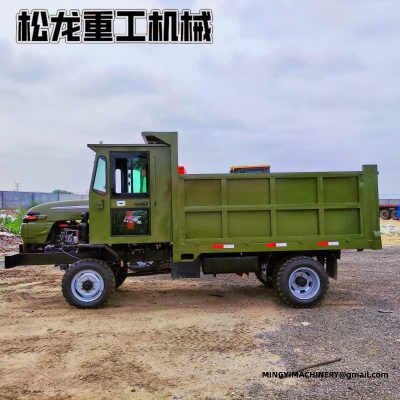
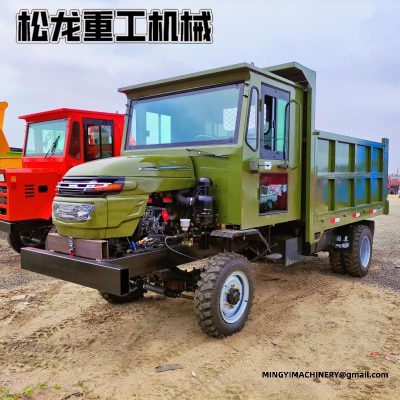
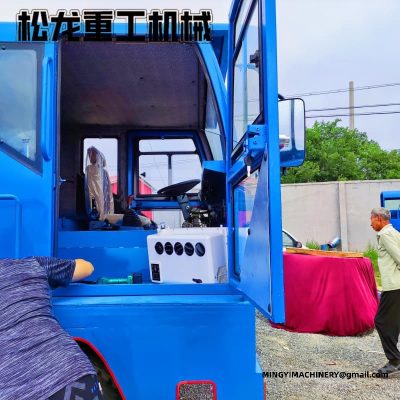
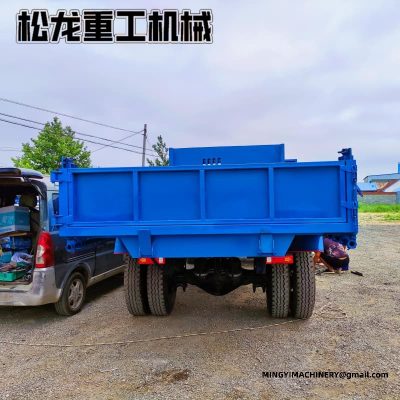
Where the dumper is used matters as much as what it is. Ground, climate, access and the skill of the operator all change the right answer, which is why the sections below start from the working conditions and work towards the specification.
Familiarisation should cover the limits as well as the controls. Knowing where this class of machine loses stability, how it behaves at full reach, and what the warning lights mean prevents the incidents that are put down to bad luck.
Owners who work across several sites should check the transport dimensions before ordering. The unit in daily use that fits a standard trailer can be moved by any operator with a suitable vehicle, while an over-width machine narrows that choice and complicates every move.
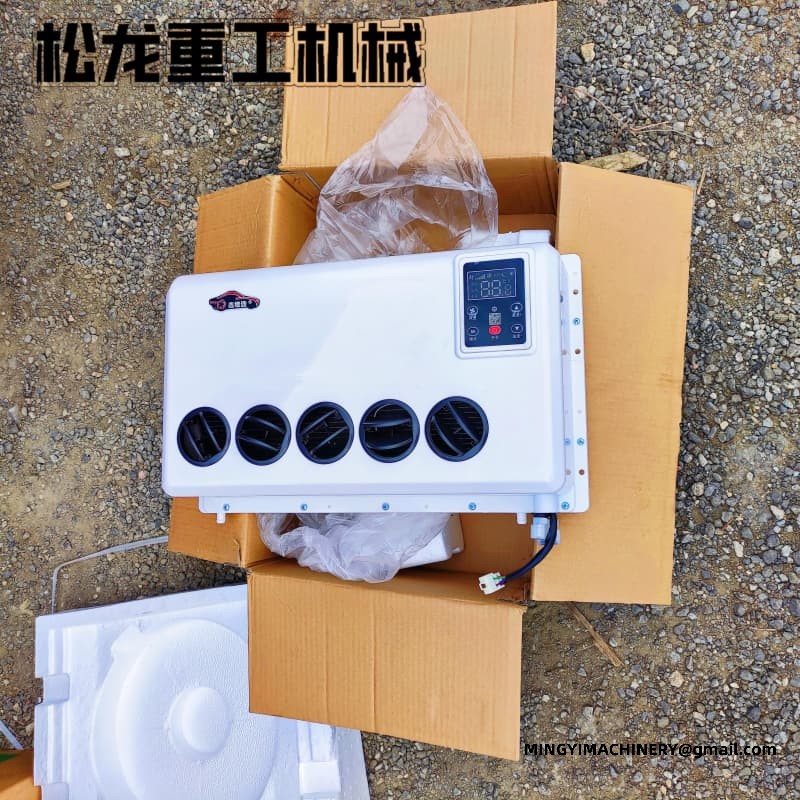
Stability governs what the crane can do. Outriggers, ground condition and load radius decide the safe figure on a machine of this size, and those are checked before the lift rather than discovered during it. Adding a crane changes the vehicle specification. Hydraulic capacity, frame strength and braking all need to suit the attachment, and it is simpler to specify them at build than to add them later.
Farm users also value simplicity. The equipment on site that can be serviced in the yard with common tools and common parts suits a farm better than one that needs a dealer visit for routine work.
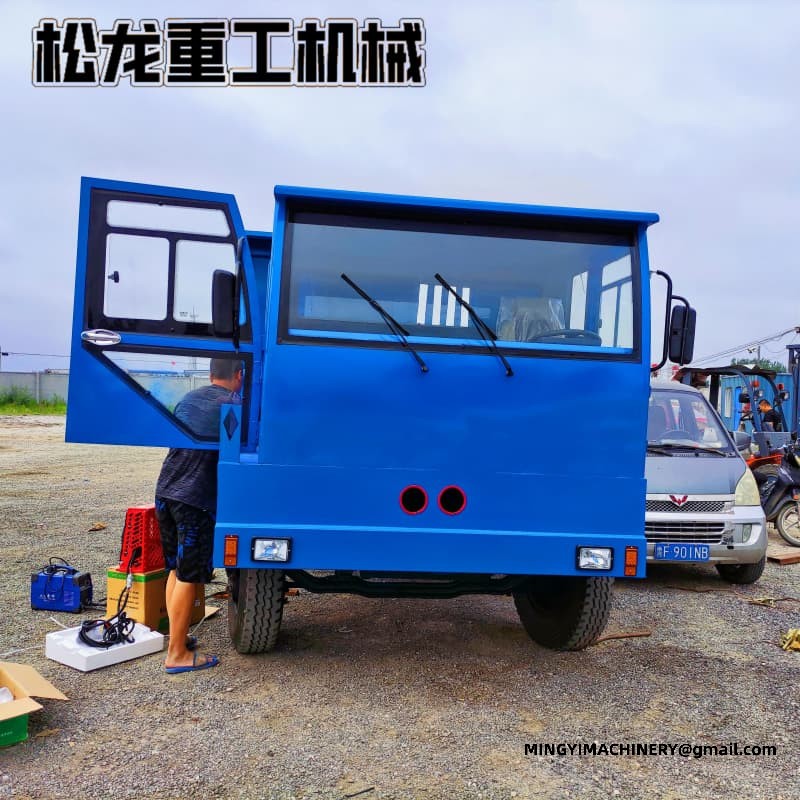
Seasonal work changes the maintenance calendar. Machines that work hard for two months and stand for ten need preparation before storage and a check before returning to work, and both are simpler than the repairs they prevent. Hour planning helps at resale as well. The machine itself with a recorded service history and a sensible hour count is easier to sell than one with the same hours and no records, whatever its condition.
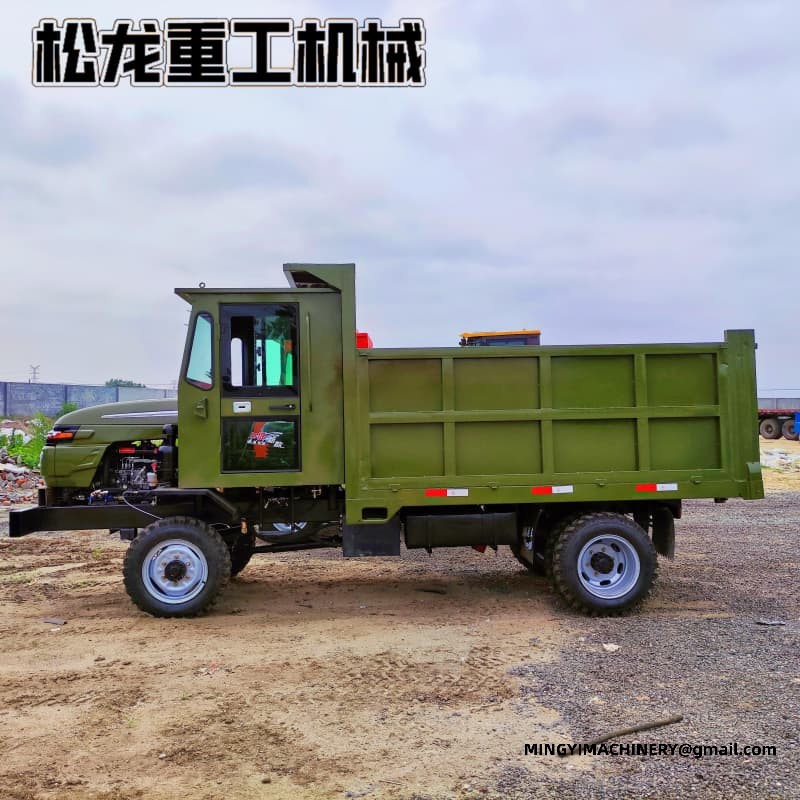
Parts availability usually decides the engine and the brand. A machine built around components the local network already carries is serviced from stock, which is the difference between a day lost and a week lost. Remote diagnosis shortens most faults. A walk-around on video with the panels open often identifies the cause on the model in question without waiting for a visit, and avoids shipping a part that turns out not to be needed.
Reconfiguration can extend the useful life of a machine. The machine in that duty that no longer suits the current work may suit it again with a different attachment, guarding or control arrangement. Upgrades should be checked against the base machine. Hydraulic capacity, mounting interface and stability all limit what can reasonably be added to the unit on the job, and confirming those limits avoids an unsatisfactory result.
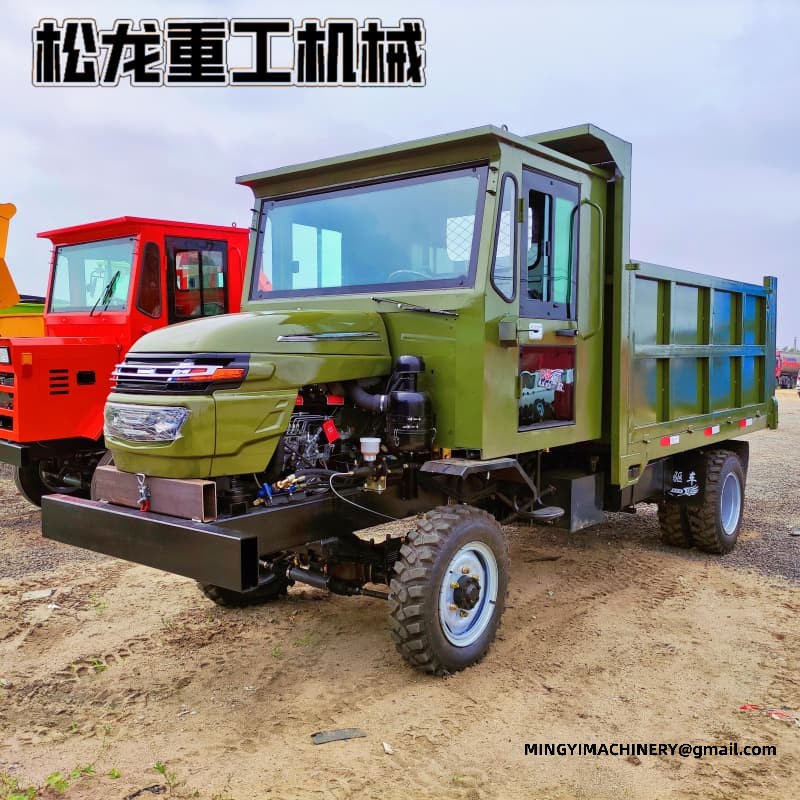
Fleet value comes from interchangeability. Operators who can step between machines without retraining, and a workshop that stocks one set of filters, keep utilisation higher than a fleet of individually optimised units. Utilisation matters more than the purchase decision over a few years. A machine built for the work that sits idle ties up the same yard space standing still as one that earns, so the buying decision should follow the hours the machine will realistically work. Standardising where possible simplifies everything downstream. When several units of the equipment in service share a service schedule and a parts list, the fleet becomes easier to plan and easier to sell on at replacement time.
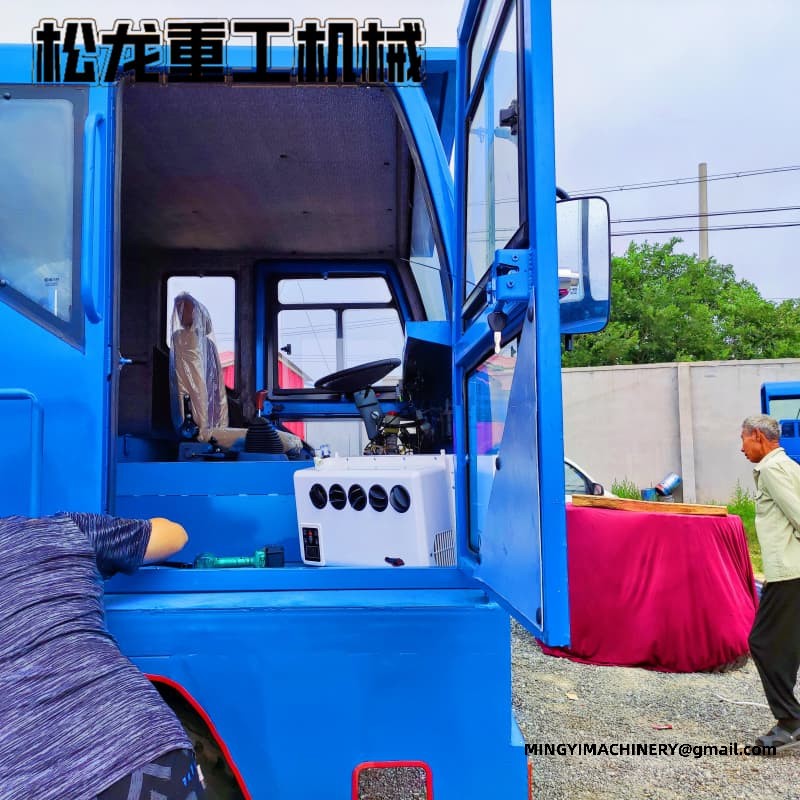
Four-wheel drive is only part of soft ground capability. Tyre choice, ground clearance and weight distribution decide whether this class of machine keeps moving in a paddy field or a marsh, and all three are specified rather than assumed. Soft ground punishes the wrong tyre. Mountain pattern tyres on the unit in daily use clear mud that a road pattern would pack with, and the difference is measured in whether the machine finishes the day. Recovering a stuck vehicle takes longer than preventing it. Planning the route, avoiding the worst ground and knowing where the A machine of this size will turn is what keeps a soft-ground job productive.
A short familiarisation session prevents the early faults. Most first-month problems on the machine itself come from unfamiliarity with controls, limits or checks rather than from the machine itself.
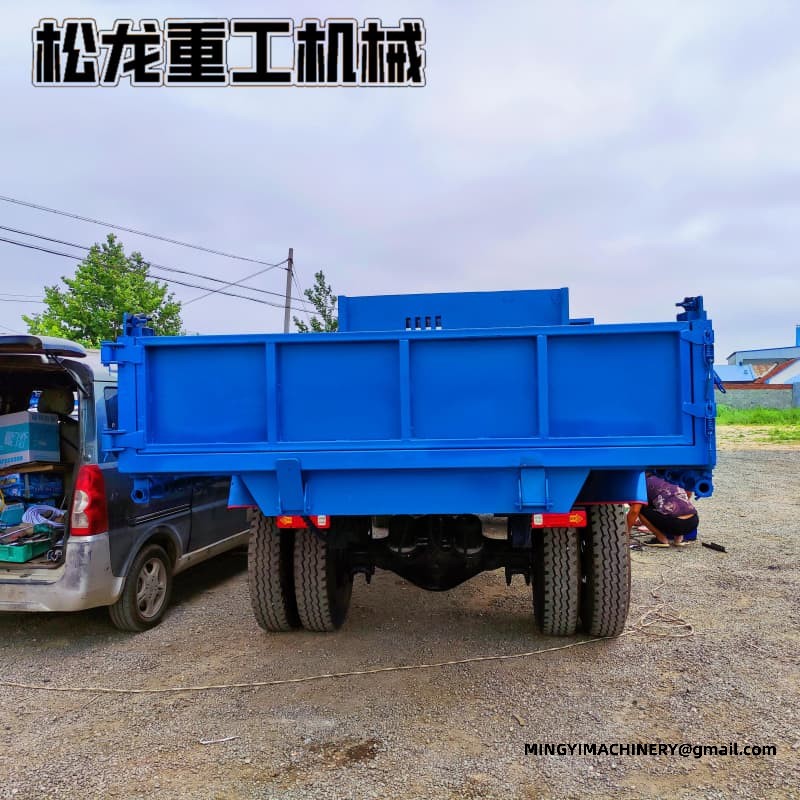
Stability follows the load and its position. Knowing the rated capacity of the machine in that duty at the working radius, rather than at its best case, is what keeps handling predictable and the machine upright. Carrying and travelling with a load needs its own plan. Speed, gradient and surface all matter more once the unit on the job is loaded, and the safe combination is the conservative one.
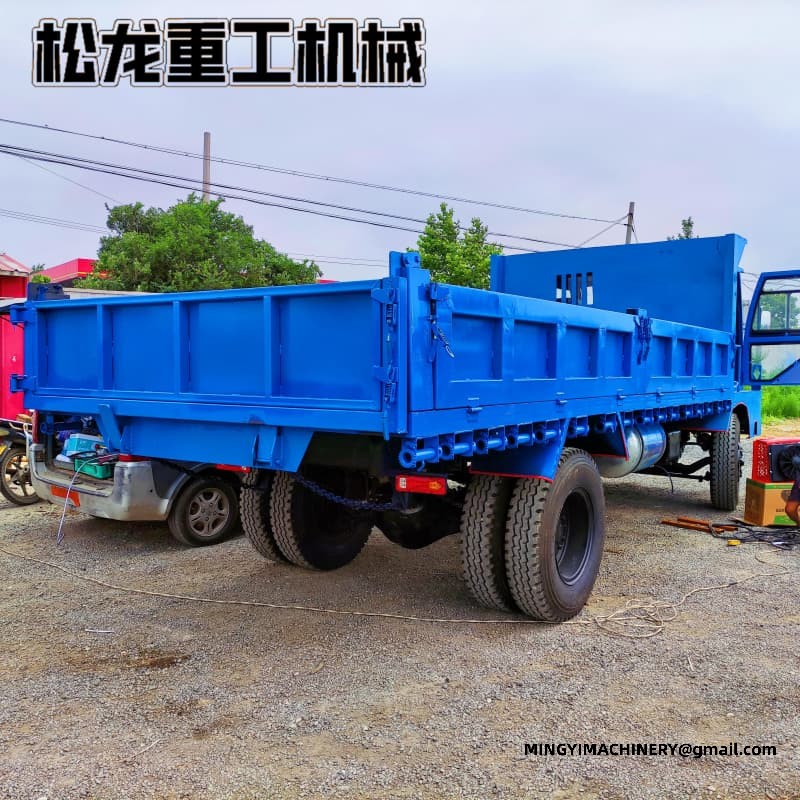
Certain parts are designed to be consumed. Knowing which items on the equipment in service are wearing parts, and roughly how long they last in the duty the machine sees, turns replacement into a plan rather than a breakdown. Wear rate follows conditions far more than hours. The dumper working on abrasive ground or in mud will consume undercarriage or tyre life much faster than the same machine on clean ground. Replacing wear items early is usually simpler. Worn components on this class of machine load the parts they run against, so a worn part left too long often becomes a major repair.
Standing still is hard on machinery. A machine of this size left for weeks benefits from a clean, dry, covered space, a charged battery and a fuel system prepared for the layoff, and all three effort very little. Before-storage preparation prevents most return-to-work faults. Draining or treating fuel, protecting exposed rods and relieving pressure where the maker specifies it are the items worth an hour when the equipment on site is parked. A periodic start is better than none. Running the machine itself to operating temperature during a long layoff keeps seals and the charging system in better condition than leaving it untouched until the next job.
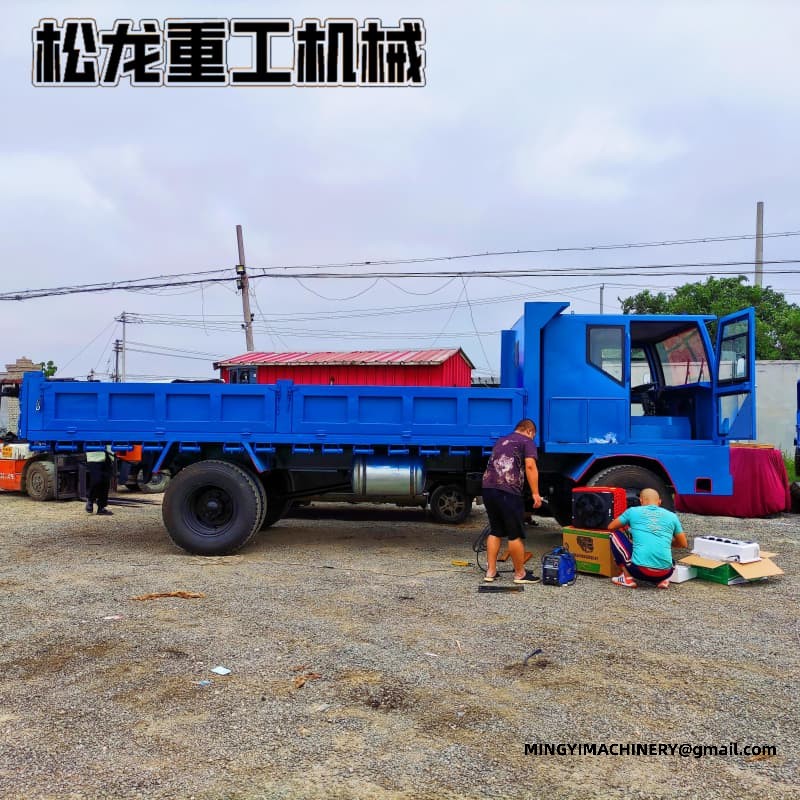
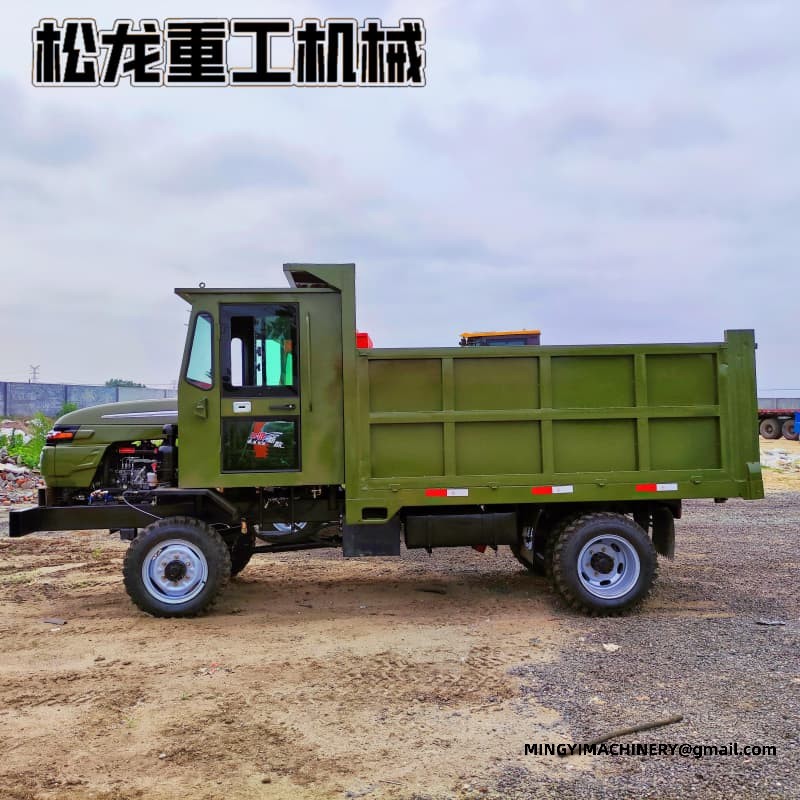
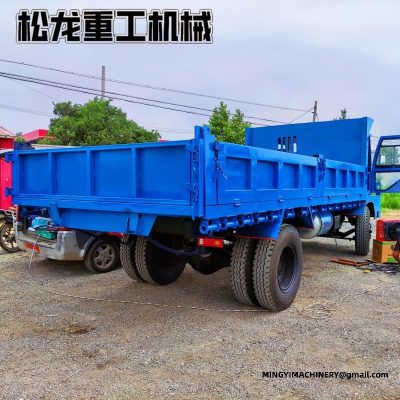
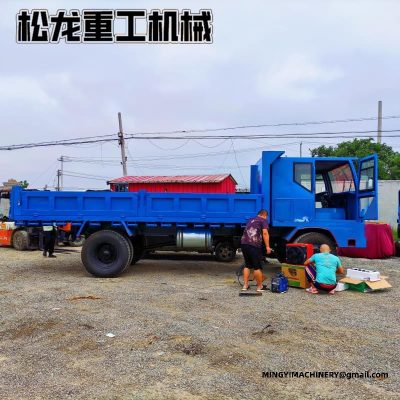
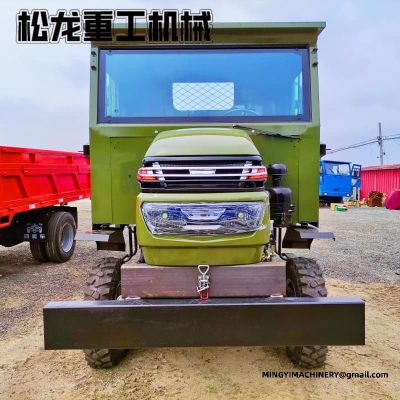
The configurations below are the build sheets most often matched to the machine in that duty. Engine, gearbox, axles, frame and body dimensions are confirmed together, because the body size and the axle rating have to suit the load before the engine rating matters.
| # | 10.Upgraded | 15.Standard | 17.Luxury | 21.Upgraded |
|---|---|---|---|---|
| 1 | Single-cylinder diesel engine, 32 hp | Four-cylinder 490 diesel engine | Four-cylinder 490 diesel engine | Four-cylinder 4105 turbocharged diesel engine |
| 2 | Full-time gearbox with four-wheel drive | Full-time gearbox with four-wheel drive | Part-time gearbox, selectable 2WD/4WD | Model 140 part-time gearbox with four-wheel drive |
| 3 | High/low range with crawler gear | High/low range with crawler gear | High/low range with crawler gear | High/low range with crawler gear |
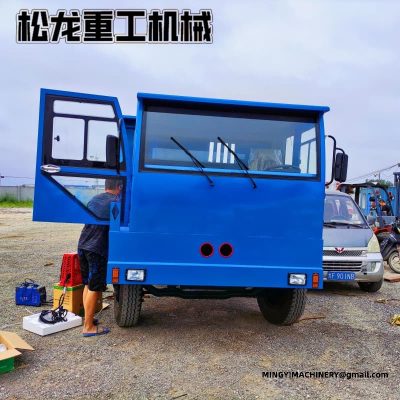
| 4 | Front axle clutch | Simple cab | Fully enclosed cab | Simple cab |
| 5 | Fully enclosed cab | Oil brakes | Six 700-16 mountain tyres | Six 825R16 steel-belted radial tyres |
| 6 | Oil brakes | Four 700-16 mountain tyres | Reinforced 130 front axle | Reinforced ISUZU-pattern front axle |
| 7 | Four 700-16 mountain tyres | Front axle 212 | Reinforced ISUZU-pattern rear axle | Reinforced 1080 rear axle with air cut-off brake |
| 8 | Front axle 212 | Rear axle 130 | Air cut-off brakes | Air cut-off brakes |
| 9 | Rear axle 130 | Reinforced 60 x 140 mm square tube frame | Reinforced 60 x 140 mm square tube frame | Reinforced 80 x 180 mm square tube frame |
| 10 | Reinforced 60 x 140 mm square tube frame | Rear body 2.2 m long x 1.5 m wide x 0.45 m high | Rear body 2.2 m long x 1.8 m wide x 0.45 m high | Rear body 3.0 m long x 2.2 m wide x 0.45 m high |
| 11 | Rear body 2.2 m long x 1.5 m wide x 0.45 m high | Tailgate with self-dumping function | Tailgate with self-dumping function | Tailgate with self-dumping function |
| 12 | Tailgate with self-dumping function | Hydraulic power steering | Side-opening rear body tailgate | Hydraulic power steering |
| 13 | Hydraulic power steering | Twin hydraulic rams | Hydraulic power steering | Twin hydraulic rams |
| 14 | Twin hydraulic rams | Two-person comfort seat | Twin hydraulic rams | Two-person comfort seat |
| 15 | Two-person comfort seat | Twin-battery electric start | Two-person comfort seat | Heavy-duty leaf springs |
| 16 | Twin-battery electric start | Round-nose bonnet | Heavy-duty leaf springs | Twin-battery electric start |
| 17 | Square-nose bonnet | — | Twin-battery electric start | Square-nose bonnet |
| 18 | — | — | Round-nose bonnet | — |
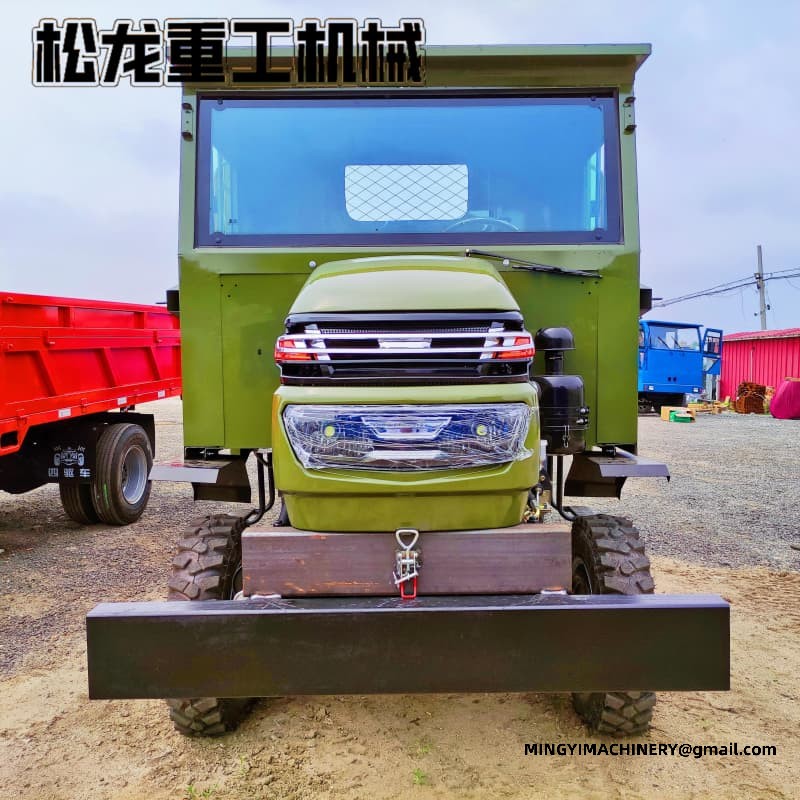
Standing still is harder on a machine than working. Preparing a machine built for the work for a long idle period means clean fluids, a charged battery and protection for the exposed surfaces, because neglect is not the same as rest.
A machine that works on one site still has to reach the next. The overall dimensions and the operating weight of the dumper decide what trailer or truck is needed, and that decision belongs before the job is booked.
Keeping the documents together is part of ownership. The manual, the service record and the build sheet for the unit in daily use belong in one folder, and the machine is easier to sell later when that folder is complete.
Most additions are easier to plan than to add. Hydraulic services, mounting brackets and electrical capacity on the equipment on site are build items, and deciding them at the specification stage is far easier than doing it later.
Familiarisation is not the same as reading the manual. Sitting on the model in question, working through the controls at low speed and learning where the machine balances takes an hour, and that hour is what keeps the first week uneventful.
Winter is hard on rubber and on seals as much as on the engine. Parking the unit on the job under cover, keeping the tracks or tyres off standing water and checking the hoses for cracking are all part of the season.
Temperature and pressure are the two things worth watching. The equipment in service that runs hotter than it used to, or whose pressure has drifted, is reporting a problem that is still simple to fix.
Every line above is a build item rather than an optional extra, and the final sheet for the dumper is confirmed against the destination, the ground and the load before production.
E-mail:sales@mingycn.com
LINE(ID):mingyicn









