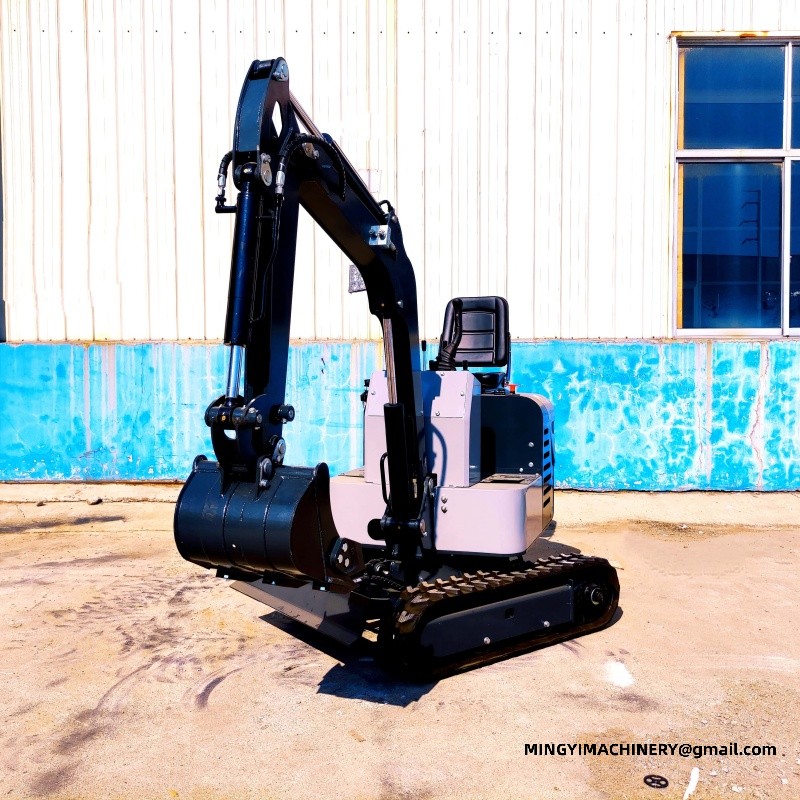
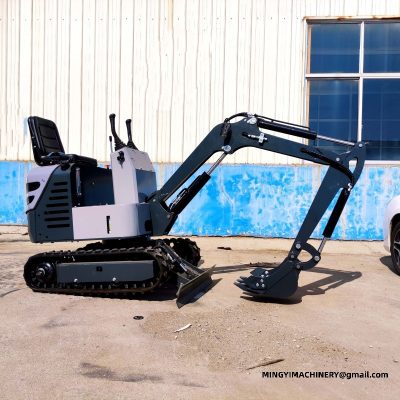
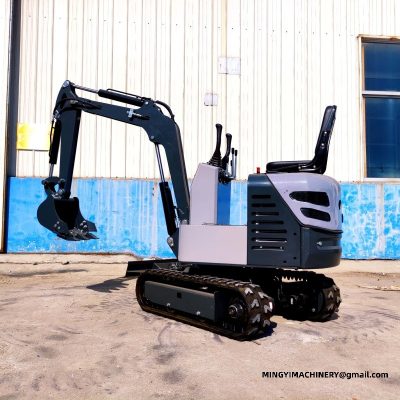
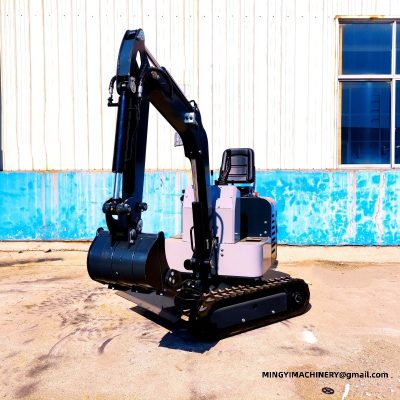
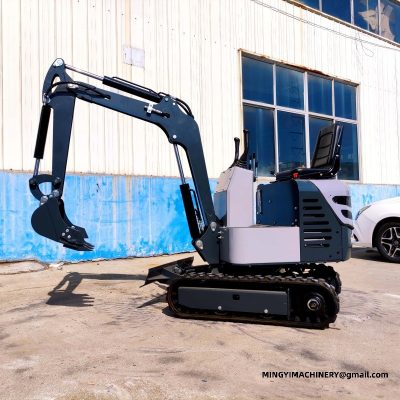
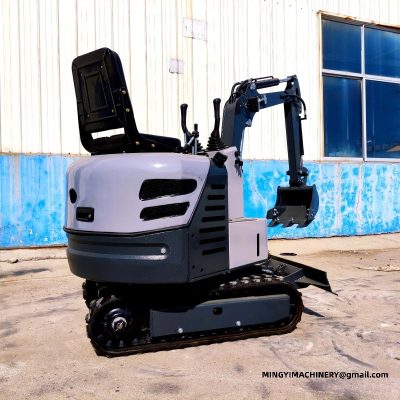
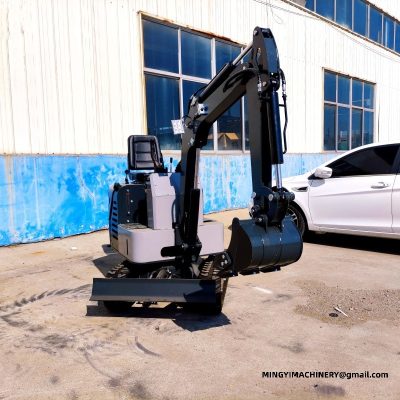
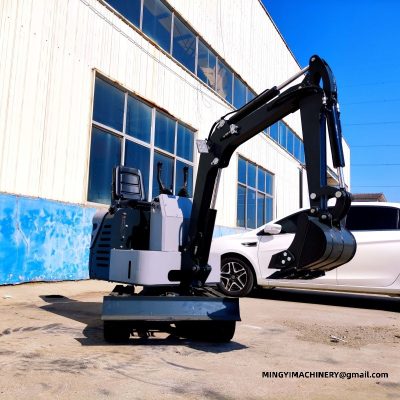
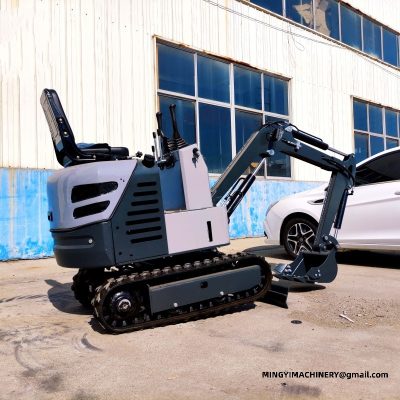
Diesel remains the practical choice for an excavator that works away from mains power, and for most site work that is every day.
A diesel powered mini excavator carries its own fuel, refuels from a can or a bowser, and delivers the torque needed to drive the hydraulics under load. Remote sites are where a machine carrying its own fuel and needing only simple service matters most.
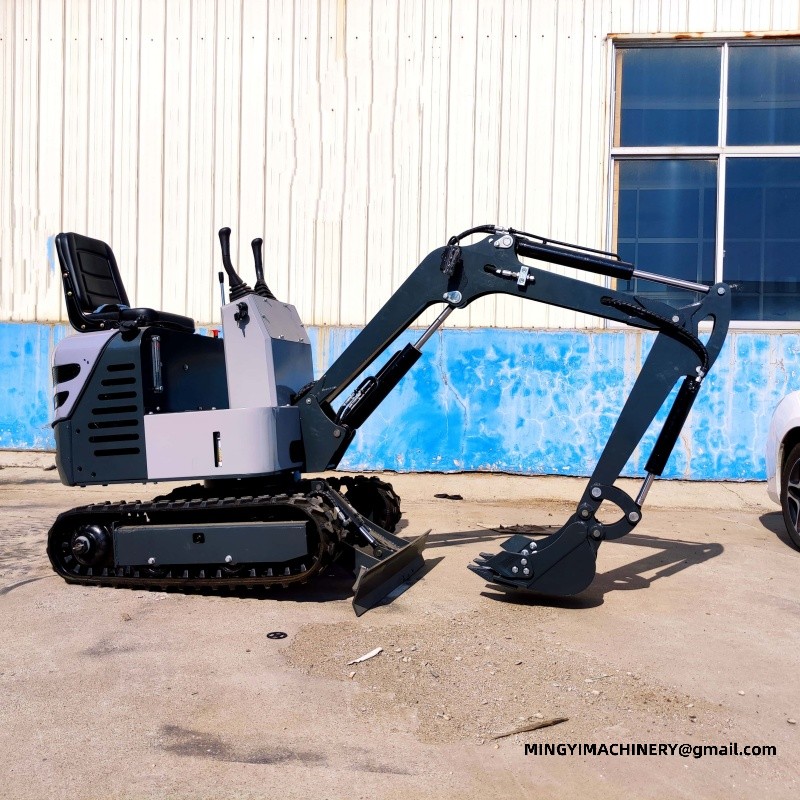
Torque at low engine speed is what gives a diesel machine its digging authority, and it is also what lets the engine run economically at part load.
Refuelling is quick and the fuel is available everywhere, which matters on sites with no power supply and no charging window.
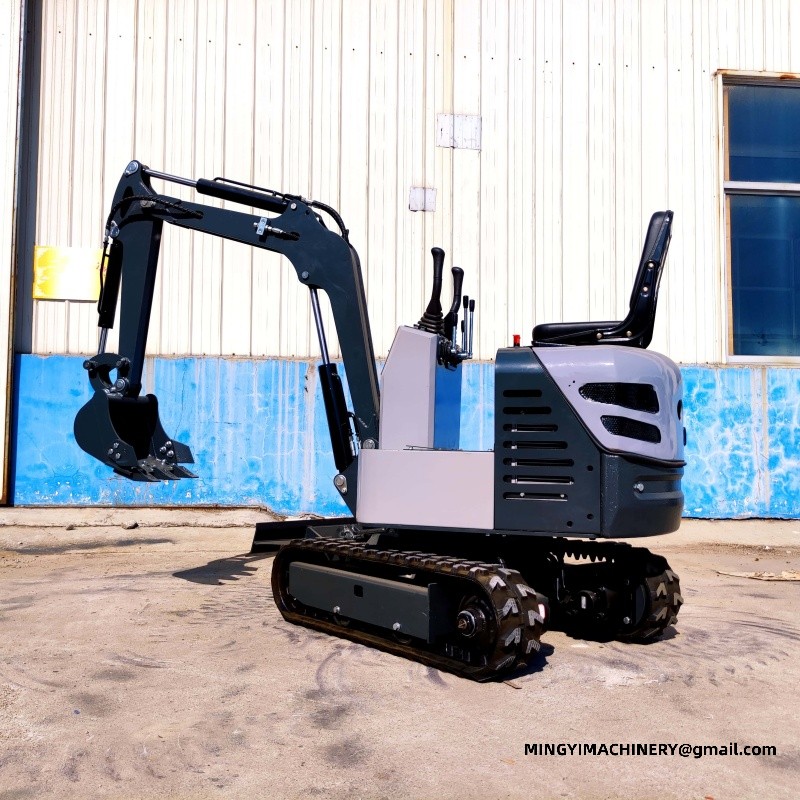
Diesel engines in this class are simple, long-lived and well supported, and routine servicing is within reach of an owner-operator.
Using one engine family across a fleet keeps filters, belts and service intervals common, which reduces the stock a workshop has to carry.
Tell MINGYI the work your machine will do and how it will be fuelled, and we will confirm the model and engine that fits.
E-mail :
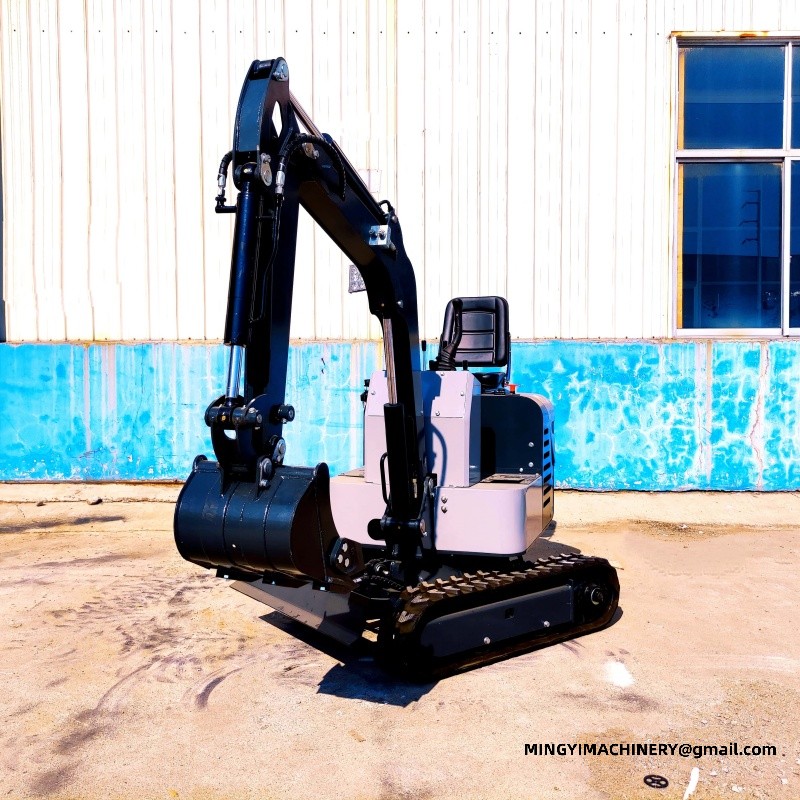
The first question on most job lists is whether the machine can reach the work at all. The unit in daily use is chosen against the narrowest point on the route - a garden gate, a doorway, a gap between two walls - because a machine that arrives and then cannot pass loses a day, not an hour. Access decides the machine before output does. With a machine of this size the limiting dimension is usually the widest point on the way in, so measuring the gate, the corridor and the turning space first saves a wasted delivery and a second visit.
Purchase decision is the visible part of the effort. Fuel, filters, tracks or tyres, the operator and the transport between sites are the items that decide what the equipment on site actually demands over a few seasons, and they are worth listing before the order. Downtime is the hidden line item. The machine itself waiting on a part earns nothing while it stands, so parts availability and service access belong in the plan as much as fuel does.
The base machine is a carrier; the tool on the end of the arm decides the task. The model in question fitted with a toothed bucket digs, and the same machine with a breaker, an auger or a grab does work that would otherwise need a second unit on site. Most of the daily variety on the machine in that duty comes from the attachment rack rather than from the machine itself. Bucket, breaker, auger, ripper, rake and grab cover the large majority of the work a contractor will see.
Customisation also covers the specification sheet. A fleet buyer may want every machine built for the work delivered with the same coupler, the same engine and the same tool kit so training and parts stock stay simple. Documentation can be prepared to suit the importer. Manuals, parts books and decal sets for the unit on the job can be supplied with the buyer's own branding where the order size justifies it.
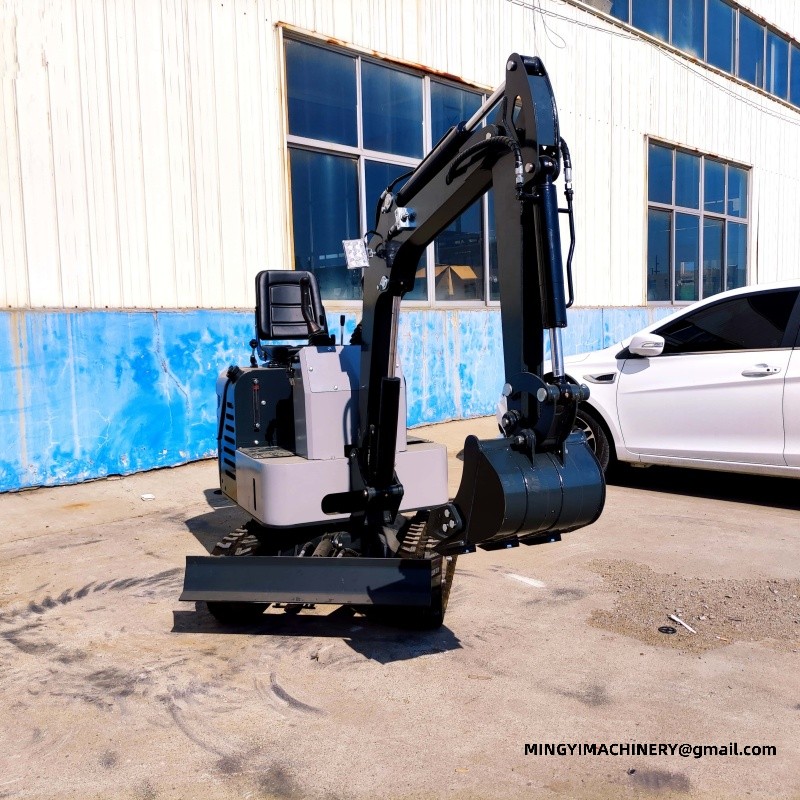
Engine parts availability usually drives the engine choice. The equipment in service built with an engine the local network already carries is serviced from stock rather than from an international order. Remote support is handled by video. This class of machine fault can often be diagnosed on a walk-around call with the panel open, which is faster than waiting for a visit and avoids shipping a part that is not needed.
Output on a compact machine comes from placement rather than power. An experienced operator keeps the unit in daily use working inside the swing arc, positions once and digs a full run instead of repositioning for every bucket. The second habit is tool discipline. Running a machine of this size with the right bucket width for the trench means less spoil, less reinstatement and a cleaner job than a wide bucket and a lot of trimming.
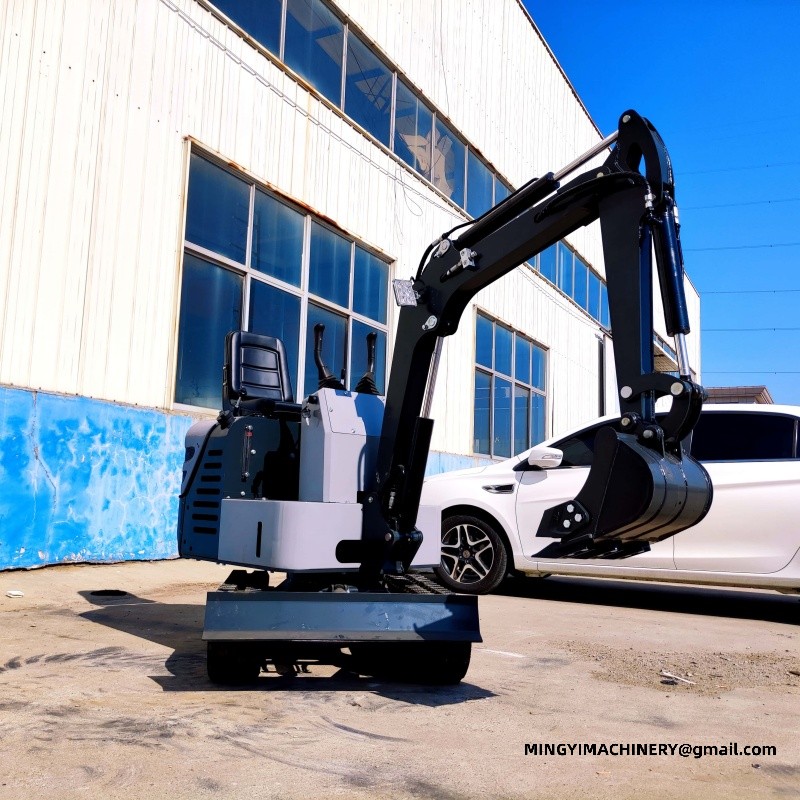
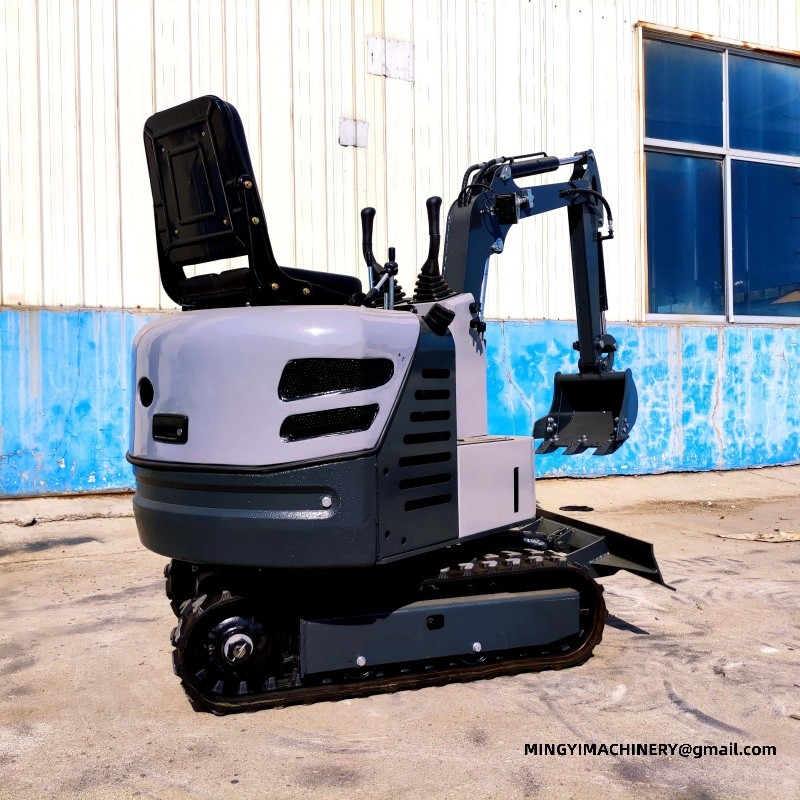
Interior demolition is an access and a weight question. The equipment on site that fits through a doorway and works on a suspended floor does jobs that would otherwise be done by hand or by a larger machine that cannot enter. Dust, debris clearance and floor loading all argue for a compact machine indoors. The machine itself spreads its weight over a wider track footprint than a wheeled machine of similar capacity.
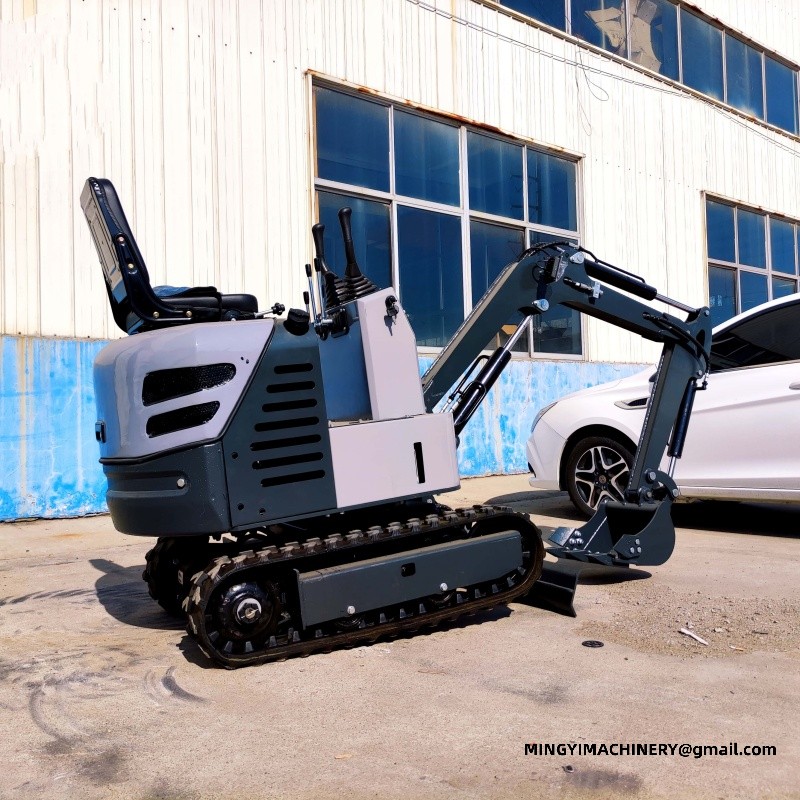
Patching and reinstatement favour a machine that can work in a lane closure. The machine in that duty occupies less road than a full-size excavator, which reduces the traffic management needed and the length of the closure. Breaking out a failed slab and backfilling the same hole in one visit is normal work for the unit on the job. The breaker and the bucket come off the same coupler, so the road is reopened the same day.
The choice follows the hours. Work that fills a few weeks a year is usually better hired, while the equipment in service that would be on site most weeks starts to justify ownership once the transport and booking time is counted. Availability is part of the decision. Owning this class of machine means it is there on the day the ground is ready; hiring means competing for the same machine at the same time as everyone else in the season.
Work near housing or occupied premises brings constraints that open sites do not. Start times, exhaust condition and how often the unit in daily use needs to reverse are the practical limits that neighbours notice. Enclosure and machine condition both reduce noise. A machine of this size with intact panels, sound mounts and a maintained exhaust is measurably quieter than the same machine with loose guards, and the difference matters on restricted sites.
The practical way to specify is to write the job list first: the narrowest access, the deepest trench, the heaviest tool and the surfaces the machine must cross. The machine itself is then matched to those four numbers. Buyers who skip this step either over-buy or under-buy. The model in question specified only from machine size tends to arrive without the coupler, the circuits or the track type the work actually needs.
Track tension is the item most often neglected. The unit on the job run with slack tracks wears the undercarriage and can throw a track on a turn; run too tight, the same components wear from the other direction. Greasing is the second item. The slew ring, the boom and arm pins and the bucket linkage on a machine built for the work take grease daily in dusty work, and the intervals shorten further when the machine is used in water or mud.
Slope work is a stability question before it is a traction question. Knowing the gradient this class of machine is rated for, and working across rather than straight up where the ground allows, removes most of the risk. Planning the direction of travel helps. Working so that the unit in daily use is stable under load and not required to turn on a slope is a decision made before the job starts, not a correction made during it.
Transport weight and width decide whether a machine needs a specialist haulier. The equipment on site sized to travel on a standard plant trailer behind a suitable vehicle moves with the crew rather than on a scheduled low loader. Loading practice matters as much as the numbers. The machine itself is driven up ramps under its own power with the boom lowered and the tracks aligned, and secured at the points the manufacturer specifies.
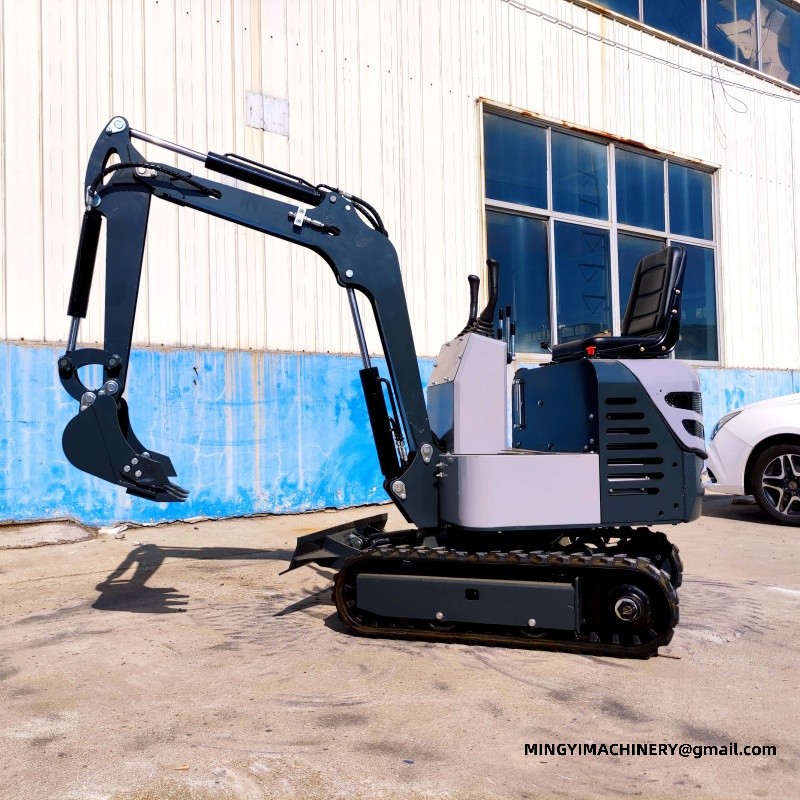
Where the machine in that duty is being specified for a job list, the table below gives the factory figures that matter most: what the machine weighs, how deep and how far it works, and what it measures on a trailer.
| Reference specification — mini excavator range | 12W | 20-1W | 15L | 20-2L |
|---|---|---|---|---|
| Operating weight | 1200 kg (2645.55 lb) | 1800 kg (3968.32 lb) | 1400 kg (3086.47 lb) | 1900 kg (4188.78 lb) |
| Transport size (L×W×H) | 2200 × 930 × 2250 mm | 2550 × 1100 × 2200 mm | 2200 × 930 × 2250 mm | 2600 × 1300 × 2344 mm |
| Max digging depth | 1630 mm (64.17 in) | 1800 mm (70.87 in) | 1700 mm (66.93 in) | 2100 mm (82.68 in) |
| Max digging height | 2750 mm (108.27 in) | 2820 mm (111.02 in) | 2750 mm (108.27 in) | 2880 mm (113.39 in) |
| Max dumping height | 1960 mm (77.17 in) | 2050 mm (80.71 in) | 1960 mm (77.17 in) | 2100 mm (82.68 in) |
| Max digging radius | 2900 mm (114.17 in) | 3050 mm (120.08 in) | 2900 mm (114.17 in) | 3215 mm (126.57 in) |
| Max digging distance | 2100 mm (82.68 in) | 2300 mm (90.55 in) | 2300 mm (90.55 in) | 2460 mm (96.85 in) |
| Minimum turning radius | 1300 mm (51.18 in) | 1450 mm (57.09 in) | 1450 mm (57.09 in) | 1587 mm (62.48 in) |
| Travel speed | 3 km/h (1.86 mph) | 5 km/h (3.11 mph) | 3 km/h (1.86 mph) | 5 km/h (3.11 mph) |
| Gradeability | 30° | 30° | 30° | 30° |
| Fuel consumption | 1-1.3 L/h (0.264—0.343 gal) | 2-3 L/h (0.528—0.793 gal) | 1-1.3 L/h (0.264—0.343 gal) | 2-3 L/h (0.528—0.793 gal) |
| Fuel tank capacity | 10 L (2.64 gal) | 16 L (4.23 gal) | 10 L (2.64 gal) | 16 L (4.23 gal) |
| Hydraulic oil tank | 16 L (4.23 gal) | 18 L (4.76 gal) | 16 L (4.23 gal) | 18 L (4.76 gal) |
| Dozer blade lift height | 180 mm (7.09 in) | 180 mm (7.09 in) | 180 mm (7.09 in) | 180 mm (7.09 in) |
| Dozer blade drop depth | 210 mm (8.27 in) | 210 mm (8.27 in) | 210 mm (8.27 in) | 210 mm (8.27 in) |
These are the reference figures for the unit on the job. MINGYI confirms the final build sheet, including engine and attachment choices, against the destination and the job list before production.
Documentation should match the machine that was actually built. The sheet supplied with the equipment in service records the configuration as delivered, because the generic catalogue description is not what the customer needs when ordering a part.
The calendar decides more than the specification does. Planning when the unit in daily use will be working, when it will be serviced and when it can be spared keeps the maintenance out of the weeks that matter.
Delivery day is the best time to find a problem. Checking the specification against the order, the fluid levels, the fasteners and any transport damage while the equipment on site is still on the trailer is faster than claiming later. A function check before the machine goes to work is worth the hour. Running through the controls, the travel and the attachment circuit on a machine of this size confirms it is set up as specified and ready for the site.
E-mail:sales@mingycn.comLINE ( ID ): mingyicn