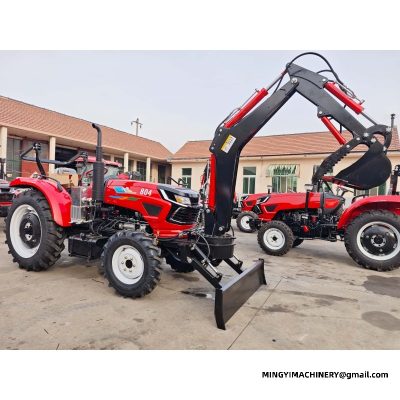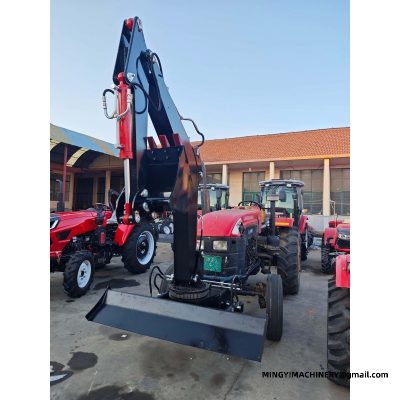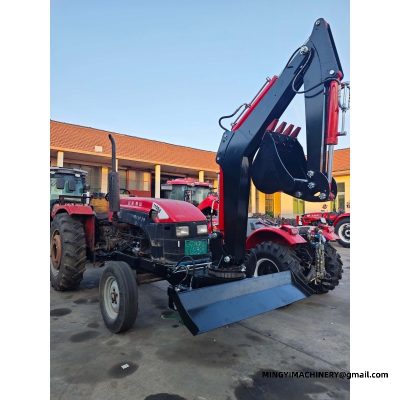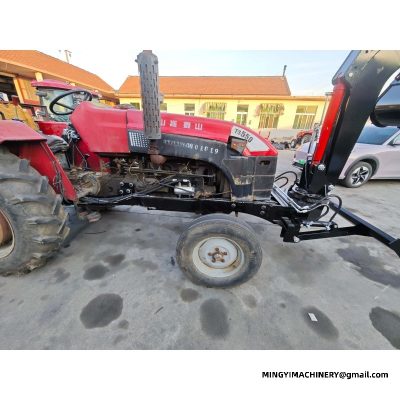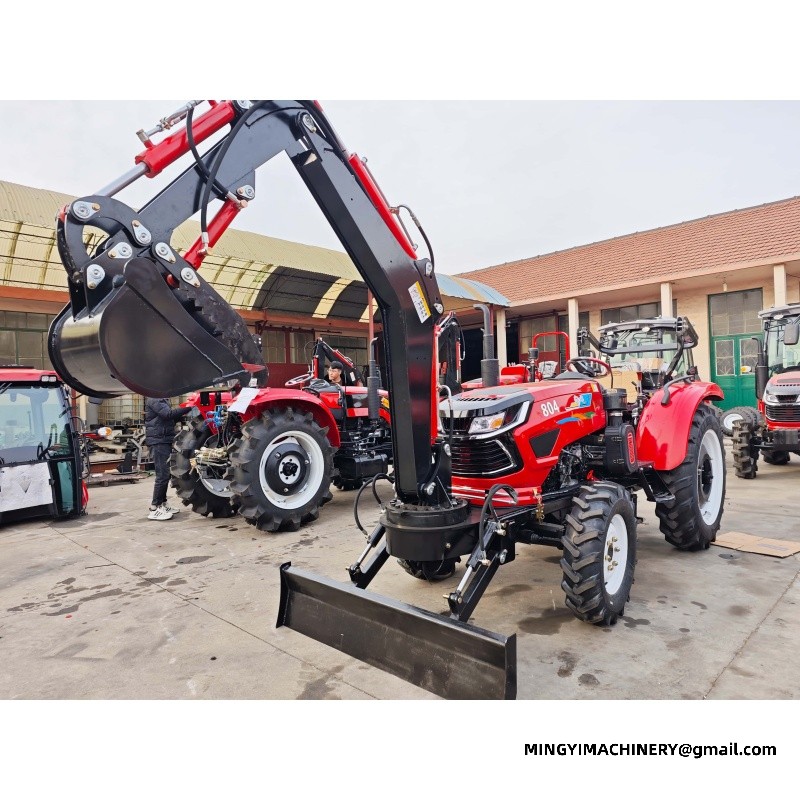
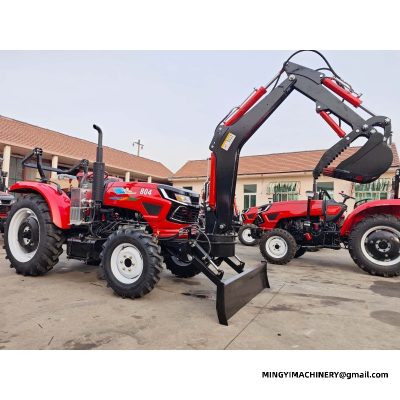
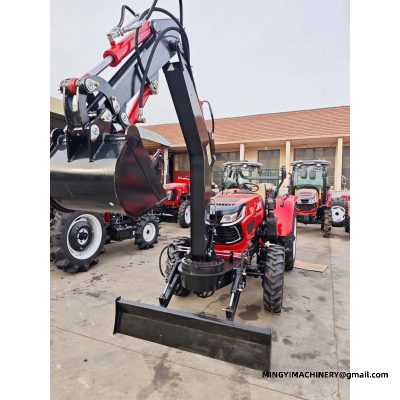
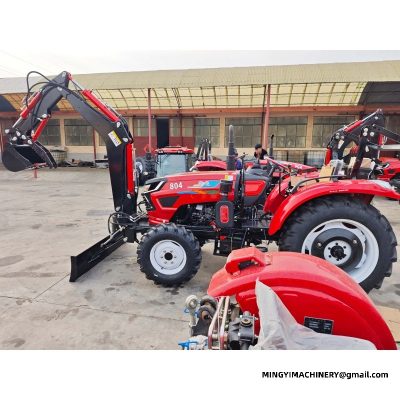
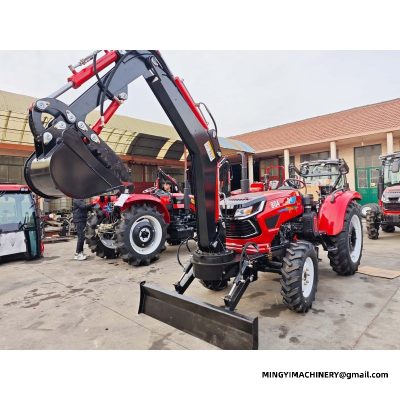
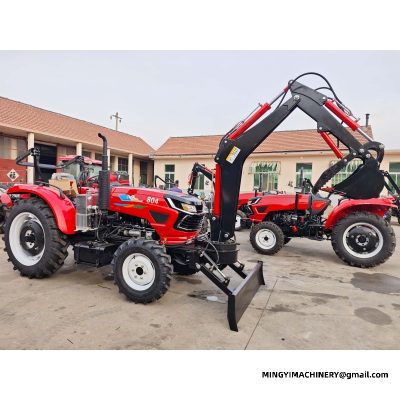
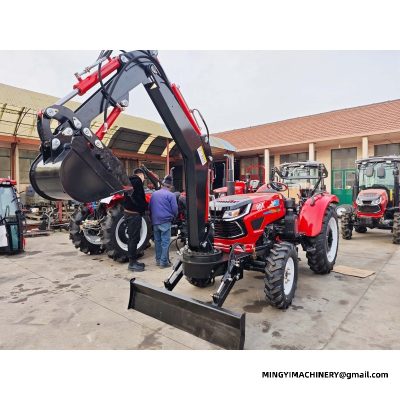
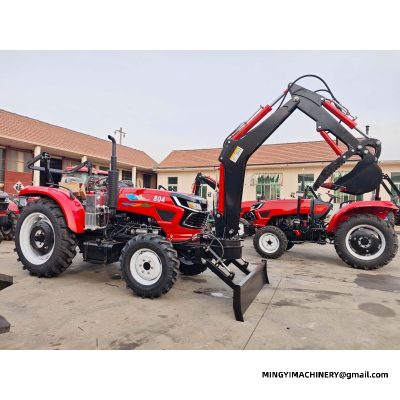
The tractor is built for the work that fills the calendar rather than the work that looks impressive. This page sets out what the machine does, where it fits and what to settle before ordering, so the specification can be matched to the job instead of guessed at.
Build options are where a standard machine becomes the right machine. Colour, guarding, lighting, seating and hydraulic provisions can usually be set at build time on this class of machine, and are far simpler then than as a retrofit. Fleet buyers often want consistency rather than variety. Specifying the unit in daily use so that several units share controls, filters and service points reduces training time and keeps the parts shelf small. Customisation should still be limited to what the work needs. Each addition to a machine of this size is another item to maintain, so the useful question is not what can be added but what the job list actually requires.
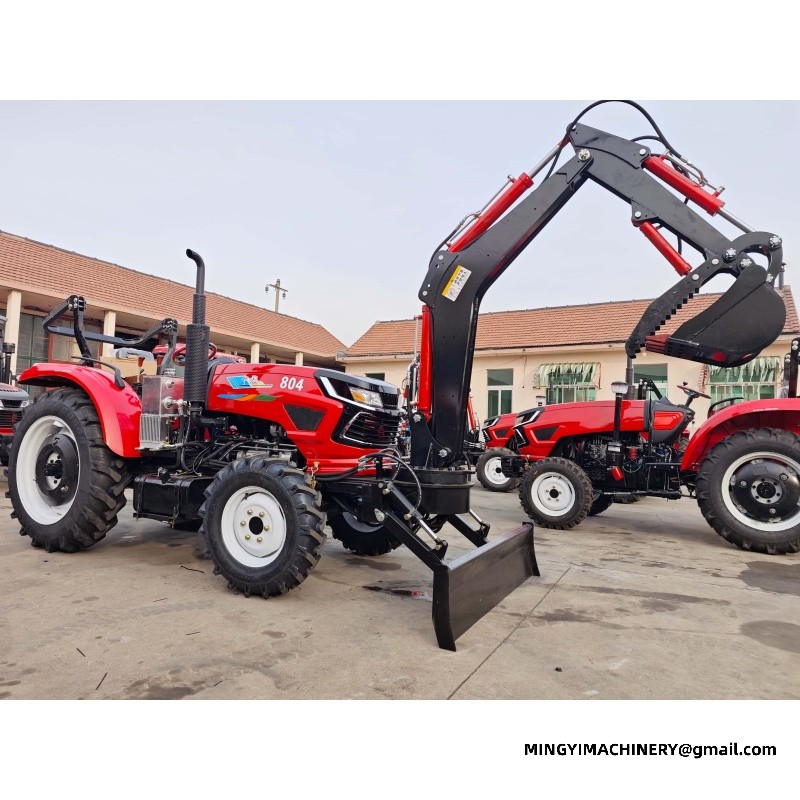
Width and weight both matter. An implement that suits the power of the equipment on site can still be wrong if it is too wide for the gateway or too heavy for the linkage, and both are simple to check in advance. Hitch category and PTO shaft should be confirmed at build. Getting these right on the machine itself means every implement on the farm connects without an adapter, which is a daily saving rather than a one-off convenience.
Access and storage are worth settling early. Where the model in question will be parked, refuelled and serviced on site affects the working day more than most specification details, and it takes nothing to plan. Sequencing avoids rework. Doing the work in the order that suits the ground and the following trades keeps the machine in that duty productive and prevents finishing a task that then has to be opened up again.
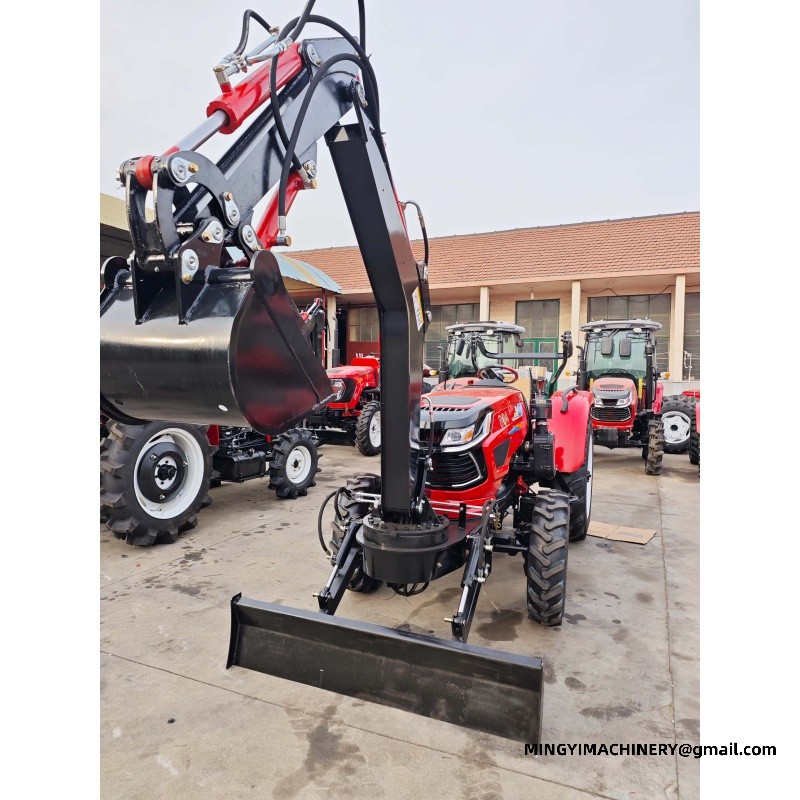
Seasonal work changes the maintenance calendar. Machines that work hard for two months and stand for ten need preparation before storage and a check before returning to work, and both are simpler than the repairs they prevent.
Slopes and edges deserve a separate check. The unit on the job that is stable on level ground behaves differently across a gradient, and the safe working angle is a number worth knowing rather than estimating.
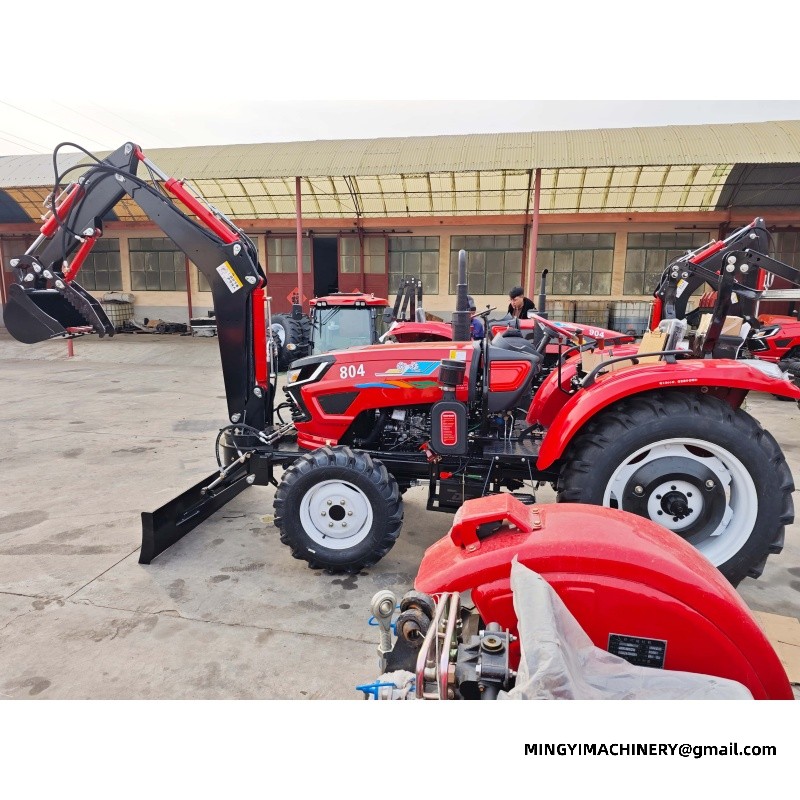
Before-storage preparation prevents most return-to-work faults. Draining or treating fuel, protecting exposed rods and relieving pressure where the maker specifies it are the items worth an hour when a machine built for the work is parked.
Working after daylight changes the risk. Lighting coverage on the equipment in service and across the working area, plus high-visibility clothing for anyone on foot, are the items that make low-light work practical.
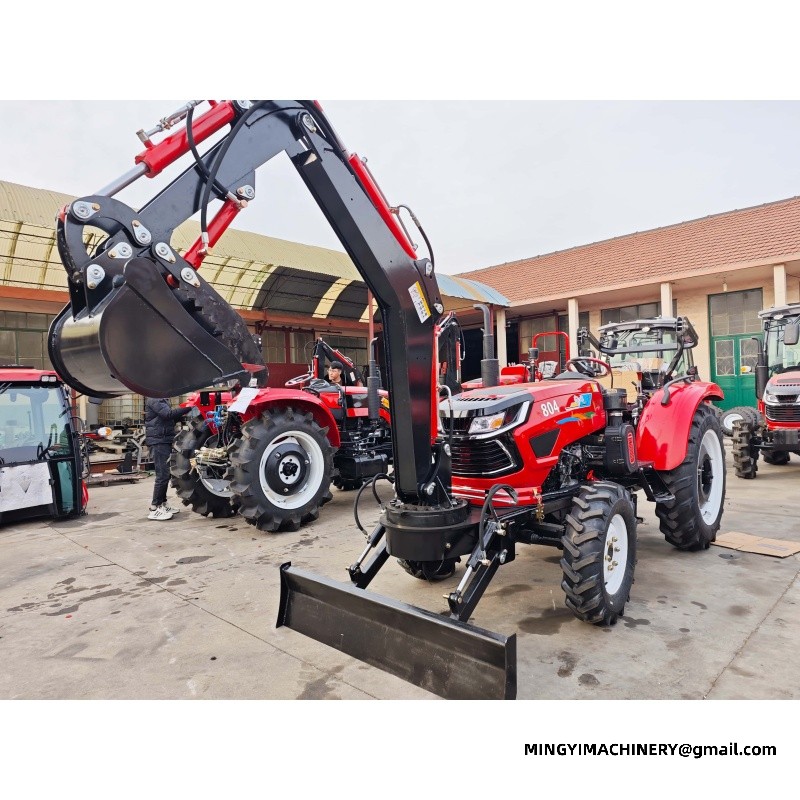
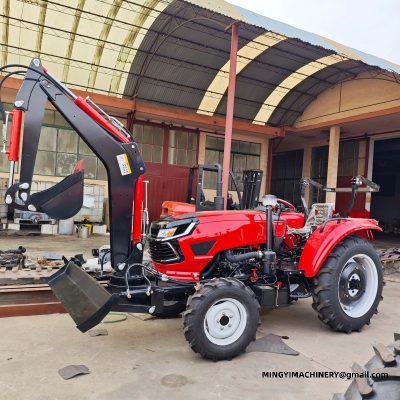
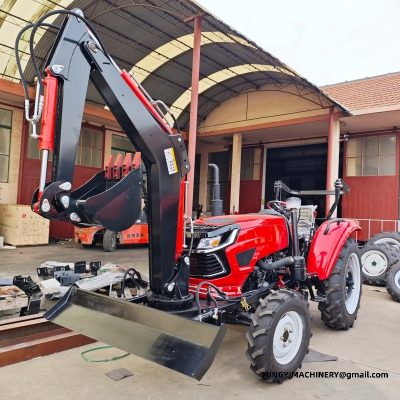
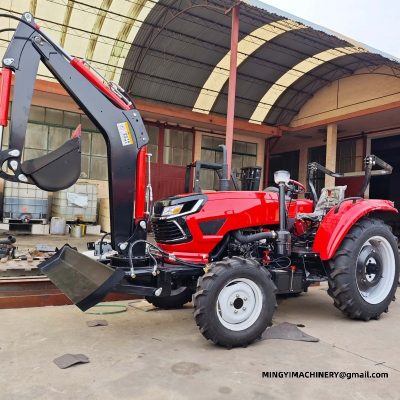
The base machine is only as useful as the tool on the end of it. Matching the attachment to the task - rather than to what arrived with the machine - is what lets one the tractor cover several jobs across a week. Attachment decisions are best made before delivery. Specifying hydraulics and couplers at build time is simpler than adding them later, and it avoids the downtime of a workshop visit in the first month.
Ballast and attachment weight change the machine. Adding a heavy tool to the unit in daily use moves the centre of gravity, and the counterweight or configuration should be matched to the tool rather than assumed.
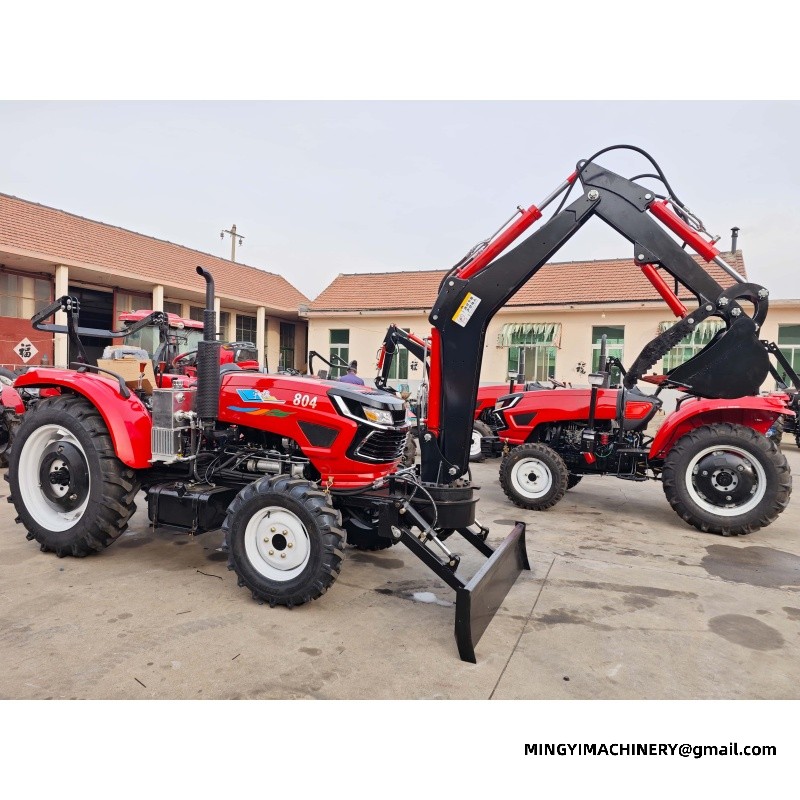
Lead time is part of the specification. Confirming build time, shipping method and what is included before ordering the equipment on site prevents the common gap between when the machine is needed and when it can arrive. The order should state the configuration in writing. Engine, attachments, colour, documents and any market requirement are clearer on the build sheet for the machine itself than in a conversation after delivery.
Ground decides more of the outcome than power does. Soft, wet or loose surfaces call for a wider footprint and lower ground pressure, while hard standing allows a narrower machine that turns in less space and travels faster between tasks. Traction and flotation are two separate questions. The machine in that duty may have the power for a slope and still not have the grip, so the surface, not the engine rating, is usually what limits the working day.
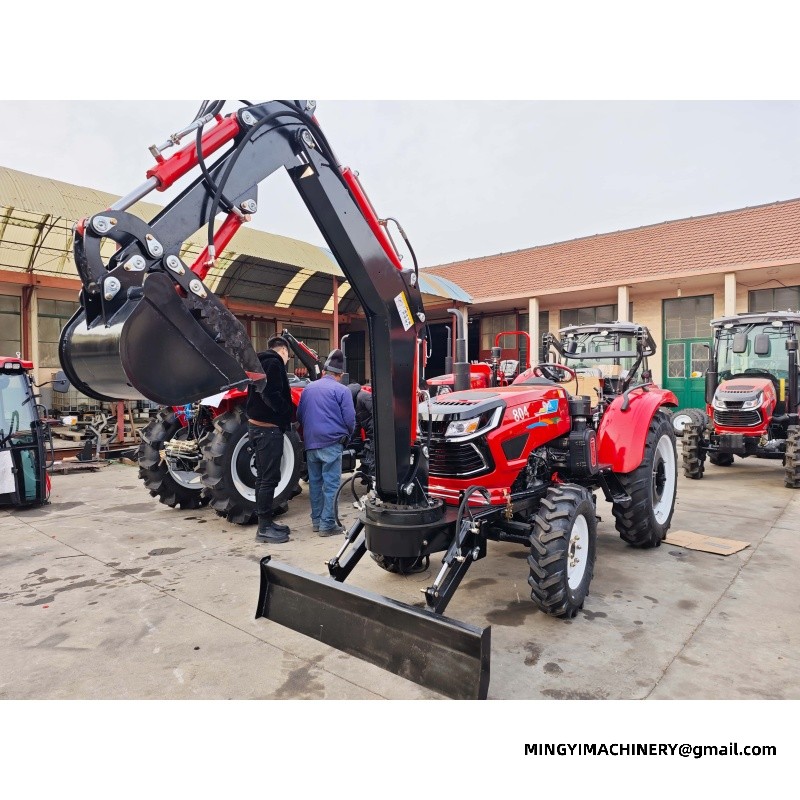
Hydraulic capacity decides what the hitch can do. The lifter on a machine built for the work has to raise the heaviest implement with the linkage geometry the farm uses, and that is a specification rather than an assumption. The valve arrangement is worth thinking through. Enough spools and circuits on the equipment in service to run the implement and the trailer brake at the same time removes the daily compromise of swapping hoses.
The specification should be written from the job backwards. Listing the loads, the ground and the hours first, then matching the unit in daily use to that list, avoids buying capacity the work never uses and avoids discovering a shortfall in the first week. A written duty list is the simplest part of the purchase. It takes an hour to note the material, the distance, the gradient and the hours per week, and it is what turns this class of machine enquiry into a machine that fits.
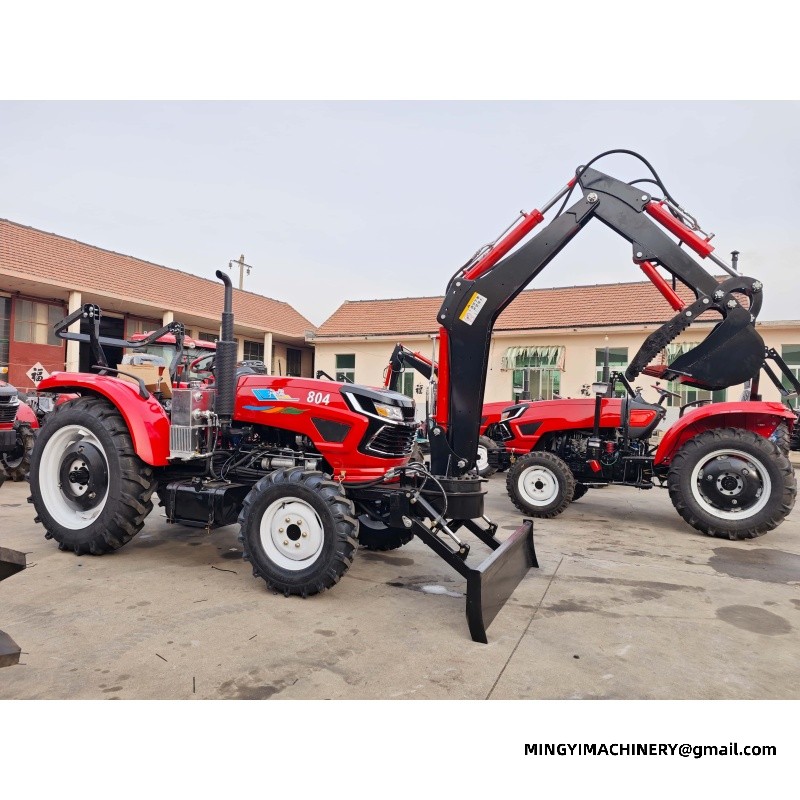
Service access decides whether maintenance happens. The equipment on site with daily checks that can be done from the ground gets them done, while one that needs a toolbox for a dipstick tends to run low. Fuel use is a specification as much as a habit. The machine itself working in the right gear at a sensible engine speed uses meaningfully less over a season, and the operator makes that difference every hour.
Ballast is part of the specification. Weights on the front and rear of the machine in that duty keep the axle loads correct when a heavy implement is lifted, and an unballasted tractor is unstable as well as inefficient.
Most tractors spend part of the year idle. Preparing a machine built for the work for storage with clean fluids, a charged battery and the weight off the tyres avoids the faults that appear at the start of the next season. Keeping the machine under cover pays for itself. Sun and rain on the equipment in service age tyres, seals and paintwork faster than work does, and a roof is the simplest protection available.
The models below are the four-wheel drive wheel tractors most often matched to this work. Overall size, tyre sizes and operating weight are confirmed together, because the row width and the implement list decide those before the power rating does.
| Model | Overall size | Tyres | Operating weight |
|---|---|---|---|
| 604 wheel tractor | 2.4 x 1.3 x 1.3 m, track adjustable | front 600-12 rear 9.5-16 | 1270 kg |
| 504 wheel tractor | 2.4 x 1.3 x 1.3 m, track adjustable | front 600-12, rear 9.5-16 | — |
| 604 mid frame | 3.1 x 1.45 x 1.95 m, track adjustable | front 650-16 rear 11.2-24 | 1600 KG |
| 804 wheel tractor | 2.4 x 1.3 x 1.3 m, track adjustable | front 600-12 rear 9.5-16 | — |
| 904 mid frame | 3.1 x 1.5 x 2.05 m, track adjustable | — | 1600 KG |
| 704 mid frame | 3.2 x 1.5 x 2.05 m, track adjustable | front 750-16 rear 11.2-28 | — |
| 504 mid frame | 3.1 x 1.5 x 1.97 m, track adjustable | front 650-16 rear 11.2-24 | 1450 kg |
| 804 mid frame | 3.2 x 1.5 x 2.05 m, track adjustable | front 750-16 rear 11.2-28 | 1500 KG |
| Item | Note |
|---|---|
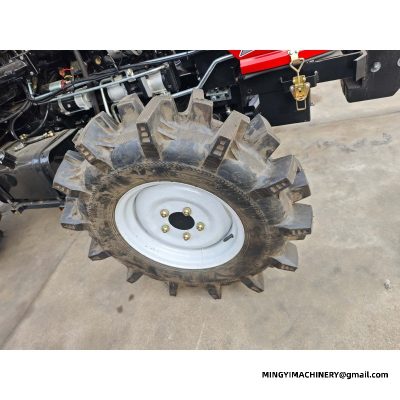
| Tyre options | Front and rear tyre sizes can be changed at build; wider rear tyres suit soft ground and narrow fronts suit row crop work. |
| PTO | Rear PTO at 540 / 720 rpm drives implements directly; the gearbox and shuttle shift are specified with the implement list. |
| Engine by power band | 50/60 hp: 490Engine ; 70/80 hp: 490turboEngine |
| Ballast and canopy | Front and rear ballast blocks and a sun canopy are fitted to suit the heaviest implement the tractor will pull. |
Patterns show up in the record before they show up in the machine. Rising oil consumption or a filter that keeps blocking on a machine of this size is obvious on paper long before it becomes a failure on site.
What the customer sees on arrival is decided before departure. The walk-around given to the machine itself covers the same points the operator will check on day one, so there are no surprises when the crate is opened at the destination.
Dust is the enemy of every rotating joint. Keeping the radiator and the air intake of the machine in that duty clean, and cleaning them before they are blocked rather than after, is what separates a machine that lasts from one that overheats.
Keeping the documents together is part of ownership. The manual, the service record and the build sheet for a machine built for the work belong in one folder, and the machine is easier to sell later when that folder is complete.
Commissioning is where the specification meets the ground. The settings chosen for the tractor are confirmed against the actual site, and the working pattern is adjusted before the machine is asked for a full day.
Container loading is a planning exercise. The overall dimensions and the operating weight of the unit in daily use decide whether it ships whole, partly disassembled or with the attachment removed, and that decision is made before the booking.
Training is simpler than repair. An hour spent with a new operator on the equipment on site, covering the limits and the awkward cases, is the least lengthy hour in the whole ownership.
Every line above comes from the build sheet for the machine itself, and the final configuration is confirmed against the working conditions and the destination before production.
E-mail:sales@mingycn.com
LINE(ID):mingyicn