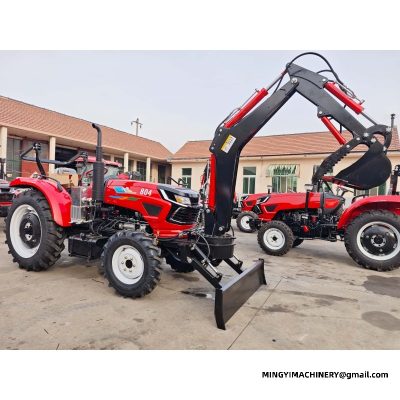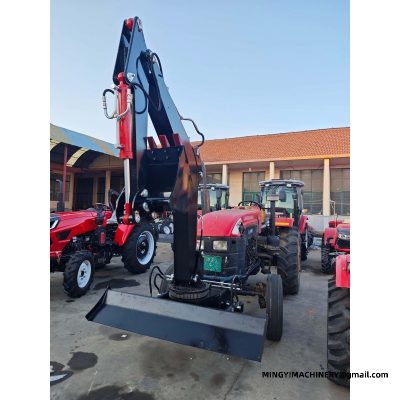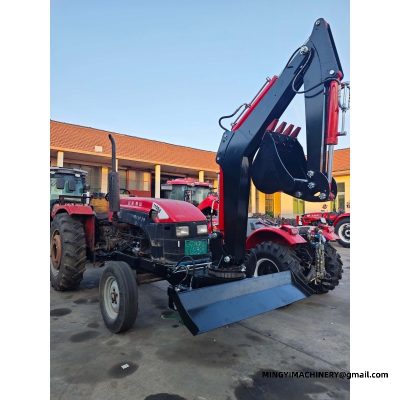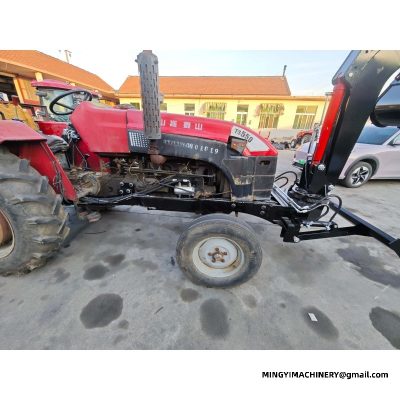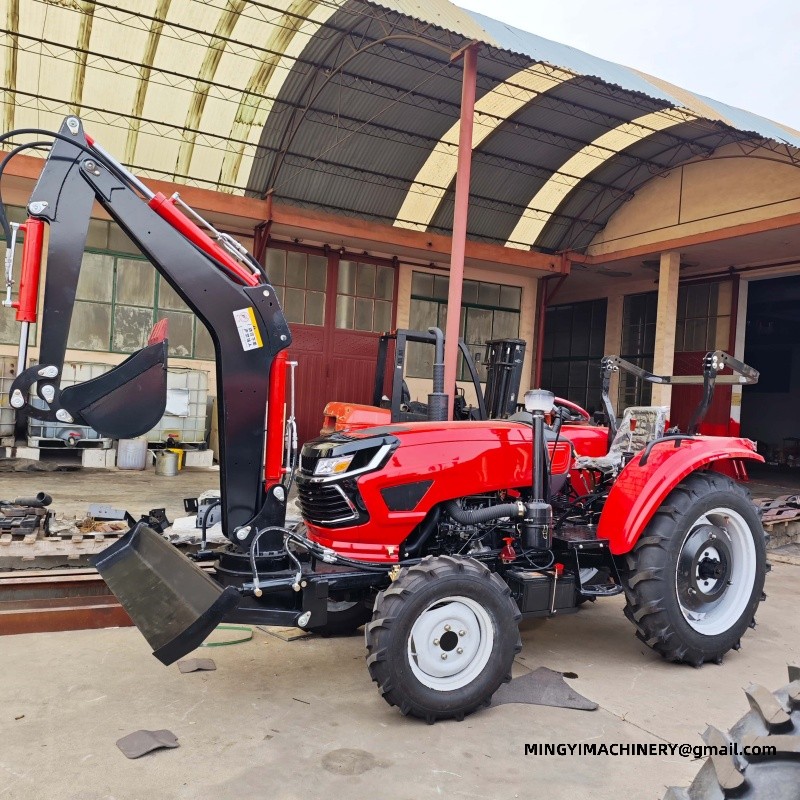
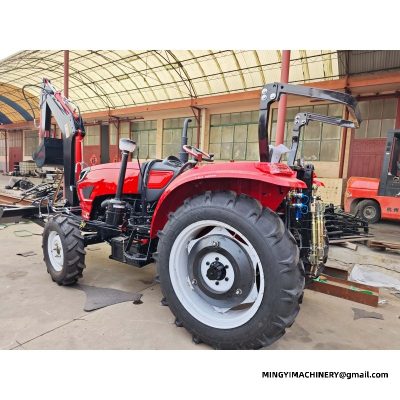
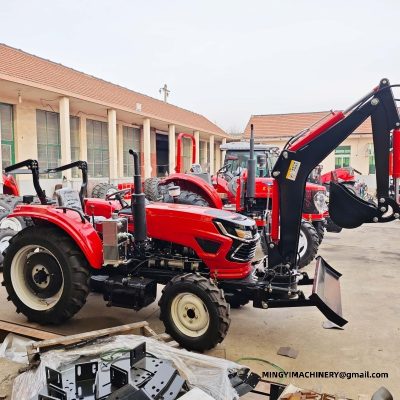
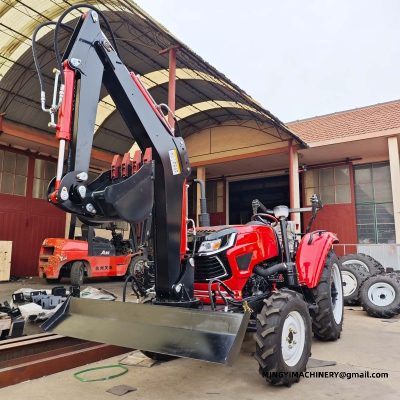
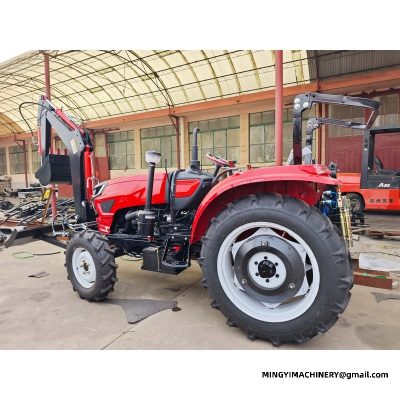
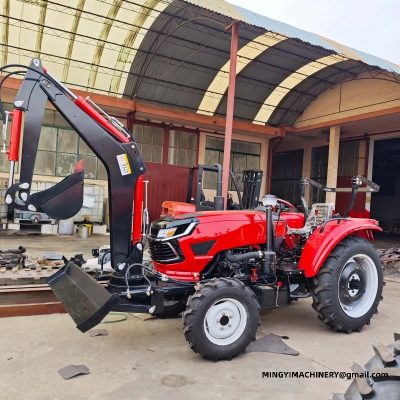
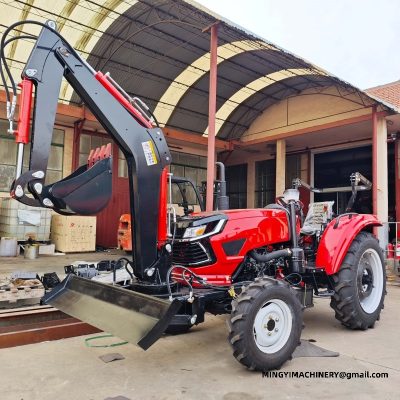
The tractor sits in a class where the difference between models is felt on site rather than read on a plate. What follows covers the practical side, including access, duty cycle, maintenance and delivery, in the order a buyer tends to meet them.
The working surface should be surveyed before this class of machine is specified. A machine that is stable on compacted gravel can be unusable on the same site after rain, and the difference shows up as lost days rather than as a fault.
Batteries and fluids are the parts that notice the cold first. The unit in daily use kept on a maintainer through a freezing spell starts on the first turn, while one left standing is the usual cause of a lost morning. Low temperatures also make materials behave differently. Ground that is frozen hard in the morning can be soft by midday, and planning the sequence around that is easier than fighting it with a machine of this size.
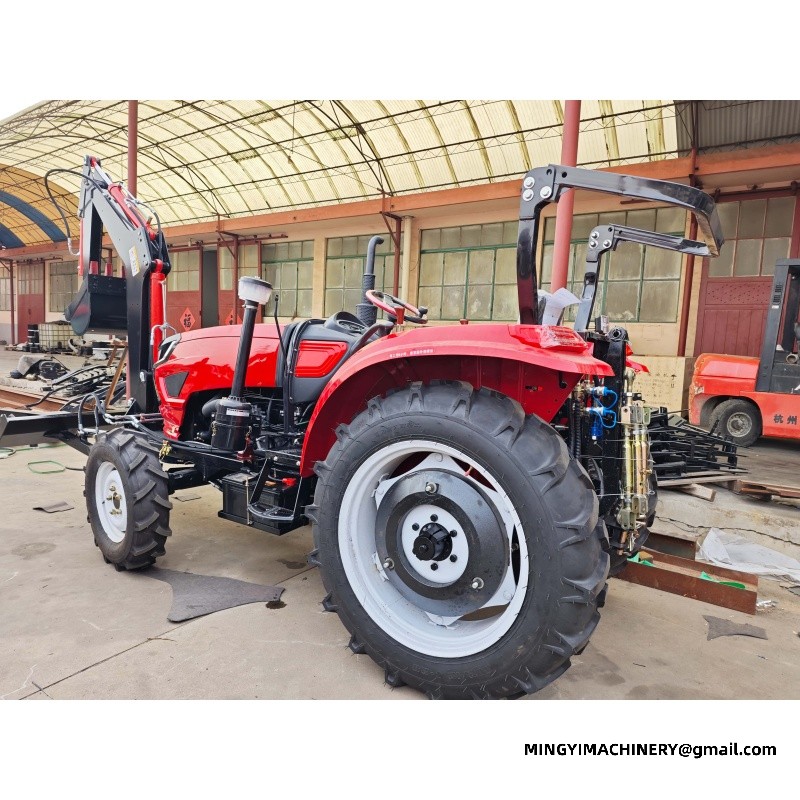
The decision is economic as well as technical. Comparing the work of reconfiguring the equipment on site against a different machine is a short calculation that usually gives a clear answer.
Duty cycle is the honest measure of a machine. The machine itself working a few hours a week has different needs from one working two shifts, and the cooling, filtration and service intervals should follow the hours rather than the calendar.
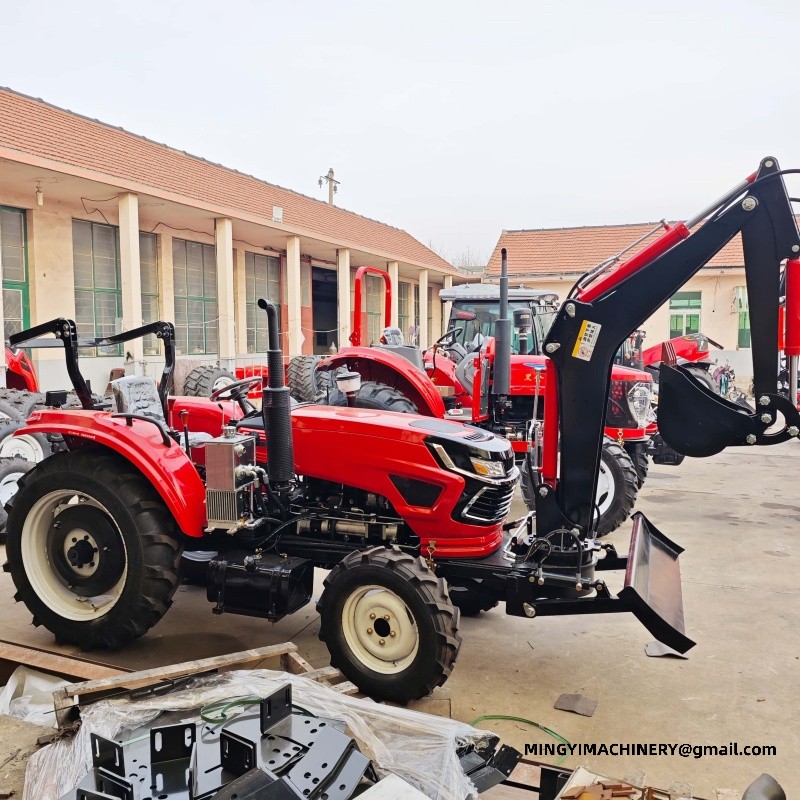
The implement list is the specification. Ploughing, tilling, seeding and hauling each ask something different of the model in question, and writing the list down is what turns a tractor enquiry into a machine that fits. Hitch category and PTO shaft should be confirmed at build. Getting these right on the machine in that duty means every implement on the farm connects without an adapter, which is a daily saving rather than a one-off convenience.
The rear PTO speed has to suit the implement. The unit on the job specified with the common 540 and 720 speeds drives most implements directly, and confirming that at build is far simpler than changing a gear set later. The valve arrangement is worth thinking through. Enough spools and circuits on a machine built for the work to run the implement and the trailer brake at the same time removes the daily compromise of swapping hoses.
The gearbox is used more than any other control. The equipment in service with a shuttle shift and sensible spacing between the working gears makes headland turns quicker and reduces the fatigue of a long day.
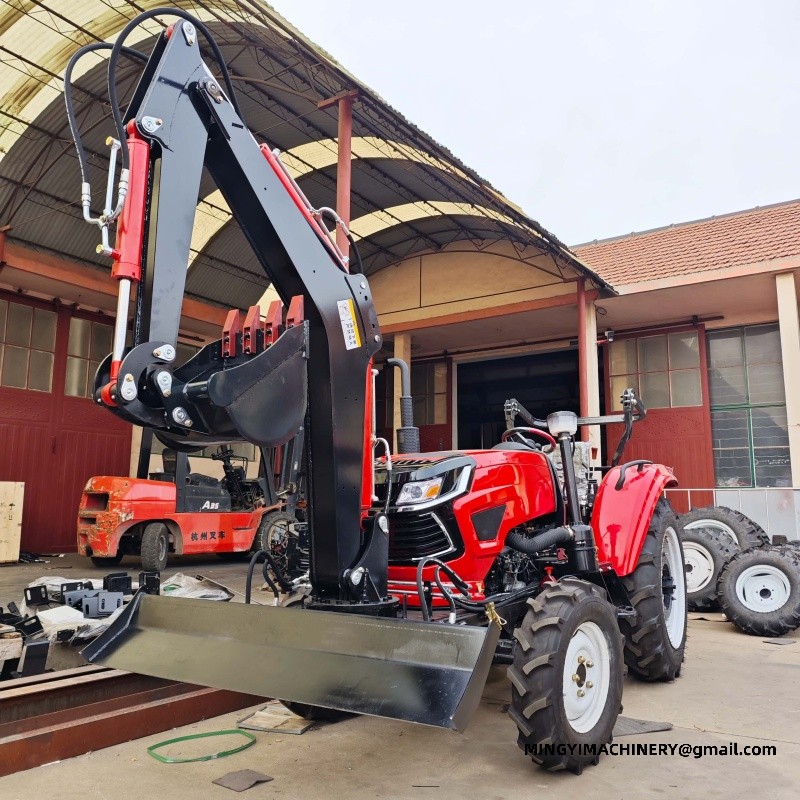
Service intervals exist because wear is predictable. Following the maker schedule on the tractor takes far less time than repairing the damage that follows a missed oil change or a filter left in place past its life. A simple log helps. Recording hours, fuel and any adjustment made to this class of machine gives the workshop a history, and that history is what turns an intermittent fault into a one-visit repair instead of three.
Records are part of the asset. Keeping the service history and the hour records with the unit in daily use makes it easier to sell, easier to insure and easier to justify the replacement machine internally.
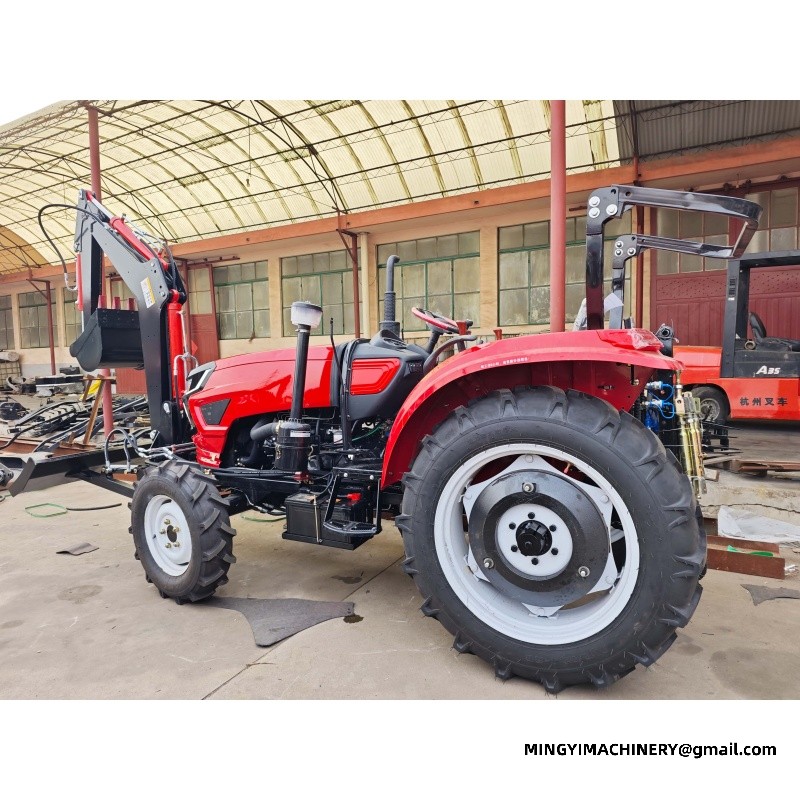
Shipping dimensions matter as much on export orders as they do locally. Confirming the packed size of the equipment on site before booking avoids re-booking freight after the machine is built.
Early faults are usually simple. The machine itself that behaves differently in its first few hours is more often mis-set than defective, and a call to the supplier at that point usually resolves it the same day.
Most incidents around machinery come from the space rather than the machine. Exclusion zones, a clear signal person and a check on what is behind the unit on the job before it moves cover the large majority of the risk on a working site. Slopes and edges deserve a separate check. The machine in that duty that is stable on level ground behaves differently across a gradient, and the safe working angle is a number worth knowing rather than estimating.
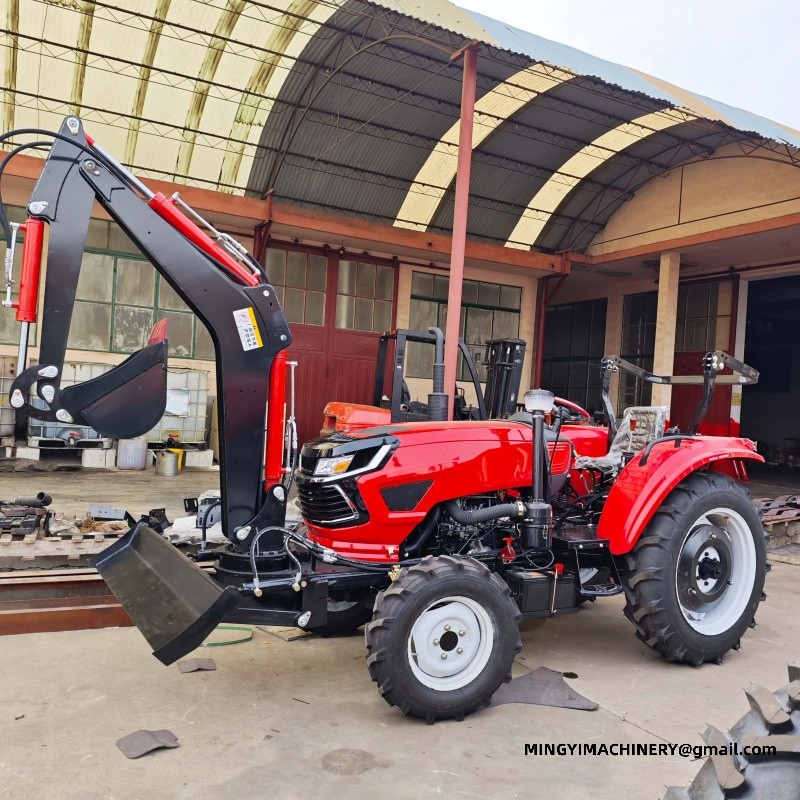
Service access decides whether maintenance happens. The equipment in service with daily checks that can be done from the ground gets them done, while one that needs a toolbox for a dipstick tends to run low.
Too much power takes money every hour it works. This class of machine that is larger than the implement list needs burns more fuel and carries more weight than the job requires, and the extra capacity is never used.
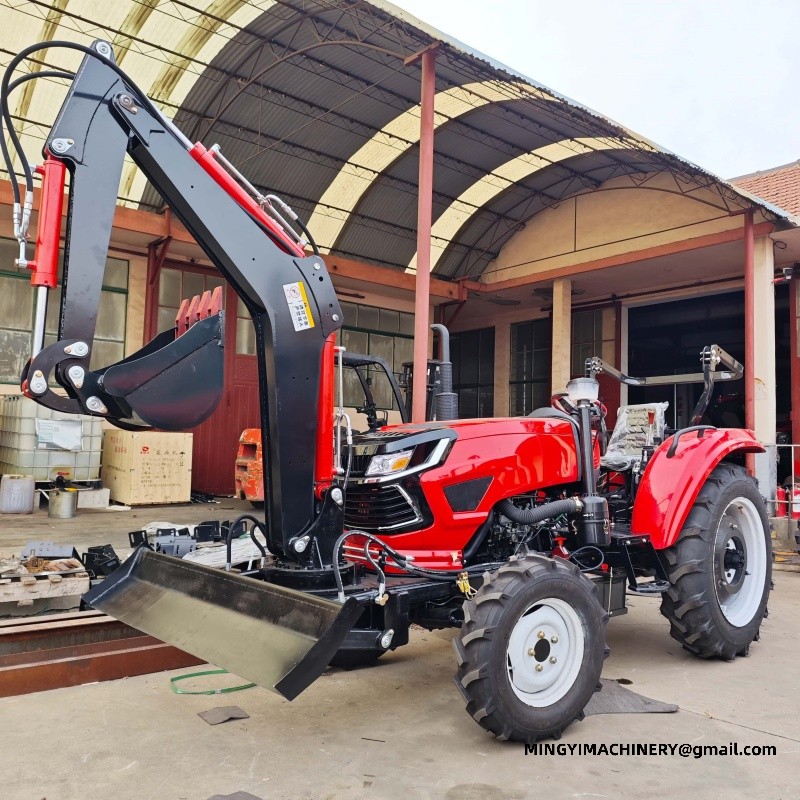
Standing still is hard on machinery. A machine of this size left for weeks benefits from a clean, dry, covered space, a charged battery and a fuel system prepared for the layoff, and all three effort very little. Before-storage preparation prevents most return-to-work faults. Draining or treating fuel, protecting exposed rods and relieving pressure where the maker specifies it are the items worth an hour when the equipment on site is parked.
Delivery planning includes the receiving end. Knowing whether the model in question will be craned, driven or forked off, and whether the site can accept it, is settled before dispatch rather than on the day.
Most owners find that the second attachment changes how often the machine is used. The unit on the job that was bought for one task often becomes the general machine on site once a second tool is available.
Support after delivery is a parts question. Filters, belts, hoses and the wearing items specific to the equipment in service are what a buyer should plan to hold before the first service interval rather than order after a failure. Parts availability usually decides the engine and the brand. A machine built around components the local network already carries is serviced from stock, which is the difference between a day lost and a week lost.
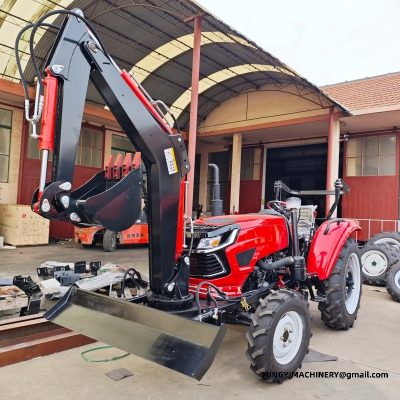
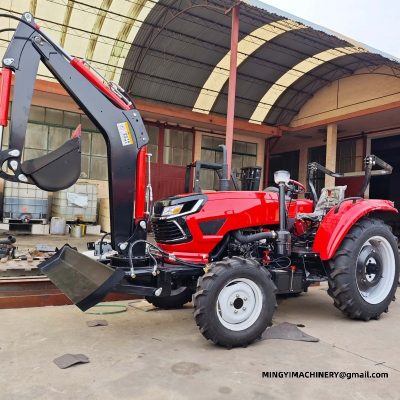
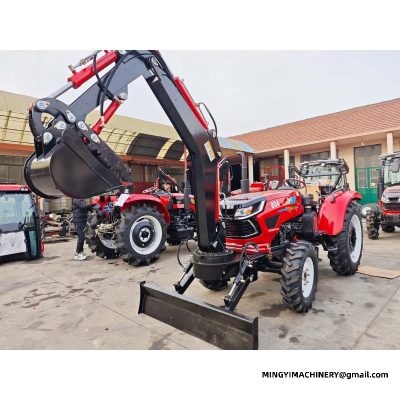
The models below are the four-wheel drive wheel tractors most often matched to this work. Overall size, tyre sizes and operating weight are confirmed together, because the row width and the implement list decide those before the power rating does.
| Model | Overall size | Tyres | Operating weight |
|---|---|---|---|
| 604 mid frame | 3.1 x 1.45 x 1.95 m, track adjustable | front 650-16 rear 11.2-24 | 1600 KG |
| 904 mid frame | 3.1 x 1.5 x 2.05 m, track adjustable | — | 1600 KG |
| 804 wheel tractor | 2.4 x 1.3 x 1.3 m, track adjustable | front 600-12 rear 9.5-16 | — |
| 504 wheel tractor | 2.4 x 1.3 x 1.3 m, track adjustable | front 600-12, rear 9.5-16 | — |
| 504 mid frame | 3.1 x 1.5 x 1.97 m, track adjustable | front 650-16 rear 11.2-24 | 1450 kg |
| 804 mid frame | 3.2 x 1.5 x 2.05 m, track adjustable | front 750-16 rear 11.2-28 | 1500 KG |
| 604 wheel tractor | 2.4 x 1.3 x 1.3 m, track adjustable | front 600-12 rear 9.5-16 | 1270 kg |
| 704 mid frame | 3.2 x 1.5 x 2.05 m, track adjustable | front 750-16 rear 11.2-28 | — |
| Item | Note |
|---|---|
| Engine by power band | 50/60 hp: 490Engine ; 70/80 hp: 490turboEngine |
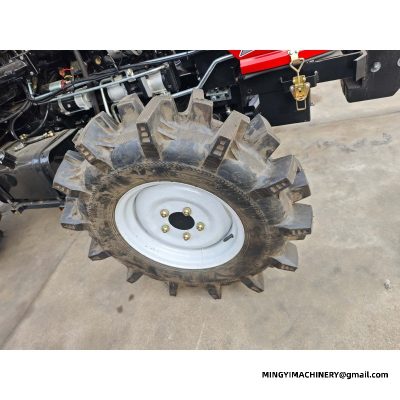
| Tyre options | Front and rear tyre sizes can be changed at build; wider rear tyres suit soft ground and narrow fronts suit row crop work. |
| Ballast and canopy | Front and rear ballast blocks and a sun canopy are fitted to suit the heaviest implement the tractor will pull. |
| PTO | Rear PTO at 540 / 720 rpm drives implements directly; the gearbox and shuttle shift are specified with the implement list. |
Workload is rarely even across the year, and the machine should be specified for the busy weeks. A machine of this size sized only for the average month will be the limiting factor exactly when the work is worth the most.
Different operators suit different work. The person who is quickest with the machine itself on open ground is not always the one who is safest in a confined space, and having both available is a genuine advantage.
Securing the load is not optional. Lashing the machine in that duty at the points intended for it, checking the tension before the vehicle moves and rechecking after the first kilometres is standard practice rather than extra care.
Operators notice things first because they hear the machine every day. Encouraging the person on a machine built for the work to report small changes, and acting on them, is the most effective maintenance programme there is.
An added function should pay for itself quickly. Whether the tractor gains a different bucket, a hydraulic service or a protection package, the test is the number of days a year it is actually used.
Container loading is a planning exercise. The overall dimensions and the operating weight of the unit in daily use decide whether it ships whole, partly disassembled or with the attachment removed, and that decision is made before the booking.
A stored machine should be brought back carefully. Before the equipment on site returns to work the fluids, the brakes and the controls are checked, because months of standing change more than a weekend does.
Every line above comes from the build sheet for the machine itself, and the final configuration is confirmed against the working conditions and the destination before production.
E-mail:sales@mingycn.com
LINE(ID):mingyicn